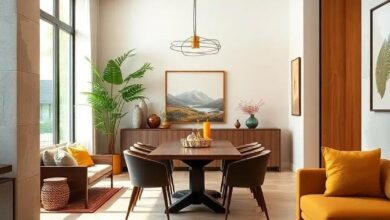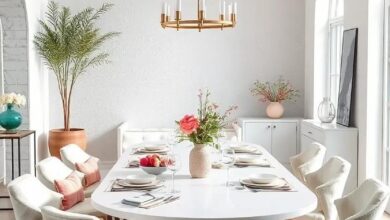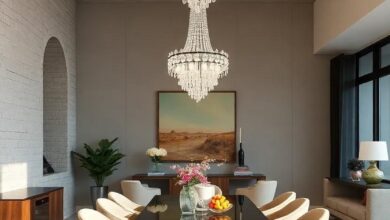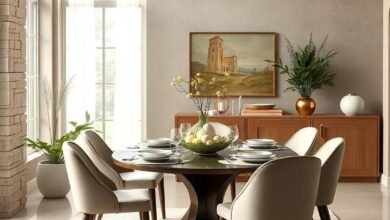
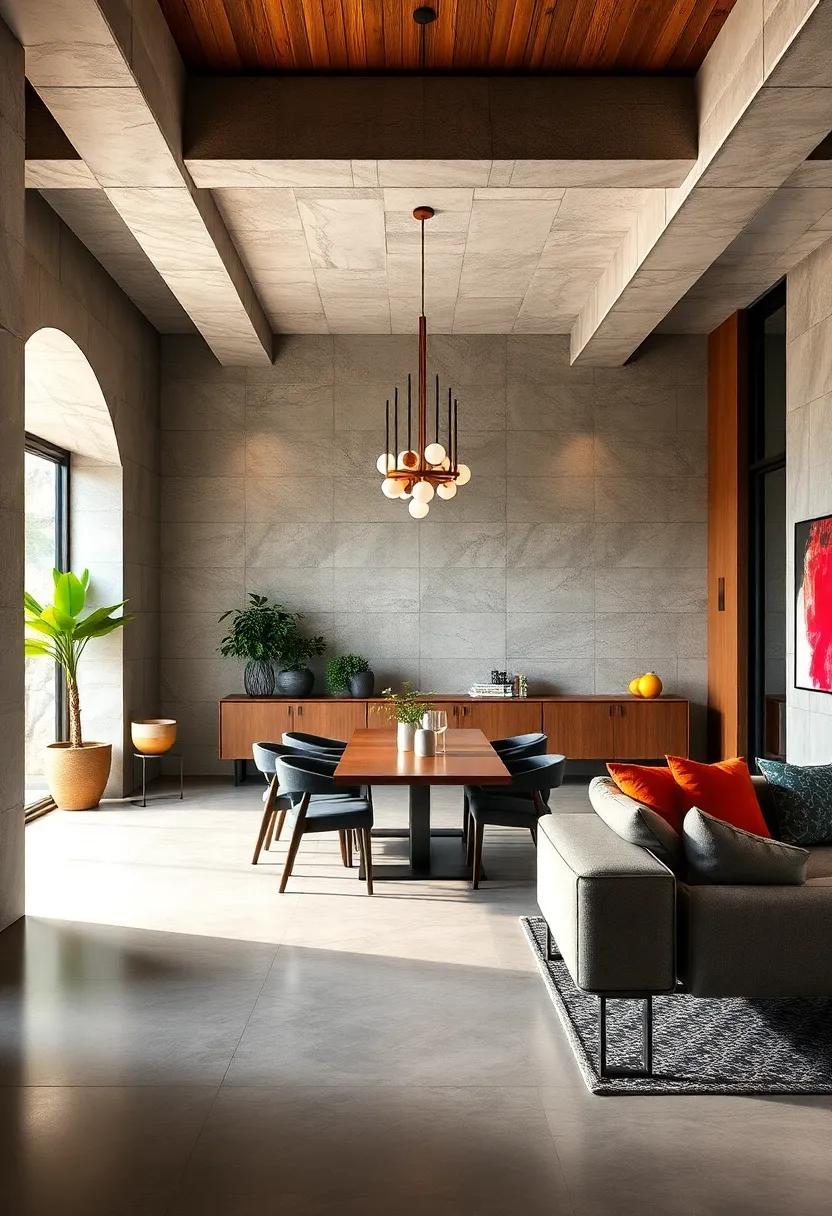
In a world where every square inch of home matters, the dining area is no longer just a place to gather around a table and share a meal. It’s evolving into a dynamic hub-one that blends function and style, accommodating everything from work and study sessions to casual conversations and creative projects. Maximizing space in these multi-functional dining areas requires more than just clever furniture choices; it demands innovative thinking that transforms limitations into opportunities. This article explores imaginative ideas to help you reimagine and optimize your dining space, turning it into a versatile environment that truly adapts to your lifestyle.
Maximizing Every Inch With Stylish Foldable Dining Tables That Transform Spaces Effortlessly
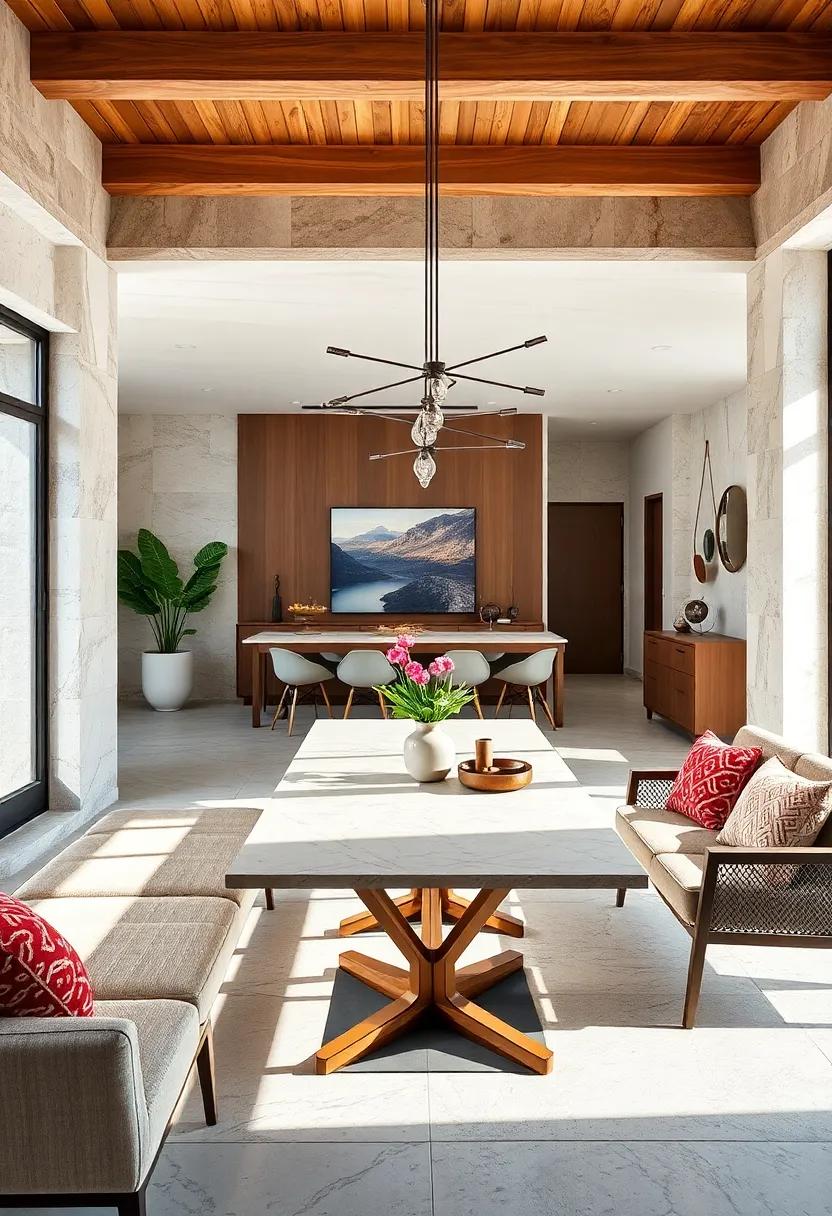
Optimizing a compact dining area often requires furniture that adapts seamlessly to your lifestyle. Foldable dining tables excel at providing a dynamic solution, allowing you to expand your table for gatherings or retract it to reclaim valuable space. Their sleek designs blend functionality with style, incorporating modern materials like tempered glass, natural wood finishes, and metal accents that complement various décor themes. Whether positioned against a wall or centered in an open-plan room, these tables effortlessly toggle between intimate lunches and lively dinner parties without compromising on aesthetics.
Consider integrating foldable tables equipped with smart storage compartments or convertible features that add utility beyond dining. These multi-purpose pieces can double as workstations, craft tables, or buffet setups, making every inch count. Below is a quick comparison of popular foldable table styles to inspire your next interior decision:
| Style | Material | Fold Mechanism | Best For |
|---|---|---|---|
| Drop-leaf | Wood | Sidefold | Small kitchens |
| Wall-mounted | Metal & MDF | Fold-down | Studios & apartments |
| Accordion | Composite wood | Accordion fold | Flexible dining spaces |
| Extendable | Glass & steel | Slide & pull | Modern living rooms |
- Maximize versatility: Choose foldables that suit multiple uses.
- Design synergy: Match the table’s style with your overall space theme.
- Easy operation: Ensure lightweight and smooth folding mechanisms.
- Durability: Opt for sturdy materials for long-lasting use.
Creative Use of Vertical Storage Units to Expand Capacity Without Sacrificing Aesthetic Appeal
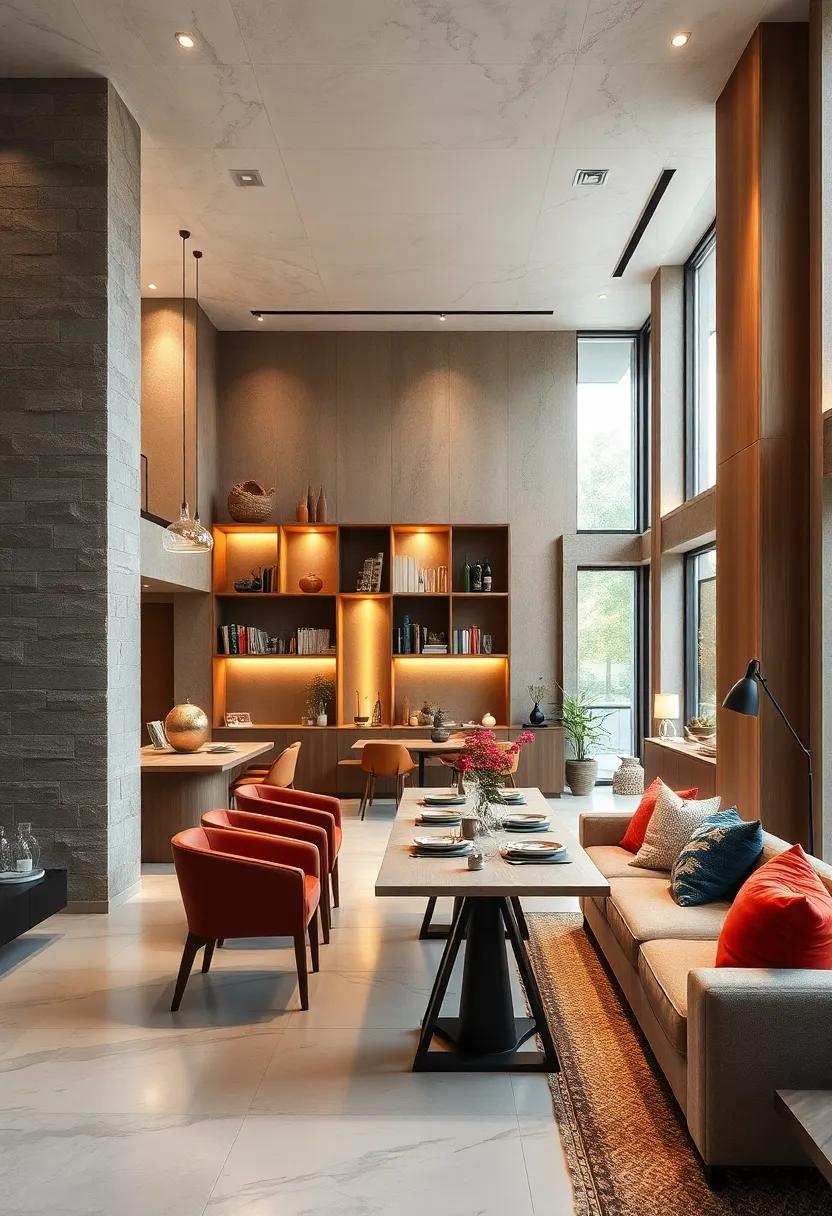
Vertical storage brings an elegant solution to the challenge of expanding capacity in multi-functional dining spaces. By thinking upwards, walls transform into practical showcases that marry utility with design. Consider sleek, floor-to-ceiling shelving units that blend open display areas with concealed compartments, allowing you to store everything from fine china to cookbooks without cluttering countertops or dining surfaces. Incorporating glass doors or perforated panels can maintain an airy feel, while curated decorative objects break the monotony and add personality. Additionally, integrating LED strip lighting along these vertical elements not only highlights your collection but also infuses the dining area with warm, inviting ambiance.
Designers often recommend combining vertical storage with multi-tiered units that cater to diverse needs simultaneously. For example:
- Upper Shelving: Ideal for lightweight items or seasonal décor that can elevate the room’s style while staying accessible.
- Middle Cabinets: Perfect for everyday dining essentials ensuring they’re within arm’s reach during meals.
- Lower Drawers: Use these for bulkier items like serving trays, napkins, or table linens.
Such an arrangement maximizes storage efficiency while crafting a visually balanced and harmonious space. Here’s a quick comparison of storage types and their best uses to inspire a balanced setup:
| Storage Type | Ideal For | Design Tip |
|---|---|---|
| Open Shelves | Decorative dishware, plants | Mix heights and group items for artful display |
| Cabinets with Doors | Clutter-prone items | Choose frosted glass for subtle concealment |
| Pull-Out Drawers | Utensils, linens | Use dividers to organize smaller items |
Thoughtful vertical storage elevates a dining area into a cohesive, functional masterpiece without sacrificing visual refinement.
Blending Classic and Modern Materials to Craft Multi-Purpose Tables That Serve Dual Functions
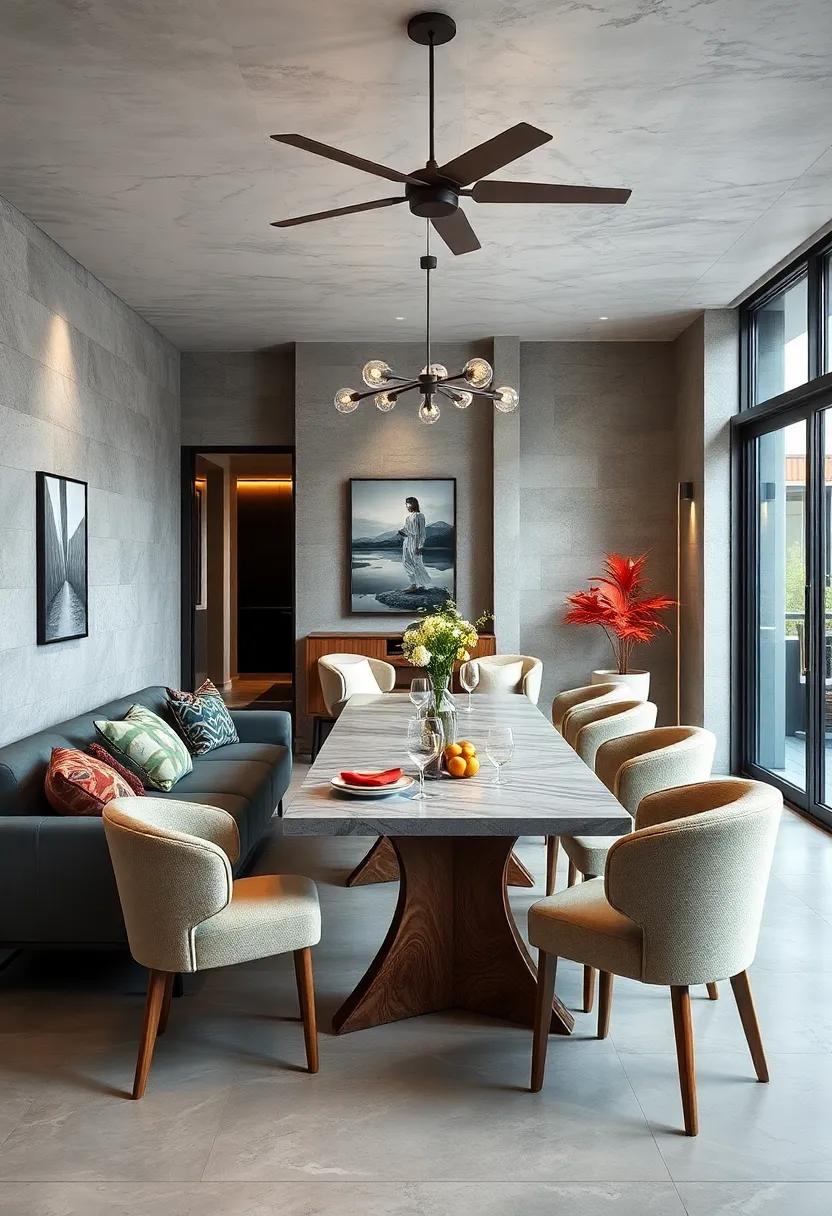
Integrating traditional woods with sleek metals or glass allows for the creation of versatile tables that adapt seamlessly between dining and workspace needs. These material combinations not only impart a timeless aesthetic but also enhance durability and practicality. Picture a table where warm oak tones meet cool, brushed steel legs, offering a cozy yet modern vibe. Such designs evoke a sense of balance, making the table a focal point that complements both classic décor and contemporary interiors. The synergy of these elements ensures the table’s function evolves effortlessly-from family dinners to creative brainstorming sessions.
To further optimize functionality, consider the following features often incorporated into multi-purpose tables:
- Extendable tops that morph dining surfaces into expansive work areas
- Hidden compartments crafted within wooden frames for storage of office supplies or dining essentials
- Foldable panels supported by minimalist metal hinges, conserving space without sacrificing style
Below is a comparison of material combinations and their benefits in crafting these adaptive tables:
| Material Combination | Aesthetic | Functional Benefit |
|---|---|---|
| Cherry wood + Black iron | Rustic elegance | Sturdy frame with warm undertones |
| Reclaimed wood + Chrome | Eco-modern | Lightweight yet durable for easy movement |
| Glass + Walnut | Modern luxury | Clear surfaces for multipurpose visibility |
Incorporating Built-In Bench Seating With Under-Storage Compartments for Sleek and Functional Dining
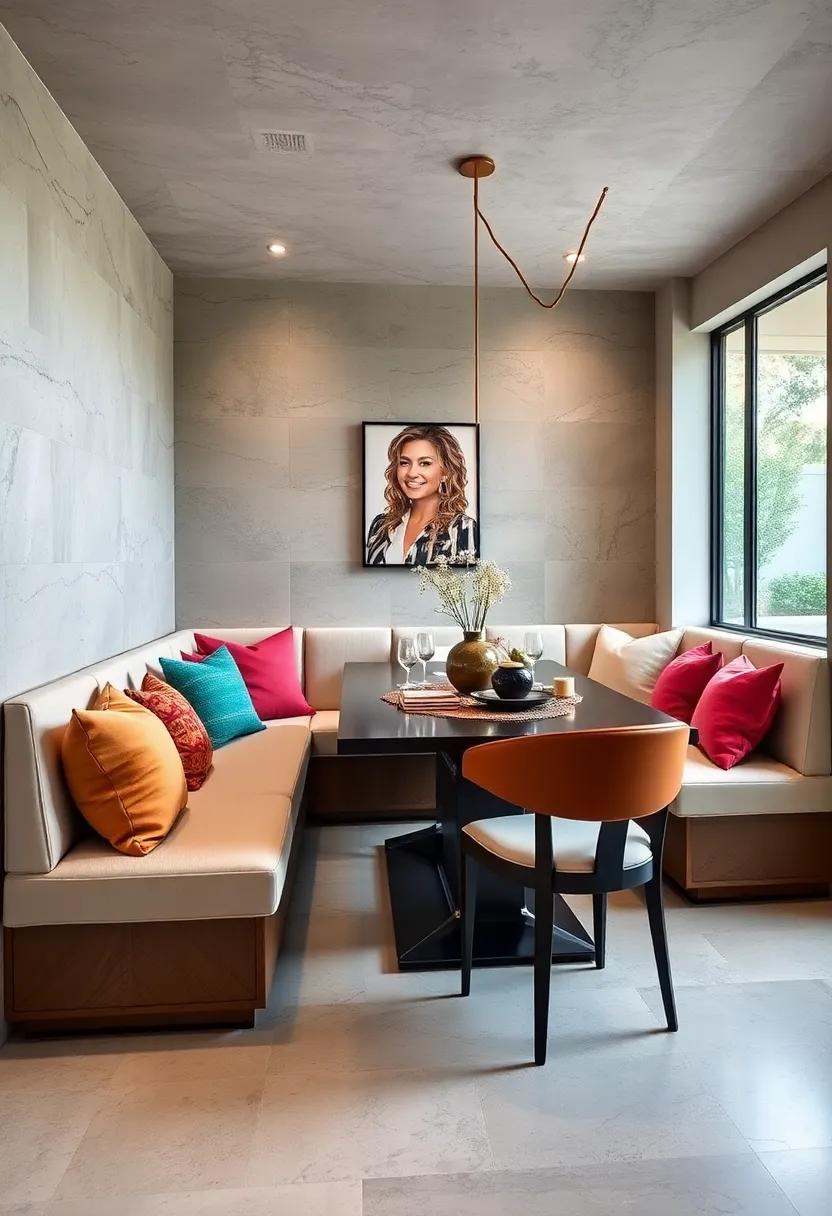
Transform your dining space by integrating bench seating that not only elevates the aesthetic but also enhances practicality. These built-in benches can be tailored to snugly fit corners or line entire walls, offering a seamless blend of comfort and style. Beneath the cushioned seats, cleverly concealed compartments provide ample room to tuck away everyday essentials – from extra dining linens to seasonal dishware – ensuring your dining area remains clutter-free and inviting.
Consider the following benefits to make the most out of this multifunctional design:
- Optimized Storage: Utilize under-bench areas to store items that would otherwise crowd cabinets or shelves.
- Space Efficiency: Maximize seating capacity without sacrificing floor space, making even small dining rooms feel expansive.
- Customizable Comfort: Choose cushions and upholstery that complement your décor while providing ergonomic support.
| Feature | Benefit | Design Tip |
|---|---|---|
| Under-Seat Storage | Keeps clutter out of sight | Use lift-up seats or drawers |
| Space-Saving Layout | Increases seating capacity | Corner benches maximize unused space |
| Custom Cushions | Enhances coziness | Choose durable, stain-resistant fabrics |
Lighting Designs That Enhance Multi-Functional Dining Areas With Ambiance and Practicality
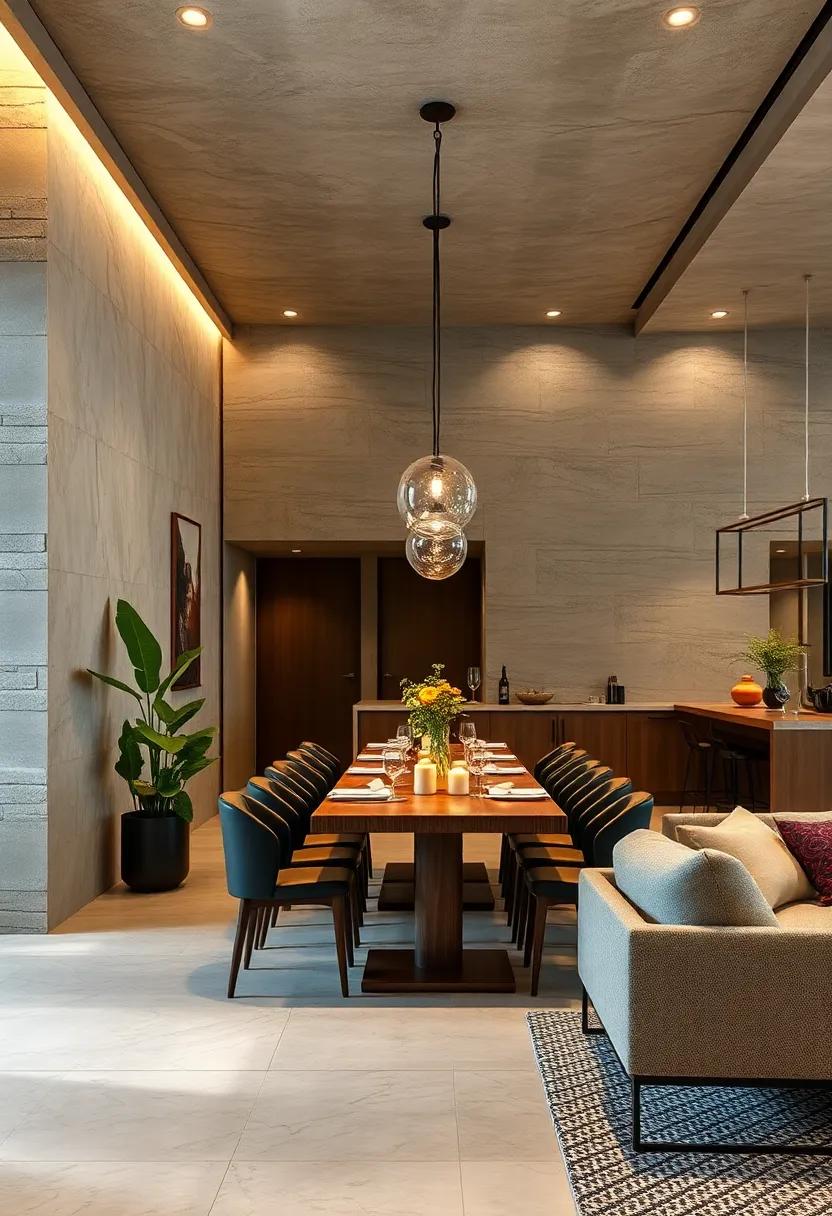
To craft an inviting yet functional atmosphere, lighting should seamlessly blend ambiance with practical illumination. Layered lighting solutions-such as pendant lights over the table, complemented by recessed ceiling fixtures-allow for easy adjustment depending on the activity. Consider dimmable LEDs to modulate brightness from bright task lighting during meal prep or work, transitioning effortlessly into softer, mood-enhancing glows for intimate dinners or relaxing conversations. Incorporating smart lighting controls further personalizes the experience, tailoring the ambiance with a simple voice command or smartphone app.
Strategic placement of lighting can enhance spatial perception and usability in multi-functional dining areas. Use directional spotlights or wall-mounted sconces to highlight architectural features or artwork, while under-cabinet strips bring focused light to buffet or serving stations. Here’s a quick comparison of lighting types perfect for balancing ambiance and practicality in these versatile spaces:
| Lighting Type | Best For | Advantages |
|---|---|---|
| Pendant Lights | Dining Table Focus | Creates intimate zones; adjustable height |
| Recessed Lighting | General Illumination | Minimal visual distraction; evenly distributed light |
| Wall Sconces | Accent and Mood | Highlights decor; adds warmth and character |
| LED Strip Lights | Task Areas & Cabinets | Efficient; discreet, perfect for highlighting workspaces |
Choosing Modular Furniture Pieces That Adapt Seamlessly From Casual Meals to Formal Gatherings
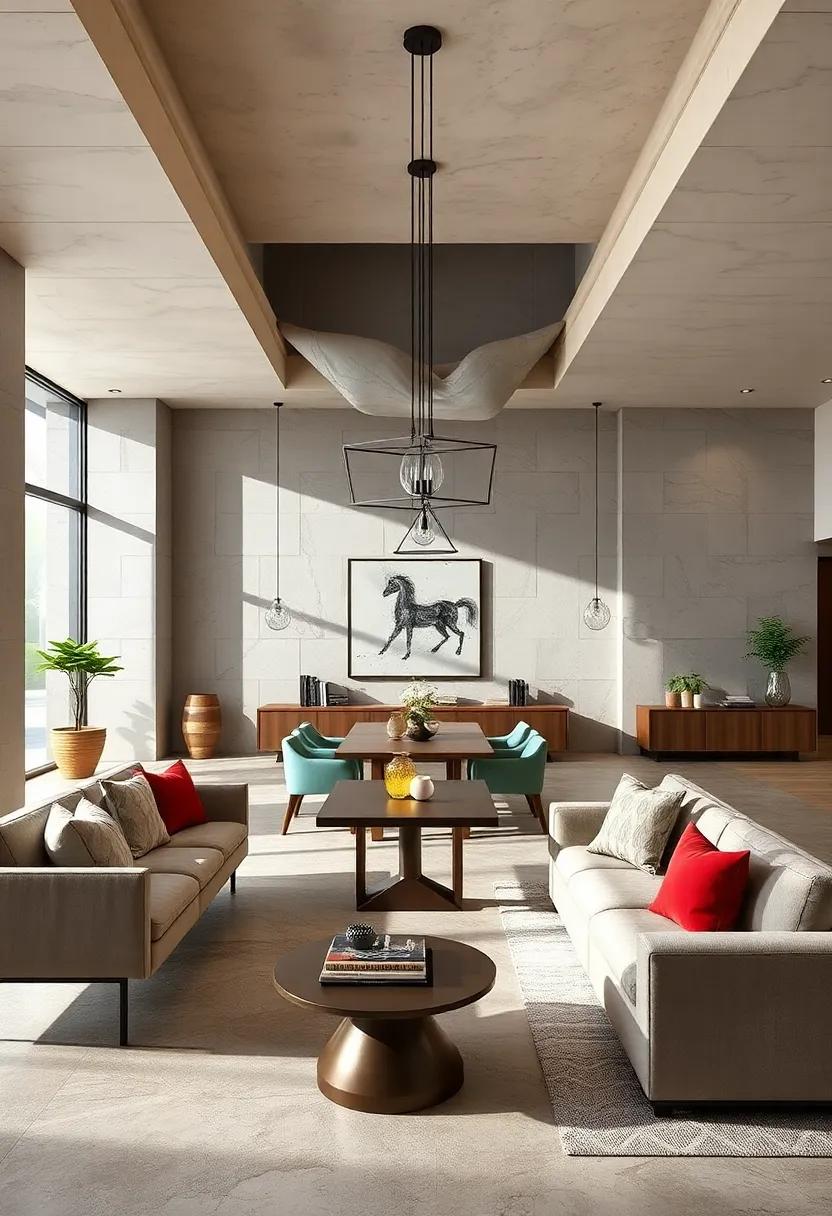
Opting for modular furniture allows you to effortlessly switch between laid-back dining and more sophisticated occasions without compromising on style or comfort. Pieces like extendable tables paired with stackable chairs or benches not only maximize floor space but also enable quick transformations to fit your mood or guest list. Think versatility: choose items with adjustable heights, fold-away components, or built-in storage to maintain a sleek look while enhancing function. This ensures your dining area stays adaptable, practical, and visually appealing throughout all your entertaining needs.
When selecting your modular setup, consider the ease of rearrangement and the aesthetic coherence of each piece. A modular buffet unit with removable trays can serve as a buffet station for formal gatherings and double as casual storage during everyday use. Incorporating elements like movable partitions or rolling carts can also create flexible zones, ensuring the space goes beyond dining to accommodate cocktails or post-meal relaxation seamlessly. Below is a simple breakdown to guide your choices:
| Modular Feature | Casual Use | Formal Use |
|---|---|---|
| Extendable Tables | Compact for two to four people | Expanded for eight or more guests |
| Stackable Seating | Neatly stored when unused | Additional seating ready for guests |
| Fold-away Storage | Clutter-free everyday dining | Hidden essentials for hosting |
Integrating Technology Into Dining Tables With Charging Stations and Hidden Outlets for Convenience
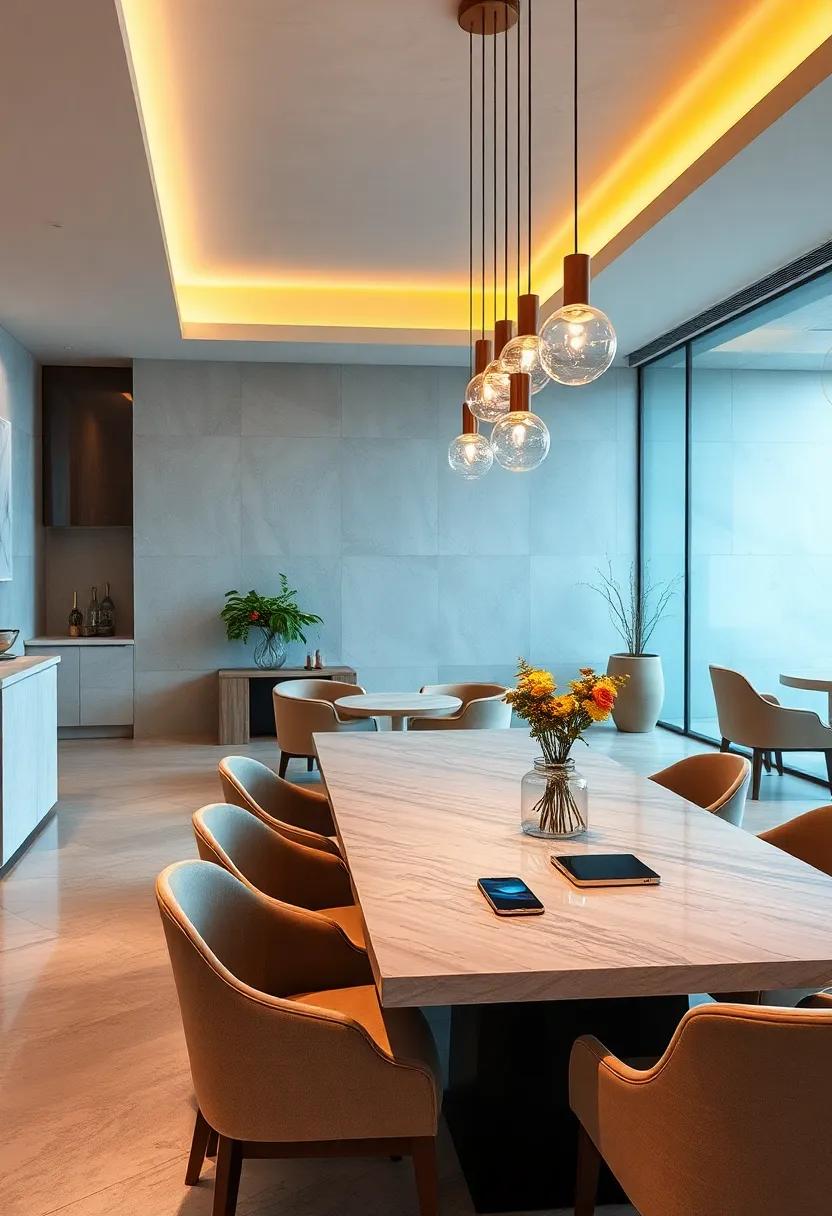
Transforming your dining area into a hub of connectivity has never been easier with the seamless integration of charging stations and hidden outlets into dining furniture. Imagine dining tables equipped with USB ports and power sockets neatly tucked beneath the surface or within cleverly disguised compartments. This innovation not only declutters your space by eliminating tangled cords but also keeps devices within easy reach, perfect for those who blend work, entertainment, and mealtime in one spot. Smart dining tables now offer a blend of aesthetics and functionality, marrying modern technology with classic design.
To maximize convenience without compromising style, consider features like:
- Pop-up power hubs that rise when needed and disappear when not in use.
- Wireless charging pads embedded in table surfaces for cable-free power-ups.
- Sliding drawers with built-in outlets, perfect for charging laptops or tablets during meals or meetings.
For those who want to compare technologies at a glance, here’s a simple breakdown of options:
| Feature | Benefits | Best For |
|---|---|---|
| Pop-up Outlets | Hidden when not in use, easy access | Minimalist aesthetics |
| Wireless Charging Pads | Eliminates cables, fast charging | Smartphone users |
| Sliding Outlet Drawers | Extra workspace, multiple device charging | Remote workers, families |
Combining Dining and Workspace Elements To Create a Cohesive Multi-Use Environment
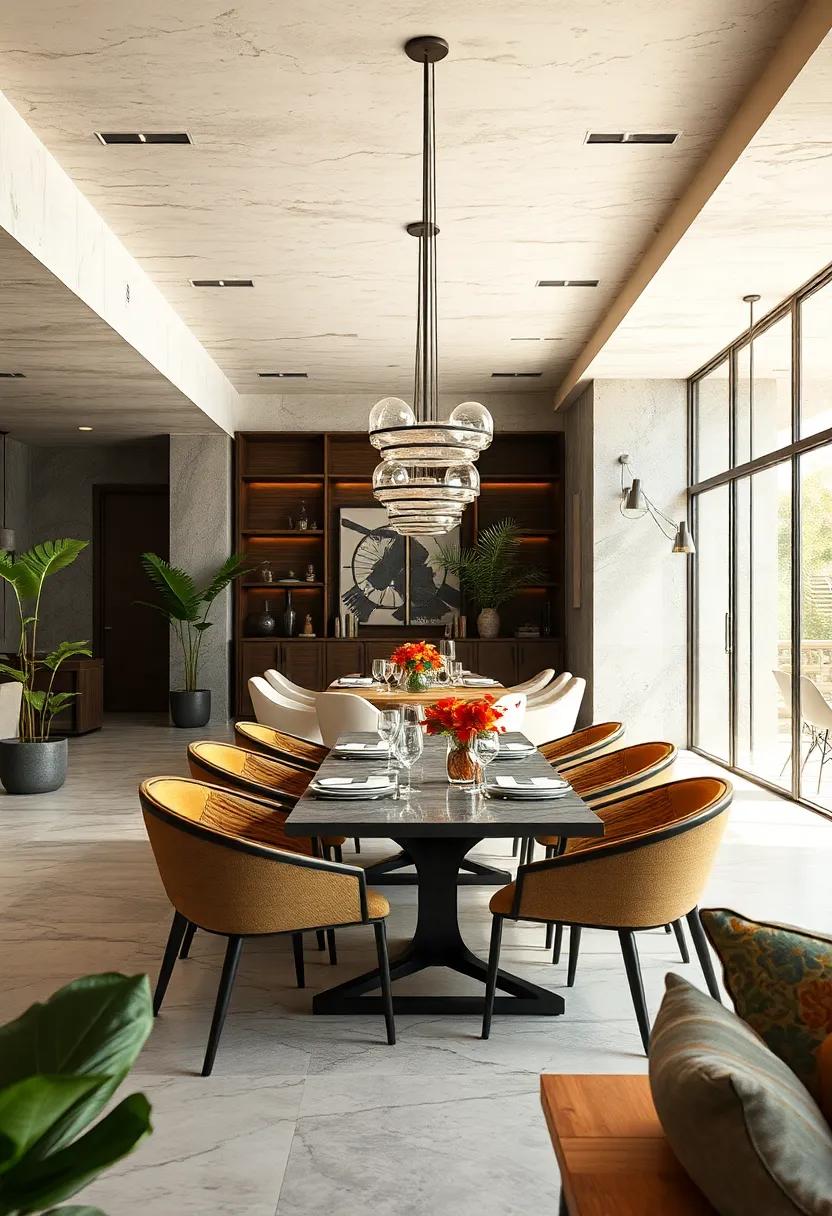
Turning your dining area into a seamless workspace requires intentional design choices that balance function with comfort. Opt for furnishings that serve dual purposes, such as extendable tables that transition from intimate meals to collaborative projects, or chairs designed for ergonomic support during long hours at the desk. Incorporating smart storage solutions like built-in cabinets or floating shelves helps declutter the space, keeping work essentials handy but out of sight when not in use. Soft, adjustable lighting plays a key role, setting the mood for both focused productivity and relaxed dining experiences.
Maximize efficiency by defining distinct zones within the same room. Use area rugs or subtle partitions to separate work from leisure without breaking the flow. Consider these practical tips to elevate your multi-use dining space:
- Multi-purpose table surfaces: Choose durable materials that withstand dining spills and heavy paperwork.
- Integrated charging stations: Keep devices powered without cluttering the tabletop.
- Flexible seating options: Mix chairs and stools for adaptable seating arrangements.
- Acoustic treatments: Utilize rugs and curtains to minimize noise for better concentration.
| Feature | Benefits | Recommended Materials |
|---|---|---|
| Extendable Table | Flexibility for varying tasks | Solid wood, laminate |
| Ergonomic Chairs | Comfort for prolonged use | Mesh, memory foam cushions |
| Built-in Storage | Organized and tidy space | Wood veneer, MDF |
Innovative Convertible Chairs That Save Space Without Compromising Comfort or Style
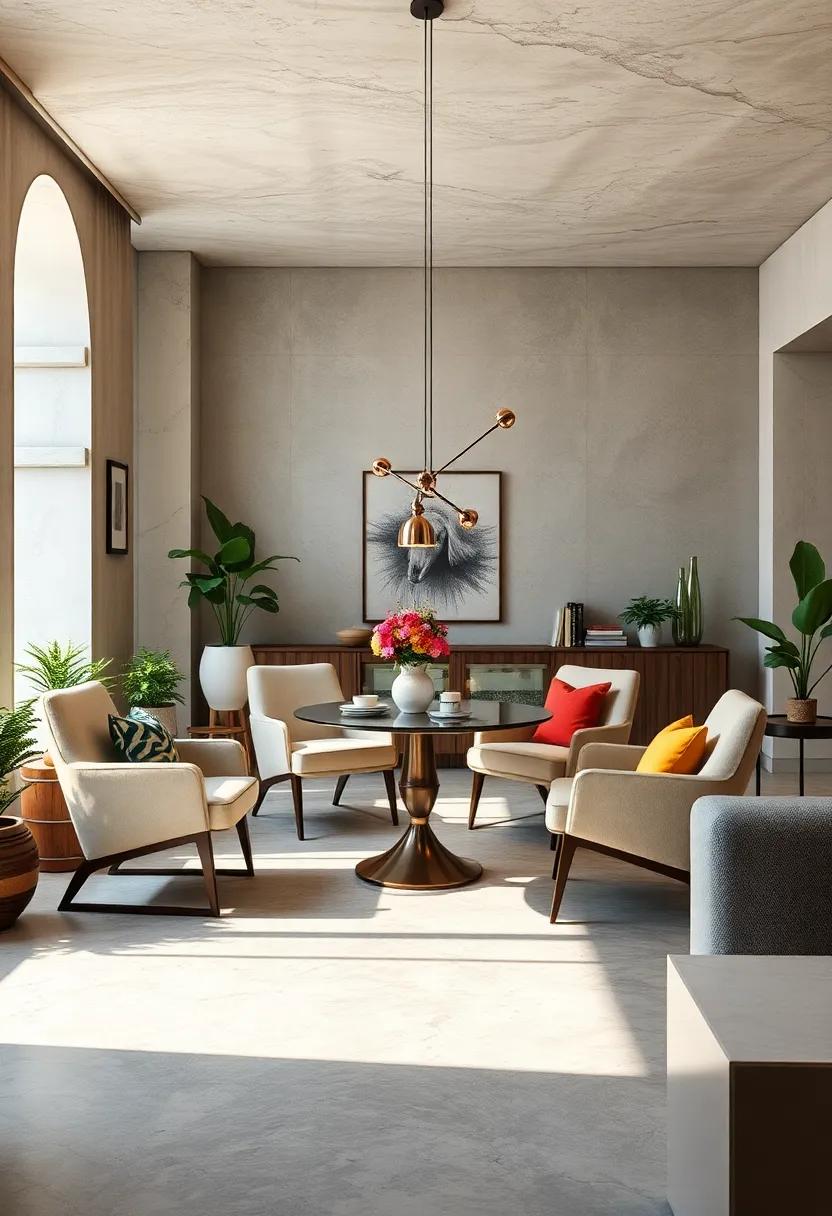
Space-saving seating has evolved far beyond simple folding chairs. Today’s innovative convertible chairs blend cutting-edge design with top-notch comfort. Imagine chairs that instantly transform from sleek dining seats into compact stools or even storage benches, all while maintaining a refined aesthetic. These clever pieces support multifunctional living by adapting to your changing needs – whether you’re hosting dinner, working from your kitchen table, or lounging with a book. The magic lies in quality materials and smart mechanisms that ensure both durability and ease of use without sacrificing style.
Beyond versatility, functionality is enhanced with features that cater to diverse lifestyles. Many convertible chairs now include modular cushions with washable covers, hidden compartments for remote controls or magazines, and customizable finishes that harmonize with your décor. Consider this simple comparison:
| Feature | Traditional Dining Chair | Convertible Chair |
|---|---|---|
| Space Efficiency | Fixed footprint | Adjustable footprint |
| Storage | None | Built-in compartments |
| Comfort | Basic padding | Ergonomic cushions |
| Style Flexibility | One design | Modular and diverse finishes |
- Fold-and-Store Chairs: Compact folding options that tuck away effortlessly behind doors or under counters.
- Stackable Modular Seats: Stack multiple units into a chic tower for additional seating or break them down for space-saving use.
- Multi-surface Cushioned Stools: Dual-purpose stools that double as ottomans or side tables when not in use at the dining area.
Using Mirrors and Reflective Surfaces to Visually Expand Compact Multi-Functional Dining Areas
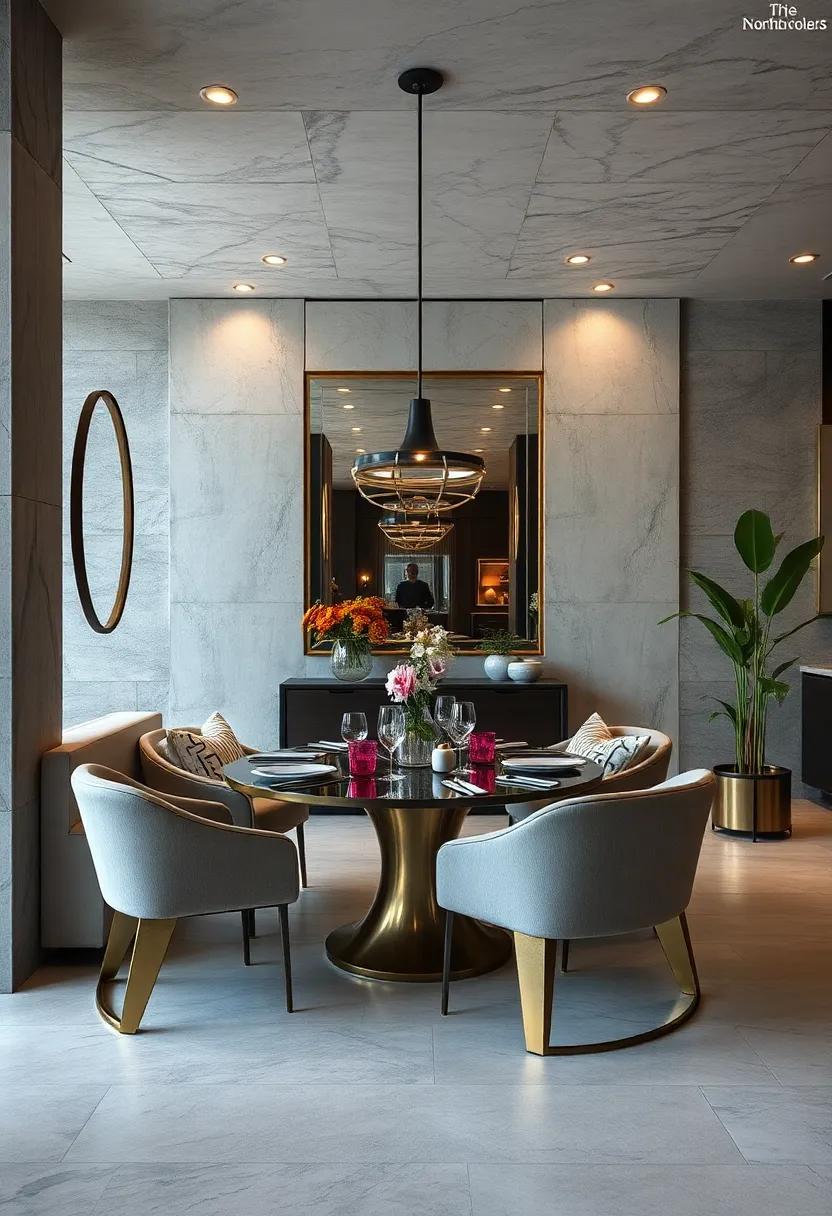
Reflective surfaces are a secret weapon when it comes to enhancing the perception of space in compact dining areas. Strategically placing mirrors opposite windows or light sources can amplify natural light, creating an airy atmosphere that visually doubles the room’s depth. Consider incorporating mirrored cabinet fronts or mirrored tiles to subtly reflect activity and textures within the space, lending an unexpected touch of sophistication while boosting brightness. This approach not only opens up the environment but also adds a layer of artistic intrigue, turning reflections into a dynamic design element that changes throughout the day.
Integrating reflective materials doesn’t have to be limited to traditional mirrors. Glass tabletops, metallic decor accents, and high-gloss finishes on furniture surfaces can echo light and movement, helping to break up solid visual walls and soften tight corners. Here’s a quick guide to using these surfaces effectively:
- Mirrors: Large wall mirrors or multi-panel designs work well to frame dining zones.
- Glass: Clear or tinted glass on tables and shelving adds transparency and lightness.
- Metals: Polished stainless steel or brass light fixtures and chair legs introduce reflective pops without overwhelming.
- Gloss Finishes: Cabinets and sideboards with a lacquered finish bring subtle shine and deeper reflections.
| Reflective Element | Best Placement | Effect |
|---|---|---|
| Wall Mirror | Opposite windows | Maximizes natural light |
| Glass Tabletop | Dining table surface | Creates transparency and openness |
| Metal Accents | Lighting fixtures | Reflects light, adds elegance |
| Glossy Cabinets | Storage units | Boosts room brightness |
Strategic Placement of Room Dividers That Define Zones While Keeping Open Flow and Flexibility
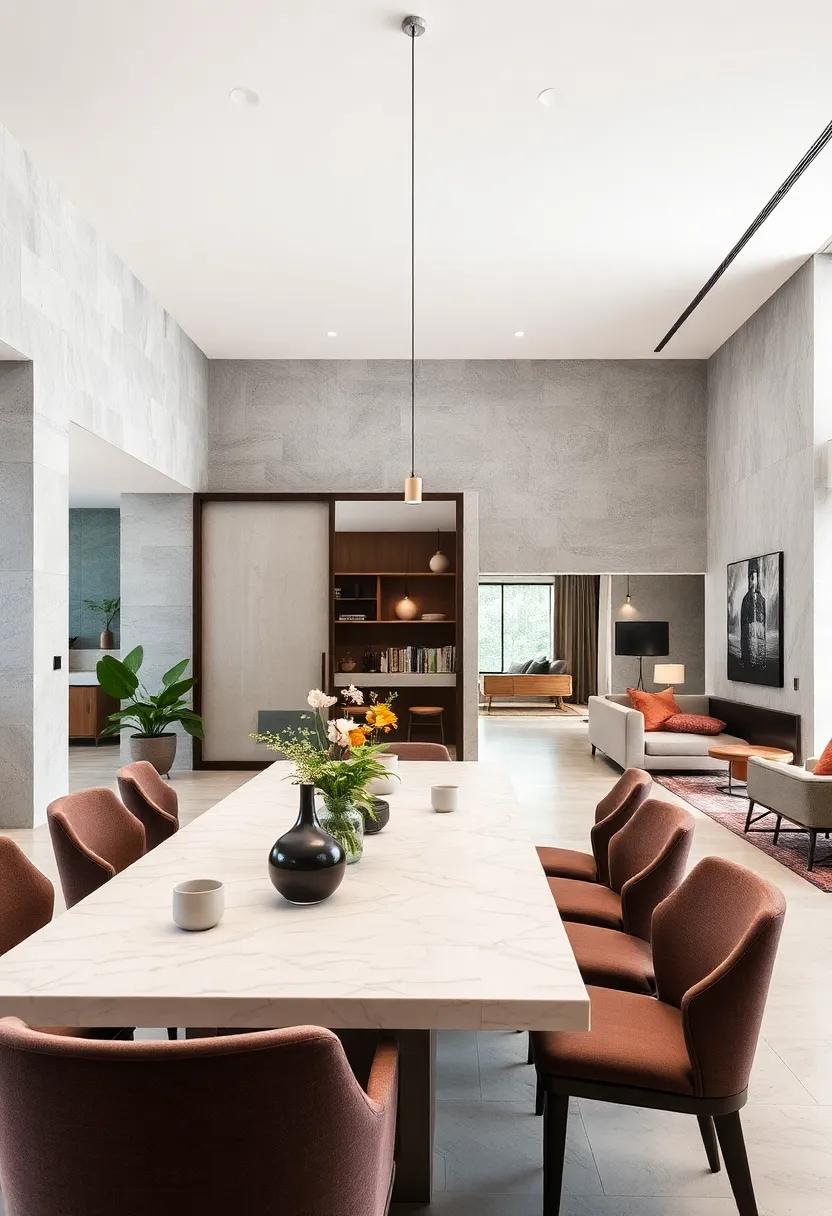
Room dividers offer a clever solution to enhance functionality without sacrificing the openness of your dining area. By choosing translucent or lightweight materials such as frosted glass, rattan, or fabric panels, you create visual boundaries that subtly define zones while maintaining an airy atmosphere. Position these dividers strategically near entry points or alongside open walls to separate the dining space from living or kitchen areas, fostering intimacy without isolating. The key is to select designs that complement your décor and can be easily moved or folded away, giving you the freedom to reconfigure your room as needed.
Incorporating multi-functional dividers elevates the versatility of your space beyond simple separation. Consider options that double as storage units, bookshelves, or display racks, enabling you to maximize every inch effectively. The following table illustrates different room divider styles paired with their unique benefits, helping you identify the ideal fit for your multi-functional dining area:
| Divider Style | Material | Benefits |
|---|---|---|
| Open Shelving | Wood/Metal | Storage & Display, Light Flow |
| Sliding Panels | Fabric/Glass | Flexible Space Control |
| Folding Screens | Rattan/Wood | Portable & Decorative |
| Planter Walls | Wood/Metal | Natural Barrier, Air Quality |
- Opt for height variations to avoid monotony and to create dynamic sight lines that feel open yet purposeful.
- Anchor dividers with rugs or lighting to visually consolidate specific zones within your overall floor plan.
- Utilize transparent elements to maintain natural light diffusion while marking spaces.
Natural Elements Incorporated Into Multi-Use Dining Spaces To Infuse Warmth and Organic Feel
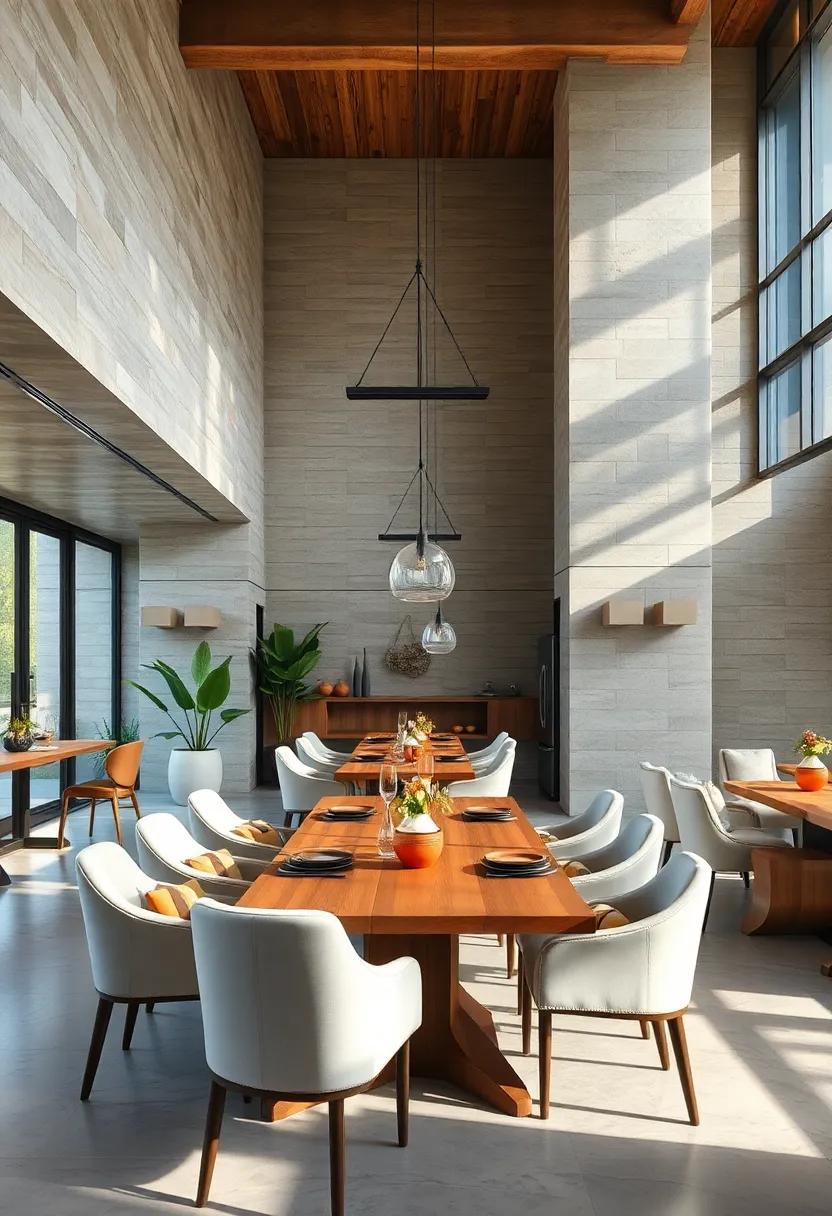
Incorporating natural elements such as wood, stone, and lush greenery can transform a multi-use dining area from a mere functional space into a serene retreat that invites connection and calm. Warm wooden finishes on furniture, combined with raw, tactile textures like woven rattan chairs or stone-topped tables, introduce an organic richness that softens the atmosphere. Adding potted plants or a small herb garden not only enhances air quality but also creates a dynamic and ever-changing backdrop, bringing life and freshness indoors.
To seamlessly blend practicality with nature’s charm, consider these design elements:
- Reclaimed wood furniture for sustainable warmth and unique character
- Natural fiber rugs that ground the space with texture and comfort
- Stone or terracotta accents for an earthy, tactile appeal
- Indoor plant arrangements positioned to purify and brighten the room
| Natural Element | Benefit | Ideal Application |
|---|---|---|
| Wood | Creates warmth and timelessness | Dining table & chairs |
| Stone | Adds texture and durability | Countertops & accent walls |
| Plants | Enhance air quality and mood | Centerpieces & corners |
Smart Storage Solutions Hidden Within Dining Furniture For A Clutter-Free and Streamlined Look
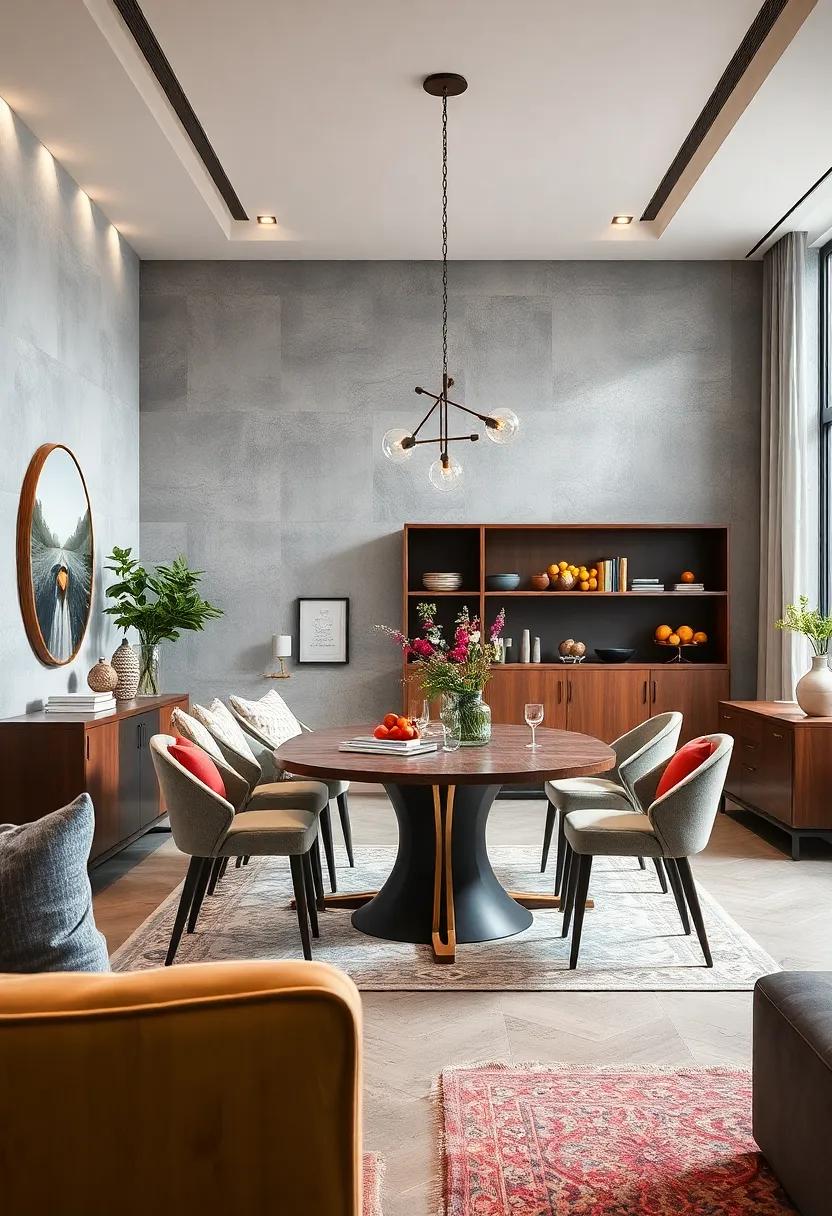
Transform your dining space into a haven of organization by embracing furniture that conceals its storage capabilities with finesse. Think dining benches with hinged tops that reveal ample under-seat compartments, perfect for stashing away seasonal table linens or extra cushions. Alternatively, opt for chairs with built-in side pockets or hidden drawers beneath the seats, offering a discreet nook for cutlery, napkins, or small kitchen gadgets. These clever additions seamlessly blend functionality with style, making decluttering effortless without compromising on aesthetic appeal.
For those aiming to elevate both form and function, consider incorporating dining tables featuring extendable leaves with integrated storage compartments. These versatile designs accommodate extra seating when needed while offering a hidden spot for placemats, coasters, or even recipe books. To further maximize the clean, minimalist look, roll-out trays or slim pull-out shelves tucked into the table legs serve as ideal surfaces for serving dishes or holding condiments during meals. Below is a quick guide illustrating some popular furniture choices along with their hidden storage perks:
| Furniture Type | Hidden Storage Feature | Ideal Use |
|---|---|---|
| Storage Benches | Hinged Seat Compartments | Linens & Cushion Storage |
| Dining Chairs | Under-seat Drawers / Side Pockets | Cutlery & Small Essentials |
| Extendable Tables | Compartmentalized Leaves | Placemats & Coasters |
| Table Legs | Pull-out Trays or Shelves | Serving & Condiments |
Colour Palettes That Bridge Work and Dining Spaces To Foster Calmness and Versatility
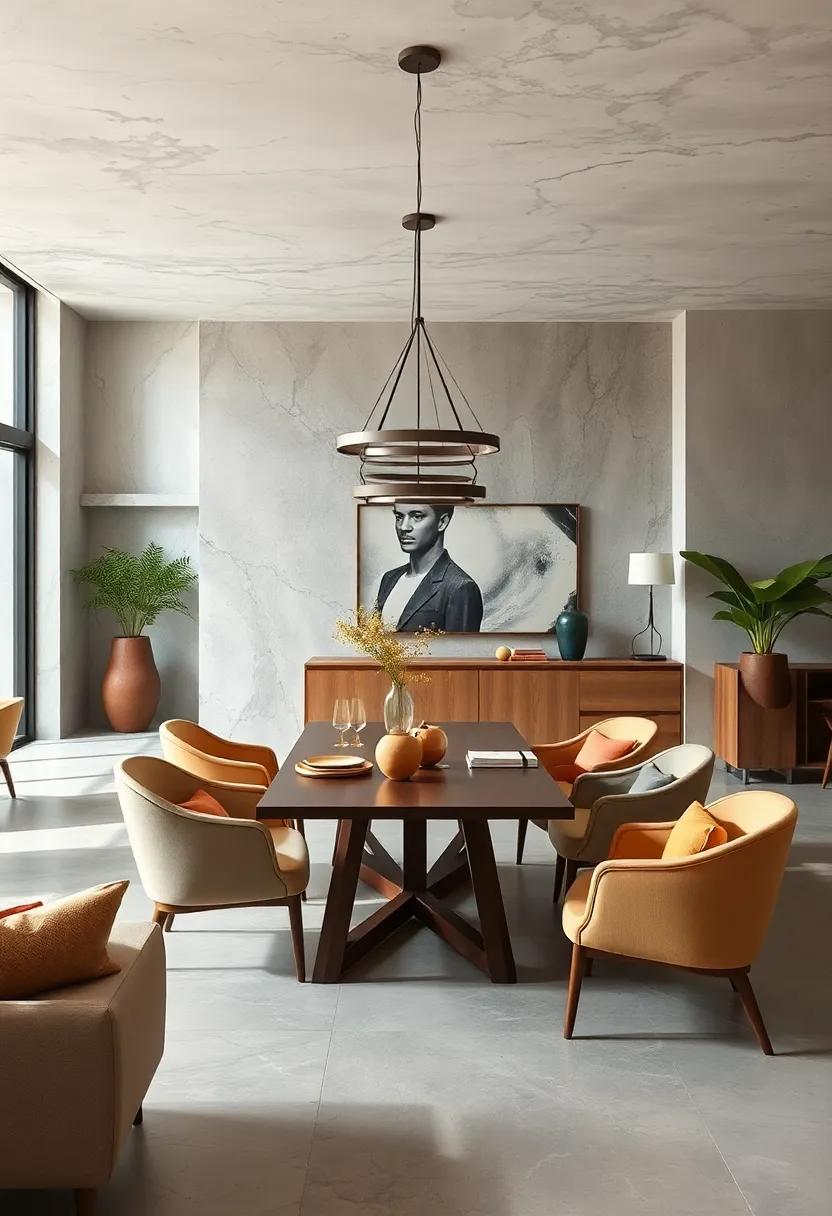
Seamlessly blending your work and dining areas through thoughtful colour selection can transform your home into a sanctuary of calm and dynamism. Opt for a palette that harmonizes soft neutrals like warm greiges and creamy ivories which act as the perfect backdrop, while introducing muted blues or gentle greens to induce tranquility. These hues not only delineate the functional zones subtly but also ensure the transition between productivity and relaxation is smooth and inviting. Incorporating natural textures like matte ceramics or wooden accents further softens the environment, fostering a restful yet stimulating atmosphere that adapts to your daily rhythm.
Key colour palette elements to consider:
- Earthy tones to ground both work and dining areas
- Pastel accents for subtle bursts of energy without overwhelm
- Monochromatic shades for sleek, modern versatility
| Colour | Effect | Ideal Use |
|---|---|---|
| Soft Sage Green | Promotes calm & focus | Wall paint or upholstery |
| Warm Taupe | Creates warmth & cohesiveness | Flooring & cabinetry |
| Dusty Blue | Enhances creativity | Accent accessories & cushions |
Artistic Statement Pieces That Double As Functional Storage and Enhance Dining Area Ambiance
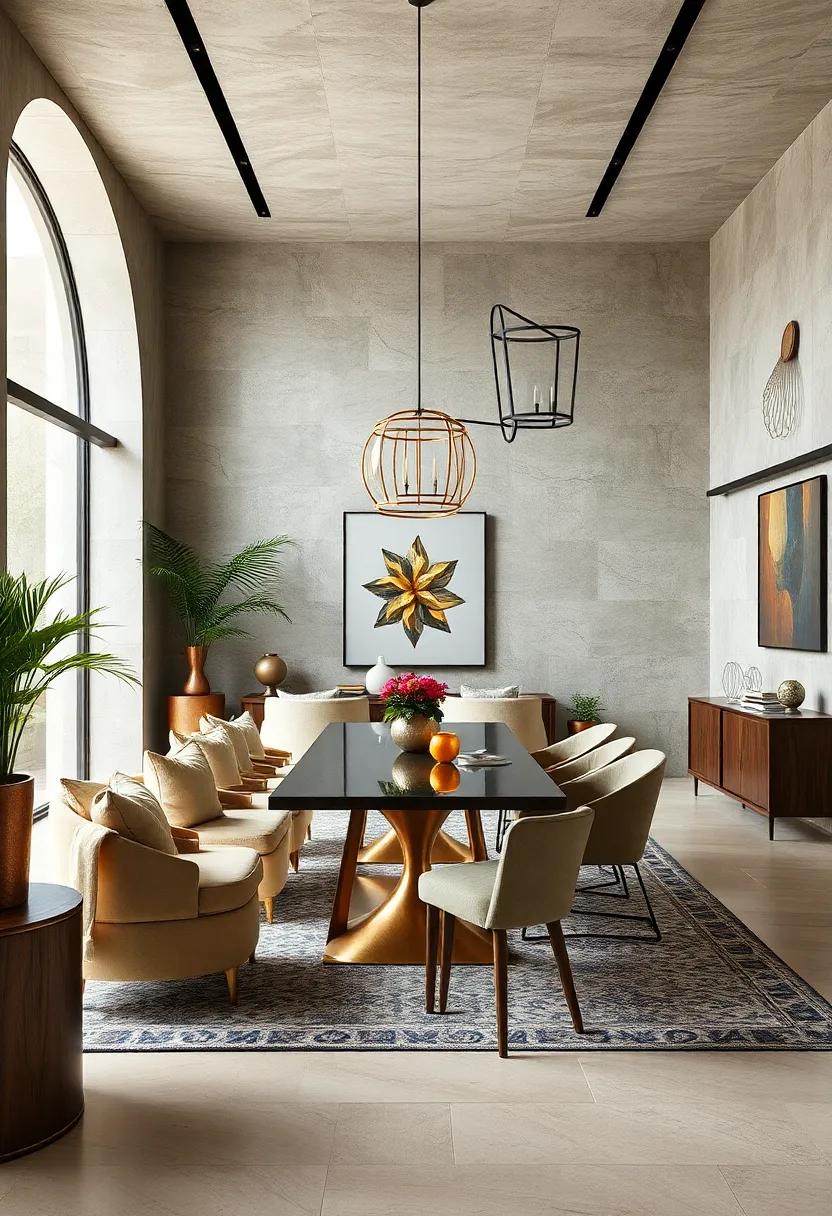
Transforming your dining area into a visual and practical masterpiece requires more than just selecting stylish furniture. Opt for statement pieces that serve dual purposes, seamlessly blending art with function to elevate the ambiance. Consider a boldly designed buffet or sideboard that features intricate carvings or vibrant finishes while cleverly concealing ample storage for table linens, dishes, and utensils. These pieces become focal points, inviting conversation and admiration while maintaining order and accessibility.
Incorporating elements such as sculptural shelving units with hidden compartments or coffee tables with lift-top storage adds layers of practicality without compromising aesthetic appeal. The careful interplay of form and utility not only maximizes limited space but also enhances the atmosphere by reducing clutter and showcasing unique craftsmanship. Below is a quick glance at creative combinations that elevate both visual impact and storage efficiency:
- Storage Benches: Artistic upholstery with internal storage to seat guests comfortably and hide dining essentials.
- Decorative Cabinets: Hand-painted surfaces doubling as gallery art while offering spacious interior compartments.
- Tiered Centerpieces: Multi-level trays that act as both decor and functional serving stations.
| Piece | Artistic Feature | Storage Benefit |
|---|---|---|
| Buffet Cabinet | Bold geometric patterns | Hidden drawers & shelves for dishware |
| Storage Bench | Luxurious velvet finish | Under-seat storage for linens |
| Wall Shelves | Asymmetric sculptural design | Discrete compartments for glassware |
Creative Floor Patterns That Define Spaces While Integrating Dining With Multi-Functional Uses
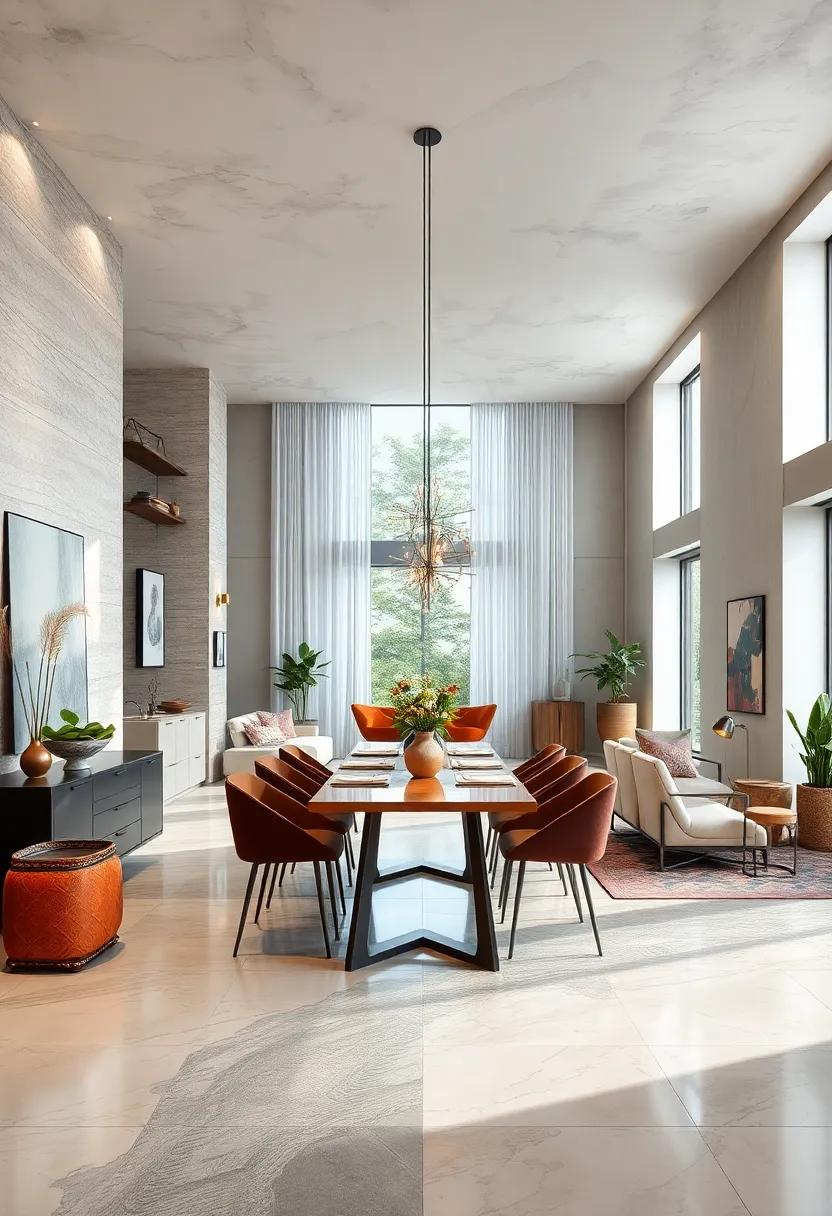
When it comes to defining distinct zones within an open-plan home, floor patterns act as an artistic yet practical delineation tool. Imagine a dining area framed by herringbone parquet flooring that subtly transitions into geometric tiles extending into the multi-functional space. This visual cue not only marks the dining space but also adds texture and depth, inviting guests to linger. Using contrasting materials or playful tile arrangements-like hexagons mixing with stripes-can create pockets of interest, making the floor a canvas that tells a spatial story without walls or barriers.
Incorporating creative floor patterns supports the seamless integration of dining with other functions such as work, relaxation, or play. Consider patterns that align with furniture shapes for enhanced cohesion:
- Circular rugs or tile insets beneath round tables emphasize intimacy and flow.
- Chevron or diamond motifs can direct movement from dining to lounge areas.
- Mixed wood tones echo the colors of surrounding décor, unifying diverse functions.
| Floor Pattern | Functionality | Visual Effect |
|---|---|---|
| Herringbone Parquet | Defines dining space | Elegant rhythm & movement |
| Geometric Tiles | Multi-purpose zones | Bold focal point |
| Inlaid Rugs | Softens seating area | Inviting warmth |
Compact Kitchen Islands That Double As Dining Tables For Maximum Utility In Small Areas
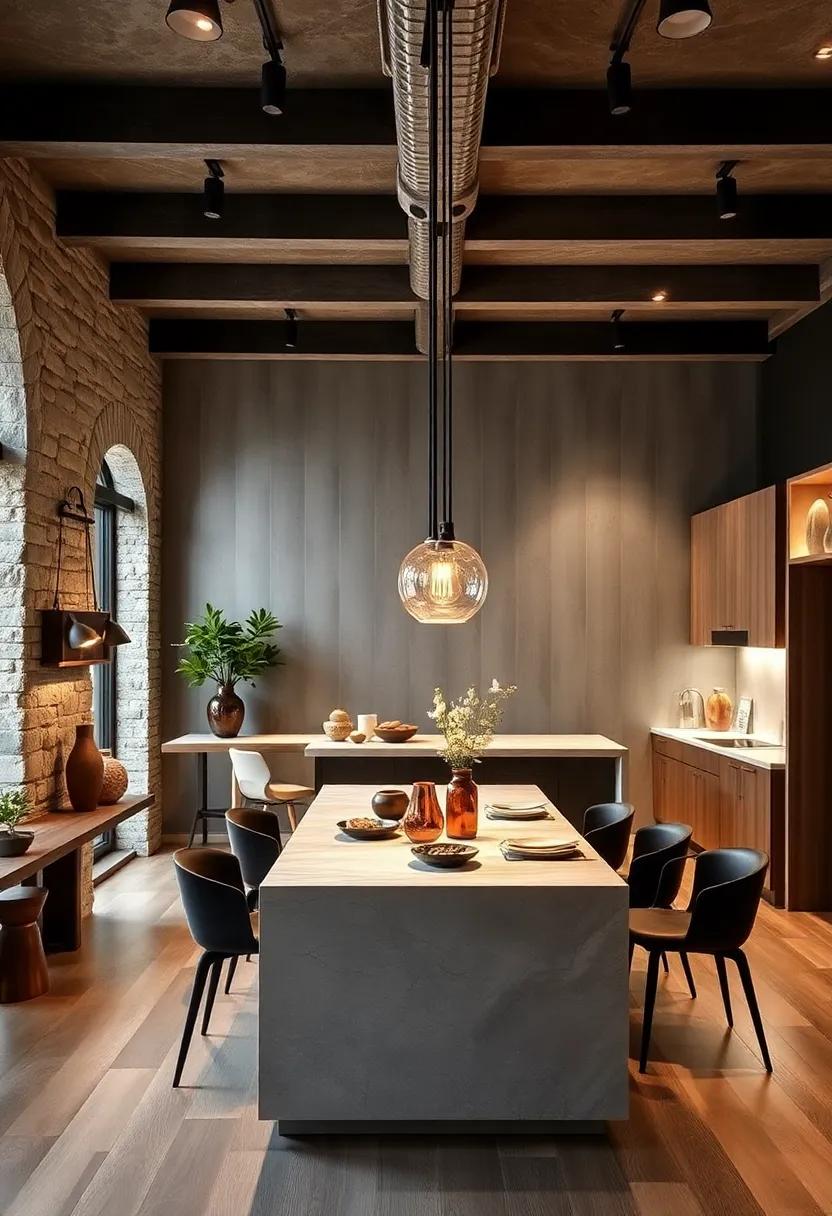
In small living spaces, every square inch counts. Compact kitchen islands that seamlessly transform into dining tables are a game-changer for efficiency and style. These innovative pieces not only provide extra countertop space for meal prep but also create a cozy spot for eating or working, eliminating the need for a separate dining area. Modern designs incorporate foldable edges, extendable leaves, or slide-out panels, allowing you to customize the island’s size according to your needs without sacrificing your limited room.
Choosing the right materials and finishes plays a crucial role in maximizing utility while maintaining aesthetic harmony. Consider islands with hidden storage compartments beneath the tabletop to tuck away kitchen essentials or dining accessories. Additionally, pairing these multifunctional islands with streamlined stools that fit snugly underneath helps maintain an open, uncluttered look. Check this quick comparison for popular compact kitchen island types and their benefits:
| Design | Storage Options | Seating Capacity | Space Needed |
|---|---|---|---|
| Foldable Leaf Island | Under-counter cabinets | 2-4 seats | Minimal when folded |
| Slide-Out Table Island | Drawers + Shelves | 2-3 seats | Compact footprint |
| Drop-Leaf Island | Open Storage Bins | 1-2 seats | Flexible; extends outward |
- Versatility: Provides a multifunction space for cooking, dining, and working.
- Space-saving: Eliminates the need for a separate dining table.
- Customization: Adjustable designs adapt to various room sizes and functions.
Multi-Purpose Dining Surfaces With Built-In Cutting Boards and Expandable Sections For Efficiency
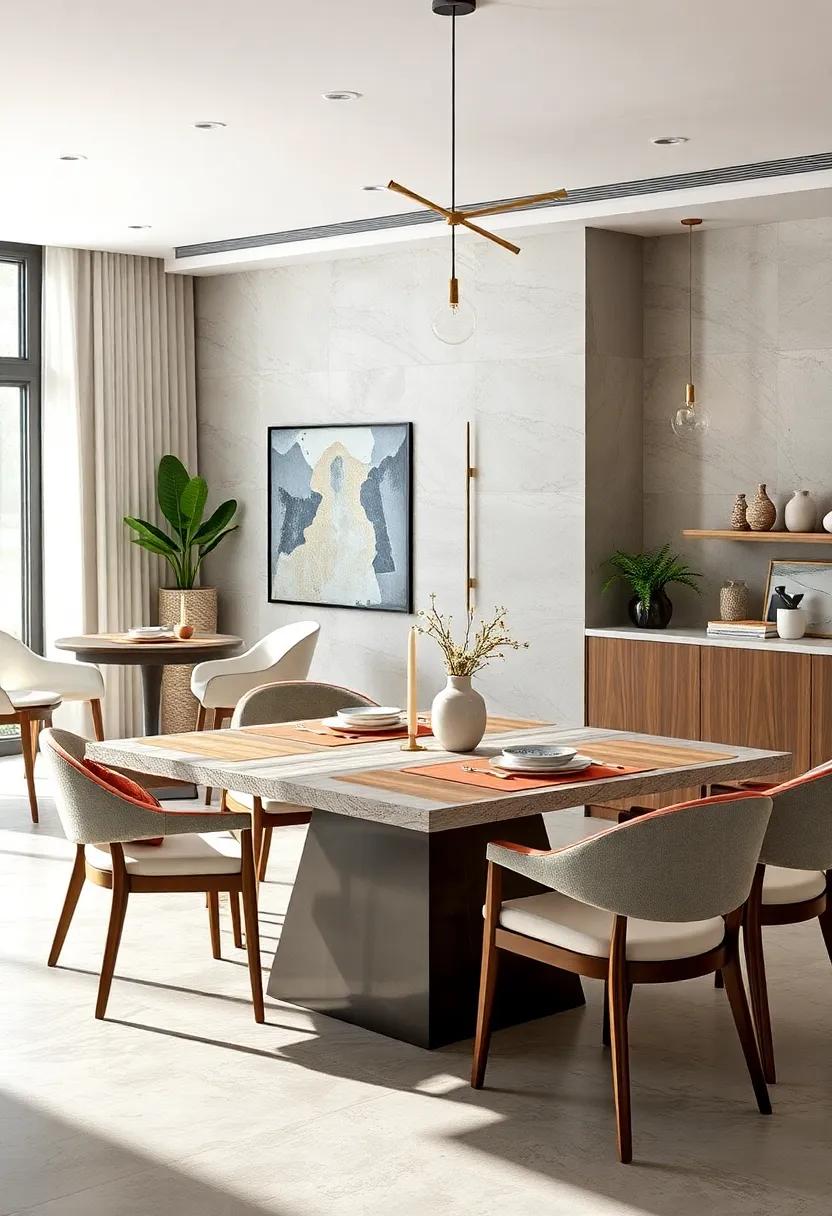
Imagine a dining table that works as hard as you do in the kitchen. Integrating built-in cutting boards directly into the surface revolutionizes meal prep, turning the dining area into a seamless culinary station. These cutting surfaces are crafted from durable, food-safe materials that resist knife marks and stains while providing ample space to chop, slice, and dice. When not in use, they slide or fold away, maintaining the aesthetic and functionality of your dining setup without sacrificing valuable space.
Expandability adds another dimension to these multi-functional tables, enabling effortless transition from intimate dinners to larger gatherings. With smartly designed extendable sections, you can increase the surface area quickly and securely, creating room for additional place settings or food displays. The convenience of extra space, combined with integrated prep zones, makes hosting efficient and enjoyable, reducing clutter and streamlining activities from cooking to serving. Consider the layout below to understand the adaptability these tables offer:
| Feature | Benefit |
|---|---|
| Built-in Cutting Board | Seamless meal preparation zone |
| Expandable Sections | Easy space increase for guests |
| Durable Materials | Long-lasting and low maintenance |
| Integrated Storage | Hidden space for utensils and boards |
Textural Contrasts In Dining Furnishings To Define Functional Areas Subtly Yet Effectively
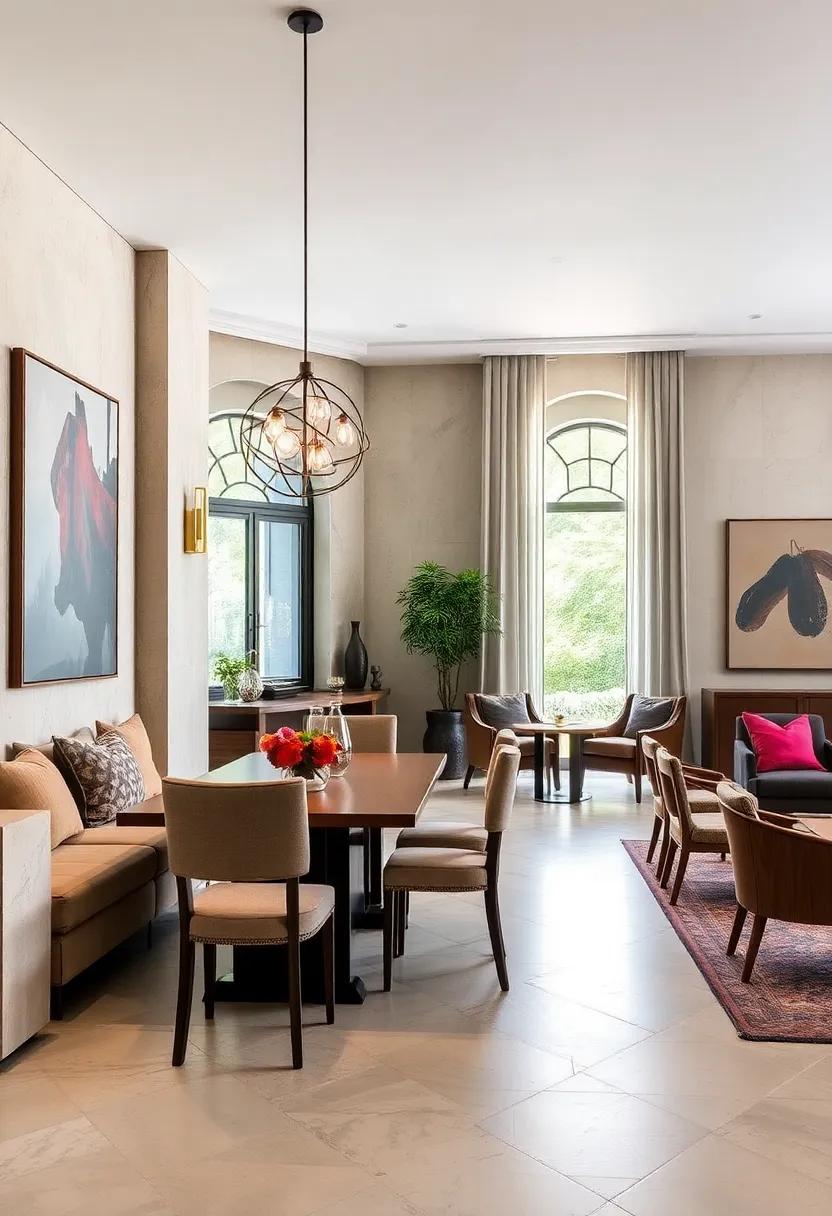
Incorporating diverse textures within your dining furnishings can subtly segment spaces without disrupting the visual flow of a room. Imagine seating upholstered in soft velvet juxtaposed against a sleek, matte-finished table surface. This contrast not only delights the senses but also intuitively guides guests toward the dining zone amid an open-plan setting. By mixing tactile elements such as woven rattan chairs with a polished wooden dining table, you create layers of interest that function as visual cues, gently delineating functional areas in a multi-use environment.
To maximize the subtle effectiveness of textural interplay, consider these strategic pairings:
- Glossy ceramic dinnerware paired with rough-hewn wooden trays for serving
- Brushed metal light fixtures contrasting with linen table runners or placemats
- Leather-bound seat cushions matched with a glass tabletop for tactile variation
| Furniture Piece | Texture | Functional Highlight |
|---|---|---|
| Dining Chairs | Woven fabric | Comfort & visual warmth |
| Dining Table | Polished wood | Central focal point |
| Bench Seating | Leather upholstery | Durability & subtle boundary |
These carefully curated textural contrasts so delicately define uses within the same area, elevating functionality without overpowering the aesthetic. The result is a fluid, multi-purpose dining environment that feels both intentional and inviting.
Balancing Openness and Privacy In Multi-Functional Dining Rooms Through Thoughtful Layouts
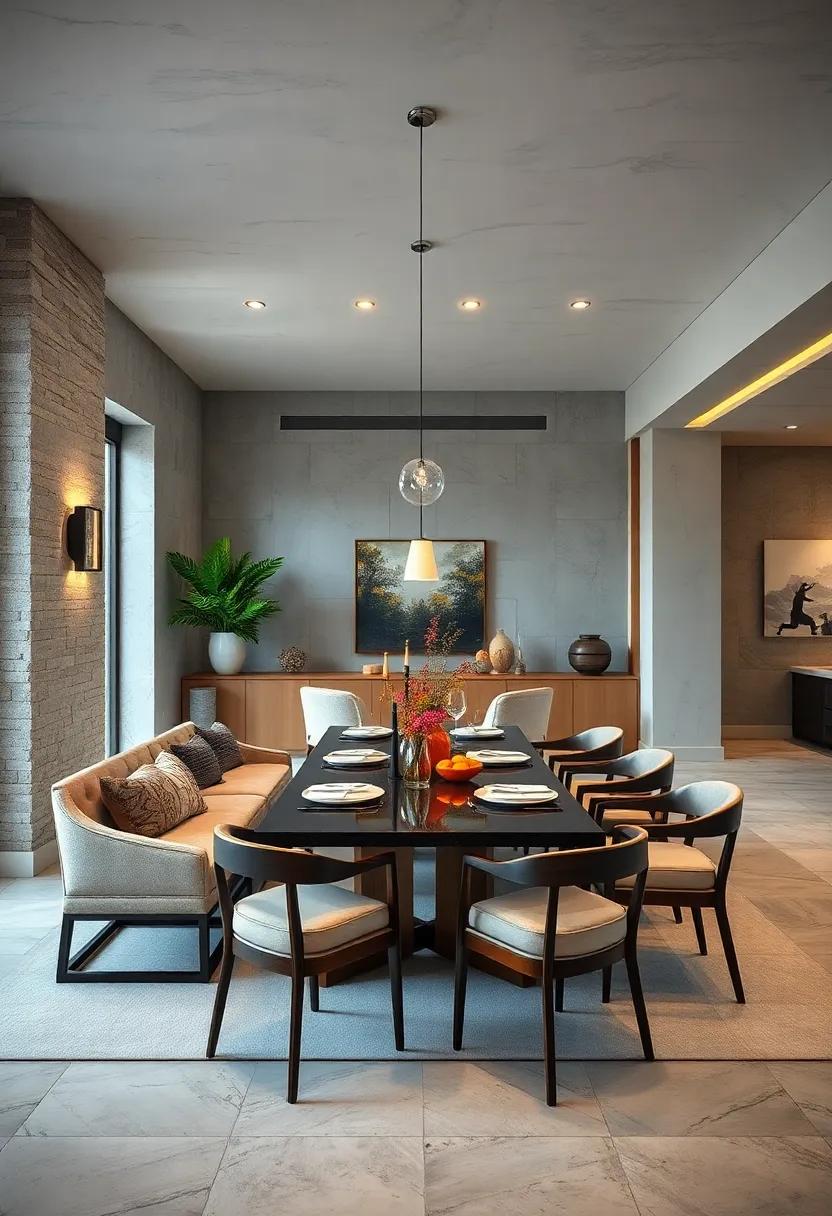
Creating a dining space that serves multiple purposes requires a delicate dance between openness and privacy. One key approach is to use flexible partitions such as sliding panels or translucent dividers that allow the space to breathe when fully open, yet offer seclusion when needed. Incorporating elements like glass cabinets and open shelving can maintain visual flow without compromising intimacy. Layering textures and colors, coupled with varied lighting zones, can subtly define each area’s function while fostering a cohesive atmosphere.
Thoughtful furniture placement also plays a vital role in balancing different needs within the same room. For example, positioning a dining table near a window amplifies natural light and invites social interaction, whereas arranging cozy seating corners away from the center can offer quiet retreats. Below is a simple layout comparison of two multi-functional dining room setups to illustrate how spatial choices enhance privacy or openness:
| Feature | Open Layout | Privacy-Focused Layout |
|---|---|---|
| Room Division | Minimal partitions | Sliding panels and screens |
| Seating Arrangement | Centralized dining table | Dining table + separate lounge nook |
| Lighting | Single overhead light | Layered lighting with lamps and dimmers |
| Decor | Uniform style throughout | Distinct zones with varied textures |
- Layer privacy screens to switch energy and function on demand.
- Use area rugs to anchor different zones visually and physically.
- Incorporate multifunctional furniture that adapts to different uses and settings.
Accent Wall Designs That Highlight Dual-Purpose Zones and Add Visual Depth to Dining Spaces
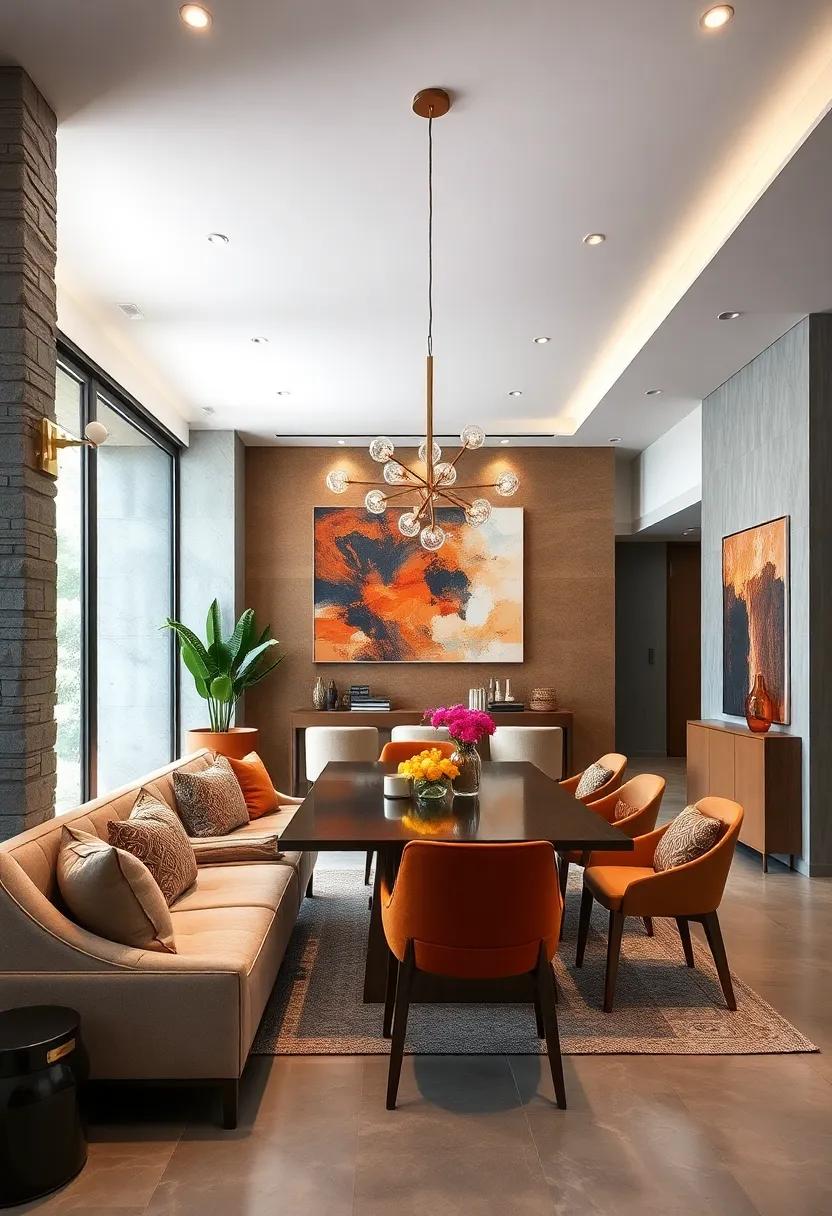
Transforming dining spaces into vibrant, multi-functional hubs begins with the strategic use of accent walls that serve both aesthetic and practical purposes. By selecting bold, textured materials such as reclaimed wood panels, geometric wallpaper, or deep-hued paint, you can delineate dual-purpose zones without compromising on style. These accent walls guide the eye and create a distinct backdrop for zones like a home office nook or a children’s homework station adjacent to the dining area. The interplay of color and texture adds visual depth, making the space feel larger and more dynamic while maintaining a cohesive atmosphere.
Enhancing these zones with functional design elements integrated into the accent wall is key to maximizing usability. Consider installing floating shelves or built-in cabinetry that blends seamlessly with the wall’s design, providing storage and display options that keep the area organized. Below is a simple guide illustrating how different accent wall materials can support specific multi-function purposes:
| Accent Wall Material | Dual-Purpose Function | Visual Impact |
|---|---|---|
| Reclaimed Wood | Home office backdrop | Warm, rustic texture |
| Geometric Wallpaper | Kids’ study zone | Bold, playful pattern |
| Dark Matte Paint | Reading corner | Deep, cozy depth |
| Chalkboard Paint | Creative family message area | Interactive, dynamic surface |
- Layer lighting: Use adjustable sconces or LED strips on accent walls to enhance mood and functionality.
- Coordinate decor: Match fabrics and furniture with accent wall colors to unify the space.
- Incorporate mirrors: Use reflective elements to visually expand the dual-purpose zones.
Combining Upholstery and Wood Features To Merge Comfort With Sleek Multi-Utility Design
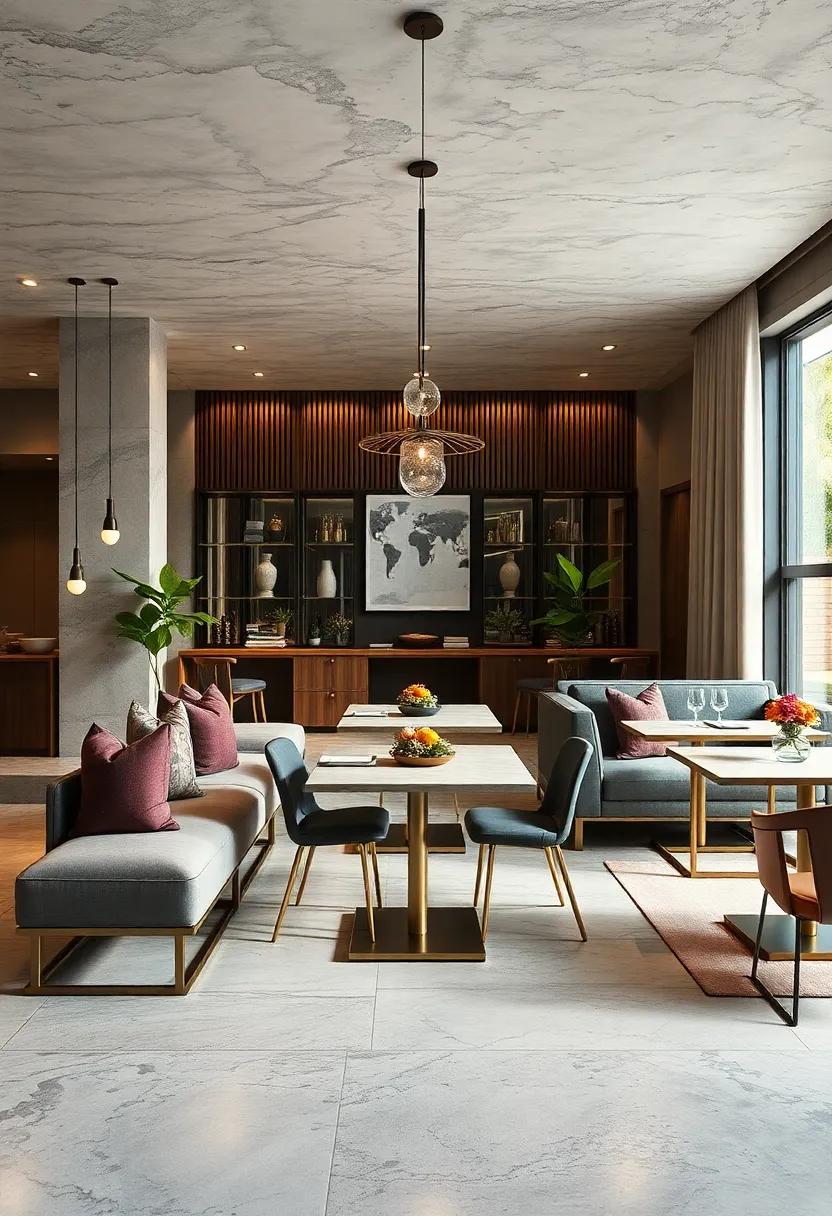
Incorporating upholstery with wood elements in your dining space offers a harmonious blend of comfort and modern aesthetics, perfect for maximizing functionality without compromising style. Soft, cushioned seating invites long, leisurely meals, while sleek wood frames keep the design grounded and adaptable. This synergy allows furniture pieces to transition seamlessly between dining, working, and socializing activities, making your dining area a dynamic centerpiece of your home. Materials like polished hardwood paired with durable, stain-resistant fabrics ensure that each element holds up to daily use while maintaining an inviting atmosphere.
To further enhance multi-utilitarian use, consider integrating built-in storage compartments within wooden bases or under upholstered seats. These hidden nooks are ideal for stashing tableware, linens, or even work materials, turning your dining space into a clutter-free zone. Below is a quick overview of popular combinations that merge comfort with smart design:
| Combination | Comfort Feature | Utility Feature |
|---|---|---|
| Upholstered Bench + Lift-Up Wood Storage | Padded seating for extended comfort | Concealed storage for dining essentials |
| Wood-Frame Chairs + Cushion Covers | Removable cushions for easy cleaning | Lightweight chairs for flexible layout |
| Extendable Wood Table + Upholstered Stools | Soft stools provide ergonomic support | Expandable surface for multiple uses |
- Tip: Opt for neutral upholstery shades to amplify the natural beauty of wood grains.
- Tip: Mix textures by pairing matte wood finishes with plush fabrics to add tactile intrigue.
Incorporating Plants And Greenery To Soften Multi-Functional Dining Spaces And Enhance Air Quality
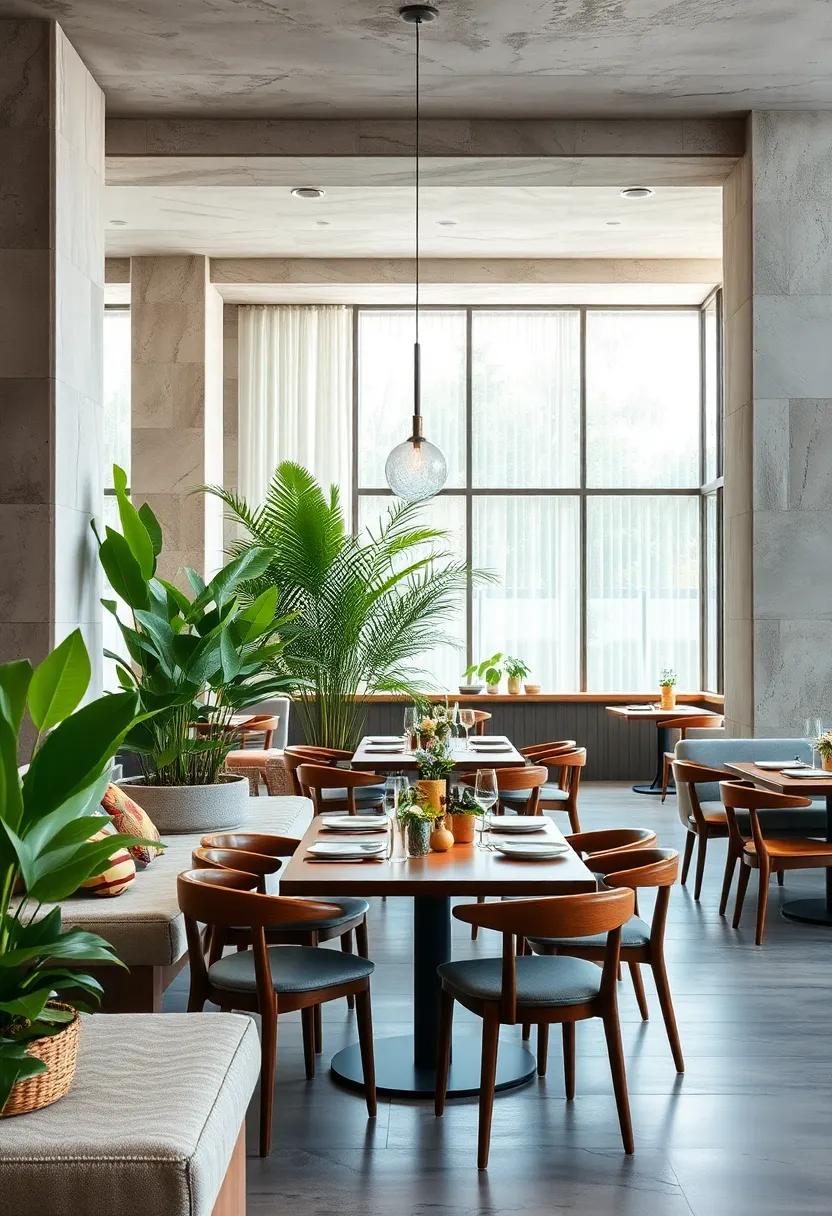
Introducing lush greenery into your multi-functional dining spaces not only adds a refreshing visual contrast but also creates a more inviting, cozy atmosphere. Strategic placement of indoor plants can soften hard edges of furniture and visually separate different zones without the need for bulky dividers. Consider using hanging planters, tall potted trees, or cascading vines to add vertical interest and draw the eye upward, enhancing the sense of height and openness. Smaller succulents or herbs placed on shelves or windowsills can also provide a touch of vibrancy while doubling as functional décor.
Beyond aesthetics, plants play a vital role in improving air quality by naturally filtering toxins and increasing oxygen levels, promoting a healthier environment especially in compact, multi-use areas. To optimize this benefit, incorporate air-purifying varieties such as snake plants, spider plants, and peace lilies. Below is a quick guide to some of the most effective greenery for dining spaces:
| Plant | Benefits | Maintenance Level |
|---|---|---|
| Snake Plant | Air purifier, low light tolerance | Low |
| Spider Plant | Removes pollutants, easy to propagate | Medium |
| Peace Lily | Filters mold spores, elegant blooms | Medium |
| Herbs (Basil, Mint) | Functional & fragrant, easy to grow indoors | Medium |
Flexible Flooring Materials That Support Both Dining Activities And Other Multi-Functional Uses
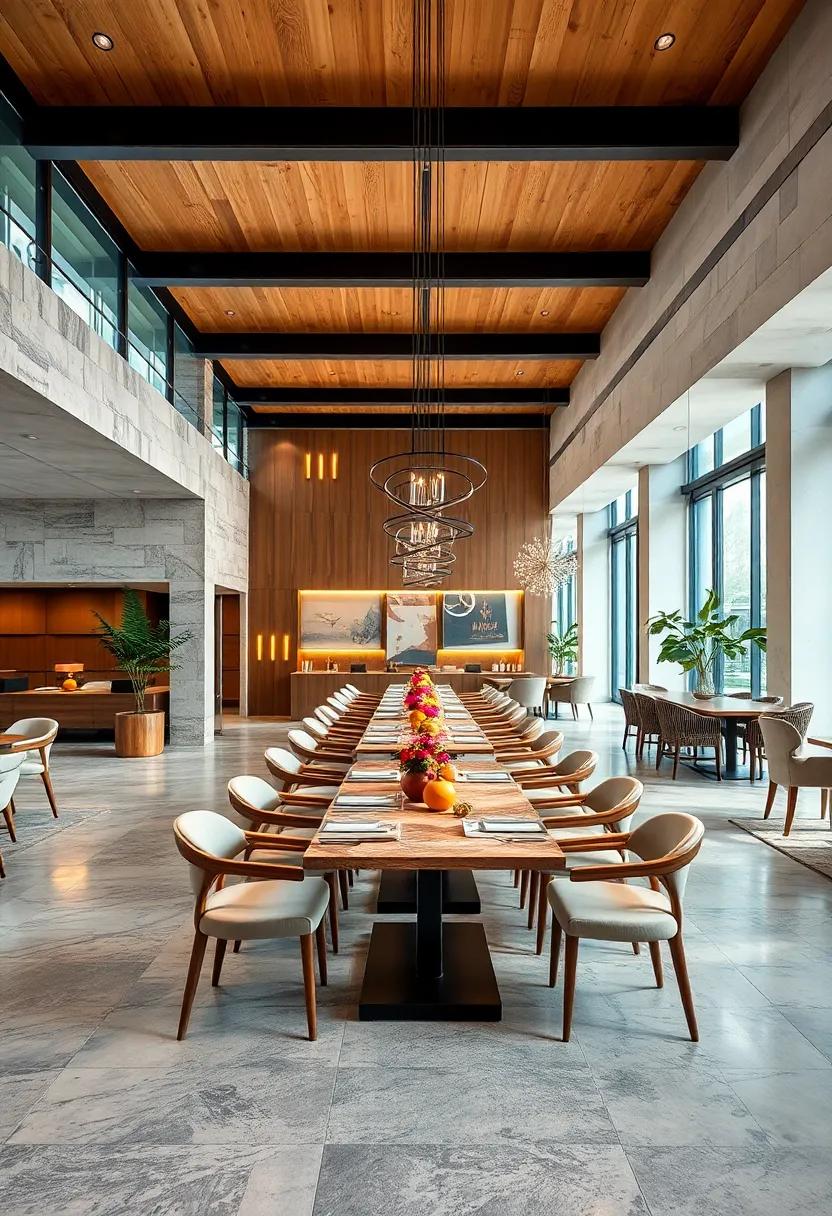
Choosing the right flooring plays a pivotal role in crafting a dining area that seamlessly transforms for various functions. Materials such as luxury vinyl plank and engineered hardwood offer durability and easy maintenance, effortlessly handling spills from meals while adapting to the demands of impromptu work sessions or children’s crafts. Additionally, cork flooring provides a soft, warm underfoot feel, making it an ideal choice when the dining space doubles as a cozy lounging or play zone. These materials not only elevate aesthetic appeal but also contribute practical benefits like slip resistance and noise reduction, essential for lively multi-use rooms.
To help you visualize the options, consider this simple guide showcasing key features of popular choices:
| Material | Durability | Maintenance | Multi-Functional Benefits |
|---|---|---|---|
| Luxury Vinyl Plank | High | Easy clean | Waterproof, versatile texture |
| Engineered Hardwood | Moderate | Requires care | Warmth, timeless look |
| Cork | Moderate | Periodic sealing | Soft, sound absorbing |
| Laminate | High | Resists stains | Cost effective, realistic finishes |
When selecting flooring for a dynamic room, keep in mind key factors such as comfort for long sitting times, ease of cleanup for food and activity messes, and durability against frequent use. Decisions made in this regard set the tone for the entire space’s adaptability.
Minimalist Ceiling Fixtures That Provide Versatile Lighting Without Overpowering Multi-Purpose Areas
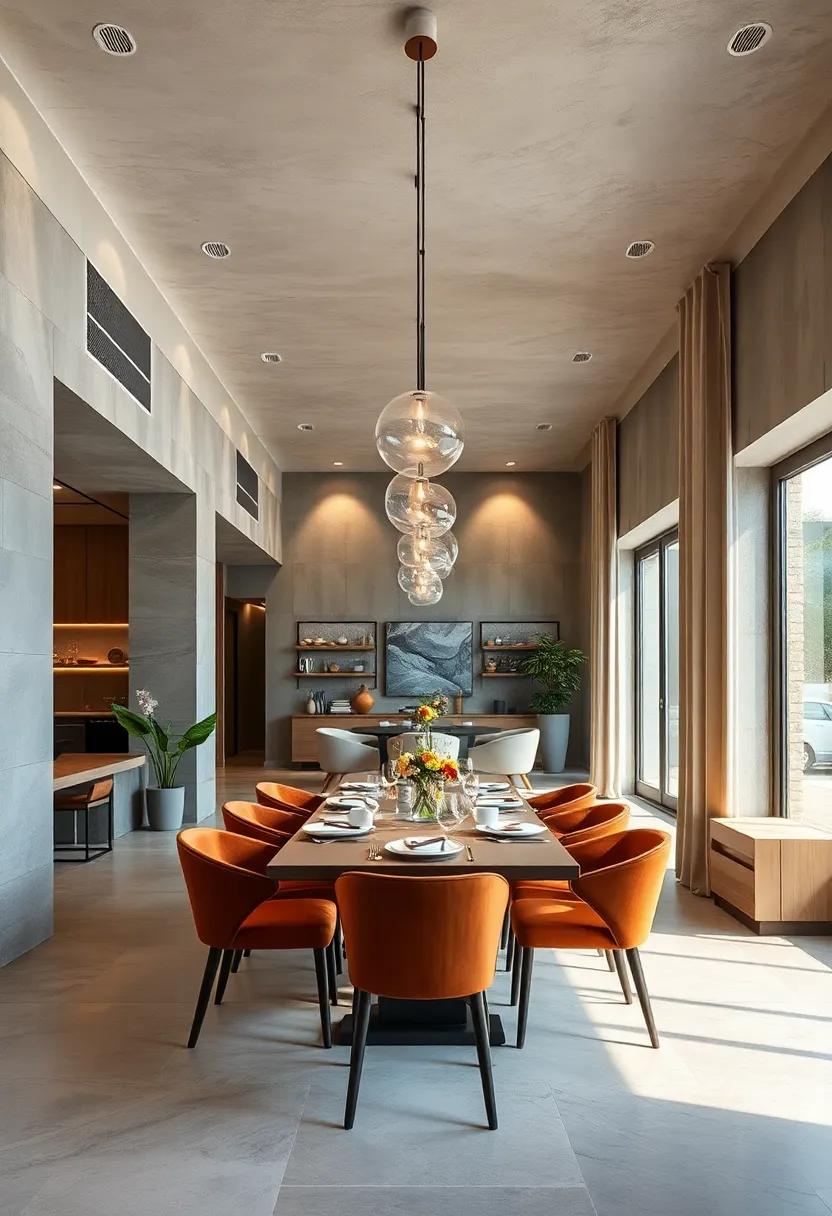
Striking the perfect balance between illumination and subtlety is key when selecting lighting for spaces serving multiple functions. Minimalist ceiling fixtures, with their sleek designs and unobtrusive profiles, deliver just that-they infuse rooms with adaptable light while maintaining a clean aesthetic. By incorporating features like dimmable LEDs or adjustable angles, these fixtures seamlessly transition the ambiance from lively dinners to focused work sessions without overwhelming the visual atmosphere.
Choosing the right fixture can enhance both function and style in multifaceted rooms. Consider options with:
- Recessed lighting to keep ceilings uncluttered and distribute an even glow.
- Track systems that allow individual light heads to be repositioned according to task needs.
- Flush-mount designs for low-profile elegance with broad light dispersion.
| Fixture Type | Key Feature | Ideal Use |
|---|---|---|
| Recessed Lights | Invisible profile | General illumination |
| Track Lights | Adjustable heads | Task-focused lighting |
| Flush-Mount Fixtures | Low-profile design | Ambient mood setting |
Elegant Space-Saving Bar Carts That Transition Between Dining Needs And Casual Gatherings
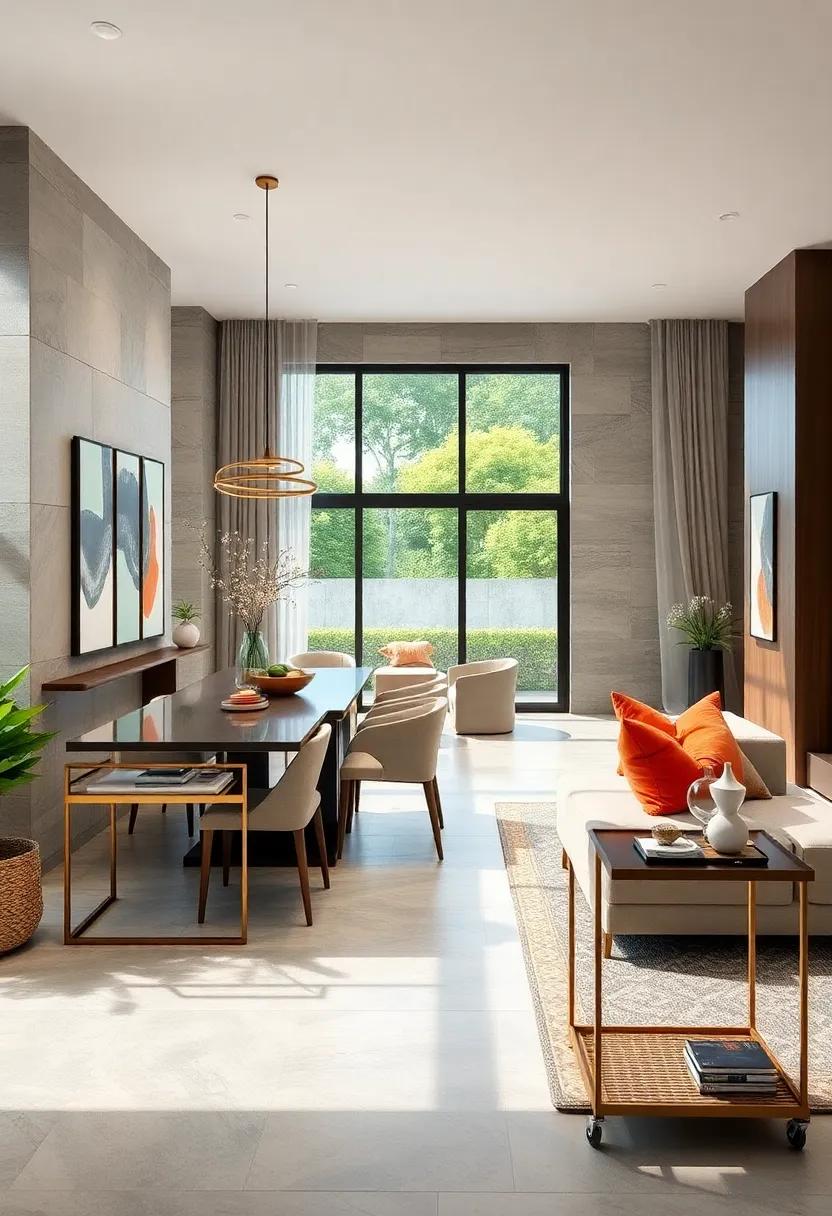
For those who cherish versatility without compromising on style, elegant bar carts offer a compact yet sophisticated solution. These portable wonders can effortlessly transform from a sleek beverage station during intimate dinners to a casual refreshment hub for lively gatherings. Crafted with space-conscious designs-think narrow profiles, tiered shelving, and integrated handles-they bring a touch of luxury while maximizing every inch of your dining area.
When selecting a bar cart, consider features that enhance multifunctionality:
- Foldable trays and extendable surfaces to accommodate extra glassware or snack platters.
- Hidden compartments or drawers for storing utensils, coasters, or cocktail tools.
- Durable wheels allowing smooth transition between dining table and lounge zones.
| Feature | Benefit |
|---|---|
| Compact footprint | Fits tight spaces near dining areas |
| Multi-tier shelves | Organized storage without clutter |
| Locking wheels | Stability during use |
| Mix of metal & wood finishes | Seamlessly blends with various décor |
The Art of Layering Textiles For Functional Warmth And Style In Multi-Dining Settings
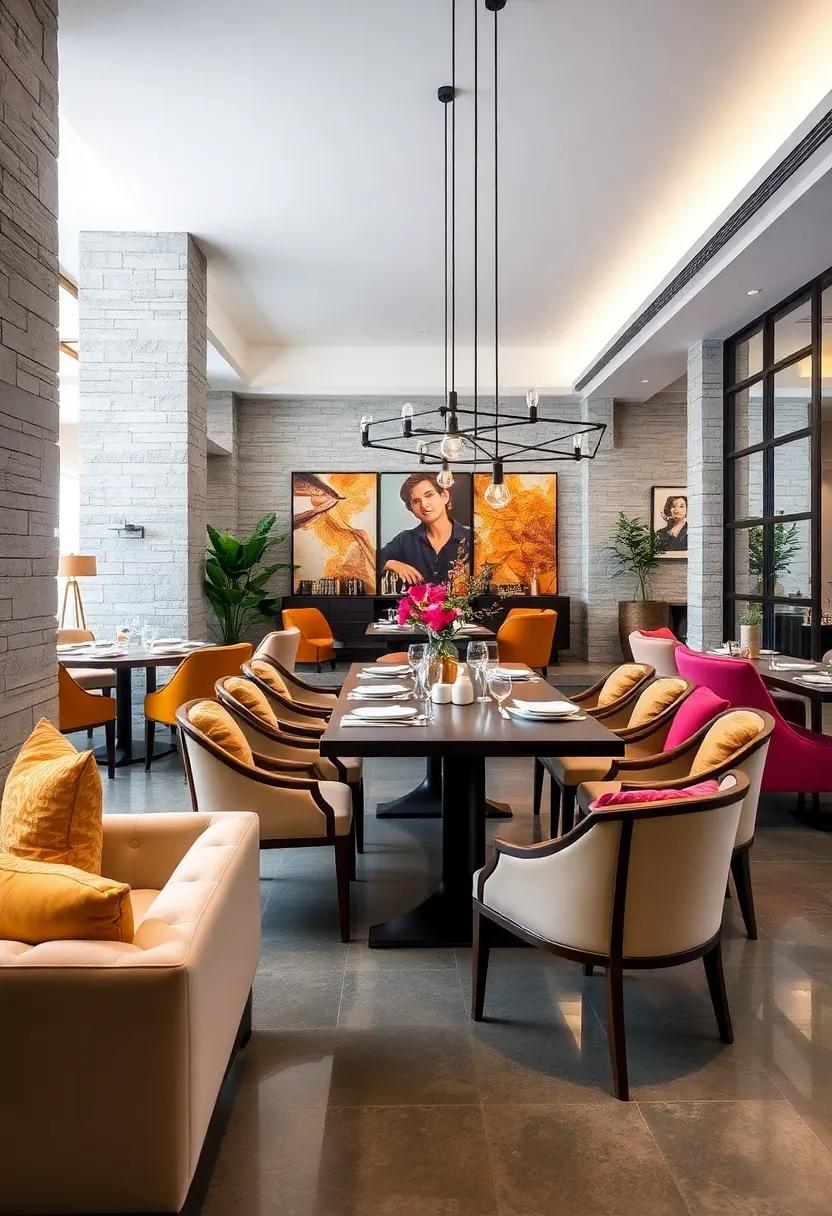
In multi-dining environments, textiles are not merely decorative elements; they serve a vital role in crafting cozy, inviting spaces that balance function and elegance. Think of layered textiles as the foundation of warmth-combining materials like soft wool throws, sleek leather cushions, and breathable linen napkins to create tactile contrasts that invite touch and stay practical. The art lies in mixing textures and weights strategically: heavier fabrics beneath for insulation, with lighter, eye-catching layers on top to enhance visual interest without overwhelming the space.
To maximize the impact of textile layering while maintaining usability, consider these key tips:
- Use neutral tones as your canvas, allowing richer colors or patterns to pop through accent pieces.
- Integrate seasonal fabrics such as velvet for winter and crisp cotton for warmer months.
- Incorporate detachable elements like removable chair covers or cushion slips for easy cleaning and versatility.
A thoughtfully layered textile setup elevates the dining experience through both warmth and style, making every meal a sensory delight while accommodating the dynamic needs of multi-functional dining areas.
Curved Furniture Designs That Promote Interaction And Maximize Seating Without Crowding
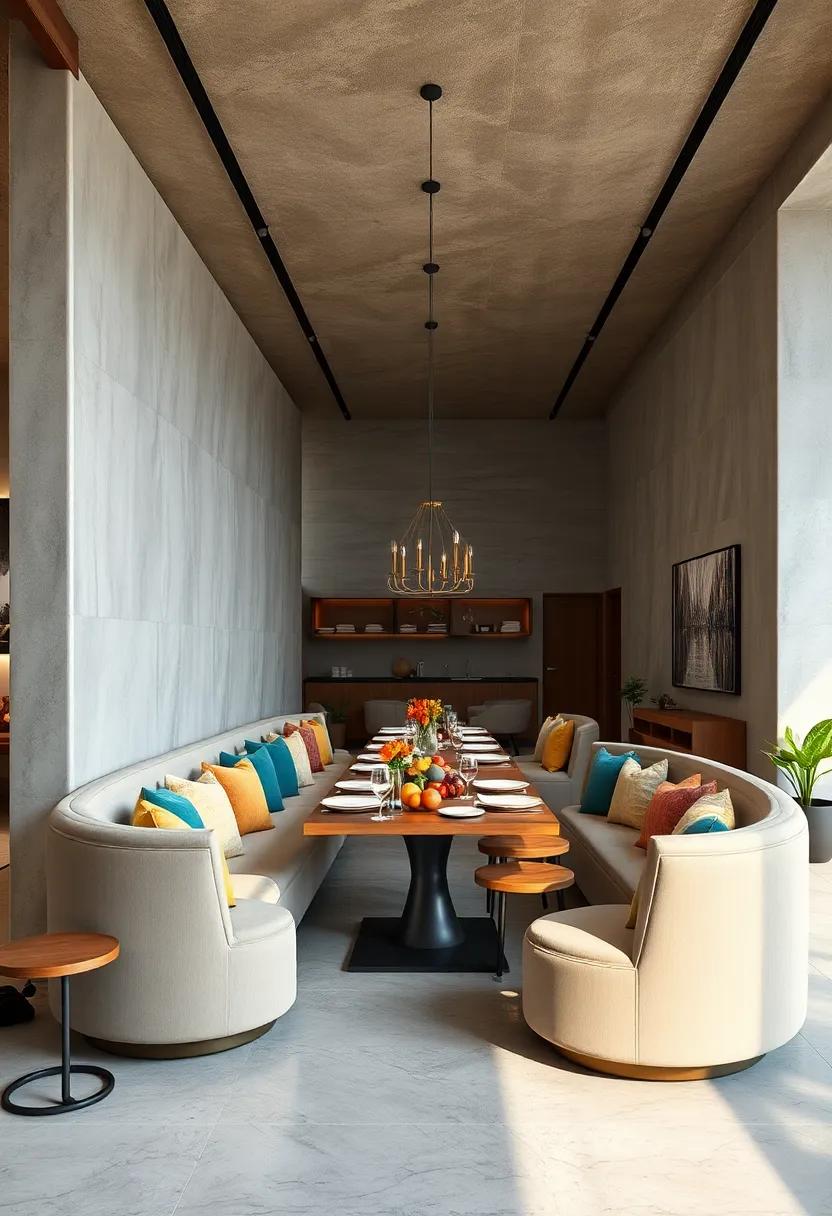
Embracing curved furniture in your dining area transforms the space into a warm, inviting hub where conversation flows effortlessly. Unlike traditional straight lines, curved designs naturally draw people closer, fostering interaction and a sense of connection. Ottoman benches, semicircular banquettes, or crescent-shaped sofas allow for more flexible seating arrangements, breaking the rigidity of typical dining layouts. These forms not only accommodate more guests comfortably but also eliminate visual clutter, giving the room an open, airy ambiance without compromising functionality.
Incorporating curved pieces offers several practical benefits that elevate your multi-functional dining space:
- Optimized flow: Rounded edges promote natural movement around the furniture, reducing bottlenecks in tight areas.
- Maximized seating: Curved benches can fit around tables more snugly, accommodating additional seats without needing extra floor space.
- Versatility: Perfect for transitioning between dining, lounging, or work modes, adapting seamlessly to your lifestyle needs.
| Curved Furniture Type | Seating Capacity | Best Use |
|---|---|---|
| Semicircular Banquette | 5-7 Seats | Corner dining nook |
| Crescent Sofa | 4-6 Seats | Open-plan lounge-dining |
| Curved Ottoman Set | 3-5 Seats | Flexible overflow seating |
Mixing Open Shelves With Closed Cabinets To Balance Display And Storage In Multi-Use Dining Rooms
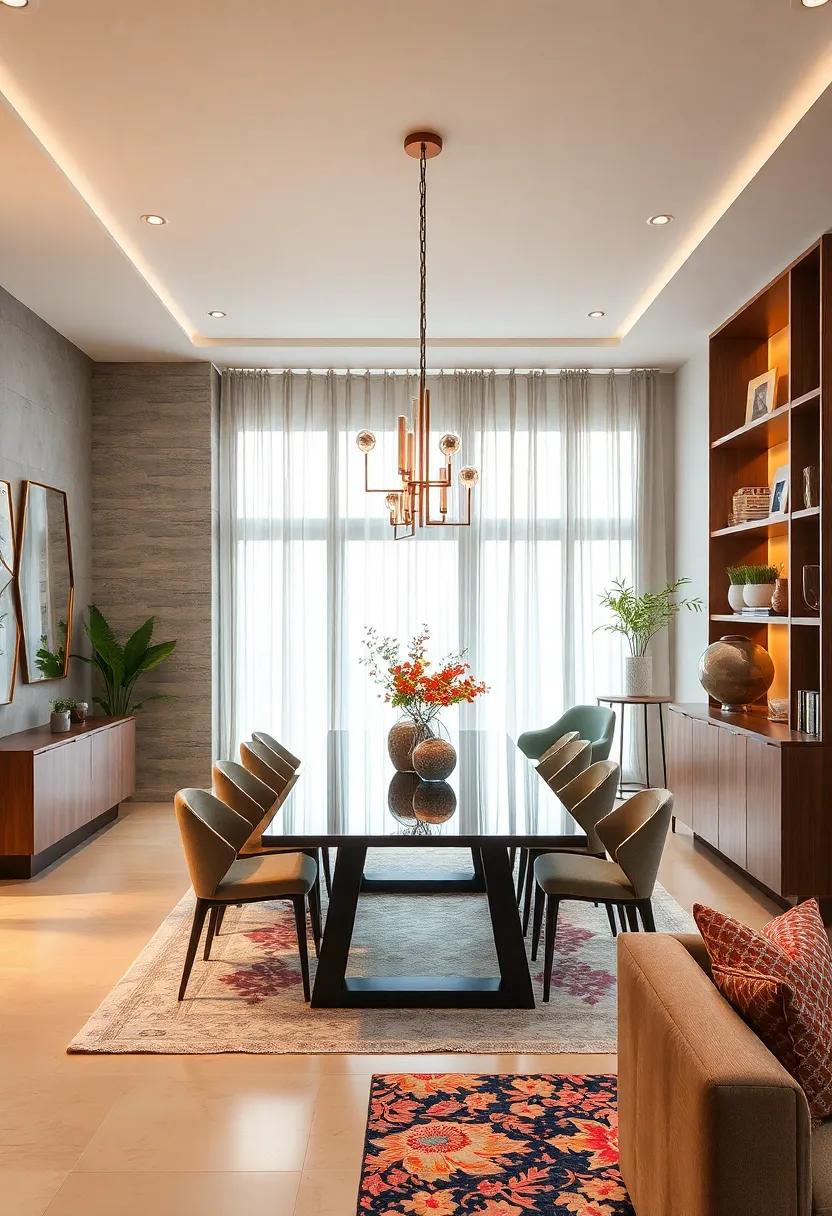
Blending open shelves with closed cabinets creates a dynamic balance between showcasing cherished items and keeping less attractive essentials tucked away. Open shelves invite personalization-think artisanal ceramics, glassware collections, and fresh greenery-transforming the dining area into a lively gallery that sparks conversation. Meanwhile, closed cabinets provide discreet storage for bulky cookware, seasonal table linens, and extra dishware, maintaining a clean and organized atmosphere. This dual approach caters perfectly to multi-use dining rooms, where the same space must transition seamlessly from casual family dinners to elegant entertaining.
Strategically alternating these storage options also offers practical benefits beyond aesthetics. For example:
- Enhanced accessibility: Frequently used items can sit within easy reach on open shelves.
- Visual harmony: Closed cabinets hide clutter and create a cohesive backdrop for decorative displays.
- Flexible styling: Varying heights and depths add architectural interest, breaking monotony.
| Storage Zone | Best Use | Styling Tip |
|---|---|---|
| Open Shelves | Showcasing daily essentials & décor | Mix textures and colors for vitality |
| Closed Cabinets | Stashing infrequently used or bulky items | Choose sleek, minimalist doors to avoid visual noise |
Final Thoughts
In the dance of daily life, where every corner yearns to serve more than one purpose, multi-functional dining areas emerge as the unsung heroes of modern homes. By thoughtfully blending style with utility, these spaces not only maximize square footage but also enrich the moments shared within them. Whether through clever storage solutions, adaptable furniture, or seamless design tricks, the possibilities are as limitless as your imagination. Embracing innovation in your dining area invites both efficiency and warmth, proving that sometimes, less truly is more-especially when it’s done smartly. Your dining space isn’t just a place to eat; it’s a canvas for creativity, connection, and living well.