
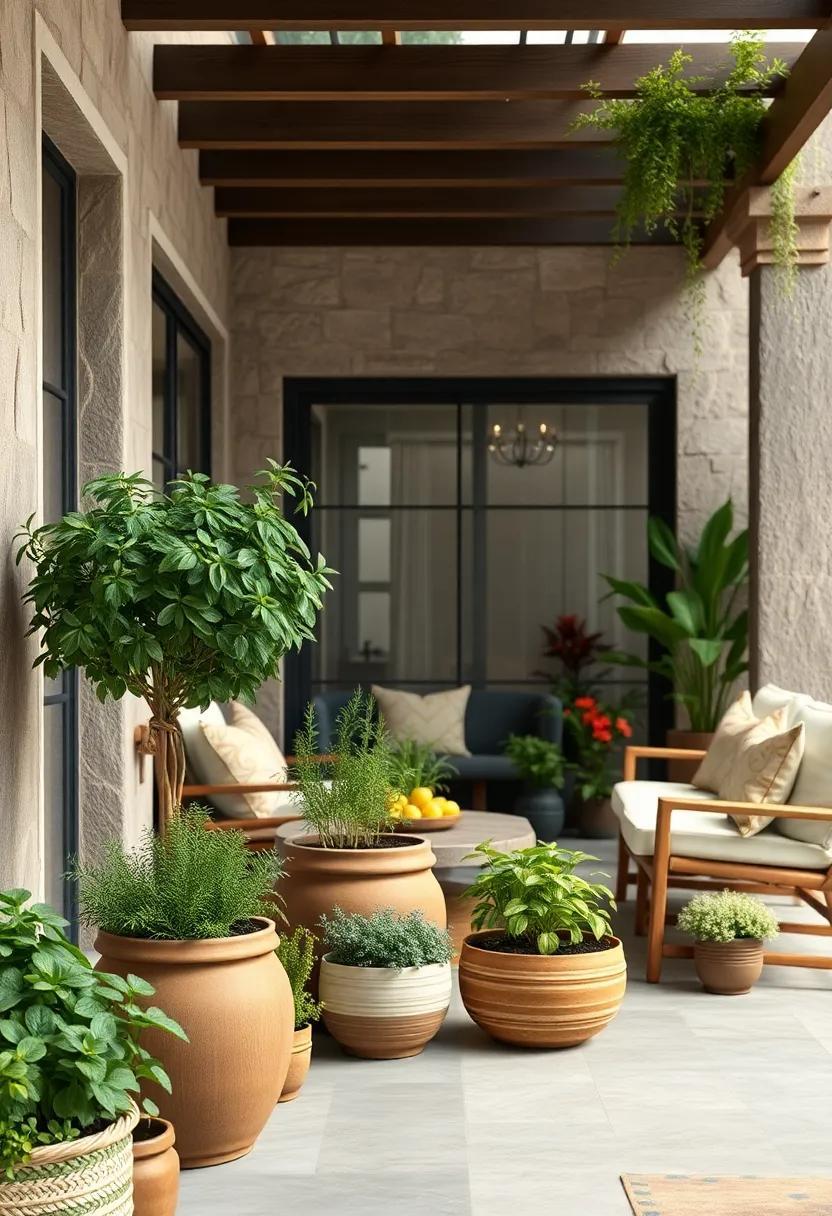
Imagine stepping outside your door to harvest a vibrant bouquet of herbs, their fragrance filling the air and their flavors ready to transform your meals. Growing culinary herbs on your patio not only brings freshness to your kitchen but also adds a touch of green tranquility to your living space. Whether you have a sprawling balcony or a cozy corner, cultivating your own herbs is an accessible and rewarding way to elevate everyday cooking. In this article, we’ll explore how to turn your outdoor space into a thriving herb garden, bringing fresh flavors right to your doorstep.
Choosing the Ideal Patio Containers to Enhance Growth and Aesthetic Appeal of Culinary Herbs
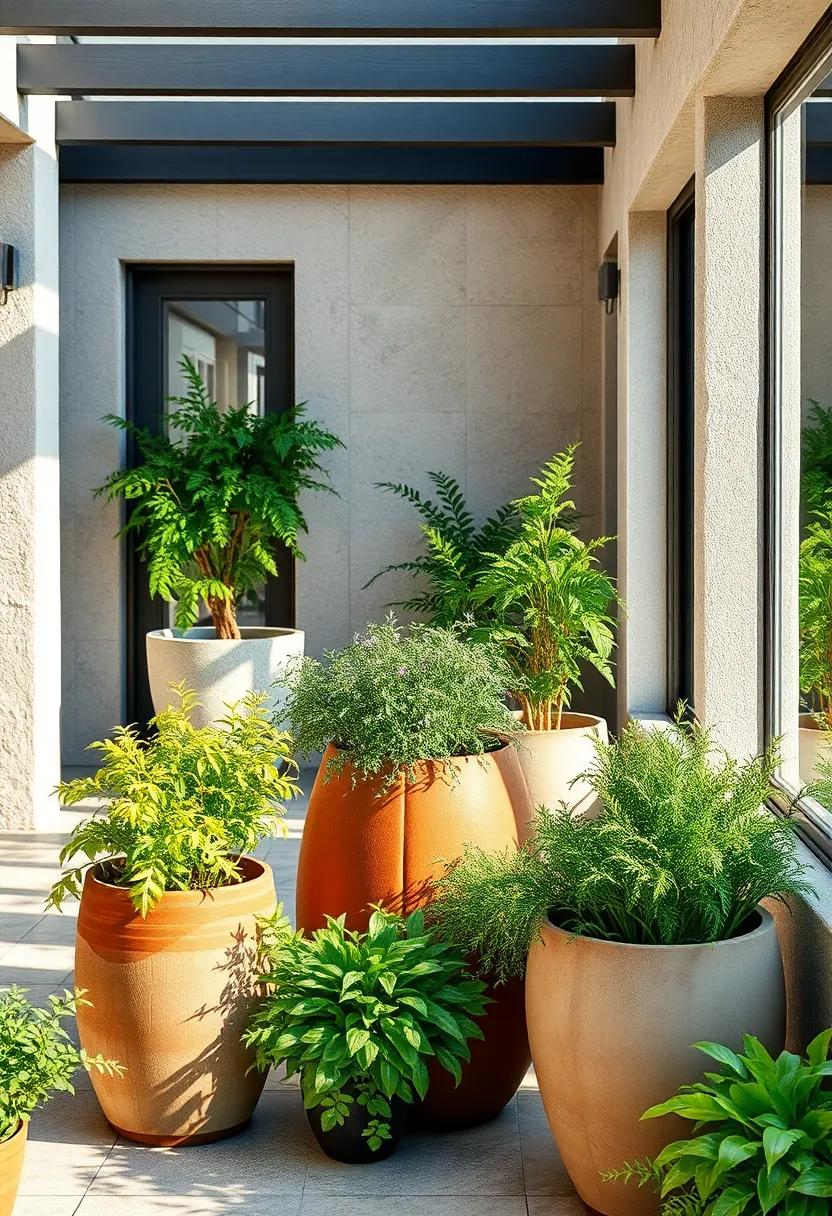
Selecting the perfect containers for your patio herbs is a crucial step towards nurturing vibrant, flavorful plants. Opt for containers with adequate drainage holes to prevent waterlogging, which can lead to root rot. Terracotta pots are a popular choice due to their porous nature, allowing for better air circulation and moisture control. For those looking for a modern touch, glazed ceramic pots not only retain moisture longer but also add a splash of color to your green haven. Don’t overlook the container size; herbs like basil and rosemary thrive in medium-sized pots that provide enough room for roots to expand without overwhelming the patio space.
Beyond materials and size, consider the style and placement of your containers to boost both growth and visual harmony. Mixing vertical planters with classic pots can save space and create an eye-catching layered effect. Utilizing self-watering containers can also simplify care routines, especially during warm summer months. Here’s a quick guide to container choices that balance practicality and style:
| Container Type | Benefits | Best For |
|---|---|---|
| Terracotta Pots | Breathable, natural look | Thyme, Oregano |
| Glazed Ceramic | Moisture retention, colorful | Basil, Parsley |
| Self-Watering Pots | Consistent moisture | Mint, Cilantro |
| Vertical Planters | Space-saving, decorative | Chives, Dill |
Sunlight Patterns and Their Impact on Thriving Herbs in Small Patio Gardens
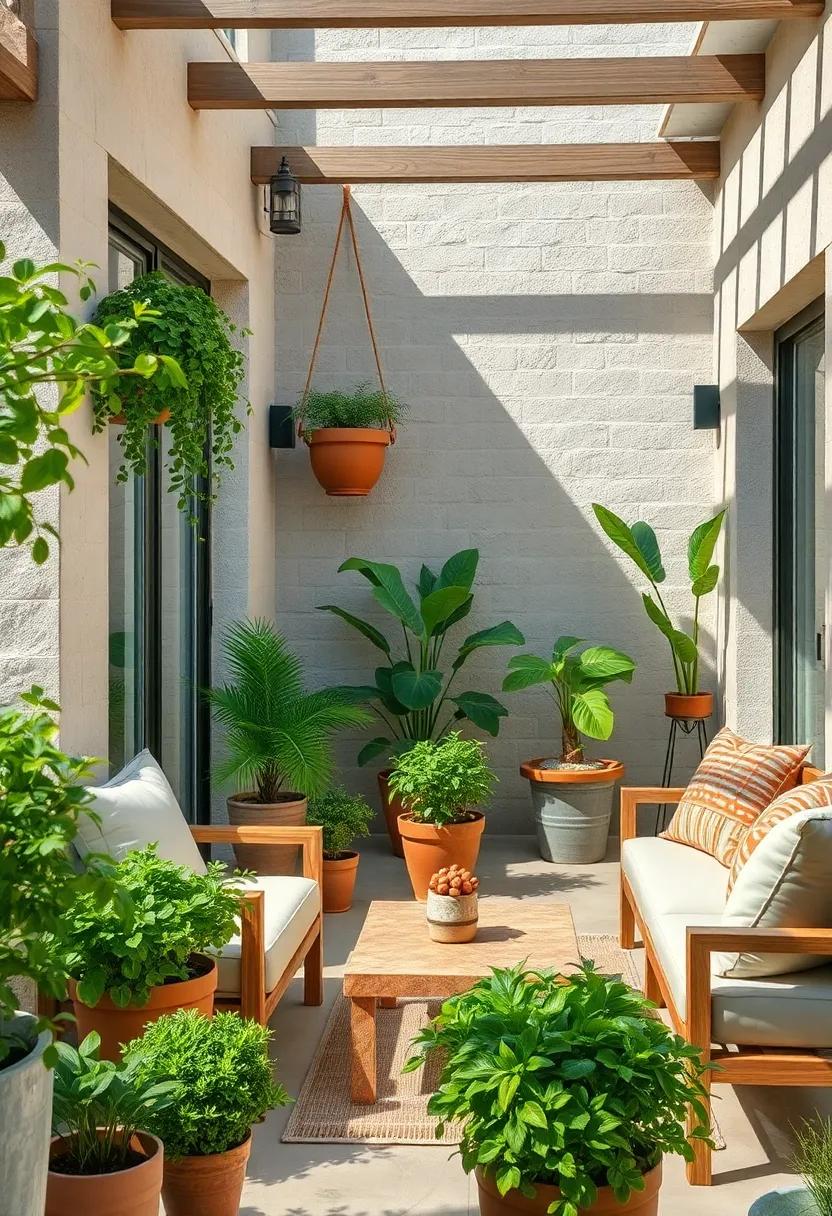
Understanding how sunlight dances across your patio throughout the day is key to cultivating a lush herb garden that thrives in any small space. Most culinary herbs crave at least 4 to 6 hours of direct sunlight, but subtle differences in their light preferences can mean the difference between a bountiful harvest and a struggling plant. For instance, robust sun-lovers like rosemary and thyme will flourish on south-facing patios where sunbeams pour generously, while gentler greens like mint and parsley prefer the dappled sunshine of morning or late afternoon light.
Maximize herb growth by considering the varying light zones your patio offers. Creating a mini-map of shadows can help you group your herbs accordingly. Here’s a quick guide to match common herbs with ideal sunlight conditions:
- Full Sun (6+ hours): Rosemary, Basil, Sage
- Partial Sun (3-6 hours): Thyme, Oregano, Chives
- Partial Shade (2-4 hours): Parsley, Cilantro, Mint
| Herb | Sunlight Needed | Best Patio Location |
|---|---|---|
| Rosemary | 6-8 hours | South-facing spot |
| Mint | 2-4 hours | Shady northwest corner |
| Basil | 6 hours | East edge with morning sun |
| Parsley | 3-5 hours | Partial sun near balcony railings |
Creative Vertical Herb Gardens That Save Space and Boost Flavor Variety
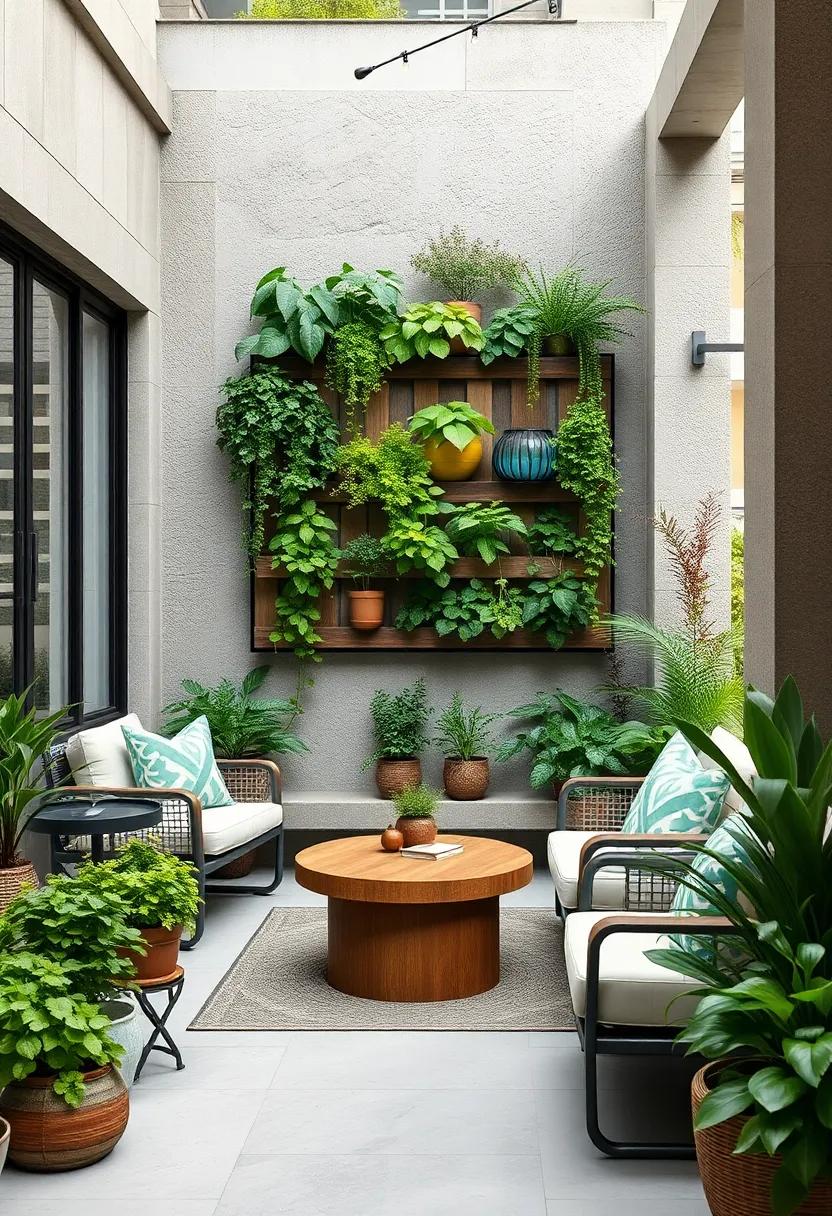
Maximize your patio’s potential by transforming bare walls and fences into lush, vertical herb havens. Using tiered pockets, hanging planters, or repurposed wooden pallets, you can create striking gardens that not only save valuable floor space but also turn your cooking into an aromatic adventure. Imagine snipping fresh thyme, mint, and chives from a living wall just steps away from your kitchen-each plant carefully curated to bring a burst of flavor to your dishes without cluttering your outdoor area.
Benefits of Vertical Herb Gardens:
- Efficient use of small areas, perfect for patios and balconies
- Easy access and organized growth promoting healthier plants
- Enhanced variety by mixing complementary herbs vertically
- Reduced pest issues by elevating plants and improving airflow
| Herb | Ideal Spot | Flavor Profile |
|---|---|---|
| Basil | Top Tier | Sweet, Peppery |
| Rosemary | Middle | Pine-like, Earthy |
| Cilantro | Lower Tier | Bright, Citrusy |
Vibrant Herb Arrangements That Add Freshness and Visual Delight to Your Outdoor Space
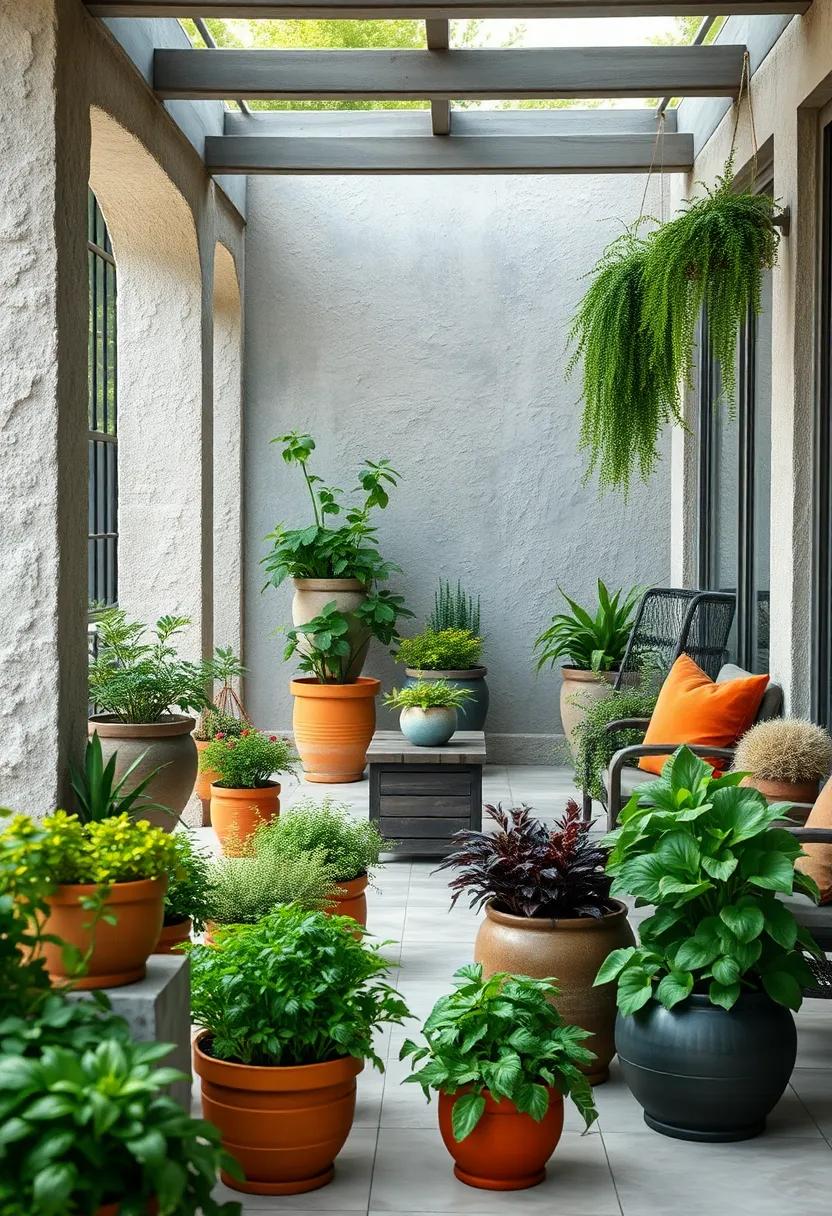
Transform your patio into a lush oasis by thoughtfully combining herbs of varying textures, heights, and colors. Imagine a cluster where the silvery leaves of lavender gently sway beside the deep green sprigs of rosemary, while pops of bright purple from purple basil add unexpected vibrancy. Arranging herbs in stylish containers or tiered planters not only conserves space but also creates a dynamic visual experience, turning even a small balcony into a delightful feast for the eyes and nose. The wholesome aroma mingling from fresh mint, thyme, and oregano offers sensory pleasure that complements both your cooking and your outdoor relaxation.
For an effortless way to ensure year-round greenery, consider mixing evergreen herbs with seasonal blooms. Here are creative ideas to bring balance and contrast to your herb displays:
- Height Variation: Tall fennel or lemon verbena at the back with creeping thyme or chamomile trailing in front.
- Color Play: Dark-leafed purple basil mixed with bright lemon balm or variegated sage leaves.
- Texture Contrast: The fuzzy leaves of lamb’s ear paired with the sleek surfaces of basil or cilantro.
These combinations not only brighten your outdoor space but also enrich your culinary adventures, allowing harvesting convenience without sacrificing style.
Perfect Soil Mixes Tailored for Patio Herbs to Maximize Nutrient Absorption
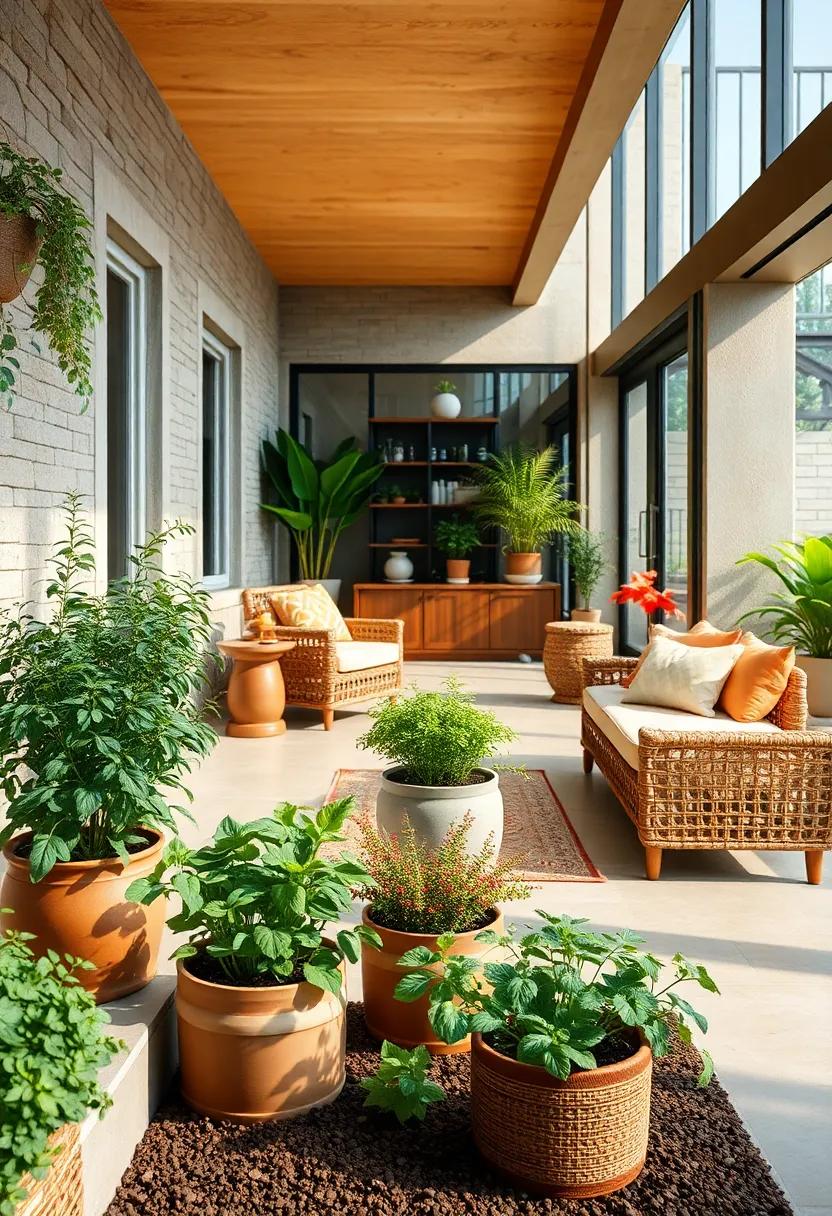
Creating the ideal growing environment for your patio herbs starts with the foundation: the soil. A well-balanced, airy soil mix ensures roots receive ample oxygen, moisture, and nutrients essential for vigorous growth. Begin with a base of high-quality potting soil combined with organic compost to enrich the medium with natural nutrients. Incorporate perlite or coarse sand to improve drainage and prevent waterlogging, which can lead to root rot and nutrient lockout. Finally, add some worm castings or a slow-release organic fertilizer to boost microbial activity, helping herbs like basil, thyme, and rosemary absorb nutrients more efficiently.
Each herb may crave a slightly different makeup in its soil, so consider tailoring mixes to cater to their unique needs. For example, Mediterranean herbs prefer a more alkaline, well-drained medium, while leafy herbs thrive in slightly richer, moisture-retentive blends. Below is a quick guide to mixing soil for common patio herbs:
| Herb | Base Soil | Drainage Additive | Organic Boost |
|---|---|---|---|
| Basil | Potting Soil | Perlite | Compost |
| Rosemary | Sandy Loam | Coarse Sand | Worm Castings |
| Mint | Rich Potting Mix | None (Retains Moisture) | Compost |
| Thyme | Loamy Soil | Perlite | Slow-Release Fertilizer |
By fine-tuning your soil, you not only promote healthy root systems but also dramatically enhance the uptake of essential minerals and nutrients, resulting in robust, flavorful herbs that will transform every meal with fresh patio-grown flair.
Using Natural Fertilizers and Compost to Enrich Your Herbs Without Chemicals
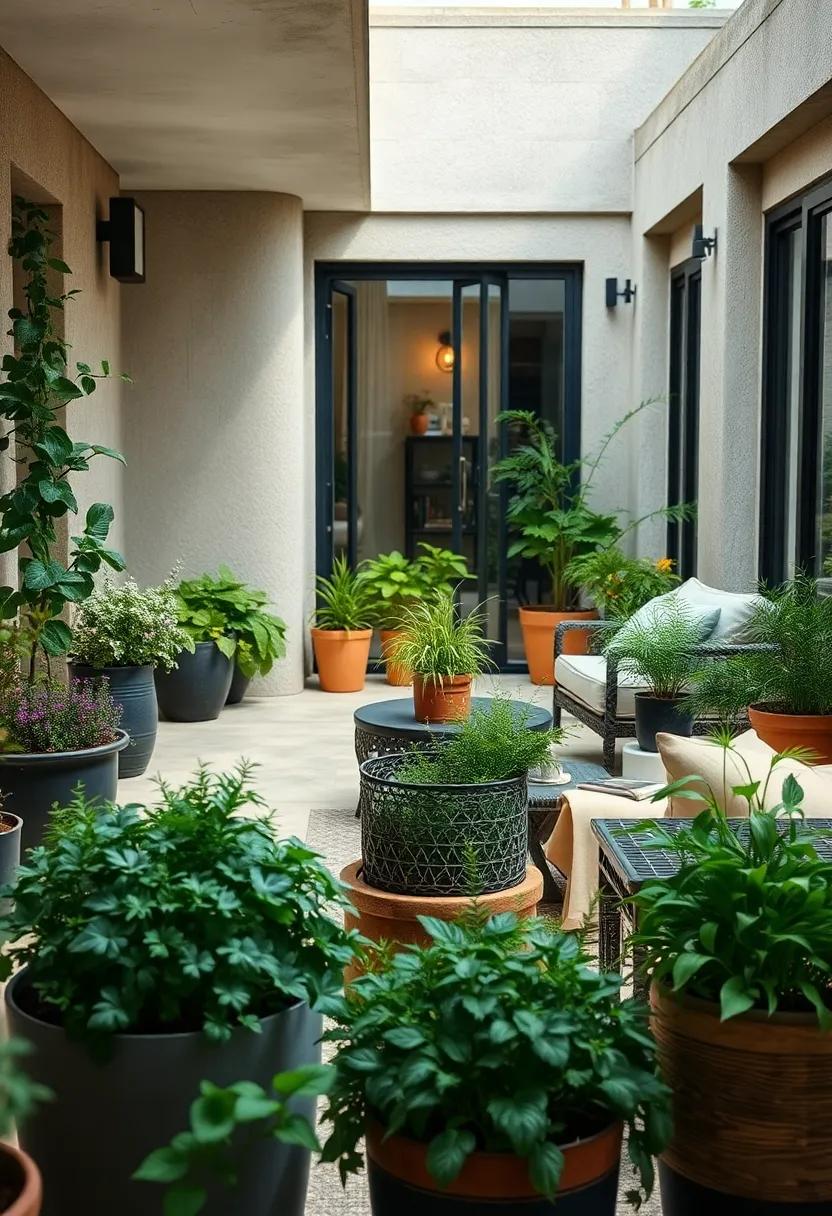
Enriching your herb garden naturally can transform your patio into a lush, thriving oasis. Instead of relying on chemical fertilizers, tapping into the power of natural fertilizers and compost boosts soil vitality while nurturing your herbs with gentle, organic nourishment. Kitchen scraps, coffee grounds, and garden clippings composted together form a rich, dark humus that cradles roots and encourages vibrant growth. These organic amendments improve soil structure, enhance water retention, and promote beneficial microbe activity, creating an environment where herbs flourish effortlessly.
Incorporate natural fertilizers such as worm castings, seaweed extracts, and bone meal to supply essential nutrients in a balanced, slow-release manner. Here’s a quick reference to guide your choices:
| Natural Fertilizer | Key Nutrient | Best for |
|---|---|---|
| Worm Castings | Rich in nitrogen & microbes | Leafy herbs like basil, parsley |
| Seaweed Extract | Trace minerals & growth hormones | Delicate herbs like cilantro, dill |
| Bone Meal | Phosphorus & calcium | Root-focused herbs like thyme, rosemary |
- Apply compost gently around the base every few weeks.
- Dilute liquid fertilizers for foliar feeding in early morning.
- Mulch with shredded leaves or straw to lock in moisture and nutrients.
Balancing Watering Techniques for Lush, Aromatic Herbs in Patio Settings
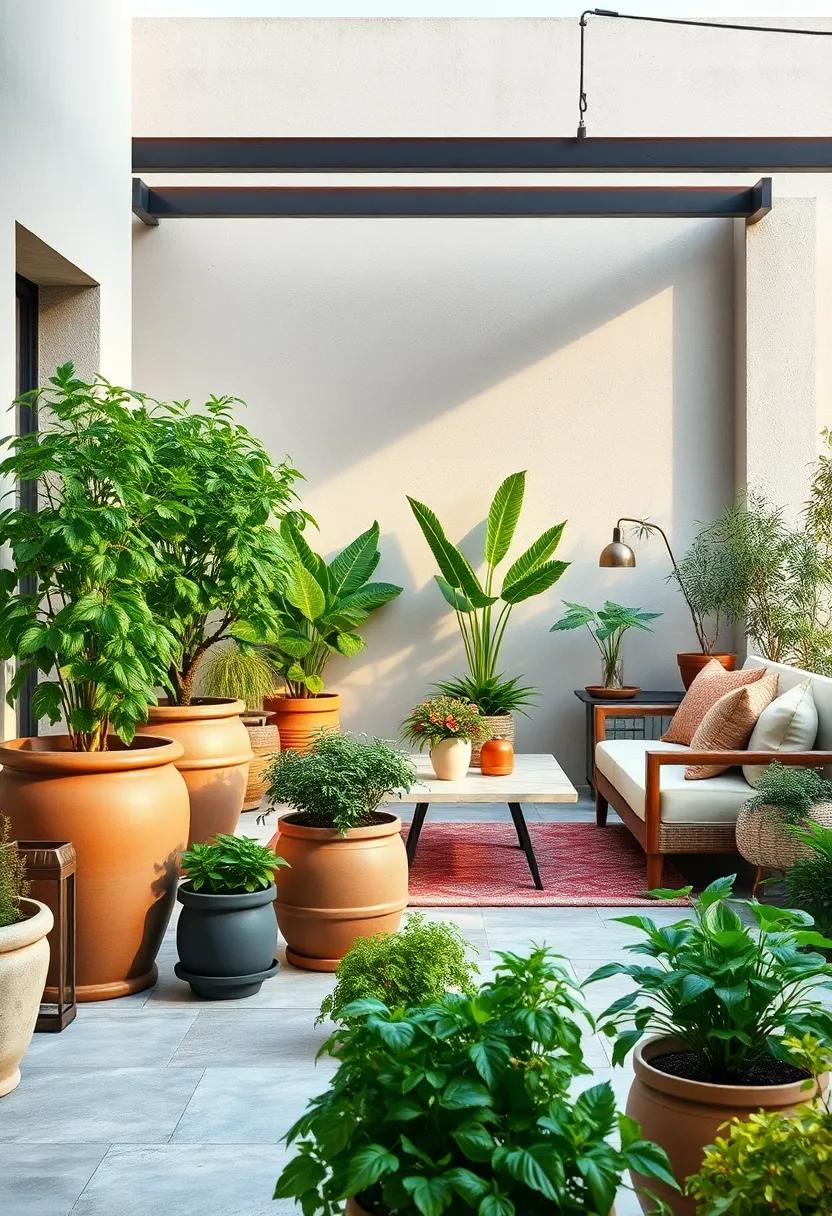
Achieving the perfect hydration balance is key to cultivating herbs that not only thrive but also exhibit vibrant aromas and flavors. Overwatering can lead to root rot and diminished essential oils, while underwatering stresses plants, reducing their growth and taste intensity. To keep your patio herbs flourishing, consider the soil moisture levels before watering-stick your finger about an inch deep; if it feels dry, it’s time to hydrate. Additionally, early morning watering allows plants to absorb moisture efficiently while reducing evaporation losses, promoting healthier foliage and a burst of fresh scent during your culinary adventures.
Effective watering practices include:
- Using drip irrigation or soaker hoses for slow, deep watering
- Ensuring containers have drainage holes to prevent waterlogging
- Grouping herbs with similar moisture needs together for tailored care
- Multiplying watering frequency during hot, dry spells, and reducing it in cooler months
| Herb | Water Frequency | Moisture Preference |
|---|---|---|
| Basil | Every 2-3 days | Moderate, keep soil moist |
| Rosemary | Weekly | Low, prefers drier soil |
| Mint | Every 1-2 days | High, likes consistently moist soil |
Companion Planting Strategies to Promote Herbal Growth and Pest Resistance
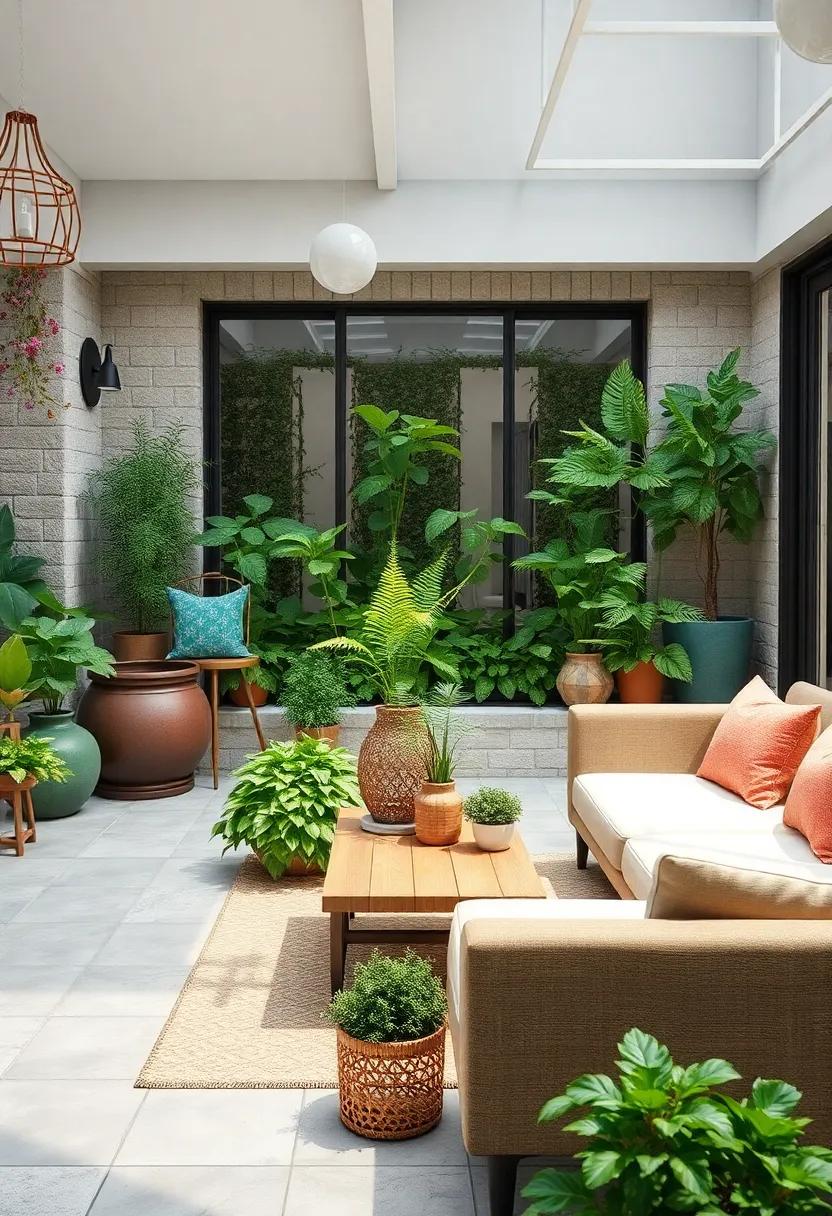
Maximizing the vitality of your patio herb garden often hinges on the synergy between plants. Certain herbs, when paired thoughtfully, not only flourish better but also create a natural shield against common pests. For instance, planting basil alongside tomatoes can enhance growth while repelling flies and mosquitoes. Similarly, rosemary planted near carrots discourages carrot flies, promoting healthier root development. Harnessing these natural partnerships reduces the need for chemical interventions, making your herb garden a healthier and more sustainable space.
Incorporating companion planting can be as simple as grouping herbs with complementary characteristics. Consider these combinations to boost both growth and resilience:
- Mint + Cabbage: Mint repels cabbage moths while thriving in similar soil conditions.
- Thyme + Eggplant: Thyme deters flea beetles, protecting the eggplant leaves.
- Chives + Roses: Chives can help keep aphids at bay, benefiting both herbs and ornamental plants.
| Herb Pairing | Benefit | Pest Targeted |
|---|---|---|
| Basil + Tomato | Enhanced Flavor, Growth | Mosquitoes, Flies |
| Rosemary + Carrot | Root Health | Carrot Flies |
| Mint + Cabbage | Stronger Growth | Cabbage Moths |
Seasonal Herb Varieties That Bring Year-Round Freshness to Your Patio Kitchen
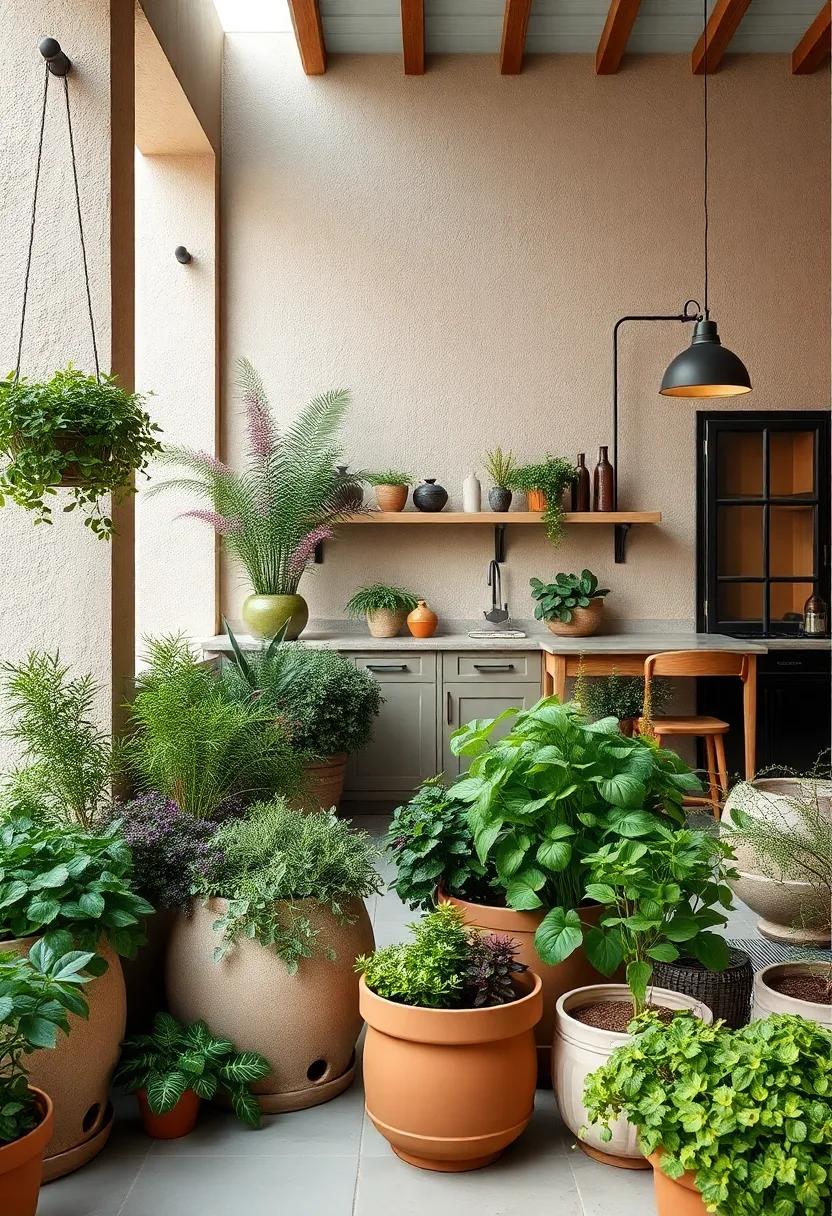
Integrating a diverse selection of herbs that thrive in different seasons can transform your patio kitchen into a vibrant, year-round haven of freshness. In spring and summer, aromatic basil, vibrant cilantro, and spicy chives flourish, lending their bright flavors to salads and grilled dishes. As the cooler months approach, hardy herbs like rosemary, thyme, and sage take center stage, providing robust, earthy notes that enhance hearty stews and roasts. By rotating your herbs to match the seasons, you ensure an endless supply of fresh ingredients without ever stepping into a grocery store.
To make seasonal planting simple, consider grouping these herbs based on their preferred growing conditions and harvest times:
- Spring/Summer Stars: Basil, Cilantro, Chives, Dill
- Fall/Winter Warriors: Rosemary, Thyme, Sage, Oregano
- All-Year Contenders: Mint, Parsley, Chervil
| Herb | Best Season | Flavor Profile |
|---|---|---|
| Basil | Spring to Summer | Sweet, peppery |
| Rosemary | Fall to Winter | Pine-like, woody |
| Mint | All Year | Refreshing, cool |
| Thyme | Fall to Winter | Earthy, slightly minty |
Integrating Edible Flowers with Culinary Herbs for Unique Taste and Color Combos
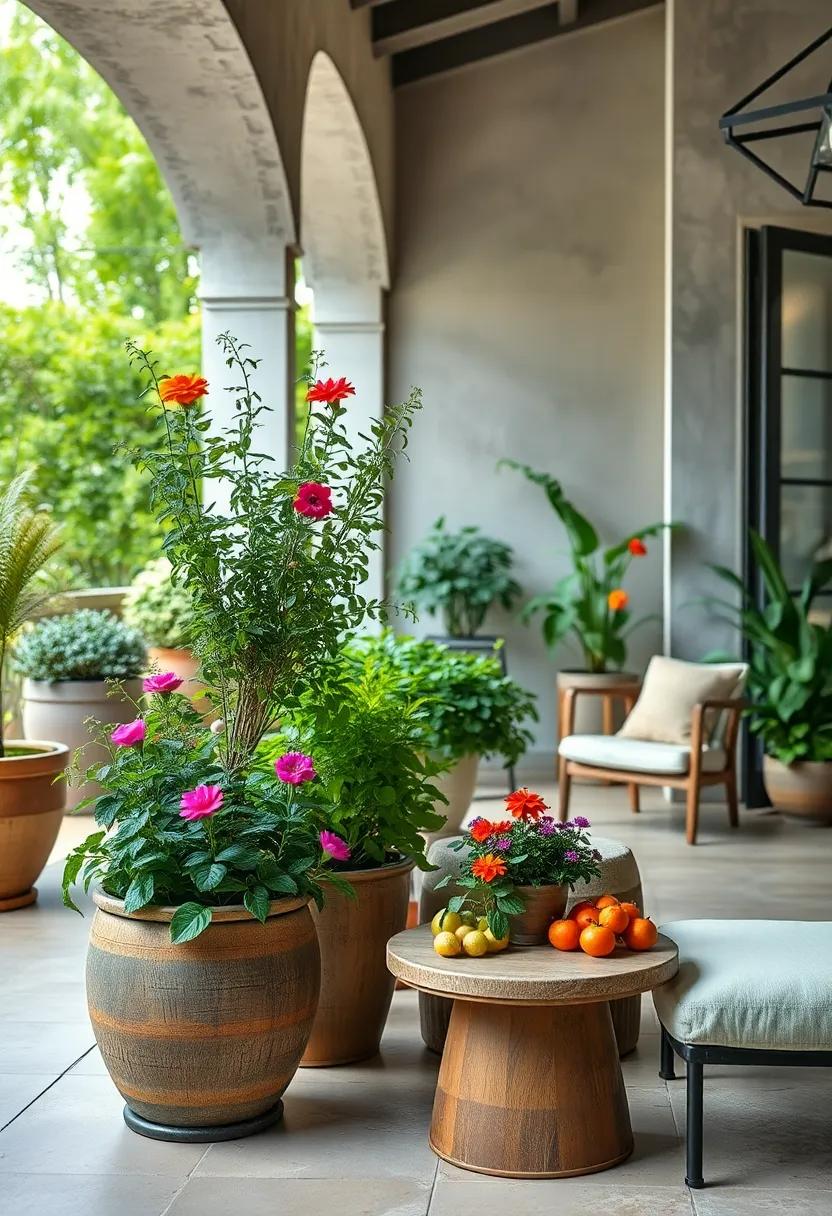
Imagine stepping out onto your patio and harvesting a palette of edible flowers alongside the familiar scents of culinary herbs, crafting dishes that delight both the eyes and the palate. Combining the delicate sweetness of pansies or the subtle spice of nasturtiums with robust herbs like rosemary or thyme creates a sensory experience that elevates everyday cooking. This synergy introduces not just flavor contrasts but textural and aromatic layers, transforming a simple salad or garnish into an artful showcase of freshness and creativity.
To guide your pairing adventures, consider these flavor and color combos that bring harmony to your plates:
- Lavender & Basil – Floral and herbaceous, perfect in infused oils and cocktails
- Calendula & Sage – Bright petals with earthy notes complement roasted dishes
- Violas & Mint – Sweet blossoms paired with refreshing mint brighten desserts
- Chive Blossoms & Cilantro – Mild onion hints combined with citrusy zest ideal for salsas
| Edible Flower | Pairing Herb | Best Use |
|---|---|---|
| Rose petals | Thyme | Dessert garnishes |
| Marigold | Oregano | Salad sprinkles |
| Bee balm | Lemon balm | Herbal teas |
| Hibiscus | Mint | Refreshing drinks |
Rustic Wooden Planters Versus Modern Pots in Patio Herb Displays
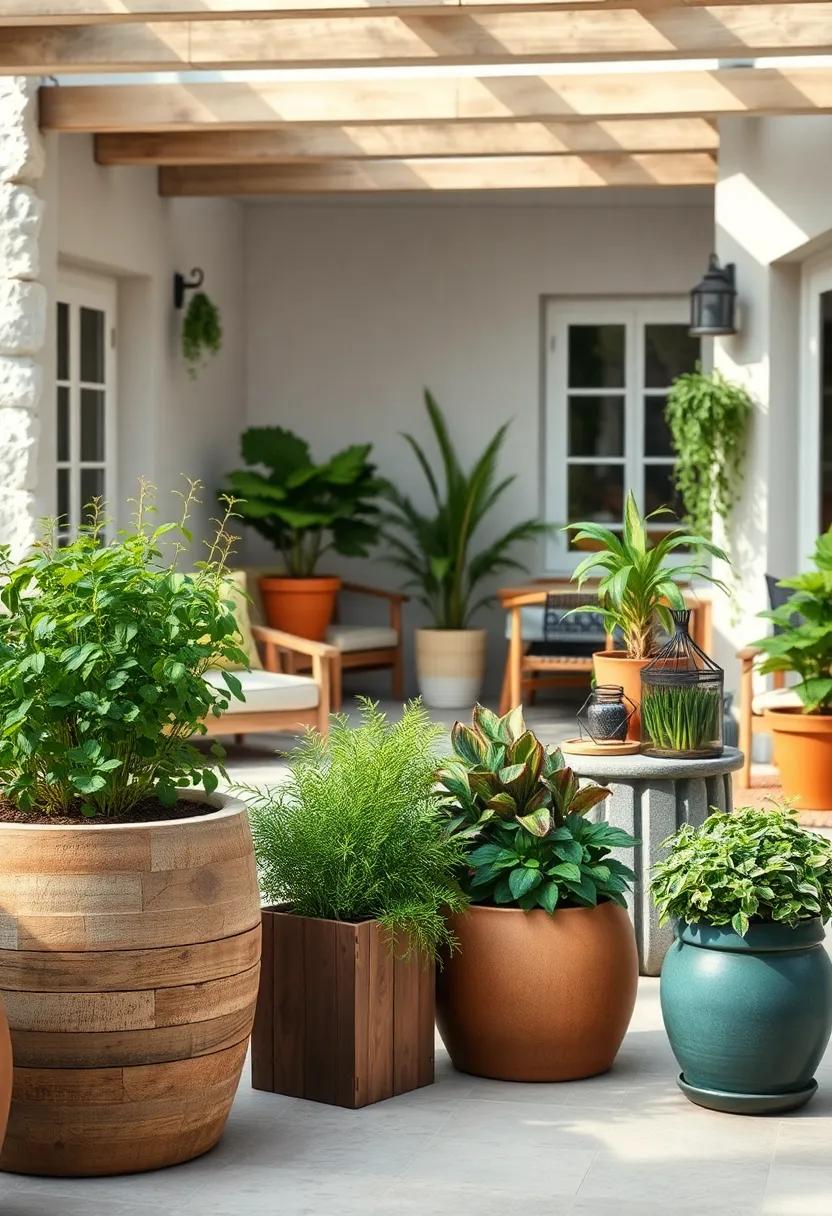
Choosing the perfect containers for your patio herb display is more than just a functional decision-it’s a statement of style. Rustic wooden planters exude a timeless charm that blends seamlessly with natural surroundings. Their earthy textures and warm tones create a cozy, inviting atmosphere, making your herb garden feel like a curated extension of the outdoors. These planters are perfect for gardeners who value sustainability and enjoy the organic look of weathered wood that ages gracefully over seasons.
Conversely, modern pots bring a sleek, minimalist vibe, often crafted from materials like ceramic, fiberglass, or metal. Their clean lines and contemporary finishes complement a modern patio design and provide a contrast that highlights the vibrant green of herbs beautifully. These containers tend to offer enhanced durability and come with smart features such as built-in drainage or self-watering systems. Below is a quick comparison to help you decide which suits your culinary garden best:
| Feature | Rustic Wooden Planters | Modern Pots |
|---|---|---|
| Aesthetic | Natural, warm, earthy | Sleek, clean, minimalist |
| Durability | Moderate, ages with character | High, weather-resistant materials |
| Maintenance | Requires occasional sealing | Minimal, easy to clean |
| Features | Traditional drainage only | Self-watering, insulated options |
- Rustic wooden planters are ideal if you want a cozy, natural setup that seems right at home outdoors.
- Modern pots suit those who prefer functional elegance and ease of care, with purposeful design features.
Enhancing Airflow Around Your Herbs to Encourage Healthy Growth and Strong Flavors
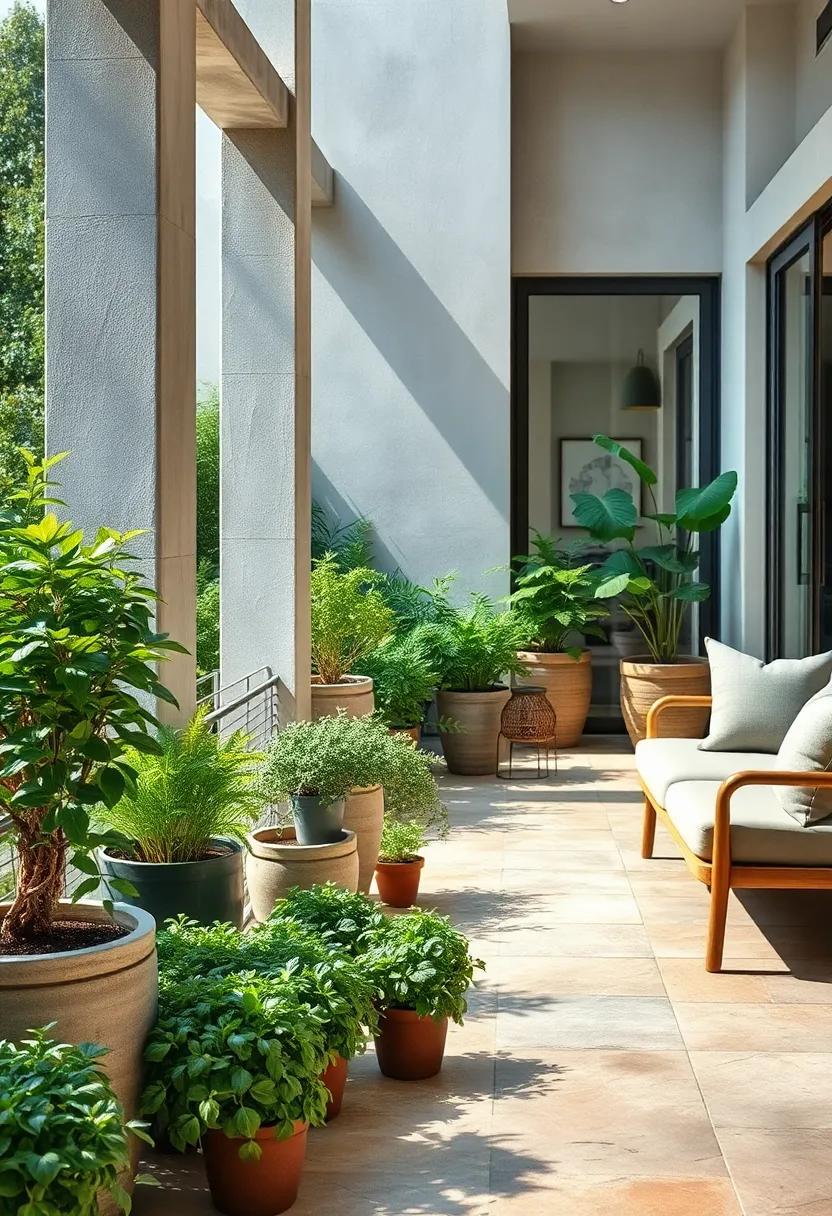
Allowing your herbs ample space and fresh breezes is key to nurturing robust plants bursting with aroma and flavor. Arrange pots so that no foliage feels overcrowded, creating natural gaps where air can circulate freely. Introducing small, decorative fans during humid days or placing your herb garden in a breezy corner can significantly reduce the risk of fungal diseases and promote vigorous growth. Remember, a well-ventilated environment helps herbs channel their energy toward producing essential oils – the secret behind their rich, culinary essence.
In addition to spacing and airflow management, consider the following tips to keep your herb garden thriving:
- Elevate pots: Using plant stands or shelves improves airflow from below.
- Trim regularly: Light pruning encourages new growth and prevents dense foliage.
- Choose wind-friendly varieties: Hardy herbs like rosemary and thyme flourish with a little breeze.
| Herb | Airflow Preference | Pruning Frequency |
|---|---|---|
| Basil | Moderate | Weekly |
| Rosemary | High | Monthly |
| Thyme | High | Biweekly |
| Mint | Moderate | Weekly |
Innovative Irrigation Ideas Suited for Urban Patio Herb Gardens
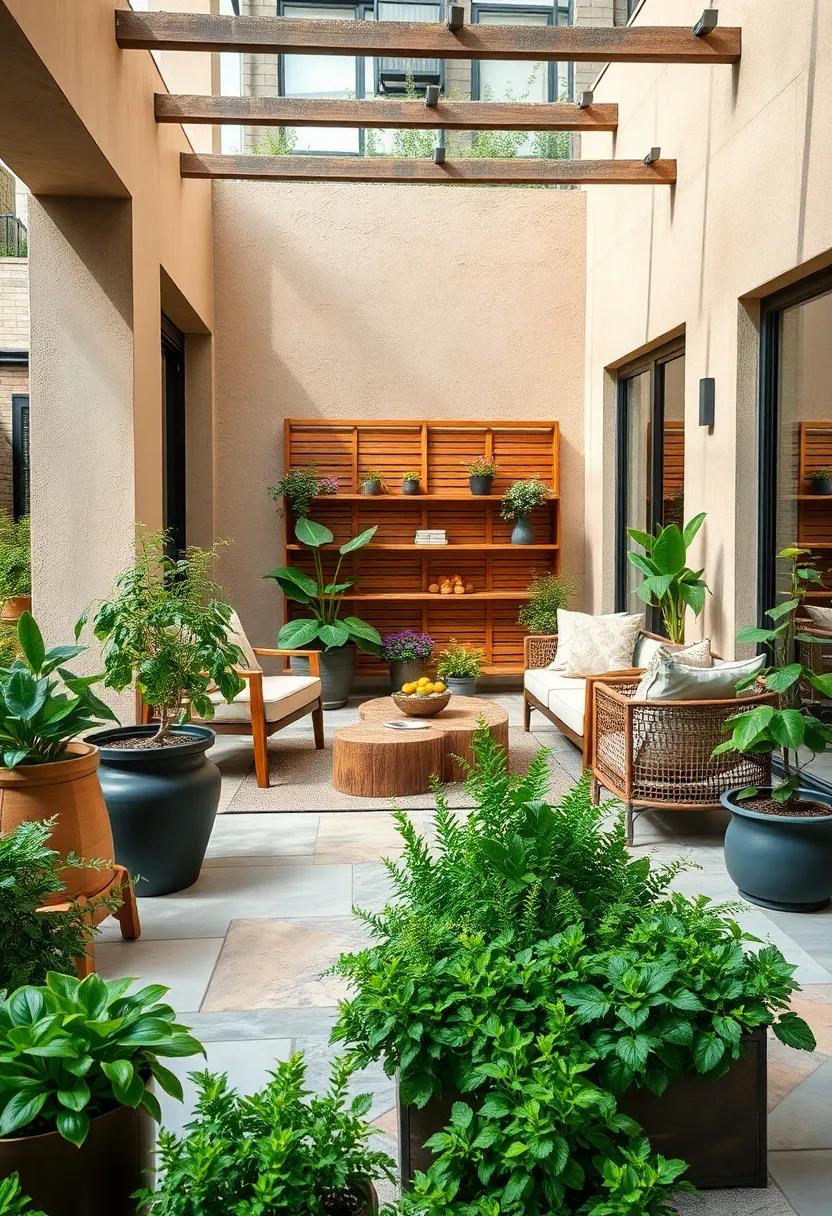
Maximizing water efficiency without sacrificing plant health is at the heart of modern urban herb gardening. One smart approach involves using self-watering containers equipped with a reservoir at the bottom, allowing herbs to draw up water as needed. This method dramatically reduces overwatering and keeps roots moist during heat waves or busy days. Another clever tactic is installing drip irrigation systems with adjustable emitters that deliver water directly to each plant’s base, conserving water by minimizing evaporation and runoff-ideal for space-limited patios.
For tech-savvy gardeners, integrating moisture sensors connected to smartphone apps can provide real-time feedback, ensuring your herbs receive just the right amount of hydration. If you prefer a low-tech solution, consider grouping herbs with similar water needs together and use mulch made from organic materials like shredded leaves or coconut coir to maintain soil moisture. Below is a quick reference chart comparing popular irrigation options for patio herb gardens:
| Method | Water Efficiency | Setup Complexity | Cost |
|---|---|---|---|
| Self-watering Containers | High | Low | $$ |
| Drip Irrigation | Very High | Medium | $$$ |
| Moisture Sensors | Optimized | High | $$$ |
| Organic Mulching | Moderate | Low | $ |
The Role of Indoor-Outdoor Transitional Spaces in Cultivating Aromatic Herbs
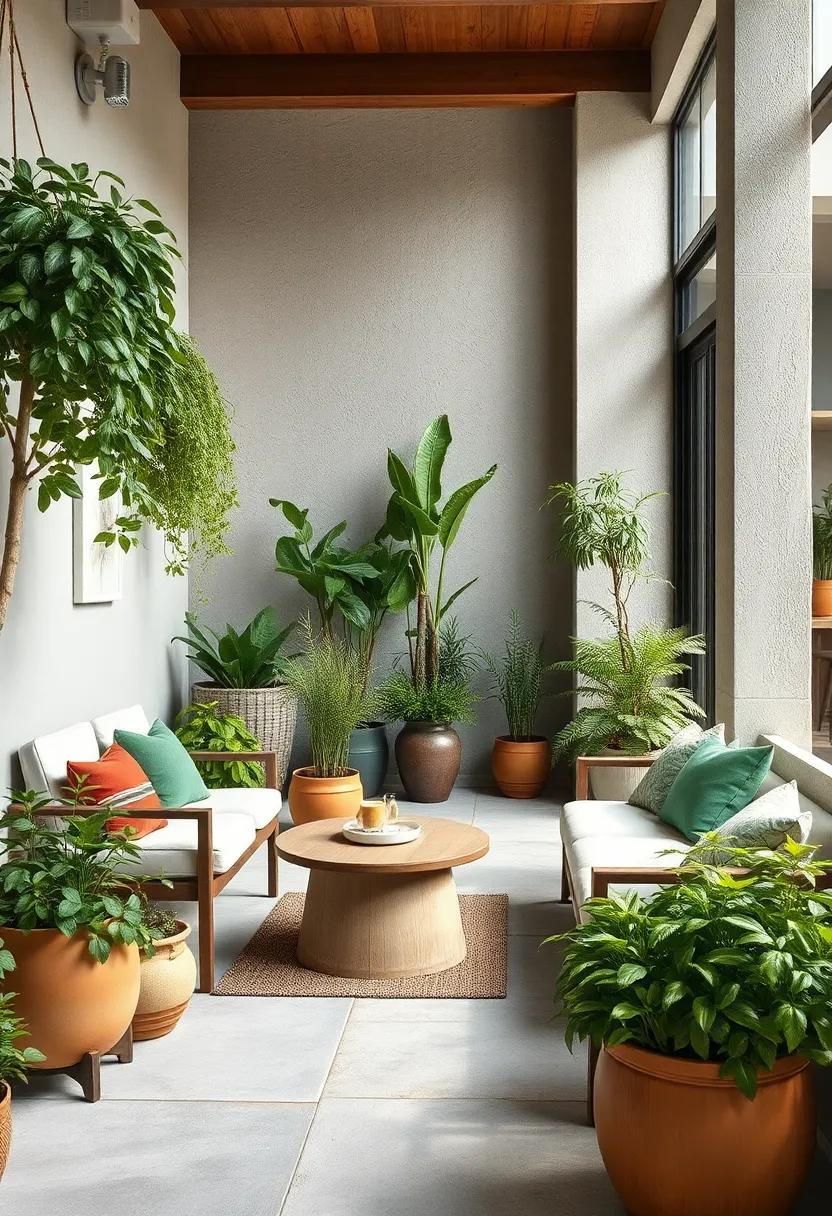
Seamlessly blending indoor comforts with outdoor freshness, these transitional areas serve as dynamic microclimates, perfect for nurturing aromatic herbs. Here, the gentle balance of sunlight, humidity, and airflow mimics the herbs’ natural habitats, encouraging vibrant growth without the extremes faced by garden beds. Imagine basil basking in soft morning rays right beside your living room window, or mint flourishing where indoor warmth meets open air-a synergy that keeps herbs thriving while allowing effortless snipping during meal prep.
Key benefits of cultivating herbs in these spaces include:
- Protection from harsh weather changes and pests
- Easy access for regular watering and pruning
- Enhanced growth due to consistent temperature moderation
- An inviting green atmosphere blending décor with culinary delight
| Herb | Preferred Spot | Care Tip |
|---|---|---|
| Basil | Sunny windowsill | Water when topsoil is dry |
| Rosemary | Bright, airy corner | Allow soil to dry between watering |
| Mint | Partial shade near door | Trim regularly to encourage bushiness |
Maximizing Patio Space with Square Foot Herb Gardens for Abundant Harvests
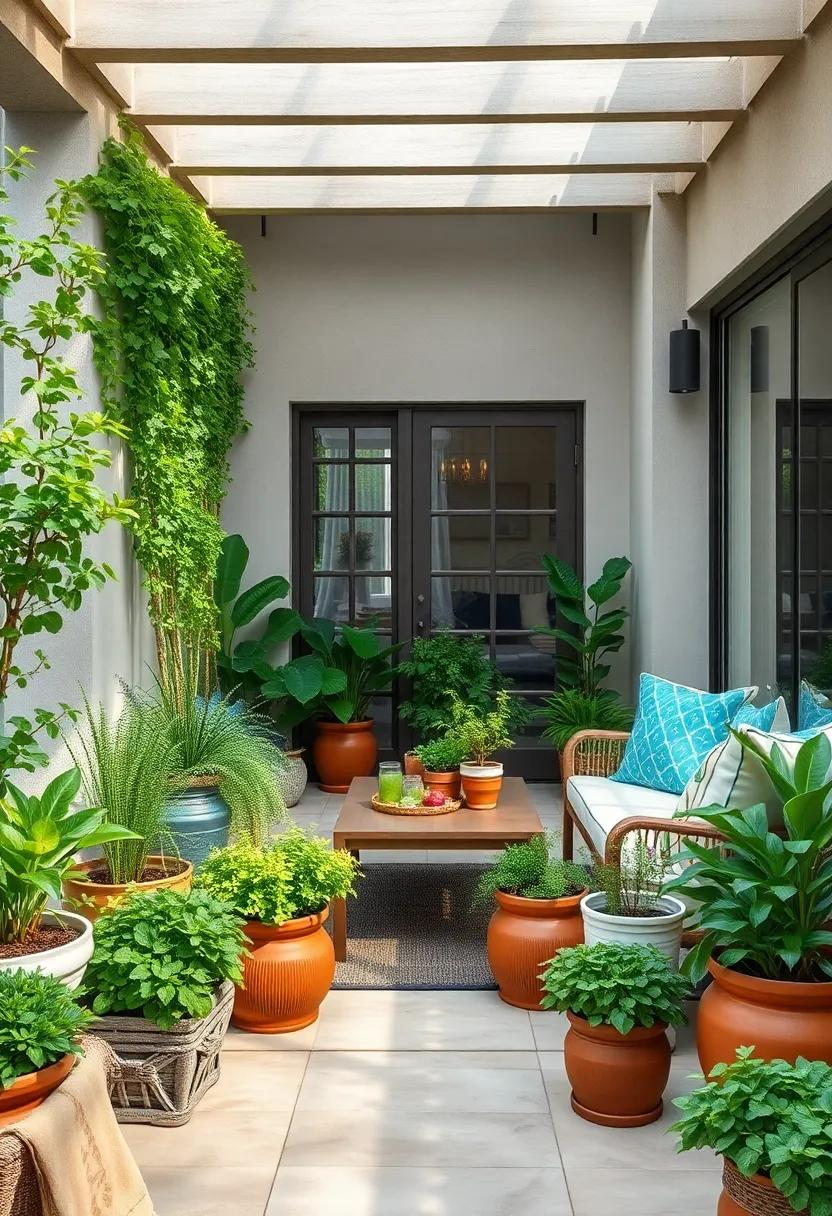
Efficient use of patio corners allows every inch of your available space to contribute to a lush, fragrant herb garden. By employing the square foot gardening method, you can tailor each section to the unique needs of your culinary herbs, ensuring optimal growth in compact containers or raised beds. This technique divides your garden into manageable, clearly defined squares, where you can cultivate diverse herbs side-by-side without overcrowding. Not only does this maximize your harvest, but it also simplifies maintenance and watering routines. Inviting herbs such as basil, thyme, rosemary, and parsley into these dedicated squares creates a vibrant mosaic of green that’s as visually appealing as it is functional.
Consider using vertical supports or trellises alongside your square foot layout to further amplify your planting capacity. Incorporating features like:
- Stackable planters for climbing herbs
- Compact, modular containers for ease of rearrangement
- Color-coded markers for tracking herb varieties and harvest times
can turn your patio into an herbaceous haven. Below is a helpful guideline illustrating ideal plant spacing within a 1ft x 1ft square:
| Herb | Plant per Square Foot | Notes |
|---|---|---|
| Basil | 1 | Needs full sun, regular pruning |
| Chives | 9-12 | Compact and fast-growing |
| Parsley | 4 | Partial shade tolerance |
| Cilantro | 4 | Cooler seasons preferred |
| Thyme | 16 | Trailing habit, drought tolerant |
Designing a Sensory Herb Garden That Engages Sight, Smell, and Taste Outdoors
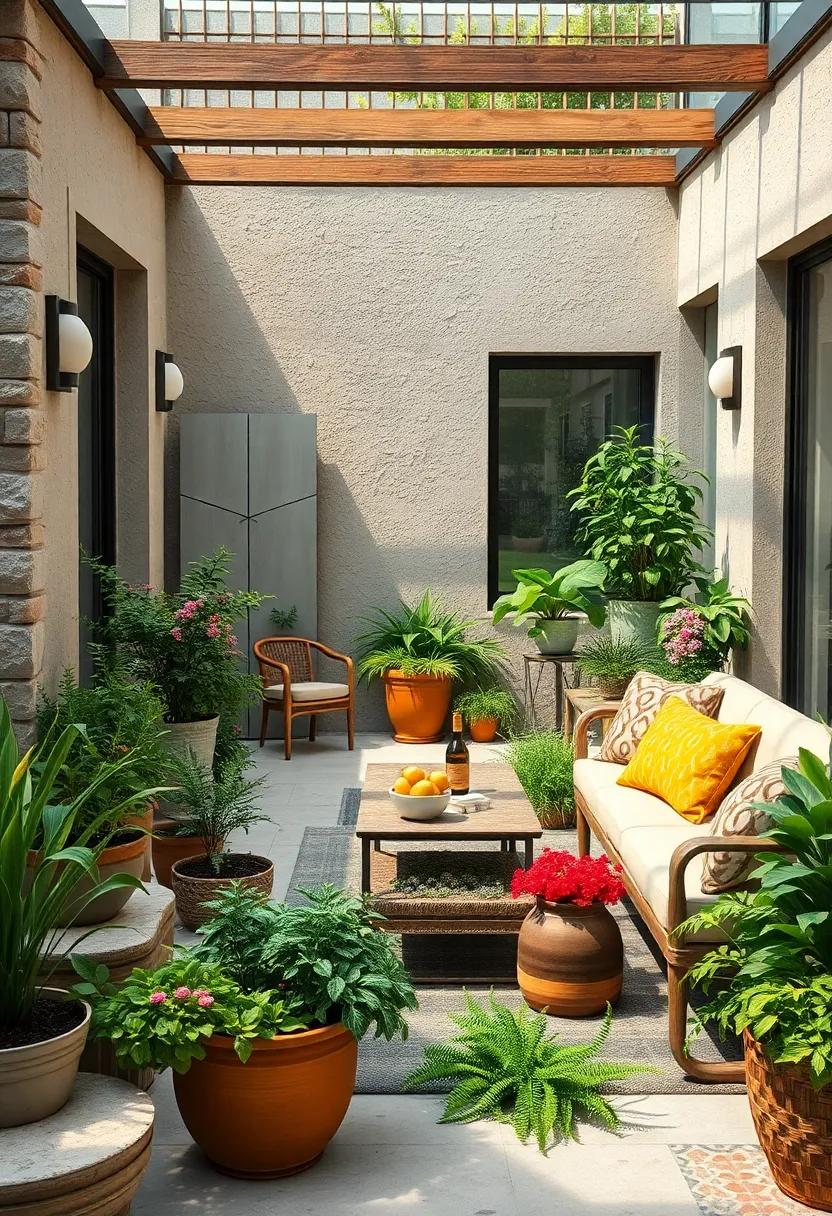
Creating a garden that captivates the senses begins with thoughtful plant selection and layout. Incorporate a variety of herbs such as fragrant lavender and rosemary, whose silvery leaves and delicate flowers add visual interest while filling the air with soothing aromas. Contrast these with the bright green of basil and the textured leaves of sage, inviting touch and admiration. Arrange taller herbs in the back with trailing varieties like thyme cascading over the edges of containers to create layers of greenery that entice the eye. Consider adding colorful pots or using wooden crates as planters to complement the greenery, turning your patio into a vibrant showroom of nature’s palette.
Engage your olfactory and gustatory senses by situating your herbs where you can easily snip and savor fresh flavors. To enhance sensory interaction, keep the most aromatic and flavorful varieties within arm’s reach, ready to enliven your meals or teas instantly. Here’s a quick guide to sensory-rich herbs to include:
- Mint: Bright smell and sharp taste, perfect for refreshing drinks.
- Chamomile: Gentle floral scent, ideal for calming teas.
- Cilantro: Citrus-like aroma, essential for fresh salsas and salads.
- Oregano: Robust flavor, a staple for Mediterranean dishes.
| Herb | Sensory Highlight | Ideal Use |
|---|---|---|
| Lavender | Visual & Fragrance | Herbal teas & decor |
| Basil | Taste & Aroma | Pasta & pesto |
| Rosemary | Texture & Scent | Grilled dishes |
| Thyme | Flavor & Form | Soups & roasts |
Natural Pest Deterrents That Protect Your Patio Herbs Without Chemicals
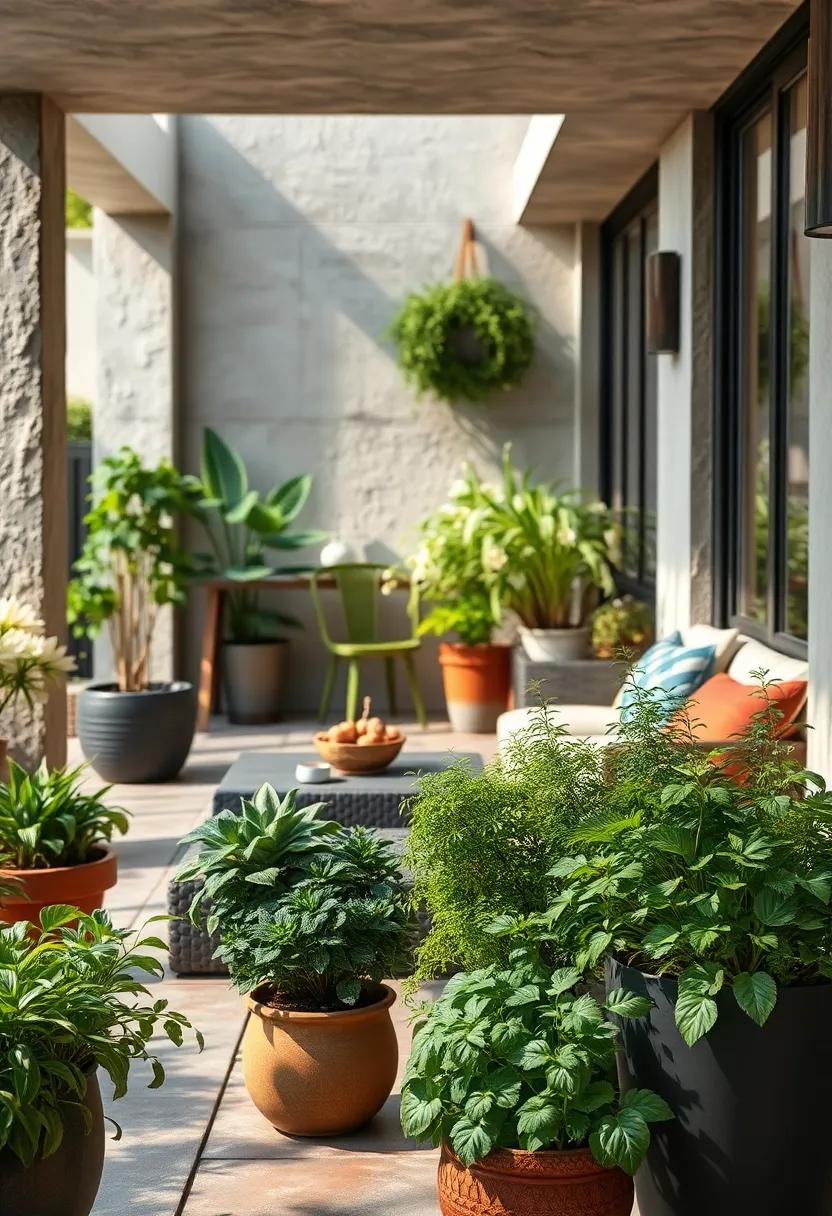
Keeping your patio herbs safe from pests doesn’t mean turning to harsh chemicals. Instead, embrace nature’s own arsenal of defenders. Plants like marigolds, basil, and lavender act as aromatic shields, their scents confusing harmful insects and keeping them at bay. Another clever trick is inviting beneficial insects such as ladybugs and lacewings, known predators of aphids and other common herb nuisances. By creating a balanced ecosystem right on your patio, you nurture a thriving environment where your culinary herbs can flourish without the worry of chemical exposure.
To help you integrate these natural allies, consider using companion planting strategies that work harmoniously with your favorite herbs. Here’s a quick guide to some classic pairings for pest deterrence:
| Herb | Natural Pest Deterrent | Why it Works |
|---|---|---|
| Tomato (companion plant) | Basil | Repels whiteflies and improves growth |
| Thyme | Marigold | Deters nematodes and attracts pollinators |
| Rosemary | Lavender | Repels cabbage moths and beetles |
| Mint | Chives | Discourages aphids and carrot flies |
Harnessing these natural defenses ensures your herbs remain vibrant, flavorful, and safe for your culinary creations, all while maintaining an eco-friendly approach to gardening.
Incorporating Aromatic Herbs into Outdoor Dining Areas for Fresh Culinary Inspiration
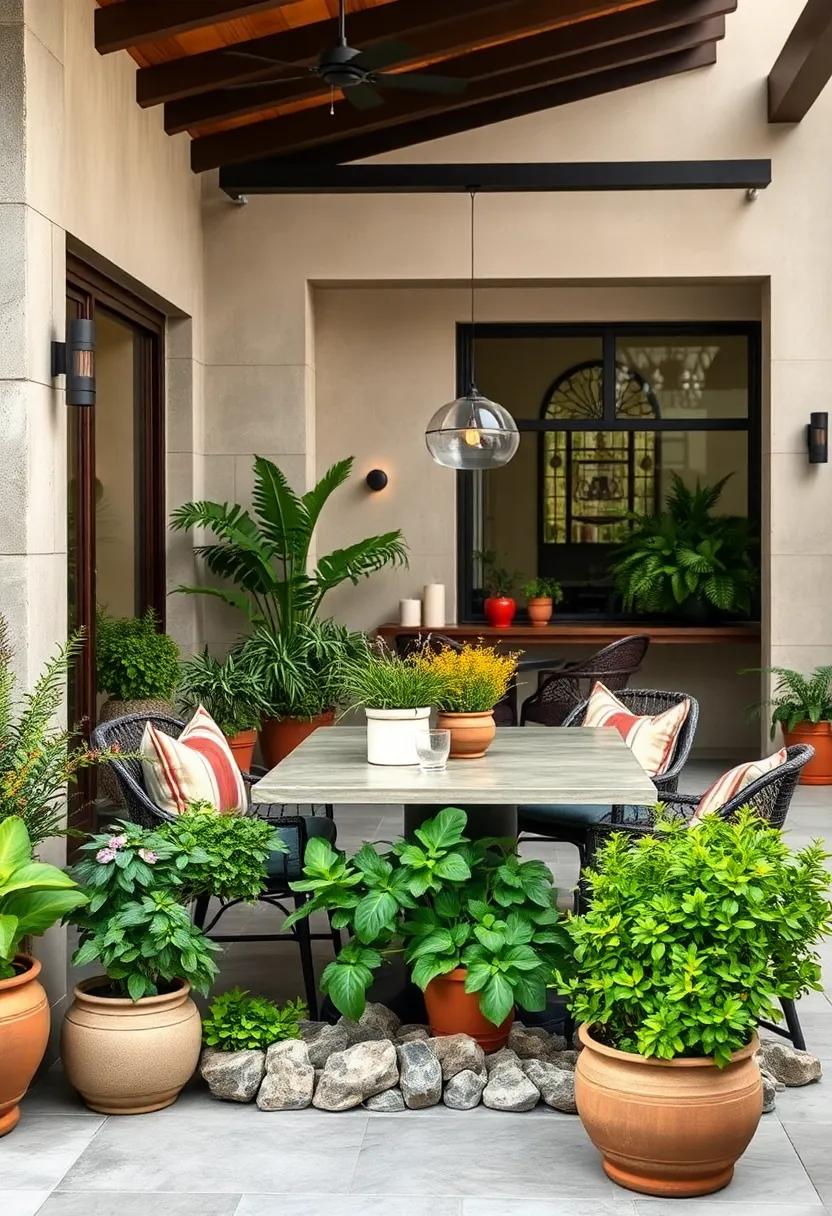
Transform your alfresco space into a fragrant haven by strategically placing pots of aromatic herbs within arm’s reach of your dining table. Imagine the ease of snipping fresh basil, thyme, or rosemary to sprinkle over dishes right before serving-an effortless way to elevate flavors and impress guests with your culinary flair. Consider using vibrant containers or rustic wooden crates to visually enhance your patio, turning your herb garden into both a functional pantry and a charming centerpiece that invites exploration and conversation.
To maximize both aesthetics and practicality, group herbs with complementary growing conditions together. Here’s a simple guide to help you plan your layout:
| Herbs | Light | Water Needs | Culinary Uses |
|---|---|---|---|
| Rosemary | Full Sun | Low | Grilled meats, roasted veggies |
| Mint | Partial Shade | High | Drinks, salads, desserts |
| Thyme | Full Sun | Moderate | Soups, stews, marinades |
| Basil | Full Sun | Moderate | Italian dishes, pesto, salads |
Practical tips to enhance your herb dining experience:
- Keep gardening scissors handy near the table for quick harvesting.
- Rotate pots seasonally to ensure each plant thrives in ideal conditions.
- Mix herbs with edible flowers or small peppers to add visual and flavor diversity.
- Use small chalkboard labels for each pot to help identify herbs and inspire creative cooking ideas.
Charming Herb Labeling Ideas That Add Personality and Function to Your Patio Garden
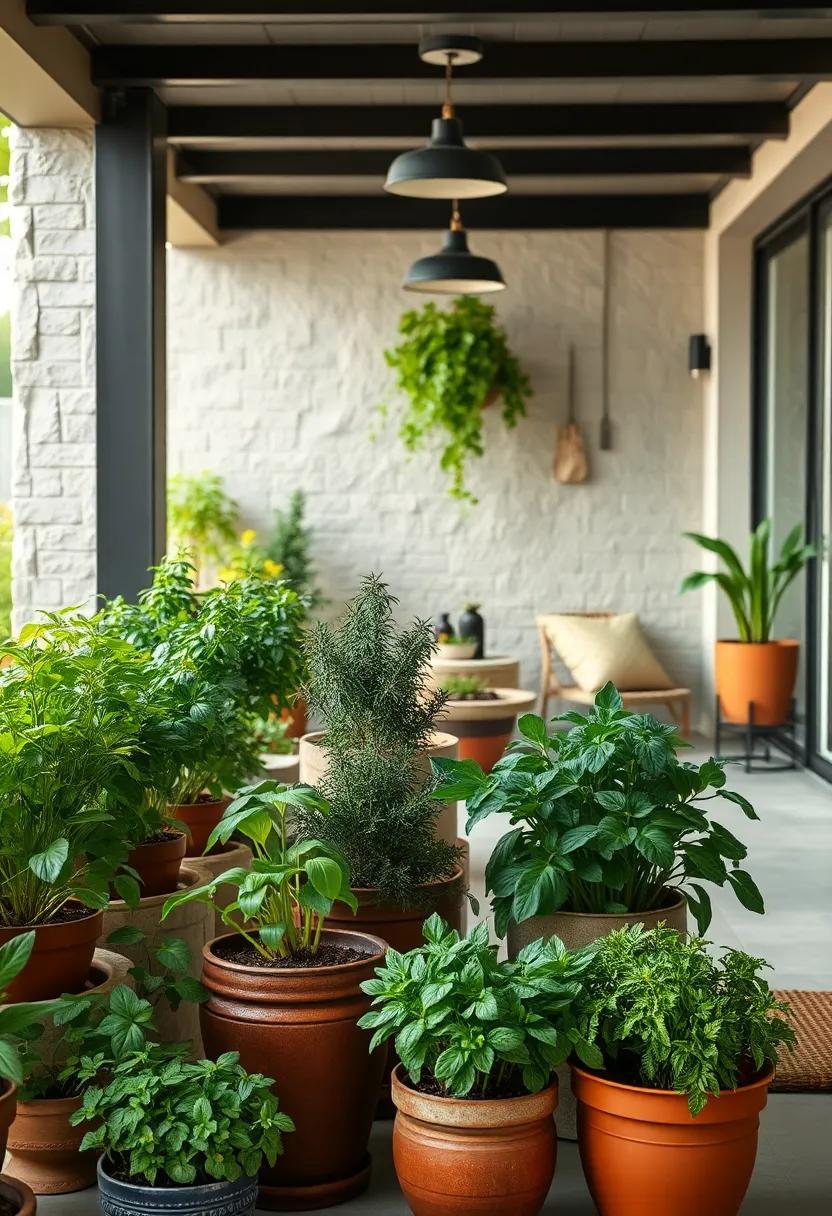
Adding a dash of personality to your patio herb garden can be as simple as the labels you choose. Instead of plain tags, consider using materials that reflect your style and the herbs’ character. Chalkboard markers on small slate plaques offer a rustic charm and the convenience of easy updates. For a vintage twist, repurpose old silverware by stamping herb names onto spoon handles, turning each label into a conversation starter. If you prefer a modern aesthetic, sleek acrylic markers with calligraphic lettering not only look chic but also resist weathering, ensuring your garden stays stylish season after season.
Functionality meets flair when you create labeling solutions that also provide useful garden info. Try a multi-tiered design with color-coded bands showing harvest times, flavor intensity, or even ideal culinary pairings. Below is a simple guide to inspire your labeling system:
| Color Code | Meaning | Herb Examples |
|---|---|---|
| Green | Fresh & Mild Flavor | Basil, Parsley, Cilantro |
| Orange | Spicy & Aromatic | Thyme, Oregano, Rosemary |
| Red | Strong & Pungent | Sage, Mint, Chives |
Designing Seasonal Displays Featuring Fresh Culinary Herbs in Vibrant Healthy Greens
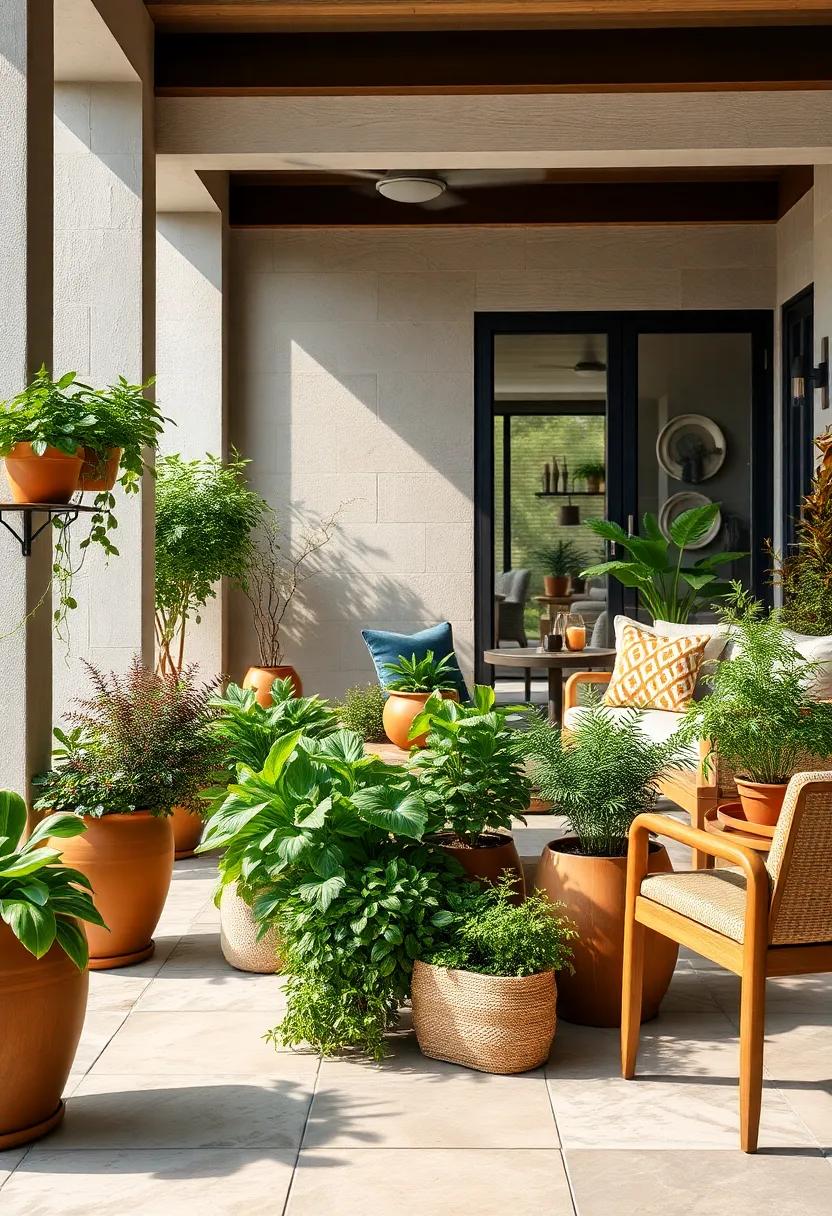
Bring an inviting burst of life to your patio by curating arrangements that spotlight the vivid shades and textures of fresh culinary herbs. Combining contrasting leaf shapes-from the feathery fronds of dill to the velvety richness of basil leaves-creates dynamic visual interest. Highlighting herbs in various stages of growth amplifies their natural vibrancy, showcasing fresh young shoots alongside mature greenery. Integrating tasteful containers such as terracotta pots, reclaimed wooden boxes, or sleek ceramic planters adds layered depth while complementing the greens’ natural radiance. Employing vertical gardening techniques like hanging planters or tiered shelves maximizes space and infuses a lively, fresh aroma into your outdoor room.
To maintain optimal health and vivid coloration of your herbs throughout the seasons, certain care considerations apply:
- Sunlight: Most culinary herbs thrive in 6-8 hours of direct sunlight, enhancing their essential oil production and flavor intensity.
- Watering: Consistent but moderate watering keeps the foliage lush; avoid waterlogging to prevent root rot.
- Soil: Use well-draining, nutrient-rich growing media to support robust growth and vibrant leaf hue.
Use the following simple chart to align herbs with their preferred light and water needs:
| Herb | Sunlight | Water Requirements |
|---|---|---|
| Basil | Full Sun | Moderate |
| Mint | Partial Shade | High |
| Rosemary | Full Sun | Low |
| Thyme | Full Sun | Low to Moderate |
The Art of Mixing Textures and Colors in Patio Herb Arrangements for Visual Interest
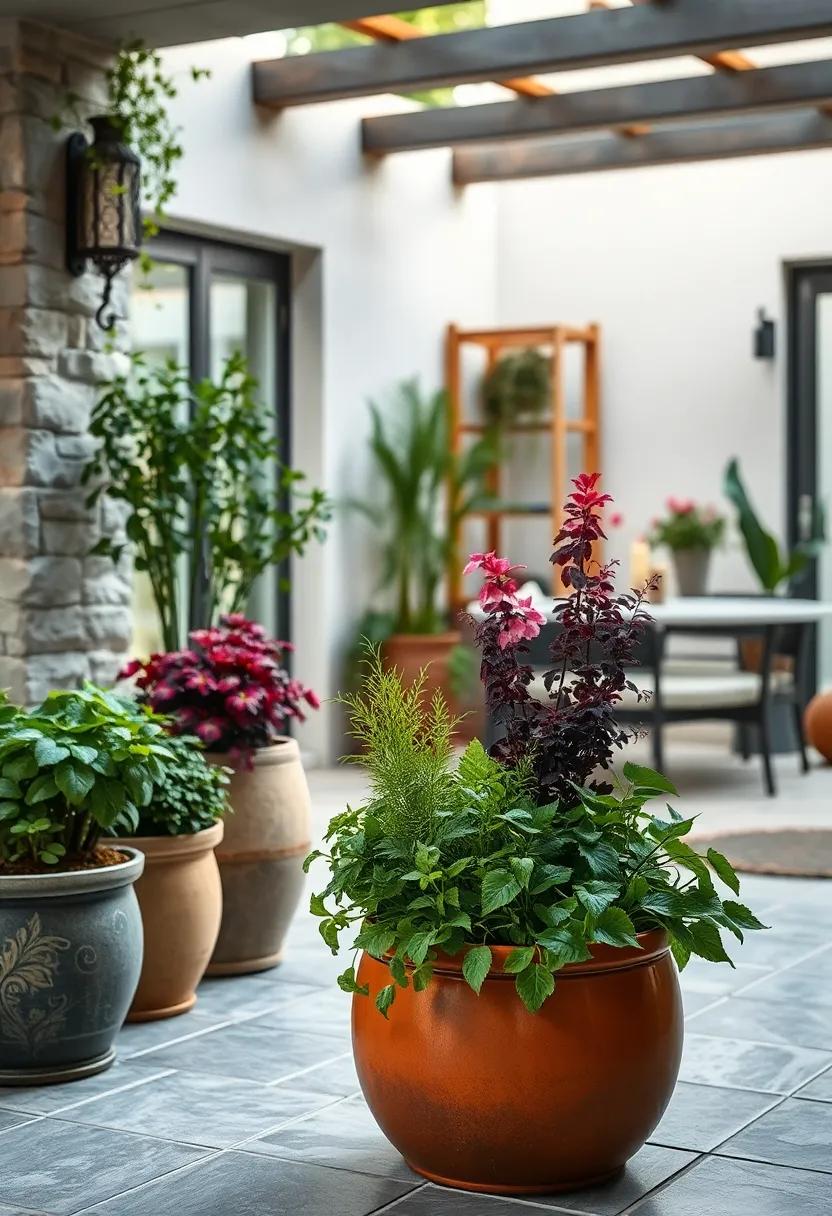
Harmonizing various textures and colors within your patio herb garden transforms a simple collection into a visual feast. Imagine pairing the feathery fronds of dill with the velvety softness of sage leaves, or the shiny, robust basil foliage with the delicate, lace-like appearance of cilantro. This deliberate contrast not only delights the eye but also enhances your sensory experience when harvesting and cooking. Incorporate herbs with varied hues-deep purples of Thai basil, bright chartreuse of lemon balm, and the silvery green of rosemary-to create dynamic visual layers that catch sunlight beautifully throughout the day.
To help guide your planting choices, consider this quick reference for combining textures and colors effectively:
- Soft & Silky: Sage, Lavender, Lemon balm
- Bold & Glossy: Basil, Rosemary, Oregano
- Feathery & Airy: Dill, Fennel, Chervil
- Bright & Variegated: Mint varieties, Thyme, Parsley
| Texture | Best Herb Pairings | Visual Impact |
|---|---|---|
| Velvety | Sage + Lavender | Soft, calming hues |
| Glossy | Basil + Rosemary | Rich, vibrant greenery |
| Feathery | Dill + Fennel | Light, airy movement |
| Variegated | Mint + Thyme | Colorful highlights |
Play with placement too-mixing taller, upright herbs with creeping or sprawling types creates depth and dimension at eye level and below. The artful blend of textures and colors not only enhances your patio’s curb appeal but also encourages a more playful connection with your culinary garden.
Harnessing the Benefits of Pollinator-Friendly Plants Near Your Culinary Herbs
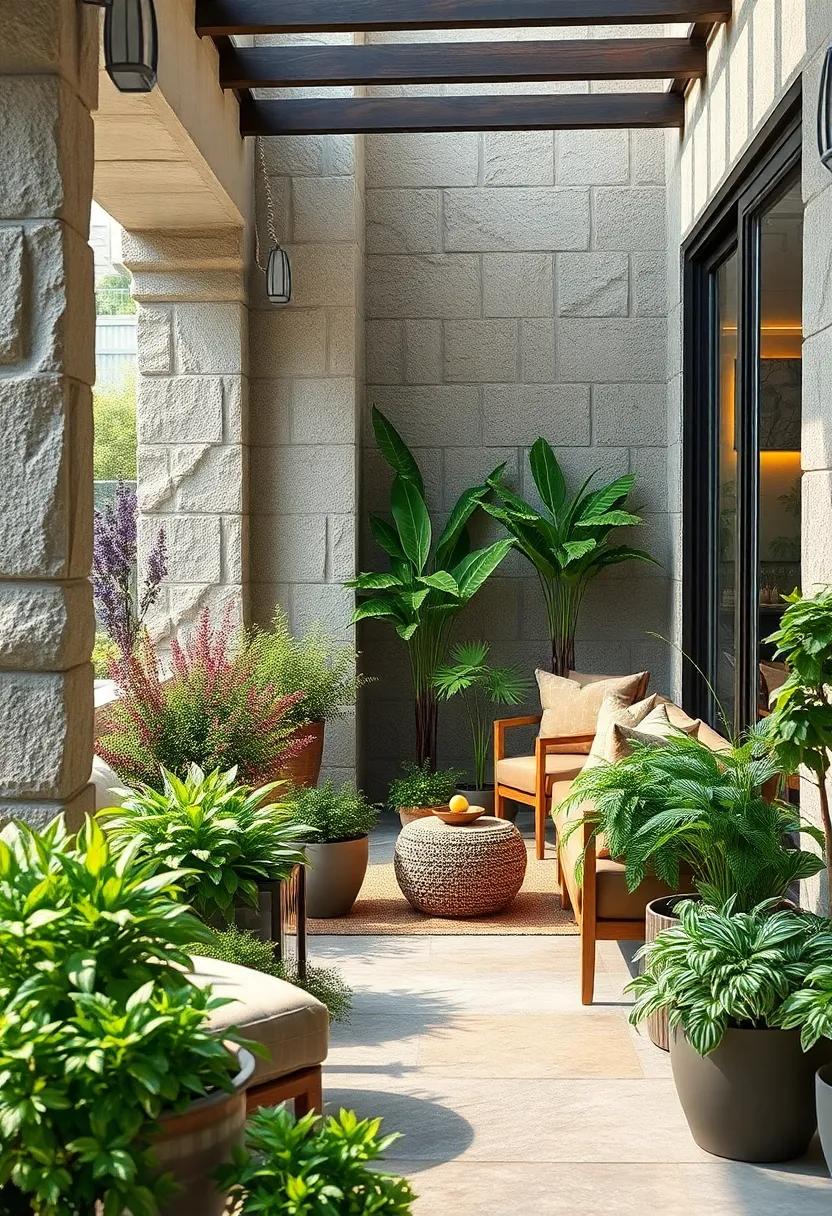
Introducing pollinator-friendly plants around your culinary herb garden not only enhances the visual appeal of your patio but also significantly boosts the productivity and health of your herbs. These vibrant companions, such as lavender, borage, and nasturtium, attract a diverse range of bees, butterflies, and other beneficial insects. Pollinators help facilitate the fertilization process, ensuring a richer yield of basil, thyme, rosemary, and other kitchen staples. Additionally, many of these plants have their own subtle fragrances and flavors, creating a symbiotic atmosphere where each element supports the growth and vitality of the other.
Beyond encouraging pollination, these plants contribute to a balanced ecosystem that naturally deters pests, reducing the need for chemical interventions. Plants like marigolds and alyssum produce scents or attract predators that discourage harmful insects, protecting your herbs in an organic way. For a quick reference, here is a snapshot of some excellent pollinator-friendly plants and their benefits:
| Plant | Benefit | Visual Appeal |
|---|---|---|
| Lavender | Attracts bees; repels mosquitoes | Soft purple spikes |
| Borage | Supports bees; edible flowers | Star-shaped blue flowers |
| Nasturtium | Draws in pollinators; pest deterrent | Bright orange and red hues |
| Marigold | Repels nematodes; attracts ladybugs | Golden yellow blooms |
Selecting Durable and Stylish Patio Tools to Support Vigorous Herb Growth
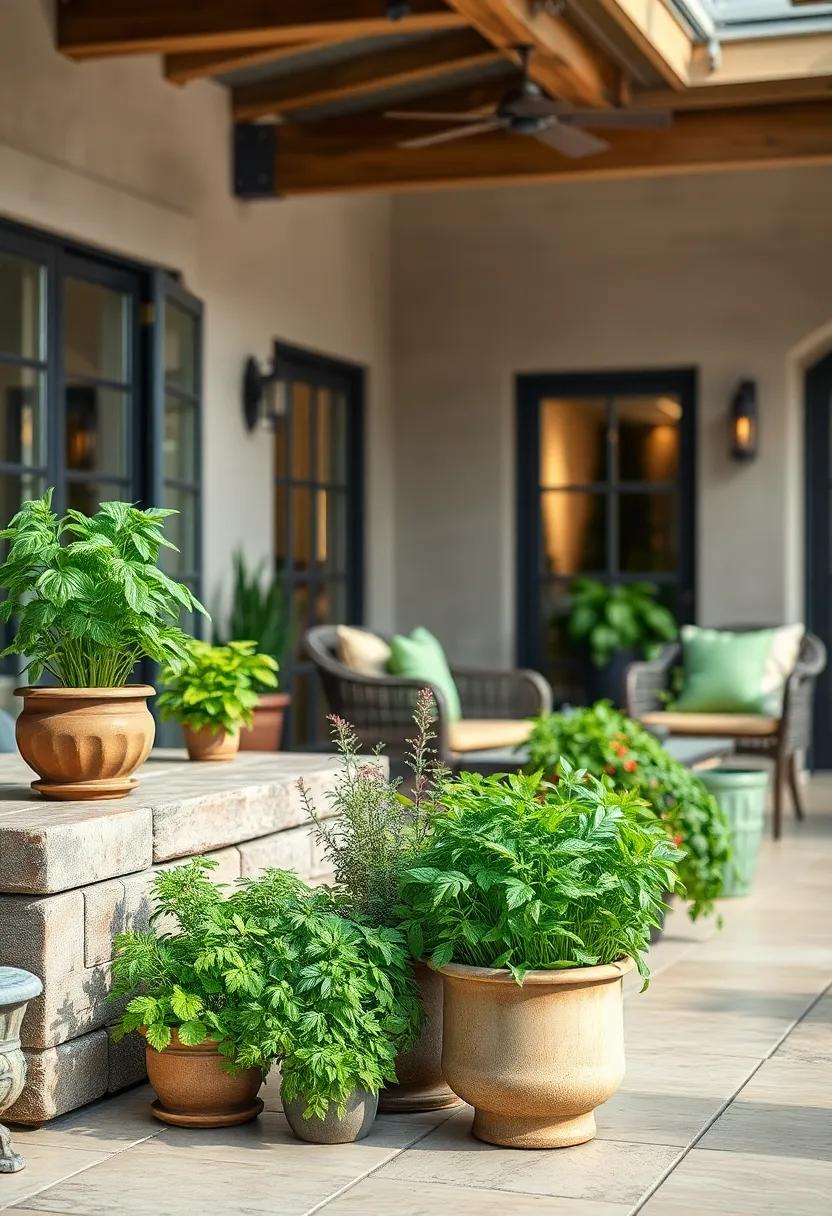
When it comes to nurturing your patio herb garden, choosing the right tools is essential to ensure both efficiency and longevity. Opting for durable materials like stainless steel or high-grade aluminum can withstand outdoor elements without rusting or bending. Ergonomic designs with non-slip handles add comfort, making frequent harvesting or pruning a breeze. Additionally, selecting tools that blend functionality with aesthetic appeal means they can easily be stored on your patio, complementing your outdoor décor rather than cluttering it. Consider including multi-purpose items like pruning shears with built-in storage compartments to keep seeds or plant tags handy.
- Stainless steel trowels with wooden handles for durability and grip
- Adjustable pruning shears designed for precision cuts and extended use
- Compact watering cans with long spouts for targeted watering
- Weatherproof tool storage boxes to keep everything organized and protected
| Tool | Material | Key Feature | Patio Benefit |
|---|---|---|---|
| Trowel | Stainless Steel | Rust-resistant | Long-lasting with minimal maintenance |
| Pruning Shears | Aluminum & Rubber Grip | Ergonomic handle | Comfort during repetitive tasks |
| Watering Can | Plastic with Metal Spout | Lightweight and precise watering | Easy to handle, prevents overwatering |
Creating Cozy Nooks with Aromatic Herbs for Relaxing Patio Moments
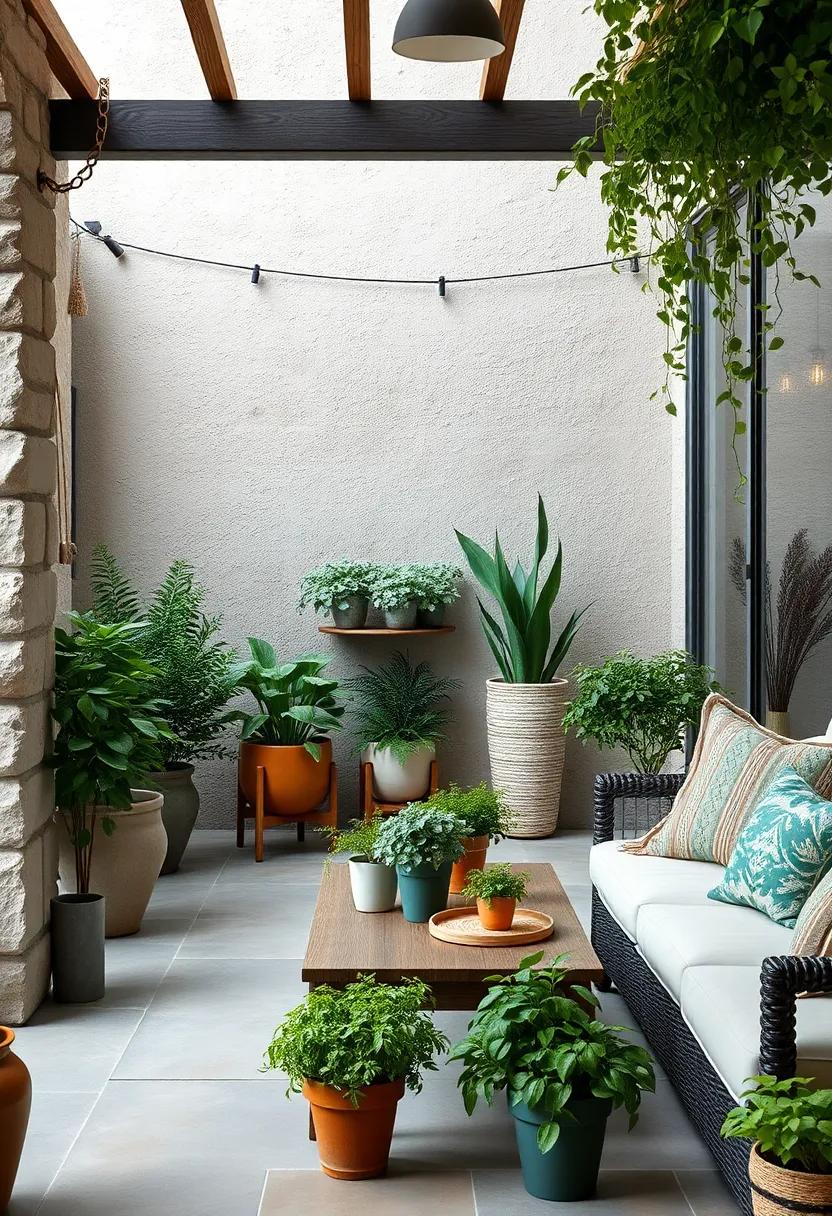
Transform your patio into a sanctuary of scent and serenity by integrating aromatic herbs into your outdoor retreat. Think beyond traditional pots; create layered green alcoves where herbs like lavender, rosemary, and thyme nestle among comfortable seating and textured cushions. Their natural fragrances invite you to breathe deeply, melting away daily stresses with every gentle breeze. Strategically placing small planters near your favorite reading corner or beside the evening chaise lounge encourages moments of mindful relaxation and reconnects you with nature’s calming rhythms.
To maximize both scent and style, consider mixing herbs with varied textures and heights. For instance, the soft silver leaves of sage contrast beautifully against the bright green fronds of mint, while basil adds bursts of vibrant color and richness. These plants not only perfume your surroundings but also attract pollinators, creating a lively, sensory-rich environment. Use this simple guide to select your herb trio for an aromatic patio nook:
- Relaxation Blend: Lavender, Chamomile, Lemon Balm
- Fresh and Uplifting: Peppermint, Basil, Rosemary
- Earthy and Warm: Sage, Thyme, Oregano
| Herb | Fragrance Notes | Ideal Spot |
|---|---|---|
| Lavender | Floral, Sweet | Near seating or bedside table |
| Rosemary | Piney, Woody | Entrance or dining area |
| Mint | Fresh, Cool | Close to water source or splash zones |
Herbal Harvest Baskets Designed for Convenient and Aesthetic Patio Gathering
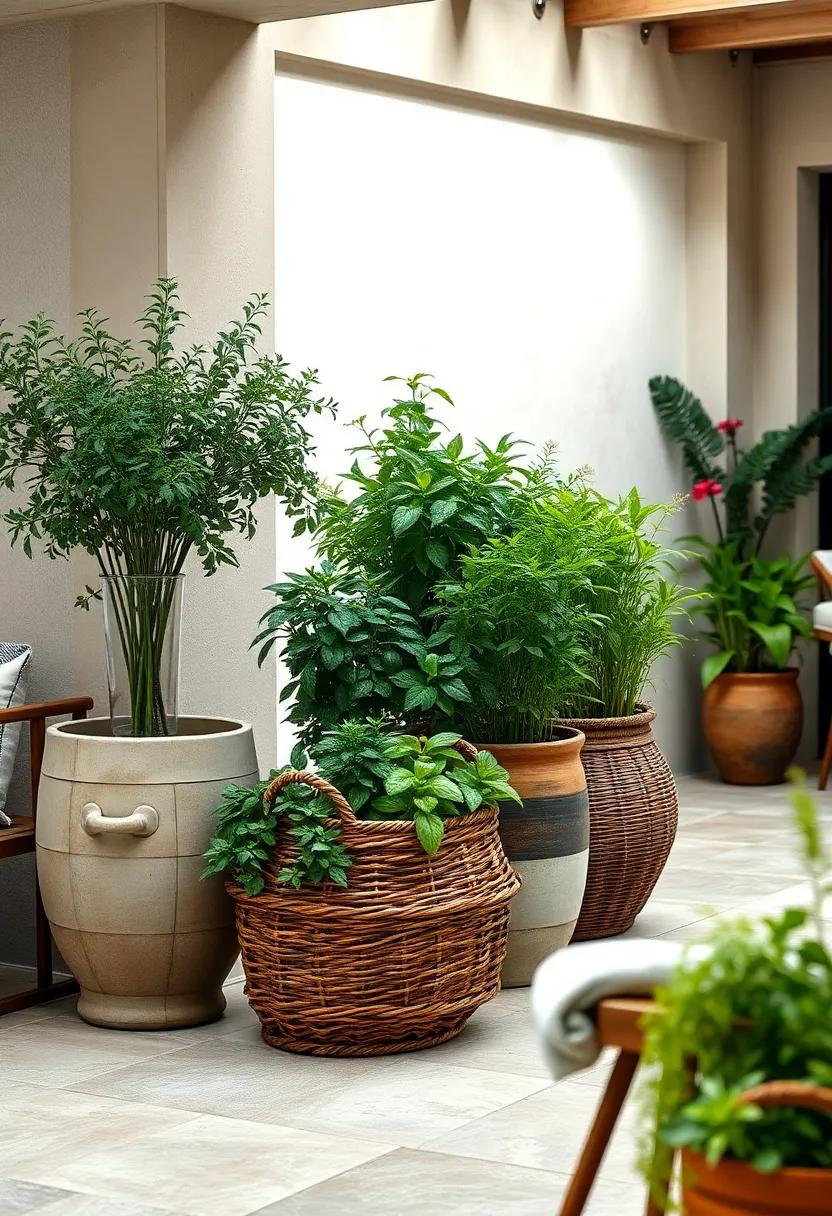
Transform your patio into a charming and practical space with baskets thoughtfully crafted for herbal gathering. These baskets do more than just hold your freshly snipped herbs-they elevate the entire experience, blending form and function in perfect harmony. With lightweight designs and ergonomic handles, carrying basil, thyme, or rosemary from your garden to your kitchen has never been easier or more enjoyable. Their rustic aesthetics also make them perfect decor pieces, bringing a natural elegance to your outdoor setting.
To help you choose the ideal basket for your herbal adventures, consider these key features:
- Size & Capacity: Spacious enough to hold a variety of herbs without crushing delicate leaves.
- Ventilation: Open weave or slatted sides to keep herbs fresh and prevent moisture buildup.
- Durability: Made from sustainable materials like wicker or bamboo to withstand patio conditions.
| Basket Type | Best For | Material | Special Feature |
|---|---|---|---|
| Wicker Classic | Mixed Herb Picks | Wicker | Breathable weave |
| Bamboo Carrier | Thicker Stems & Bundles | Bamboo | Lightweight & sturdy |
| Mesh Basket | Delicate Leaves | Natural Fiber Mesh | Excellent airflow |
The Subtle Benefits of Growing Mediterranean Herbs on Urban Patios
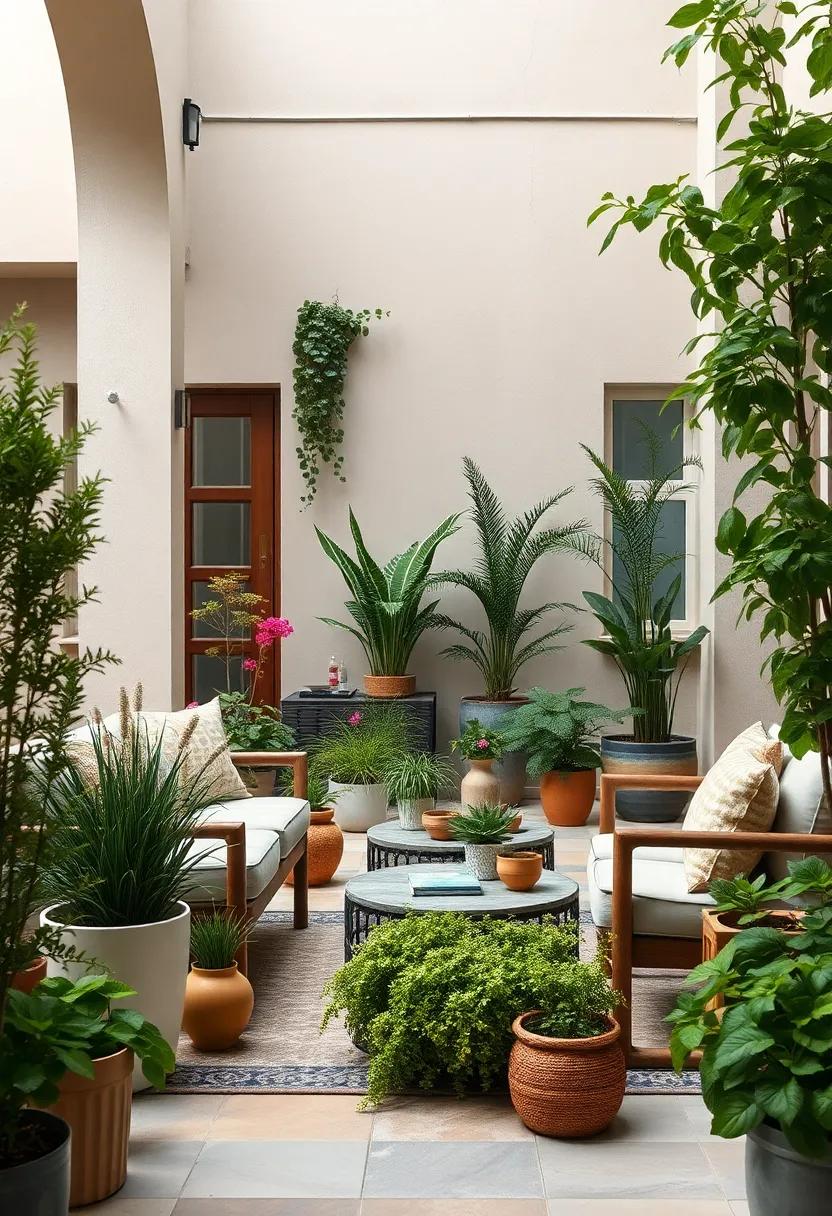
Urban patios, though often limited in space, can become lush pockets of Mediterranean charm with the simple addition of herbs like rosemary, thyme, and oregano. These plants not only add a fresh, aromatic touch to your cooking but also bring subtle elements of tranquility and nature into bustling city life. Their hardy nature and minimal water needs make them ideal for city dwellers seeking an easy-care garden without sacrificing flavor. Beyond their culinary perks, the gentle fragrance of a Mediterranean herb garden can uplift your mood and create a soothing ambiance after long urban days.
Growing these herbs on your patio invites a range of practical benefits that go beyond taste. For instance, they naturally repel common pests, creating a healthier outdoor living environment. Plus, they can be harvested daily, ensuring your meals taste vibrant with freshly picked zest. Here’s an overview of some common Mediterranean herbs and their unique patio benefits:
| Herb | Water Needs | Sunlight | Additional Benefit |
|---|---|---|---|
| Rosemary | Low | Full Sun | Natural pest repellent |
| Thyme | Moderate | Full Sun | Attracts pollinators |
| Oregano | Low | Partial to Full Sun | Rich antioxidant source |
- Compact Growth: Perfect for urban spaces without overwhelming them.
- Year-round Harvest: With proper care, enjoy fresh herbs season after season.
- Eco-friendly: Reduces the need for store-bought plastic packaging and transport emissions.
Mindful Placement of Herbs to Enhance Patio Ambiance and Culinary Creativity
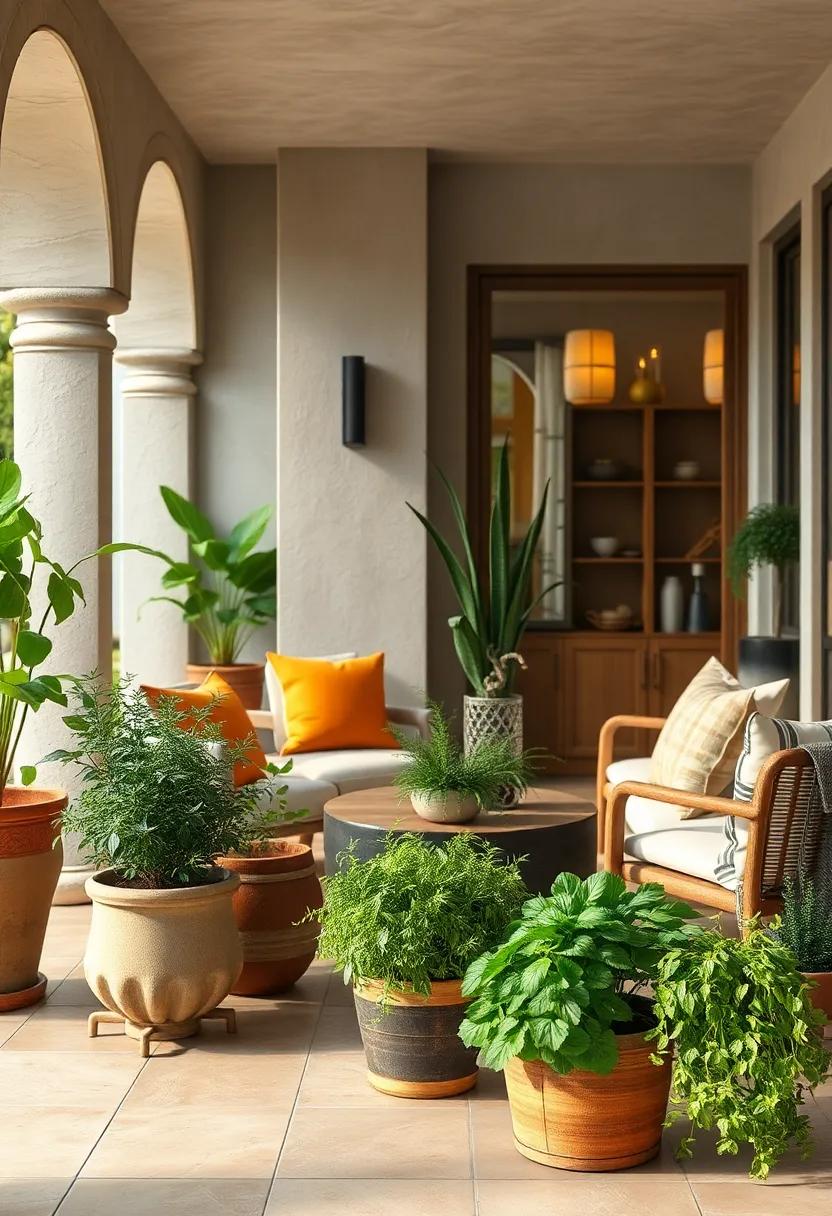
Strategically placing herbs around your patio not only elevates the visual charm but also stimulates the senses, creating an inviting atmosphere that beckons both relaxation and culinary exploration. Consider grouping fragrant herbs like rosemary and thyme near seating areas; their woody scents infuse the air, crafting a natural, aromatic lounge. Meanwhile, vining herbs such as lemon balm or nasturtium trailing from hanging baskets add layers of texture and a dash of color, making your outdoor space a multisensory delight.
Beyond aesthetics, thoughtful placement enhances accessibility during cooking, turning your patio into a dynamic kitchen extension. Position hardworking staples like basil, parsley, and cilantro near entryways or prep tables for effortless snipping. A quick-reference chart below can help you optimize your herb arrangement for both ambiance and utility:
| Herb | Ideal Placement | Sensory Benefit |
|---|---|---|
| Rosemary | Near seating | Earthy, pine-like fragrance |
| Basil | By kitchen door | Sweet, peppery aroma |
| Mint | Contained pots | Refreshing, crisp scent |
| Lemon Balm | Hanging baskets | Citrus, uplifting notes |
Wrapping Up
Bringing fresh culinary herbs right to your patio not only elevates your cooking but also adds a vibrant splash of green to your outdoor space. As these little pots of flavor flourish under your care, you’ll discover that the journey from seed to seasoning is as rewarding as the dishes they inspire. So, whether you’re a seasoned gardener or a kitchen novice, growing your own herbs opens the door to a world of fresh taste and creative cooking – all just a few steps from your kitchen. Embrace the simplicity and joy of patio gardening, and let your meals bloom with the essence of homegrown freshness.