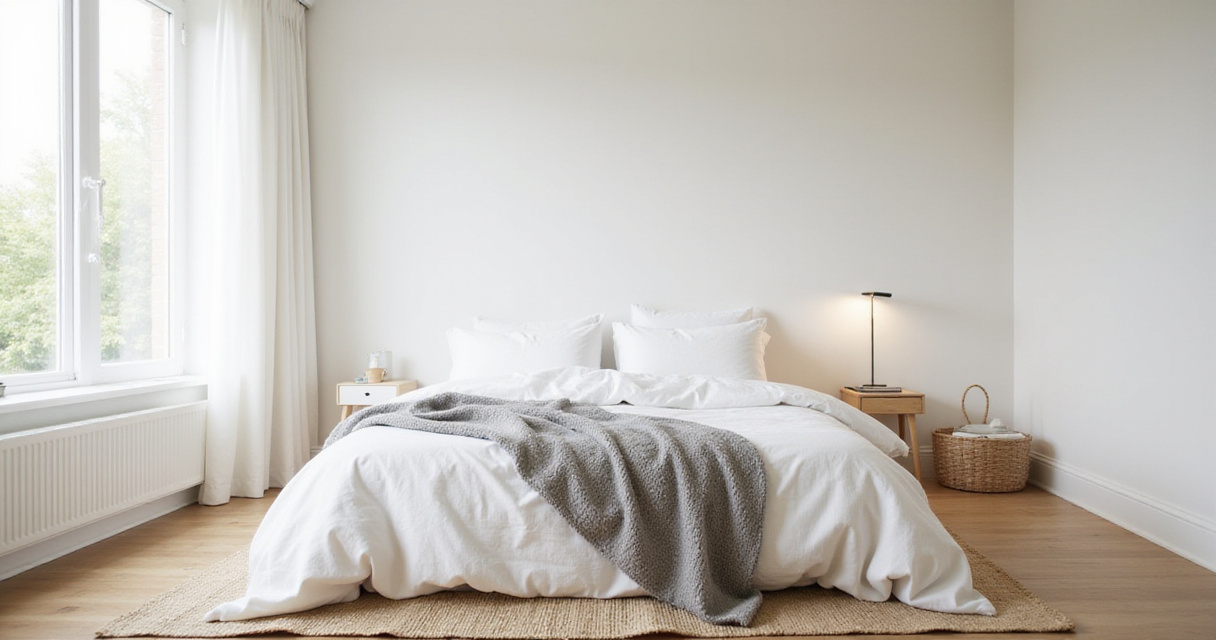
In our hectic modern lives, bedrooms should transcend their basic function as sleeping quarters and become tranquil retreats where we can unwind and recharge. Minimalist bedroom design is not about creating empty, cold spaces; rather, it’s about thoughtfully crafting an environment that fosters calmness and nurtures well-being.
Drawing from years of experience in sustainable interior design, I’ve witnessed how a carefully planned minimalist bedroom can elevate not only your sleep quality but also your overall mindset. If you’re eager to transform your bedroom into a serene oasis, here are 23 indispensable strategies to help you cultivate a restful and peaceful atmosphere.
1. Adopt Soothing Neutral Tones for Calmness
Neutral hues are foundational in minimalist bedroom aesthetics due to their calming psychological impact. Shades like soft whites, gentle beiges, muted grays, and earthy taupes create a serene backdrop that allows your mind to relax. Unlike bold or bright colors that can energize or distract, neutrals provide a subtle canvas essential for tranquility.
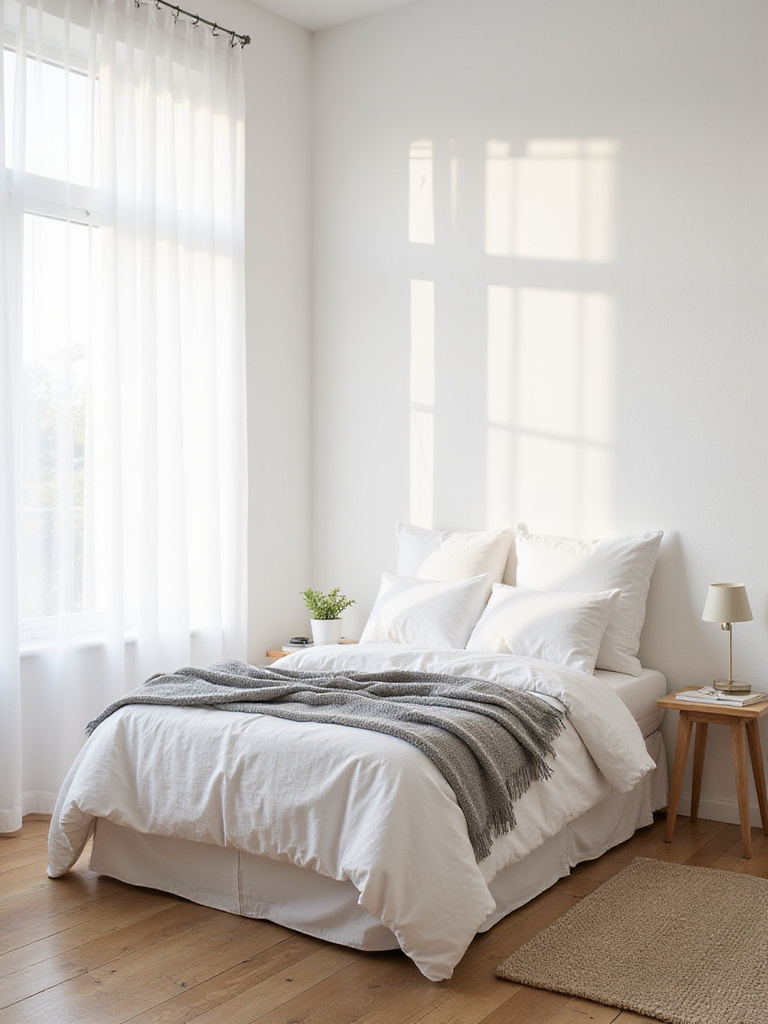
Neutral palettes don’t equate to dullness. The charm lies in layering textures and tonal variations. Combine a crisp cotton duvet, a chunky wool throw, a sleek wooden nightstand, and a woven jute rug to add dimension without disrupting the peaceful vibe. Experiment with gradients from bright ivory to soft stone or from pale gray to deep charcoal to enrich the space subtly.
To personalize your space, consider incorporating a gentle accent color-perhaps a dusty sage or a soft slate blue-through a cushion or a piece of wall art. This adds character while maintaining the overall calmness of your neutral scheme.
2. Eliminate Excess Clutter for Mental Clarity
Decluttering is the cornerstone of minimalist bedroom design, extending beyond aesthetics to promote intentional living. A cluttered environment generates visual chaos that translates into mental stress and anxiety, undermining the restful sanctuary you aim to create.
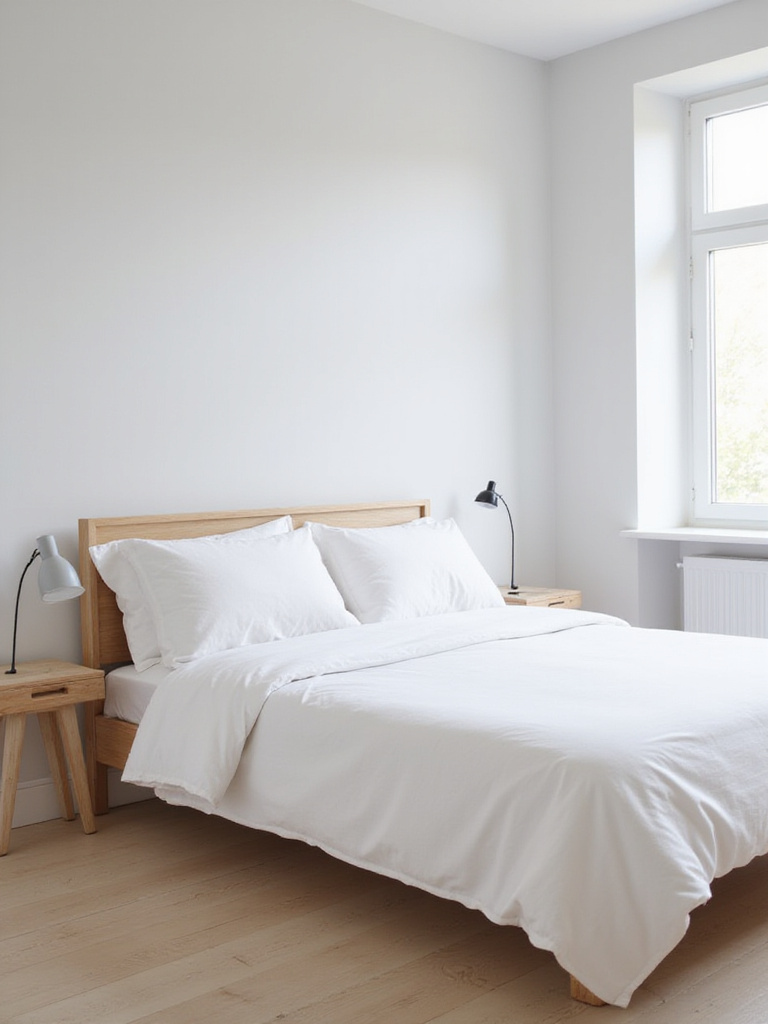
When sorting through belongings, ask yourself: “Have I used this in the last 12 months?” “Does it serve a meaningful purpose?” “Does it bring me joy or comfort?” If the answer is no, it’s time to part ways. Common clutter culprits include unused clothing, outdated magazines, redundant gadgets, tangled cords, and forgotten toiletries.
Sentimental items can be challenging. Consider preserving memories through photographs or digital archives instead of keeping every physical object. Prioritizing quality over quantity is key to sustaining a minimalist, peaceful bedroom.
3. Opt for Space-Saving Multi-Functional Furniture
Multi-purpose furniture is vital in minimalist bedrooms, as it reduces clutter and optimizes space. Each piece should serve more than one function, minimizing the number of items needed and freeing up floor area.
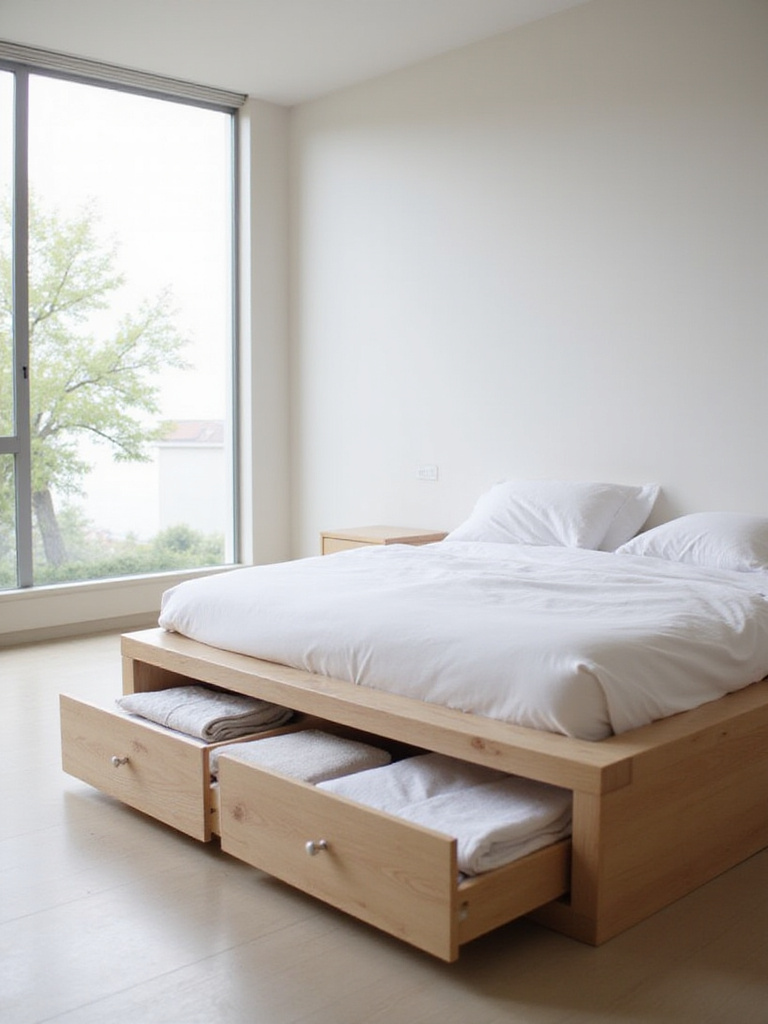
Examples include storage beds with integrated drawers, convertible sofa beds, ottomans with hidden compartments, nightstands featuring built-in charging docks, and fold-away wall desks. Before purchasing, assess your storage needs and bedroom activities to select pieces that balance functionality with minimalist style.
Visualize your layout with a floor plan to ensure each item complements your minimalist vision without overcrowding the space.
4. Select a Low-Profile Platform Bed for Simplicity
Platform beds epitomize minimalist design with their sleek, low-to-the-ground profiles and lack of superfluous details. They remove the need for box springs, creating a streamlined look that enhances the room’s spaciousness and calm.
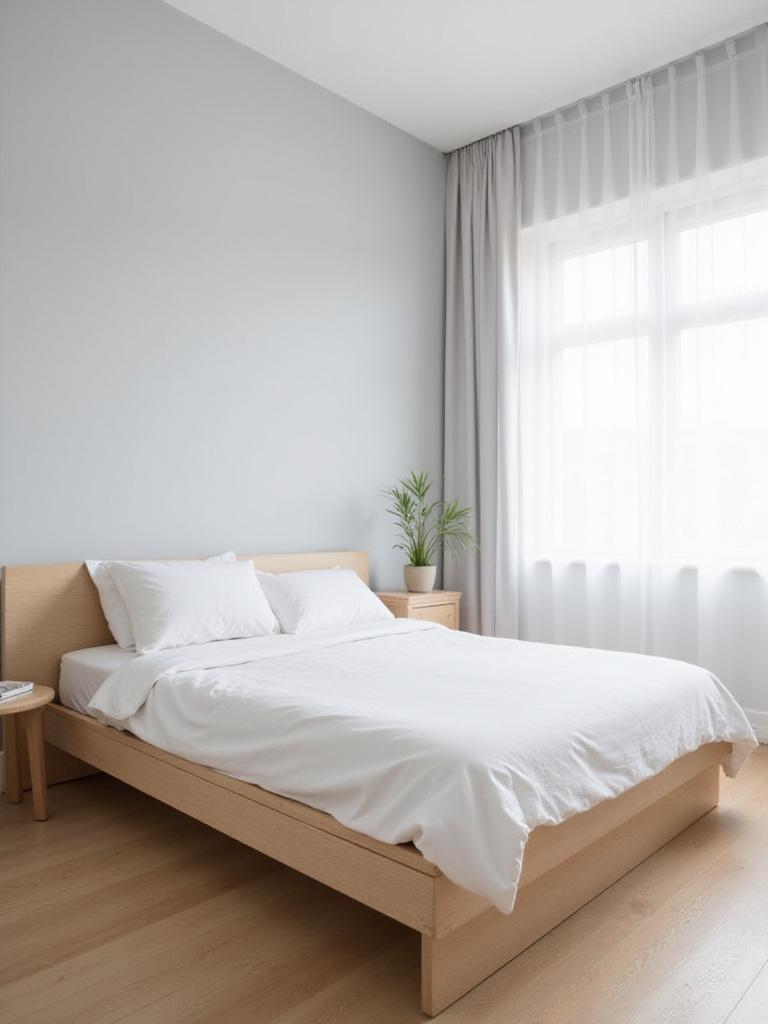
Choose natural materials like solid wood in light finishes such as maple or ash, or opt for matte metal frames in black or brushed steel for an industrial minimalist touch. Lower beds foster a grounded feeling that enhances tranquility.
For a modern twist, consider floating platform beds with integrated LED lighting underneath, which add subtle ambiance and elevate the minimalist aesthetic.
5. Enhance Natural Light with Smart Window Treatments
Natural light is indispensable in minimalist bedrooms, as it amplifies the sense of openness and well-being while reducing reliance on artificial lighting. It accentuates clean lines and uncluttered surfaces, supporting your circadian rhythms.
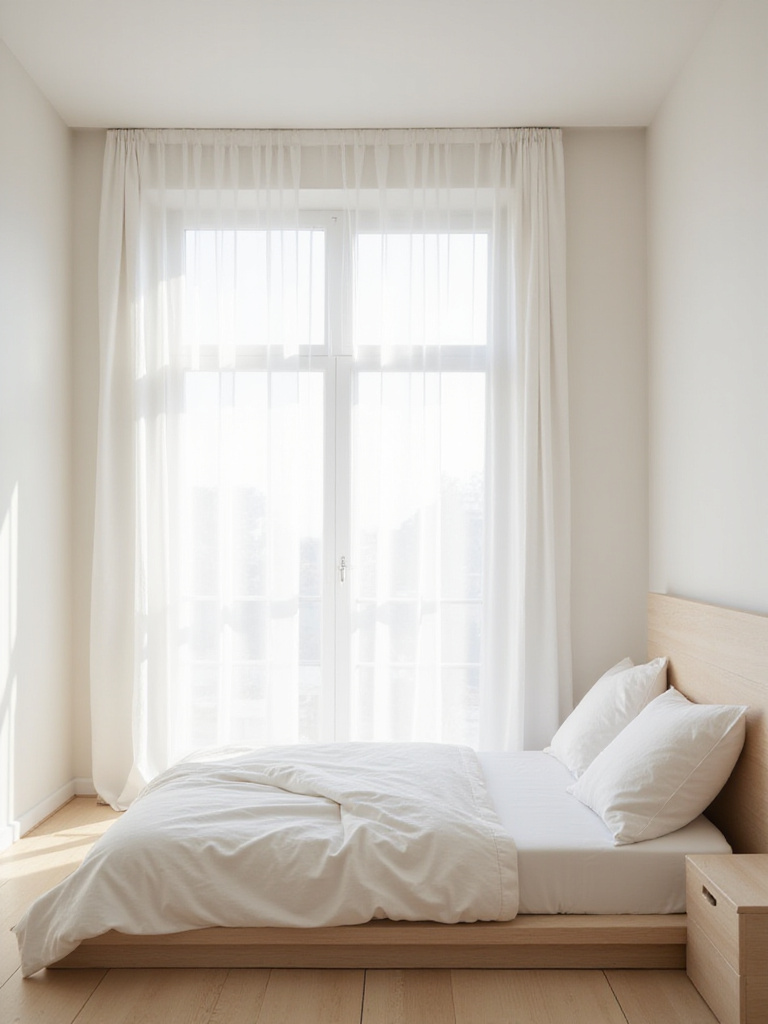
While bare windows maximize light, they can compromise privacy and cause glare. Sheer curtains made from natural fibers like linen or cotton in neutral shades softly diffuse sunlight, creating a warm glow and maintaining privacy.
Placing a large mirror opposite a window can double the perceived light and space, a simple yet effective minimalist design technique.
6. Opt for Solid-Color Bedding to Promote Relaxation
Choosing bedding without patterns is crucial for maintaining a serene minimalist bedroom. Patterns, even subtle ones, can introduce visual distractions that disrupt the calm atmosphere.
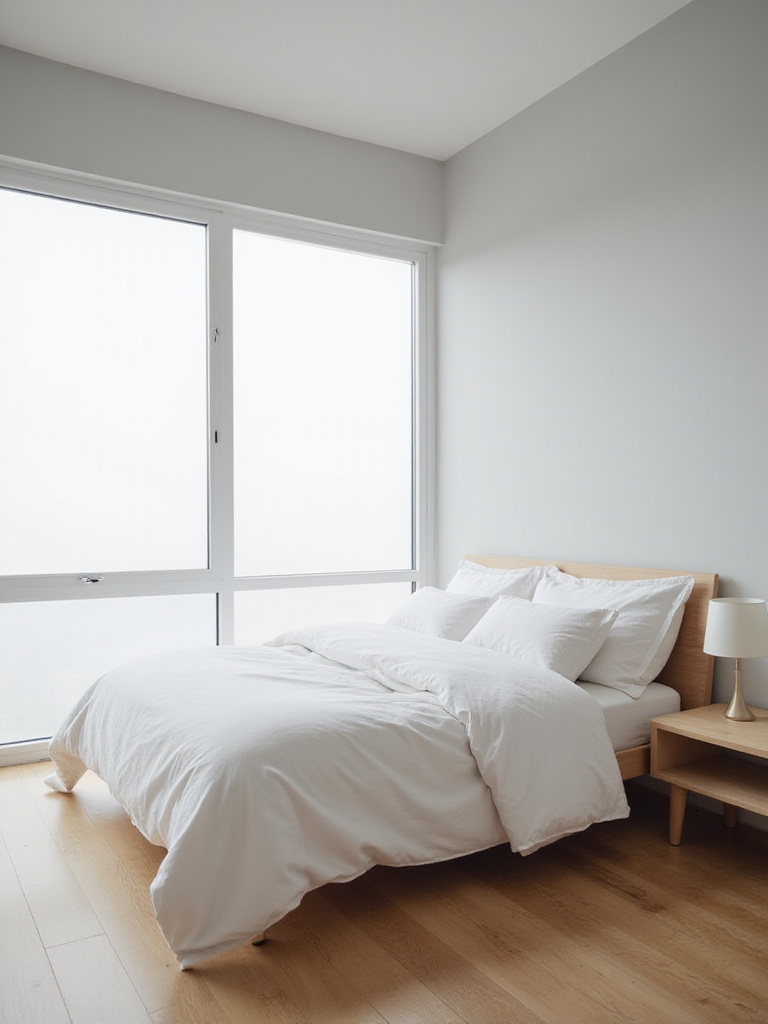
Neutral tones such as white, cream, soft gray, beige, and muted pastels are ideal. Natural fabrics like linen, cotton, and bamboo offer breathability and subtle texture, enhancing comfort without compromising simplicity.
Layering different textures within the same color family-like a linen duvet paired with a cotton throw-adds depth while preserving the minimalist aesthetic.
7. Utilize Hidden Storage to Maintain Order
Hidden storage is essential for keeping a minimalist bedroom tidy without sacrificing functionality. Concealed compartments help organize belongings discreetly, preserving the room’s clean lines and peaceful vibe.
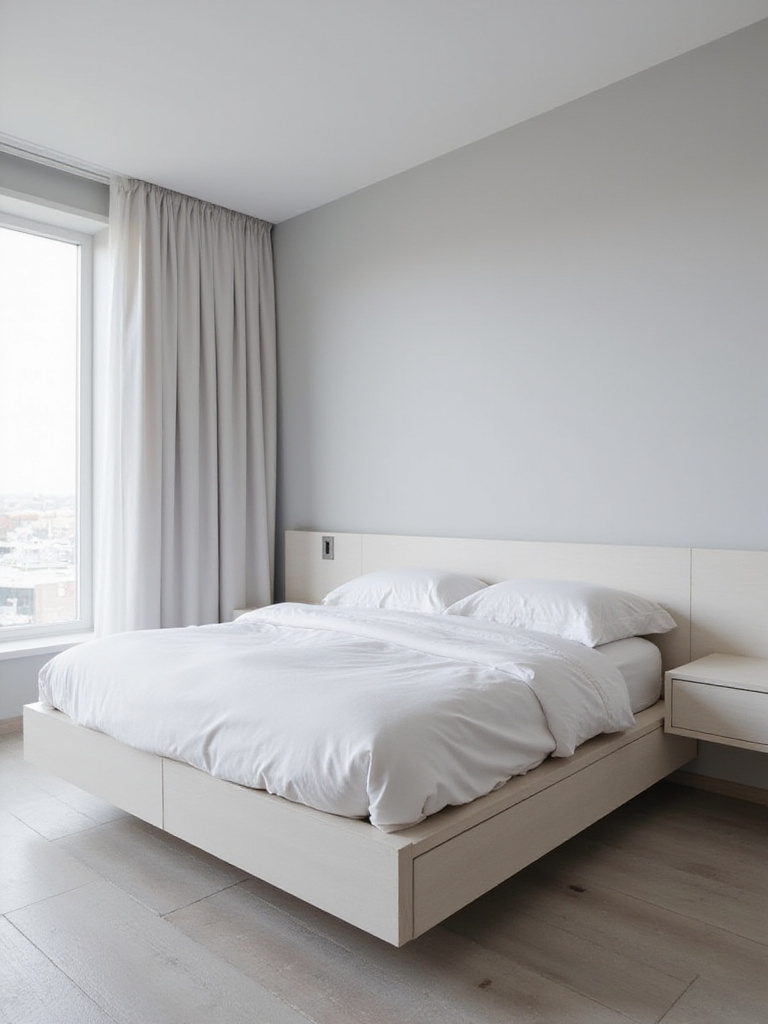
Consider under-bed storage bins, platform beds with lift-up storage, ottomans with hidden compartments, recessed wall shelves, and headboards with built-in shelving. Organization within these spaces is key-use dividers, labels, and regular decluttering to prevent hidden messes.
8. Choose Functional Minimalist Lighting
Lighting shapes the ambiance and usability of a minimalist bedroom. Fixtures should be simple, practical, and unobtrusive, emphasizing clean lines and understated elegance.
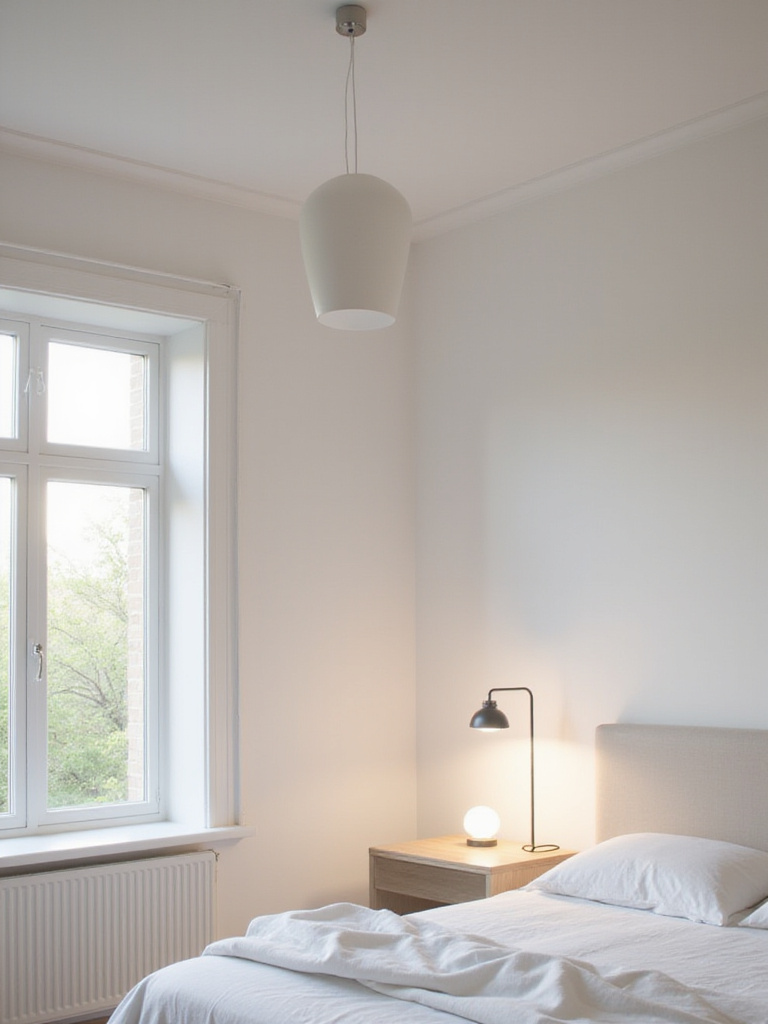
Recessed lighting offers ambient illumination without visible fixtures. Pendant lamps over nightstands provide focused light, while wall sconces free up surface space. Floor lamps with slim profiles brighten corners effectively. Opt for warm light bulbs (2700-3000K) to create a soothing atmosphere conducive to winding down.
“Thoughtful lighting doesn’t just brighten a room-it transforms its mood. In minimalist bedrooms, lighting should be both purposeful and elegant.”
9. Keep Walls Minimal or Adorn with Simple Art
Wall decor profoundly influences the minimalist bedroom’s atmosphere. Overdecorated walls create visual clutter, disrupting calm and focus. Bare walls or carefully selected minimalist artwork enhance serenity and support restful sleep.
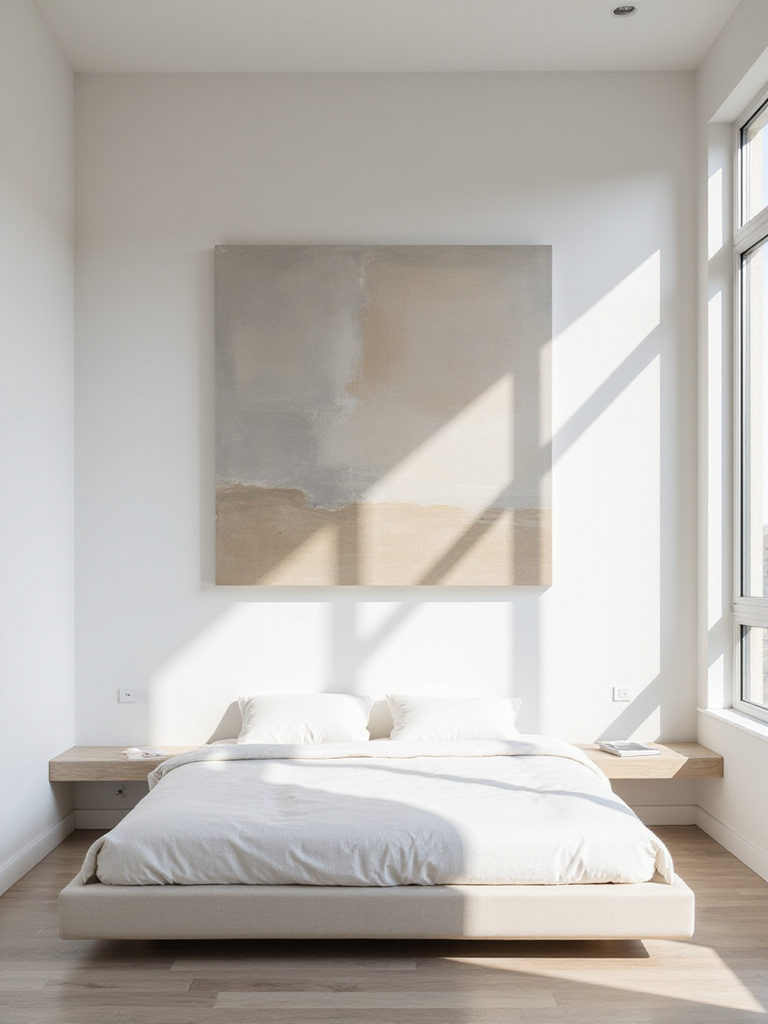
Minimalist art emphasizes essential forms and simplicity-think abstract shapes, monochrome photography, or textured pieces with limited palettes. Limit wall art to one or two impactful pieces per wall to maintain balance and avoid overstimulation.
Leaving walls bare can also amplify spaciousness and tranquility by maximizing negative space, allowing the eye to rest.
10. Integrate Natural Elements for Warmth and Harmony
Incorporating natural materials and greenery softens the sometimes stark feel of minimalist bedrooms, adding warmth, texture, and a connection to nature.
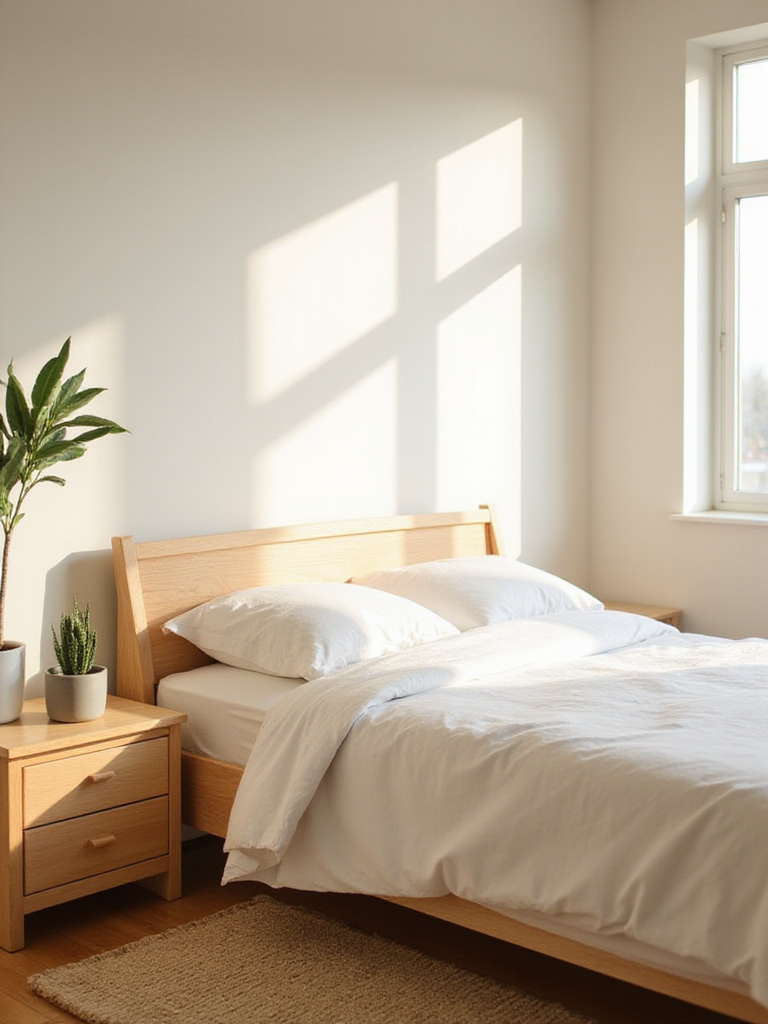
Light woods like birch, maple, and ash brighten the room and maintain airy spaciousness. Choose plants that are easy to care for, such as snake plants, ZZ plants, pothos, air plants, or succulents, to add life without extra maintenance.
Balance is key-introduce one or two natural focal points rather than overcrowding the space.
11. Streamline Nightstands to Essentials Only
A cluttered nightstand disrupts the minimalist bedroom’s calm. Keeping only necessary items within reach reduces visual noise and supports relaxation.
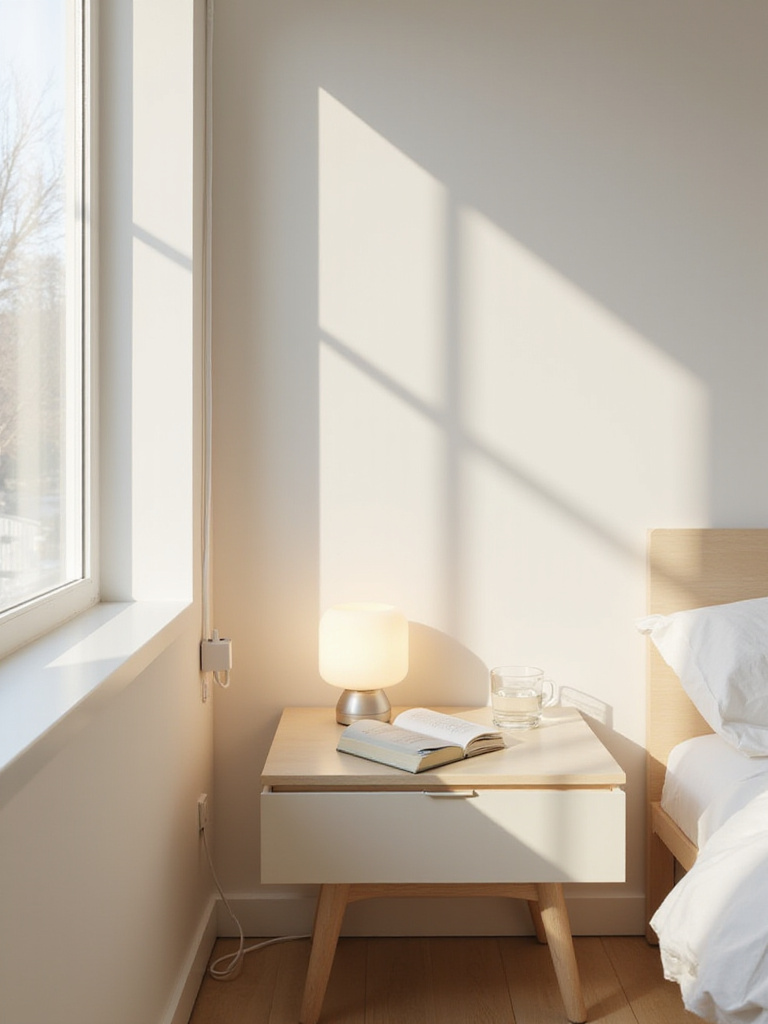
Essentials typically include a reading lamp, a book or e-reader, a glass of water, and perhaps a small container for personal items. Avoid decorative clutter and periodically clear your nightstand to maintain simplicity.
Research shows that tidy bedrooms improve sleep quality and reduce stress, so a nightly 5-minute tidy-up can make a significant difference.
12. Use Baskets and Boxes for Elegant Storage
Baskets and boxes provide stylish, practical solutions for concealing clutter, enhancing organization while preserving minimalist aesthetics.
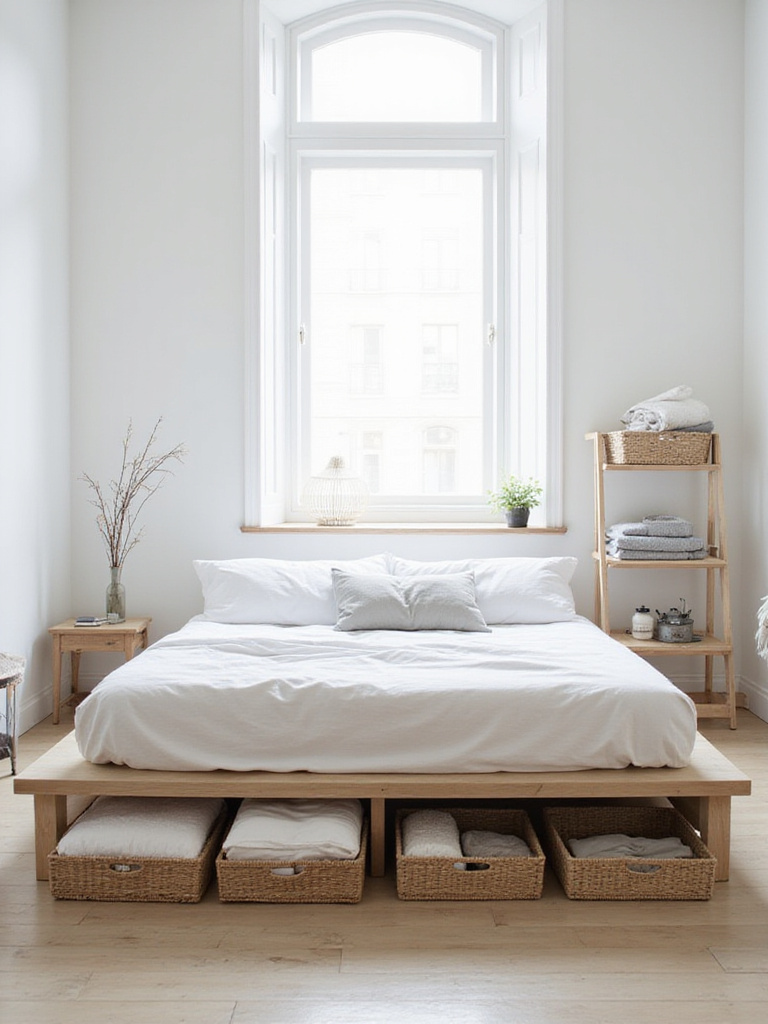
Ideal for storing extra bedding, seasonal clothes, books, personal care items, cables, and small decor, choose natural materials like wicker, seagrass, bamboo, or linen for warmth, or solid neutral-colored boxes for a sleek look.
Labeling baskets or boxes, especially under the bed, maximizes storage efficiency while maintaining a clean appearance.
13. Select Flooring that Complements Minimalism
Flooring sets the foundation for minimalist bedrooms. Wood and concrete are popular choices due to their simplicity, natural texture, and understated elegance.
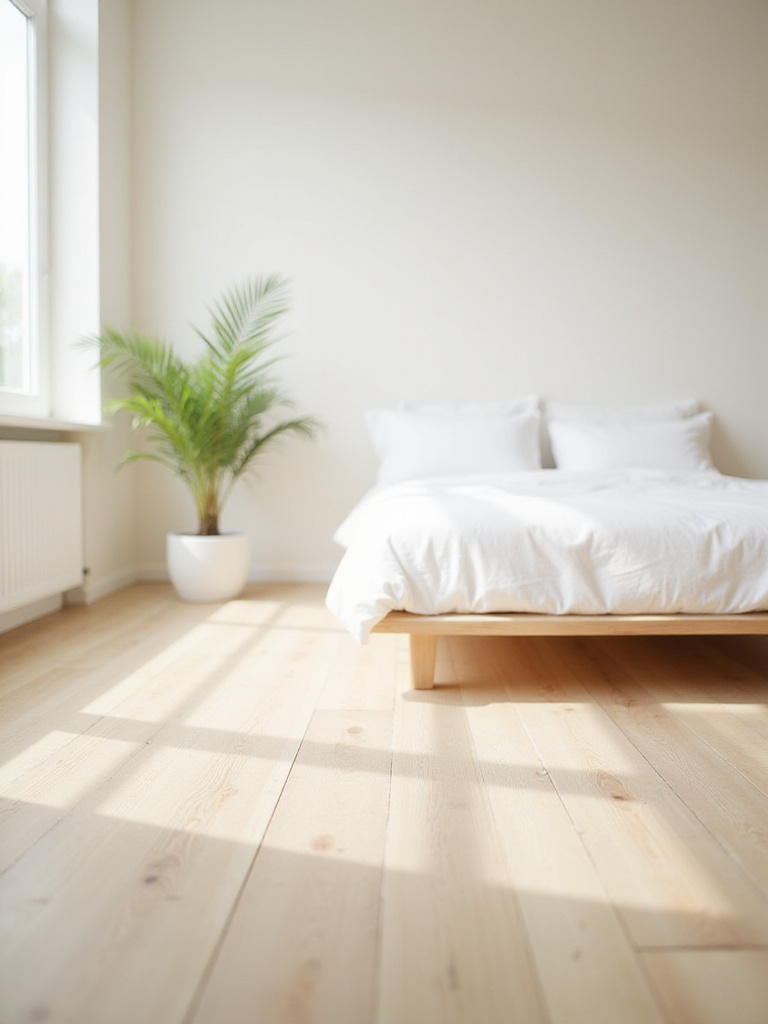
Light-toned woods like maple, ash, and birch brighten the room and create an airy feel. Wide planks with matte finishes reduce visual busyness. Concrete offers durability and a seamless look but may require area rugs or radiant heating for comfort.
Installing radiant floor heating beneath concrete floors can transform a minimalist bedroom from cold to cozy without compromising style.
14. Limit Electronics to Preserve Sleep Quality
Reducing electronic devices in the bedroom is critical, as screens emit blue light that disrupts melatonin production, impairing sleep quality and causing daytime fatigue.
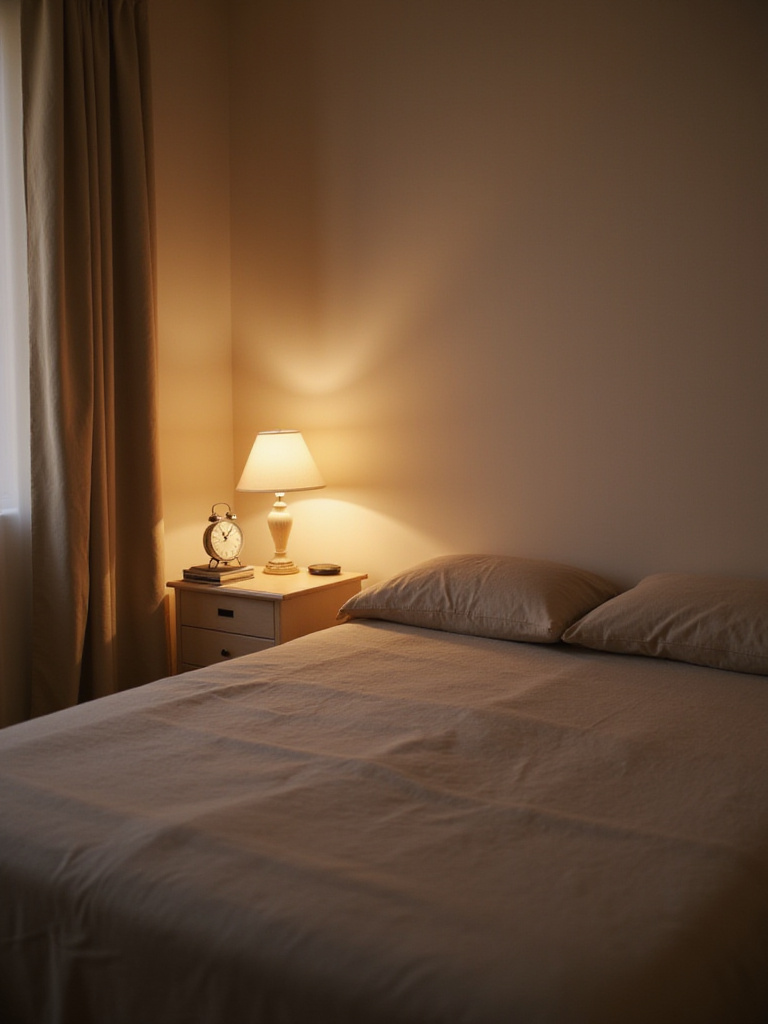
Common offenders include TVs, smartphones, tablets, laptops, and gaming consoles. Instead, engage in screen-free pre-sleep activities like reading physical books, listening to calming music or podcasts (played outside the bedroom), meditation, journaling, or gentle stretching.
Create a dedicated charging station outside your bedroom to resist the urge to check devices before sleep and upon waking, breaking the cycle of screen-induced sleep disruption.
15. Install a Statement Mirror to Amplify Light and Space
Mirrors in minimalist bedrooms serve as powerful design tools, reflecting light to brighten the room and create an illusion of expanded space.
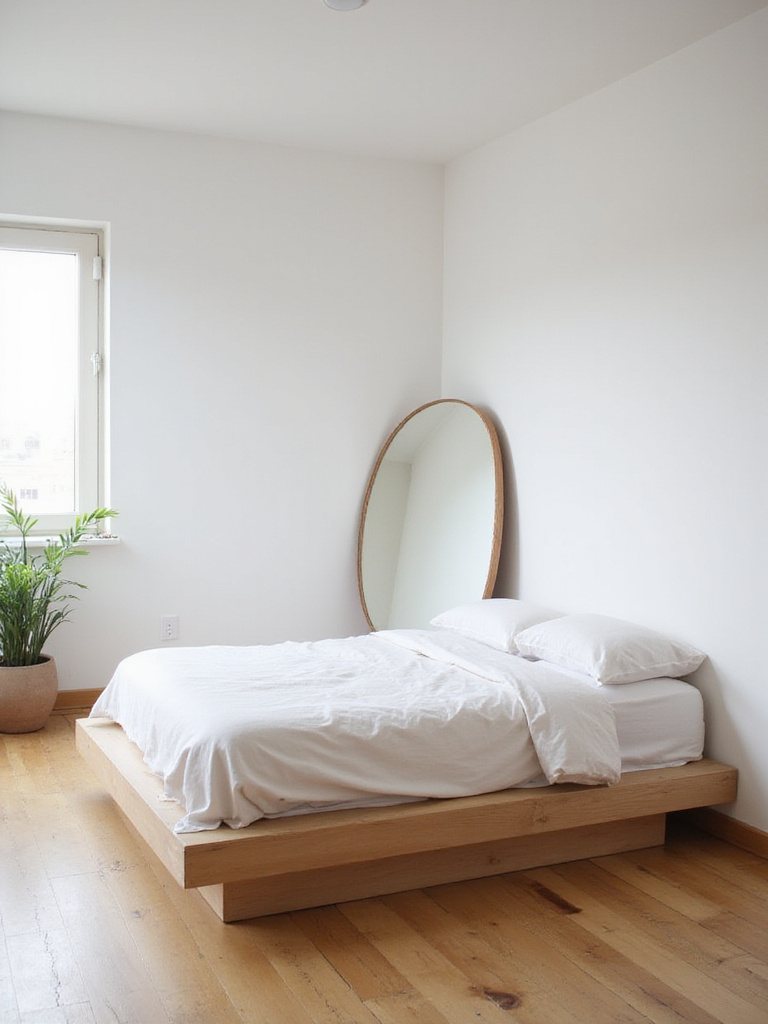
A “statement” mirror in this context means one with intentional impact through size, shape, or subtle frame details-clean-lined large circles, tall rectangles, or natural wood frames work well. Position it opposite a window to maximize natural light reflection.
Measure your wall space carefully to select a mirror that complements the room’s proportions without overwhelming it.
16. Choose a Solid-Color Rug to Anchor the Space
Rugs in minimalist bedrooms serve to define the sleeping area, add warmth, soften hard surfaces, and dampen sound, all contributing to a restful environment.
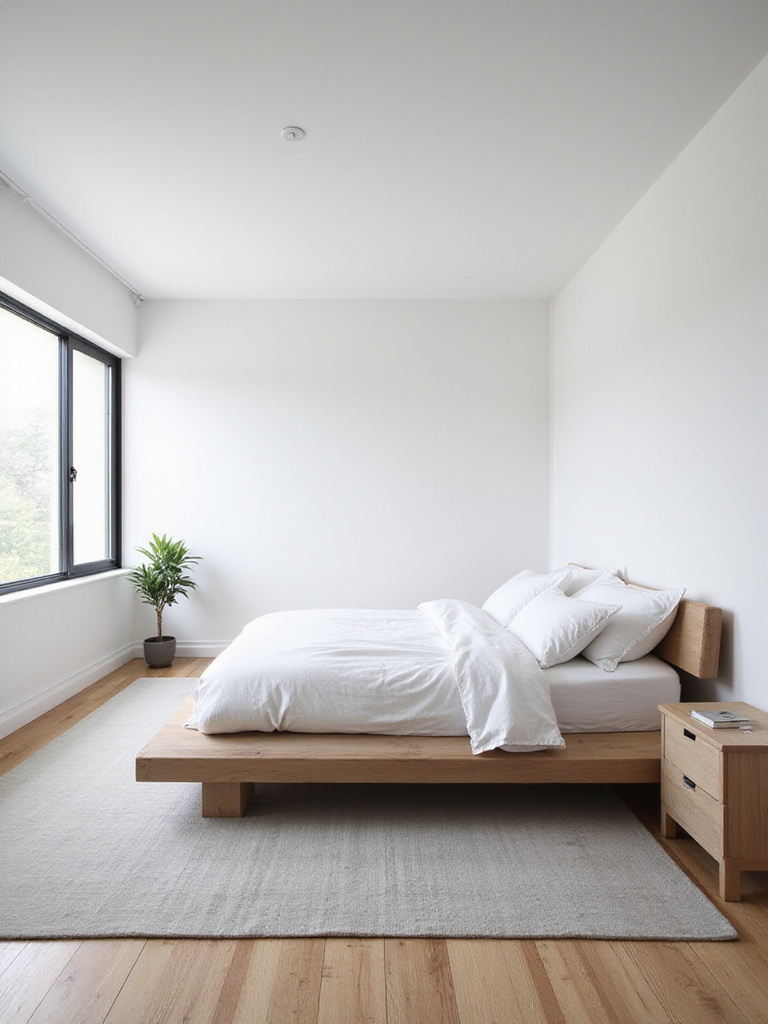
Opt for solid, neutral colors like beige, cream, light gray, or muted earth tones to avoid visual clutter. Natural fibers such as wool, cotton, jute, or sisal add texture and organic warmth.
Size matters: choose a rug that extends 18-24 inches beyond the bed’s edges and foot to properly anchor the furniture and provide comfort underfoot.
17. Prioritize Quality Over Quantity in Your Choices
In minimalist design, every item is more noticeable, so investing in high-quality pieces ensures durability, timelessness, and a refined aesthetic that cheap alternatives cannot match.
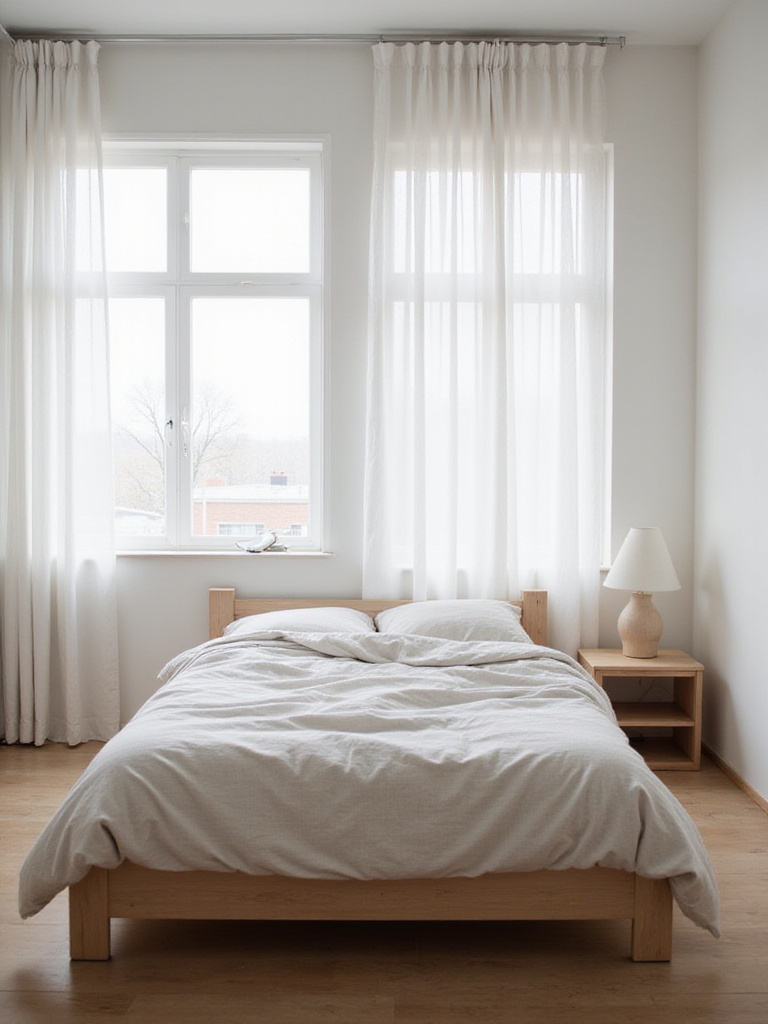
Examples include high-thread-count bedding, well-crafted bedside lamps, solid wood furniture, and natural fiber textiles. This approach not only elevates your space but aligns with sustainable living by reducing waste and consumption.
18. Add Personal Touches with Meaningful Minimalist Decor
Minimalism doesn’t mean impersonal. Thoughtful, meaningful decor adds warmth and identity, transforming your bedroom into a sanctuary that reflects your story.
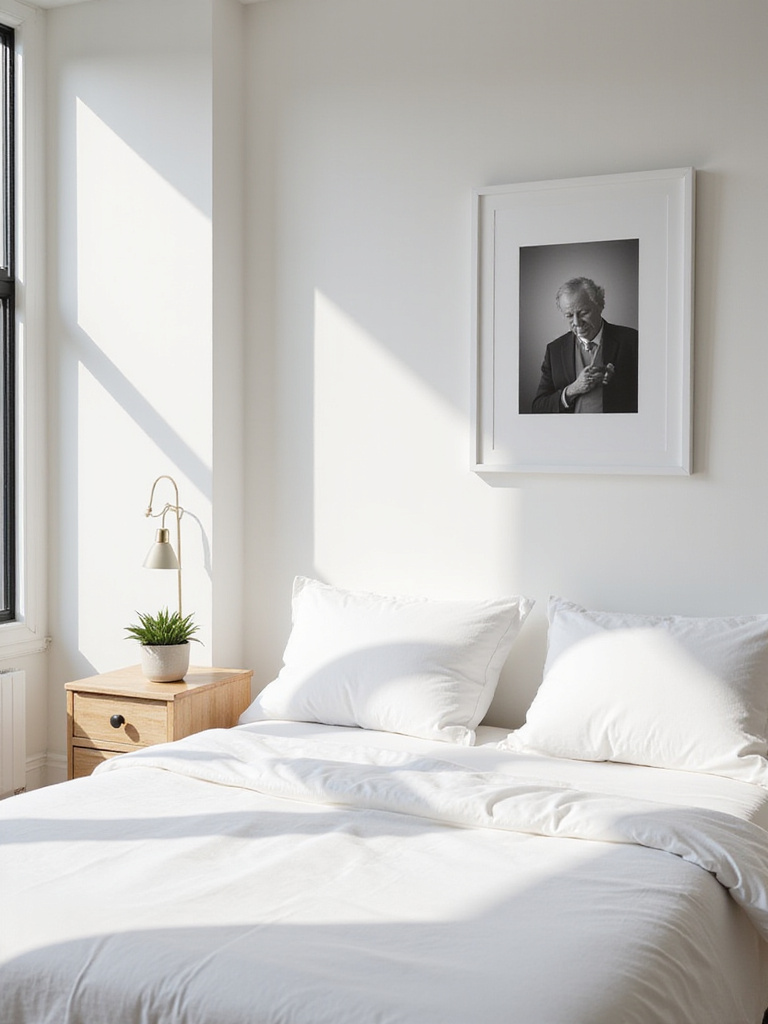
Select items that hold personal significance, serve a purpose, complement your aesthetic, and fit the space. This could be a framed photo, a cherished plant, a favorite book, handmade ceramics, or a meaningful souvenir.
Before acquiring new decor, review what you already own-you might find perfect accents without adding clutter.
19. Keep Surfaces Clear for Visual Tranquility
Maintaining clutter-free surfaces is vital to preserving the minimalist bedroom’s peaceful ambiance. Visual clutter distracts and overwhelms, impeding relaxation and mental clarity.
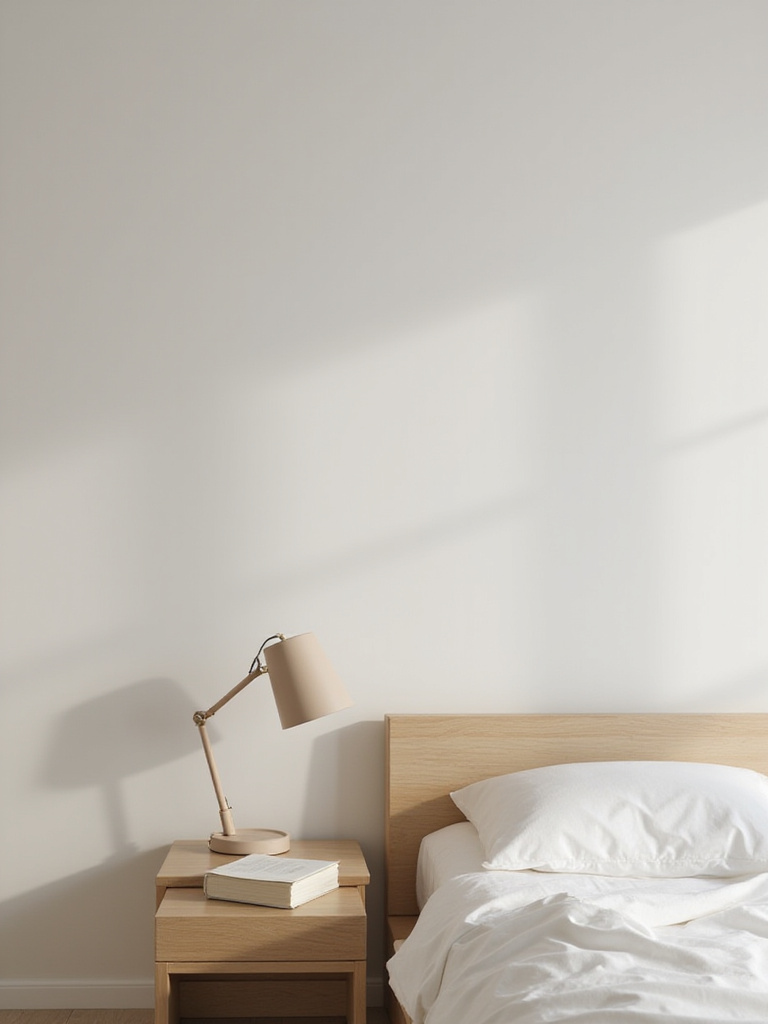
Common clutter hotspots include bedside tables, dressers, desks, and floors. Implement designated storage, adopt a “one in, one out” policy, and make decluttering a daily habit. Spend five minutes each night clearing and wiping surfaces to maintain serenity.
20. Create a Cozy Reading Corner for Relaxation
A dedicated reading nook adds functionality and a mindful retreat within your minimalist bedroom without compromising simplicity.
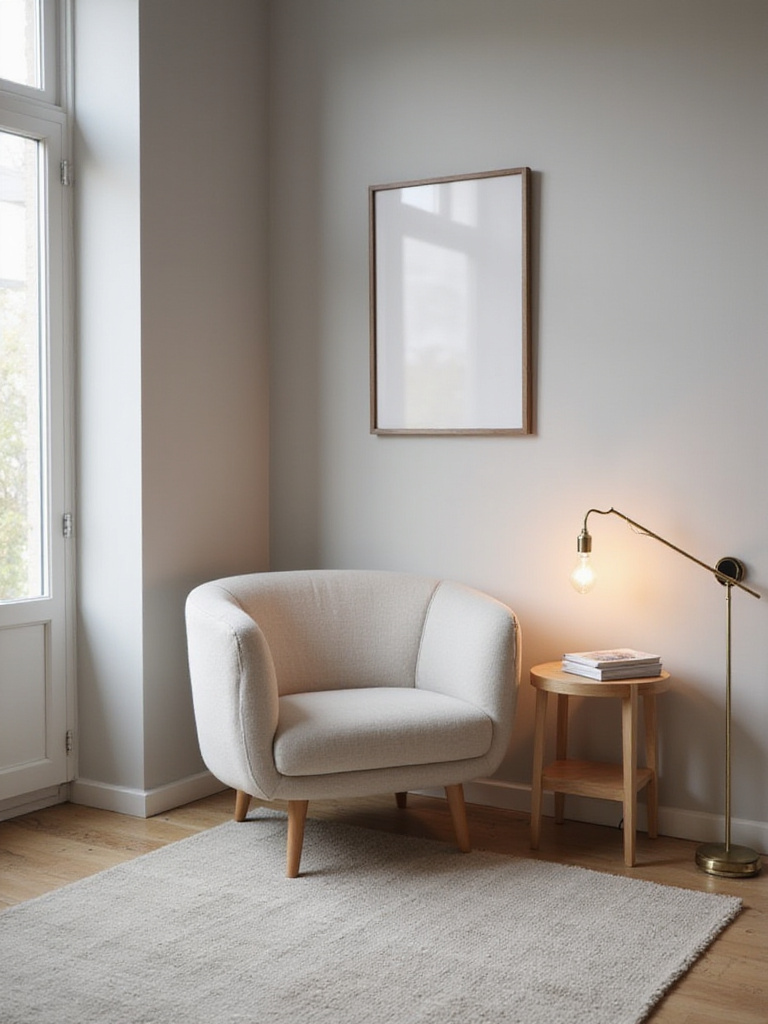
Choose a chair with clean lines-such as a mid-century modern armchair or a minimalist rocking chair-and pair it with warm, focused lighting like an adjustable floor lamp. Add a soft throw, a neutral rug, and a small side table to complete the space.
Position the nook near a window to benefit from natural light during the day, creating a peaceful zone that signals relaxation.
21. Commit to Regular Decluttering for Sustained Minimalism
Minimalism is an ongoing practice, not a one-time event. Regular decluttering prevents accumulation and fosters mindful consumption.
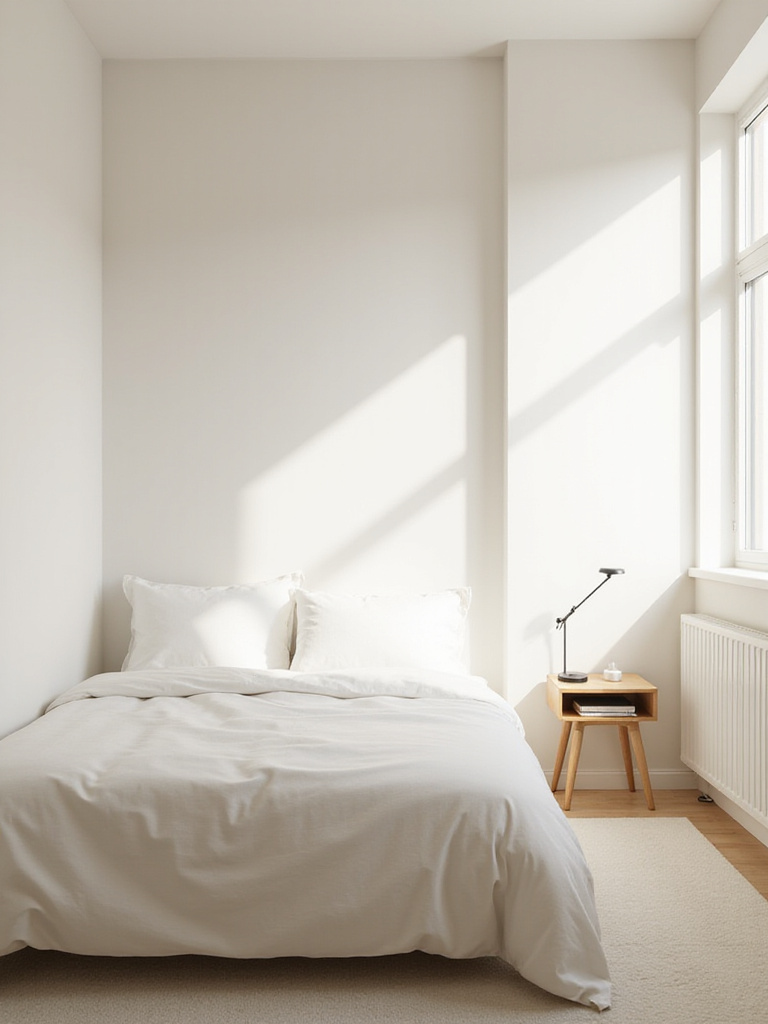
Perform weekly tidying to return items to their places and monthly or quarterly deep cleans to evaluate usefulness. Focus on clutter-prone areas like nightstands, closets, and under-bed storage.
Adopt a “one in, one out” rule to maintain balance-introducing a new item means removing an old one.
22. Utilize Negative Space to Enhance Visual Breathability
Negative space-the intentional empty areas around objects-is essential in minimalist bedrooms to prevent overcrowding and visual overwhelm.
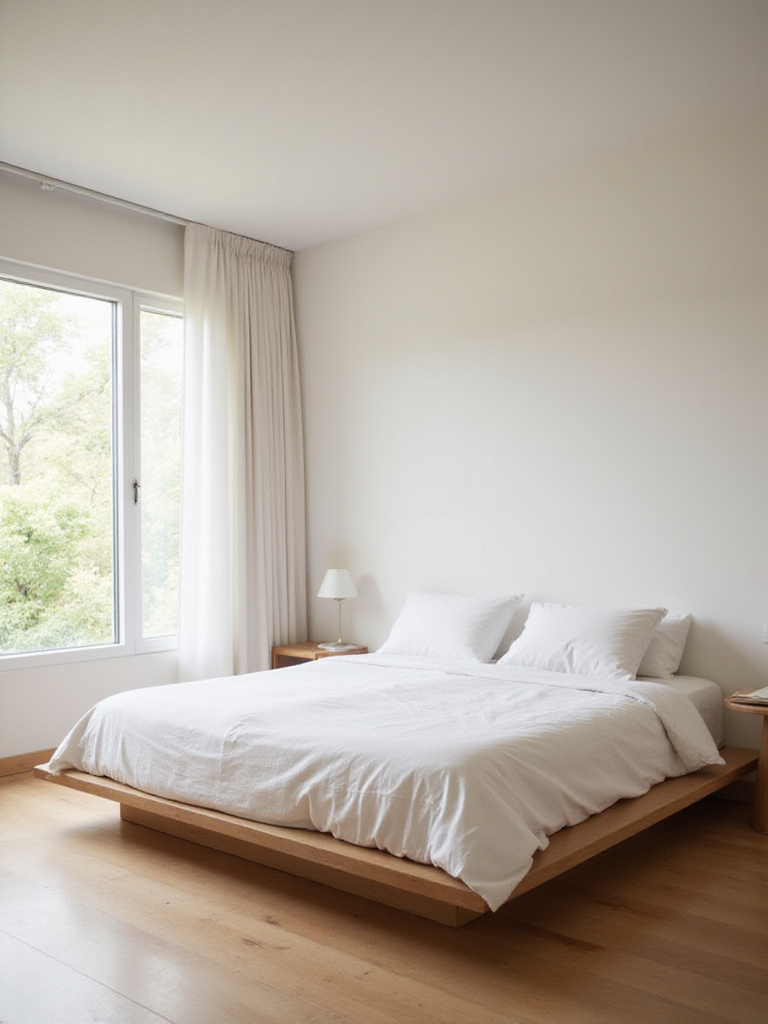
Mindful placement and restraint are key. Avoid filling every corner or pushing furniture flush against walls. Leave breathing room around pieces, select fewer impactful items, and consider vertical as well as horizontal space.
For example, replacing a traditional nightstand with a floating shelf creates more visual openness beneath, enhancing the room’s airy feel.
23. Create Soothing Ambiance with Warm Lighting
Soft, warm lighting is crucial for cultivating a relaxing atmosphere that supports restful sleep. Harsh or cool-toned lights can be stimulating and disruptive.

Ideal fixtures include dimmable table lamps, warm LED string lights, upward-facing wall sconces, and floor lamps with fabric shades. Choose bulbs with color temperatures between 2700K and 3000K for a cozy glow.
Consider adding a Himalayan salt lamp for a gentle amber light that complements your minimalist design and may improve air quality-a perfect finishing touch for your peaceful retreat.
Conclusion: Your Journey to Minimalist Bedroom Tranquility
Designing a minimalist bedroom is more than a style choice-it’s a commitment to creating a sanctuary that nurtures your well-being. By embracing simplicity, rigorously decluttering, and making deliberate design decisions, you can transform your bedroom into a haven that fosters relaxation, reduces stress, and enhances sleep quality.
Minimalism is not about deprivation but about intentionality-curating a space that truly supports your lifestyle and desire for calm. The 23 strategies outlined here offer a comprehensive guide, but your personal touch will make the space uniquely yours.
Begin with small steps, such as decluttering a single surface or adopting a neutral color scheme, and gradually implement these principles. The outcome will be a beautiful, transformative environment that rejuvenates your mind, body, and spirit every night.
For quality minimalist bedroom essentials, explore options on Amazon platform beds, linen bedding, and minimalist lighting fixtures to find pieces that perfectly complement your serene bedroom sanctuary.