Flexible Futures: How Modular Furniture Grows Alongside Your Kids

In a world where childhood is a whirlwind of growth, curiosity, and constant change, the spaces our kids inhabit must be just as adaptable as they are. Enter the era of modular furniture – a design revolution that invites flexibility, creativity, and sustainability into the very rooms where memories are made. “” explores how these versatile pieces transform to meet the evolving needs of children, blending practicality with playful innovation. From cribs that convert to beds, to desks that expand with homework demands, modular furniture is reshaping family living by growing in harmony with childhood itself.
The Evolution of Modular Furniture Designs That Adapt Seamlessly to Growing Children’s Needs
Over the decades, modular furniture has shifted from simple, static pieces into dynamic, interactive components that respond intuitively to the changing needs of children. Early designs focused primarily on durability and basic functionality, but today’s innovation prioritizes adaptability, aesthetic flexibility, and ergonomic growth support. From beds that convert into study desks, to storage units transforming effortlessly into play stations, these pieces underscore a seamless blend of form and function, ensuring every stage of childhood is met with comfort and creativity.
The modern modular concept also embraces sustainability and personalization-allowing families to curate spaces that evolve without outgrowing the furniture itself. Key features driving this evolution include:
- Adjustable dimensions that grow with children’s height and spatial needs
- Multi-purpose components enabling role changes from play to learning environments
- Eco-friendly materials for a healthier room and planet
- Easy assembly and reconfiguration designed for parents and kids to engage together
Below is an overview of modular furniture milestones across recent decades, highlighting how adaptability has increased over time:
| Decade | Feature Focus | Design Influence |
|---|---|---|
| 1960s | Basic stacking storage | Minimalism and utility |
| 1980s | Convertible elements (bed to desk) | Space-saving innovation |
| 2000s | Flexible seating and storage combos | Ergonomics and playfulness |
| 2020s | Smart materials & modular electronics | Sustainability & technology integration |
Colorful Transformations in Modular Kids’ Furniture Reflecting Each Stage of Childhood
Watching a child grow is a journey marked by vibrant changes-reflected beautifully in the evolving hues and designs of their living spaces. Modular kids’ furniture captures this transformation by offering dynamic color palettes that shift to match each phase of childhood. From the gentle pastels of infancy to the bold primaries of early learning, and finally to the sophisticated tones of tween years, these pieces adapt seamlessly, fostering an environment where creativity and comfort thrive. This fluid color evolution not only sparks imagination but also creates a sense of belonging and pride in their personal space.
Beyond aesthetics, these pieces are engineered for flexibility. Consider this palette transformation showcasing the typical color journey in modular furniture:
| Stage of Childhood | Color Palette | Design Focus |
|---|---|---|
| Infancy (0-2 years) | Soft pastels (mint, blush, lavender) | Safety and soothing textures |
| Early Childhood (3-7 years) | Bright primaries (red, blue, yellow) | Interactive & playful features |
| Tweens (8-12 years) | Muted tones (navy, teal, gray) | Functionality & style balance |
- Color-coded modules: Easily swapped or combined to suit new moods and needs.
- Age-appropriate ergonomics: Adjusting to growing bodies and changing preferences.
- Encouraging independence: Furniture that grows to empower kids at every step.
This thoughtful blend of color and adaptability ensures that modular furniture not only grows with your child but cultivates a lifelong love for personal expression and space ownership.
Creative Ways to Incorporate Storage Solutions That Expand as Children Accumulate Belongings
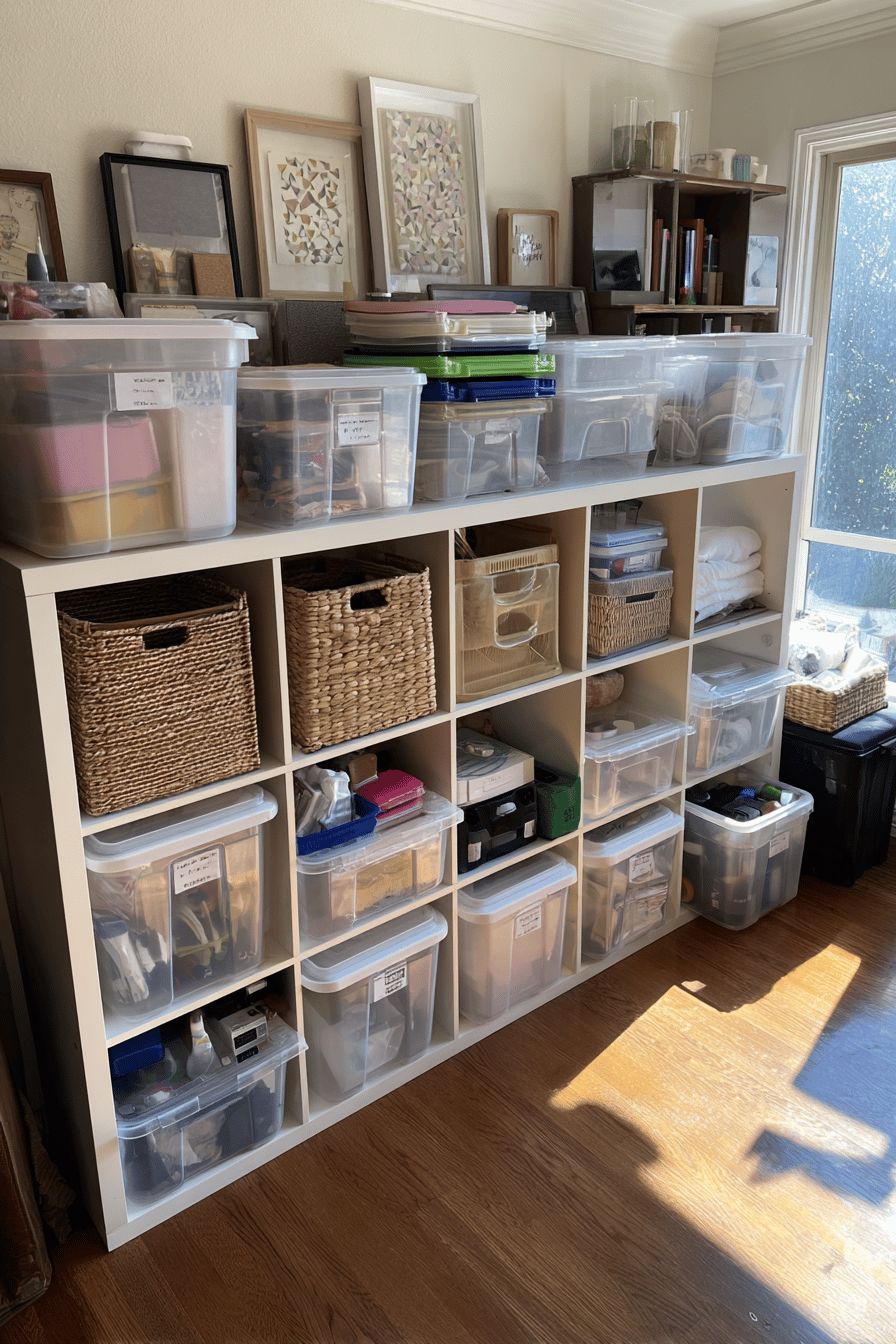
Maximize every nook and cranny with modular units that don’t just store toys and books but evolve with the rhythm of childhood. Think stackable cubes – they start as simple bins for blocks but grow into vibrant, art-display shelves or even mini-desks when paired with a flat surface. Integrate pieces with adjustable shelving and removable partitions so storage adapts, rather than clutters, as your child’s collection of treasures expands. Embrace multipurpose designs; a bench with hidden drawers or a bed frame with pull-out compartments transforms ordinary furniture into storage powerhouses.
Customizing storage solutions doesn’t have to mean costly renovations. Modular storage systems provide endless flexibility with features like:
- Interlocking components that allow new sections to snap on effortlessly as needs grow
- Color-coded bins to encourage tidiness and quick retrieval
- Expandable rods and hooks for textiles, backpacks, or sports gear
By thinking of storage as an expandable ecosystem rather than fixed furniture, you create an environment where organization is never outgrown – it simply evolves. Below is a quick comparison of versatile modular storage features worth considering:
| Feature | Benefits | Ideal For |
|---|---|---|
| Adjustable Shelves | Custom height, fits changing book/toy sizes | From toddlers to teens |
| Stackable Cubes | Expandable storage and display | Creative storage for growing collections |
| Pull-out Drawers | Hidden space for clutter control | Small rooms or multipurpose spaces |
Playful Seating Configurations That Shift and Change for Different Ages and Activities
Imagine a seating system that adapts as effortlessly as your child’s imagination evolves. Modular furniture designed for play incorporates components that can be rearranged, stacked, or separated to foster creativity and comfort through every stage of childhood. From a snug reading nook for toddlers to a dynamic cluster for teen study groups, these pieces encourage exploration and growth. The beauty lies in their versatility-soft cushions, sturdy blocks, and lightweight panels can pivot between a fortress and a collaborative workspace in moments, nurturing both independence and social interaction.
When choosing pieces for playful seating, consider options that allow for:
- Shape-shifting arrangements that cater to solo play or group activities
- Adjustable height and support that grow alongside young bodies
- Durable, easy-to-clean materials that withstand creative messes
- Bright colors and textures that stimulate learning and tactile engagement
To visualize the functional magic behind these designs, here’s a quick glance at a typical modular seating set’s transformation options:
| Configuration | Purpose | Age Focus |
|---|---|---|
| Soft cube clusters | Building forts & imaginative play | Toddlers to early childhood |
| Joined bench seating | Group homework & snack time | Elementary to pre-teen |
| Solo ergonomic pods | Focused study & reading | Teenagers |
Innovative Bed Systems That Grow from Cribs to Teen Retreats with Adjustable Components
Imagine a bed that transforms as effortlessly as your child grows, adapting from a cozy crib into a dynamic teen retreat with just a few thoughtful adjustments. These innovative bed systems integrate adjustable components such as expandable frames, modular storage units, and convertible mattress supports, allowing you to customize comfort and practicality throughout every stage of childhood. The versatility means parents no longer need to invest in multiple beds, while kids enjoy a space that evolves with their changing tastes and needs.
Key features driving this transformation include:
- Height-adjustable side rails that transition from crib safety to open youthful design
- Modular storage compartments that can shift from toy bins to bookcases or study organizers
- Expandable bed frames that grow in length to accommodate taller sleepers
| Stage | Bed Configuration | Key Benefit |
|---|---|---|
| Infant | Crib with enclosed rails | Maximum safety and containment |
| Toddler | Low bed with detachable rails | Encourages independence with protection |
| Pre-Teen | Daybed style with storage | Supports learning and leisure |
| Teen | Full-size bed with open layout | Provides comfort and personal space |
Transforming Study Areas That Morph Through School Years Supporting Focus and Comfort
Imagine a study area that evolves just as your child does, seamlessly adapting to their changing needs and interests over the years. Modular furniture offers this dynamic flexibility, turning static study spaces into lively environments that support both focus and comfort. With elements that can be reconfigured, expanded, or downsized, these setups encourage children to take ownership of their learning space. Whether it’s a compact desk for early literacy stages or a sprawling workstation for high school projects, the right pieces grow with them, minimizing waste and unnecessary purchases.
Beyond adaptability, modular designs enhance ergonomics and aesthetics, blending function with style in ways that inspire productivity. Key features include:
- Adjustable heights to maintain proper posture through growth spurts
- Interchangeable components that shift roles from study space to creative nook
- Storage options tailored to evolving needs, from craft supplies to tech gadgets
Below is a simple comparison highlighting the versatility throughout school years:
| School Stage | Furniture Feature | Functionality |
|---|---|---|
| Early Years | Compact desk with built-in easel | Encourages creativity and focused learning |
| Middle School | Adjustable chair and expanded tabletop | Supports longer study sessions and technology use |
| High School | Modular shelving and cable management | Organizes resources for complex projects and devices |
Sustainable Materials That Support Long-Term Use and Environmental Responsibility for Families
When choosing furniture for a growing family, prioritizing materials that balance durability and eco-consciousness is key. Modular pieces crafted from bamboo and reclaimed wood not only withstand years of play and adaptation but also reduce environmental impact by minimizing waste and promoting renewal. These designing-a-montessori-learning-space-at-home-inspiring-child-led-growth/” title=”… a Montessori … at Home: Inspiring ……Led …”>materials age gracefully, offering a patina of experience rather than wear, supporting a sustainable lifestyle. Additionally, non-toxic, water-based finishes ensure your child’s health is safeguarded without compromising on long-term resilience.
Families seeking to combine sustainability with functional design will appreciate products that feature components like recycled metals and organic textiles. These elements contribute to a reduced carbon footprint and often allow for easy repairs or upgrades, extending the furniture’s lifespan. Below is a quick comparison showcasing some popular sustainable materials and their benefits for family furniture:
| Material | Environmental Impact | Longevity | Safety for Kids |
|---|---|---|---|
| Bamboo | Fast-growing, highly renewable | High durability | Natural, chemical-free |
| Reclaimed Wood | Reuses materials, reduces deforestation | Solid, sturdy over decades | Depends on finishing |
| Recycled Metal | Recycles scrap, lowers new mining | Extremely long-lasting | Non-toxic coatings available |
| Organic Textiles | Grown without pesticides, biodegradable | Moderate wear resistance | Hypoallergenic, safe |
Modular Furniture Arrangements That Encourage Social Interaction and Group Play
Imaginative play flourishes when kids engage with spaces that adapt to their social rhythms. Modular furniture, designed with versatility in mind, becomes a catalyst for deeper connections by transforming from individual seats into collaborative hubs. Pieces that easily snap together or unfold allow children to create cozy nooks for storytelling, dynamic circles for group games, or sprawling layouts for imaginative role-play. This flexibility nurtures a sense of ownership over their environment, encouraging spontaneous interaction and collective creativity.
Beyond just fun, modular setups promote essential social skills like sharing, cooperation, and communication. Consider a setup like this:
| Furniture Piece | Social Function | Transformative Feature |
|---|---|---|
| Cube Ottomans | Group Seating | Connects to form benches or isolated stools |
| Foldable Screens | Private Play Zones | Adjusts height to create walls or low dividers |
| Modular Tables | Collaborative Activities | Links to expand surface area or breaks down for solo use |
By combining modular elements in empowering ways, spaces shift from static room decor to living playgrounds that echo the evolving nature of children’s friendships and imaginations.
Dynamic Shelving Units Designed to Showcase Toys, Books, and Collections With Ease
Transform any room into a vibrant, organized space with shelving that adapts as swiftly as your child’s interests evolve. These versatile storage solutions are crafted to keep everything from colorful toys to cherished books and prized collectibles beautifully displayed and easily accessible. With modular compartments that can be rearranged, added to, or condensed, parents gain the benefit of a clutter-free environment that sustains creativity and encourages exploration.
Featuring a range of customizable elements, these units seamlessly blend functionality with style. Consider some key attributes:
- Adjustable shelves: Tailor the height and spacing for toys or books of all sizes.
- Expandable modules: Add new units as collections grow or preferences shift.
- Durable materials: Designed to withstand energetic play and daily use.
- Neutral color schemes: Complement any décor and suit both boys and girls.
| Feature | Benefit | Ideal For |
|---|---|---|
| Modular Design | Easily reconfigurable layouts | Growing collections |
| Open Compartments | Quick toy access & display | Active playtime |
| Sturdy Frames | Long-lasting use | Energetic children |
Adaptable Play Zones Within Modular Furniture Promoting Imaginative and Active Play
Imagine a space where children can seamlessly shift from a cozy reading nook to a vibrant castle or even a bustling market-all within the same piece of furniture. Modular designs empower caregivers and kids alike to craft play zones tailored to any mood or story. By simply rearranging cushions, panels, and components, each session sparks fresh adventures and unlocks different facets of creativity and movement. This dynamic approach encourages children to engage physically-crawling, climbing, and exploring-while their minds invent new worlds, merging active play with imaginative exploration.
Such adaptable setups don’t just grow with your child; they evolve alongside their curiosity and skills. Key features include:
- Multi-functional elements: surfaces that flip, fold, or slide, doubling as desks or stages.
- Easy customization: lightweight pieces designed for small hands to rearrange safely.
- Interactive textures and colors: stimulating sensory play tuned to various developmental stages.
Integrating modular play zones means fostering an environment where every corner can transform, making imaginative and physical play fluid, inclusive, and endlessly inspiring.
Incorporating Bright and Soothing Color Palettes for Growing Child-Friendly Spaces
When designing a space that evolves with your child, color choices play a critical role in setting the right mood and encouraging creativity. Opting for a blend of bright, energetic hues alongside soft, calming tones can create a balanced environment that stimulates learning yet provides cozy corners for rest. Consider walls painted in gentle pastels, accented by vibrant accessories like cushions, rugs, or modular storage units. This approach not only keeps the space lively but also adaptable, allowing you to easily update accents as your child’s tastes and needs change.
Tips for Using Color Palettes Effectively:
- Layer colors: Mix bold colors with neutral tones to avoid overwhelming the senses.
- Create zones: Use different color shades to designate activity areas, like study, play, or nap spaces.
- Choose reversible décor: Items that can be flipped or rotated offer multifaceted color experiences without a full redesign.
| Color | Effect | Perfect For |
|---|---|---|
| Soft Mint Green | Soothing & Refreshing | Relaxation corners |
| Sunny Yellow | Bright & Uplifting | Creative play areas |
| Warm Coral | Comforting & Inviting | Study nooks |
Furniture Designs That Balance Safety, Durability, and Flexibility for Active Lifestyles
Modern furniture for families navigating the whirlwind of active lifestyles must be more than just attractive. It requires smart engineering to ensure safety at every stage of use – from wriggly toddlers to spirited teenagers. Materials are carefully chosen for their resilience and non-toxicity, while edges are rounded, and joints reinforced to minimize accidents during playtime or study sessions. This thoughtful design philosophy also emphasizes durability, allowing pieces to withstand spills, tumbles, and the ever-changing demands of a bustling household.
Flexibility is the true game changer, with modular furniture adapting seamlessly as children grow and interests evolve. Adjustable shelving, removable cushions, and configurable components create a versatile environment that supports both creative play and focused learning. Consider these key benefits:
- Easy to reassemble, reducing the need for new purchases
- Customizable configurations for personalized spaces
- Compact designs that accommodate changing room sizes
- Materials that balance strength and lightweight mobility
| Feature | Benefit | Example |
|---|---|---|
| Rounded Edges | Minimizes injury risk | Soft-cornered desks |
| Modular Components | Easily reconfigured | Stackable storage cubes |
| Non-Toxic Finishes | Safe for kids | Water-based paints |
| Lightweight Materials | Easy to move | Aluminum frames |
Space-Saving Modular Pieces Perfect for Small Bedrooms Growing with Your Child
When every square inch counts, modular furniture transforms small bedrooms into multifunctional havens tailored to a child’s evolving needs. Imagine a bed that effortlessly converts into a desk during school hours or a set of stackable storage cubes that can be rearranged to create play zones or study nooks. These innovative pieces not only maximize floor space but also adapt to a child’s changing interests and developmental stages, making them an investment in their growing independence.
Consider the flexibility of designs that mix and match components, allowing for endless customization without the clutter. Key features include:
- Expandable beds with optional trundles
- Detachable shelves doubling as bookends or toy organizers
- Modular seating that converts from a cozy corner to a social hub
- Adjustable heights to keep pace with your child’s growth spurts
| Feature | Benefit | Ideal Age |
|---|---|---|
| Convertible Loft Bed | Gains extra floor space and serves as a study zone | 6-12 years |
| Stackable Storage Cubes | Customizable storage solutions that grow with needs | 3+ years |
| Height-Adjustable Desk Chair | Ensures ergonomic comfort at every growth stage | 5-18 years |
Seamless Integration of Technology and Learning Tools Within Modular Workspace Designs
Today’s modular workspaces aren’t just pieces of furniture-they are dynamic ecosystems designed to evolve alongside a child’s educational journey. By embedding charging ports, adjustable LED lighting, and built-in tablet stands, these workspaces deliver a blend of convenience and innovation. This fusion allows young learners to effortlessly toggle between analog tasks and digital exploration without ever leaving their desk. The thoughtful incorporation of cable management systems keeps the space clutter-free, transforming study areas into hubs of focus and creativity.
Moreover, these smartly designed workspaces embrace adaptability through:
- Modular storage compartments that adjust to varying needs, from art supplies to coding devices.
- Integrated writable surfaces for brainstorming and quick note-taking during study sessions.
- Flexible seating options to support healthy posture whether reading or typing.
Combining technology and ergonomics, these customizable setups empower children to create a sanctuary suited perfectly to their evolving learning habits and styles.
Under-Bed Storage Innovations That Evolve to Meet Changing Childhood Interests
As children evolve, so do their hobbies, collections, and needs for organization. Today’s under-bed storage innovations offer a chameleon-like adaptability, shifting seamlessly from a repository for toys and games to a chic drawer for books or art supplies. Many designs now come with adjustable dividers and modular compartments which can be reconfigured at any time, providing parents with a clutter-free solution that grows in tandem with their child’s shifting passions. These smart solutions not only maximize unused space but also encourage kids to take ownership of their rooms through personal customization.
One standout feature of modern under-bed systems is the incorporation of multipurpose elements such as pull-out desks, inclined storage areas for easier access, and even integrated lighting for late-night reading or crafting sessions. The use of durable yet lightweight materials ensures that the furniture remains both robust and easy to move as children outgrow certain functions. Below is a comparison table highlighting key features found in popular under-bed storage models, showcasing how they cater to various stages of childhood:
| Feature | Early Years | Tweens | Teens |
|---|---|---|---|
| Adjustable Compartments | ✔️ Large toy bins | ✔️ Divided book/craft sections | ✔️ Slim files and gadget spaces |
| Pull-Out Desk | ✖️ | ✔️ Basic work surface | ✔️ Full study area with lighting |
| Material | Lightweight plastic | Durable wood blend | Modern metal & wood combo |
| Mobility | Fixed | Wheels for easy repositioning | Lockable casters |
Customizable Modular Desks Supporting Multiple Hobbies and Study Habits Over Time
Imagine a desk that adapts seamlessly from a quiet study nook to a vibrant art corner or a mini workshop, reflecting your child’s evolving interests and habits. With customizable modular desks, this vision becomes reality. These desks can be effortlessly reconfigured to accommodate everything from intricate model-building to digital learning setups. Adjustable height options not only grow with your child’s physical needs but also encourage diverse postures that enhance focus and comfort during long study sessions or creative pursuits.
Key features that make these modular solutions invaluable include:
- Interchangeable components such as shelves, drawers, and pegboards that can be added or removed as hobbies change
- Flexible layout options optimizing space for group work or solo concentration
- Durable materials built to withstand paint spills, crafting tools, and study supplies alike
- Integrated storage designed to keep both study materials and hobby equipment neatly organized
| Activity | Modular Feature | Benefit |
|---|---|---|
| Drawing & Painting | Pull-out drawing board | Ample space and easy cleanup |
| Studying & Homework | Adjustable lighting & compact organizer | Improves focus and reduces clutter |
| Model Building | Magnetic side panels | Keeps small parts secure and accessible |
Furniture That Encourages Independence Through Easy-to-Adjust Features and Layouts
Encouraging independence in children often starts with giving them control over their environment. Furniture that adapts to their changing needs empowers them to make choices without relying on adult assistance. Imagine a study desk that adjusts in height with a simple twist, allowing your child to tailor it for homework today and creative projects tomorrow. Modular seating can be rearranged into a cozy reading nook or a playful fortress, fostering their imagination and decision-making skills. These thoughtful designs inspire autonomy, transforming furniture from static objects into dynamic tools for growth.
Key features that promote self-sufficiency include:
- Easy-to-grip knobs and levers designed for small hands
- Lightweight components for effortless rearrangement
- Visual guides that simplify reconfiguration
- Storage compartments accessible without adult help
| Feature | Benefit | Age Range |
|---|---|---|
| Adjustable Height Desk | Supports ergonomic posture | 5 – 12 years |
| Modular Seating Units | Encourages creative play | 3 – 10 years |
| Accessible Storage | Promotes organization skills | 4 – 12 years |
Designing Modular Rooms for Multi-Child Households With Versatile Configurations
Creating spaces that adapt to the evolving needs of multiple children requires a thoughtful blend of functionality and creativity. Emphasizing modularity in furniture offers an invaluable solution, allowing each room to transform seamlessly as kids grow, share, or seek individual privacy. Consider versatile pieces like convertible bunk beds, stackable storage units, and adjustable desks that can be rearranged with ease. This flexibility not only optimizes space but also nurtures independence, giving children the freedom to personalize their environment without the clutter of excess furniture. Embracing this approach means fewer replacement cycles and more moments where the space truly feels like their own.
When planning, keep these principles in mind:
- Multi-functional components: Furniture that transitions from playtime to study or rest supports diverse activities effortlessly.
- Shared yet personal zones: Clear delineations using modular partitions help maintain harmony in shared rooms.
- Storage solutions: Incorporate easy-to-access shelves and bins that encourage tidiness without restricting autonomy.
Below is a comparison table showcasing flexible furniture options perfectly suited for multi-child rooms:
| Furniture Type | Key Feature | Benefits |
|---|---|---|
| Modular Shelving | Expandable & stackable | Customizable storage footprint |
| Convertible Beds | Adjusts from single to bunk | Maximizes sleeping space |
| Foldable Desks | Wall-mounted & collapsible | Creates flexible study zones |
Artistic Patterns and Textures That Enhance the Sensory Experience in Growing Kids’ Rooms
Injecting artistic patterns and textured elements into a child’s room does more than brighten the space-it actively stimulates their sensory development. Soft, tactile fabrics like velvet cushions or woven rugs invite curious fingers to explore, promoting tactile awareness and comfort. Meanwhile, visually engaging patterns such as waves, geometric shapes, or playful motifs can spark imagination and cognitive growth. These designs create an environment where learning and creativity naturally bloom, making the room not just a place to rest but a vibrant playground for young minds.
When paired with modular furniture, these sensory-enhancing features adapt seamlessly as your child evolves. Imagine a bedframe wrapped in a patterned fabric that complements colorful wall decals, or storage bins textured with varying materials to encourage sorting and organization skills. To illustrate, consider this simple guide on sensory pattern applications:
| Pattern Type | Sensory Benefit | Furniture Integration |
|---|---|---|
| Geometric Shapes | Visual stimulation, spatial reasoning | Modular shelves with shape cutouts |
| Soft Textures | Tactile exploration, calming effect | Upholstered benches or chairs |
| Nature-Inspired Motifs | Connection to environment, imaginative play | Adjustable desks with leaf-shaped edges |
Artistic patterns and textures are not mere decorations; they are the building blocks of a nurturing atmosphere that flexes with your child’s growth. By thoughtfully combining sensory-rich design with versatile furnishings, you create a harmonious space where function and creativity coalesce throughout every stage of childhood.
Lightweight and Portable Modular Components for Easy Room Rearrangements and Moves
Imagine furniture that moves as freely as your child’s imagination. These innovative components are ingeniously designed to be both lightweight and portable, allowing parents and kids alike to transform spaces in an instant. Whether it’s a cozy reading nook by morning or an open play area by afternoon, these modular pieces can be effortlessly shifted and reassembled without heavy lifting or the need for extra tools. This flexibility means no more struggling with bulky sofas or cumbersome beds, making room rearrangements and even entire moves smoother and more enjoyable for the whole family.
Key advantages include:
- Compact Storage: Components nest neatly or stack, reducing clutter between uses.
- Tool-Free Assembly: Snap-together systems that kids can help with safely.
- Adaptive Design: Modules can be combined for different functions as children grow.
| Feature | Benefit | Ideal Age Range |
|---|---|---|
| Rolling Bases | Easy to move, no floor damage | All ages |
| Lightweight Panels | Safe for kids to handle | 3-12 years |
| Magnetic Connectors | Simple and fast setup | 5-15 years |
To Conclude
As families evolve and children grow, the spaces they inhabit should do the same-effortlessly, thoughtfully, and with a touch of imagination. Modular furniture offers more than just adaptability; it presents a dynamic foundation where memories are built, creativity is sparked, and daily life unfolds with ease. By embracing flexibility today, we equip our homes for the endless possibilities of tomorrow, ensuring that each stage of childhood is supported by spaces that grow alongside the dreams and needs of our kids. In the journey of parenthood, modular furniture isn’t just an investment in design-it’s an invitation to embrace change with confidence and grace.