Elevate your home ambiance by introducing a striking red sofa that infuses any living area with warmth, vitality, and character. A red couch is more than just furniture-it’s a bold design statement that enlivens your space and reflects your unique taste. Whether you’re a seasoned interior designer or simply eager to refresh your home’s look, these innovative red couch living room concepts will ignite your imagination, boost your mood, and help you craft a stunning sanctuary. From intimate ruby nooks to dazzling scarlet focal points, discover how a single red sofa can redefine your living room into a vibrant, welcoming haven that truly feels like home.
Warm and Inviting Ruby Retreat

Rich ruby hues instantly create a snug and welcoming atmosphere. Pairing a red sofa with soft beige or cream walls and light hardwood floors balances the intensity, fostering a serene yet lively environment. Incorporate affordable textured throws and cushions to enhance comfort without stretching your budget. Strategic lighting highlights the sofa as the room’s centerpiece, setting a cheerful and cozy tone perfect for relaxation or entertaining.
Modern Scarlet Minimalism
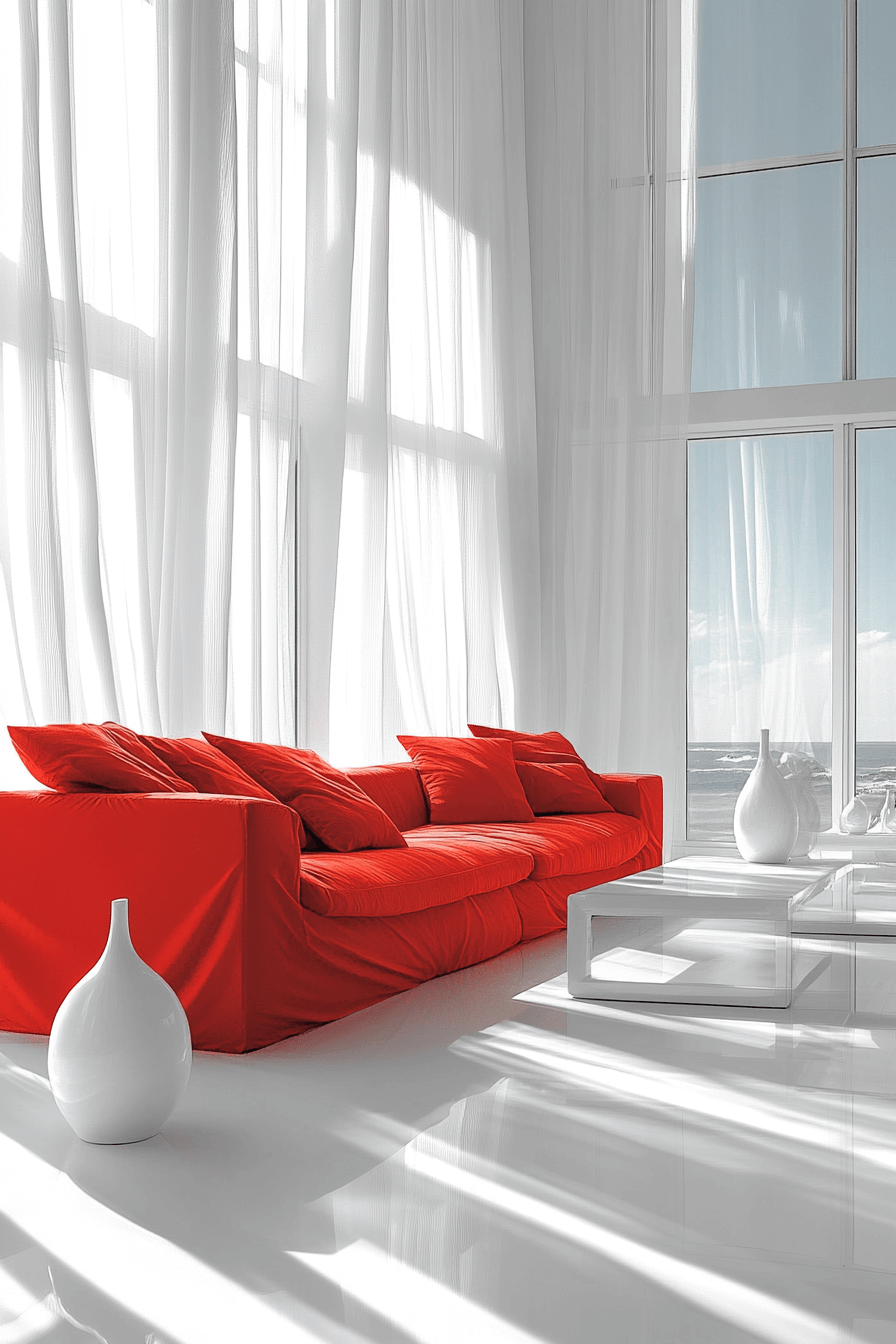
Scarlet shades can energize a space while maintaining a sleek, contemporary vibe. Opt for streamlined furniture with clean lines and minimal decorative elements to prevent the red from overwhelming the room. Incorporate subtle artwork and understated accessories to complement the sofa’s boldness. This approach proves that sophistication can be achieved through simplicity, making your living room both stylish and inviting.
Luxurious Ruby Sanctuary
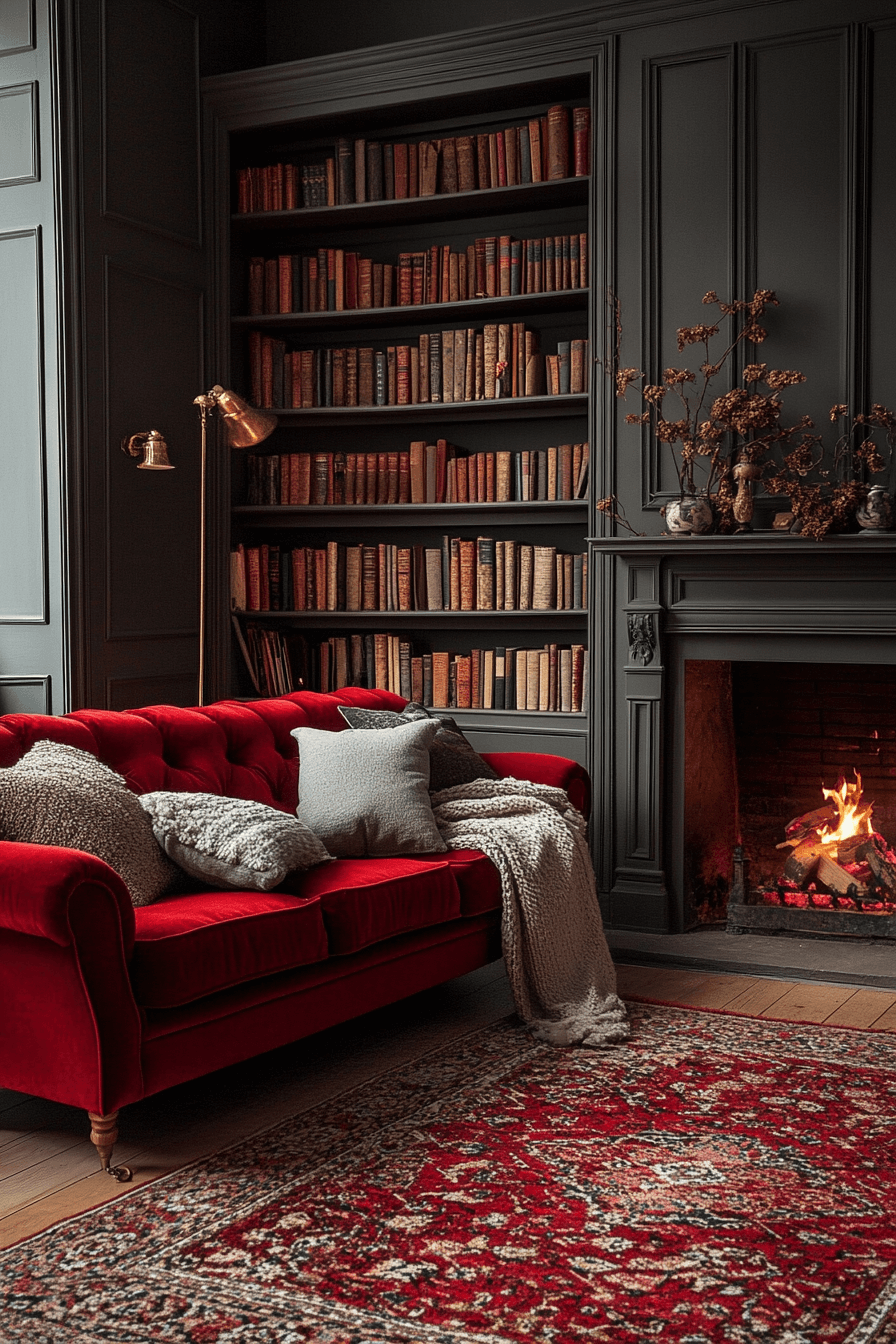
Deep ruby tones evoke a sense of opulence and comfort. Complement your red sofa with dark wood furnishings and plush, textured rugs to create a sophisticated yet cozy retreat. Adding soft throws and ambient lighting enhances the inviting atmosphere, making the space perfect for unwinding after a long day. This style combines elegance with practicality, requiring only a few thoughtful touches to achieve a high-end look.
Chic Cherry-Inspired Living Space
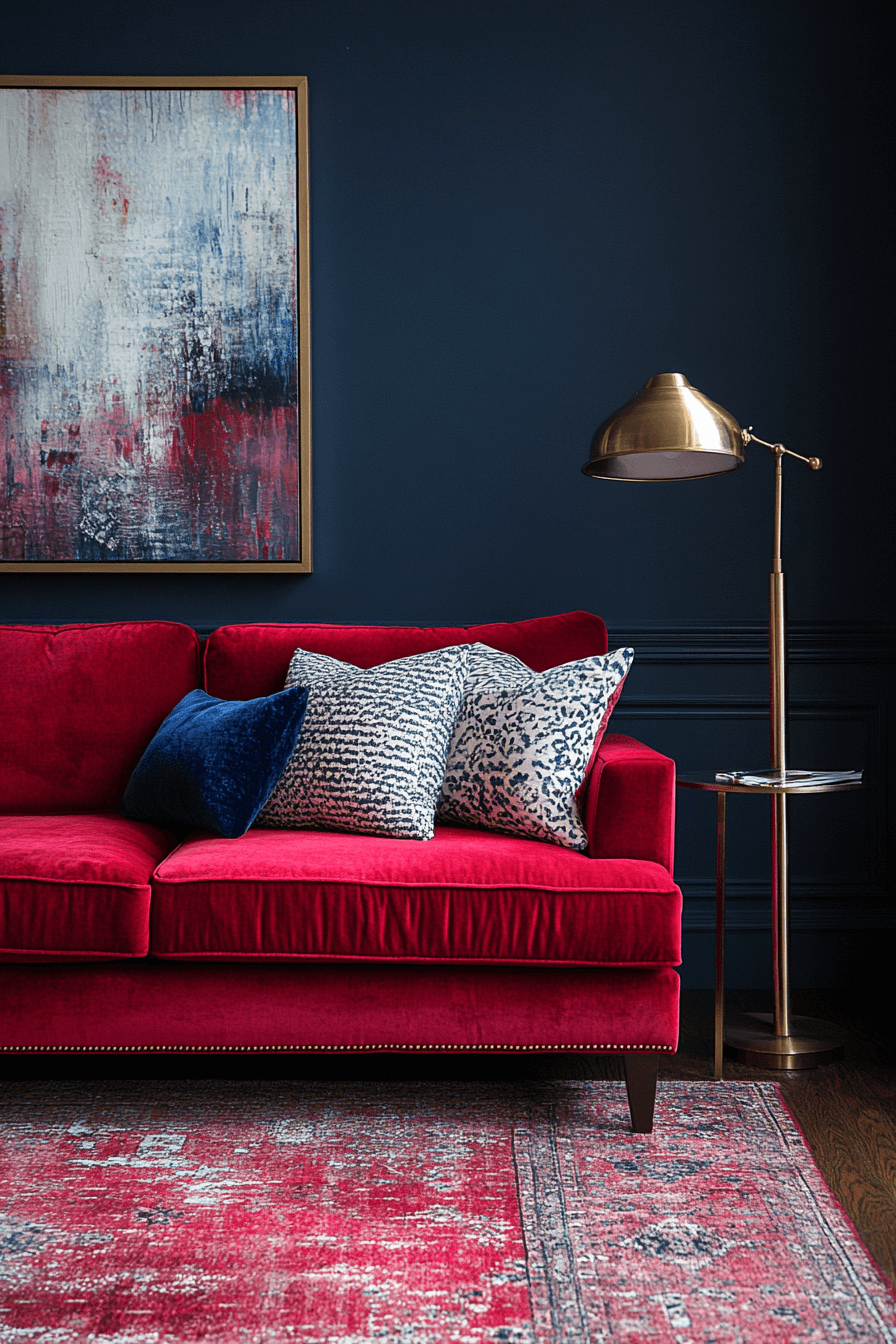
Cherry-red sofas bring a lively and fashionable flair to your living room. Accentuate the look with sleek metallic elements or bold decorative pieces that add personality without cluttering the space. Neutral wall colors ensure the sofa remains the focal point, while vibrant cushions or artwork inject playful pops of color. This design strikes a balance between trendy and approachable, perfect for those who want a stylish yet comfortable home.
Dynamic Fiery Red Lounge
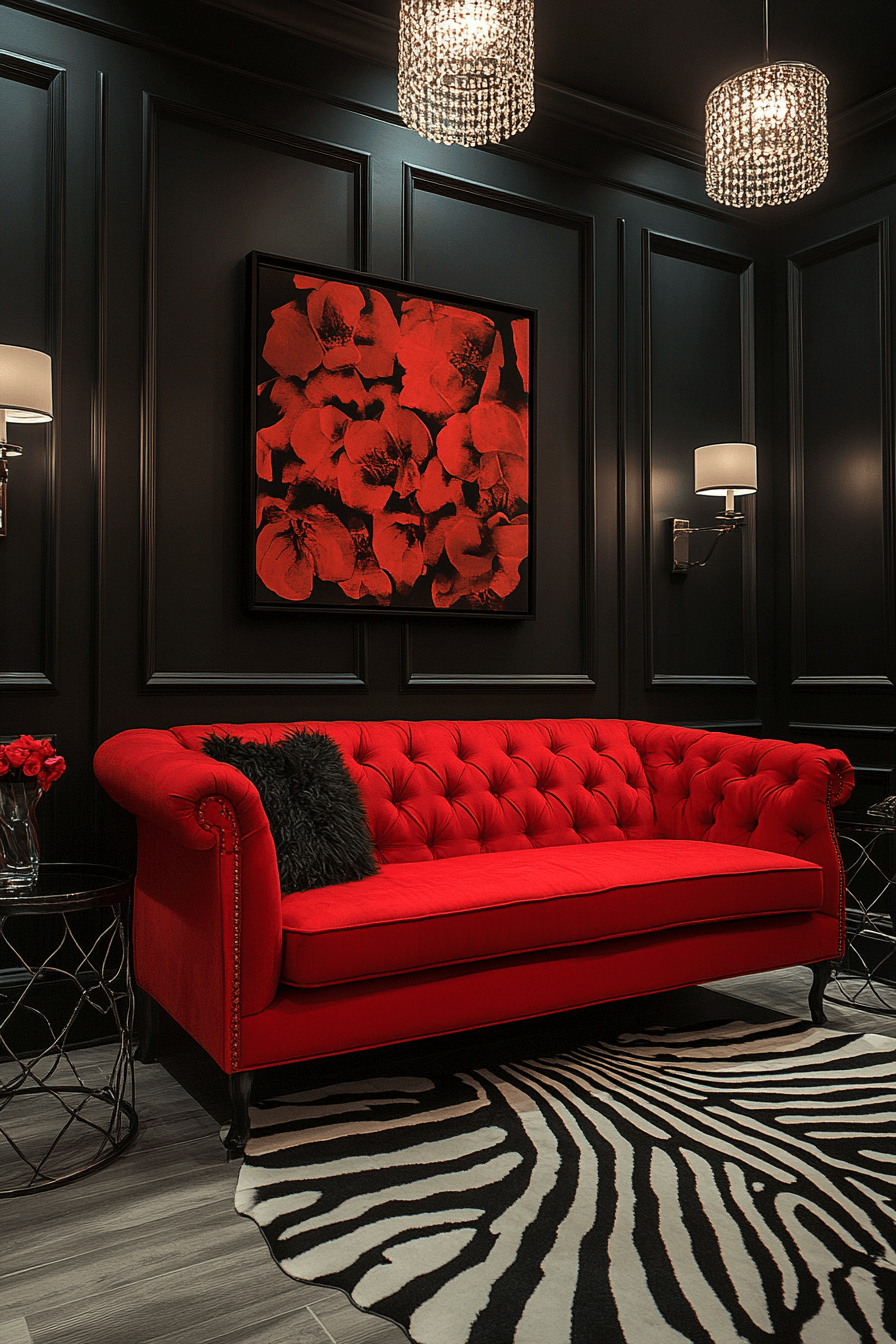
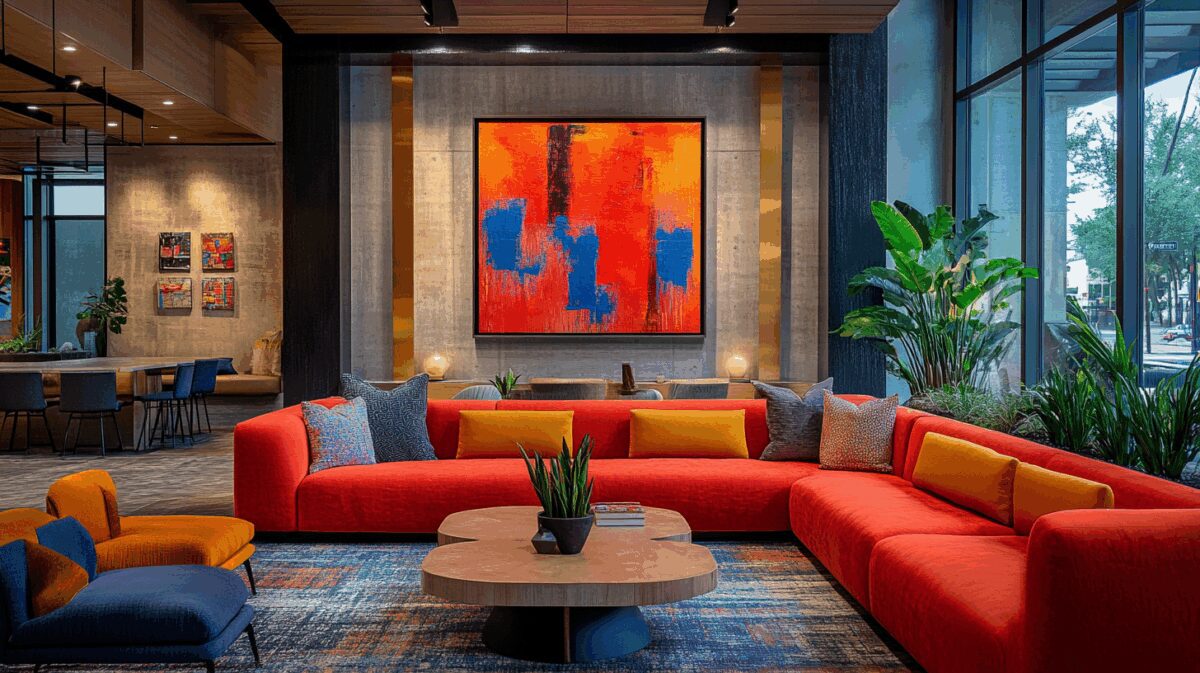
A fiery red sofa injects boldness and creativity into your living space with minimal effort. Use contrasting accents like vibrant wall art or colorful lighting fixtures to create a dynamic environment. Keep surrounding furniture streamlined to maintain balance and let the sofa shine as the room’s centerpiece. This design is ideal for those seeking a lively, fashion-forward atmosphere without a hefty price tag.
Family-Friendly Poppy Playroom
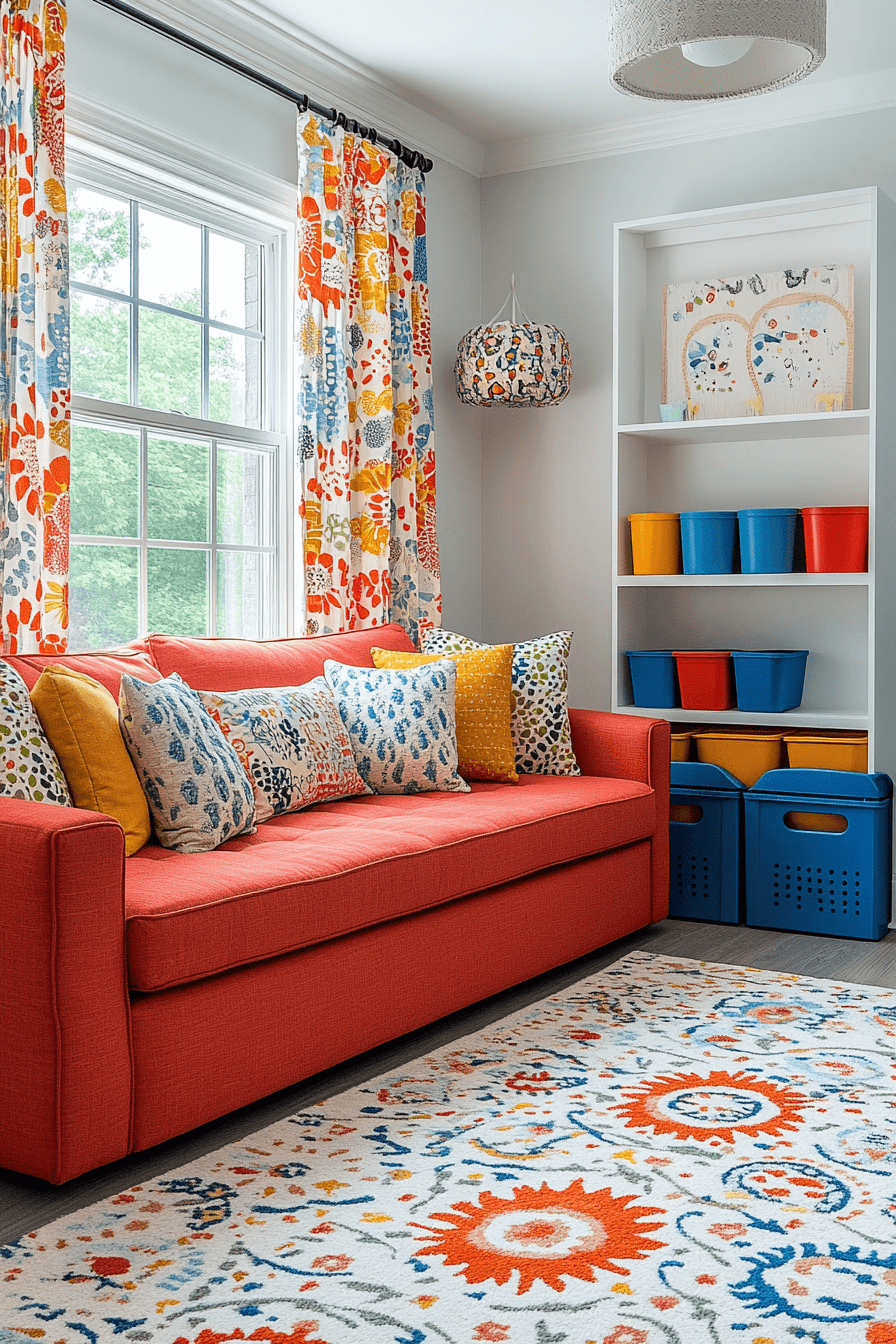
Infuse your family room with playful energy by pairing a red sofa with bright accents and durable, kid-friendly furnishings. Incorporate smart storage solutions and whimsical decor to blend style with practicality. The red sofa sets a joyful tone, while budget-friendly pieces keep the space accessible and inviting for all ages. This design fosters a warm environment where both children and adults can relax and connect.
Serene Rose Red Retreat
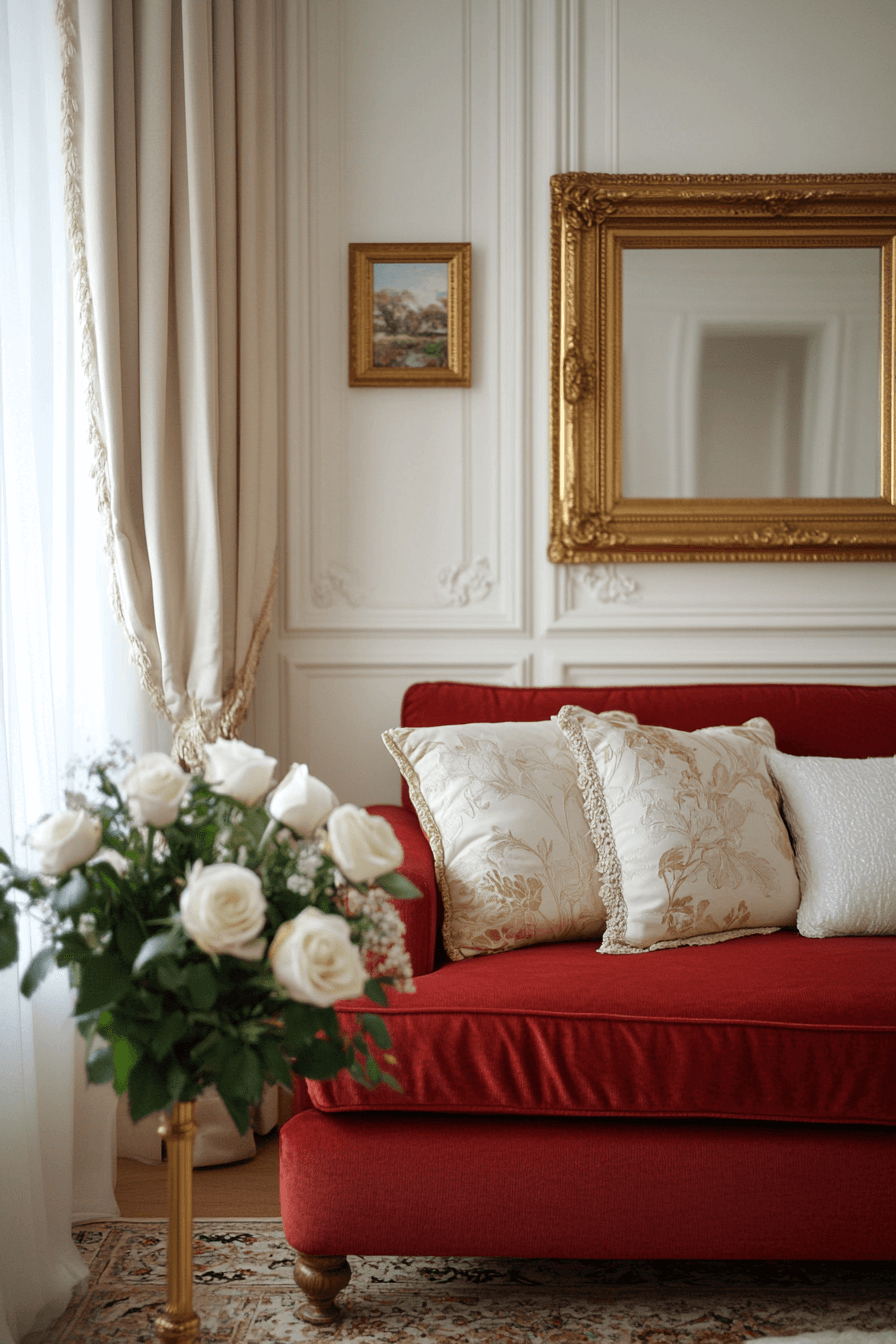
Soft rose-red hues can transform your living room into a tranquil haven. Combine a muted red sofa with neutral shades like soft grays and whites to maintain a calm and inviting atmosphere. Affordable velvet cushions and plush rugs add layers of comfort and elegance. This style demonstrates how a vibrant color can coexist with peacefulness, perfect for unwinding or quiet reflection.
Rustic Cardinal Cozy Corner
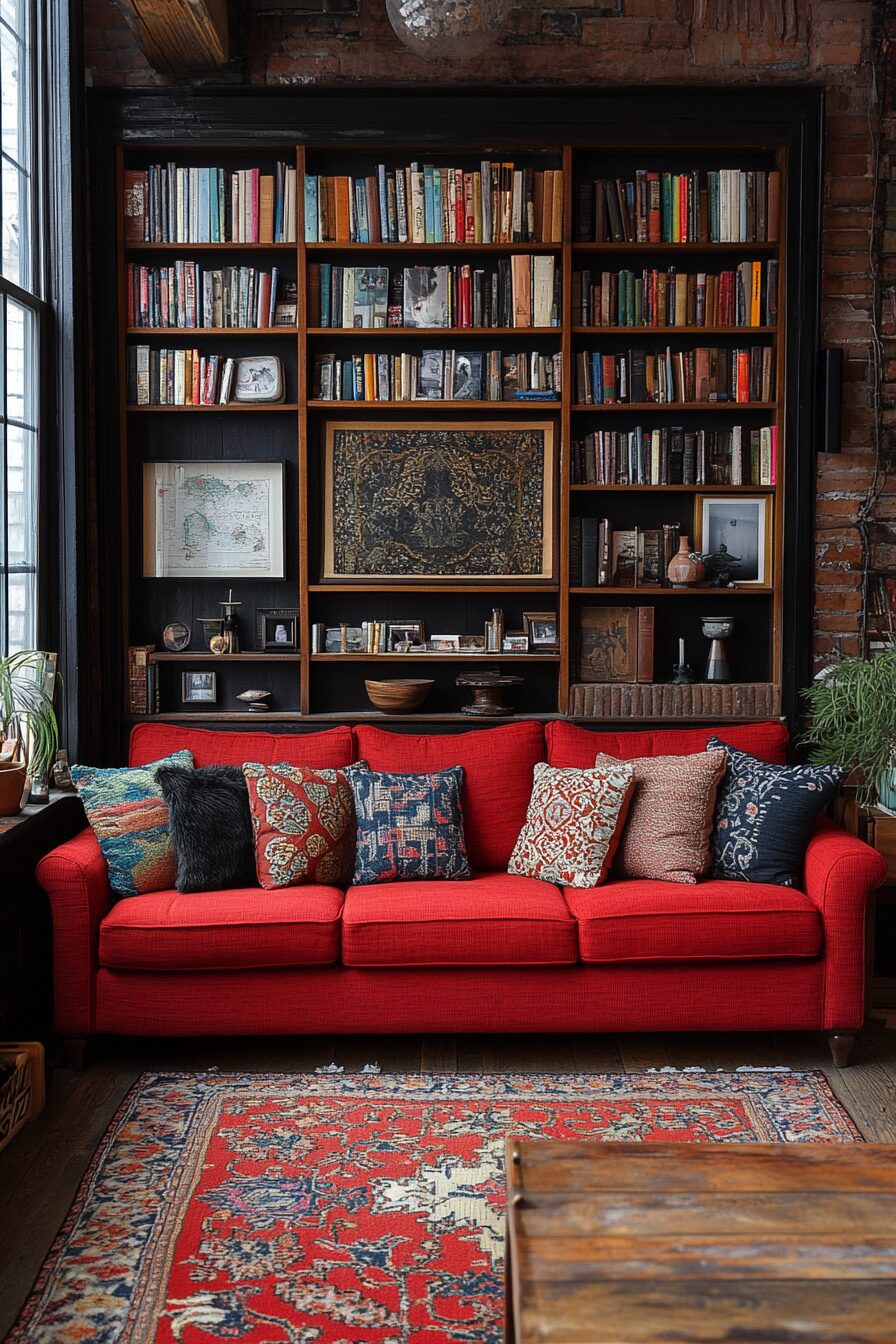
Deep cardinal red combined with natural wood accents creates a warm and intimate living space. The rich sofa color naturally draws people in, making it an ideal spot for reading or relaxing. Personal touches like bookshelves and a simple coffee table add functionality and charm without inflating costs. This design exudes a homely, inviting vibe that’s easy to achieve.
Elegant Burgundy Living Area
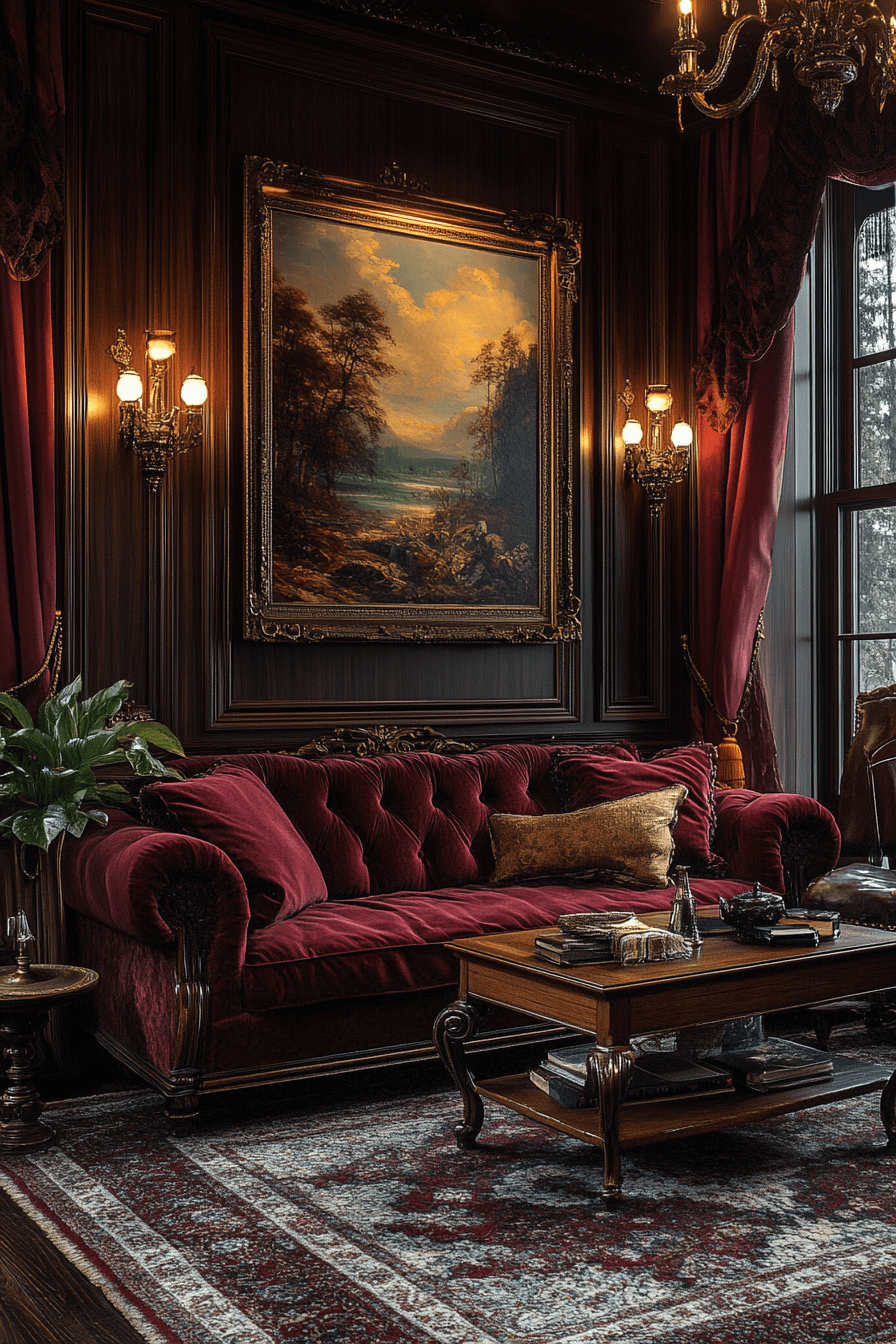
Burgundy red sofas bring a touch of refinement to any living room. Pair with dark-toned furniture and patterned textiles to create a sophisticated yet cozy environment. Classic elements like framed artwork and soft lighting add character without requiring a large investment. This style effortlessly combines luxury and comfort for everyday enjoyment.
Vibrant Sanguine Social Hub
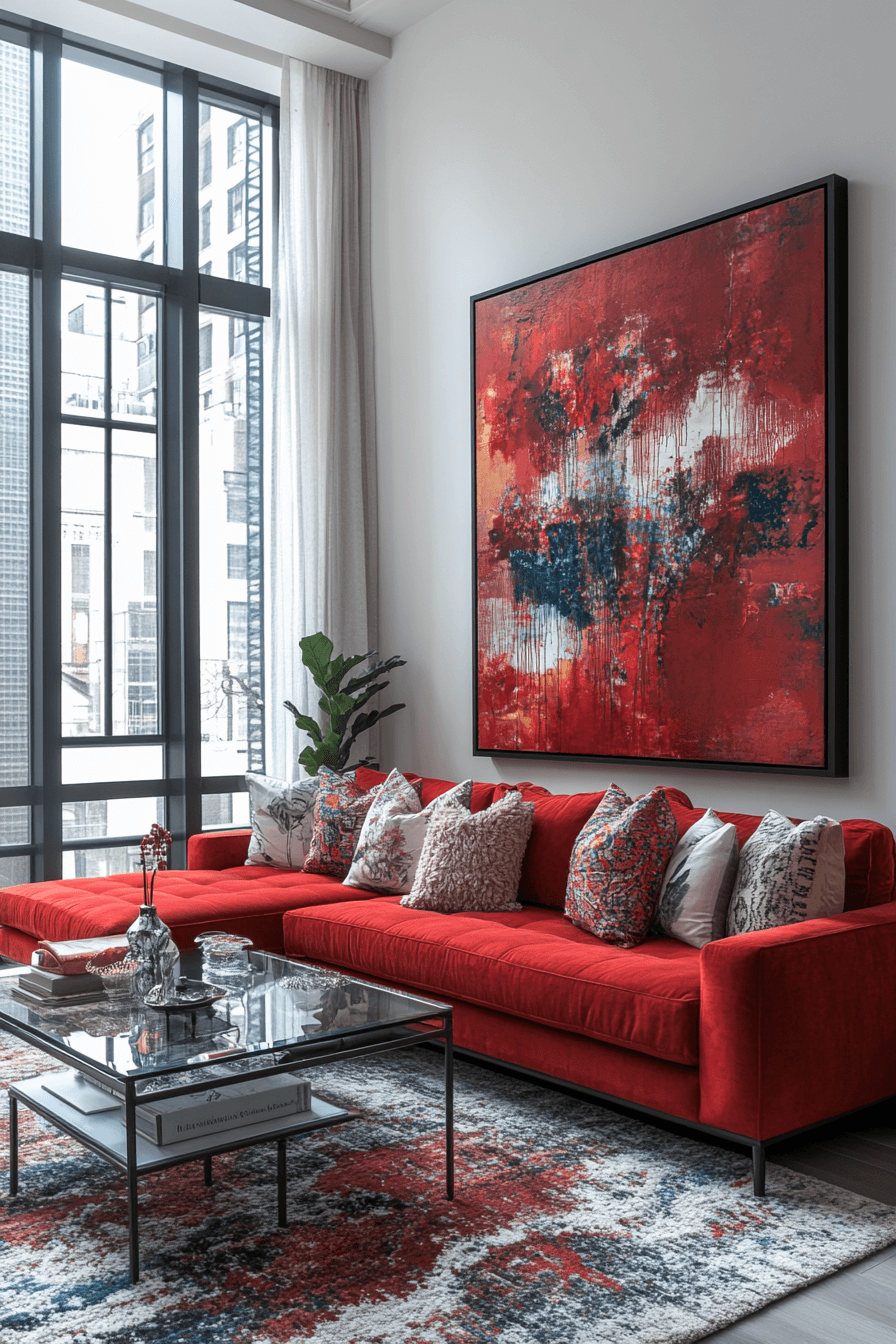
Bright sanguine tones paired with lively patterns create an energetic and welcoming social space. The red sofa sets a joyful mood, while colorful throws and artwork add personality and warmth. This design encourages conversation and connection, making it perfect for entertaining guests or family gatherings.
Coral Charm and Elegance
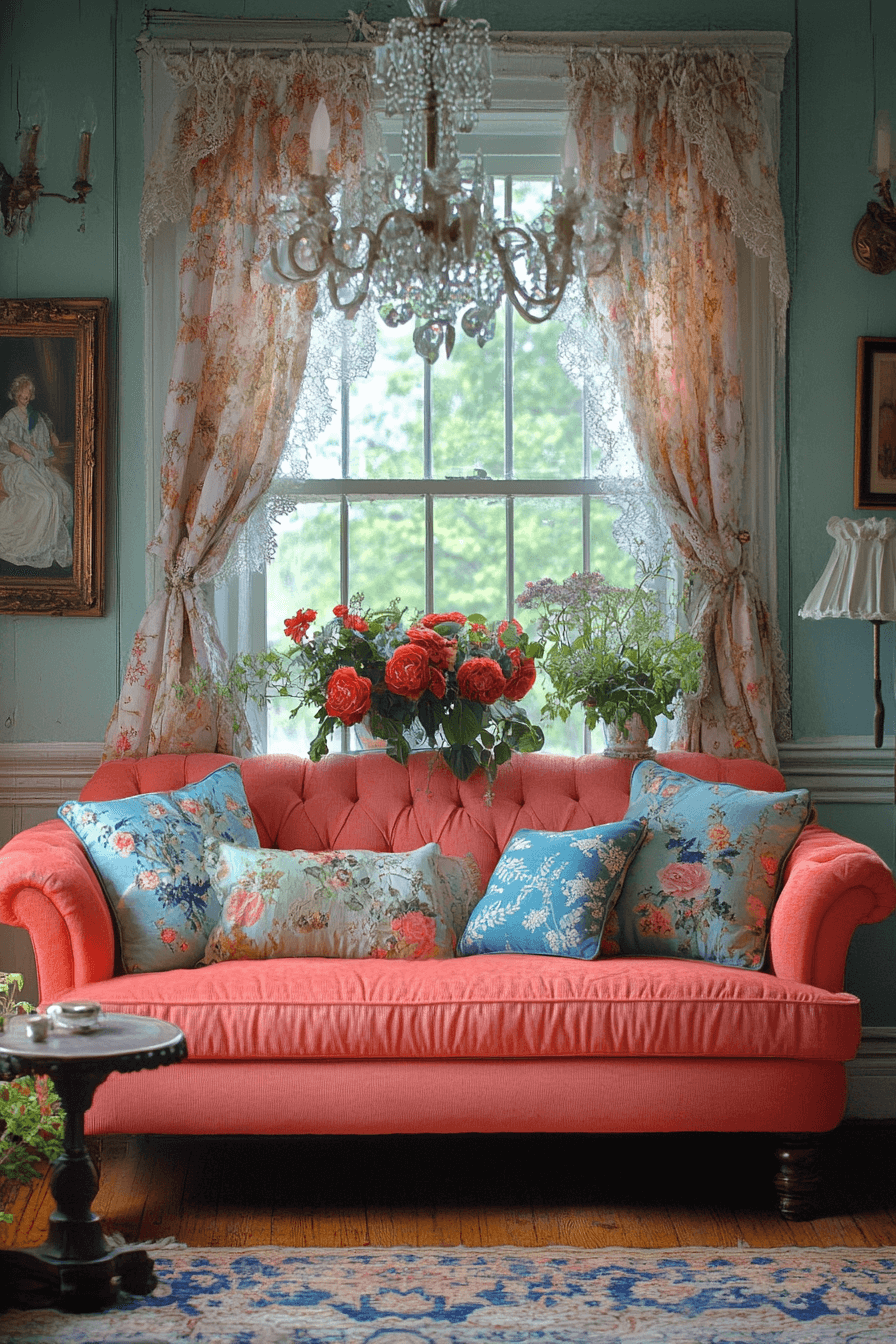
Soft coral hues paired with pastel accents and floral motifs create a graceful and inviting living room. Delicate cushions and floral rugs add charm and warmth, making the space perfect for casual get-togethers. This style is light, cheerful, and effortlessly stylish.
Garnet Glamour with Luxury Touch
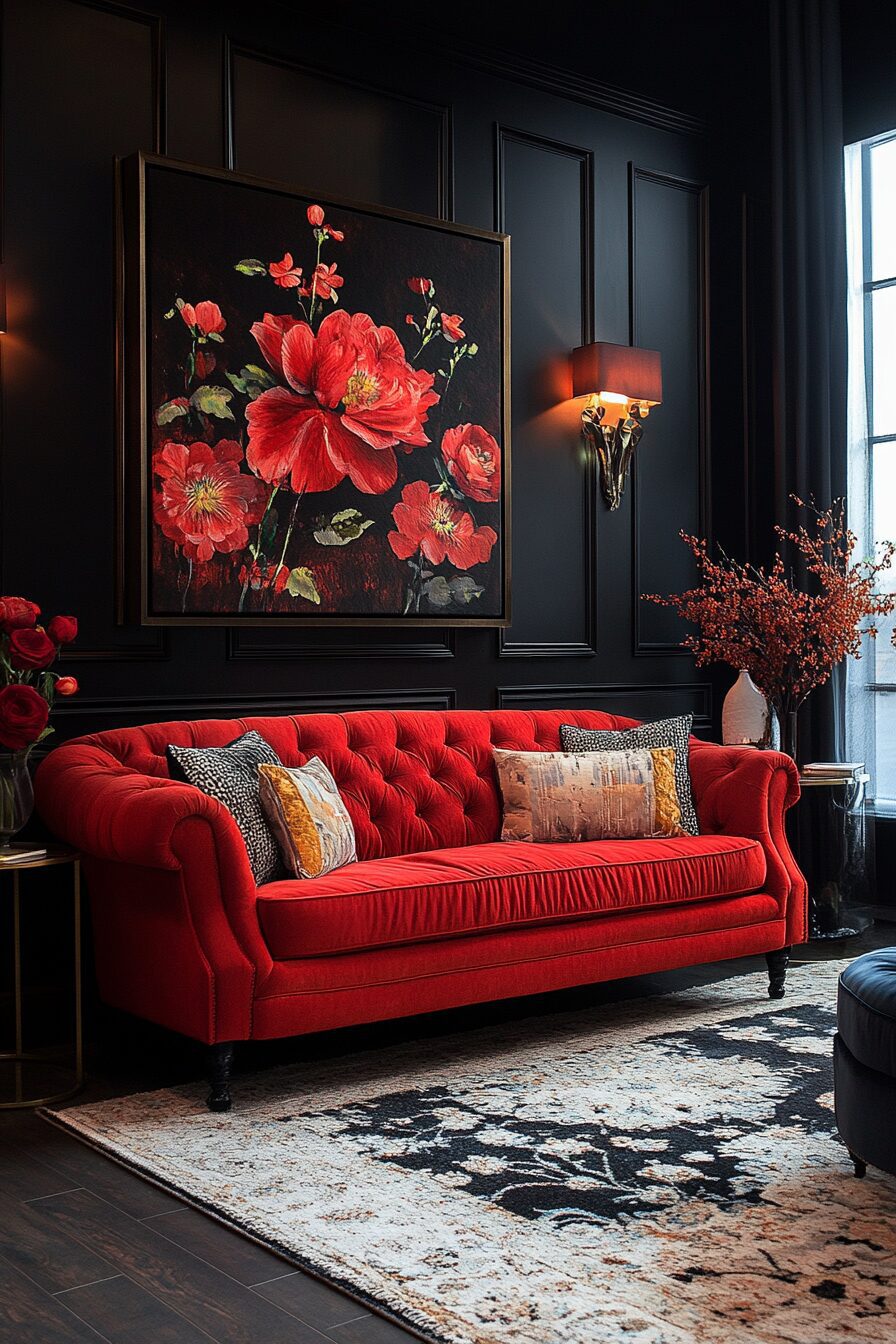
Garnet-toned sofas paired with gold or black accents create a regal and glamorous atmosphere. Soft fabrics and elegant accessories enhance the luxurious feel without the need for extravagant spending. The sofa remains the focal point, blending sophistication with approachability.
Maroon Modern Minimalist Retreat
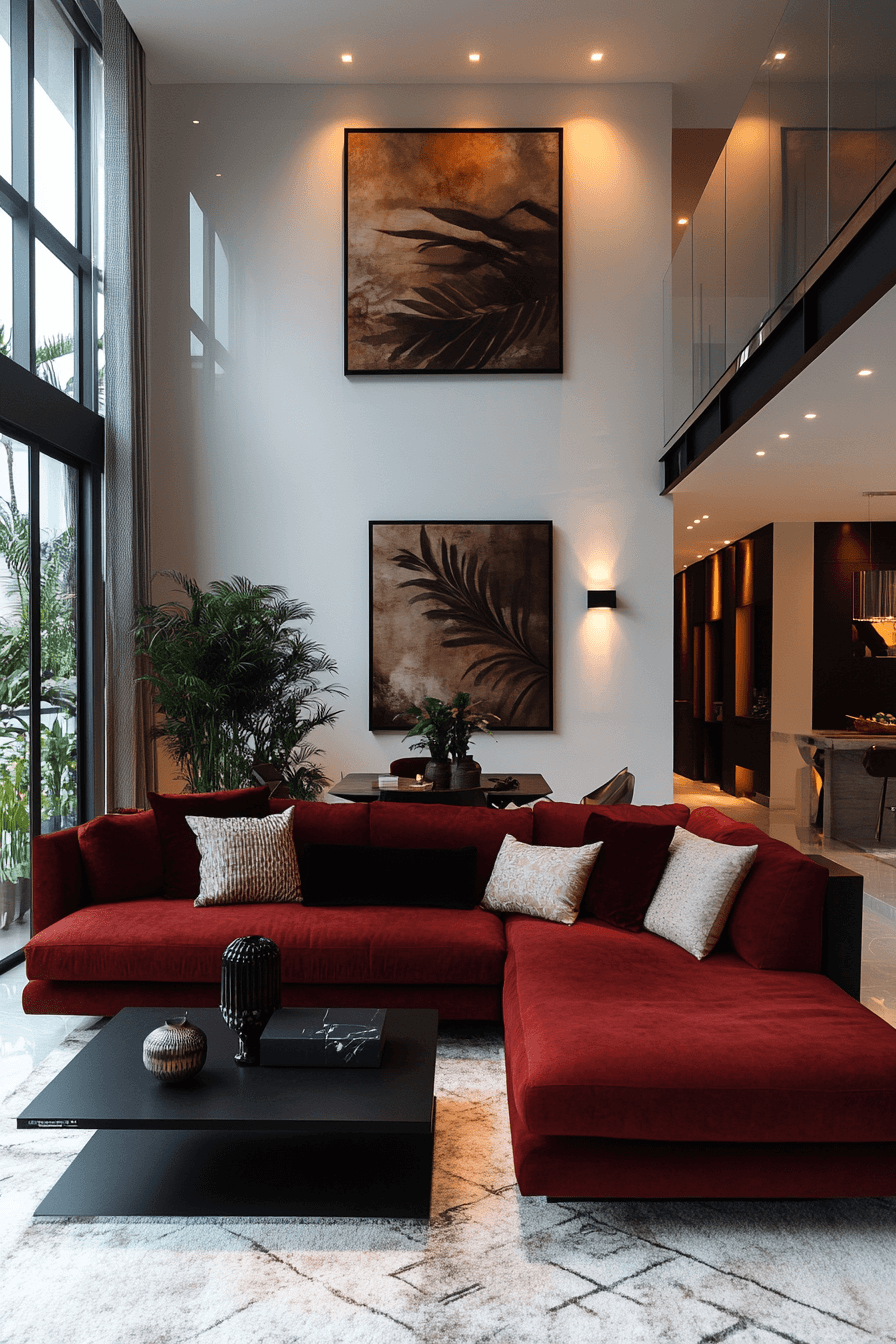
Maroon sofas bring depth and modernity to minimalist living rooms. Pair with neutral walls and sleek furniture to highlight the sofa’s richness while maintaining a fresh, uncluttered look. Functional decor like simple lamps and minimalist art complete the contemporary vibe affordably.
Sunset Scarlet Creative Space
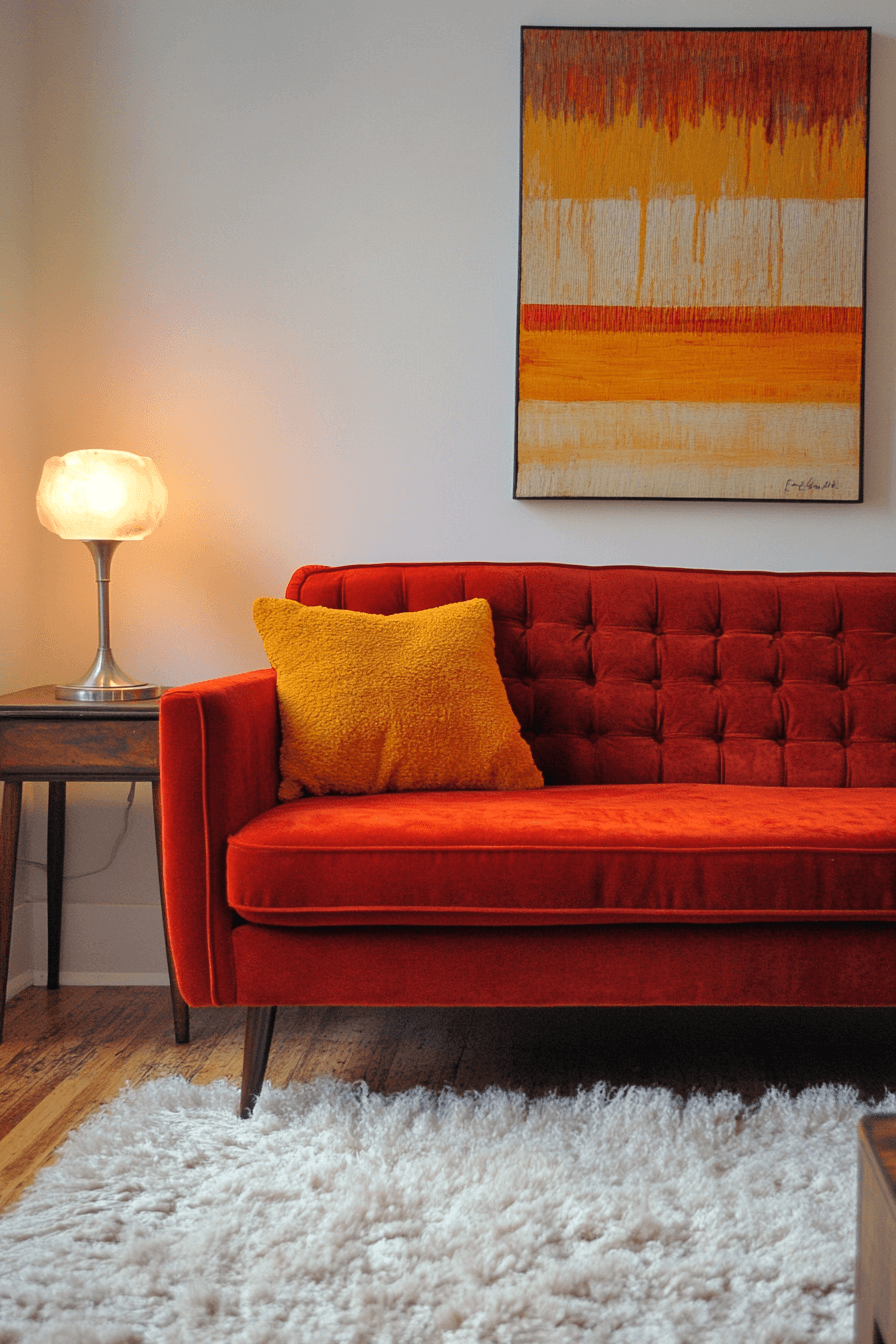
Inspired by the warm hues of a sunset, scarlet sofas energize creative studios or living rooms. Artistic accents and versatile furniture pieces make the space ideal for both relaxation and inspiration. Soft lighting enhances the ambiance, keeping the design simple and budget-friendly.
Brick Red Rustic Elegance
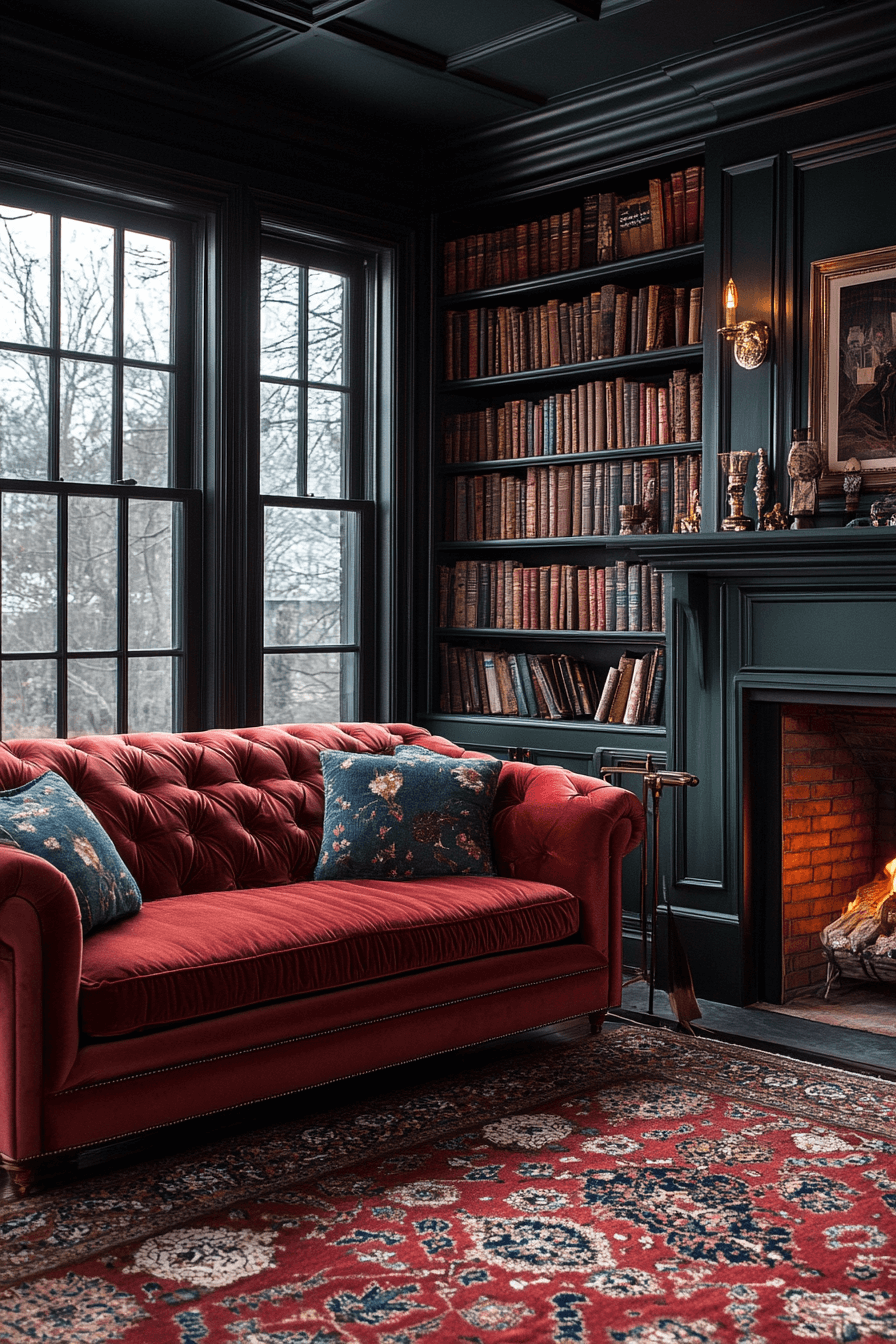
Brick red sofas paired with classic furniture and simple decor create a timeless, rustic charm. Soft lighting and cozy textiles enhance the inviting atmosphere, perfect for intimate gatherings or quiet evenings. This look is elegant yet easy to achieve without costly renovations.
Bold Blood Red Youthful Vibe
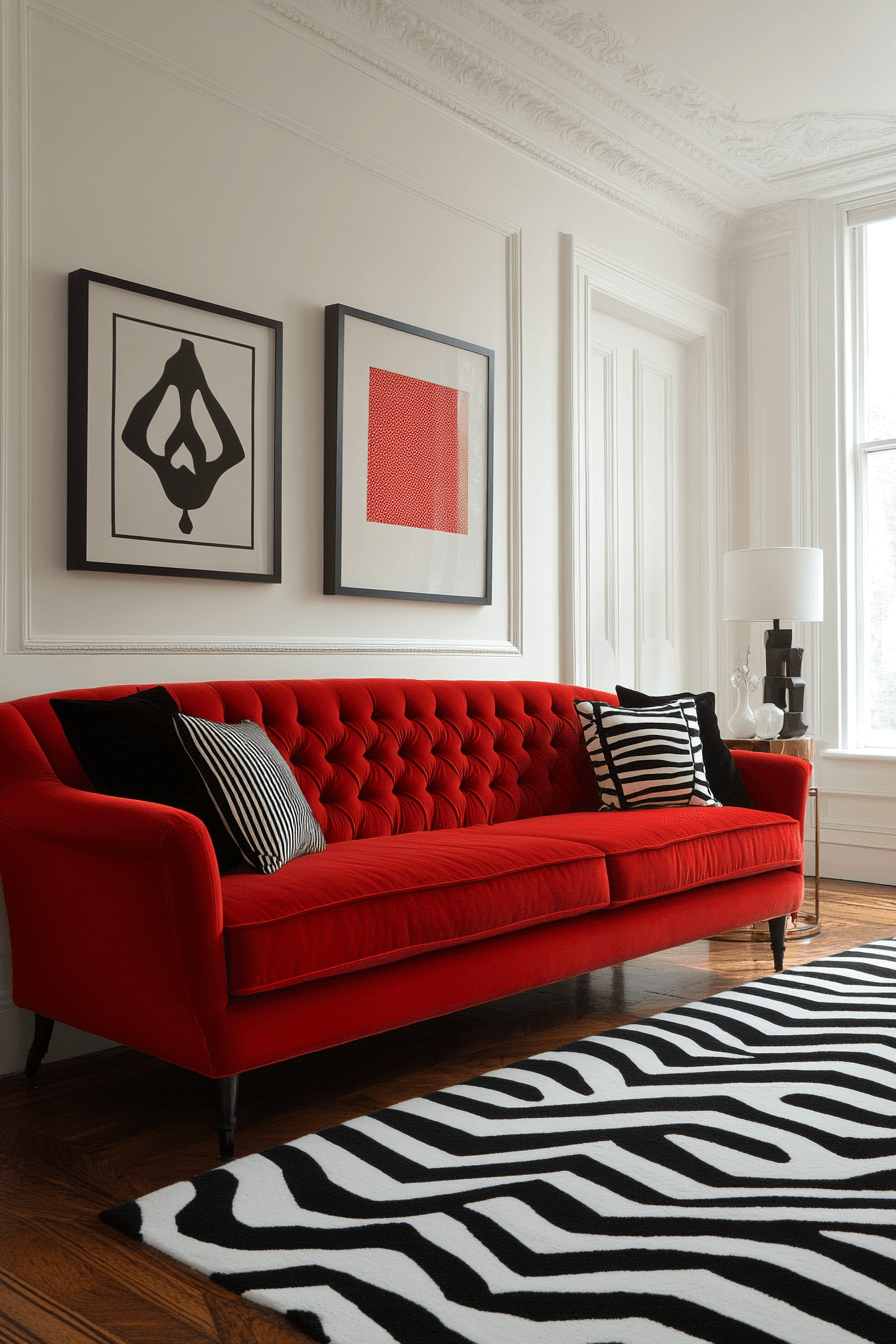
Bright blood red sofas create a lively and youthful atmosphere. Combine with striking artwork and modern furnishings to keep the energy high and the design fresh. Affordable accessories help maintain balance, ensuring the sofa remains the vibrant heart of the room.
Wine Red Warmth and Hospitality
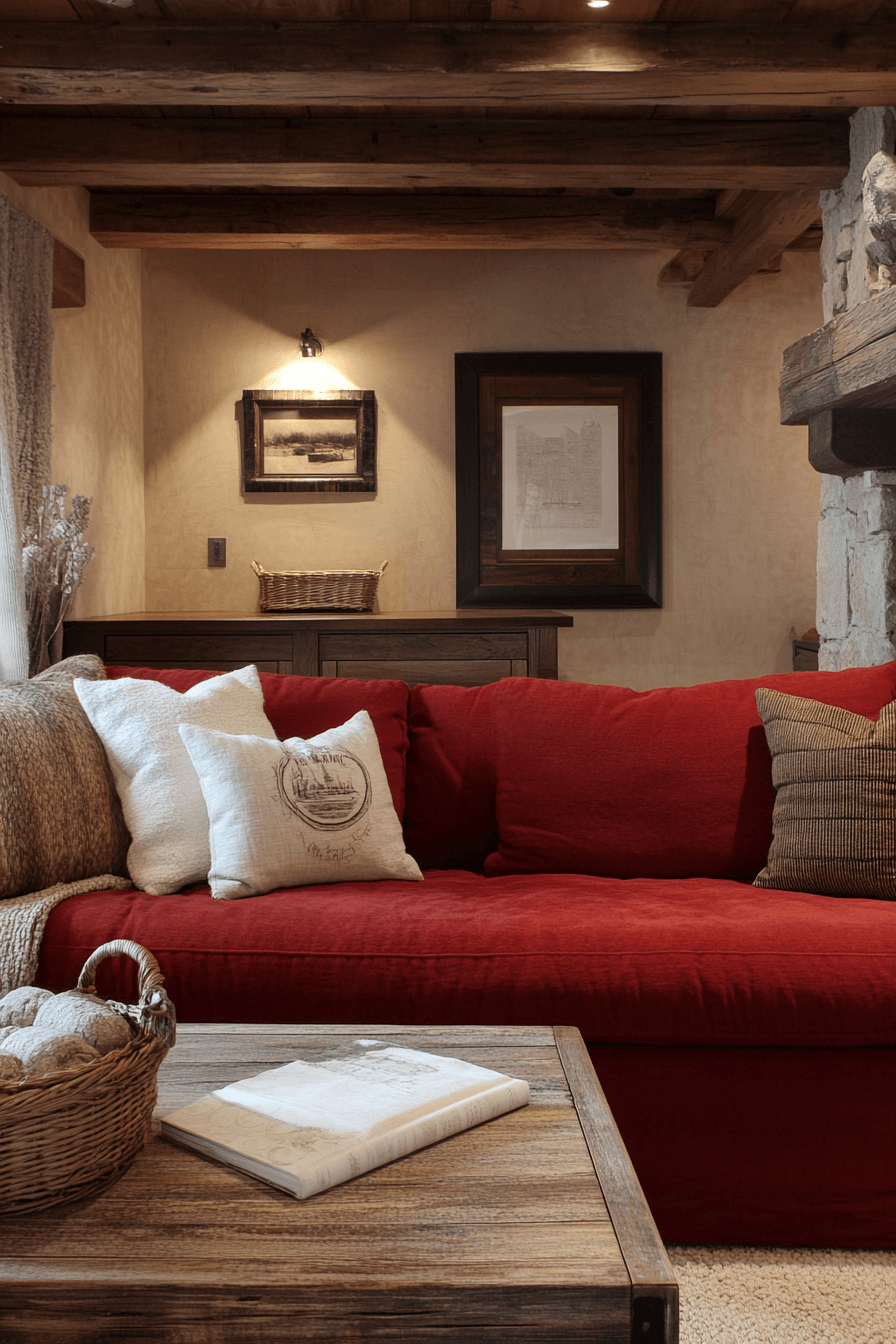
Wine-toned sofas exude warmth and welcome, setting a cozy tone for family and friends. Plush fabrics and inviting throws keep the space stylish yet approachable. Neutral accents highlight the deep red without overwhelming the room, creating a homely and affordable design.
Plush Persimmon Comfort Zone
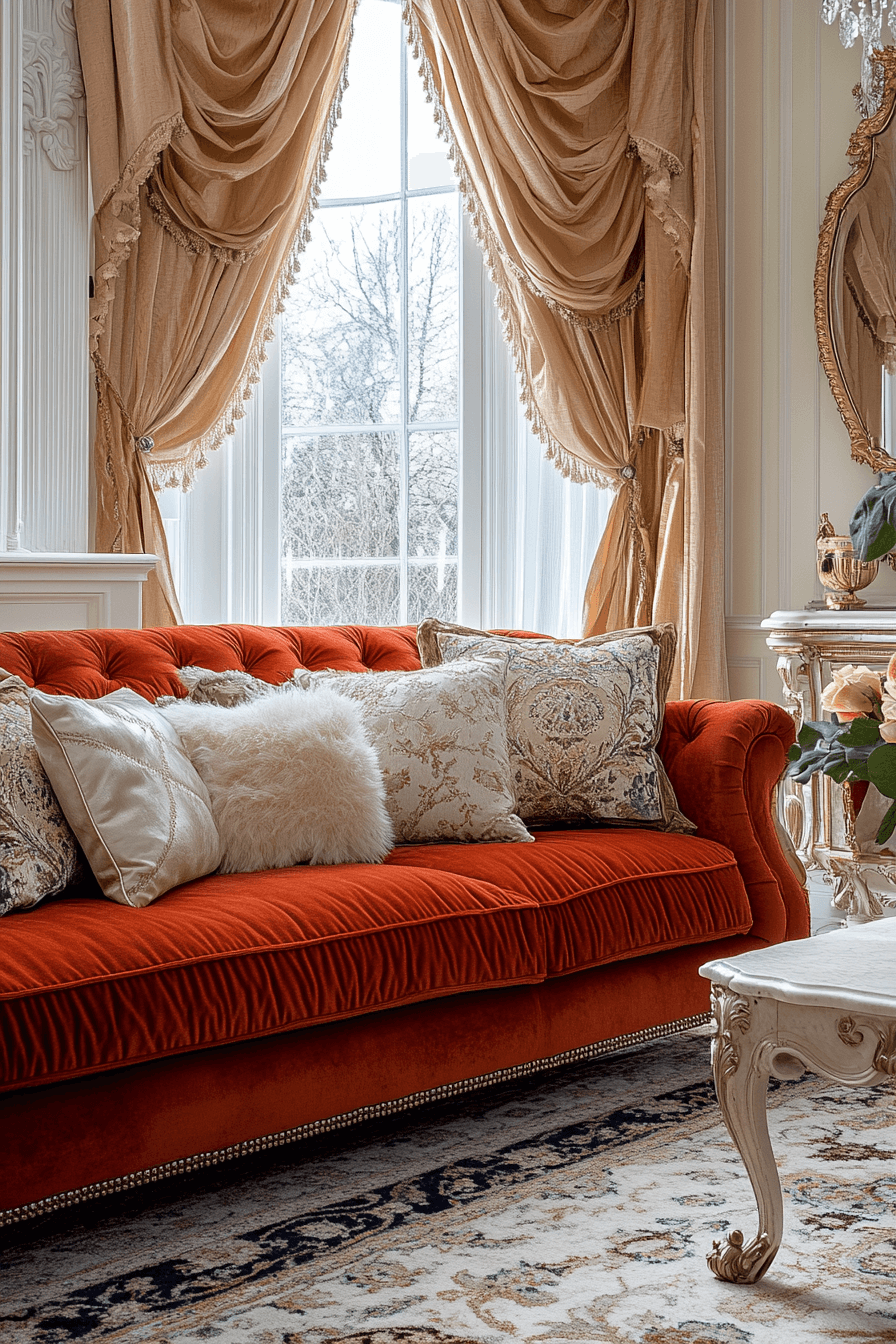
Persimmon-hued sofas blend luxury with comfort effortlessly. Plush textiles and soft fabrics emphasize the sofa’s appeal, while simple complementary colors add depth. Cozy rugs and accent pillows enhance the inviting atmosphere without requiring a large budget.
Radiant Raspberry Playful Space
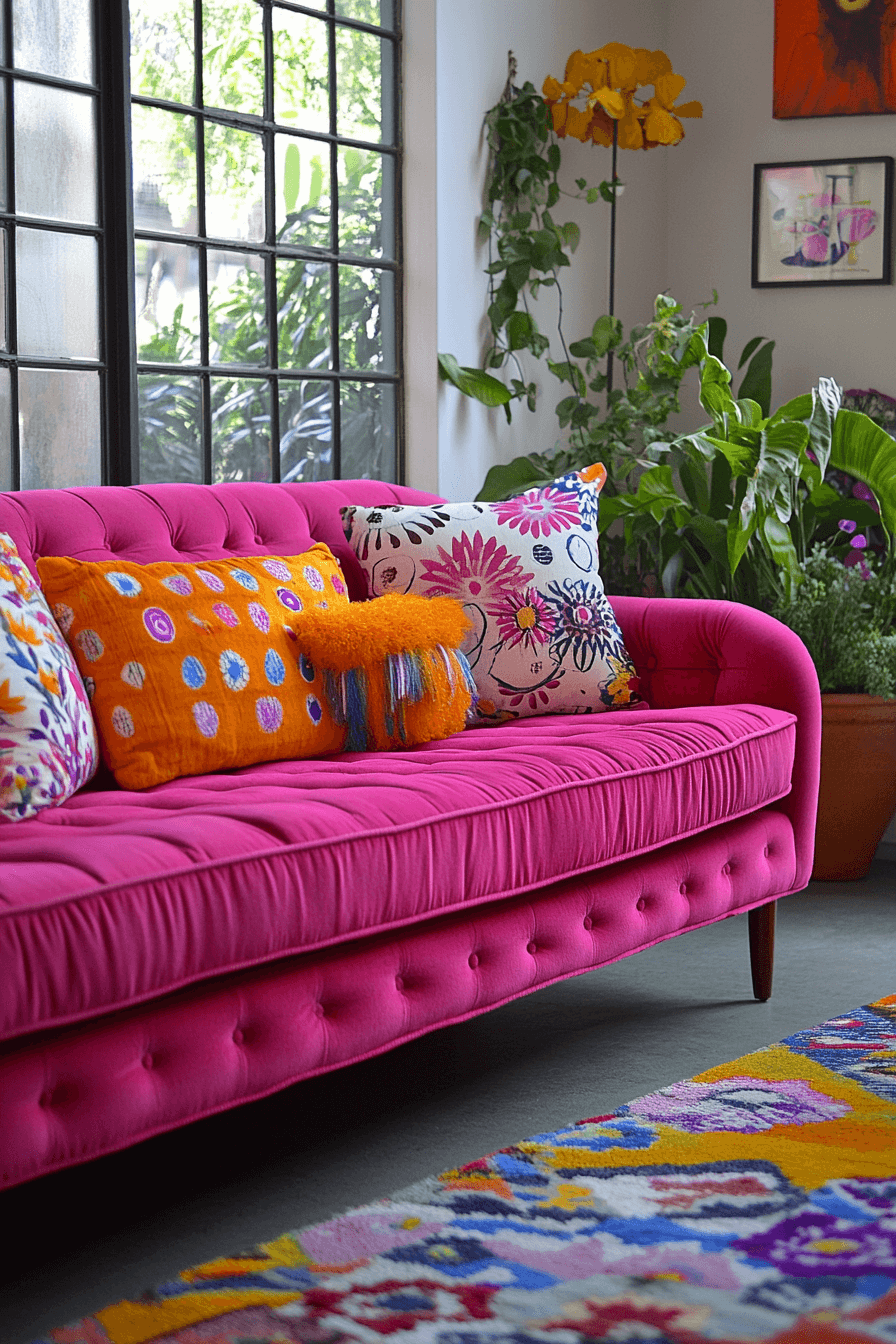
Raspberry tones bring a playful and fresh energy to your living room. Pair with light grays and whites to keep the look bright and cheerful. Incorporate affordable patterned accessories and soft furnishings to maintain a fun yet practical design full of personality.
Tomato Tint Earthy Balance
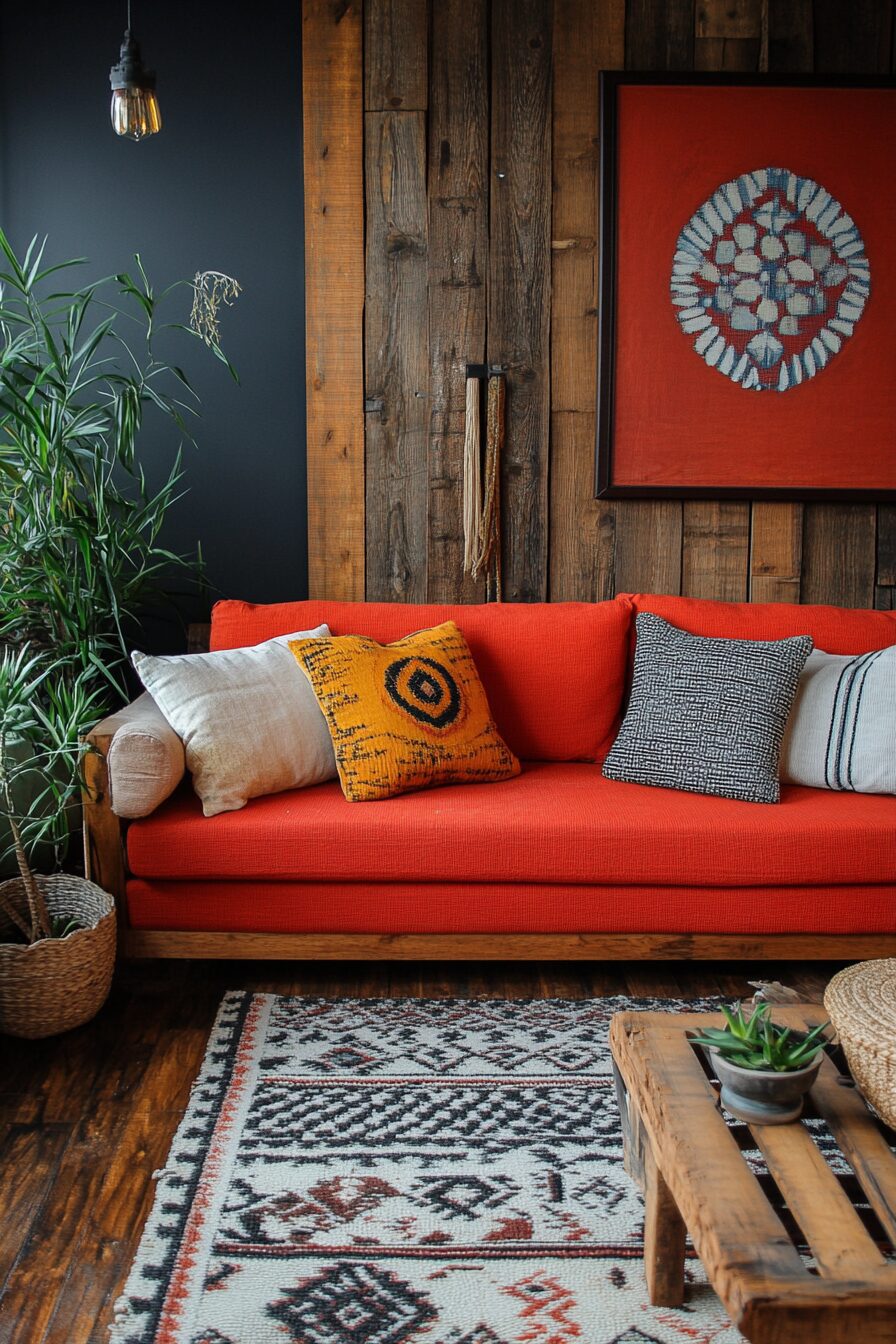
Tomato-red sofas combine vibrant energy with grounded earth tones. Use neutral palettes and natural textures to balance the bold color, creating a warm and modern vibe. Simple furniture and organic materials keep the design accessible and inviting.
Carmine Cosmopolitan Urban Style
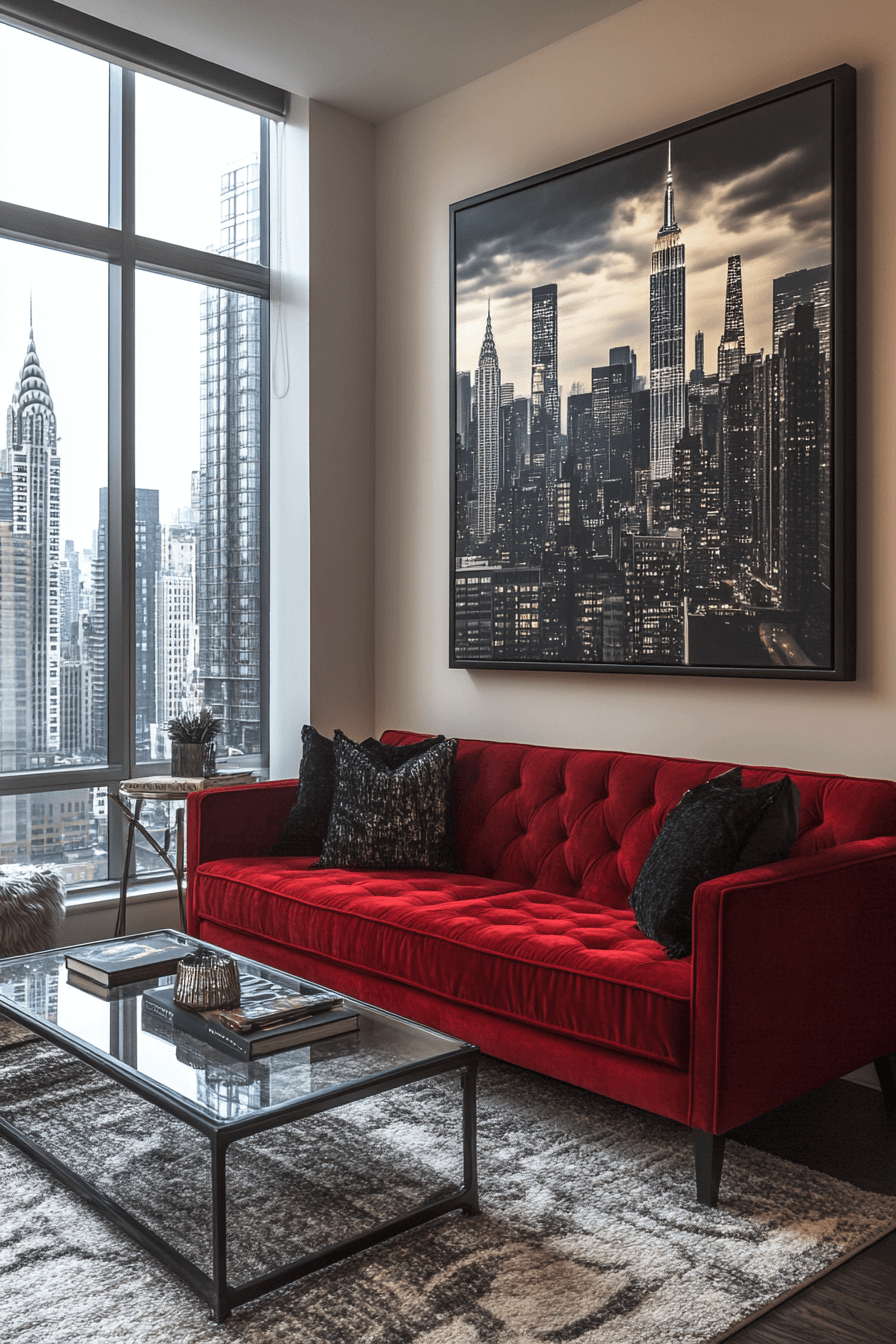
Carmine-red sofas bring urban sophistication to your living room. Combine with chic black accents, metallic finishes, and modern furniture for a cosmopolitan feel. Affordable decor options make it easy to achieve a sleek, stylish look that’s perfect for city living.
Velvet Red Vogue Lounge
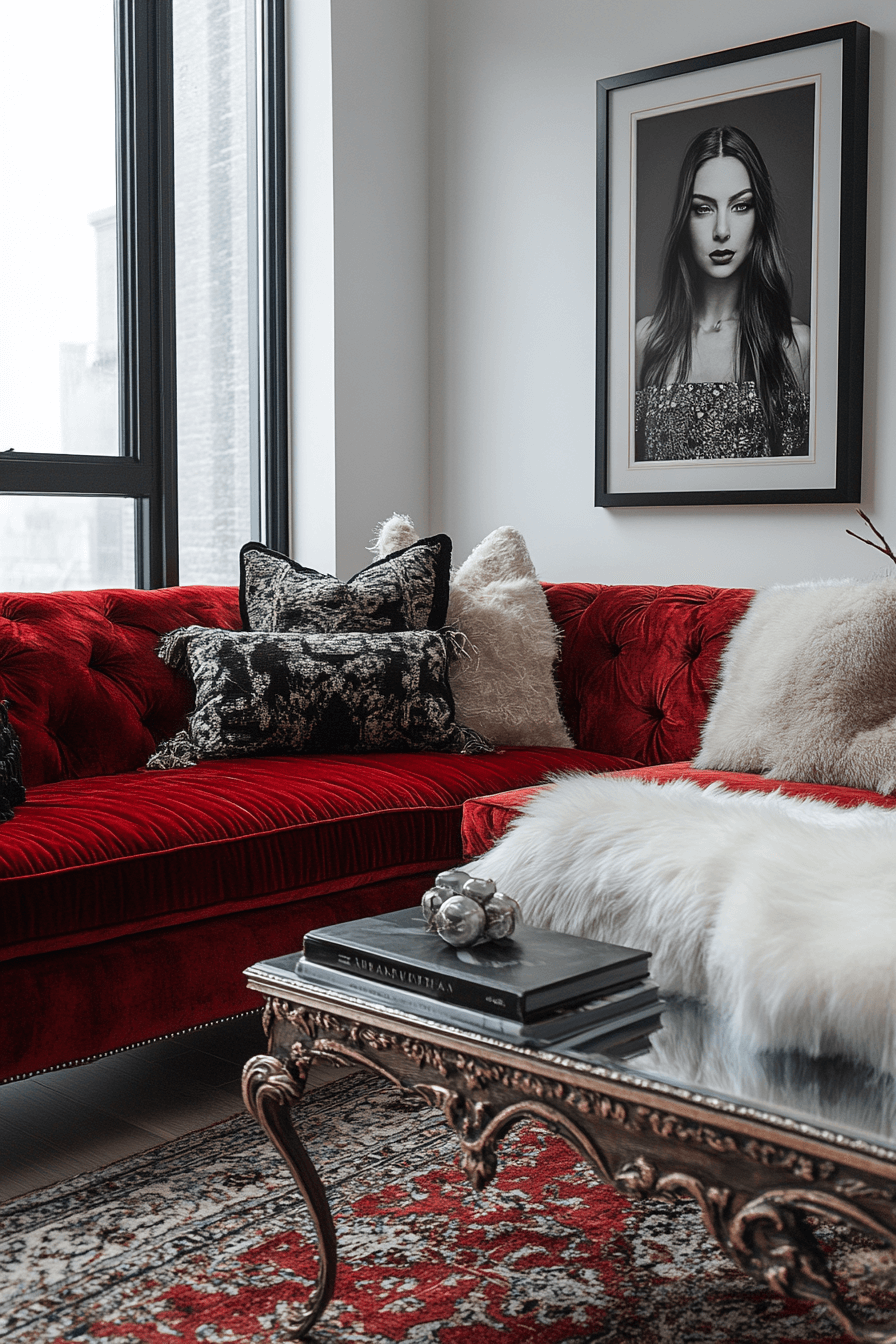
Velvet red sofas exude luxury and style. Pair with glamorous accessories and dramatic lighting to create a high-end yet comfortable space. Plush materials and elegant touches elevate the room without breaking the bank, making it perfect for everyday indulgence.
Strawberry-Hued Stylish Suite
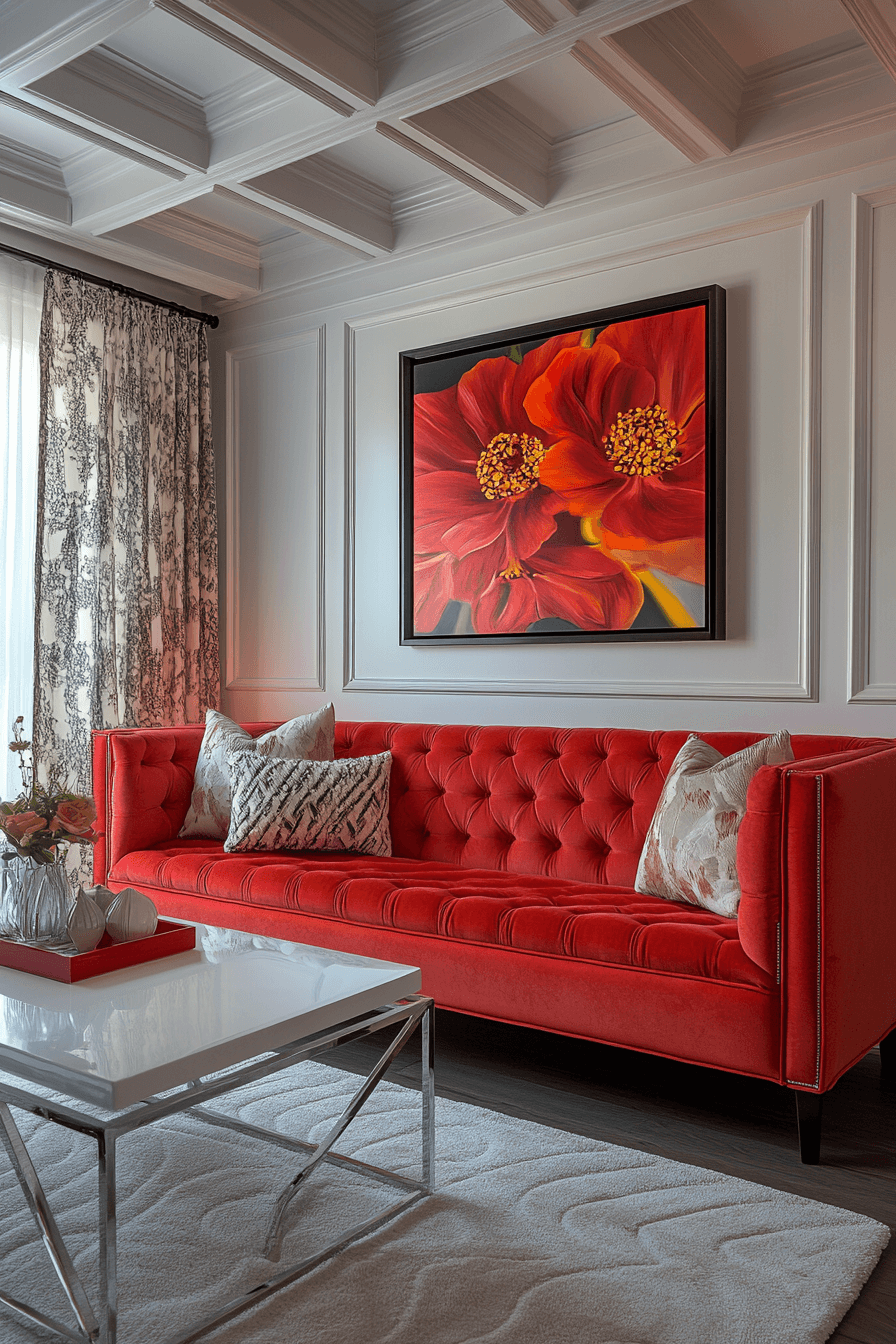
Strawberry-toned sofas bring a trendy and vibrant energy to your living room. Accents in teal or yellow add freshness and playfulness, while simple furniture keeps the sofa as the focal point. This design is lively, stylish, and full of character.
Firebrick Fusion Eclectic Style
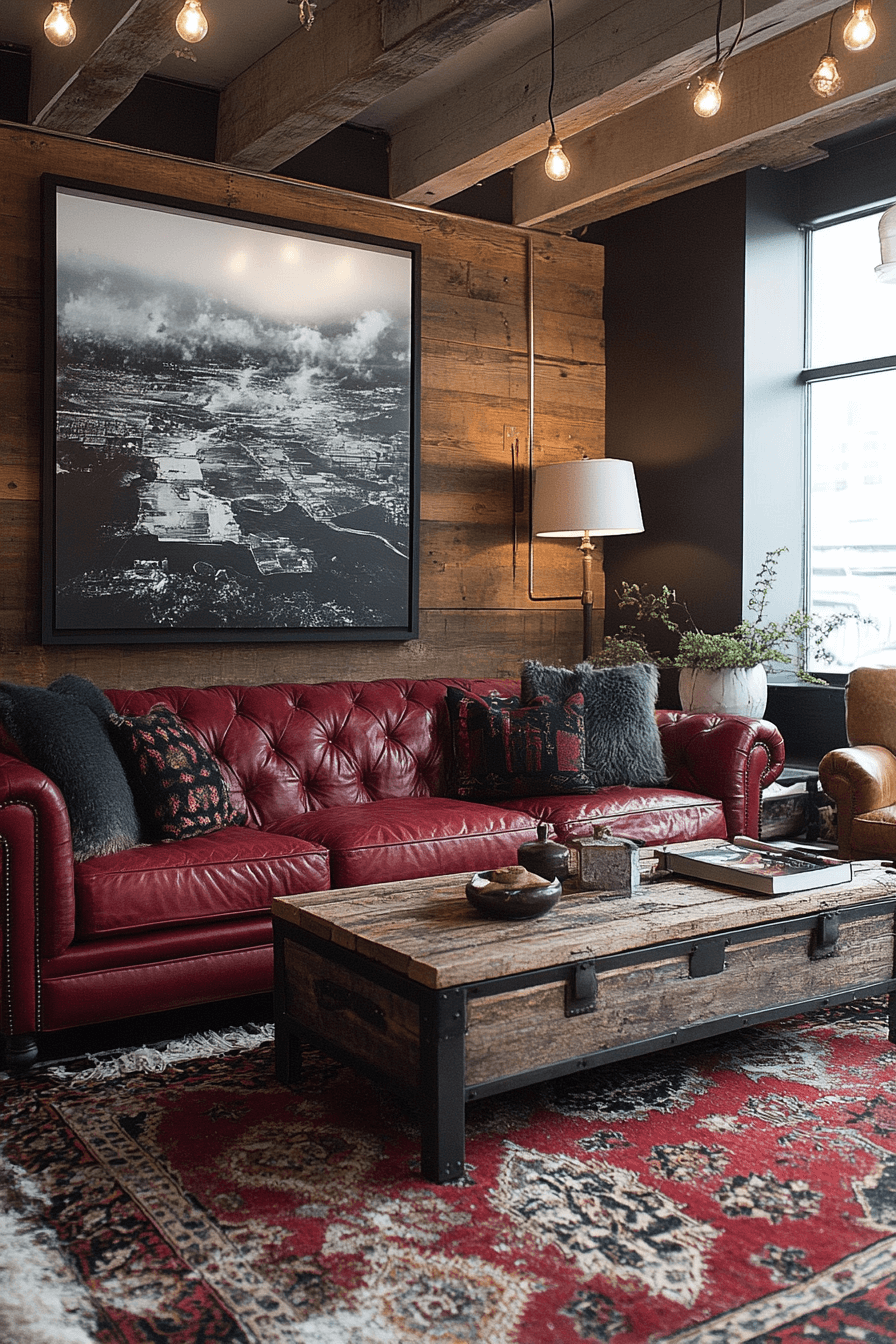
Firebrick-red sofas anchor an eclectic living room that blends rustic wood with modern art. This fusion creates a warm, personalized space full of character. Affordable accessories help merge old and new styles seamlessly, making the design both unique and budget-friendly.
Red Ochre Earthy Cozy Oasis
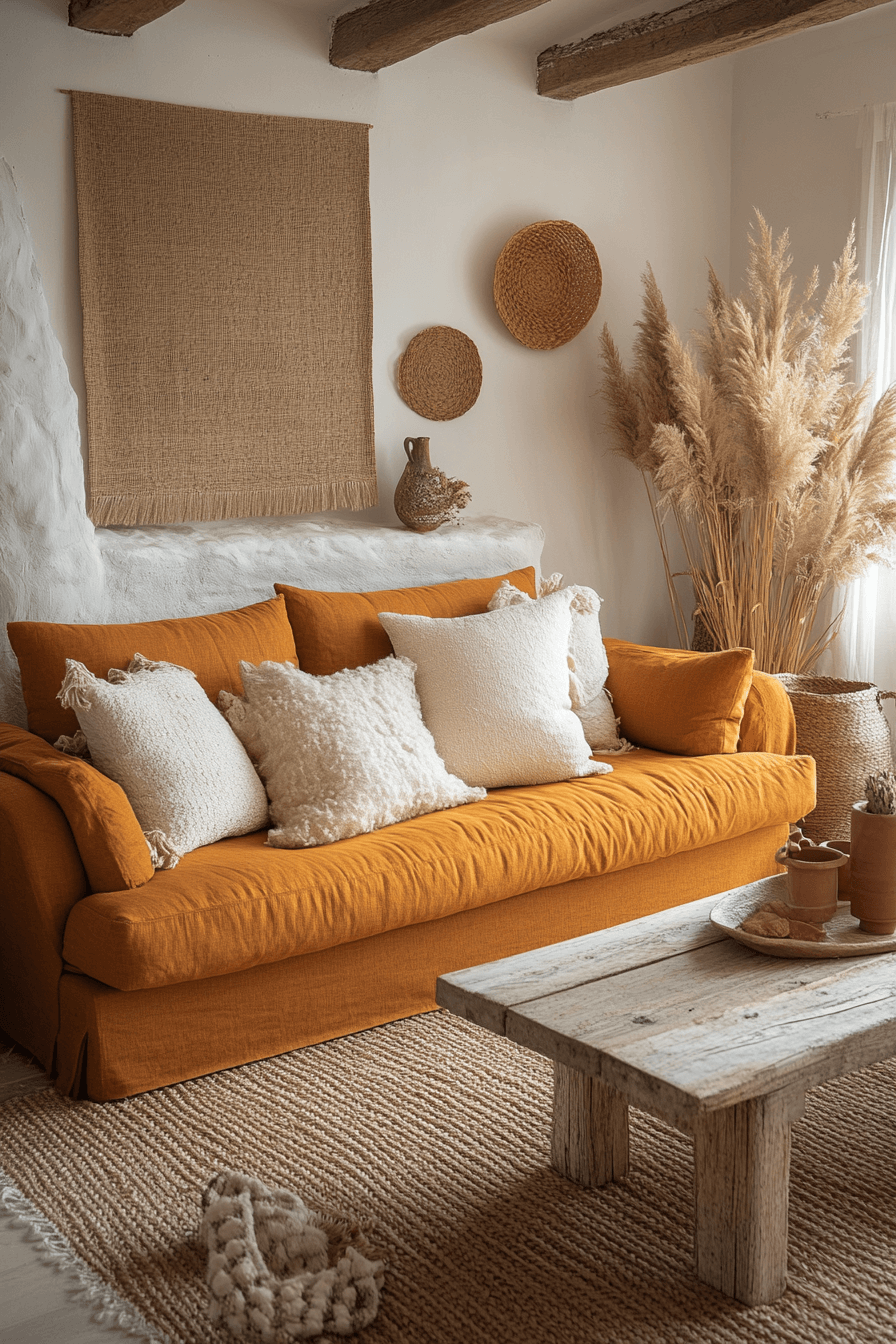
Earthy red ochre sofas create a grounded and cozy atmosphere. Organic textures and neutral tones complement the deep red naturally. Incorporate soft leathers and woven fabrics to keep the space stylish and inviting without extra expense. The sofa becomes a comforting anchor radiating natural charm.
Deep Red Deluxe Living Space
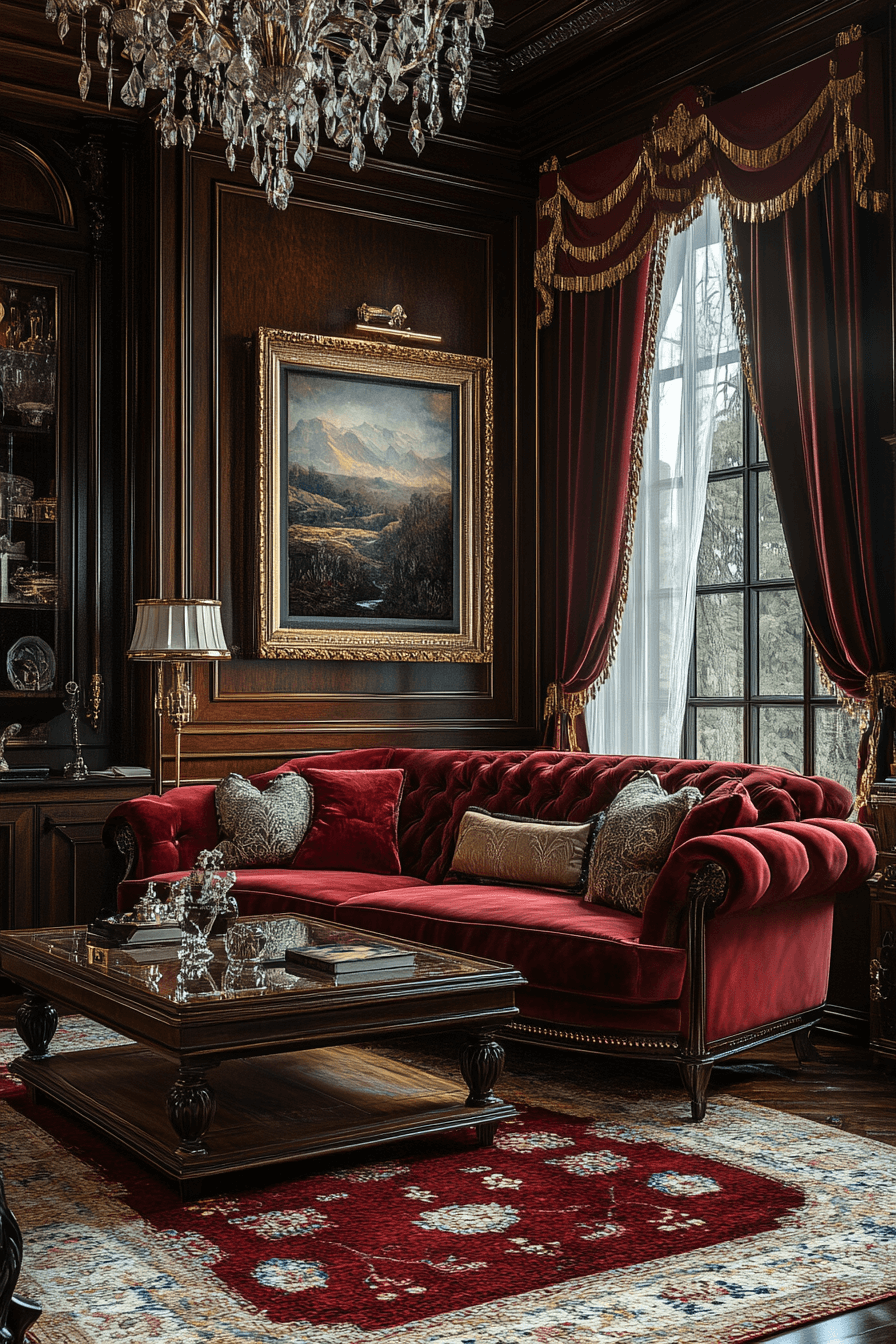
Deep red sofas combine opulence with comfort effortlessly. Plush fabrics, dramatic lighting, and rich accents create a luxurious ambiance without complexity. The sofa serves as the room’s centerpiece, with a few carefully chosen accessories completing the sophisticated look.
Vermilion Vitality Lively Lounge
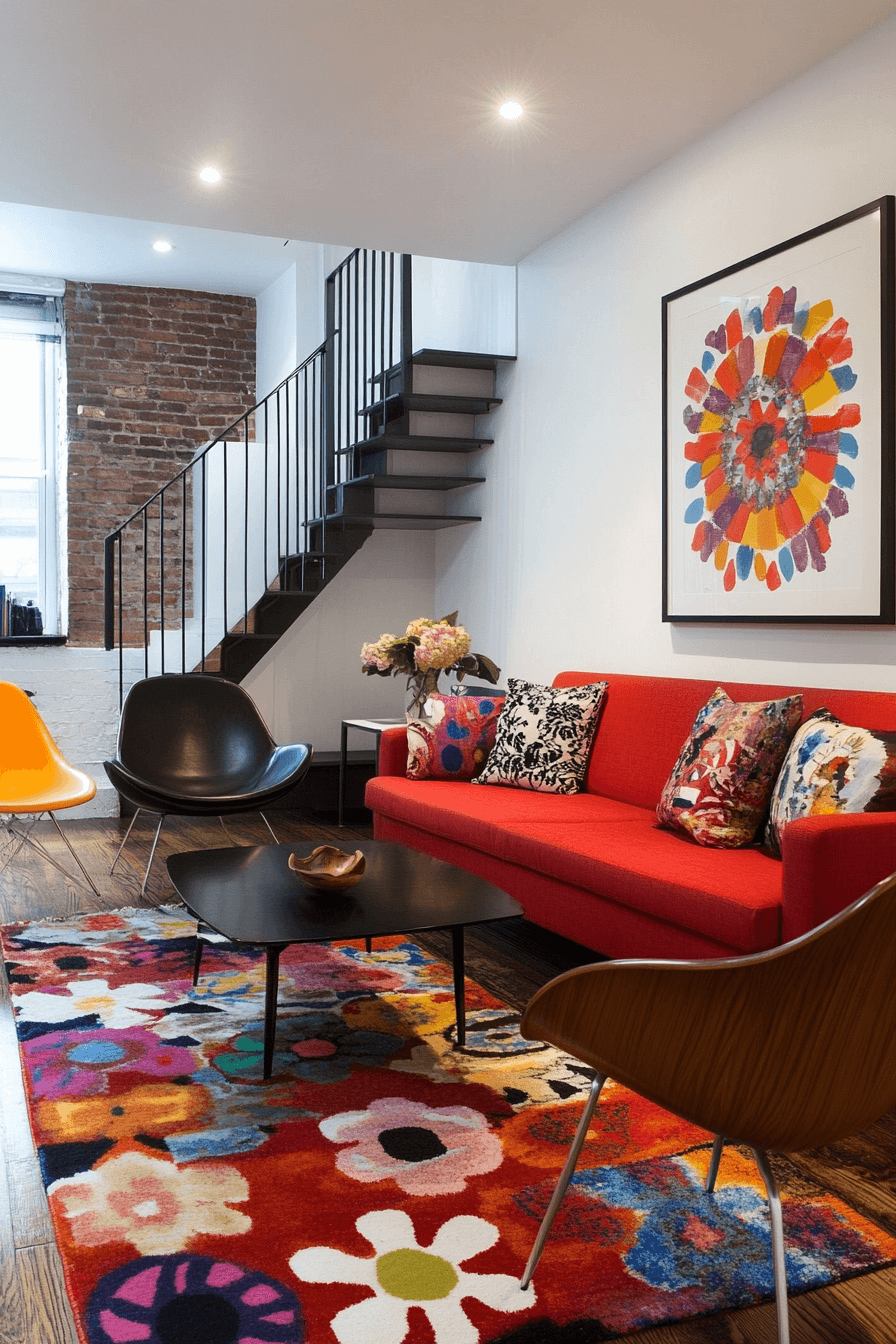
Vermilion-red sofas infuse your living room with vibrant energy. Bold artwork and dynamic accessories echo the sofa’s lively color, creating a cheerful and youthful atmosphere. Affordable decor pieces keep the style accessible and perfect for casual socializing.
Pomegranate Posh Elegance
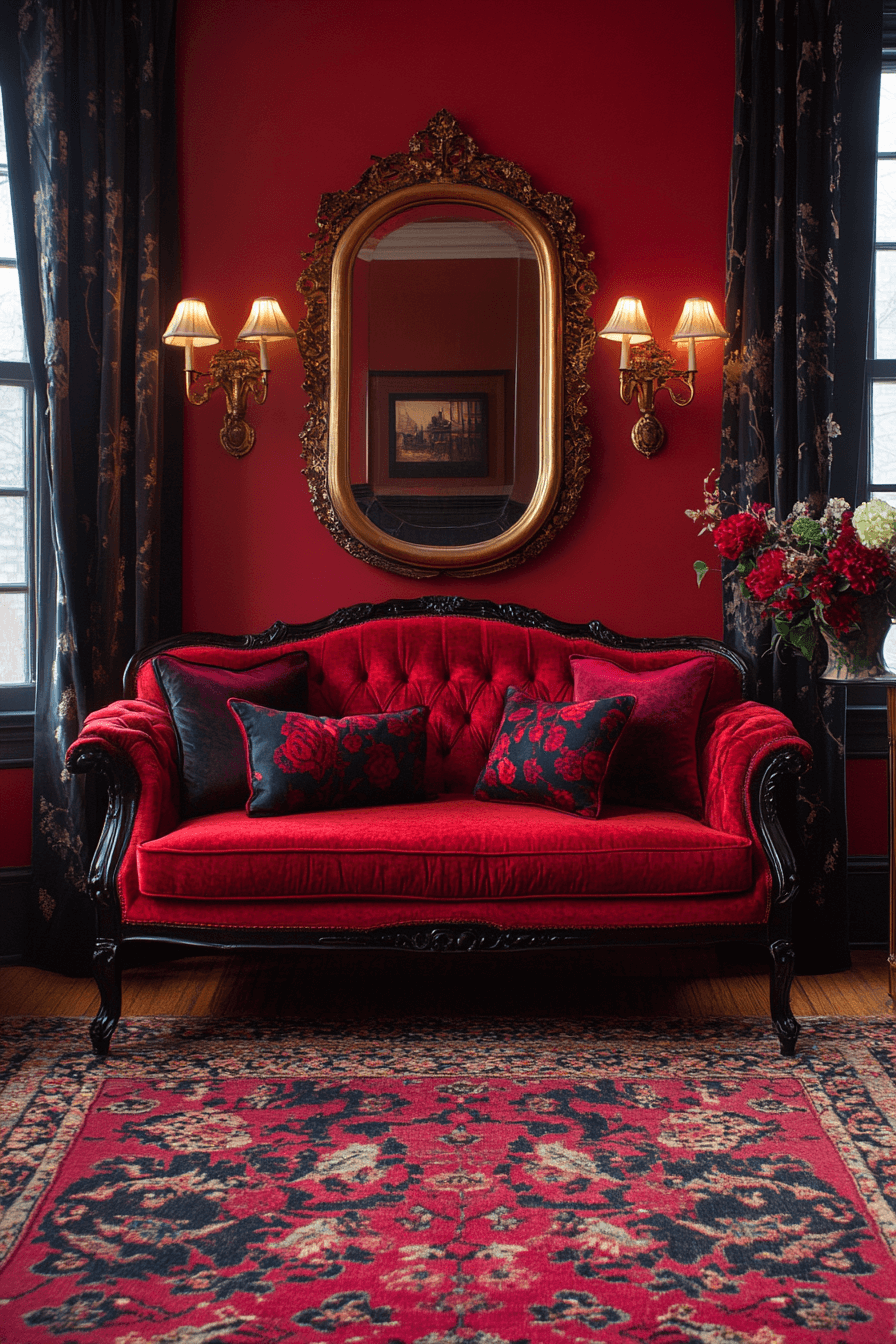
Pomegranate-red sofas blend richness with exotic sophistication. Luxurious fabrics and chic accents create a glamorous ambiance, while subtle patterns and textures add depth without overwhelming the space. The sofa remains the star, offering both comfort and style.
Cinnabar Chic Minimalist Living Area
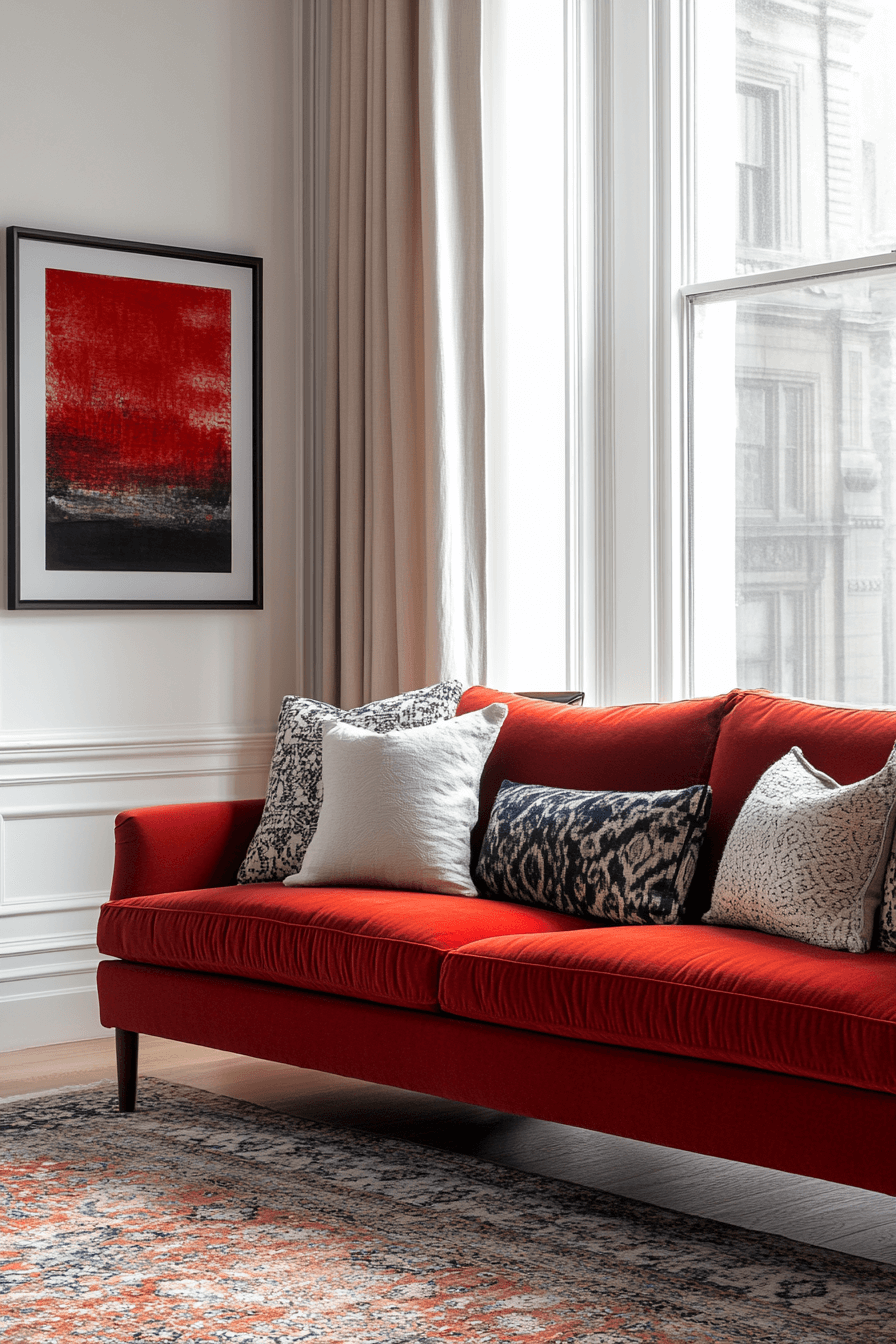
Cinnabar-red sofas highlight bold simplicity in a minimalist setting. Balanced with muted grays and blacks, the vibrant sofa creates a striking visual impact. Sleek furniture and minimal decor ensure the sofa remains the focal point, making this style both fashionable and easy to replicate with budget-friendly touches.
Incorporating a red sofa into your living room instantly injects warmth, energy, and personality. This bold color choice transforms ordinary spaces into inviting retreats filled with style and vibrancy. By pairing your red sofa with complementary accents and thoughtful decor, you can create a joyful, comfortable environment that reflects your individuality and enhances everyday living.
For those looking to shop for the perfect red sofa or accessories to complement your design, explore options on Amazon’s red sofa collection, throw pillows, and cozy blankets to find stylish, affordable pieces that bring your vision to life.