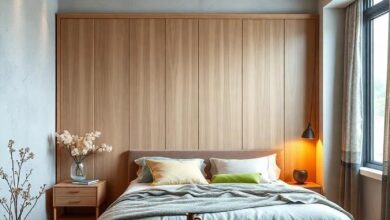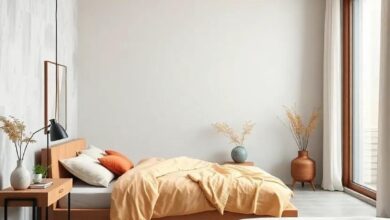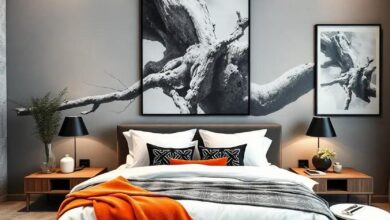
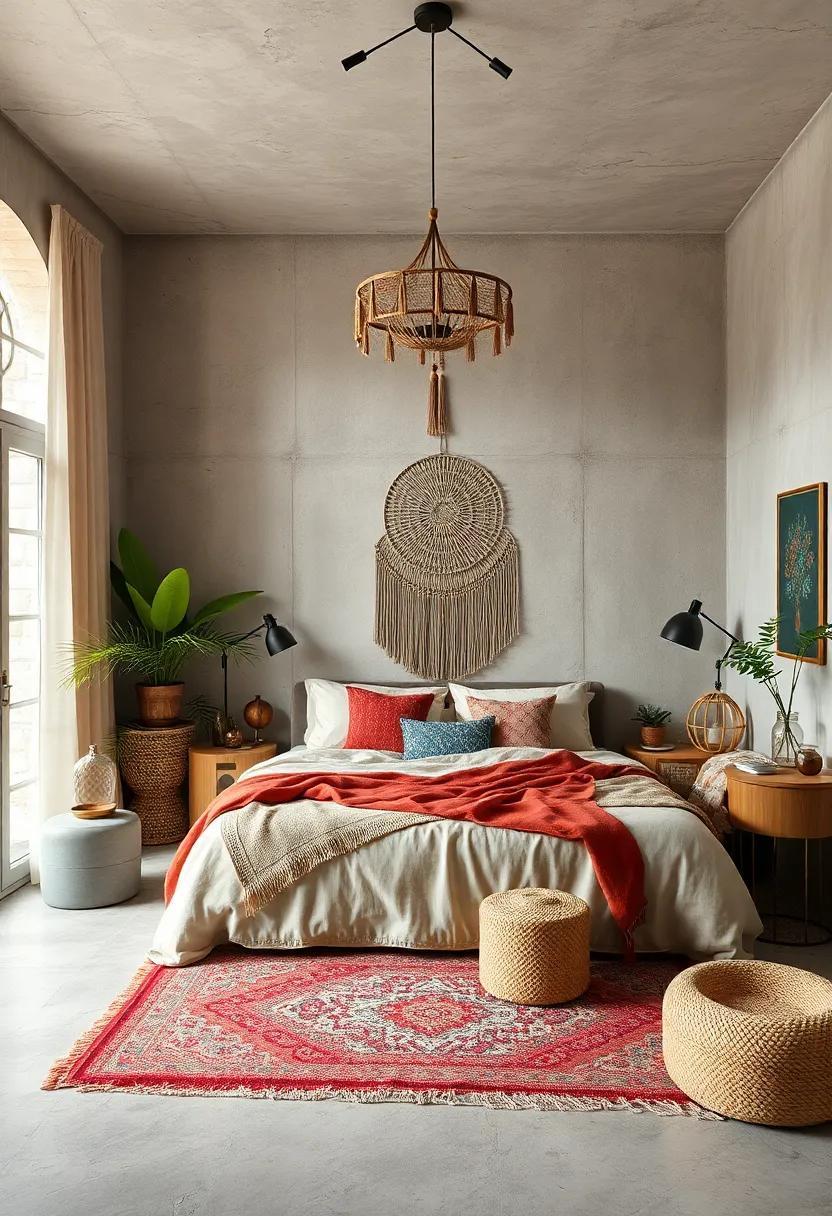
In a world that often feels bound by conventions and uniformity, the bedroom stands as a sanctuary for personal expression and comfort. Embracing freedom through design, a boho bedroom infused with eclectic charm becomes more than just a place to rest-it transforms into a vibrant canvas where individuality and creativity intertwine. This blend of bohemian warmth and diverse stylistic influences invites a refreshing harmony, creating a space that tells stories, celebrates uniqueness, and invites you to unwind in surroundings as free-spirited as your own journey. Explore how this fusion of styles crafts an inspiring retreat that honors both comfort and character.
Embracing Natural Light and Airy Spaces with Flowing Sheer Curtains and Ethereal Fabrics in a Boho Bedroom
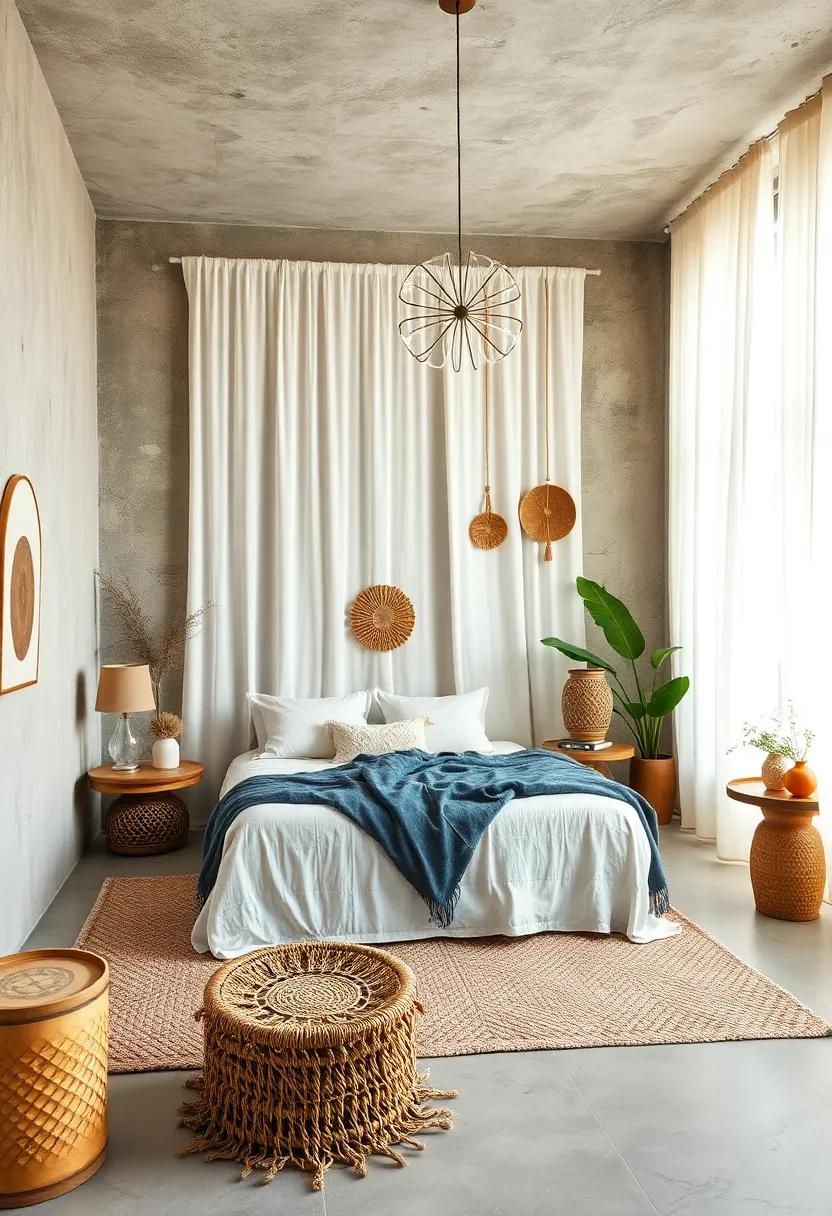
Imagine a sanctuary where sunlight diffuses softly through drifting sheers, casting playful shadows across textured rugs and handwoven throws. Flowing, translucent fabrics invite a gentle breeze, creating an ever-changing dance of light and movement that breathes life into the room. These airy curtains soften harsh edges and blend perfectly with the natural elements central to boho style-wooden accents, abundant greenery, and vintage finds-making the space feel both expansive and intimately connected to the outdoors.
To cultivate this ethereal vibe, focus on layering materials that whisper rather than shout: think gauzy linens, delicate cotton voile, or lace with intricate patterns. Pair these fabrics with rustic curtain rods and tiebacks made from natural fibers like jute or raffia to enhance the handcrafted aesthetic. Incorporate elements such as:
- Muted earth tones to anchor the palette and enhance calmness
- Textured throws and pillows to add tactile depth without overwhelming visual lightness
- Organic shapes in furniture and décor to mirror the fluidity of the curtains
This interplay of light, air, and texture transforms the boho bedroom into a sanctuary of freedom and serenity, echoing a carefree spirit while maintaining a curated, soulful style.
Layers of Colorful Textures with Kilim Rugs, Woven Baskets, and Artisan Throws for an Eclectic Bedroom Atmosphere
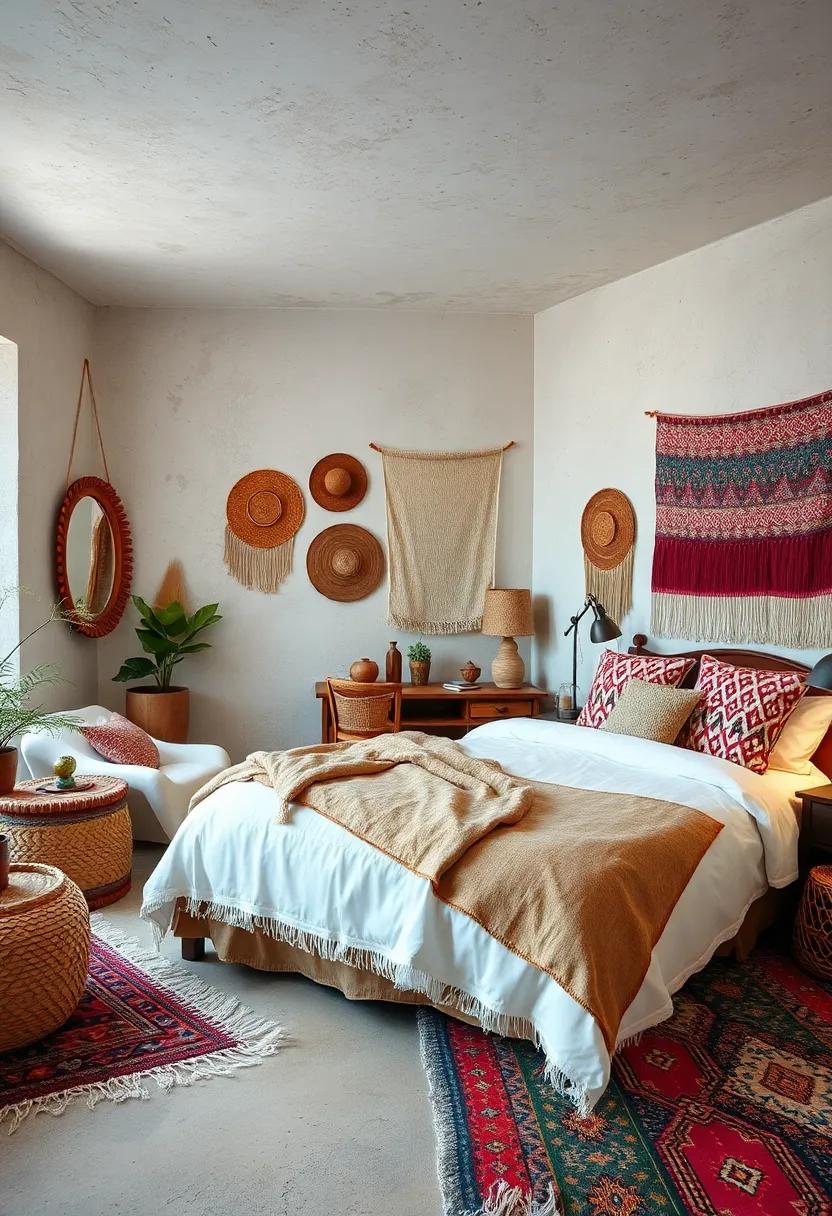
Transform your bedroom into a vibrant sanctuary by incorporating layers of texture and color that tell a story of wanderlust and artisanal heritage. Kilim rugs, with their intricate geometric patterns and rich hues, lay down a foundation that feels both grounded and globally inspired. Complementing these are woven baskets, which effortlessly add depth with their organic textures and serve as functional art pieces. When draped casually across beds or chairs, artisan throws inject warmth and personality, their hand-spun fibers and hand-dyed designs celebrating craftsmanship and uniqueness.
To customize your eclectic bedroom texture palette, consider mixing and matching these elements:
- Kilim Rugs: Bold reds, indigos, and mustard tones enhance earthy color schemes.
- Woven Baskets: Natural fibers in varying weaves add tactile interest and storage solutions.
- Artisan Throws: Soft, layered textures in complementary patterns provide cozy elegance.
| Accent Element | Typical Materials | Primary Benefits |
|---|---|---|
| Kilim Rugs | Wool, Natural Dyes | Adds cultural depth and bold color palettes |
| Woven Baskets | Seagrass, Rattan, Bamboo | Organic texture and versatile storage |
| Artisan Throws | Cotton, Wool, Hand-Dyed Yarn | Cozy layering with artistic flair |
Vintage and Modern Furniture Pieces Merged Seamlessly for a Bohemian and Eclectic Styled Bedroom Retreat
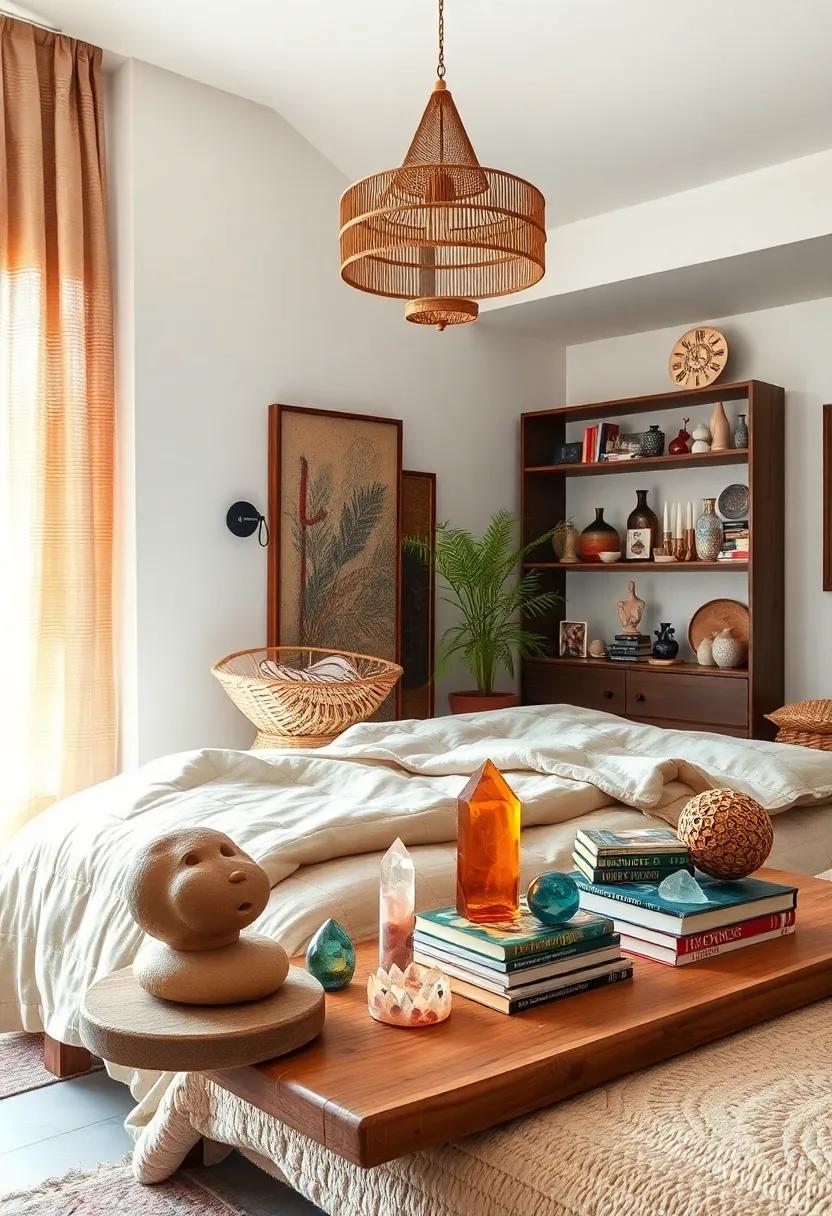
In this bedroom sanctuary, opulence meets whimsy as vintage and modern furniture pieces converse effortlessly. Imagine an antique, carved wood headboard providing a warm, time-worn silhouette against the backdrop of sleek, minimalistic nightstands crafted from reclaimed walnut. The fusion of these contrasting elements brings a narrative richness to the space, where the past and present coexist in harmony. Soft Moroccan rugs lay beneath a contemporary platform bed, their patterns echoing stories from another era yet grounding the room in today’s sensibility. Layered textiles, ranging from hand-woven throws to silky cushions in jewel tones, add tactile depth, inviting you to touch and feel the eclectic spirit alive in every corner.
The charm lies in the curated imperfection-an old brass mirror with a patina that sings of history, paired with a modern, sculptural floor lamp in matte black that casts artistic shadows. Below, consider this simple comparison of key pieces that weave the room’s dual personality:
| Vintage Element | Modern Counterpart |
|---|---|
| Distressed leather armchair | Streamlined acrylic stool |
| Hand-painted ceramic lamps | Geometric LED lighting |
| Intricate Persian rug | Neutral jute runner |
These elements, combined with a curated collection of curios and vibrant plants, cultivate a space that transcends trends. The room embodies an artful blend of eclectic freedom and timeless elegance, making every moment spent within it a journey through both memory and imagination.
Vibrant Patterns and Handcrafted Wall Hangings Bringing Artistic Flair and Global Influences to a Free-Spirited Bedroom
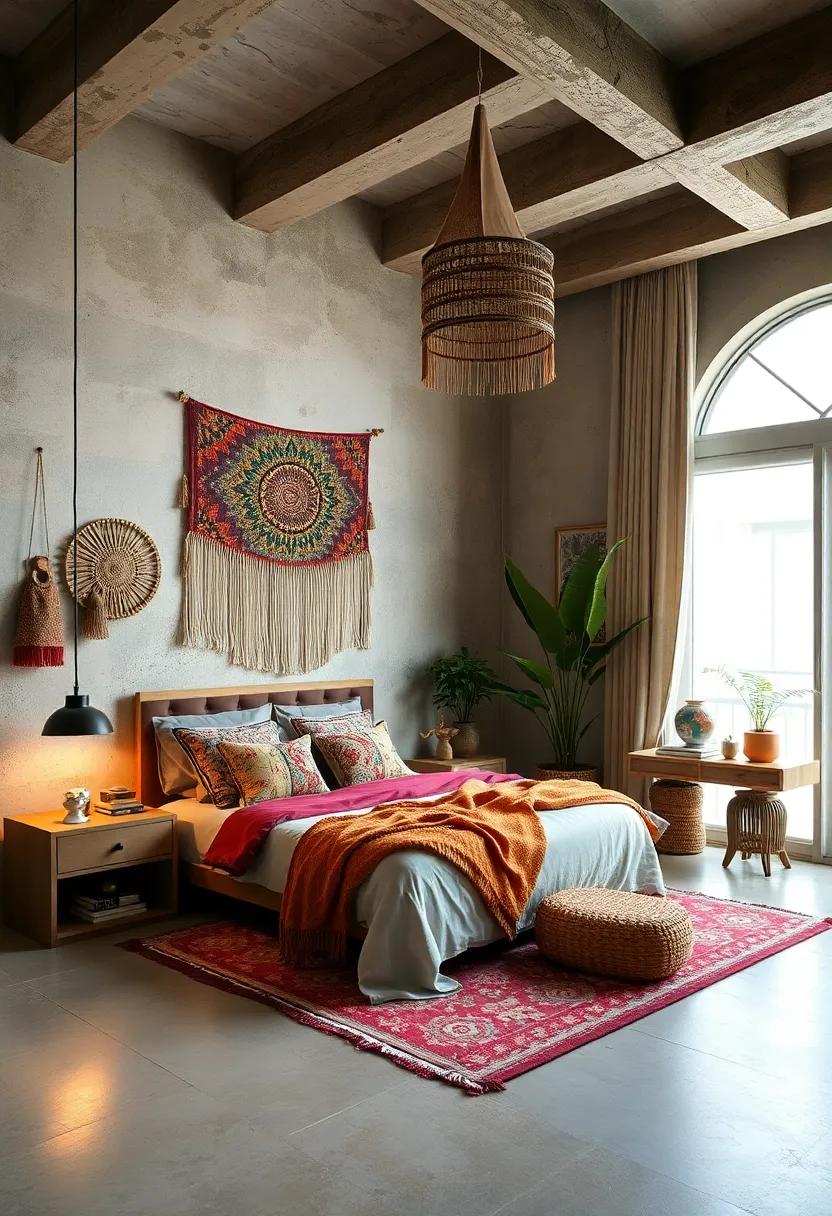
Step into a sanctuary where walls tell stories through vibrant fabrics and handwoven tapestries that echo the rich heritage of distant lands. Each pattern becomes a brushstroke of cultural identity, imbuing the room with warmth and a bohemian spirit. The interplay of bold geometrics, intricate florals, and abstract motifs transforms plain walls into living art, inviting you to explore a mosaic of traditions. Accentuating this visual feast are handcrafted wall hangings, which add texture and depth, elevating the bedroom from a mere space to an eclectic gallery of craftsmanship.
To bring these artistic elements into harmony, consider incorporating:
- Macramé art featuring natural fibers and subtle color gradients
- Woven baskets repurposed as wall décor or boho storage solutions
- Colorful embroidery hoops showcasing delicate needlework
- Mixed-media collage pieces that fuse fabric, paint, and found objects
These touches not only enrich the aesthetic but also foster a tactile connection to global influences. Below is a creative guide to pairing patterns and textures for an effortlessly stylish boho bedroom:
| Pattern Type | Complementary Texture | Global Influence |
|---|---|---|
| Bold Ikat | Soft Linen Throws | Central Asian Tribes |
| Geometric Aztec | Handwoven Wool Rugs | Southwestern Native American |
| Floral Batik | Natural Rattan Accents | Indonesian Archipelago |
| Abstract Moroccan | Fringed Cotton Pillows | North African |
Soft Earth Tones Mixed with Bold Jewel Hues Create a Balanced and Inviting Boho-Eclectic Bedroom Palette
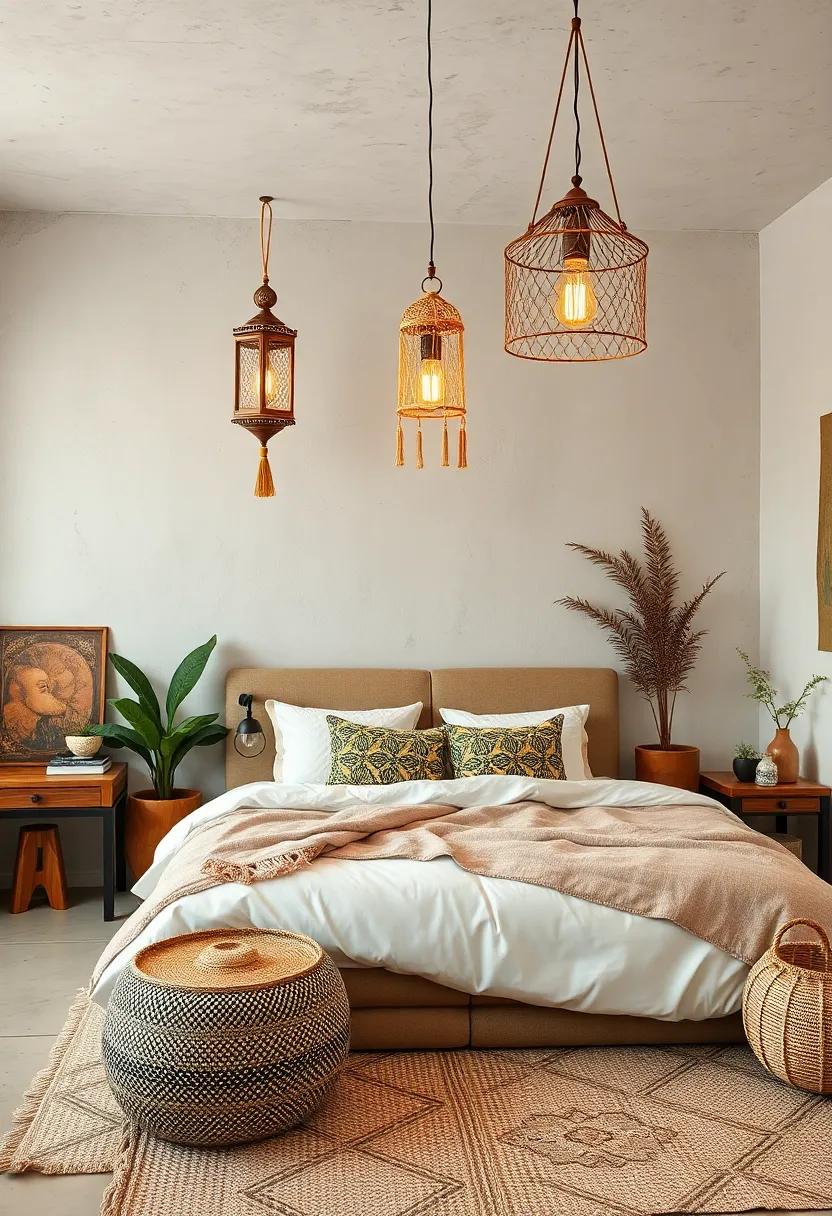
Blending soft earth tones like warm terracotta, sandy beige, and muted olive with bold jewel hues such as sapphire blue, emerald green, and ruby red invites a harmonious energy that beautifully defines a boho-eclectic bedroom. These color combinations work together to create a space that is both grounded and vibrant, where natural calmness meets spirited personality. This dynamic palette encourages layering through textiles, artwork, and accent pieces, allowing your room to feel lived-in yet artfully curated.
Consider incorporating elements such as:
- Velvet cushions in deep jewel tones to add plush texture and richness
- Woven wall hangings and natural fiber rugs that emphasize the earth tones and organic feel
- Brass or copper accents that catch the light and enhance the jewel hues
| Element | Color Palette | Effect |
|---|---|---|
| Throw Pillows | Terracotta & Sapphire | Warmth and Depth |
| Area Rug | Beige & Emerald | Grounding and Freshness |
| Accent Lamps | Ruby & Copper | Vibrancy and Glow |
Statement Lighting with Moroccan Lanterns, Macramé Pendants, and Edison Bulbs Set a Warm and Unique Mood
Transform your sanctuary with Moroccan lanterns, whose intricate patterns cast enchanting shadows that invite tranquility and wanderlust into your personal space. These lanterns, often crafted from metals with vibrant enamel or stained glass details, serve as eye-catching focal points, blending seamlessly with the relaxed, free-spirited vibe of a boho room. Paired with handcrafted macramé pendant lights, the space becomes an artful fusion of texture and light-softening the ambiance while highlighting the tactile beauty of knotted fibers gently swaying with every breeze.
The warm glow of Edison bulbs adds a nostalgic flair, their filament designs reminiscent of vintage inventiveness and creativity. Hanging these bulbs at varied heights creates visual intrigue and depth, making the ceiling a gallery of subtle illumination. By mixing these signature lighting elements, you cultivate a layered, inviting atmosphere where eclectic charm dances with cozy comfort, making every evening feel like a serene retreat.
Lush Indoor Plants and Hanging Terrariums Adding Life and Natural Charm to a Boho Eclectic Bedroom Sanctuary
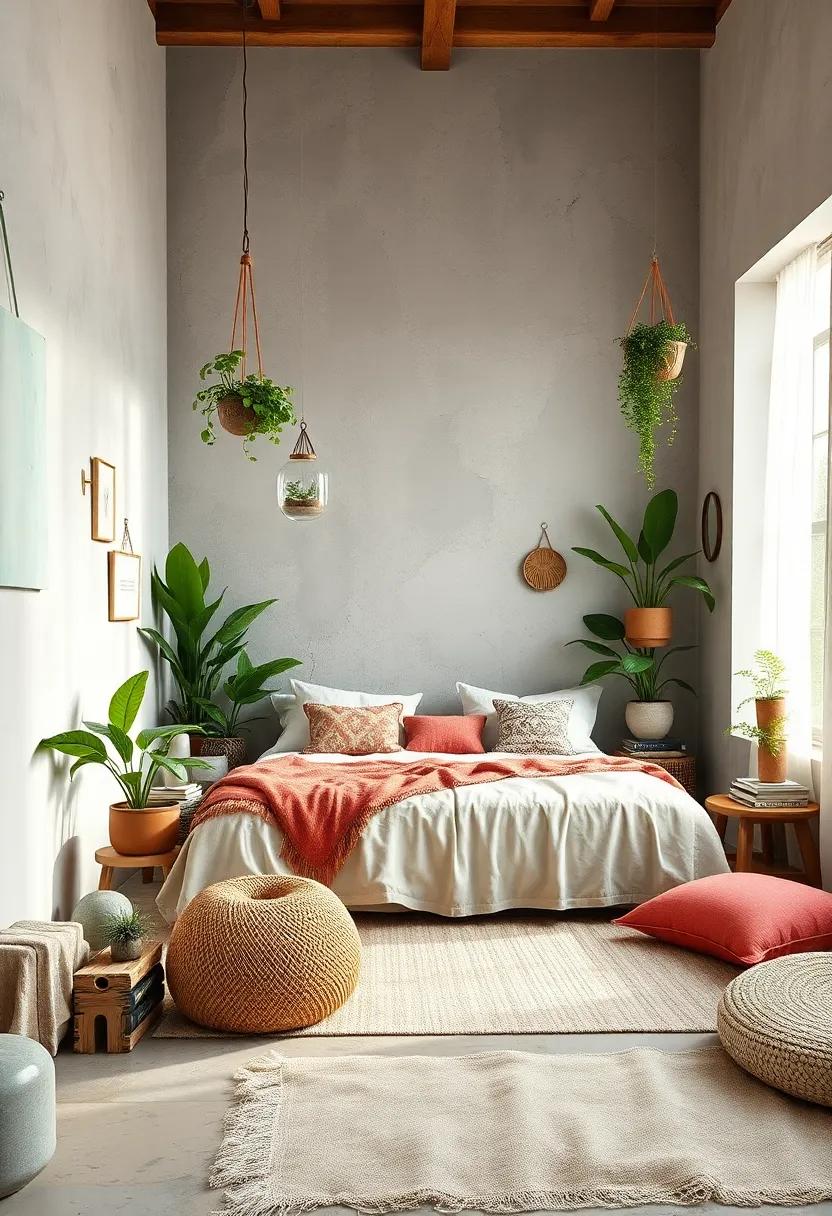
Vibrant greenery breathes an undeniable vitality into any boho eclectic bedroom, transforming it into a true sanctuary infused with natural charm. Lush indoor plants-from trailing philodendrons and string-of-pearls to glossy monstera leaves-add layers of texture and color that evoke a carefree and organic vibe. Their presence creates a living tapestry that complements the rich patterns and eclectic textiles typical of this style. Suspended from macramé hangers or uniquely crafted holders, hanging terrariums become miniature botanical artworks, inviting soft shadows and reflective light play that deepen the room’s intimate, enchanting ambiance.
Integrating these elements goes beyond aesthetics; it sparks a multisensory experience that nurtures tranquility and inspiration. Consider mixing plant types to create visual rhythm and balance, such as:
- Air plants: Perfect for minimal care and whimsical displays.
- Succulents and cacti: Add sculptural dimension with spiky forms.
- Ferns and moss: Introduce soft, feathery greenery reminiscent of forest floor.
This botanical blend not only enlivens the space but also harmonizes the eclectic elements, weaving nature seamlessly into the soul of the room.
Unique Collected Artifacts and Travel Souvenirs Displayed for Personal Stories and Textural Contrast in the Space
Each corner of the room tells a story, woven through unique artifacts painstakingly gathered from distant lands and cherished travels. These treasures, whether a hand-carved mask from Africa or an embroidered textile from Southeast Asia, offer a tangible connection to moments lived and cultures explored. Their presence enriches the bedroom’s character, infusing it with layers of history and personal meaning while inviting curiosity and conversation. The varying textures-from rough-hewn wood to soft, weathered fabrics-create an organic rhythm that elevates the space’s tactile allure.
To further enhance this mosaic of memories, carefully curated display methods amplify each item’s charm and narrative. Floating shelves with subtle earth-toned backdrops highlight the diverse shapes and hues, while handcrafted baskets and vintage trays provide natural containers that frame smaller keepsakes. Below is a simple guide to the types of artifacts commonly found in this eclectic sanctuary, each contributing its own textural contrast and visual intrigue:
- Metalwork: Antique coins, ornate jewelry, and small brass sculptures
- Textiles: Woven throws, embroidered cushions, and tasseled wall hangings
- Natural Elements: Driftwood, fossils, and dried botanicals
- Ceramics: Hand-painted plates, pottery shards, and tiny vases
| Artifact Type | Origin | Textural Impact |
|---|---|---|
| Beaded Necklaces | Morocco | Glittering smoothness with rustic imperfections |
| Handwoven Rug | Peru | Soft tactile warmth and intricate patterning |
| Terracotta Pot | Greece | Matte earthen roughness |
| Feather Wall Art | Native American | Delicate, airy texture contrasting solidity |
Comfortable Low Seating with Boho Floor Cushions and Poufs Enhancing Relaxed Eclectic Bedroom Vibes
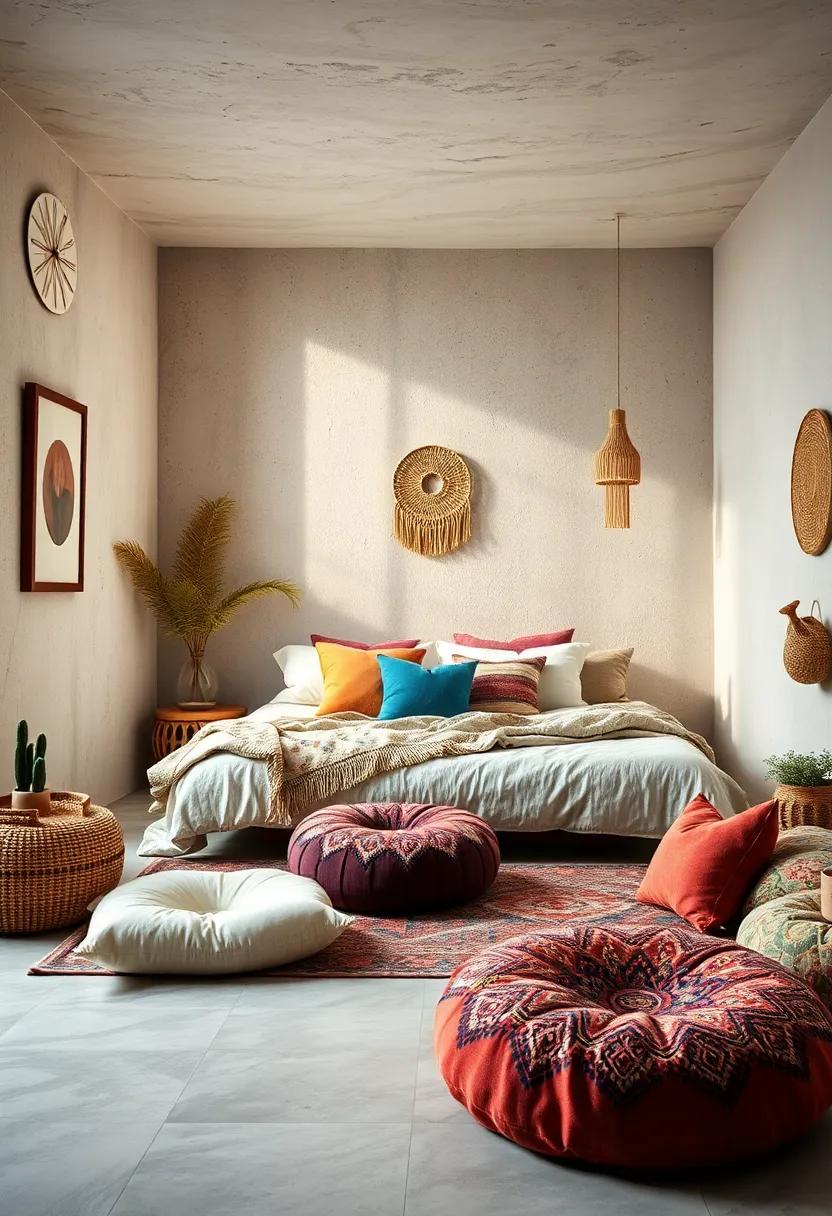
Introducing floor cushions and poufs into a boho eclectic bedroom transforms the space into an inviting sanctuary of comfort and creativity. These plush, low-to-the-ground seating options not only serve as functional pieces but also infuse the room with an artisanal charm and a vibrant mixture of textures. Layered with colorful covers, intricate patterns, and soft fabrics like cotton, velvet, or jute, they encourage a laid-back atmosphere where relaxation feels effortless. The flexibility of these seating alternatives allows you to reconfigure your space with ease-perfect for intimate gatherings, meditation sessions, or quiet moments of reading and reflection.
To enhance this comfortable seating experience, consider integrating complementary elements that echo the free-spirited essence of boho style:
- Woven throws and tapestries for added warmth and visual interest
- Natural fiber rugs to anchor the seating area while providing tactile contrast
- Eclectic accents like brass trays or handcrafted ceramics that personalize your sanctuary
By harmonizing these elements, your bedroom becomes a curated gallery of vivid cultures and inviting textures-an eclectic retreat that invites you to unwind in style and embrace the joy of relaxed living.
Mixing Handwoven Tapestries and Embroidered Pillows for an Inspired Layered Look Full of Cultural Richness
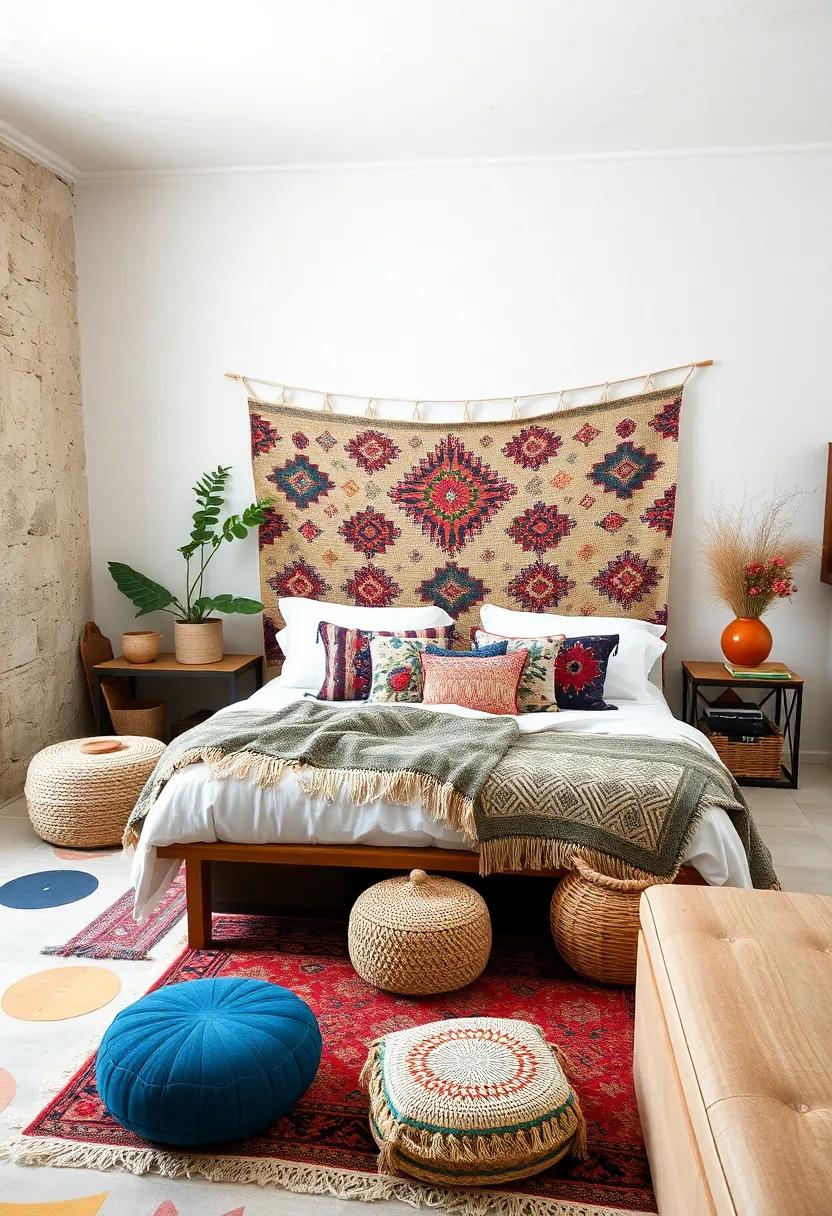
To cultivate a space that tells a story, nothing beats the tactile juxtaposition of handwoven tapestries beside intricately embroidered pillows. These elements, rich in texture and history, invite an expansive sensory experience where each thread and stitch whispers cultural heritage. Layering these textiles transforms a bedroom into a gallery of artistry-where rustic, earthy tones and vibrant patterns coexist, breathing life into plain walls and neutral bedding. The woven tapestries deliver a grounding, organic presence, while the embroidered cushions introduce bursts of color and playful detailing, keeping the overall ambiance dynamic yet balanced.
Incorporate these elements thoughtfully with a few guiding principles that emphasize harmony without uniformity:
- Contrast Textures: Pair coarse, chunky weaves with smooth, delicate embroidery for a delightful tactile interplay.
- Color Story: Select cushions that either echo or accent tapestry hues to create a cohesive yet vibrant palette.
- Scale Variations: Mix large tapestries with smaller pillows to achieve depth and visual intrigue without overwhelming the space.
This thoughtful layering instills authentic warmth and deep cultural resonance, perfect for those who desire a sanctuary bursting with both soul and style.
Creative Use of Vintage Mirrors and Sculptural Frames to Amplify Light and Add Depth in the Bedroom Design
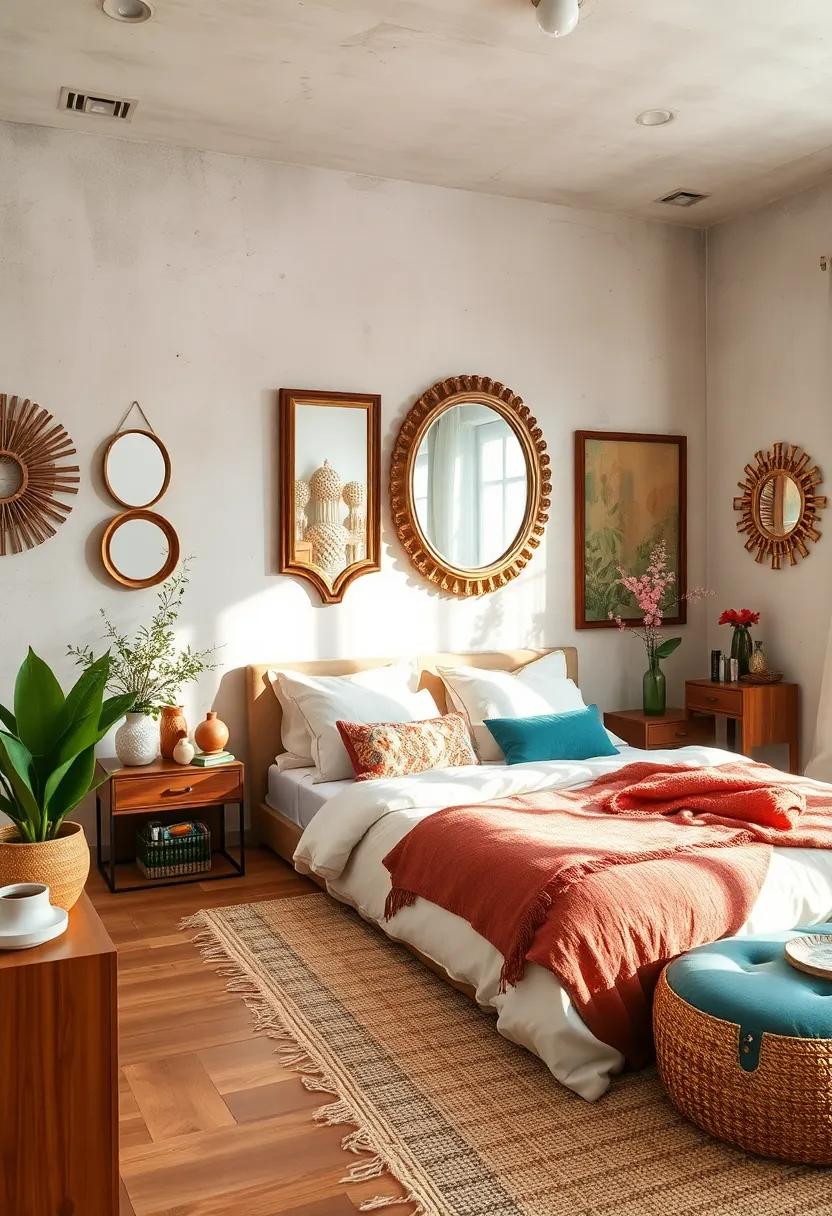
Incorporating vintage mirrors with ornate, sculptural frames introduces an immediate sense of whimsy and elegance, while ingeniously leveraging natural and artificial light to open up the bedroom space. These mirrors, often crafted with intricate details-think floral motifs, sunburst designs, or aged patinas-do more than merely reflect. They act as artistic focal points, amplifying light in unexpected corners and inviting a playful dance of shadows that lends depth and warmth to the boho aesthetic. Positioning a vintage mirror opposite a window or near layered lighting fixtures can transform even the coziest nook into an airy, radiant sanctuary.
To elevate this effect without overwhelming the space, consider pairing vintage mirrors with sculptural frames that feature textured woods, metals, or even resin. The eclectic mix of materials becomes a conversation piece, enhancing the layered vibe so essential to bohemian design. Here’s a quick guide to frame choices that amplify light and depth effectively:
| Frame Material | Light Reflection Quality | Depth & Texture Impact |
|---|---|---|
| Antique Gold Leaf | Warm, soft glow | Rich, elegant depth |
| Distressed Wood | Subtle bounce | Rustic, tactile feel |
| Brushed Brass | Bright, sharp shine | Modern edge with warmth |
| Carved Resin | Matte with varying highlights | Intricately layered dimension |
- Placement tip: Lean mirrors against a patterned wall for an effortlessly casual appeal.
- Styling hint: Combine with hanging plants or macramé to embody eclectic texture play.
- Lighting idea: Use string lights or candles nearby to enhance shimmer and ambiance.
Soft Canopy Drapes and Natural Wood Frames Crafting a Dreamy and Inviting Boho Sleeping Nook
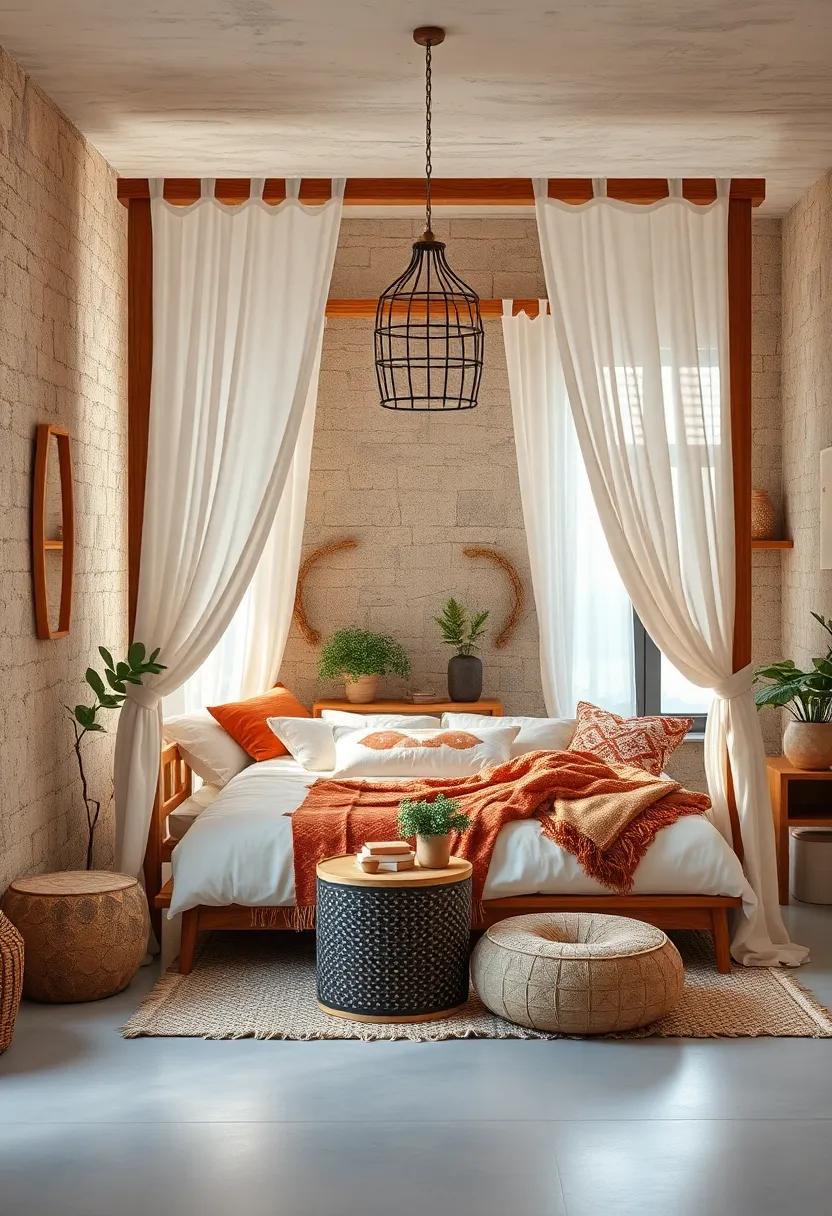
Embodying the essence of gentle freedom, the soft canopy drapes cascade effortlessly, bringing a whisper of romance and tranquility to the sleeping nook. Their light, sheer fabric diffuses sunlight during the day and creates an intimate cocoon by night. These flowing textiles are not just decorative-they invite relaxation and provoke a sense of peaceful escapism, transforming the nook into a sanctuary where every breath feels lighter. Paired with natural wood frames that offer warm, earthy tones and organic textures, the setting captures the true spirit of boho living-rooted in nature, yet unbound by convention.
- Textural Contrast: The softness of linen and cotton drapes balances the raw grain and sculptural presence of hand-carved wooden frames.
- Flow and Form: Drapes flow in airy silhouettes, while wood structures provide steady, grounding lines.
- Subtle Color Palette: Naturals like creams, warm beiges, and honey browns emphasize serenity and connection to the earth.
- Layered Comfort: Plush cushions and knitted throws arranged within the nook amplify tactile luxury.
| Element | Effect | Boho Essence |
|---|---|---|
| Canopy Drapes | Creates softness & intimacy | Airy, free-spirited vibe |
| Natural Wood Frame | Offers structural warmth | Authentic artisan feel |
| Textured Layers | Invites cozy inclusion | Harmonizes visual & tactile senses |
Incorporating Metallic Accents and Beaded Details for Subtle Glamour within an Earthy Bohemian Bedroom Scheme
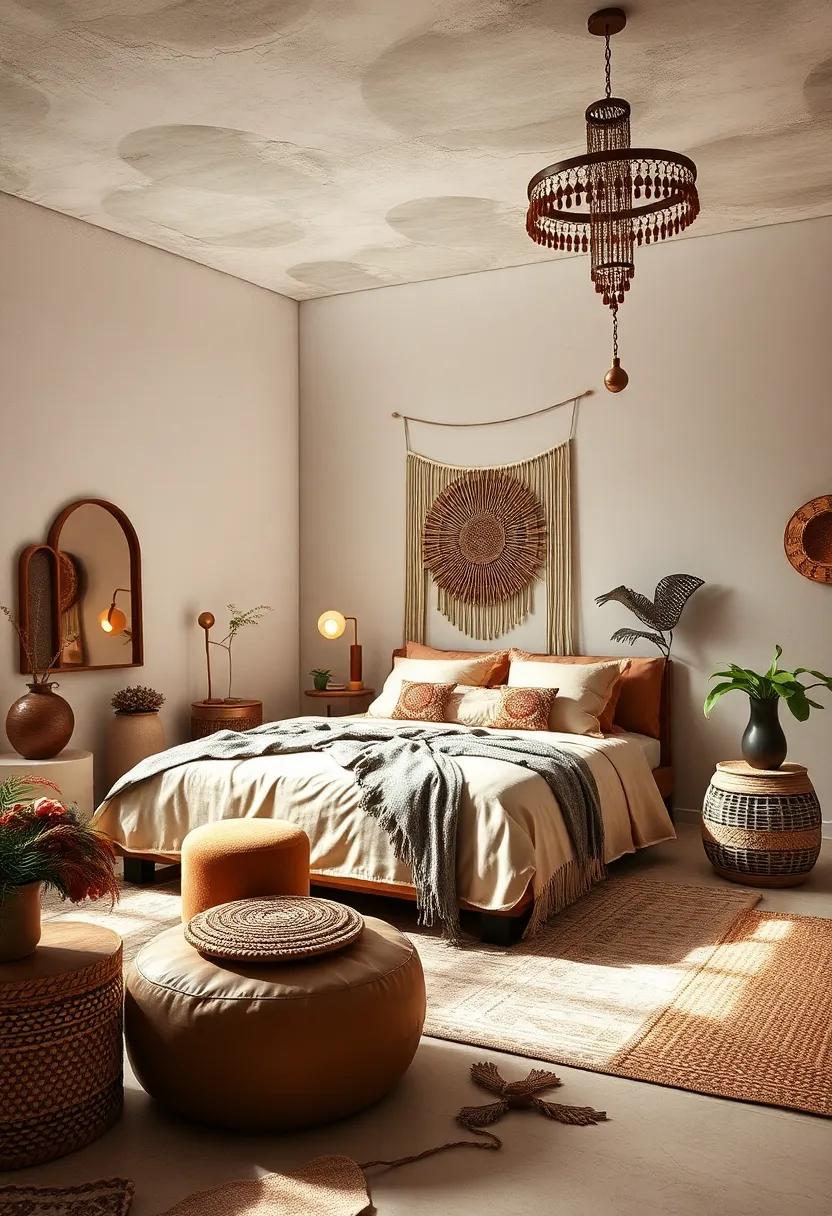
In the heart of an earthy bohemian bedroom, the subtle shimmer of metallic accents introduces a refined touch without overpowering the natural warmth. Think copper lanterns, brushed gold drawer knobs, or a delicate silver-framed mirror gently reflecting ambient light. These elements echo the carefree spirit of boho style while adding dimension and texture, creating visual interest that draws the eye. The key lies in balance-allowing metal to enhance, not dominate, the earthy foundation of wood, woven textiles, and lush greenery.
Complementing the metallic allure, beaded details offer an artisanal charm that is both tactile and decorative. From handcrafted beaded tassels hanging off curtain ties to intricate beadwork on pillow covers or lampshades, these little touches whisper stories of craftsmanship and cultural richness. Their luminous surfaces catch subtle glints of light, harmonizing beautifully with metallic finishes. Together, these accents form a cohesive dialogue between nature and artistry, inviting calm sophistication into the boho sanctuary.
Boho Bedroom Corners Featuring Reading Nooks with Patterned Throws, Bookshelves, and Task Lighting
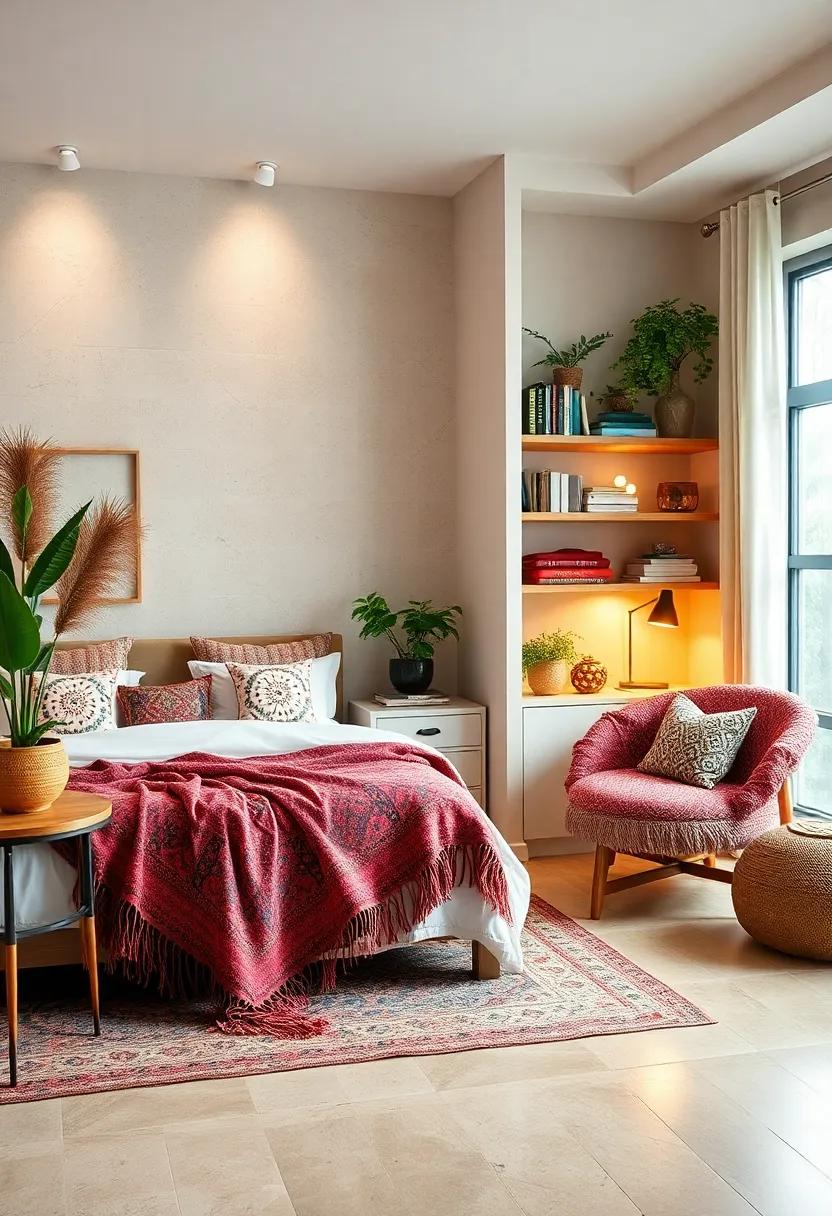
Cozy corners in a boho bedroom become a sanctuary where the spirit of freedom meets personal expression. Layered patterned throws invite you to sink into softness, their vivid colors and textures creating warmth and spontaneity. Paired with handpicked bookshelves, these nooks burst with stories and inspiration, each shelf a curated collection reflecting diverse tastes and adventures. The eclectic mix of worn leather, woven baskets, and carved wooden accents enhances the bohemian vibe, making every inch not just functional but soulfully inviting.
Illumination plays a vital role, as task lighting elegantly balances ambiance and practicality. Adjustable lamps with brass finishes or rattan shades cast gentle glows, highlighting the intricate patterns of throws and the spines of treasured volumes alike. This lighting not only fosters deep focus during reading but also contributes to the layered, whimsical aesthetic typical of boho charm. Embracing a blend of natural materials and artisan lighting fixtures, these corners effortlessly merge comfort with creativity.
- Patterned throws: Kilim, Ikat, and Moroccan-inspired motifs
- Bookshelves: Floating shelves, ladder-style racks, and vintage crates
- Task lighting: Adjustable arms, soft bulbs, and woven lamp shades
| Element | Material | Purpose |
|---|---|---|
| Throw Blanket | Cotton & Wool Blend | Texture & Warmth |
| Bookshelf | Reclaimed Wood | Storage & Display |
| Lighting | Brass & Rattan | Focused Task Lighting |
Eclectic Collection of Ceramics and Pottery as Curated Focal Points to Infuse Artistic Whimsy and Texture
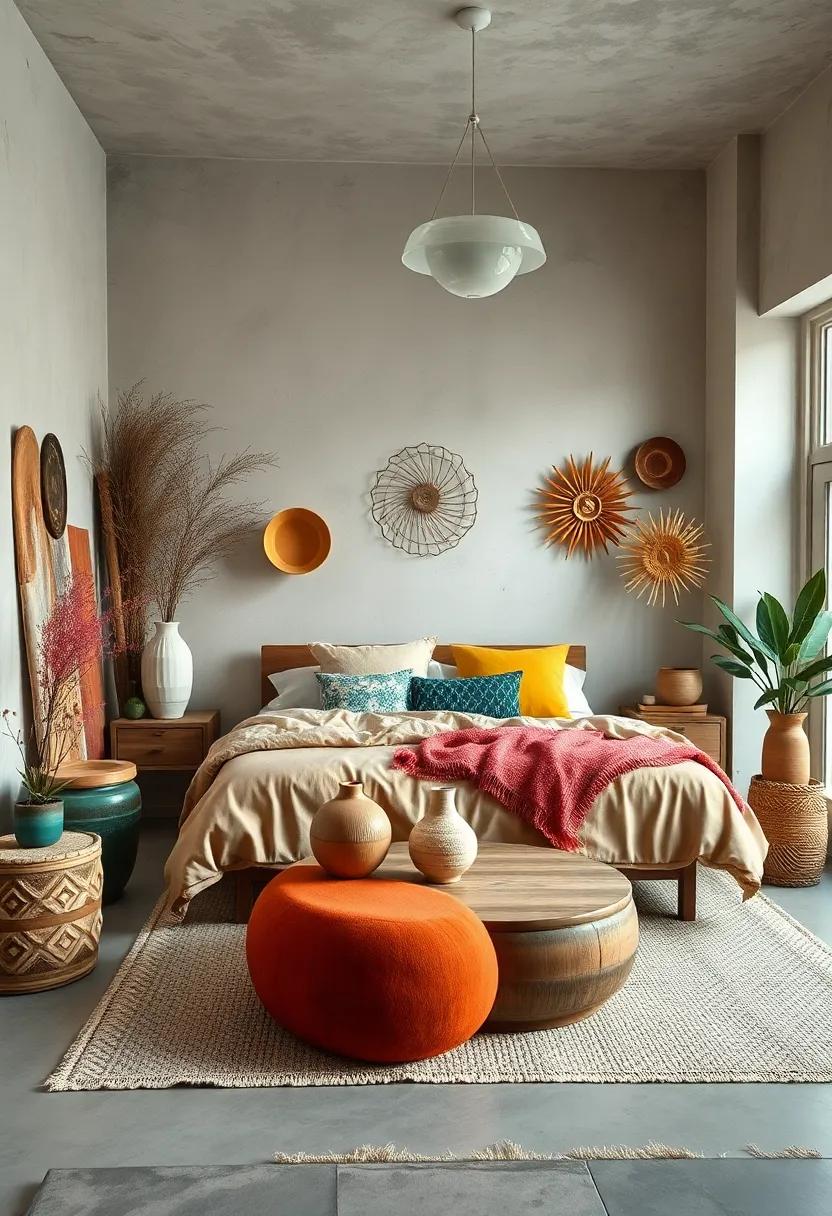
Incorporating handcrafted ceramics and pottery transcends mere decoration; it breathes life and character into any room. These artisanal treasures, with their imperfect glazes and organic forms, create a tactile dialogue between the eye and the fingers. Displaying an array of shapes-from asymmetrical bowls to sculptural vases-invites your senses to wander through diverse textures and colors, embodying the essence of a boho haven. The charm lies in their individuality, where each piece tells a story, adding layers of history and craftsmanship that elevate the room’s narrative.
To balance this rich assortment without overwhelming the space, consider thoughtful groupings on shelves or bedside tables, mixing traditional earthenware with modern ceramic art. Use these focal points to showcase
- Muted patinas that complement natural linens
- Bold, painted motifs for visual intrigue
- Textural contrasts against woven fabrics or wooden surfaces
Ultimately, this eclectic assembly acts as a sensory anchor, weaving together artistic whimsy and grounded craftsmanship-a delightful invitation to experience freedom through thoughtfully curated objects.
Personalized Gallery Walls Combining Eclectic Photography, Illustrations, and Framed Fabrics for Visual Intrigue
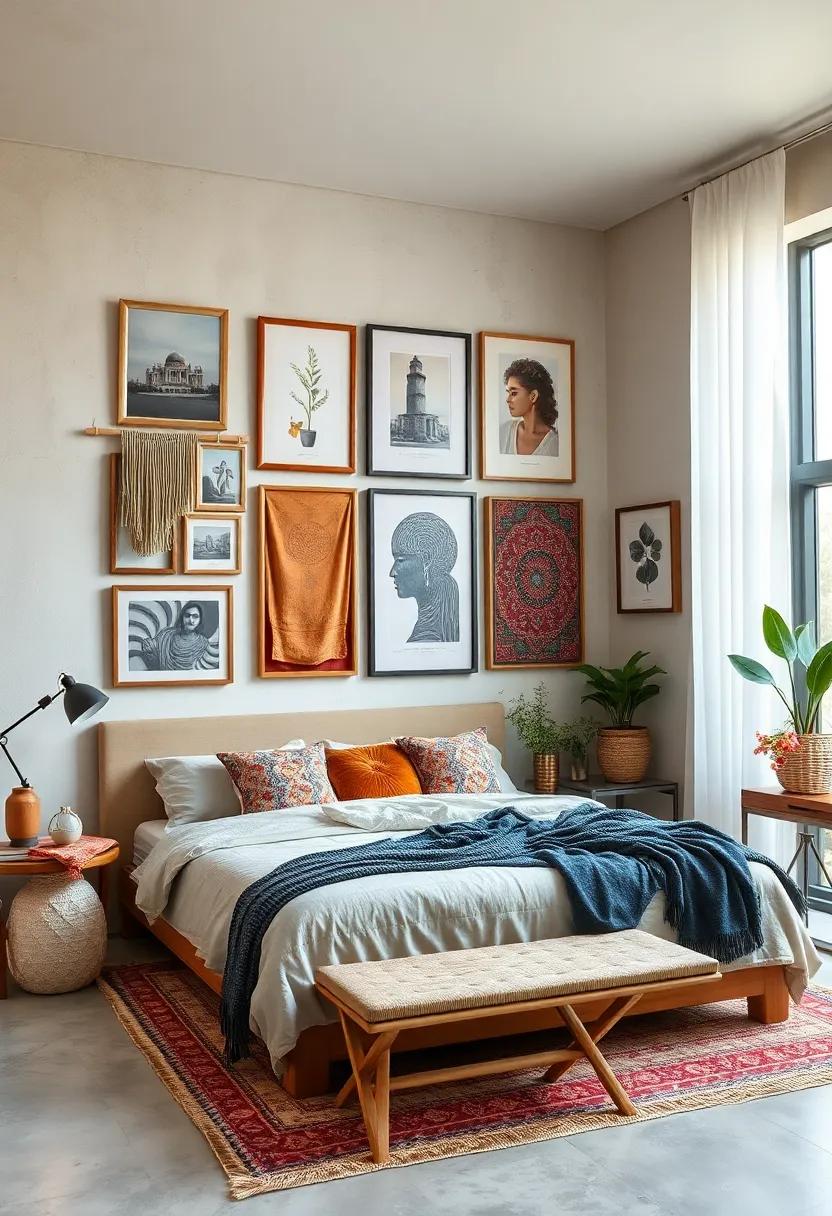
Creating walls that tell stories is the heart of a truly *bohemian* bedroom. Mixing eclectic photography with vivid illustrations breathes life into plain surfaces, while the introduction of framed fabrics adds unexpected texture and depth. Imagine a carefully curated collage where a black-and-white candid shot neighbors a colorful abstract print, all surrounded by swaths of tapestry and woven textiles. This juxtaposition not only celebrates personal expression but also invites the eyes to wander, discovering new details with each glance. The result is an artful chaos, a curated randomness that feels both free-spirited and harmoniously intentional.
To help balance the visual intrigue, consider using symmetry and spacing as subtle anchors. Incorporate elements like:
- Contrasting frames – from distressed wood to sleek metal-to enhance eclecticism.
- Layered textures – fabric swatches with embroidery or prints framed alongside paper art.
- Color continuity – repeating accent hues throughout photography and fabrics to maintain cohesion.
| Element | Effect | Tip |
|---|---|---|
| Photographs | Captures Memory & Mood | Choose a mix of candid & posed |
| Illustrations | Adds Playful & Whimsical Touch | Use bold colors or soft pastels |
| Framed Fabrics | Introduces Texture & Warmth | Pick textiles with sentimental value |
Use of Reclaimed Wood and Distressed Finishes to Add Authenticity and Earthy Character to Boho Bedroom Furniture
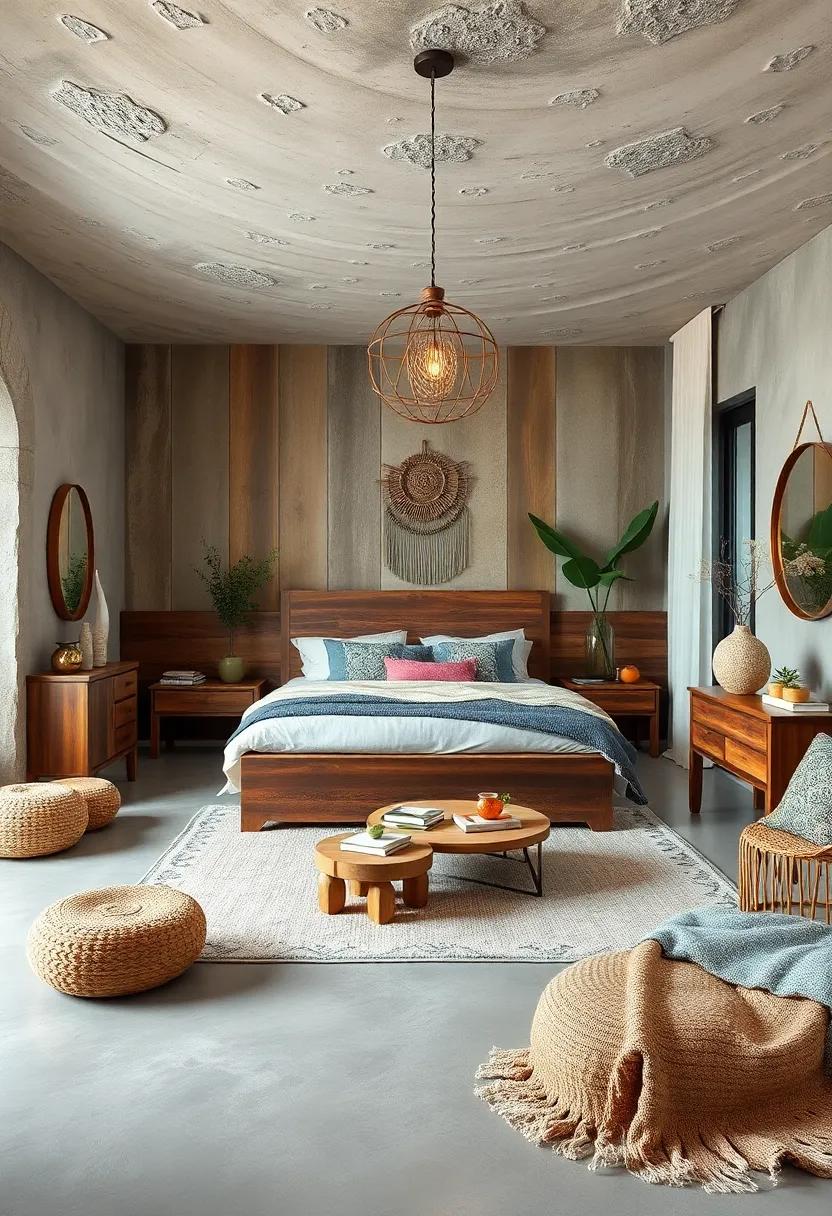
Incorporating reclaimed wood into your boho bedroom furniture not only celebrates sustainability but also brings a rich narrative to your space. Each piece tells its own story through visible knots, grain patterns, and the natural aging process. This organic texture adds warmth and visual intrigue, creating a cozy yet adventurous ambiance. Imagine a sturdy reclaimed wood bed frame paired with a distressed dresser, where the imperfections and rough-hewn finishes whisper tales of bygone eras, imbuing your room with an effortless blend of rugged charm and earthy sophistication.
Key benefits of reclaimed wood and distressed finishes in boho decor:
- Unique character: No two pieces are alike, ensuring your bedroom feels personalized.
- Eco-friendly: Repurposing materials reduces environmental impact.
- Timeless appeal: The weathered look seamlessly complements eclectic patterns and vibrant textiles.
- Durability: Often sourced from old-growth timber, reclaimed wood furniture is remarkably sturdy.
| Furniture Piece | Distressing Style | Earthy Element |
|---|---|---|
| Nightstand | Chipped paint & exposed grain | Raw texture with natural finish |
| Bed Frame | Sandblasted & natural cracks | Rustic, tactile feel |
| Wardrobe | Weathered knots & uneven edges | Organic imperfections |
Serene Color Blocking with Muted Pastels and Deep Accents to Create Visual Harmony in a Bohemian Bedroom
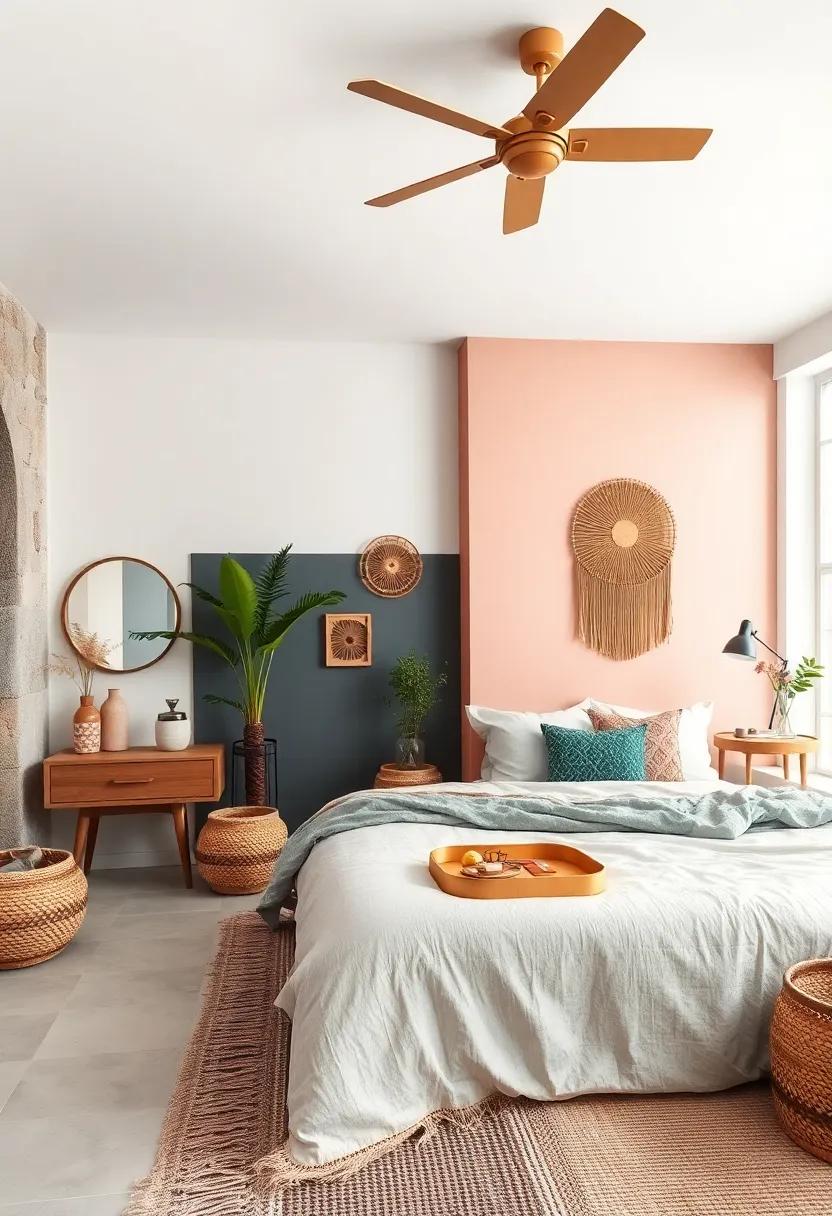
Transforming a bohemian bedroom into a sanctuary of calm is effortlessly achieved by weaving together muted pastels with unexpected deep accents. Think of soft blush pinks, dusty blues, and gentle sage greens as the canvas that soothes the senses, while bold hues like charcoal, navy, or burnt sienna punctuate the space with intention and energy. This blend lets each layer breathe, creating a seamless flow that invites relaxation without sacrificing visual interest. The contrast between these colors plays a pivotal role in sculpting a room that feels both eclectic and organized, where every element harmonizes rather than competes.
- Muted pastels: lavender, mint, powder blue
- Deep accents: indigo, terracotta, forest green
- Textures to balance: woven throws, distressed woods, rattan
| Element | Color Palette | Effect |
|---|---|---|
| Walls | Soft beige or pale peach | Creates a warm, neutral backdrop |
| Furnishings | Muted pastel upholstery with deep accent cushions | Offers depth and inviting comfort |
| Accessories | Dark metal lamps, rich wood frames | Adds structure and visual weight |
By carefully layering these colors within textures and finishes, you cultivate a space that evokes freedom and personality. The key lies in distributing the deep accents thoughtfully-perhaps a navy throw over a sage couch or a terracotta vase resting on a pastel dresser-to keep the room grounded yet airy. This strategic color blocking can transform an ordinary boho bedroom into an ambient retreat, where every shade and shadow works in concert to inspire tranquility and creativity.
Layered Bedding Designs Using Mix-and-Match Prints and Fabrics to Evoke Comfort and Creative Expression
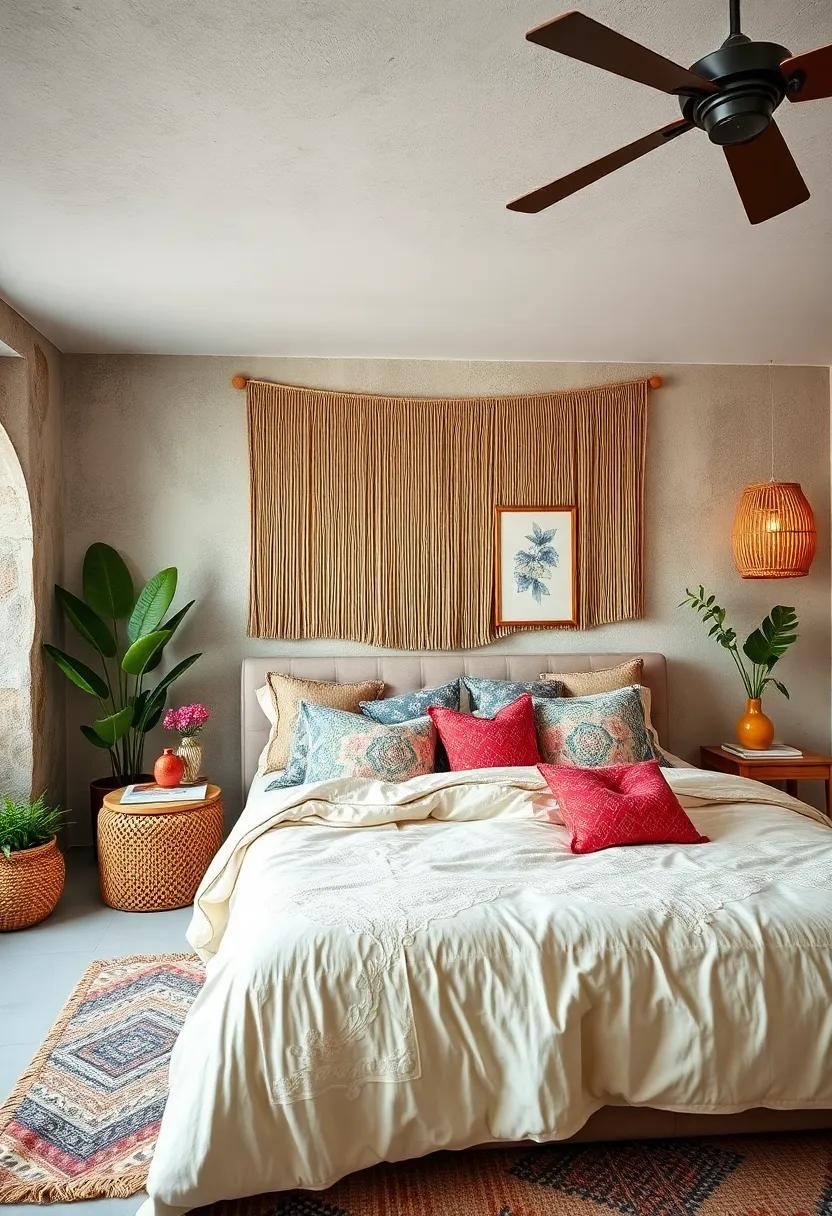
Creating a cozy retreat is all about the art of layering diverse prints and textures, a hallmark of boho bedroom aesthetics. Mixing florals with geometrics or tribal motifs with soft solids allows you to craft a sanctuary that speaks volumes about personal style. When you combine lightweight linens with chunky knits and velvety throws, the bed becomes a tactile playground that invites relaxation. The beauty lies in embracing imperfection-mismatched patterns don’t merely coexist; they converse, telling stories through vibrant colors, intricate weaves, and unexpected pairings.
Consider the following mix-and-match essentials for a visually engaging bedding setup:
- Bold paisley duvet covers paired with subtle striped sheets
- Patchwork quilts layered with Moroccan-inspired pillow shams
- Soft velvet cushions intertwined with embroidered linen cases
- Lightweight cotton throws adding warmth against heavier wool blankets
| Fabric | Print Style | Effect |
|---|---|---|
| Linen | Botanical prints | Fresh and airy feel |
| Velvet | Solid jewel tones | Rich warmth and depth |
| Cotton | Geometric patterns | Playful contrast |
| Wool | Tribal motifs | earthy and grounding |
By joining fabrics and prints in unexpected ways, you invite a sense of freedom and creative expression into your bedroom. This approach not only elevates comfort but also celebrates the eclectic charm that defines the bohemian spirit.
Natural Fiber Rugs Combined with Patterned Throws for Grounding Texture and Eclectic Style Touches
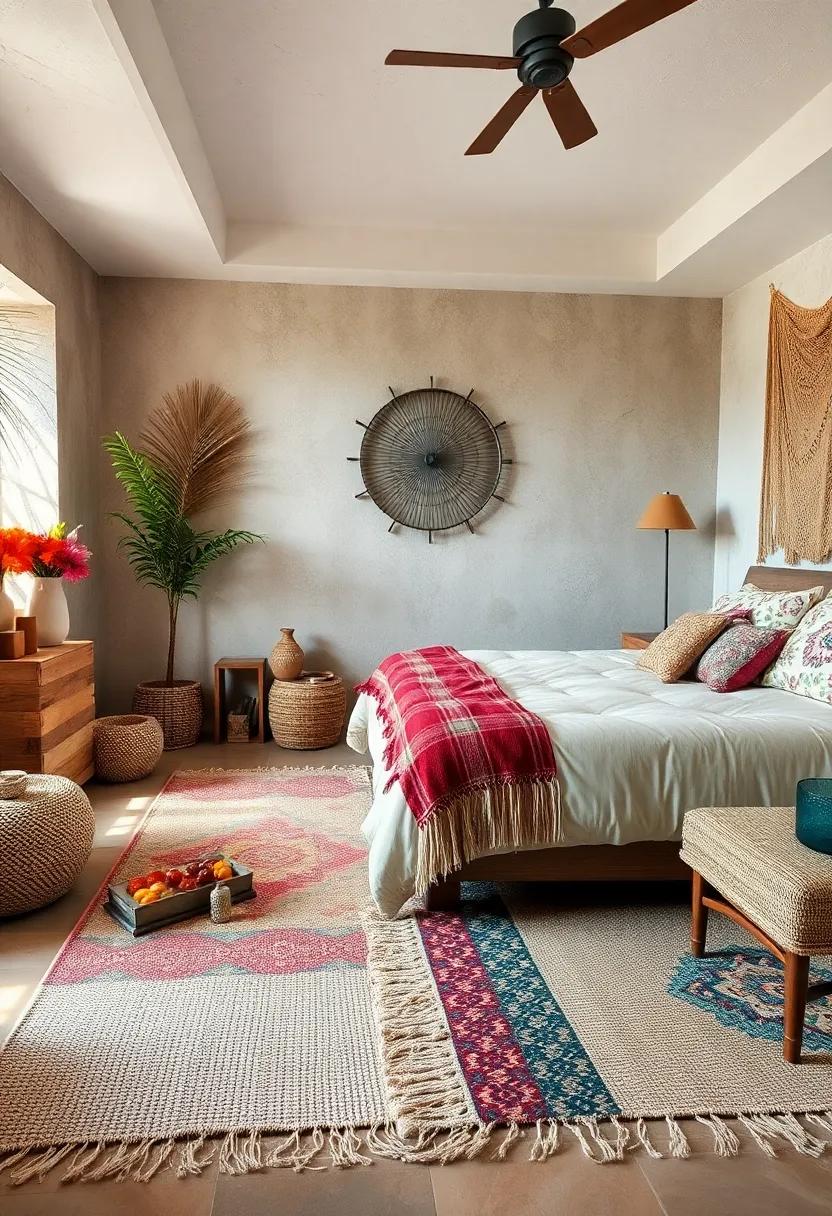
Layering natural fiber rugs such as jute, sisal, or seagrass with colorful, patterned throws creates a tactile foundation that instantly warms and personalizes any boho-inspired bedroom. These rugs bring an earthy texture that grounds the space, anchoring bold décor choices with their minimalist, organic appeal. While their neutral tones offer versatility, the throws introduce playful patterns and vibrant hues, contributing a curated eclectic flair that feels both intentional and effortlessly collected. This combination invites a sensory experience underfoot, blending practicality with artistic expression.
To embrace this tactile harmony in your design, consider these styling tips:
- Contrast textural elements: Pair rough weaves with soft, plush throws for multi-dimensional comfort.
- Mix patterns thoughtfully: Combine geometric and organic prints to enhance visual interest without overwhelming.
- Play with scale: Use larger rugs as a tranquil base, offsetting them with smaller, bold-patterned throws or cushions.
- Integrate neutral tones: Let your natural rugs set a calm scene, using throws to infuse pops of color.
| Natural Fiber Rug | Ideal Throw Pattern | Style Impact |
|---|---|---|
| Jute | Bold Ikat | Earthy yet vibrant |
| Sisal | Moroccan Geometric | Structured eclectic |
| Seagrass | Floral Prints | Soft organic contrast |
Statement Headboards Featuring Carved Wood, Upholstery, or Artistic Paintings to Anchor the Bedroom Aesthetic
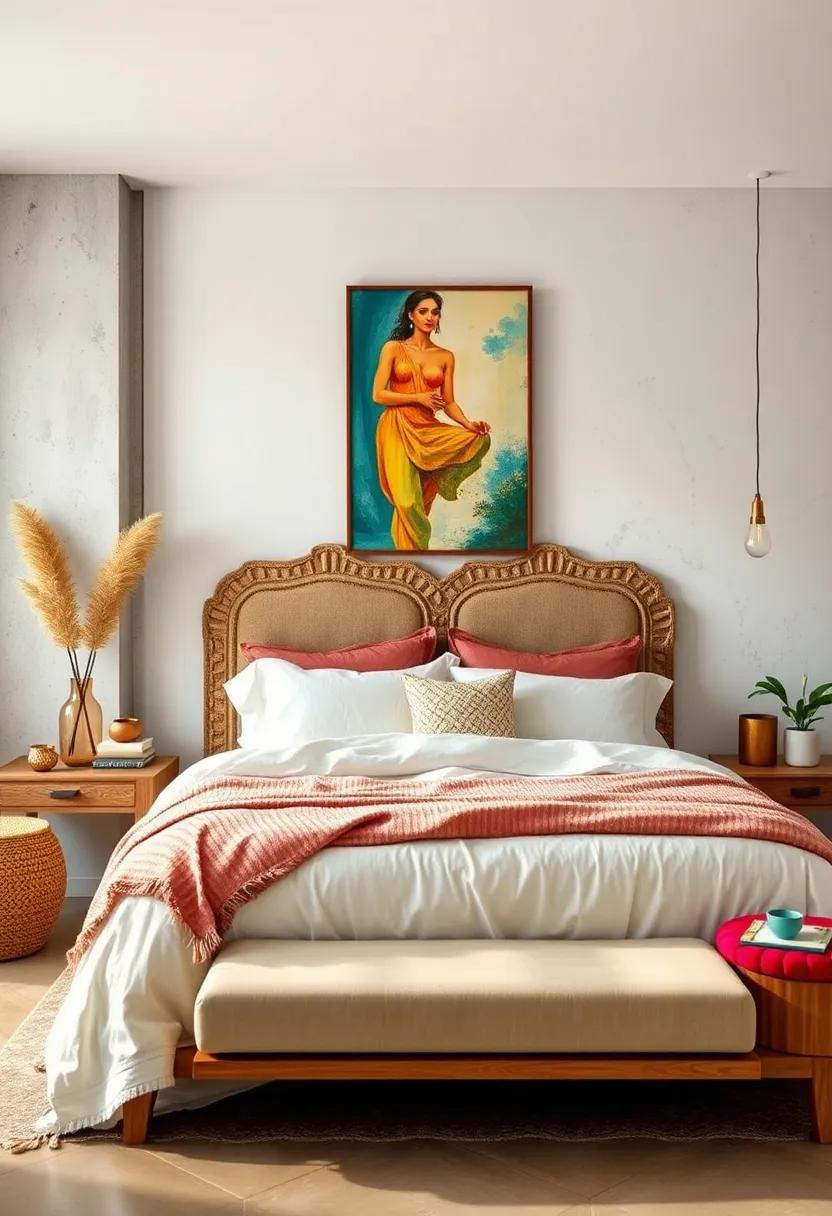
In the realm of Boho interiors, the headboard becomes more than just a fixture; it transforms into a captivating centerpiece that defines the room’s soul. Whether it’s intricately carved wood, plush upholstery rich in texture, or hand-painted artistry bursting with life, each design choice tells a story. A carved wooden headboard, with its natural grains and artisanal detailing, introduces an earthy warmth and a timeless allure that harmonizes effortlessly with neutral linens and woven textiles. Alternatively, opting for upholstered headboards in jewel-toned velvet or embroidered fabrics adds a tactile dimension, inviting comfort and luxury into the eclectic mix.
Artistic headboards are particularly striking in a Boho setting, often featuring bold brushstrokes or whimsical motifs that serve as a visual anchor amid the layered patterns and colors characteristic of the style. Consider a headboard painted with abstract florals or geometric designs to inject an unexpected burst of personality. Below is a quick guide highlighting how these elements contribute to anchoring the bedroom aesthetic:
- Carved Wood: Brings natural warmth and craftsmanship aura
- Upholstery: Adds softness, color, and tactile contrast
- Artistic Paintings: Infuses individuality and dynamic visuals
Handcrafted Macramé Wall Shelves and Hanging Décor Crafting a Unique Boho Texture and Practical Display
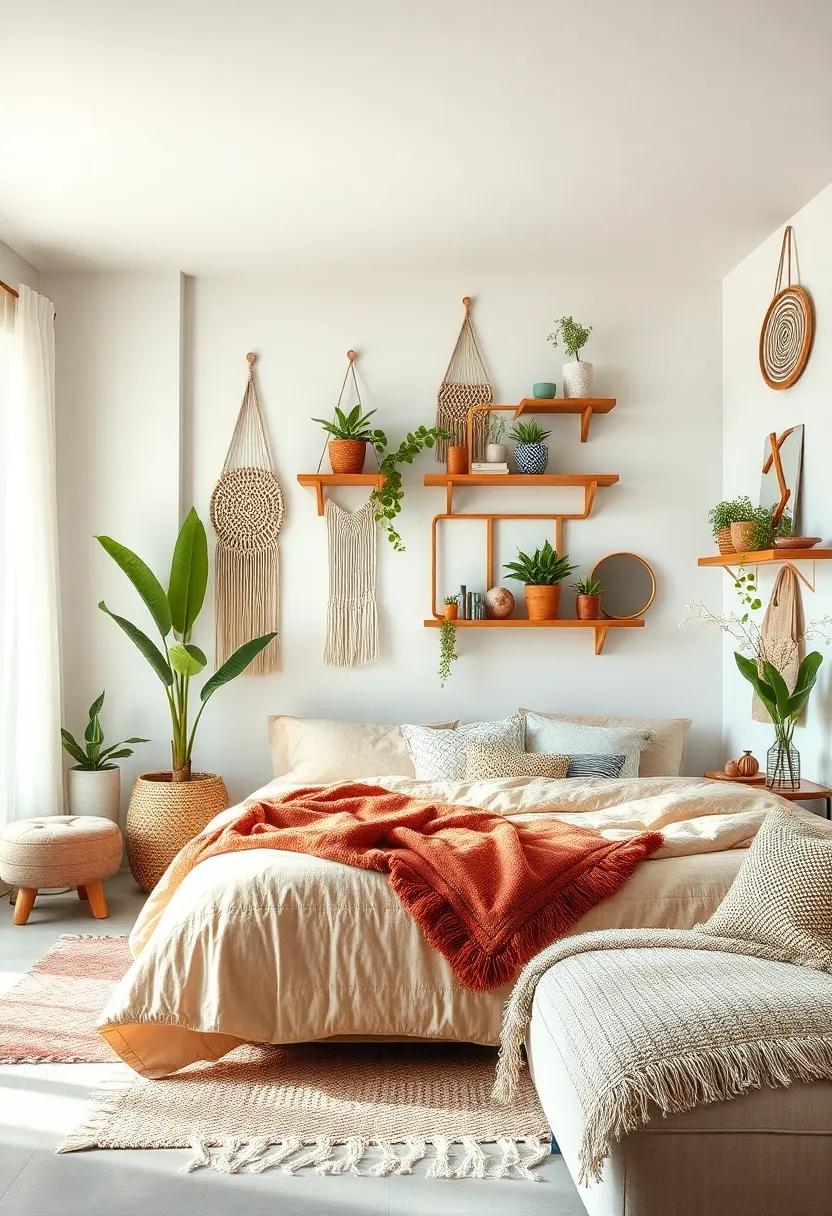
The art of handcrafted macramé introduces an intimate, tactile element to any room, transforming walls into canvases of boho artistry. Each knot and weave carries the story of its maker, resulting in textures that invite touch and admiration. These wall shelves and hanging décor pieces are not just about aesthetics; they offer a thoughtful fusion of function and free-spirited design. Finished with natural fibers in earthy tones or splashes of vibrant colors, they effortlessly blend with eclectic collections, creating a seamless balance between practical display and artistic expression.
Underneath the surface of intricate knots lies a surprisingly versatile approach to organization. These macramé shelves support:
- Small potted plants that bring greenery into your space
- Handcrafted ceramics that echo the room’s artistic vibe
- Books and trinkets that add personality and narrative
Beyond storage, their floating, airy form enhances the perception of space, inviting lightness and warmth into your personal retreat. In this way, the macramé elements become both practical design anchors and charming boho accents that amplify the eclectic personality of your bedroom sanctuary.
Soft Rugs and Plush Throws Creating a Cozy, Inviting Floor Space to Lounge and Reflect within an Eclectic Bedroom
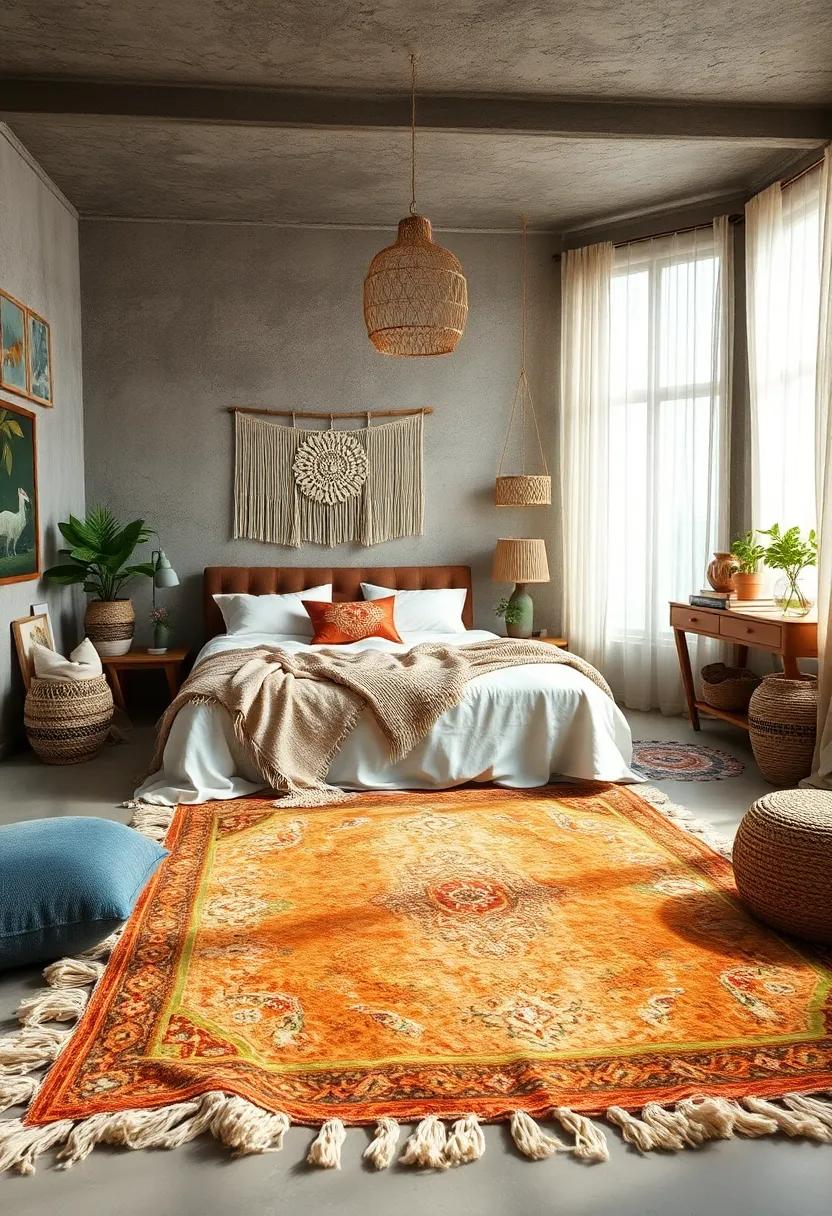
Transforming the bedroom floor into a sanctuary of comfort and creativity often starts with layering textiles that invite you to pause and indulge in quiet moments. Soft rugs woven with intricate patterns or in bold, earthy hues become the foundation for an eclectic haven, contributing both warmth and character. When paired with plush throws that spill effortlessly over chairs or sit folded at the foot of the bed, these elements create tactile contrasts that beckon you to lounge. The interplay of texture through thick wool, silky tassels, and velvety finishes cultivates an ambiance where reflection and relaxation reign supreme.
Consider incorporating:
- Hand-knotted wool or jute rugs with vintage charm
- Throws in vibrant patterns, combining florals and geometrics
- Layered cushions made from natural fibers for added depth
- Textured poufs or floor pillows to extend your lounging options
| Material | Texture | Color Palette |
|---|---|---|
| Moroccan Wool | Thick, plush | Warm reds, deep oranges |
| Jute | Coarse, natural | Neutral tans, soft browns |
| Cotton Voile Throws | Light, airy | Pastels, floral prints |
| Linen | Soft, slightly crumpled | Whites, muted greens |
Richly Patterned Curtains Paired with Light, Neutral Walls Providing Contrast to Elevate Bohemian Style
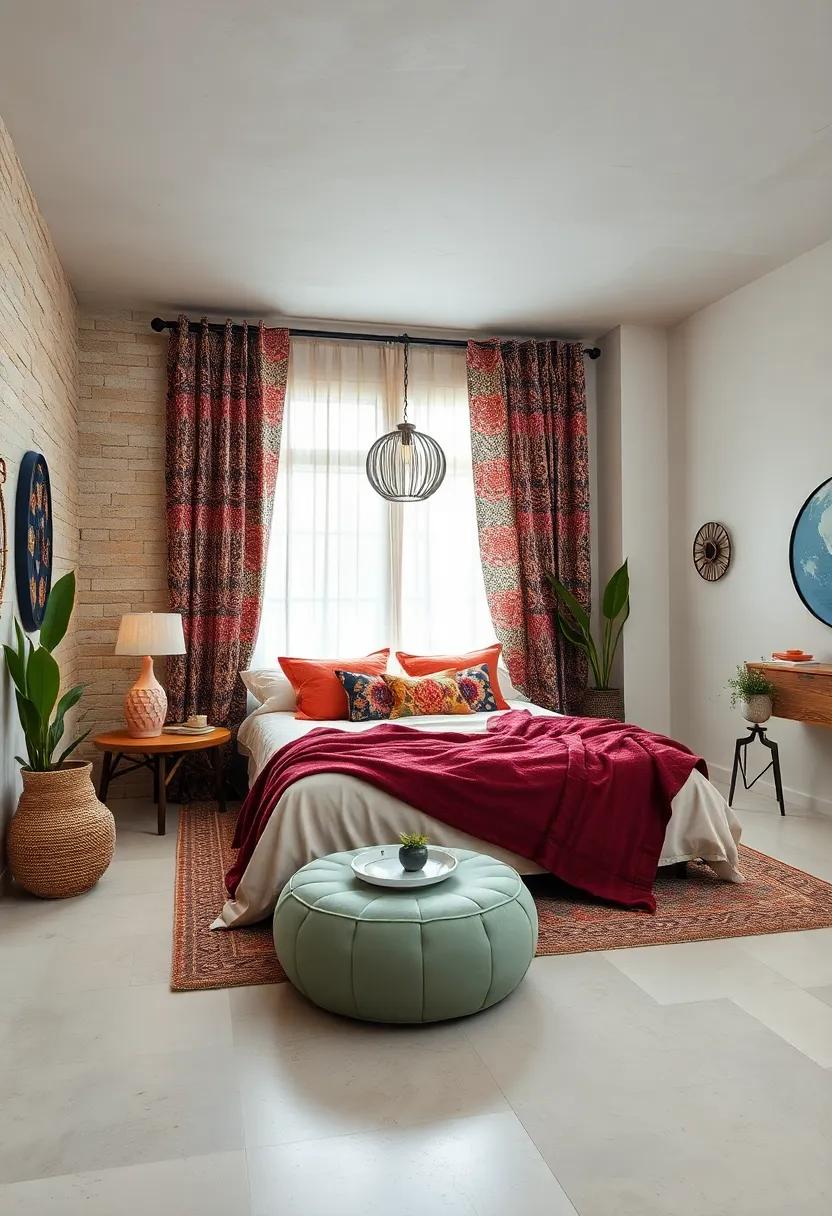
Richly patterned curtains serve as a dynamic focal point in any boho bedroom, effortlessly breathing life into the space while complementing the serene quality of light, neutral walls. The intricate motifs, vibrant colors, and layered textures create an inviting aura that celebrates artistic freedom and individuality. When these curtains cascade against a backdrop of white, beige, or soft gray, they stand out, offering a striking visual contrast that anchors the room’s eclectic elements. This intentional pairing not only elevates the overall aesthetic but also brings warmth and depth, turning the room into a sanctuary that is both vibrant and balanced.
To truly embrace the bohemian vibe, consider blending these curtains with subtle accents that tie the scheme together, such as:
- Natural woven rugs with earthy undertones
- Handcrafted macramé wall hangings
- Soft linen cushions in muted hues
This combination highlights the beauty of contrast while maintaining cohesion, allowing eclectic charm to flourish without overwhelming the senses. The interplay between the patterned fabrics and neutral walls creates a visual rhythm that invites relaxation and self-expression-key essences of the boho lifestyle.
Curated Books, Crystals, and Sculptures Arranged to Inspire Mindfulness and Artistic Energy in the Bedroom Setting
Immerse yourself in the serene fusion of intentionality and artistry by placing carefully selected books, shimmering crystals, and captivating sculptures throughout your sanctuary. Each piece serves a dual purpose – not just as decoration but as a catalyst for mindful moments and creative reflection. Imagine a bedside stacked with well-thumbed poetry collections and philosophical tomes that invite late-night musings, complemented by the gentle glow of amethyst clusters and clear quartz points that quietly infuse the space with grounding energy.
To elevate this harmonious ambiance, incorporate eclectic sculptural accents that echo personal stories or cultural inspirations. Consider a small table featuring a mix of natural elements and artistic craftsmanship:
- Books: Vintage leather-bound journals, contemporary art anthologies
- Crystals: Labradorite for intuition, rose quartz for calm
- Sculptures: Hand-carved wooden figurines, abstract metal wire art
| Element | Symbolic Meaning | Ideal Placement |
|---|---|---|
| Amethyst Crystal | Calm & clarity | Nightstand, near your reading lamp |
| Leather-bound Book | Timeless wisdom | Stacked on a window ledge |
| Abstract Sculpture | Creative energy | Corner shelf or dresser top |
Layered Lighting Schemes with Fairy Lights, Candles, and Spot Lamps Offering Depth and a Dreamy Ambiance
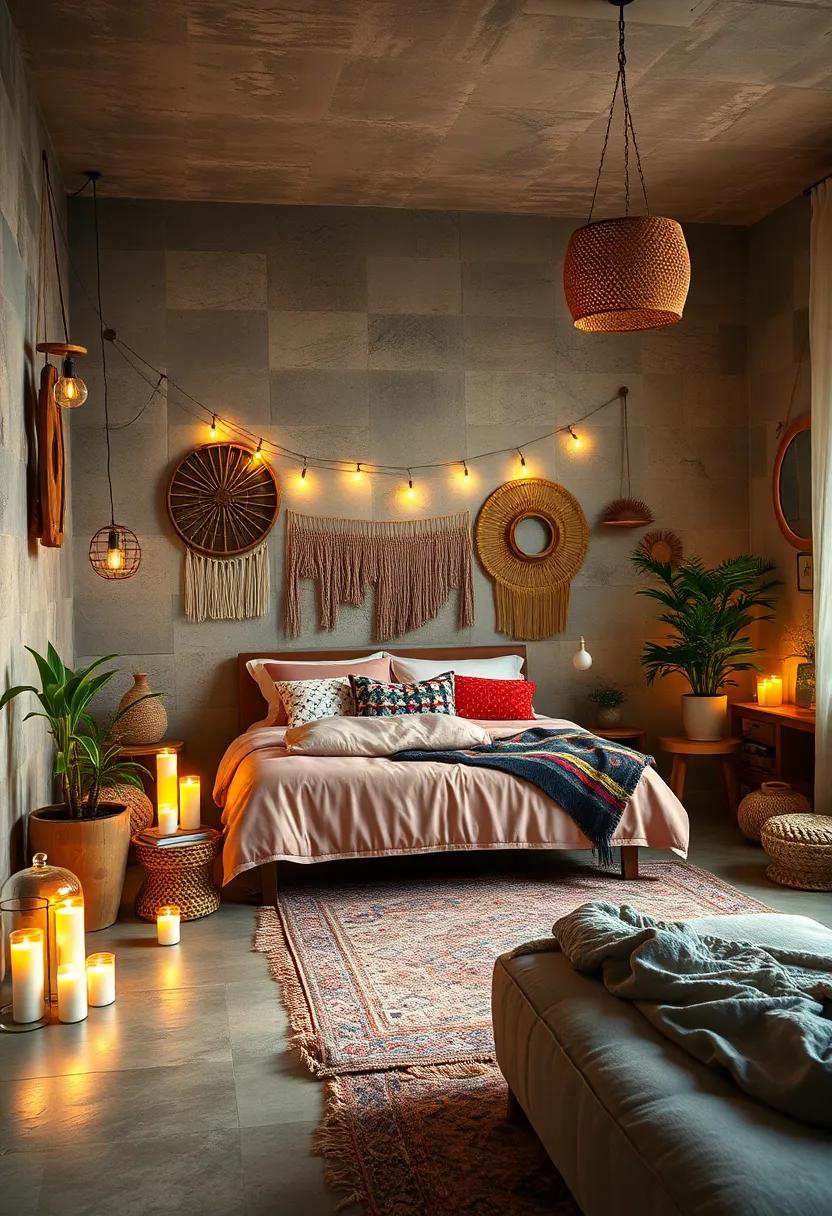
Transform your sanctuary into a haven where layers of light dance in perfect harmony. Start by draping delicate fairy lights around a rustic wooden headboard or cascading them along a sheer canopy for a sprinkle of whimsical charm. These tiny bulbs emit a soft glow, creating pockets of intimacy without overpowering the senses. Interspersed with flickering candles-whether nestled in glass jars or housed in intricately carved holders-the space gains a warmth reminiscent of cherished memories and quiet evenings spent enveloped in calm.
To balance the ethereal shimmer, thoughtfully positioned spot lamps add dimension and focus, highlighting favorite boho elements like a richly patterned rug or a collection of macramé wall hangings. Combining these lighting elements in layers allows each texture and color to unfold gracefully, producing a dreamy ambiance that invites you to linger. Consider these key layers in your lighting design:
- Ambient Glow: Fairy lights softly woven to wash the room in gentle illumination.
- Accent Warmth: Clustered candles offering flickering dance and tactile warmth.
- Focused Highlights: Adjustable spot lamps directing attention to artistic details.
| Lighting Element | Purpose | Ideal Placement |
|---|---|---|
| Fairy Lights | Ambient, soft glow | Around bed frame/canopy |
| Candles | Warmth, intimacy | Nightstands, shelves |
| Spot Lamps | Focus, depth | Highlight art/textures |
Nature-Inspired Artworks Featuring Botanical Prints and Abstract Landscapes to Bind Boho and Eclectic Elements
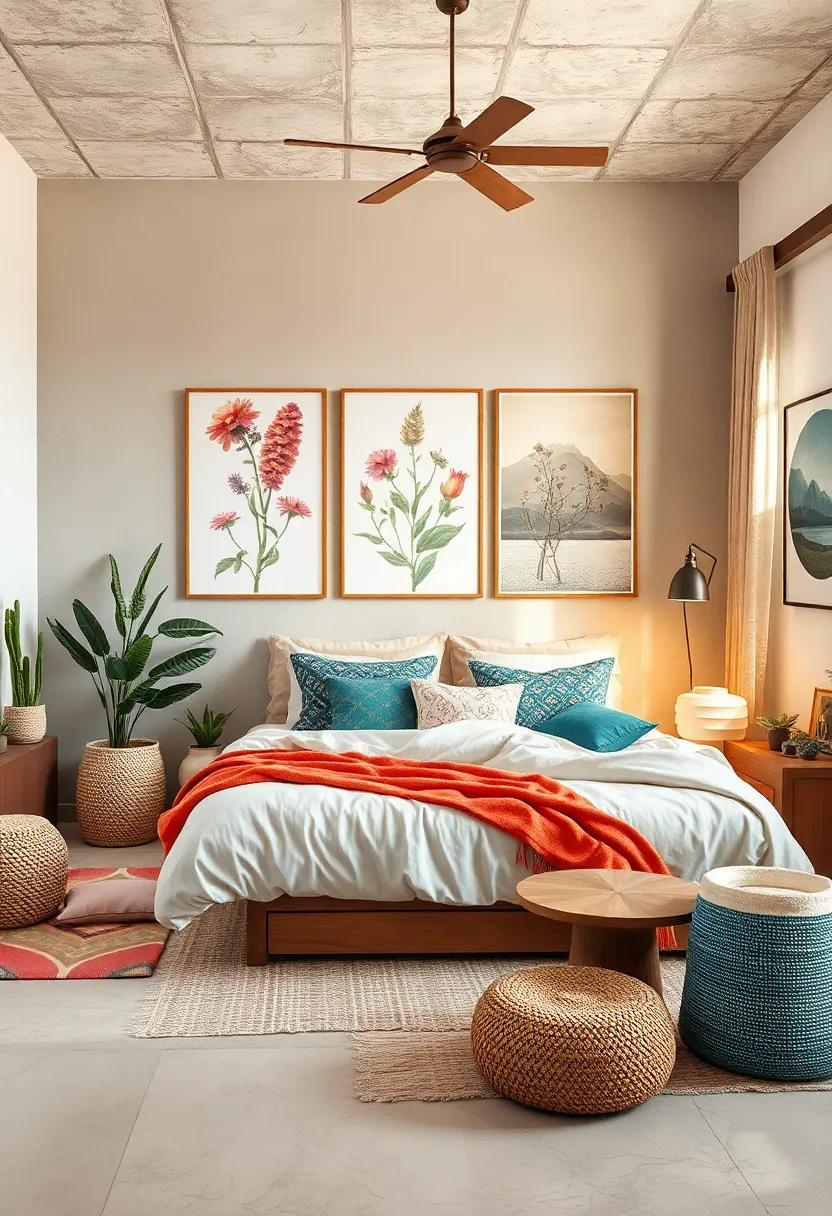
Integrating nature-inspired artworks into your space elevates the boho-bedroom experience by weaving organic textures and tones into the visual narrative. Botanical prints, with their delicate veins and lush greens, serve as an exquisite backdrop that amplifies the free-spirited vibe. When paired with abstract landscapes, these pieces evoke a sense of wandering and untamed beauty, capturing the essence of bohemian wanderlust. The interplay of soft florals and bold, sweeping brushstrokes allows for a vibrant yet balanced canvas that complements the eclectic mix of patterns, colors, and textures that define this style.
To achieve a harmonious blend, consider layering key elements such as:
- Vintage macramé wall hangings coupled with contemporary botanical prints
- Frames of varied textures and finishes – from rustic wood to sleek metal
- Abstract landscape art that echoes the earthy pigments of woven textiles
- Accent pieces that carry the warmth and unpredictability of natural motifs
This layering creates a tactile and visual feast, where each artwork serves as a conversation starter and a testament to personal storytelling. The union of these natural themes with the freeform eclecticism of a boho bedroom invites a space that feels both inviting and inspiring, embodying a truly artful lifestyle.
Bohemian-Style Canopies with Bead Curtains and Flowing Drapes Offering Privacy While Maintaining Airy Elegance
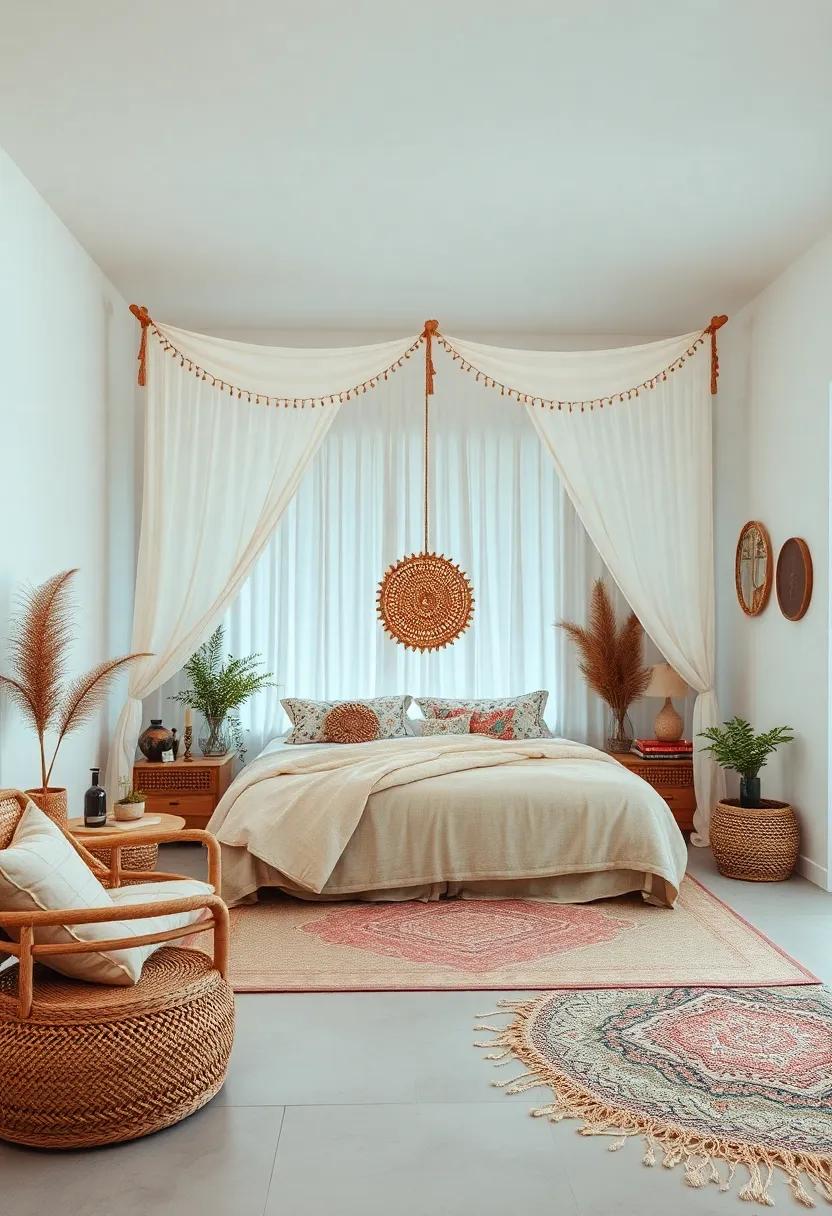
Transform your sleeping sanctuary into a whimsically serene hideaway with the magic of bead curtains intertwined with flowing drapes. These light, delicate layers serve as more than mere decoration – they create pockets of seclusion without suffocating the space, allowing gentle breezes and dapples of sunlight to dance freely around the room. The natural textures and soft hues found in the beads and fabric bring an organic warmth, echoing the core of Bohemian aesthetics while enhancing a sense of lightness and openness.
Consider incorporating this styling approach by selecting materials that invite both visual interest and tactile delight:
- Wooden or bamboo beads evoke earthy undertones.
- Sheer, cotton or linen drapes that ripple effortlessly with air circulation.
- Layered textures that mix metal accents or colorful threads for eclectic charm.
These elements not only delineate a private nook but also weave artistry and casual sophistication together. The result is a balanced retreat where privacy is gently folded into airy elegance, uplifting the room’s overall vibe without confinement.
Mixing Rustic and Glossy Textures Through Metallic Accents and Natural Weaves for a Dynamic Bedroom Look
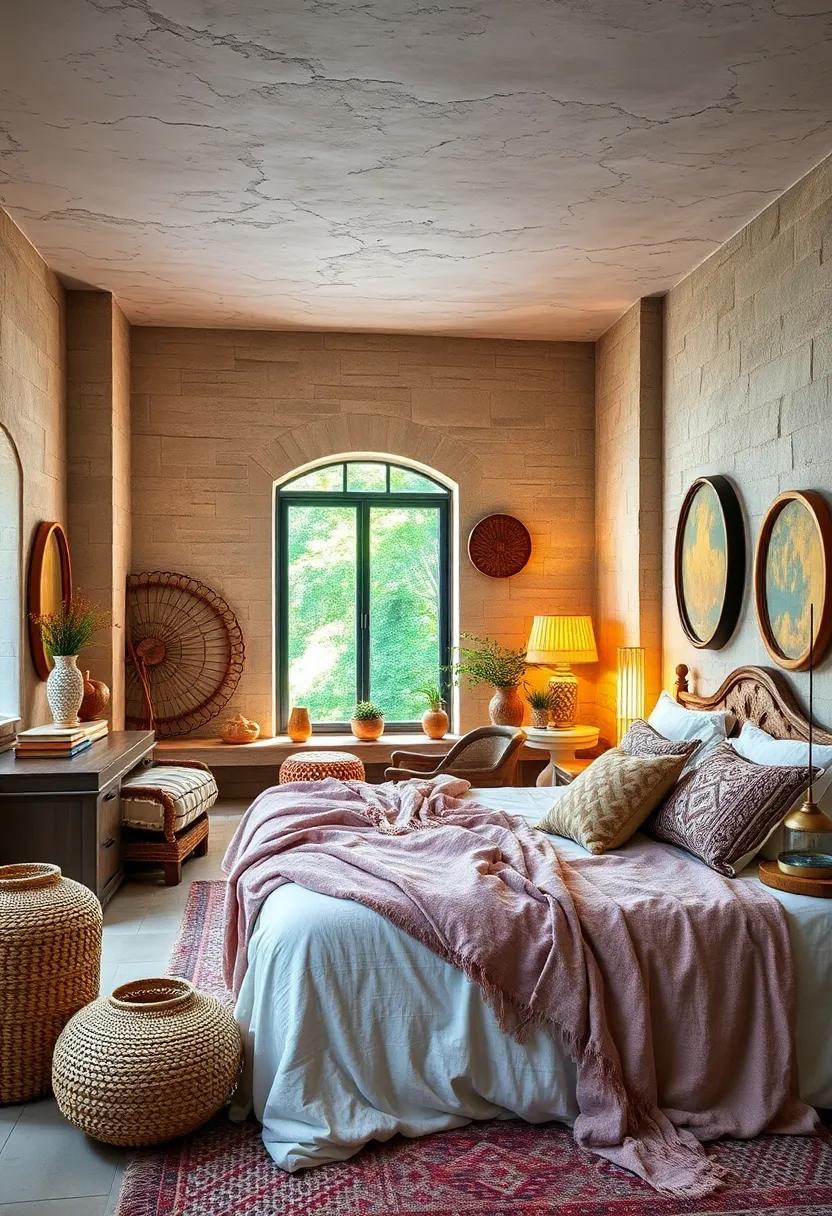
Infusing a bedroom with a sense of lively contrast begins with the strategic pairing of rustic textures alongside glossy metallic accents. Imagine the richness of a weathered wooden headboard or a handwoven rattan chair softened by the gleam of brushed brass lamps or the sparkle of a hammered copper vase. These elements serve not only as visual anchors but also as tactile invitations, encouraging you to explore the room’s many layers. The interplay between rough, organic surfaces and smooth, reflective metals creates a compelling tension, amplifying the boho vibe with a dash of eclectic sophistication.
To balance this dynamic fusion, consider incorporating natural weaves and metallic details through accessories and furniture elements such as:
- Woven wall hangings paired with silver-framed mirrors
- Brass candle holders alongside sisal or jute rugs
- Textured ceramic pots with copper planters
- Rattan baskets accented with gold-finished drawer pulls
This curated combination not only elevates the bohemian aesthetic but also invites a sense of freedom and eclectic charm, making the bedroom a textured tapestry of style and comfort.
Insights and Conclusions
In the end, creating a boho bedroom infused with eclectic charm is more than a design choice-it’s an invitation to celebrate individuality and freedom. This harmonious blend of textures, colors, and memories transforms a personal space into a sanctuary where creativity flows effortlessly and comfort reigns supreme. Embracing such a style allows your room to tell your story, weaving together threads of culture, art, and heart. So, as you step into your boho-inspired retreat, let it remind you that true style is found in the freedom to be authentically you.