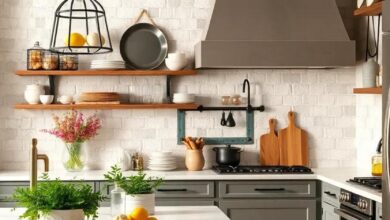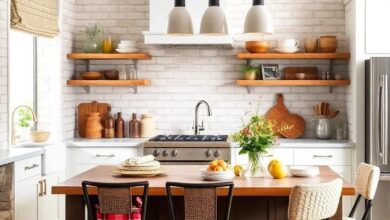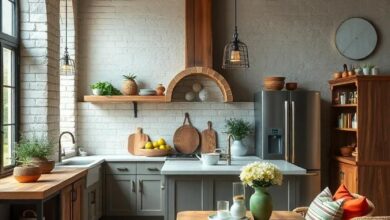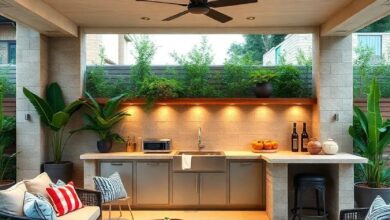
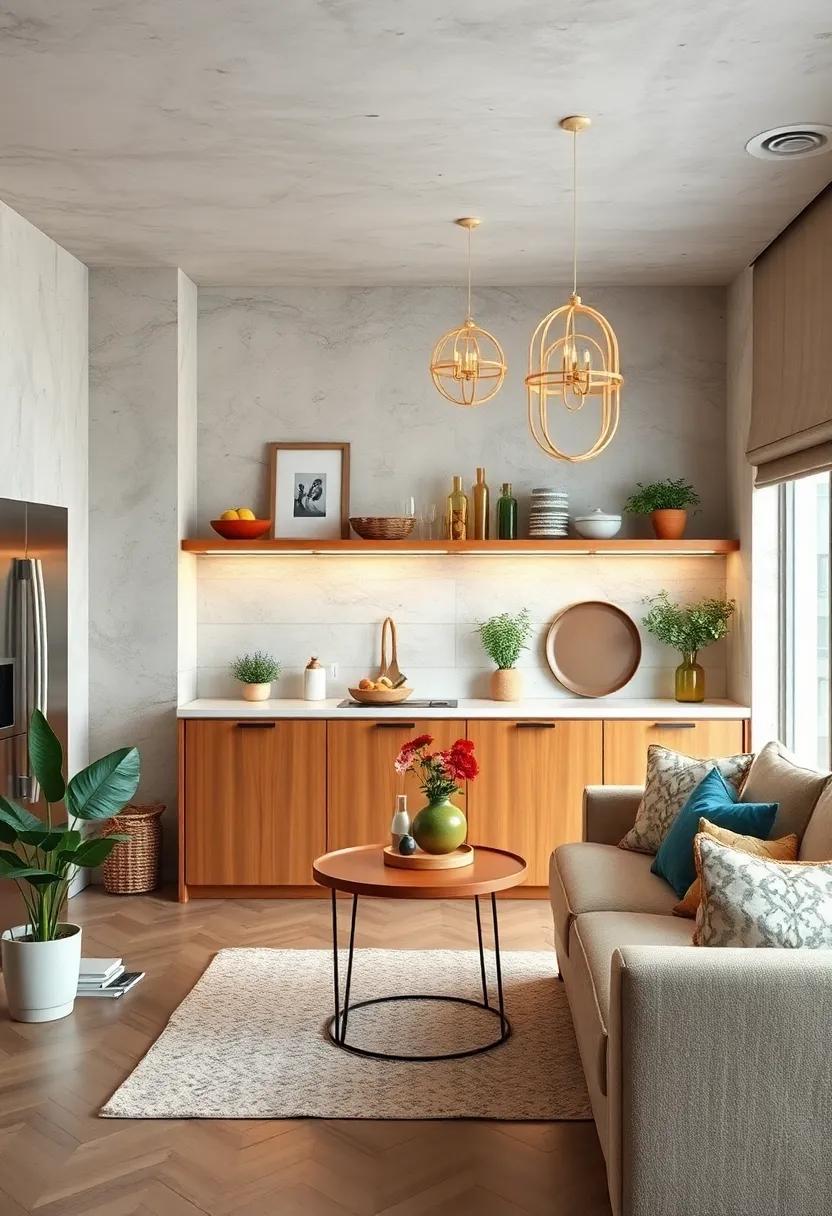
In the heart of every home, the kitchen stands as a gathering place-a blend of function and warmth. Yet, when space is limited, creating an inviting atmosphere that reflects personality and style can feel like a challenge. Enter charming small kitchen wall décor: a clever way to maximize both aesthetic appeal and practicality without overwhelming precious square footage. From whimsical art pieces to smart storage solutions, these inspired ideas transform modest walls into captivating focal points, proving that even the coziest kitchens can make a bold design statement.
Charming Open Shelves Displaying Colorful Ceramics Brightening Up a Cozy Kitchen Space
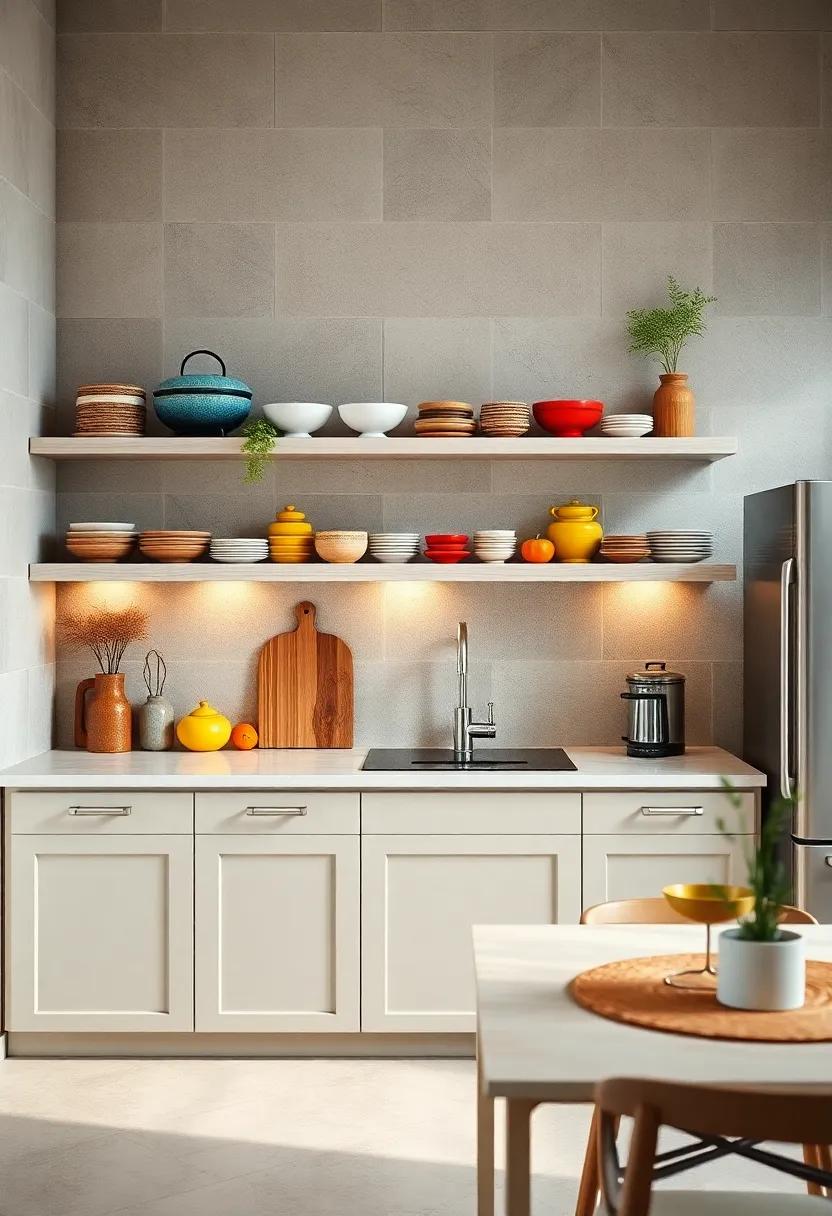
Open shelving in a small kitchen offers a brilliant way to combine functionality with personality. By arranging colorful ceramics across these shelves, you introduce vibrant pops of color that naturally energize the space. Think of vivid turquoise bowls, sunset-hued plates, or hand-painted mugs-each piece adds visual interest and tells a story, transforming a plain wall into a captivating focal point. Beyond aesthetics, these open shelves encourage easy access to everyday essentials, making cooking and cleaning more efficient without sacrificing charm.
To achieve a balanced display, consider mixing items of various sizes and shapes for depth and movement. Incorporate some greenery or small decorative accents alongside your ceramics to soften the look and add texture. Here’s a quick guide to styling your shelves effectively:
- Layer Items: Place taller pieces at the back and smaller ones upfront to create dimension.
- Color Coordination: Use a cohesive color palette to keep the display harmonious yet lively.
- Functional Beauty: Include frequently used plates and bowls, doubling style with convenience.
- Break the Pattern: Add a quirky sculpture or vintage jar to keep the eye intrigued.
| Tip | Benefit |
|---|---|
| Use sturdy brackets | Ensures shelves can hold ceramics safely |
| Choose washable surfaces | Keeps ceramics and shelves looking fresh |
| Balance colors evenly | Prevents any section from feeling overwhelming |
| Add soft lighting | Highlights ceramics and enhances ambiance |
Elegant Floating Glass Shelves Holding Herb Gardens Against a Sunlit Tile Backsplash
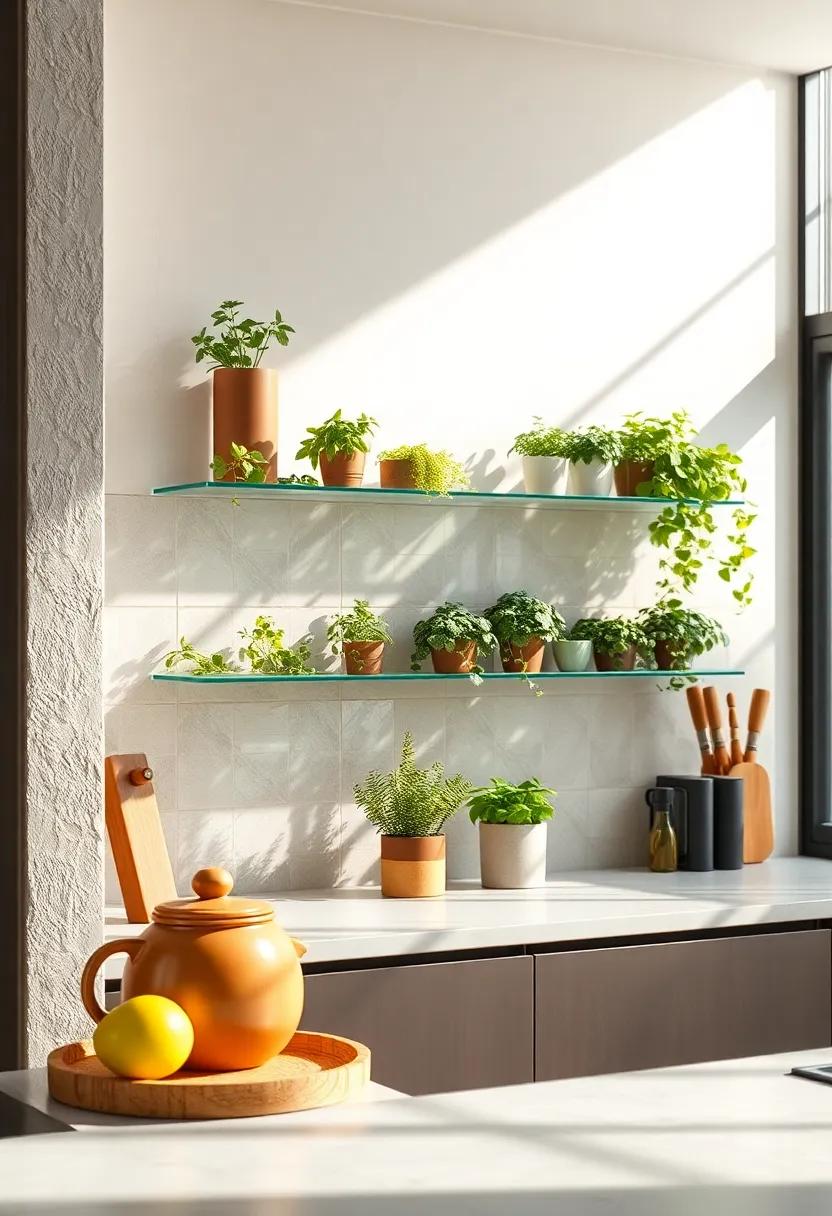
Transform your small kitchen walls into a serene botanical haven with floating glass shelves that seamlessly blend functionality and artistry. These sleek, transparent platforms seem to hover effortlessly next to a sunlit tile backsplash, capturing natural light to illuminate your delicate herb garden. Not only do they provide easy access to fresh flavors, but their minimalist design adds an airy sophistication, making the most of vertical space without overwhelming your kitchen’s visual balance.
Enhance the charm of this setup by incorporating complementary décor elements that emphasize natural textures and colors. Consider these styling tips:
- Small terracotta pots for a rustic, earthy vibe.
- Metal plant markers to label your herbs with elegance.
- Warm under-shelf LED lighting to highlight greenery after sunset.
- Colorful ceramic trays beneath pots to catch water drips and add pops of color.
| Herb | Light Needs | Water Frequency |
|---|---|---|
| Basil | Full Sun | Every 2-3 days |
| Mint | Partial Shade | Every 2 days |
| Rosemary | Full Sun | Weekly |
| Thyme | Full Sun | Weekly |
By integrating these floating shelves, your kitchen not only gains a stylish focal point but also becomes a thriving, fragrant space that inspires culinary creativity.
Rustic Wooden Wall Hooks Showcasing Copper Pots and Vintage Kitchen Utensils
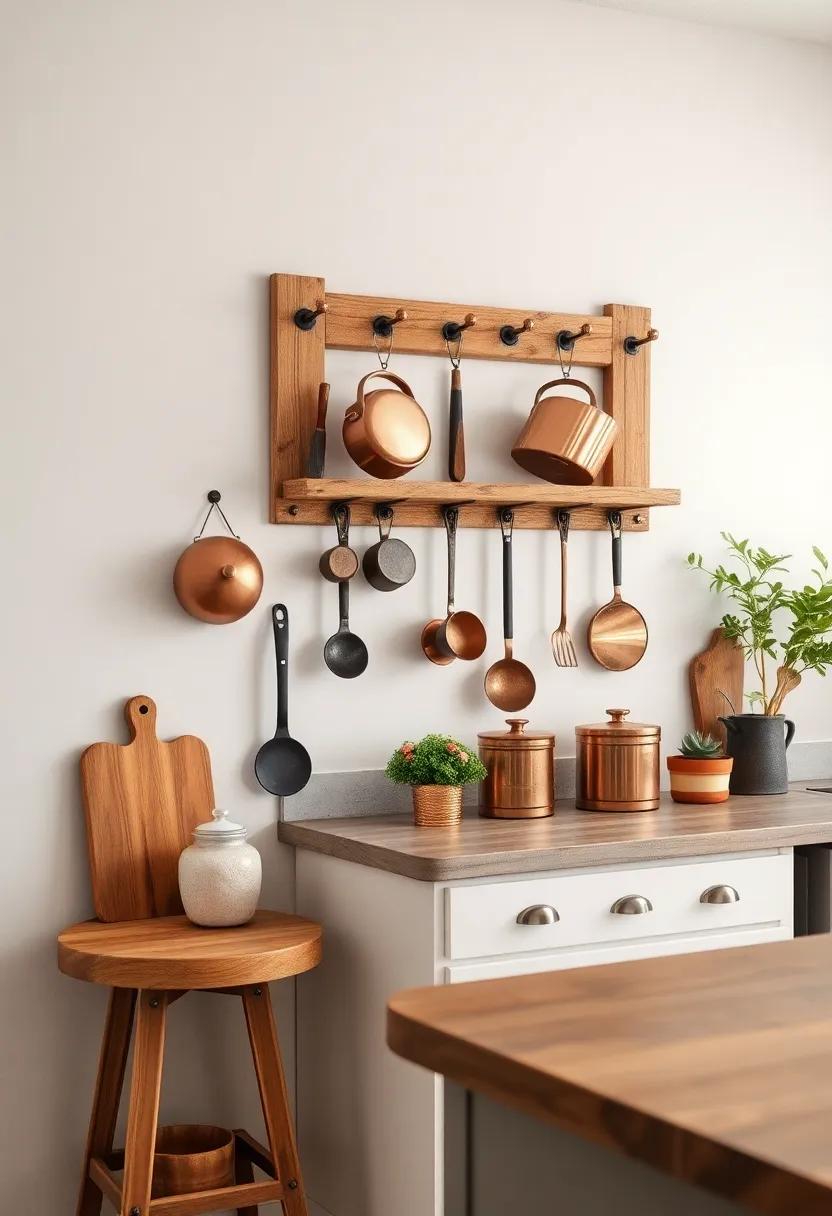
Transform a bare kitchen wall into a functional art piece by integrating rustic wooden wall hooks. These hooks offer more than storage-they create a warm, inviting ambiance that highlights your kitchen’s character. Perfect for hanging copper pots, their rich tones and natural patina bring an organic feel that complements both modern and vintage kitchens. Pair them with vintage kitchen utensils to add a nostalgic touch, turning everyday tools into eye-catching decor that tells a story.
To get started, choose a sturdy wooden plank with visible grain and a slightly weathered look for authenticity. Attach an array of heavy-duty hooks in varying sizes to fit different kitchen essentials. Here’s a quick guide on what you can feature on this charming display:
- Copper saucepans and kettles with a glossy patina
- Wooden spoons, rolling pins, and hand whiskers
- Antique ladles featuring detailed engravings
- Small spice baskets hung on S-hooks for easy access
| Item | Material | Visual Impact |
|---|---|---|
| Copper Pots | Metal (Copper) | Warm glow & classic charm |
| Wooden Utensils | Natural wood | Rustic texture & warmth |
| Vintage Ladles | Metal with patina | Historical elegance |
| Spice Baskets | Wicker or metal | Organized, textured layers |
Minimalist Black Metal Frames with Botanical Prints Bringing Life to a Compact Kitchen
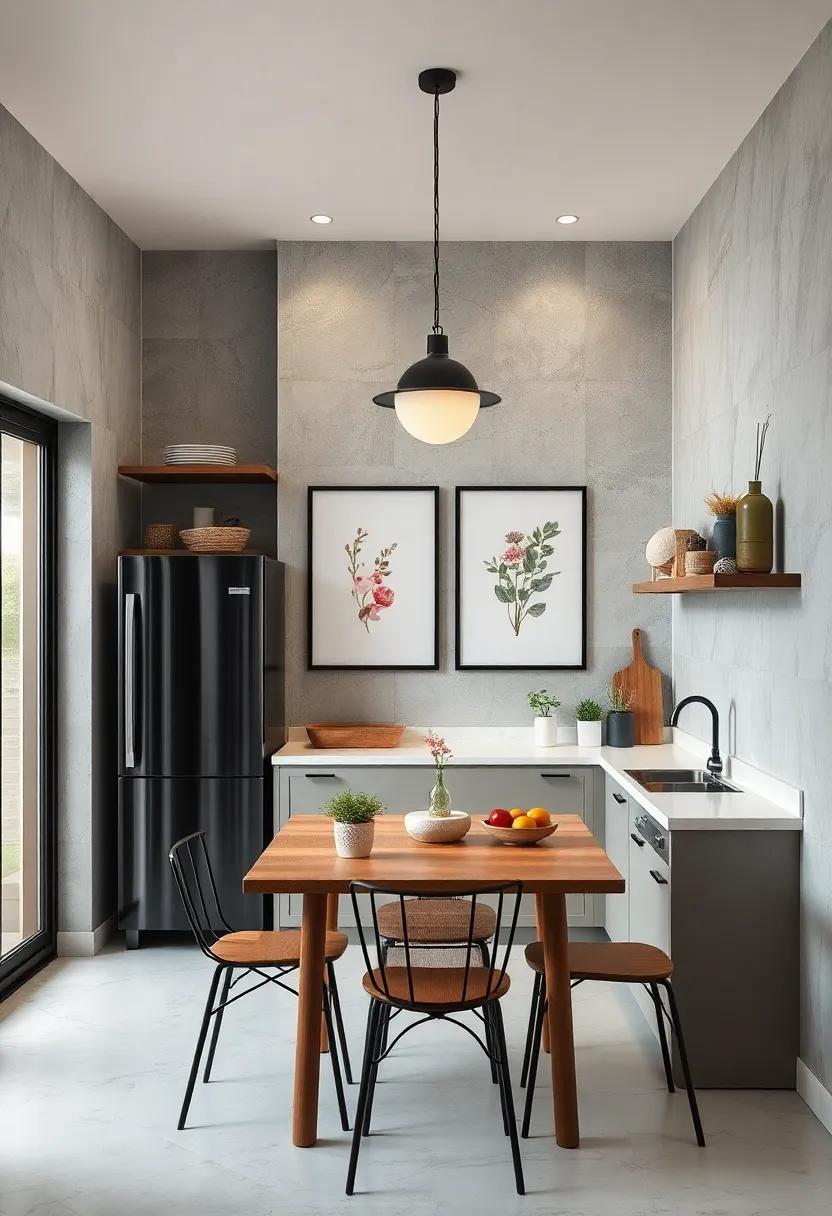
Elevate your compact kitchen by incorporating minimalist black metal frames that showcase delicate botanical prints. These sleek frames not only save precious wall space but also introduce an elegant contrast, highlighting the crisp greens and soft earth tones of plants. Their slender profiles create an airy, uncluttered look, making the room feel larger while bringing a touch of nature’s serenity indoors. The interplay of black metal against natural motifs bridges modern industrial style with organic warmth, perfect for creating a balanced and inviting cooking area.
To optimize visual impact without overwhelming the space, consider arranging the frames in these ways:
- Grid formation: Symmetrically position multiple prints to add order and structure to a small wall.
- Vertical stack: Line up botanical artwork vertically to draw the eye upward, enhancing the ceiling height.
- Mixed scale layout: Combine larger statement prints with smaller complementary ones for dynamic layering.
| Frame Size | Ideal Placement | Botanical Theme |
|---|---|---|
| 8×10 inches | Above sink or countertop | Succulents and ferns |
| 12×16 inches | Near dining nook or breakfast bar | Wildflowers and herbs |
| 5×7 inches | Between cabinet edges | Leaf patterns and vines |
Industrial Pipe Shelves Storing Retro Cookbooks and Antique Spice Jars in a Small Kitchen
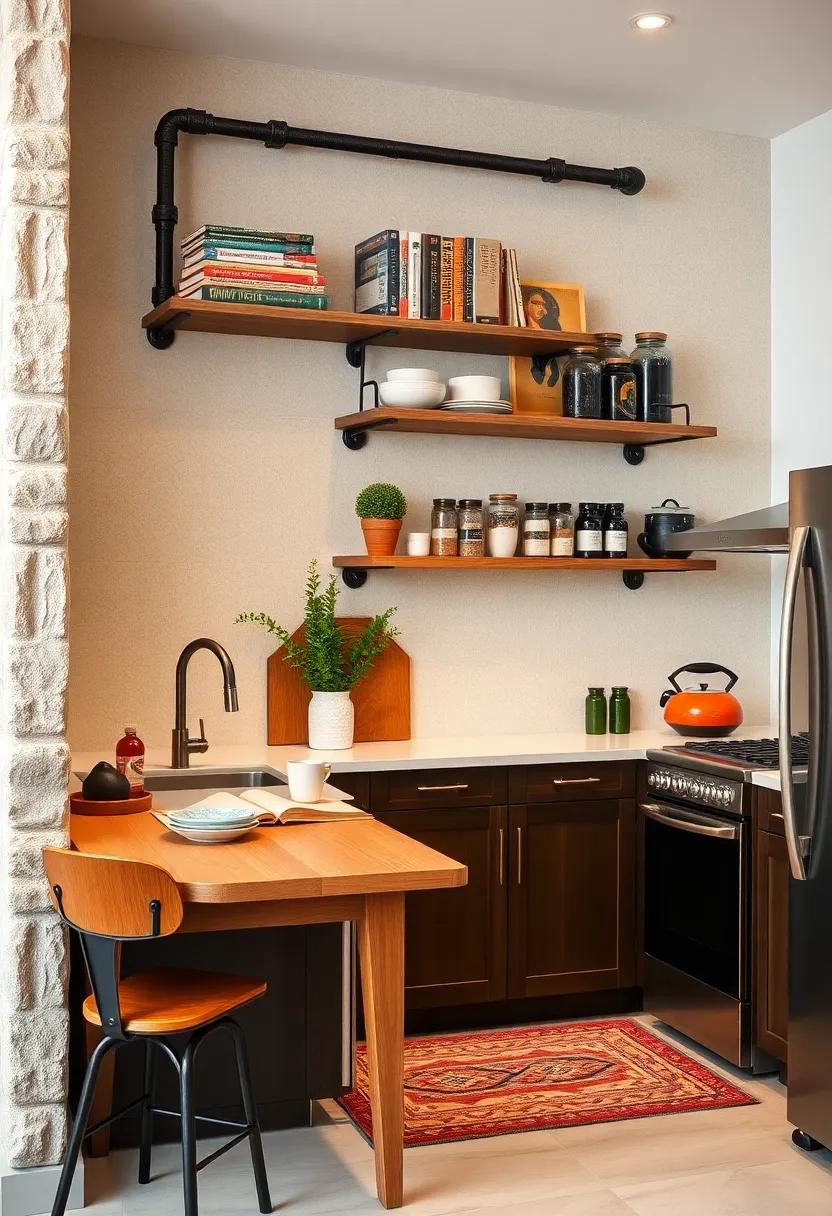
Utilizing industrial pipe shelves turns a small kitchen wall into a stylish storage haven, perfectly balancing function with vintage charm. This rugged shelving showcases eclectic collections of retro cookbooks that bring nostalgic vibes and a pop of color, while antique spice jars add character with their timeless shapes and faded labels. The open shelves keep items within easy reach, encouraging cooks to experiment with new recipes and flavors without sacrificing an inch of precious counter space.
Consider incorporating decorative touches alongside practicality for a truly captivating display:
- Mismatched jars and containers to evoke a heartfelt story behind every spice
- Weathered wooden boards as backdrops to soften the industrial metal pipes
- Small potted herbs nestled among spices to add greenery and freshness
| Feature | Benefit |
|---|---|
| Open Industrial Pipe Shelves | Maximizes vertical wall space for storage & display |
| Retro Cookbooks | Adds character and colorful visual interest |
| Antique Spice Jars | Provides vintage charm and unique conversation pieces |
Pastel Painted Pegboard Featuring Hanging Mugs and Kitchen Gadgets for Organized Charm
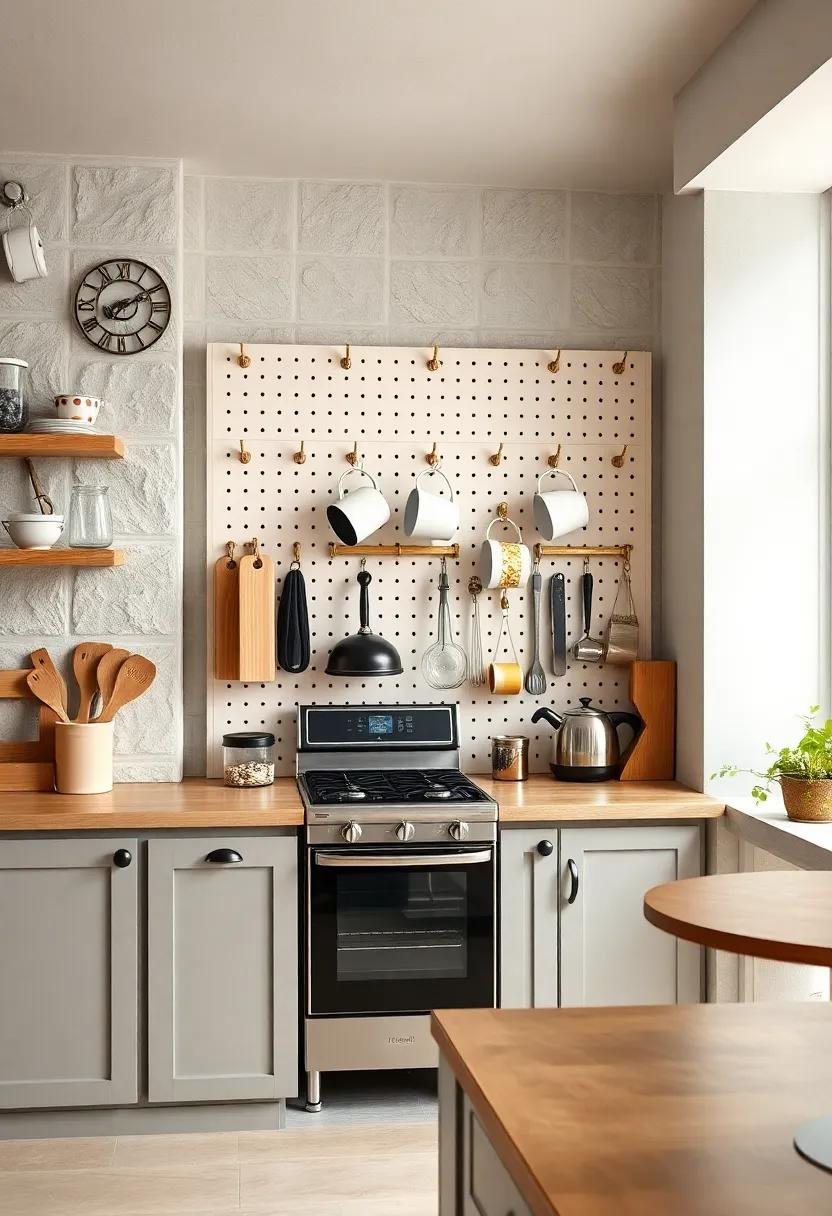
Inject a soft, soothing palette into your kitchen with a pastel painted pegboard that cleverly combines aesthetics and functionality. This eye-catching feature not only adds a splash of subtle color but also transforms your wall into a neatly organized gallery of your favorite mugs and essential kitchen gadgets. By utilizing hooks and shelves, you create an accessible, clutter-free zone where every item-from your cherished ceramic mugs to handy utensils-has its perfect place, making daily prep a breeze.
For those seeking both charm and order, a pastel pegboard offers endless customization opportunities. Consider grouping your items by color, size, or function, enhancing visual harmony while boosting efficiency. Here’s a quick look at why this wall solution stands out:
- Space-saving: Frees up countertop and cabinet space for a cleaner look.
- Visual appeal: Pastel hues create a calm, inviting atmosphere in your kitchen.
- Easy access: Keeps frequently used tools within arm’s reach.
- Flexible layout: Reorganize hooks and shelves as your needs evolve.
| Item | Suggested Placement | Benefit |
|---|---|---|
| Color-coordinated mugs | Upper row hooks | Easy to grab, adds visual rhythm |
| Small kitchen gadgets | Side shelves or lower hooks | Organized and quick to find |
| Spice racks | Inset shelf area | Compact and conveniently displayed |
Modern Chalkboard Wall Art Framed with Natural Wood Accents for Daily Menu Inspiration
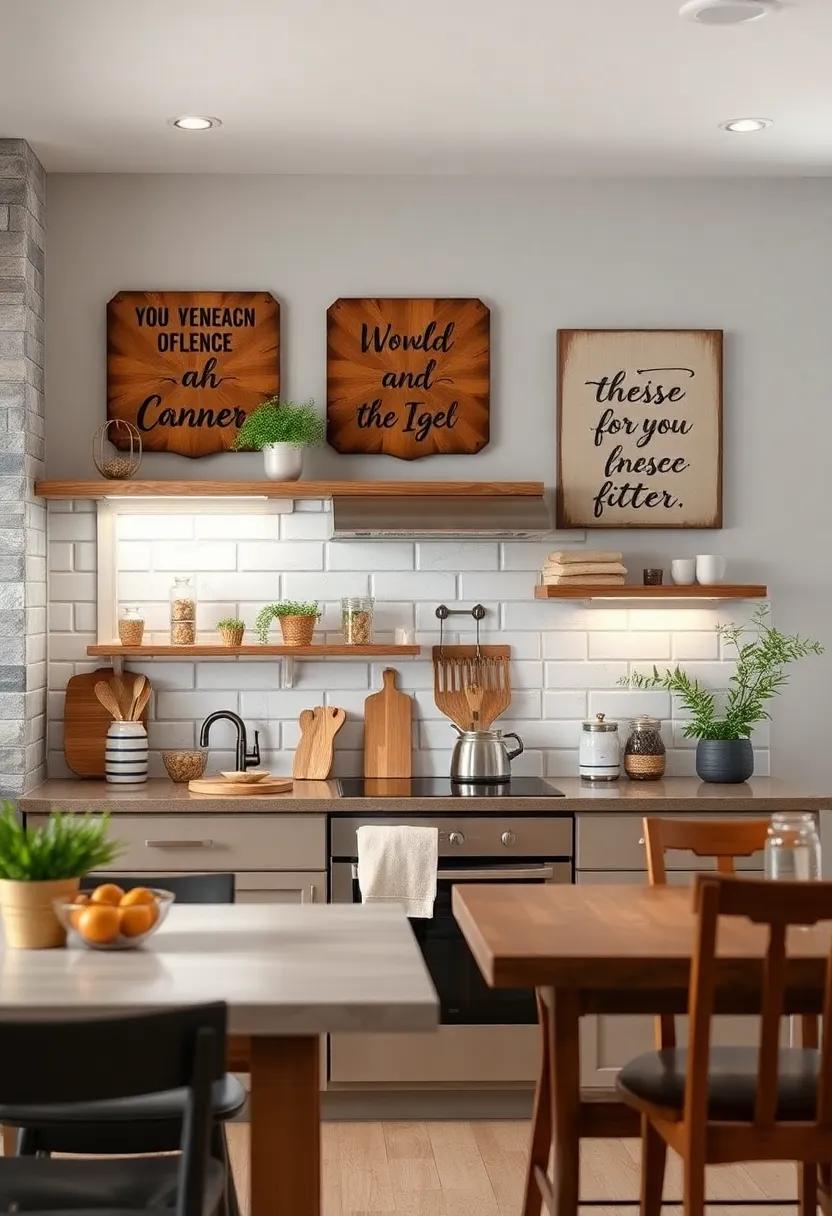
Embrace a blend of rustic charm and contemporary style with a chalkboard wall art framed in natural wood, perfect for adding a touch of personality to your kitchen sanctuary. This versatile piece not only serves as a daily menu planner but also doubles as an interactive art canvas, inviting you to jot down grocery lists, inspirational quotes, or chef’s specials. The organic wood frame adds warmth and contrasts beautifully with the matte black surface, creating a focal point that enhances any small kitchen’s ambiance.
Incorporate this clever décor element into your kitchen layout and discover benefits like:
- Functional flair: Keep meal planning visible and accessible, reducing stress on busy mornings.
- Eco-friendly updates: Replace paper notes and calendars with this reusable, writable surface.
- Customizable art: Switch between playful doodles and elegant calligraphy to match your mood or season.
| Feature | Benefit |
|---|---|
| Natural Wood Frame | Warmth & durability |
| Chalkboard Surface | Reusable & eco-friendly |
| Compact Design | Ideal for small spaces |
| Dual Functionality | Artistic & practical |
Woven Baskets Mounted on a Neutral Wall Creating Textural Storage and Visual Interest
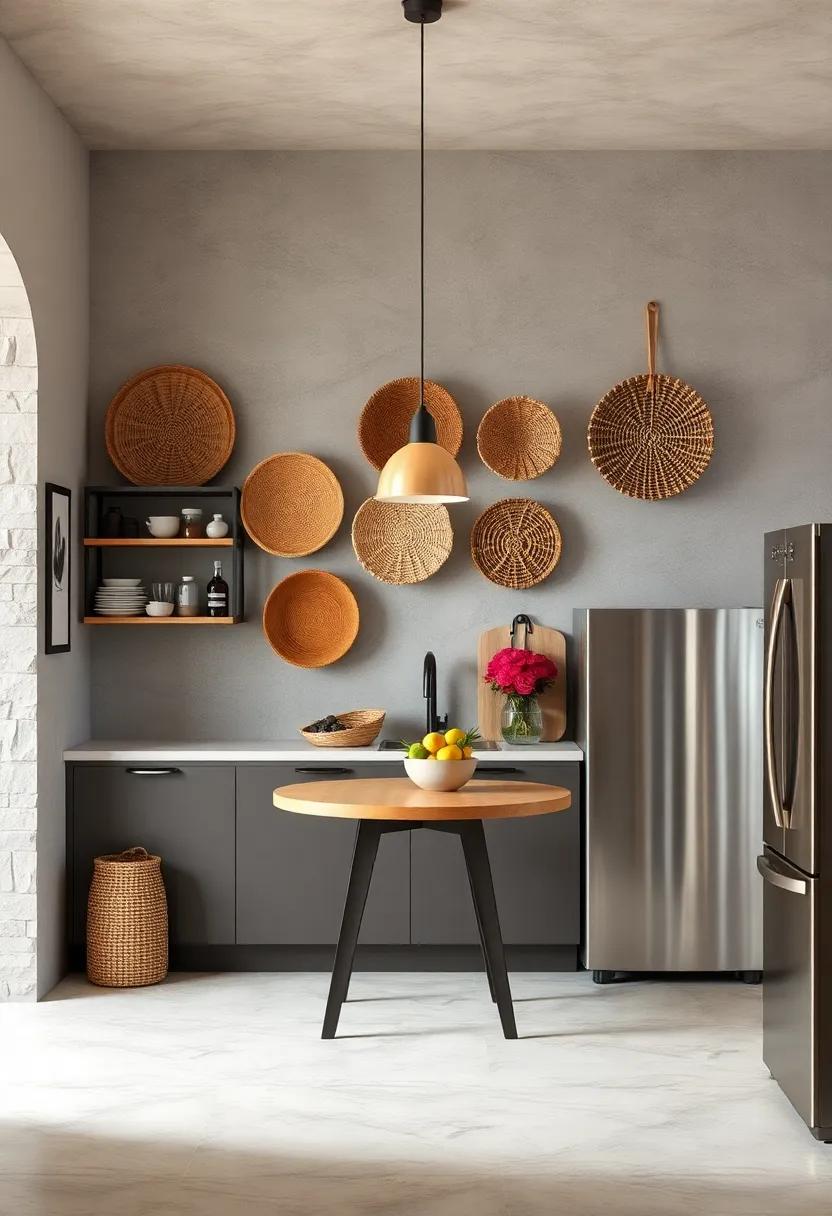
Transform your kitchen walls into a canvas of texture and utility by incorporating woven baskets as wall-mounted storage solutions. These natural elements bring warmth and an artisanal touch to your cooking space, effortlessly breaking the monotony of neutral-toned walls. Not only do they provide convenient storage for small kitchen essentials, but their layered patterns and earthy hues introduce a rhythmic visual appeal, turning functional organization into captivating décor.
Consider mixing basket sizes and shapes to create a dynamic arrangement that feels both organic and curated. Use smaller baskets for utensils or recipe cards, while larger ones can hold produce like garlic or shallots. This approach optimizes wall space without cluttering countertops and fosters a tactile ambiance that complements minimalist or rustic kitchen themes alike. Here’s a quick guide to styling your basket wall:
- Layer baskets for depth and interest.
- Coordinate colors to maintain harmony with cabinet finishes.
- Secure mounts to support varying basket weights safely.
- Rotate contents to keep functionality and freshness.
Vintage Wall-Mounted Plate Racks Displaying Hand-Painted Dinnerware in a Bright Kitchen
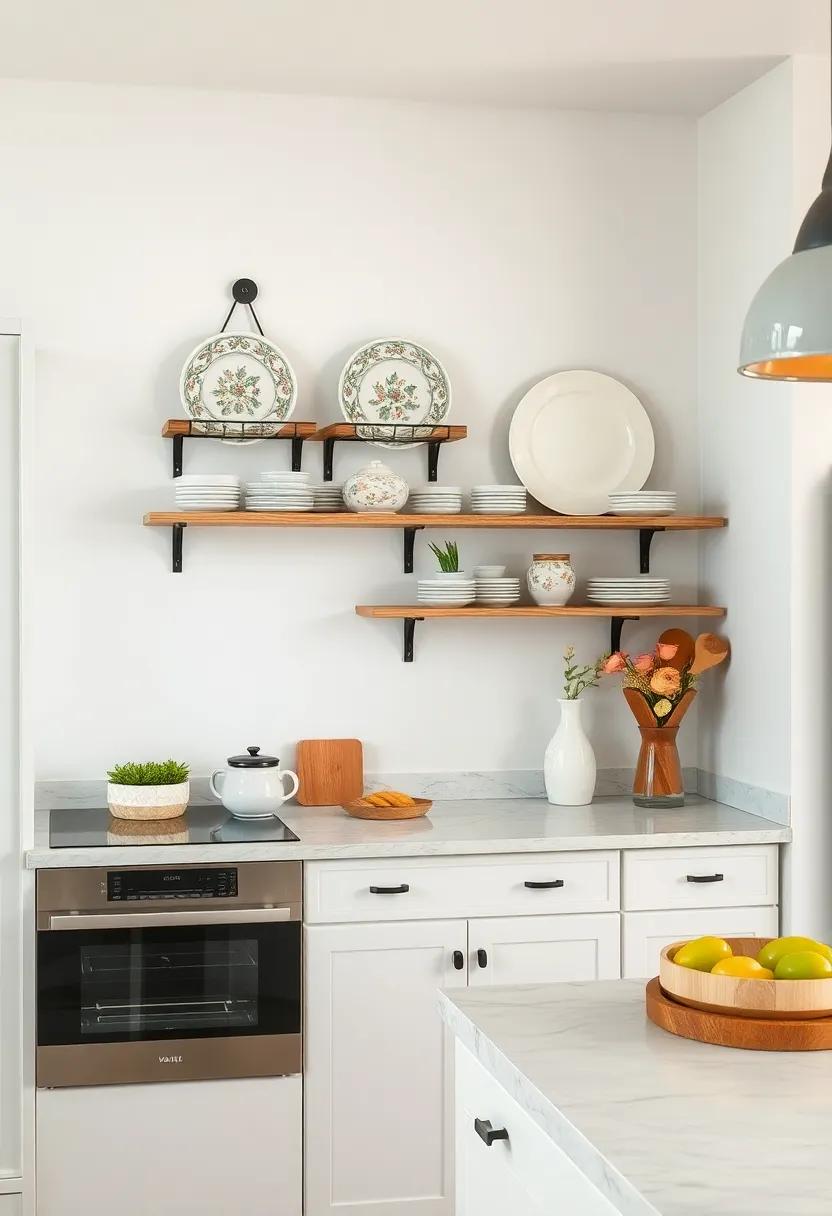
Embracing vintage charm in a small kitchen can elevate both style and functionality. Wall-mounted plate racks offer a delightful solution, turning your hand-painted dinnerware into eye-catching art. These racks not only save precious countertop space but also create a warm, inviting atmosphere where every plate tells a story. The delicate patterns and vibrant colors of your dinnerware become the focal point, adding personality and nostalgic flair to an otherwise simple kitchen wall.
To enhance this look, consider the following design tips:
- Opt for racks in classic finishes like distressed wood or wrought iron to complement the vintage vibe.
- Mix and match different plate sizes and designs for a dynamic, eclectic display.
- Keep the surrounding wall color light and bright to make the hand-painted details pop.
- Add soft under-rack lighting to highlight the intricate artwork and create cozy ambiance during evening meals.
| Benefit | Description |
|---|---|
| Space-Saving | Frees counter and cabinet room, ideal for compact kitchens. |
| Decorative | Transforms functional items into eye-catching décor. |
| Easy Access | Keeps plates within reach for quick serving and cleanup. |
| Customizable | Allows personalized displays matching kitchen themes. |
Geometric Wall Grids with Decorative Clips Holding Recipe Cards and Small Planters
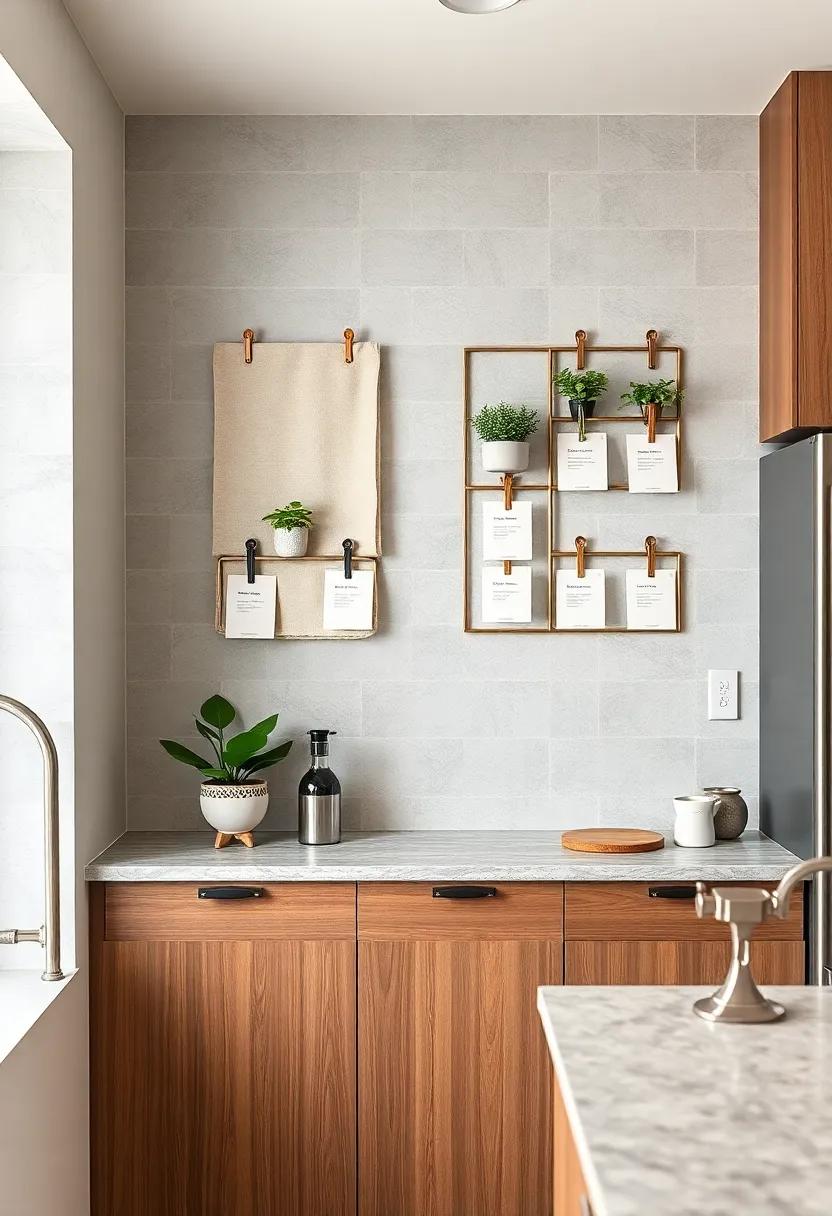
Incorporating geometric designs into your kitchen walls can transform the space into a charming and functional area. These sleek wall grids, often made from durable metal or wood with minimalist black or brass finishes, serve as both visual anchors and organizational masterpieces. With small, decorative clips holding recipe cards, you have quick access to your favorite dishes without sacrificing style. Adding an organic touch, small hanging planters with fresh herbs or succulent plants soften the grid’s linear structure and infuse a hint of nature into your kitchen’s ambiance.
To help you decide the best combination for your kitchen, here’s a handy guide:
| Grid Material | Clip Style | Planter Choice | Ideal Kitchen Style |
|---|---|---|---|
| Metal (Black) | Brass Clips | Succulents | Modern Minimalist |
| Natural Wood | Matte Black Clips | Herbs (Basil, Mint) | Rustic |
| Brushed Copper | Clear Acrylic Clips | Air Plants | Eclectic |
- Customize by swapping out recipe cards seasonally or with new favorites.
- Layer textures by combining sleek metals with natural woods.
- Maximize space by using vertical height for both decor and practical elements.
Ceramic Tile Murals Highlighting Mediterranean Patterns Adding Color to a Petite Kitchen
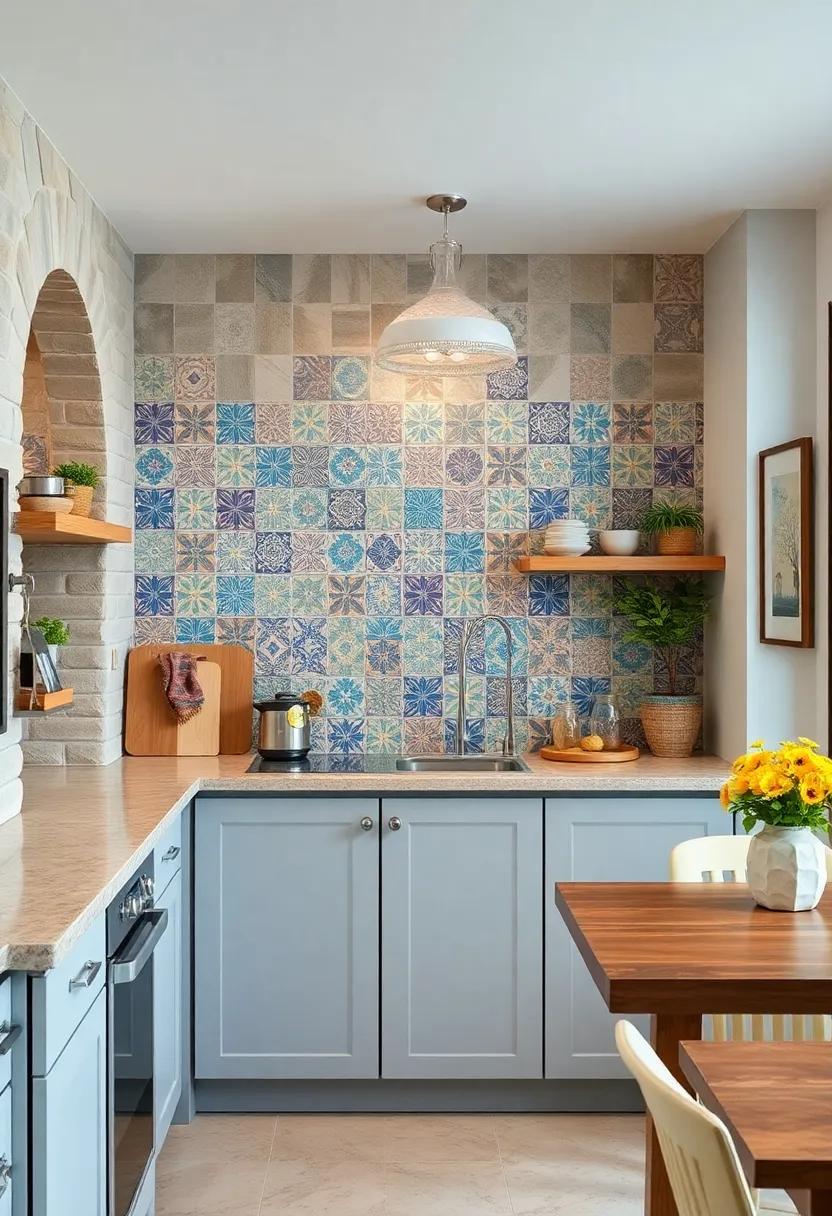
Infuse your petite kitchen with vibrant Mediterranean charm by incorporating ceramic tile murals that serve as lively focal points on your walls. These handcrafted tiles, often adorned with intricate floral patterns, geometric designs, and sun-kissed hues like cobalt blue, terracotta, and mustard yellow, transform any compact space into an enchanting nook bursting with character. The glossy finish of ceramic adds a subtle shine that reflects light, visually expanding your kitchen while celebrating artisanal craftsmanship.
To seamlessly blend style with functionality, consider arranging your tile murals in strategic zones such as backsplash areas behind the stove or sink. This not only protects your walls but highlights your mural like an art piece. Here are a few ideas to inspire your decor choices:
- Mix and Match: Pair colorful tiles with neutral cabinetry to allow the patterns to shine without overpowering the room.
- Framed Murals: Create a bordered effect with plain tiles around your mural to give it a polished, gallery-like presence.
- Small Clusters: Instead of covering entire walls, place miniature tile groups scattered across the backsplash for subtle pops of color.
Soft Fabric Wall Pockets Hung Near the Counter for Storing Fresh Produce and Kitchen Tools
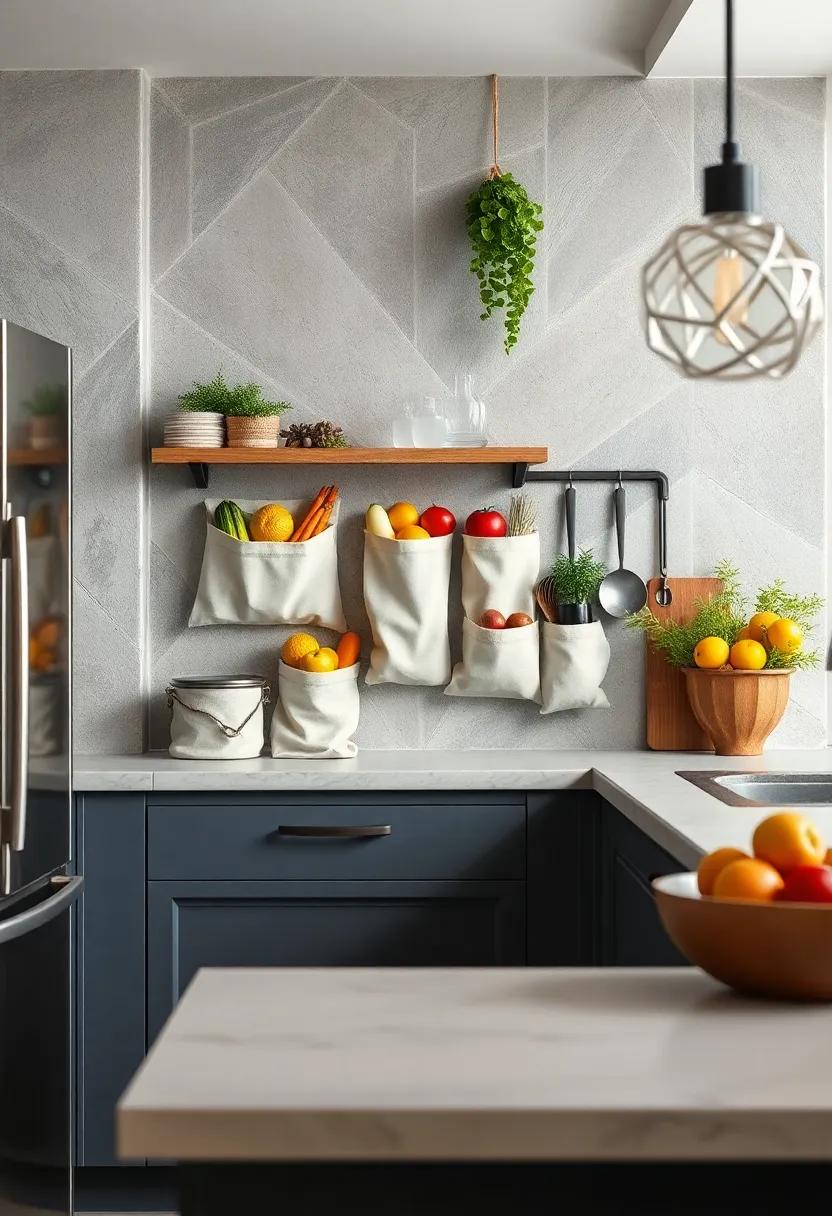
Add an element of softness and practicality to your kitchen by incorporating fabric wall pockets just steps away from your counter. These textile organizers bring texture and warmth, contrasting beautifully with hard surfaces like granite or stainless steel. Perfectly sized for both fresh produce and frequently used utensils, they offer an ingenious way to declutter while keeping essentials within arm’s reach. Crafted from breathable materials, these pockets help maintain the freshness of greens and herbs, making them an eco-friendly and stylish storage alternative.
Consider the versatility of these fabric pockets by customizing them with playful patterns or neutral tones to complement your existing color scheme. They can neatly store:
- Garlic, onions, and root vegetables for a quick flavor boost.
- Wooden spoons, whisks, and spatulas for easy meal prep.
- Recipe cards or notepads to keep cooking inspiration close.
- Small potted herbs bringing fresh aromas right to your fingertips.
| Material | Benefits | Color Suggestions |
|---|---|---|
| Cotton Canvas | Durable, washable, breathable | Soft beige, sage green, clay |
| Linen | Natural texture, lightweight | Off-white, dusty blue, charcoal |
| Jute | Rustic look, sturdy hold | Warm brown, olive, terracotta |
Whitewashed Ladder Shelves Leaning Against the Wall with Potted Herbs and Spice Bottles
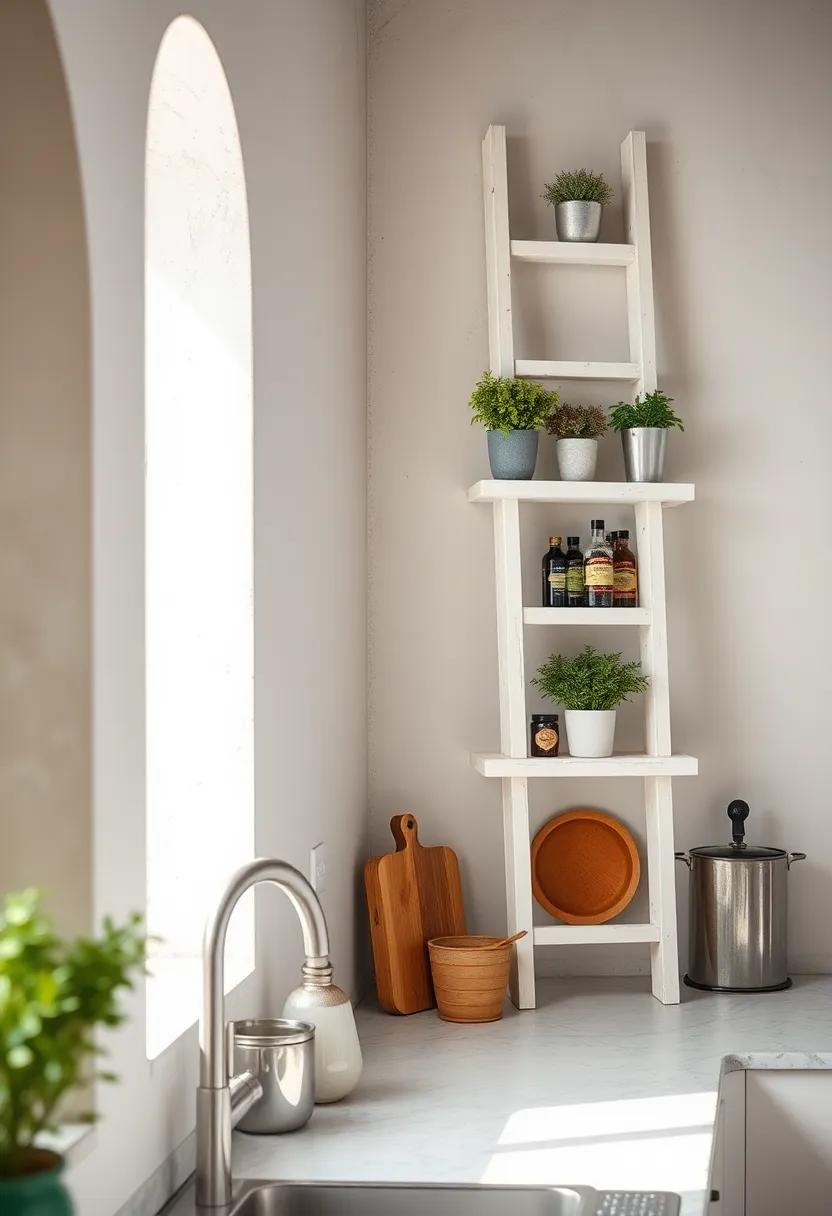
Embrace the rustic charm of a whitewashed ladder shelf as a practical and stylish addition to your small kitchen walls. This versatile piece leans effortlessly against the wall, providing vertical storage without taking up precious floor space. Transform it into a living showcase by placing vibrant potted herbs like basil, rosemary, and thyme along the steps, infusing your kitchen with fresh aromas and eye-catching greenery. Alongside these, line up your most-used spice bottles to keep flavorful essentials close at hand, creating a functional yet visually appealing corner.
Beyond aesthetics, ladder shelves offer an intuitive organization system. Utilize each tier for specific categories to keep the kitchen orderly and inviting:
- Top shelf: Delicate herb pots and small decorative accents
- Middle shelves: Spice bottles arranged by color or frequency of use
- Lower shelves: Larger kitchen tools or recipe books
This intentional setup maximizes space and functionality while adding layers of texture and color that brighten and personalize your cooking environment.
Slim Mirror Panels with Antique Frames Expanding Light and Space in a Small Kitchen Nook
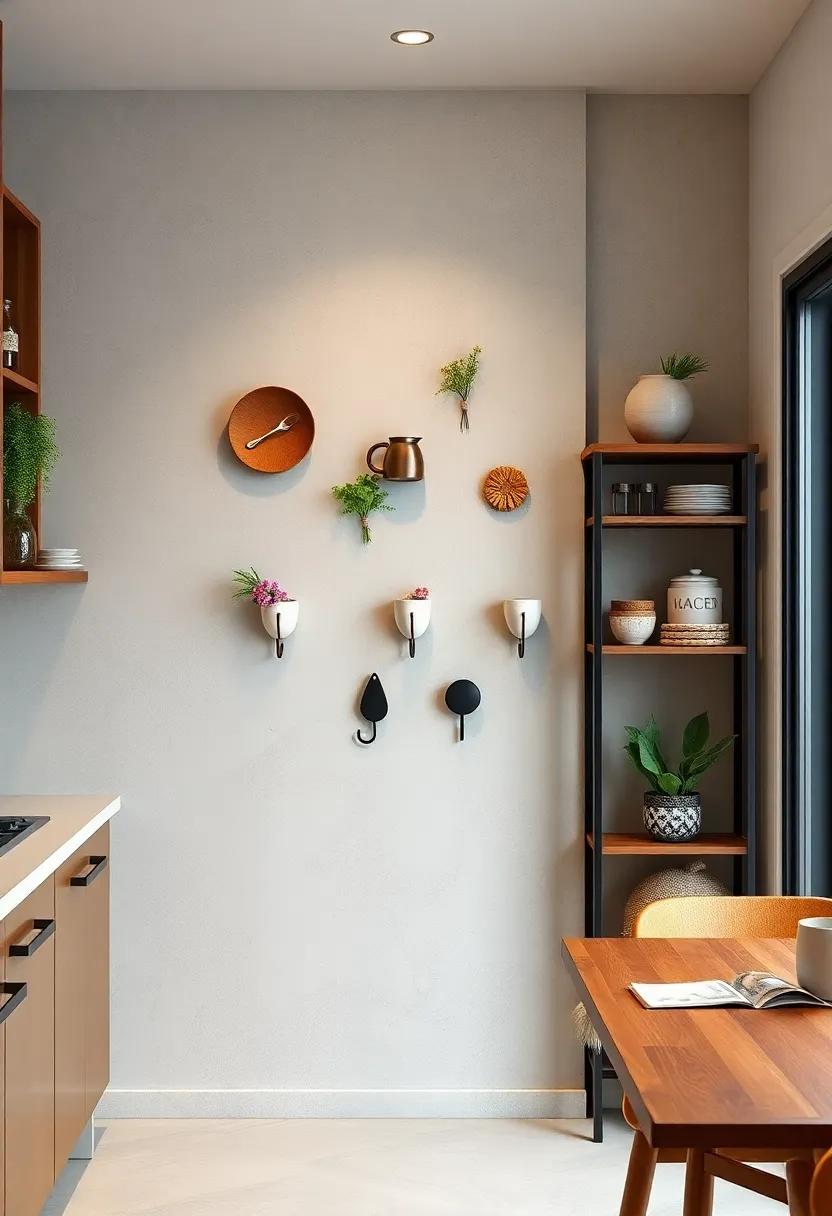
Introducing slim mirror panels framed with antique detailing into a compact kitchen nook instantly multiplies the sense of openness while weaving a dash of vintage charm. These reflective accents don’t just serve function; they elevate the ambiance, bouncing natural and artificial light throughout the space. Strategically positioned, the mirrors create an airy illusion that’s perfect for small kitchens where every inch counts.
To incorporate this look seamlessly, focus on these style tips:
- Choose slim, vertical panels for a modern twist on classic elegance.
- Pair frames with warm wood tones or patinated metals to complement rustic or farmhouse decor.
- Hang mirrors aligned with open shelves or above a small breakfast bar to visually double the area.
- Consider layering multiple panels side by side for a gallery wall effect that enhances depth.
Color-Coordinated Magnet Strips on Textured Walls Holding Sleek Knives and Metal Utensils
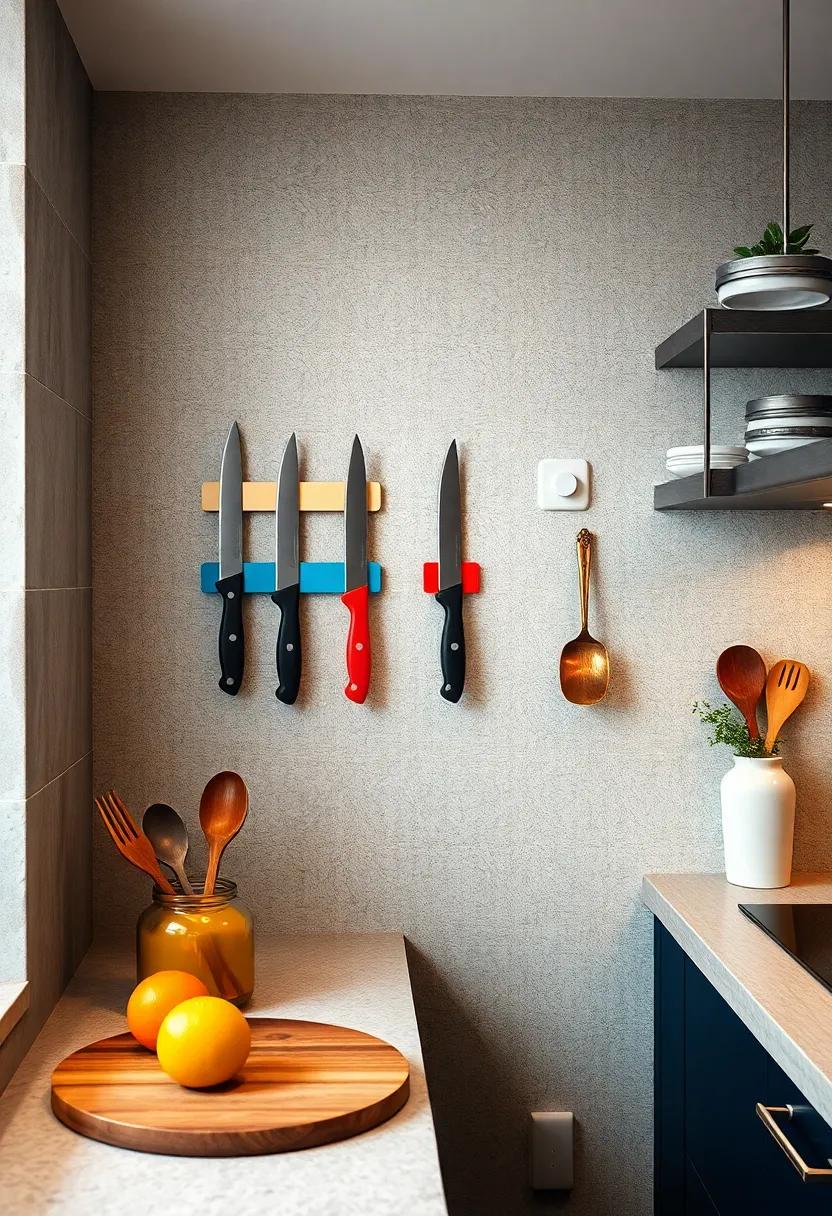
Transform your kitchen walls into an artistic yet functional gallery by installing magnet strips that carry a splash of color specifically chosen to complement your textured backdrop. These strips don’t just serve a practical purpose; they create a striking visual rhythm that draws the eye and elevates the feel of your space. Whether you opt for bold primary colors or subtle pastels, aligning the magnet strip hue with your wall texture enriches the sensory experience, making even everyday utensils-like sleek knives and shiny metal spoons-stand out as design elements. This color coordination trick cleverly merges utility with style, ensuring that your cooking tools are both easily accessible and a part of your curated kitchen aesthetic.
To keep your kitchen organized and stylish, consider a setup that categorizes utensils by type or use, enhancing workflow while adding charm. Here’s a simple layout that guarantees efficiency and flair:
| Magnet Strip Color | Items Held | Placement Tip |
|---|---|---|
| Matte Black | Chef’s knives, paring knives | Near the stove for easy reach |
| Soft Mint | Measuring spoons, small gadgets | Close to prep area for precision tasks |
| Warm Copper | Metal spatulas, ladles | Above countertop for quick access |
Bonus tip: Select magnet strips with a low profile to maintain a sleek appearance and avoid any disruption to the wall’s texture. This approach not only maximizes space but also creates a seamless blend of style and function, perfect for small kitchens seeking a personalized statement.
Hand-Painted Wooden Signs with Subtle Quotes Enhancing a Cozy Kitchen Atmosphere
Adding a touch of artisan charm to your kitchen walls, hand-painted wooden signs with subtle quotes bring warmth and personality without overpowering the space. Their soft, muted colors and delicate brush strokes naturally complement cozy kitchen vibes, inviting a sense of calm and comfort. These signs act as little whispers of inspiration, often showcasing phrases like “Gather Here,” “Seasoned with Love,” or “Savor Every Moment.” Placing them above countertops, near coffee stations, or in breakfast nooks transforms otherwise blank walls into heartwarming focal points, elevating your kitchen’s atmosphere with an understated elegance.
To seamlessly integrate these artful accents, consider the following practical styling tips:
- Mix and match sizes: Combine larger statement pieces with smaller companion signs for visual balance.
- Pair with natural elements: Frame signs alongside potted herbs or woven baskets to enhance the rustic charm.
- Choose complementary finishes: Opt for distressed or matte wood finishes that echo your cabinetry or shelving.
| Popular Quotes | Suggested Placement |
|---|---|
| “Home is Where the Heart Is” | Above the sink |
| “Eat Well, Laugh Often” | Near dining nook |
| “Fresh Coffee, Good Mood” | By coffee station |
Natural Cork Boards with Artistic Collages of Vintage Recipe Clippings and Postcards
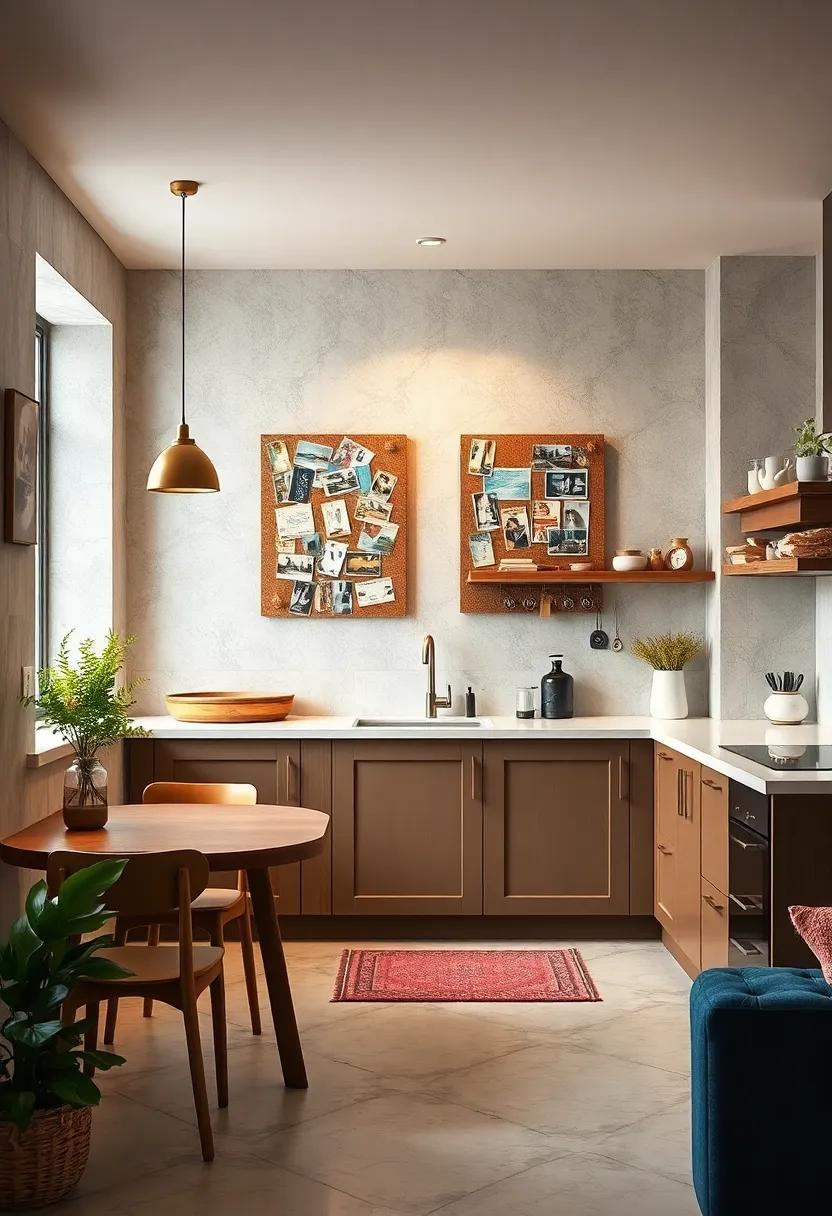
Transform your kitchen walls into a nostalgic gallery by incorporating natural cork boards adorned with artistic collages of vintage recipe clippings and postcards. This approach not only adds a unique visual interest but also infuses charm and personality into your cooking space. The natural textures of cork provide a warm, organic backdrop that complements the aged paper and faded inks of vintage prints, creating a captivating mix of rustic and retro vibes. Use colorful push pins or tiny clips to attach the elements, allowing for easy updates and seasonal swaps that keep your kitchen décor fresh and engaging.
For a practical yet decorative touch, consider organizing your cork board collages into thematic zones. For example:
- Classic Comfort Foods: Showcase hand-written family recipes and postcard mementos from road trips.
- Exotic Inspirations: Vintage clippings of international dishes paired with travel postcards.
- Kitchen Quotes & Tips: Add quirky cooking quotes or clever tips clipped from old magazines.
To keep your wall décor cohesive and visually balanced, use a uniform color palette for the pins and frames. Below is a simple guide to pairing your collage themes with matching cork board frame colors:
| Theme | Recommended Frame Color | Suggested Cork Texture |
|---|---|---|
| Classic Comfort Foods | Antique White | Fine Grain |
| Exotic Inspirations | Muted Turquoise | Medium Grain |
| Kitchen Quotes & Tips | Charcoal Gray | Coarse Grain |
Compact Tiered Wall Stands Displaying Seasonal Fruits and Decorative Kitchen Treasures
Transform your kitchen walls into a delightful showcase with compact tiered wall stands that elegantly balance utility and charm. These space-saving structures allow you to artfully display vibrant seasonal fruits, inviting natural hues and fresh aromas into your culinary space. The multi-level design not only maximizes vertical space but also creates a dynamic visual focal point that breathes life into the kitchen’s atmosphere without overwhelming it. Imagine ripe oranges, crisp apples, and plump berries cascading down tiers, each piece easily accessible yet beautifully arranged like a living still life.
Besides fruit, these tiered stands are perfect for exhibiting decorative kitchen treasures that reflect your personality and style. Handcrafted spice jars, vintage ceramic vases, small potted herbs, or artisanal wooden utensils can be intermixed creatively, turning functionality into genuine art. Consider this quick guide to styling your tiered display:
- Balance: Pair colorful fruits with neutral-toned ceramics for contrast.
- Variety: Mix textures like glossy fruits with matte pottery or woven baskets.
- Seasonal swaps: Refresh your display month-to-month to keep the vibe current.
- Height play: Place taller items at the back and smaller ones in front for depth.
Ceramic Wall Hooks Arranged Symmetrically to Hang Linen Towels and Hanging Gardens
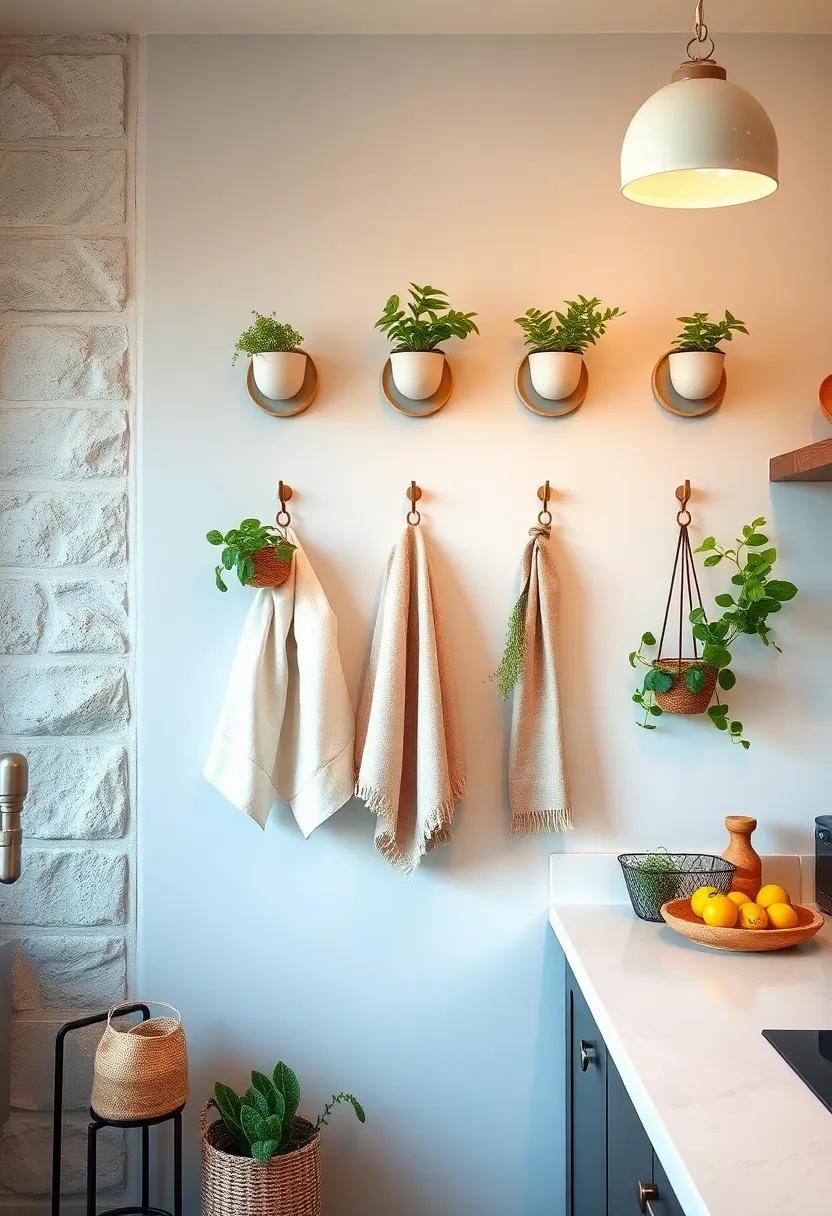
Bringing both function and flair to your kitchen, installing ceramic wall hooks in a perfectly balanced layout creates an inviting display that transforms everyday essentials into charming décor. These hooks, glazed in soft whites or earthy tones, offer a tactile contrast against painted or tiled walls. Position them in precise rows or geometrical patterns to achieve architectural interest while providing easy access to your linen towels. Each hook, sturdy enough to manage weight but elegant in detail, serves as a miniature showcase for handwoven fabrics, adding warmth with texture and subtle color variation.
Beyond towels, these hooks double as supports for hanging mini gardens, introducing a fresh botanical element that livens up the kitchen atmosphere. Imagine delicate ceramic pots cradled on hanging macramé holders, with herbs or trailing succulents thriving just within reach. This combination encourages an eco-friendly kitchen vibe and a connection to nature, while the symmetry of the hooks ensures the display remains visually harmonious. Incorporate this clever setup to make your kitchen not only a place for cooking but a gallery of personalized artistry.
- Material: High-gloss ceramic with smooth finishes
- Placement: Aligned in grids, rows, or hexagonal clusters
- Functionality: Hang towels, herbs, or small pots
- Maintenance: Easy to wipe clean, moisture resistant
Delicate String Lights Draped Along Floating Shelves Casting a Warm Glow on Kitchen Walls
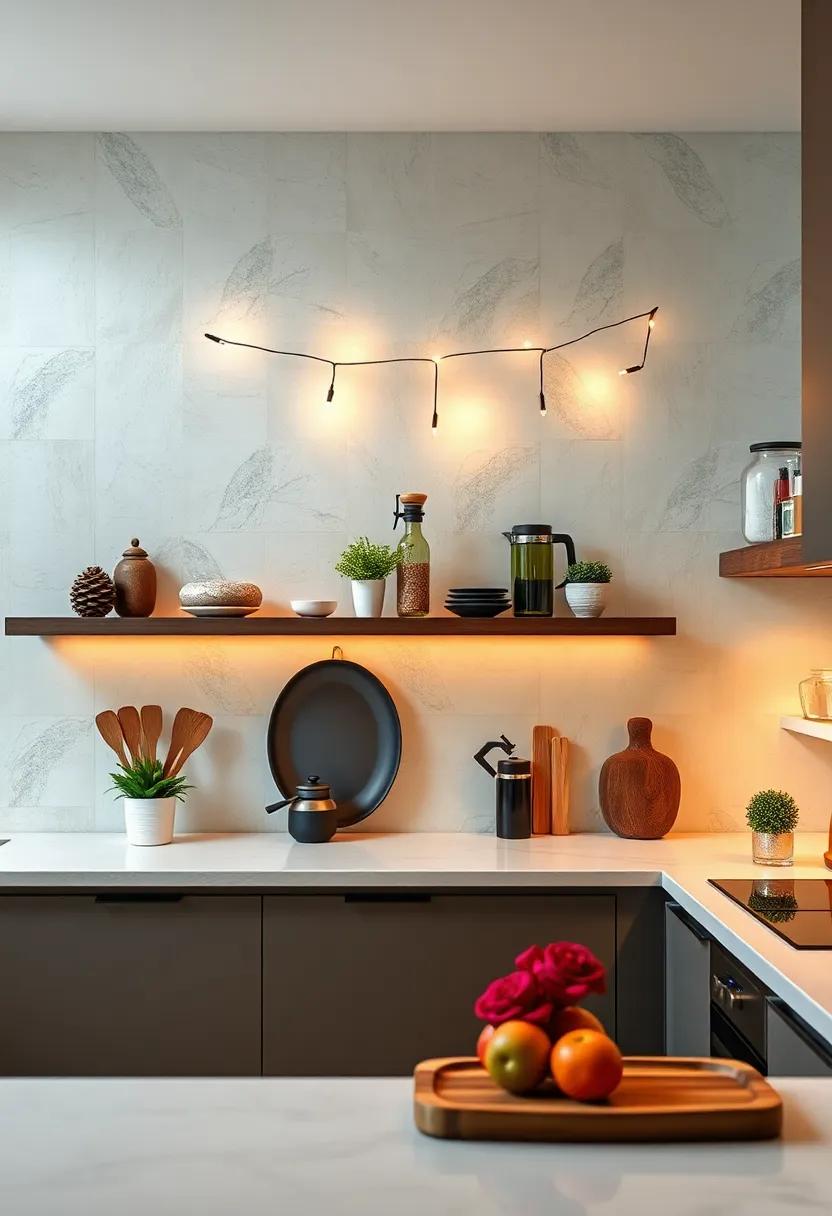
Transform your kitchen into a cozy, inviting space by incorporating gentle string lights that weave around floating shelves. These tiny illuminations not only brighten up the room but also introduce a soft, ambient glow that enhances the warm tones of your kitchen walls. Perfect for small kitchens, this lighting choice cleverly combines function with charm, creating an intimate atmosphere ideal for both cooking and casual dining.
In addition to lighting, consider these complementary décor ideas for your floating shelves to elevate your kitchen’s aesthetic:
- Mini potted herbs: Fresh greenery adds natural color and a delightful aroma.
- Vintage kitchenware: Small jars and quirky ceramics lend character and nostalgia.
- Artful cookbooks: Display a curated selection to merge practicality and art.
| Element | Decor Tip | Style Impact |
|---|---|---|
| String Lights | Drape loosely along shelf edges | Creates cozy, inviting atmosphere |
| Floating Shelves | Mix functional and decorative items | Adds depth without overcrowding |
| Accent Wall | Use warm neutrals | Enhances glow and warmth |
Polished Copper Wall Plates Reflecting Light and Adding Warmth to Compact Cooking Areas
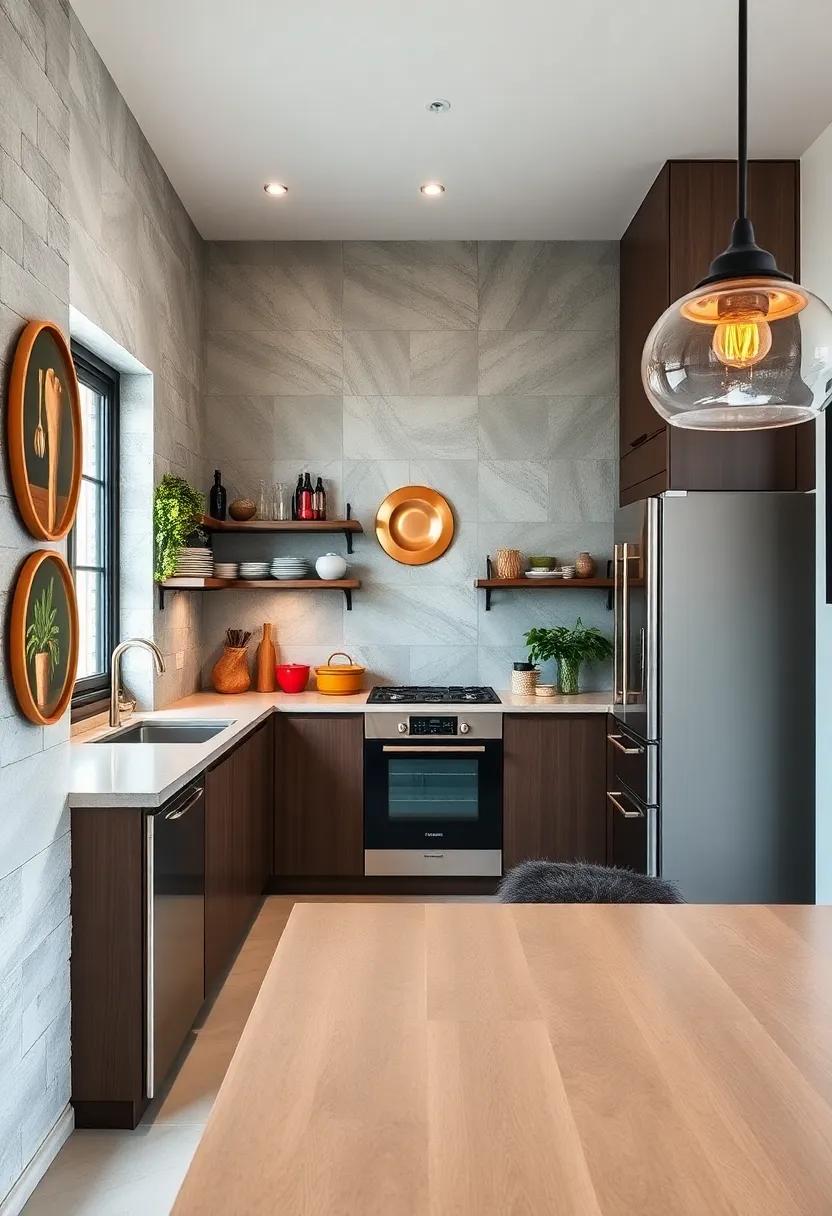
Integrating polished copper wall plates into your small kitchen design is a brilliant way to marry functionality with aesthetic charm. These reflective surfaces act like miniature mirrors, bouncing natural and artificial light throughout compact cooking spaces to create an illuminating, inviting atmosphere. Their warm metallic glow adds depth to simple, often utilitarian walls, transforming them into dynamic focal points that complement various kitchen styles-from rustic farmhouse to ultra-modern minimalism.
To maximize impact, consider grouping several copper plates in an asymmetrical arrangement on a feature wall. This not only enhances light diffusion but also introduces a textured, layered look that draws the eye without overwhelming your limited square footage. Pair the plates with:
- Plants in copper-toned pots to echo the wall décor
- Open shelving with copper utensil holders
- Warm wood accents to balance the metallic shine
This subtle interplay between shine and warmth helps turn narrow wall spaces into stylish showcases, elevating small kitchens beyond their size limitations.
Monochrome Art Prints Framed in Bamboo Enhancing a Small Kitchen’s Minimalist Decor
Injecting personality into compact kitchens doesn’t have to come with visual clutter. A set of monochrome art prints, elegantly framed in bamboo, offers a subtle yet impactful way to bring life to blank walls. The natural warmth and texture of bamboo frames contrast beautifully with the stark simplicity of black-and-white prints, creating a harmonious balance that amplifies a minimalist aesthetic without overwhelming the space.
Consider the benefits of this pairing:
- Visual Texture: Bamboo introduces organic depth, breaking the monotony of flat surfaces while maintaining restraint.
- Flexible Placement: Prints can be arranged in grids or asymmetrically, adapting to narrow walls or above countertops.
- Timeless Appeal: Black-and-white art transcends trends, ensuring your kitchen remains stylish through seasons.
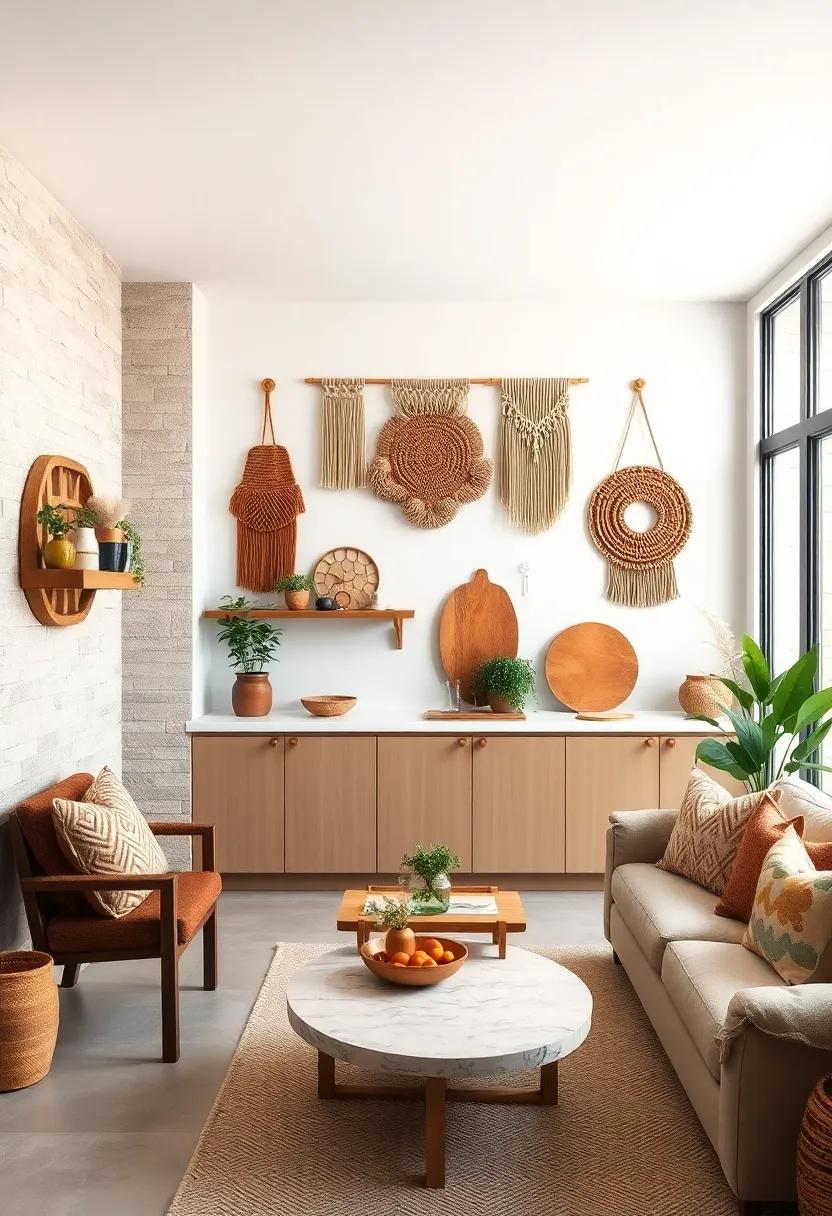
Handwoven Wall Hangings in Earth Tones Bringing Warmth and Texture to Togetherness Spots
Elevate the ambiance of your cozy kitchen nook with handwoven wall hangings in earthy hues that evoke warmth and tactile delight. These artisan-crafted pieces, often rich in organic textures like wool and cotton, effortlessly marry functionality with aesthetic charm. Infusing natural shades such as terracotta, ochre, forest green, and muted browns into your decor, they act as subtle yet impactful focal points that invite conversation and a sense of harmony among family and guests.
Benefits of incorporating handwoven earth-toned decor:
- Creates a calming, grounded atmosphere perfect for intimate gatherings.
- Adds layers of visual interest without overwhelming small spaces.
- Provides tactile contrast against sleek kitchen surfaces.
- Supports sustainable, handcrafted artisan work.
| Material | Texture | Color Palette | Ideal Spot |
|---|---|---|---|
| Wool | Soft & Dense | Rust, Sand, Olive | Above Breakfast Nook |
| Cotton | Light & Airy | Clay, Moss, Cream | Near Kitchen Window |
| Jute | Rough & Rustic | Beige, Taupe, Burnt Sienna | Beside Pantry Door |
Abstract Metal Wall Sculptures Creating Dynamic Visual Interest Above a Kitchen Dining Table
Elevate your kitchen dining area with the enchanting allure of abstract metal wall sculptures that effortlessly inject movement and depth. These artistic pieces, featuring intricate shapes and layered textures, become captivating focal points that draw the eye upward, visually expanding the room without overwhelming the compact space. Whether you opt for sleek aluminum finishes or rustic ironworks, their reflective surfaces bounce light around, making your small kitchen feel airy and vibrant while adding a hint of sophisticated modernity.
- Versatile shapes: From fluid waves to geometric tessellations, these sculptures complement various décor styles.
- Space-saving design: Mounted on walls, they leave countertops and surfaces uncluttered.
- Dynamic lighting effect: Metals interact beautifully with natural and artificial lighting.
To visualize how texture and form work together in a compact dining space, here’s a quick comparison of metal sculpture finishes ideal for small kitchens:
| Finish | Visual Impact | Best For |
|---|---|---|
| Brushed Nickel | Subtle sheen, soft glow | Modern minimalist kitchens |
| Rustic Iron | Matte, textured appeal | Industrial or farmhouse styles |
| Polished Chrome | High reflectivity, bold shine | Contemporary, glam interiors |
Slim Vertical Planters Mounted in a Row Bringing Fresh Greenery Without Taking Up Counter Space
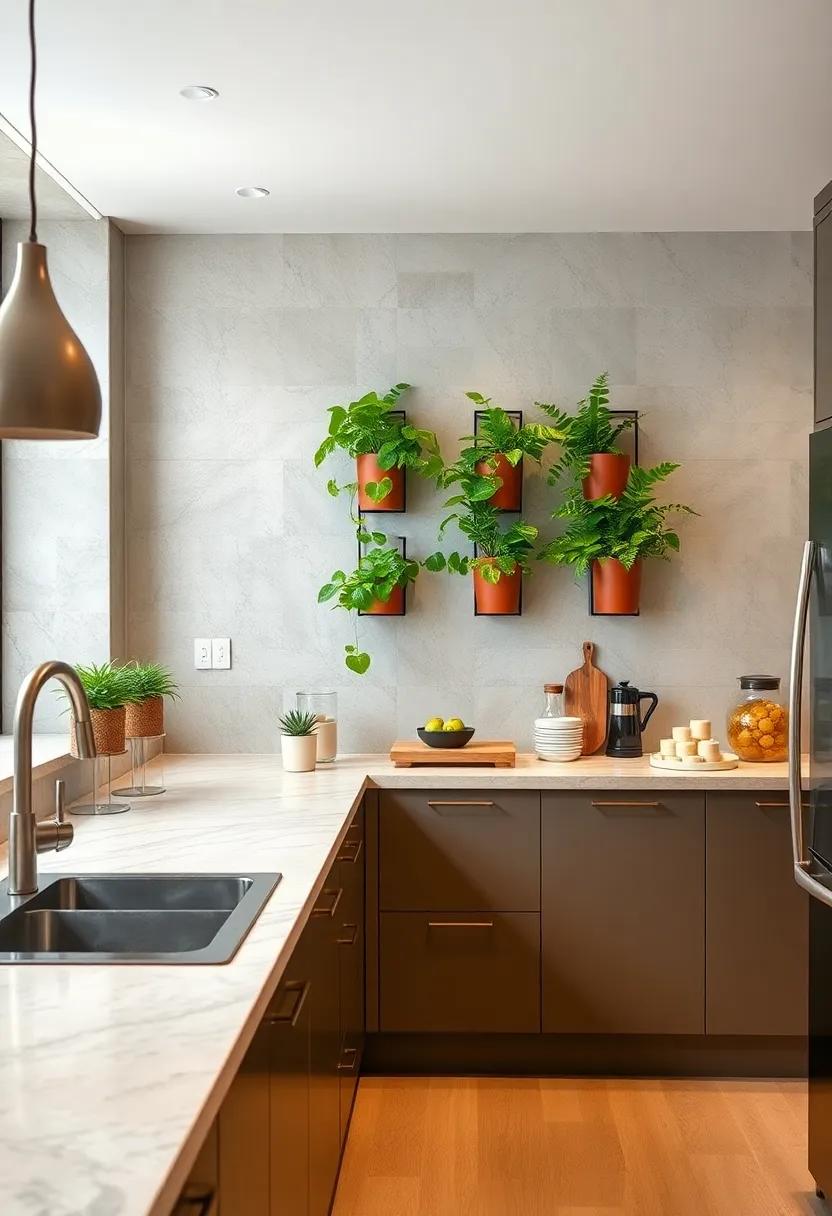
Transform your kitchen walls into a vibrant oasis by featuring slim vertical planters aligned in a neat row. These space-saving beauties not only introduce a refreshing burst of greenery but also perfect the art of subtle sophistication. Mounted seamlessly, they free up valuable counter space, allowing you to enjoy both functionality and style without compromise. Opt for planters with varying heights or different shades of green to create a textured, living tapestry that enlivens your culinary space.
Benefits of Vertical Planters in Small Kitchens:
- Maximizes floor and counter space, perfect for tight areas
- Easy-to-access fresh herbs for cooking, enhancing convenience
- Adds natural air purification, fostering a healthier environment
- Customizable with colorful pots or sleek metallic finishes to match any décor
| Type | Ideal Plants | Design Tip |
|---|---|---|
| Wooden Frames | Basil, Mint, Parsley | Rustic charm with neutral pots |
| Metallic Holders | Succulents, Air plants | Modern look with minimalist style |
| Plastic Modular | Cherry tomatoes, Chives | Colorful and easy to rearrange |
Handcrafted Ceramic Wall Hooks Featuring Nature-Inspired Motifs for Organized Storage
Elevate your kitchen’s functionality while adding a touch of artisanal charm with ceramic wall hooks inspired by the beauty of nature. These handcrafted pieces not only make organizing utensils and accessories effortless but also transform your wall into an artful display. Each hook features delicate motifs such as leaves, blossoms, or tiny branches, bringing a serene, organic vibe into a space often dominated by steel and plastics. Their tactile texture and subtle color variations speak to the uniqueness of handcrafted ceramics, offering a timeless accent that blends beautifully with rustic farmhouse kitchens or bright, modern spaces alike.
Beyond their aesthetic appeal, these hooks serve as clever organizational tools, helping to free up precious counter and drawer space. Consider using them to:
- Hang dish towels and pot holders for quick access
- Display colorful mugs or small hanging plants to add life and color
- Keep frequently used utensils within easy reach while cooking
Their sturdy ceramic build ensures durability, while the artistic shapes become focal points that spark conversation. With a few strategically placed hooks, you create an inviting kitchen atmosphere that’s both practical and visually enchanting.
Subtle Wallpaper Panels Behind Open Shelves Adding Depth and Charm to Limited Wall Space
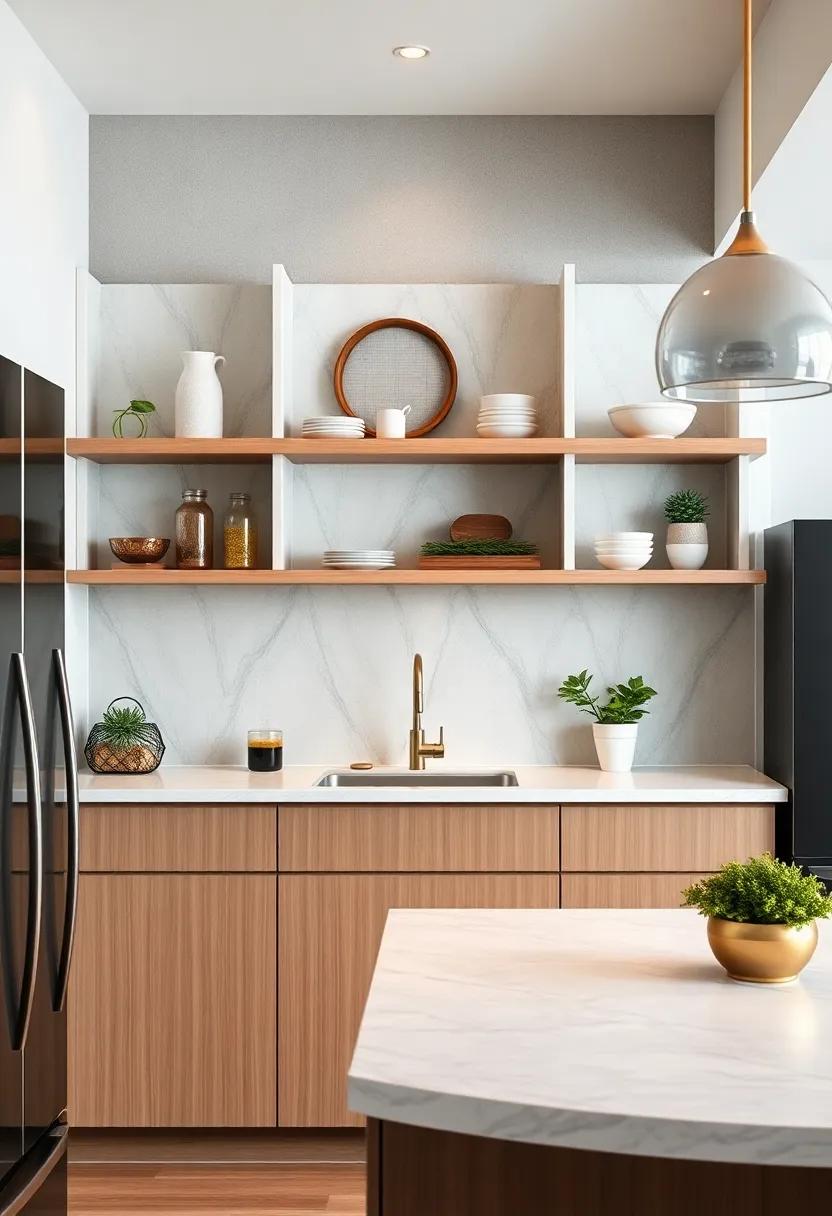
Utilizing panels with gentle, subtle wallpaper patterns behind open shelving transforms any small kitchen wall into a dynamic focal point without overwhelming the space. The delicate textures and muted tones introduce an elegant backdrop that visually extends the depth of the wall, making the area feel more spacious and airy. This approach cleverly merges functionality and aesthetics, allowing your favorite dishes and glassware to stand out while the wallpaper quietly enhances the overall ambiance with its understated charm.
When selecting wallpaper panels to install behind your open shelves, consider options that complement your kitchen’s color palette and existing materials. Patterns such as soft florals, delicate geometrics, or timeless stripes add layers of interest while maintaining harmony. For added impact, pairing this technique with carefully curated décor items like vintage ceramics, potted herbs, or sleek modern containers can create a balanced look that enriches your kitchen’s personality.
- Choose light or neutral wallpaper hues to keep the space feeling open and uncluttered.
- Experiment with textured or grasscloth wallpapers for tactile appeal behind glassware and ceramics.
- Coordinate wallpaper patterns with shelf styling to unify the visual flow along the wall.
The Way Forward
In the end, transforming a small kitchen into a charming haven of style and efficiency is all about thoughtful choices and a sprinkle of creativity. Whether you opt for delicate wall-mounted shelves, eye-catching artwork, or clever hooks that double as décor, each element contributes to a harmonious balance between function and flair. By embracing these small kitchen wall décor ideas, you not only maximize your space but also infuse it with personality and warmth-proving that even the coziest kitchens can make a big statement.