
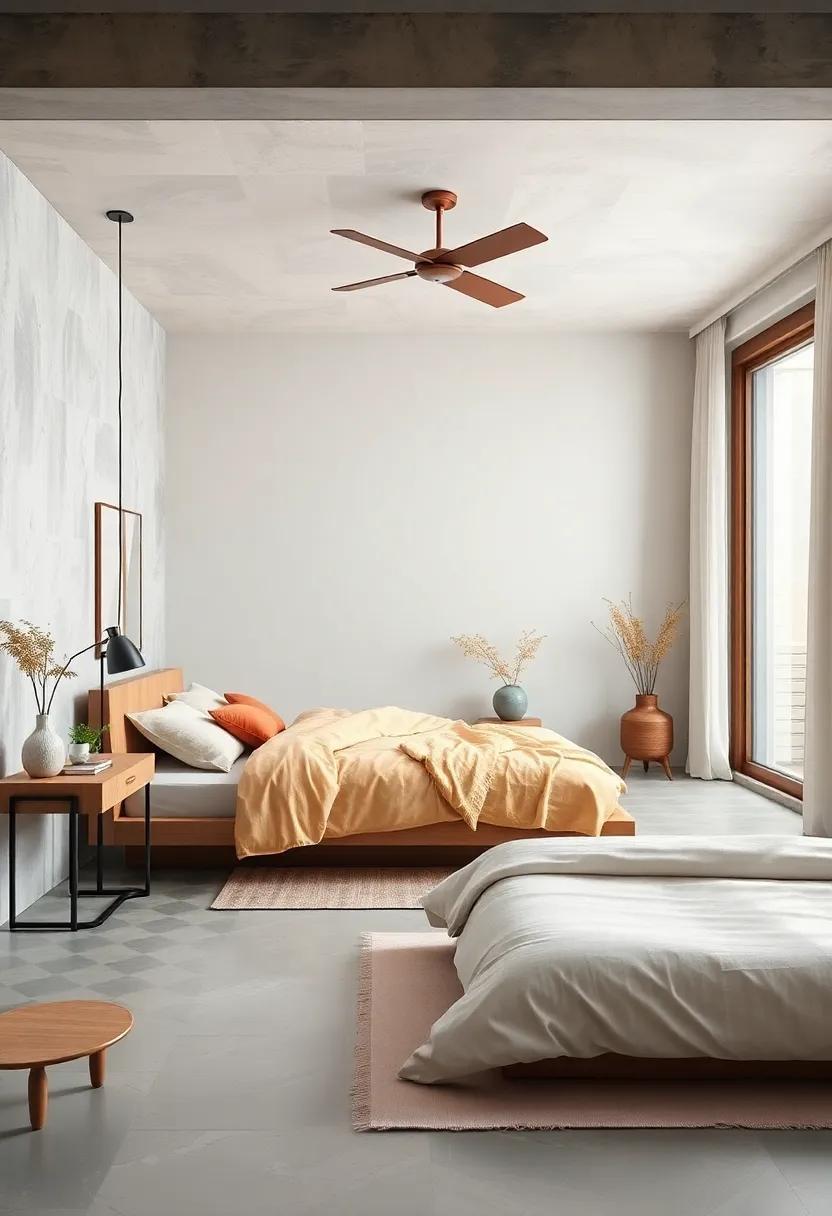
In a world where design often swings between bold statements and minimalist restraint, the Japandi style emerges as a harmonious bridge-blending the warm simplicity of Scandinavian aesthetics with the tranquil elegance of Japanese tradition. This fusion creates more than just a bedroom; it crafts a serene sanctuary where natural elements, understated beauty, and functional comfort coexist effortlessly. In this article, we explore how to design a Japandi bedroom that captures the best of both worlds, offering a timeless retreat that nurtures peace and balance in everyday living.
Tranquil Bedroom Spaces Featuring Natural Wood Tones and Minimalist Japanese-Inspired Furniture
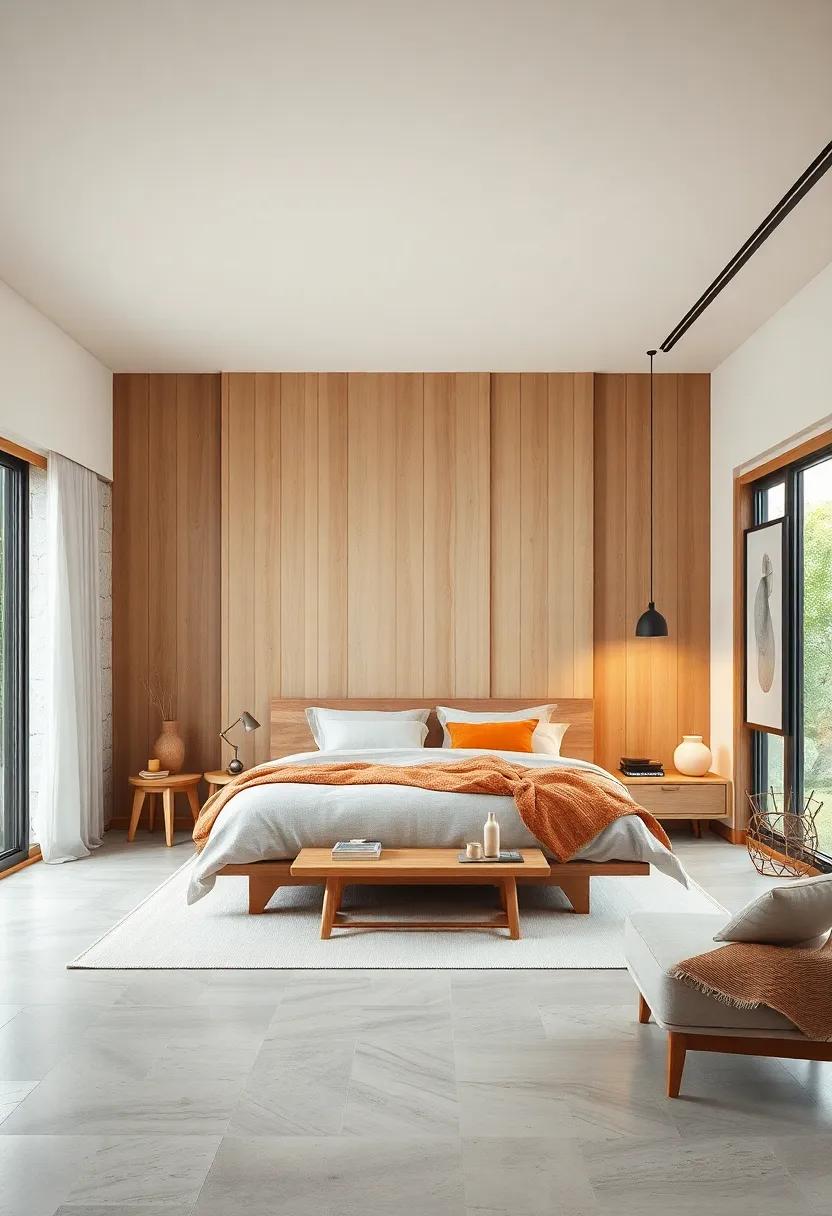
Immerse yourself in the gentle embrace of natural wood grains and soft, muted hues to cultivate a bedroom sanctuary that whispers calm. The fusion of Japanese minimalism with Scandinavian functionality creates spaces where every element serves a purpose, bringing clarity and balance to your personal retreat. Furniture pieces boast clean lines with subtle curves, crafted from sustainably sourced woods such as oak, walnut, or bamboo, which not only add warmth but also connect you with nature’s simplicity. Low-profile platform beds paired with tatami-inspired mats invite quiet reflections and restful sleep, while shoji screens or washi-style lamps soften the lighting to evoke a peaceful ambiance.
Highlighting the essentials without excess is key-decorative clutter is replaced by meaningful choices that echo both cultural heritages. Use of natural textiles like linen and cotton in neutral shades maintains an airy atmosphere, supported by simple, functional storage solutions that tuck away belongings seamlessly. Below is a quick guide to help you select core components for your tranquil bedroom setup:
| Element | Material/Style | Purpose |
|---|---|---|
| Bed Frame | Natural wood, low platform | Grounding, minimalist focal point |
| Lighting | Paper lanterns, shoji lamps | Soft, diffused ambiance |
| Textiles | Linen, cotton in beige & white | Comfort and natural texture |
| Storage | Wooden cabinets with clean lines | Functionality and decluttering |
Soft, Muted Color Palettes Blending Scandinavian Light Neutrals with Warm Japanese Earthy Hues
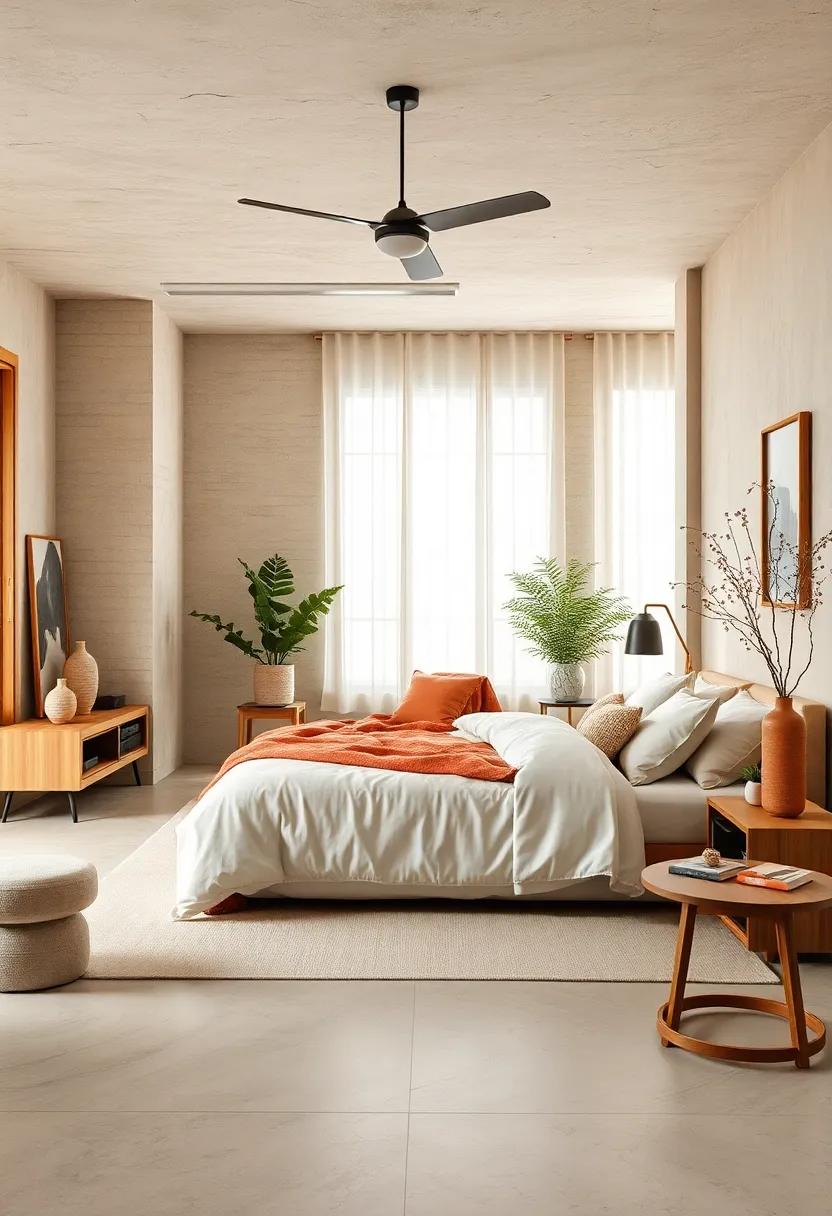
Blending the airy clarity of Scandinavian design with the grounded warmth of Japanese aesthetics creates an inviting sanctuary defined by soft, muted color palettes. Imagine walls dipped in gentle cream or dove gray, softly echoing the natural light that floods Nordic spaces, while accents of warm terracotta, deep ochre, and rich umber infuse a subtle richness reminiscent of Japanese earth tones. This seamless fusion cultivates an atmosphere where tranquility reigns, and textures-from smooth linens to raw woods-harmonize without overwhelming the senses.
To visually balance these elements, consider integrating hues with these characteristics:
- Scandinavian Neutrals: Pale grays, off-whites, and light beiges that enhance brightness and airiness.
- Japanese Earthy Hues: Muted browns, soft rusts, and moss greens that add warmth and organic depth.
| Color Family | Example Shades | Mood Evoked |
|---|---|---|
| Scandinavian Light Neutrals | Snow White, Mist Gray, Sand | Clean, Calm, Spacious |
| Japanese Earthy Hues | Clay Red, Bamboo Brown, Pine Green | Warmth, Grounding, Intimacy |
Simple, Functional Storage Solutions Highlighting Japanese Wabi-Sabi Elegance and Scandinavian Clean Lines
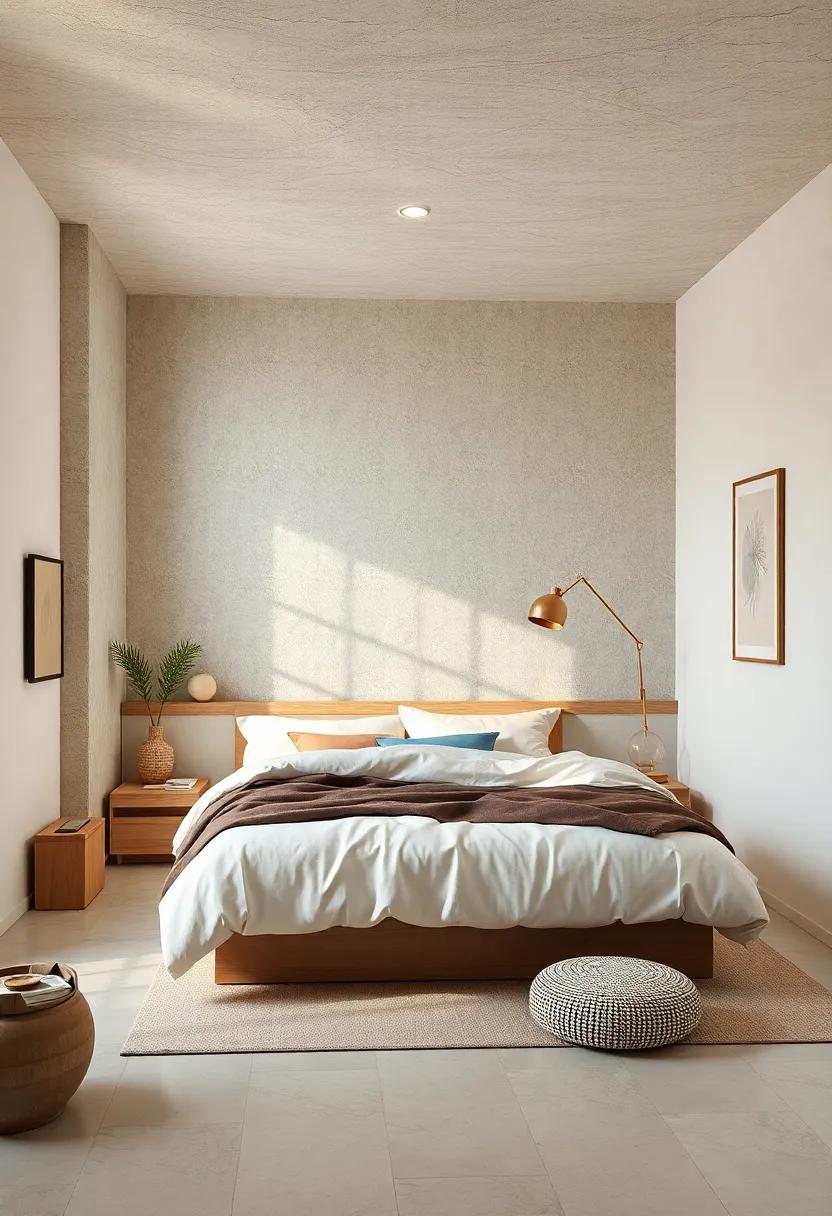
Embracing simplicity with purpose, storage solutions in a Japandi bedroom prioritize functionality without sacrificing elegance. Natural materials like untreated wood and bamboo provide warmth and texture, resonating with the Wabi-Sabi aesthetic that finds beauty in imperfection. Open shelving and minimalistic drawers keep belongings accessible yet discreet, fostering a serene atmosphere free from visual clutter. Instead of ornate handles or decorations, subtle grooves and finger pulls emphasize craftsmanship and the tactile experience, aligning with the principle that less truly is more.
- Low-profile wooden chests offering hidden compartments
- Modular storage units combining flexibility and clean lines
- Woven baskets and trays adding understated organic charm
- Integrated bedside nooks balancing space and simplicity
The harmonious blend of Nordic minimalism and Japanese humility is further illustrated in the balance between open and concealed storage. Scandinavian design’s preference for functional clarity supports the uncluttered, meditative vibe central to Wabi-Sabi. This partnership creates a tranquil retreat where every storage element serves both a practical role and a visual purpose, encouraging mindful living through intentional organization.
Cozy Textiles Combining Scandinavian Wool Throws with Lightweight Japanese Linen Bedding in Harmonious Layers
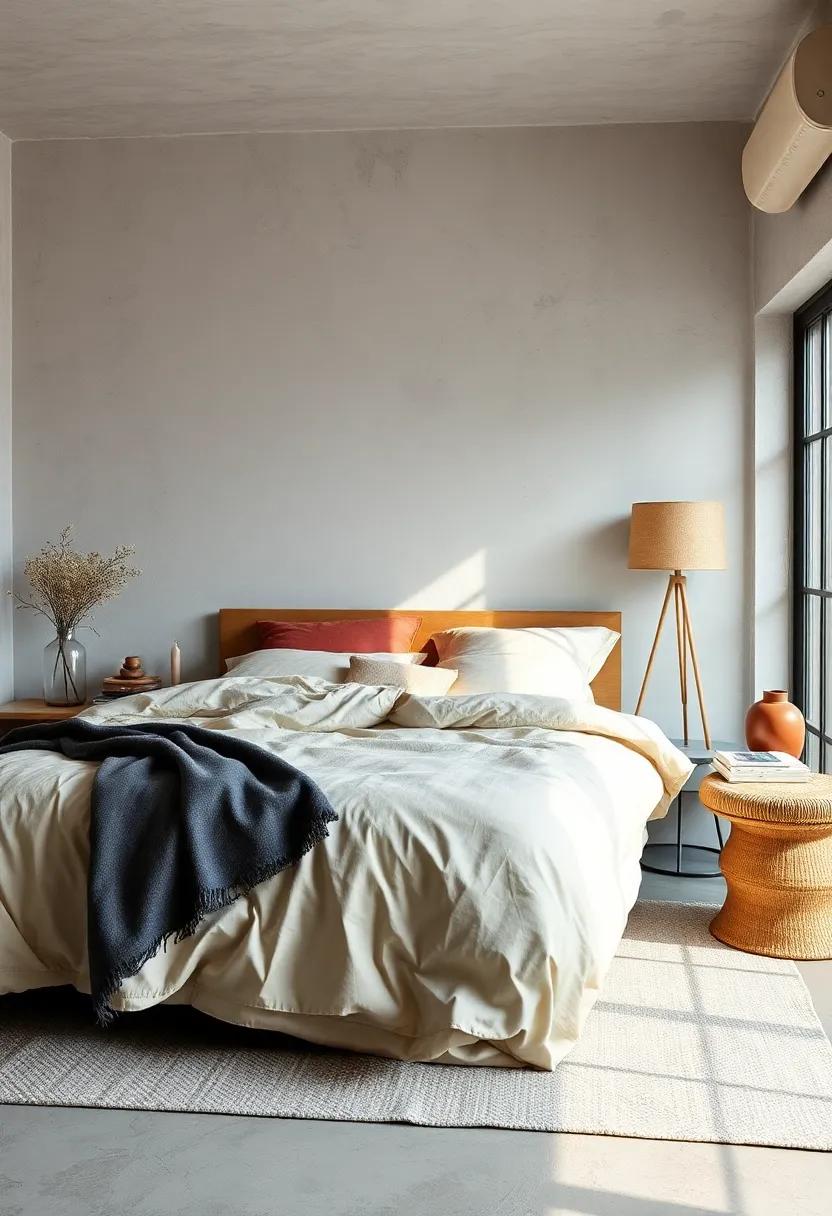
Embracing the beauty of natural fibers, this bedroom design effortlessly marries the thick, comforting warmth of Scandinavian wool throws with the ethereal lightness of Japanese linen bedding. The wool textures introduce a tactile richness, inviting you to dive into deep relaxation during colder evenings, while the linen offers breathability and a crisp, cool touch that balances the overall ambiance. Layering these fabrics in a thoughtful manner adds depth to the space without overwhelming its minimalist essence.
To further enhance the serene layering, consider incorporating elements like:
- Neutral color palettes: Soft grays, muted creams, and gentle earth tones
- Subtle pattern contrasts: Gentle herringbone wool against smooth linen weave
- Organic, handmade accents: Woven baskets or simple pottery to anchor the textiles
This blend not only honors the heritage of both cultures but also creates a tactile sanctuary where every fabric tells a story of comfort and craftsmanship, perfect for a space dedicated to rest and mindful simplicity.
Calm and Balanced Bedroom Layouts Incorporating Low Platform Beds and Open Scandinavian Floor Plans
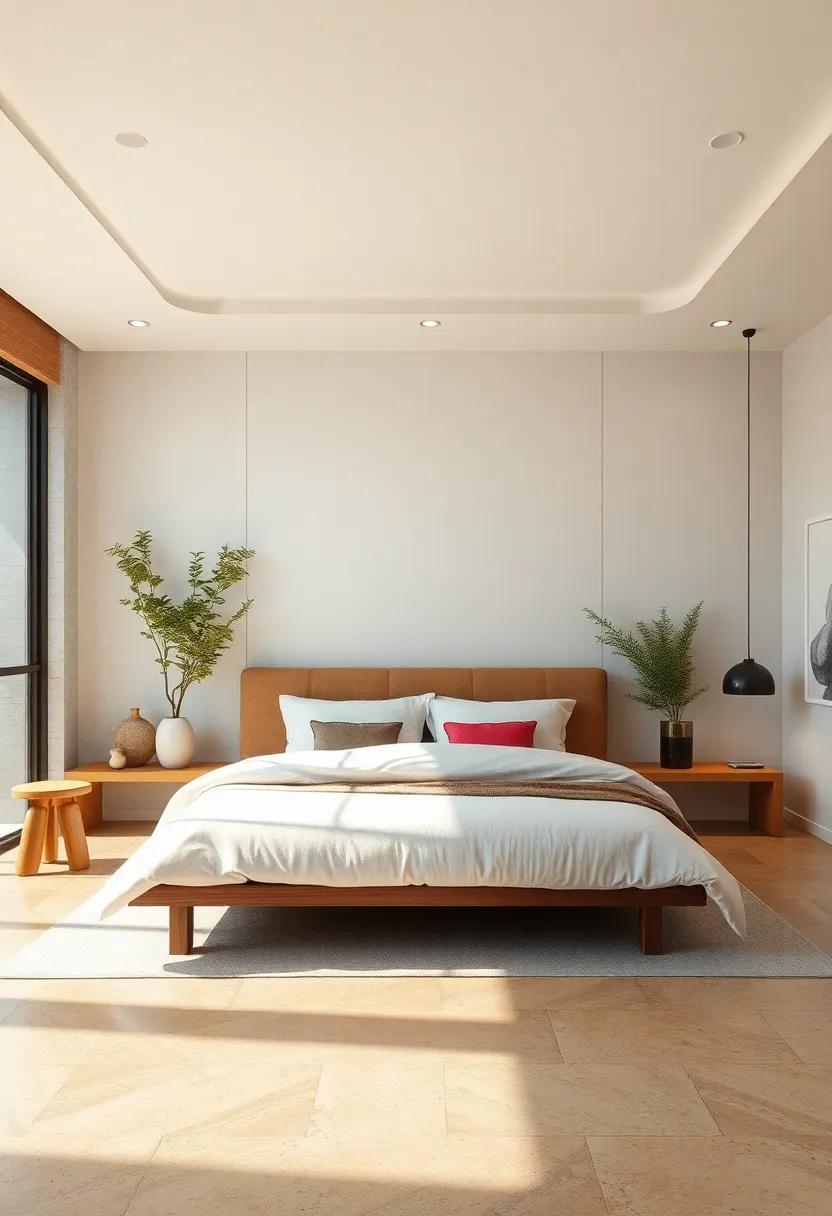
Incorporating low platform beds into bedroom designs instantly cultivates a sense of grounded tranquility. These beds, with their minimal frames close to the floor, not only echo the subtle elegance of Japanese design but also harmonize with Scandinavian openness. Their sleek profiles reduce visual clutter, emphasizing simplicity while fostering a warm, inviting ambiance. To balance the space, using soft, muted color palettes-such as warm neutrals, soft greys, and gentle earth tones-enhances serenity and complements the natural textures of bamboo, linen, or light wood. Layering these materials around a clean-lined bed base encourages a tactile experience that is both calming and tactilely engaging.
Open floor plans inspired by Scandinavian design further amplify this restful vibe by allowing natural light to flow freely, connecting different elements without interruption. Thoughtful furniture arrangements maintain spaciousness, encouraging unobstructed movement and promoting mental clarity. Consider integrating multifunctional storage solutions or minimalist screens that subtly delineate zones without compromising the airy feel. The table below outlines key components to achieve this balance between openness and intimacy in Japandi bedrooms:
| Element | Japanese Influence | Scandinavian Element | Benefit |
|---|---|---|---|
| Bed | Low platform frame | Light wooden finish | Creates grounded calm |
| Flooring | Natural tatami or wood | Bright, matte surfaces | Enhances natural warmth |
| Layout | Minimalist spatial flow | Open-plan concept | Facilitates spaciousness |
| Storage | Concealed, clean lines | Functional, sleek design | Reduces visual noise |
- Soft textiles: Linen curtains and wool cushions foster warmth without excess.
- Natural lighting: Use sheer curtains to maximize light flow, enhancing tranquillity.
- Green accents: Incorporate small potted plants or bonsai for a refreshing touch.
Natural Light Filtering Through Shoji Screens Alongside Large Scandinavian Windows for Airy Ambiance
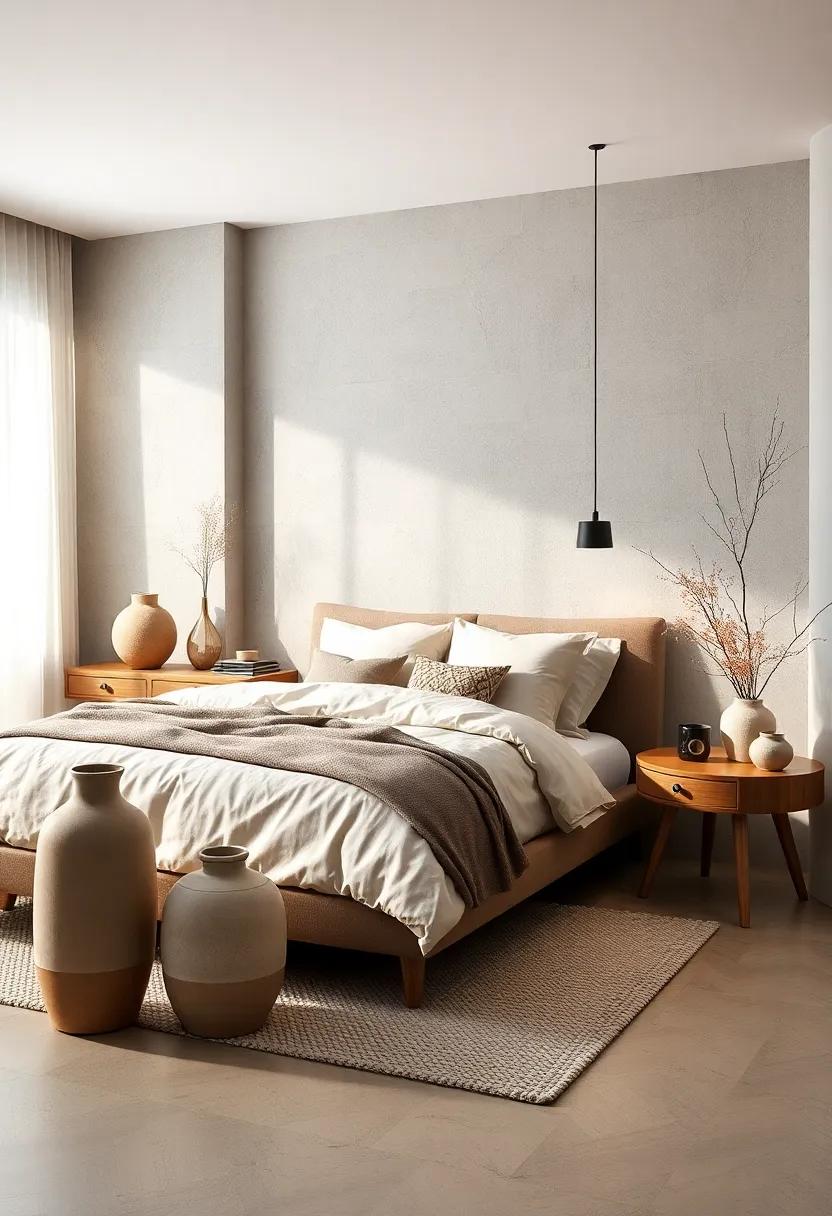
Sunlight gently filters through the delicate rice paper of traditional shoji screens, casting a soft glow that transforms the space into a sanctuary of calm. This subtle diffusion not only enhances privacy but also creates a visually textured atmosphere, where light and shadow play together in harmonious balance. Complementing this, expansive Scandinavian windows invite generous daylight, merging indoor tranquility with the changing moods of the outdoors. The interplay between the muted screen light and the broad, unobstructed panes crafts an airy and uplifting aura that defines Japandi’s understated elegance.
Key elements contributing to this airy ambiance include:
- Translucent materials like shoji screens that diffuse harsh sunlight
- Floor-to-ceiling windows to maximize natural light intake
- Minimalist window treatments that preserve openness
- Neutral color palettes reflecting and amplifying daylight
| Feature | Effect |
|---|---|
| Shoji Screens | Soft, diffused lighting and privacy |
| Large Scandinavian Windows | Brightens space with natural light |
| Natural Materials | Enhances warmth and texture |
| Neutral Palette | Reflects light for spaciousness |
Serene Corner Reading Nooks With Tatami Mats and Scandinavian Style Lounge Chairs for Quiet Reflection
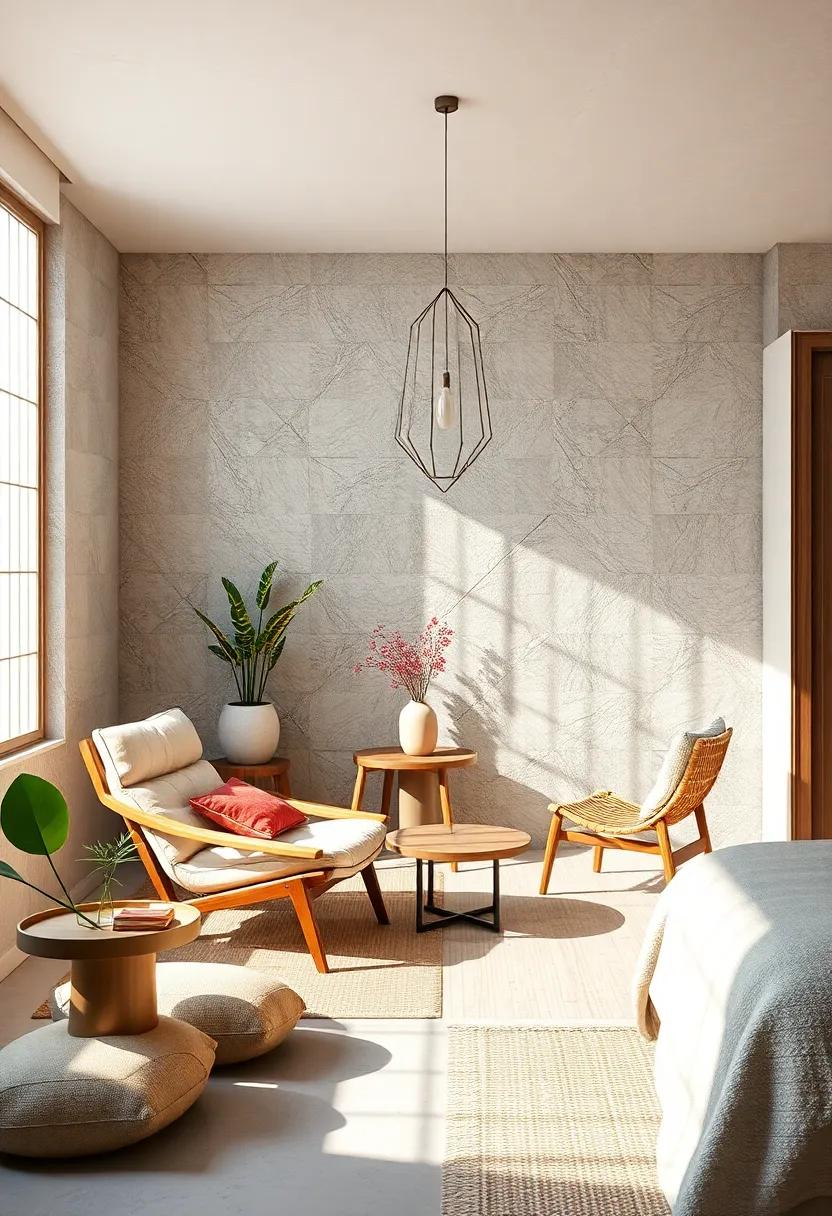
Creating a tranquil space for reflection is key in blending Japanese and Scandinavian aesthetics. Opt for tatami mats as the foundational flooring element; their natural straw texture offers warmth and organic charm. Pair these with a Scandinavian-style lounge chair, renowned for its minimalist design and ergonomic comfort. Together, they form an inviting cocoon that whispers serenity and simplicity. Incorporate soft, muted tones in textiles and cushions to maintain a calm palette, while keeping visual clutter to a minimum.
Enhance the nook with thoughtfully chosen accents that support relaxation and mindfulness:
- Adjustable floor lamps with soft light diffusion
- Low wooden shelves to keep favorite books and small bonsai plants
- Neutral woven baskets for discreet storage
- Natural fiber throws to add texture and warmth
| Element | Japanese Influence | Scandinavian Influence |
|---|---|---|
| Flooring | Tatami Mats | Light Wood Floors |
| Seating | Zaisu or Floor Cushions | Minimal Lounge Chairs |
| Lighting | Rice Paper Lanterns | Task and Ambient Lamps |
| Decor | Bonsai & Shoji Screens | Textile Throws & Clean Lines |
Subtle Plant Arrangements Merging Japanese Bonsai Tradition With Scandinavian Indoor Greenery Trends
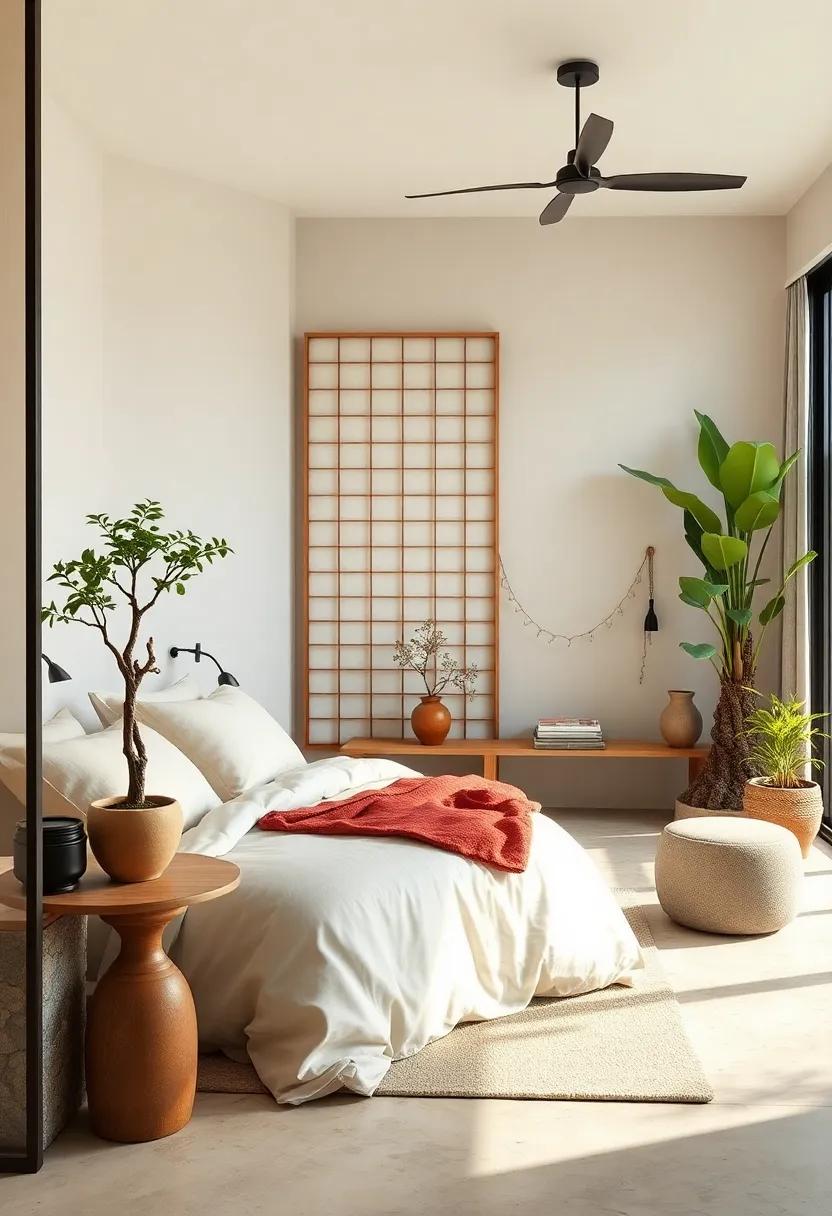
Combining the meticulous art of Japanese bonsai with the airy minimalism of Scandinavian indoor greenery introduces a refined balance of form and function. The bonsai, with its carefully pruned branches and elegant silhouette, invites a meditative presence into the space. When paired with Scandinavian-style planters-often crafted from natural wood or matte ceramics-the result is a harmonious blend that enhances tranquility and visual simplicity. Placement is key: bonsai trees positioned on low wooden shelves or beside linen-draped windows infuse the room with subtle vitality, while keeping the overall atmosphere uncluttered and serene.
To bring this synergy to life, consider integrating these elements:
- Textured greenery: Moss mats or air plants surrounding bonsai bases for a natural layering effect.
- Nordic light access: Positioning plants near wide, unobstructed windows to replicate the Scandinavian emphasis on natural daylight.
- Muted color palette: Use soft grays, whites, and earthy tones for pots and stands, allowing the plants’ shapes to command attention without visual noise.
| Element | Japanese Tradition | Scandinavian Trend |
|---|---|---|
| Bonsai | Shaped Miniature Trees | Accent Indoor Focus |
| Planters | Natural Clay Pots | Simple Wood or Ceramic |
| Arrangement Style | Asymmetrical Elegance | Clean, Minimal Lines |
Muted Ceramic Vases and Handmade Pottery Combining Japanese Craftsmanship With Scandinavian Form and Function
In the delicate balance between aesthetics and utility, mute ceramic vases paired with handmade pottery bring a refined, tactile dimension to interior spaces inspired by Japandi ethos. These pieces embody Japanese meticulous craftsmanship, where every curve and glaze is the result of timeless techniques. The Scandinavian influence emerges in their understated silhouettes and practical design-each vessel invites a quiet contemplation while serving everyday functionality. Their natural, earthy hues create a soothing palette that effortlessly complements the soft woods and natural fibers typical of a Japandi bedroom setup.
- Material Authenticity: Stoneware and porcelain materials emphasize resilience and organic beauty.
- Minimalist Forms: Smooth, geometric shapes embodying simplicity and elegance.
- Subtle Colorways: Greys, off-whites, muted greens, and soft browns harmonize with neutral interiors.
- Functional Artistry: Pieces as both decor and practical vessels for flowers or dry arrangements.
| Feature | Japanese Craftsmanship | Scandinavian Design |
|---|---|---|
| Shape | Organic, asymmetrical | Clean, geometric |
| Finish | Hand-glazed, tactile | Matte, understated |
| Color Palette | Natural, earthy | Neutral, pastel |
| Use | Ceremonial & decor | Practical everyday use |
Textured Wall Treatments Inspired by Japanese Washi Paper and Scandinavian Matte Paint Finishes
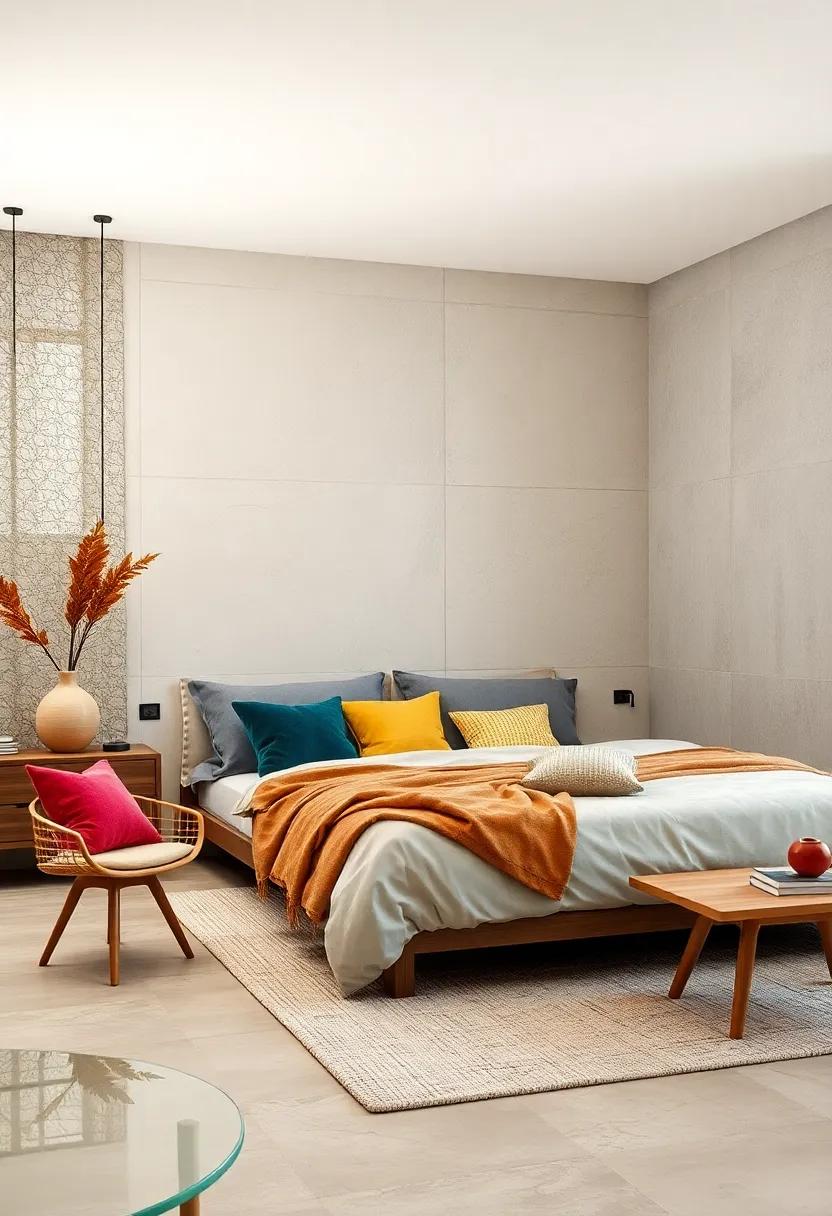
Embracing the tactile allure of Japanese Washi paper, walls become more than mere boundaries-they transform into subtle canvases that tell a story of craftsmanship and nature. The delicate fibrous texture characteristic of Washi lends a soft, organic finish that captures and diffuses light gently, evoking a calm and meditative atmosphere. This effect complements the Japandi ethos perfectly, where simplicity and authenticity reign supreme, inviting mindfulness into the bedroom sanctuary.
When paired with the understated elegance of Scandinavian matte paint finishes, this textural interplay achieves a balanced depth without overwhelming the senses. Opting for muted, earthy tones with a chalky, smooth surface enhances the layered serenity typical of Japandi interiors. Consider incorporating:
- Soft greys and off-whites for a timeless backdrop
- Subtle pastel blues or greens to evoke natural harmony
- Accent walls featuring gentle brush strokes or faint grain patterns
| Wall Treatment | Texture | Best Use |
|---|---|---|
| Washi Paper Panels | Fibrous, Soft | Feature wall behind the bed |
| Matte Paint | Chalky, Smooth | Surrounding walls for subtle contrast |
| Natural Wood Accents | Grainy, Warm | Trim and shelving integration |
Soft Ambient Lighting Using Paper Lanterns and Sleek Scandinavian Floor Lamps to Create Tranquil Glow
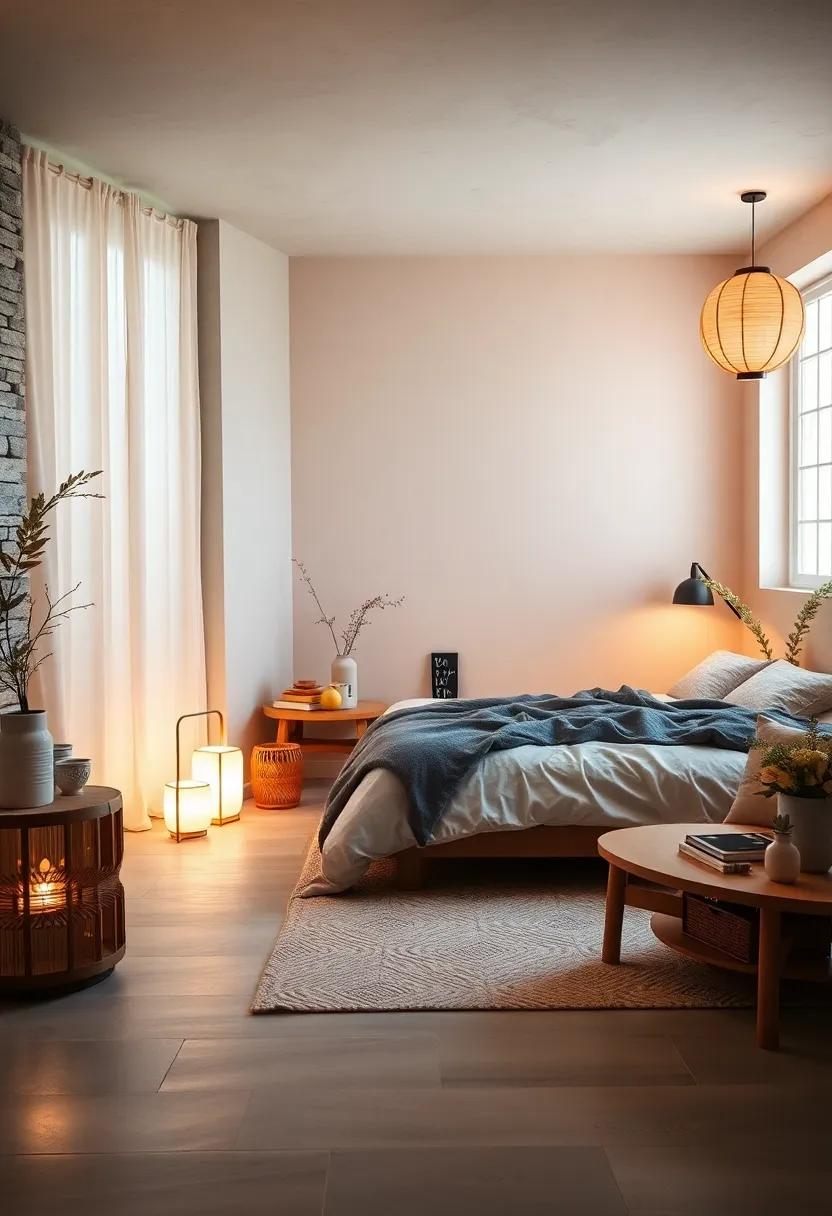
Achieving a tranquil atmosphere in your Japandi bedroom hinges on the delicate interplay between light and shadows. Paper lanterns, with their soft, diffused light, bring a whisper of warmth that echoes the minimalist yet inviting ethos of Japanese design. These lanterns cast gentle hues that soften the room’s edges, creating pockets of calm perfect for reflection or unwinding after a long day. Pairing them with sleek Scandinavian floor lamps enhances the ambient glow by introducing clean lines and understated elegance, ensuring the lighting feels purposeful rather than obtrusive.
To optimize this serene lighting setup, consider the following elements:
- Placement: Group paper lanterns near natural materials like wood or bamboo to amplify their warmth.
- Lamp styles: Opt for floor lamps with slender profiles and muted tones to maintain openness and simplicity.
- Layering: Combine lantern light with the lamp’s directional glow to create depth and gentle contrasts.
| Lighting Element | Characteristic | Effect |
|---|---|---|
| Paper Lanterns | Soft, diffused light | Warm, calming glow |
| Scandinavian Floor Lamps | Sleek, minimalist design | Elegant accent lighting |
| Combined Effect | Layered light sources | Balanced, tranquil ambiance |
Minimalist Artwork Featuring Japanese Brush Strokes Paired With Scandinavian Abstract Prints for Visual Harmony
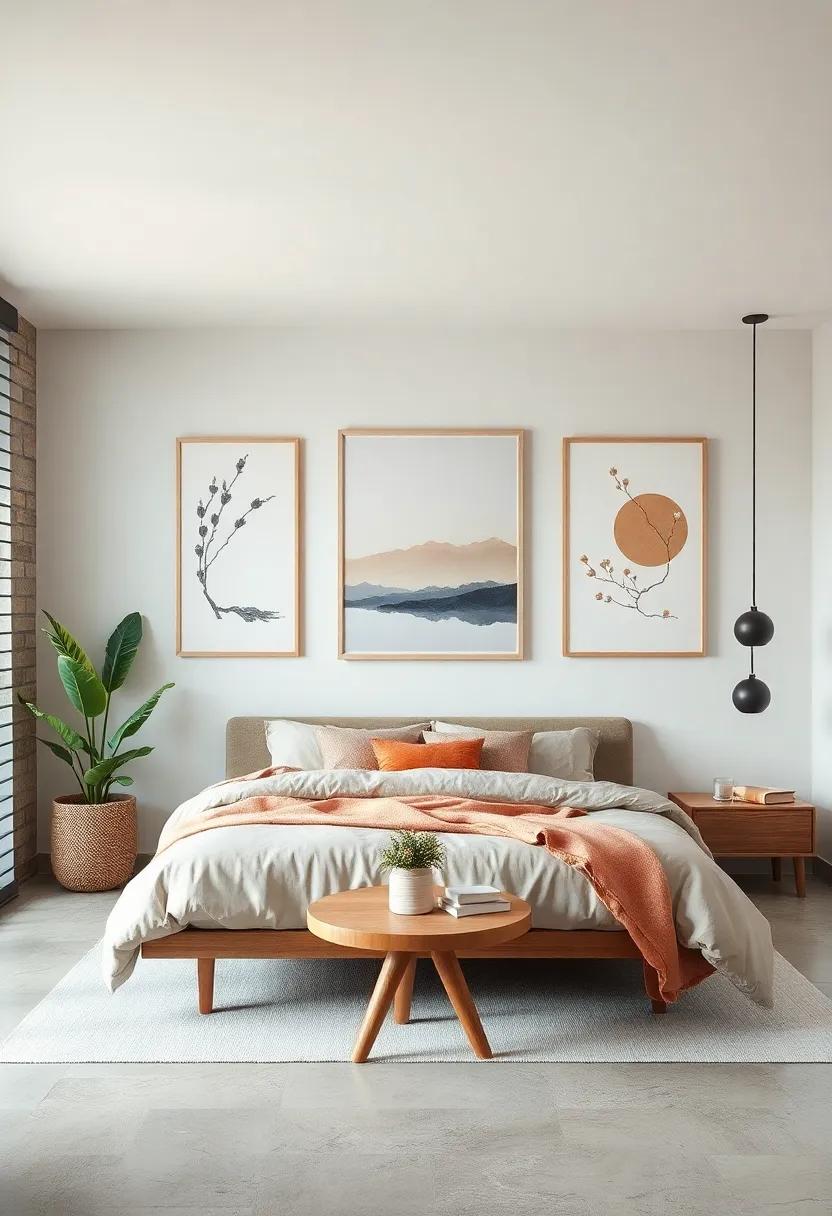
The subtle elegance of Japanese brush strokes captures a delicate simplicity that is both meditative and refined. When paired with the clean lines and muted tones of Scandinavian abstract prints, these elements create a visual dialogue that is grounded yet dynamic. This fusion delivers serenity through balanced asymmetry and an interplay of textures that invite the eye to rest without ever becoming stagnant. The deliberate brushwork evokes nature and tradition, while the geometric abstractions mirror modern minimalism, crafting a space that feels both timeless and fresh.
To enhance this visual harmony, focus on a curated selection of artwork that highlights the strengths of each style:
- Soft ink wash paintings with flowing, organic strokes
- Bold yet simple Scandinavian shapes in neutral palettes
- Natural materials like washi paper or linen canvases
- Monochrome contrasts with strategic pops of muted color
| Element | Japanese Influence | Scandinavian Influence | Effect |
|---|---|---|---|
| Forms | Free-flowing, natural brush strokes | Geometric, abstract shapes | Balanced juxtaposition of organic and structured |
| Color | Subdued greys and blacks | Soft pastels and earth tones | Calm, warm ambiance |
| Texture | Smooth washi or silk texture | Coarse linen or fine paper | Layered tactile appeal |
| Composition | Asymmetric balance | Symmetry with whitespace | Visual interest with restful clarity |
Understated Decorative Accents Blending Japanese Natural Motifs with Scandinavian Geometric Shapes
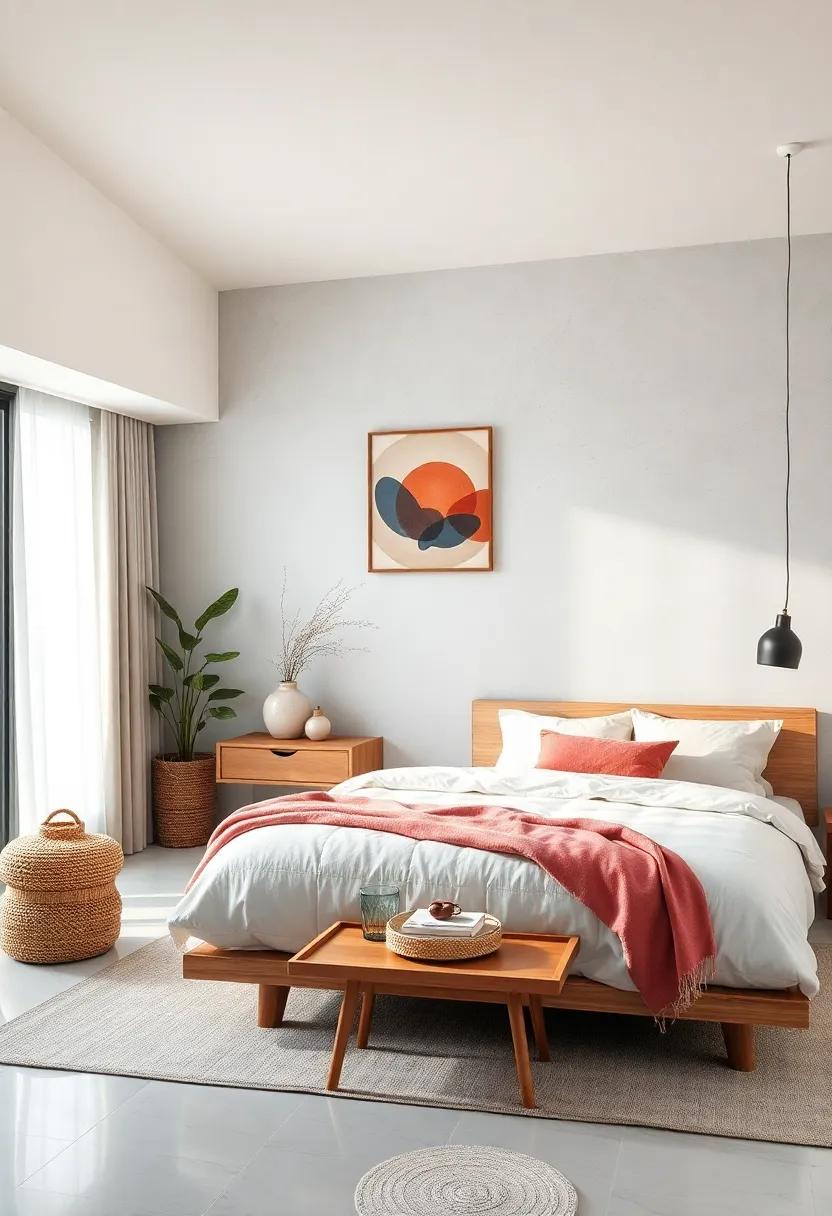
Subtle decorative accents become the quiet heroes in a Japandi bedroom, where the essence of nature and geometric precision coalesce. Imagine the delicate outline of a cherry blossom branch etched onto a matte ceramic vase, its organic curves softened by the surrounding crisp Scandinavian-inspired shapes. This gentle fusion encourages a tranquil ambiance, where each accent piece invites you to pause and appreciate the intricate balance between nature’s imperfection and human-crafted order.
- Wooden trays with minimalist, geometric cutouts paired with hand-painted Japanese leaf motifs
- Textiles featuring subtle indigo dyes and contemporary linear patterns
- Ceramic bowls that combine smooth, matte finishes with simple, asymmetric natural forms
| Accent | Japanese Influence | Scandinavian Influence |
|---|---|---|
| Decorative Tray | Maple leaf silhouette | Angular cutouts, light wood finish |
| Cushion Cover | Hand-stamped indigo dye | Linear, grid-style pattern |
| Candle Holder | Natural clay with subtle glazing | Minimal, geometric form |
These understated decorative elements do more than just embellish; they act as bridges between two design philosophies. The result is a serene, tactile environment that stimulates serenity through simplicity. Carefully selected accents, with their nods to both the organic world and Nordic modernity, strengthen the visual narrative – allowing the bedroom to breathe a calm harmony that’s unmistakably Japandi.
Calm Flooring Choices Featuring Light Scandinavian Birch Wood Accentuated by Natural Japanese Tatami Mats
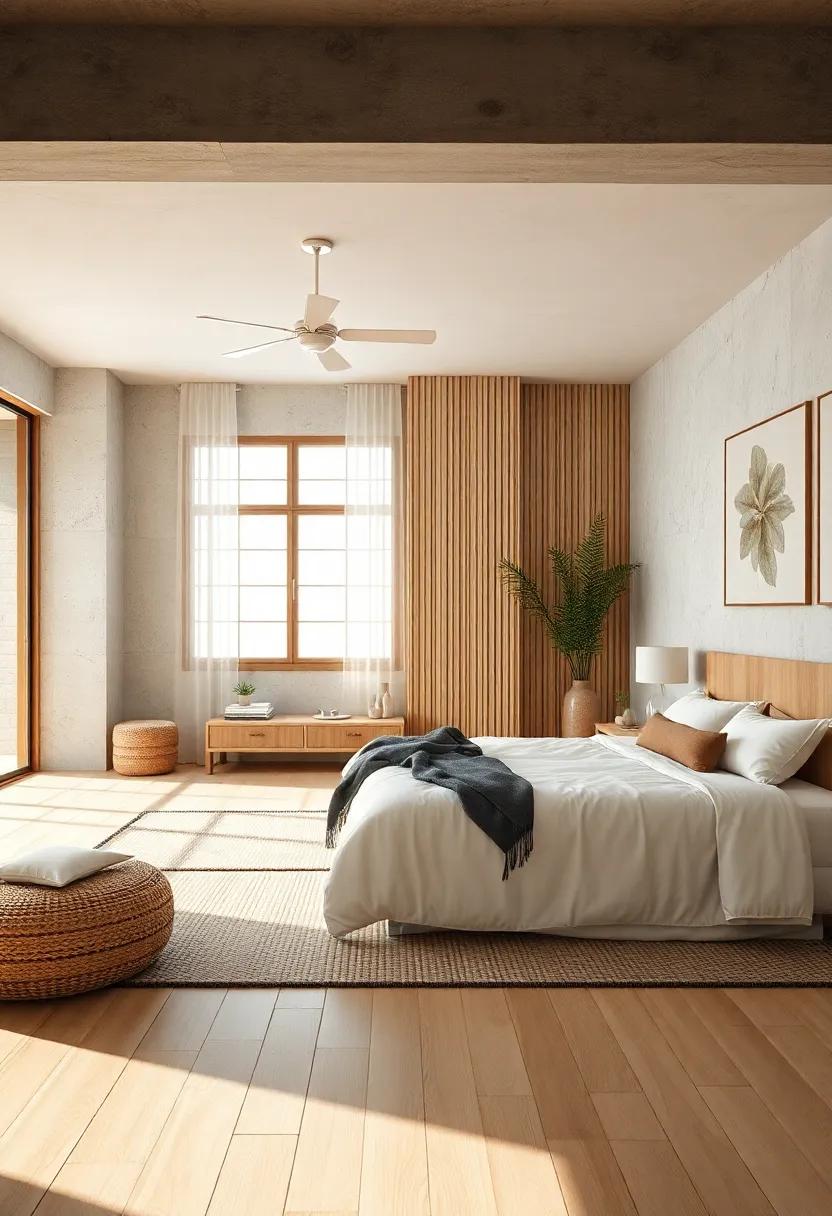
The serene fusion of light Scandinavian birch wood and natural Japanese tatami mats forms the perfect foundation for a Japandi bedroom. Birch wood’s pale, warm hues introduce a soft yet durable surface that reflects natural light, enhancing the room’s airy feeling. When paired with tatami mats, this flooring choice not only balances texture but also merges the smoothness of wood with the organic, woven charm of the mats. Together, they deliver a tactile experience that encourages tranquility and grounding, essential elements in Japandi design.
Integrating these materials offers versatile styling options, such as:
- Layered Layouts: Use tatami mats as distinct seating or sleeping zones atop birch flooring.
- Contrast and Balance: Combine the sleek finish of birch with the natural fibers of tatami to highlight minimalist decor.
- Maintenance Ease: Birch wood is simple to clean, while tatami mats add a delicate, natural scent to the room.
Consider the following comparison to appreciate their complementary qualities:
| Feature | Birch Wood | Tatami Mats |
|---|---|---|
| Texture | Smooth, sleek | Soft, woven |
| Color | Light beige with subtle grain | Natural straw tones |
| Durability | Hardwood, long-lasting | Delicate, replaceable mats |
| Sensory Impact | Visual brightness | Aromatherapy, tactile comfort |
Balanced Symmetry and Asymmetry in Bedroom Design Drawing from Both Japanese Zen Principles and Scandinavian Functionality
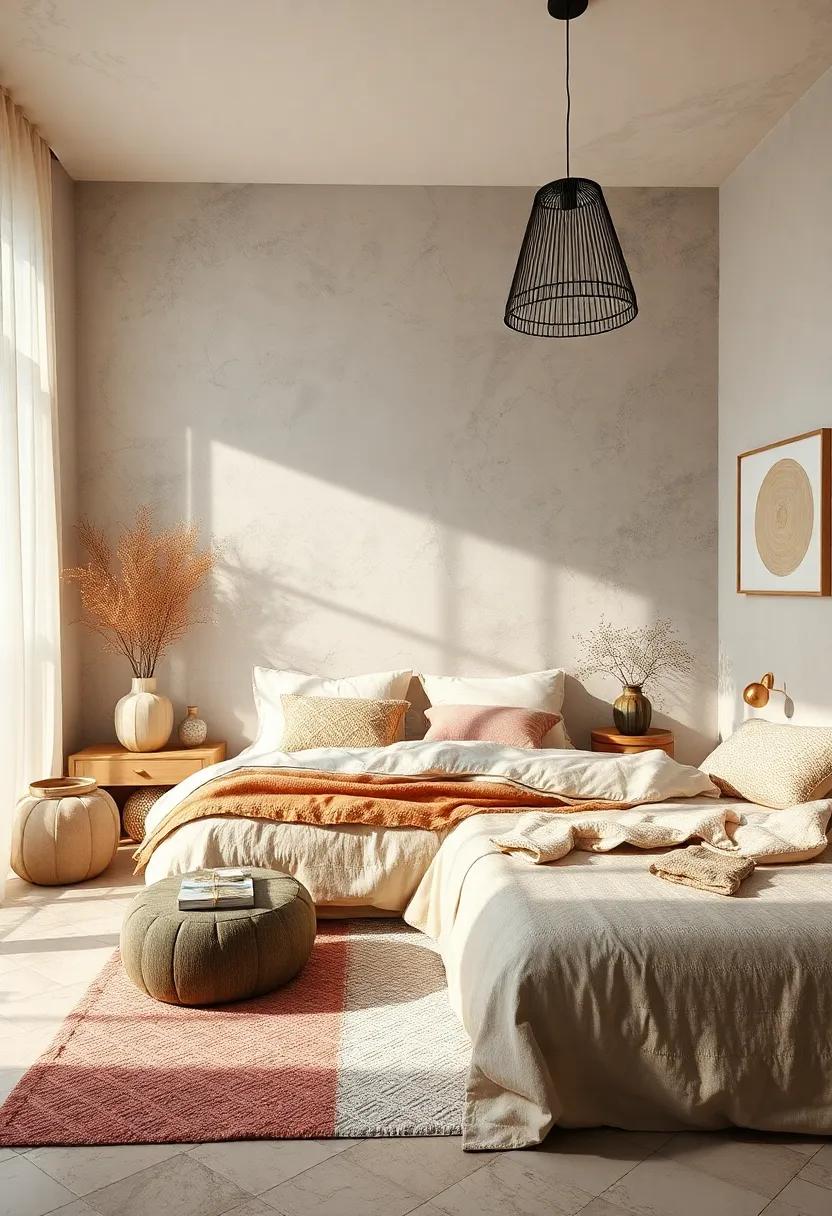
Incorporating balanced symmetry with touches of subtle asymmetry creates a visually soothing yet functional bedroom space that beautifully embodies the essence of both Japanese Zen and Scandinavian design. The principle of symmetry offers a sense of order and tranquility, evident in aligning furniture, lighting, and decor elements to reflect harmony. This might mean pairing identical bedside tables flanking a minimalist platform bed, or matching pendant lamps that provide calm illumination. Meanwhile, asymmetry is introduced through the thoughtful placement of natural elements-like an irregularly shaped wooden bowl or an off-center potted bonsai-adding organic warmth and preventing monotony without disrupting the overall sense of calm.
- Zen-inspired elements: smooth textures, natural materials, minimal ornamentation
- Scandinavian traits: clean lines, functional storage, light color palettes
- Balancing act: symmetrical furniture layouts complemented by asymmetric accents
To better visualize this interplay, consider the following ideal balance between symmetrical and asymmetrical features typical in a Japandi bedroom:
| Symmetry | Purpose | Asymmetry | Purpose |
|---|---|---|---|
| Matching nightstands | Anchor room’s structure | Uneven wall art | Introduce dynamic interest |
| Centered futon | Create visual balance | Single decorative branch in vase | Infuse nature’s spontaneity |
| Paired floor cushions | Promote calmness & order | Varied textile textures | Enhance tactile depth |
Serene Spaces Featuring Neutral Rugs with Subtle Patterns Reflecting Japanese Simplicity and Scandinavian Texture
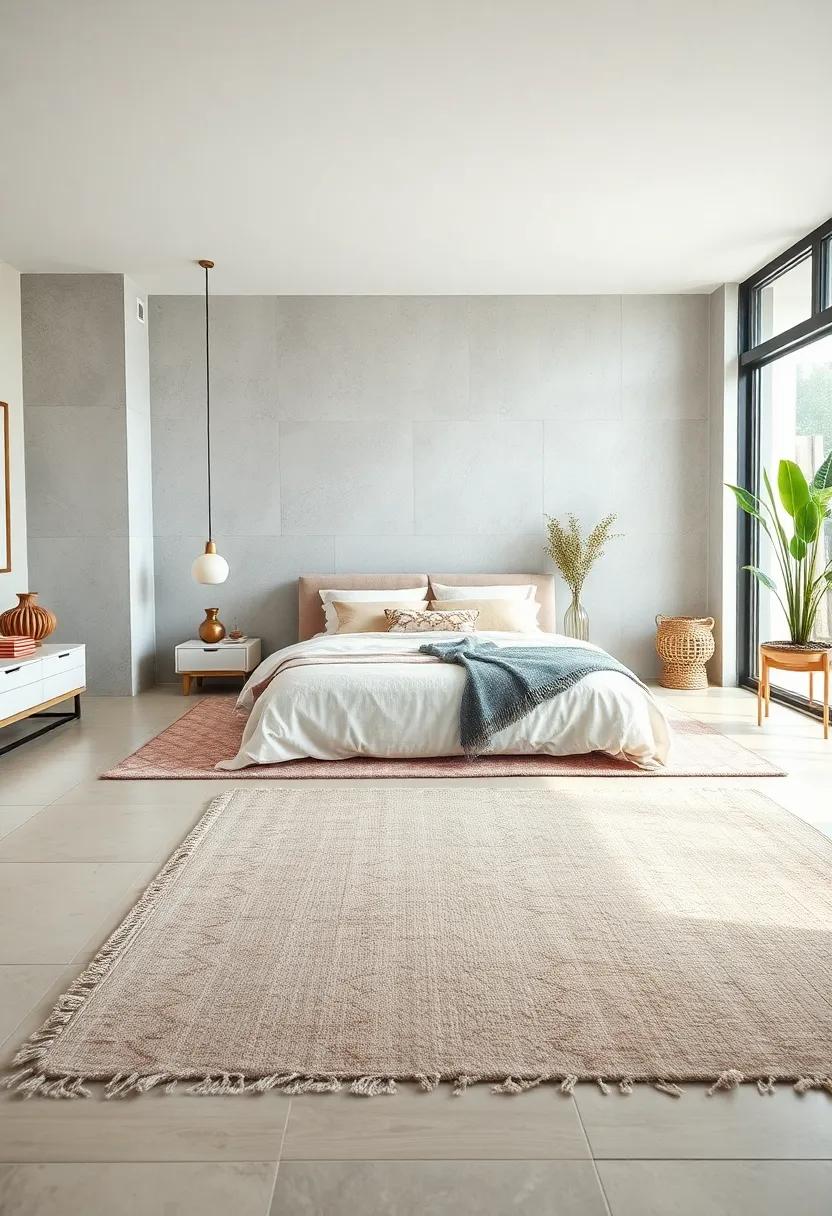
Embracing the essence of minimalism, neutral rugs with subtle patterns serve as the perfect grounding element in a Japandi bedroom. These rugs echo the natural simplicity found in Japanese design, where every detail is purposeful yet understated. The muted tones not only invite calm but also provide a tactile connection that complements the warm, textured layers inspired by Scandinavian aesthetics. Think gentle beiges, soft greys, and creamy whites woven into delicate motifs-each rug acting as a quiet canvas that ties the room’s elements together without overwhelming the senses.
Key features to consider:
- Soft geometrics or organic lines that reflect nature’s simplicity
- Natural fiber materials such as wool, jute, or hemp for authentic texture
- Low-pile weaves to maintain a clean, unobtrusive look
- Subtle contrasts that enhance Scandinavian texture without breaking the calming flow
Incorporating these rugs transforms a space into an oasis of tactile serenity, balancing the sleekness of Scandinavian design with the quiet grace of Japanese tradition. Below is a quick comparison to help visualize the texture and pattern harmony:
| Feature | Japanese Influence | Scandinavian Influence |
|---|---|---|
| Pattern | Minimal, nature-inspired | Geometric, subtle contrasts |
| Material | Natural fibers, smooth texture | Cozy wool, tactile weave |
| Color Palette | Muted, earthy tones | Soft neutrals with warmth |
Crafted Wooden Headboards Inspired by Japanese Joinery With Warm Scandinavian Pine Finishes
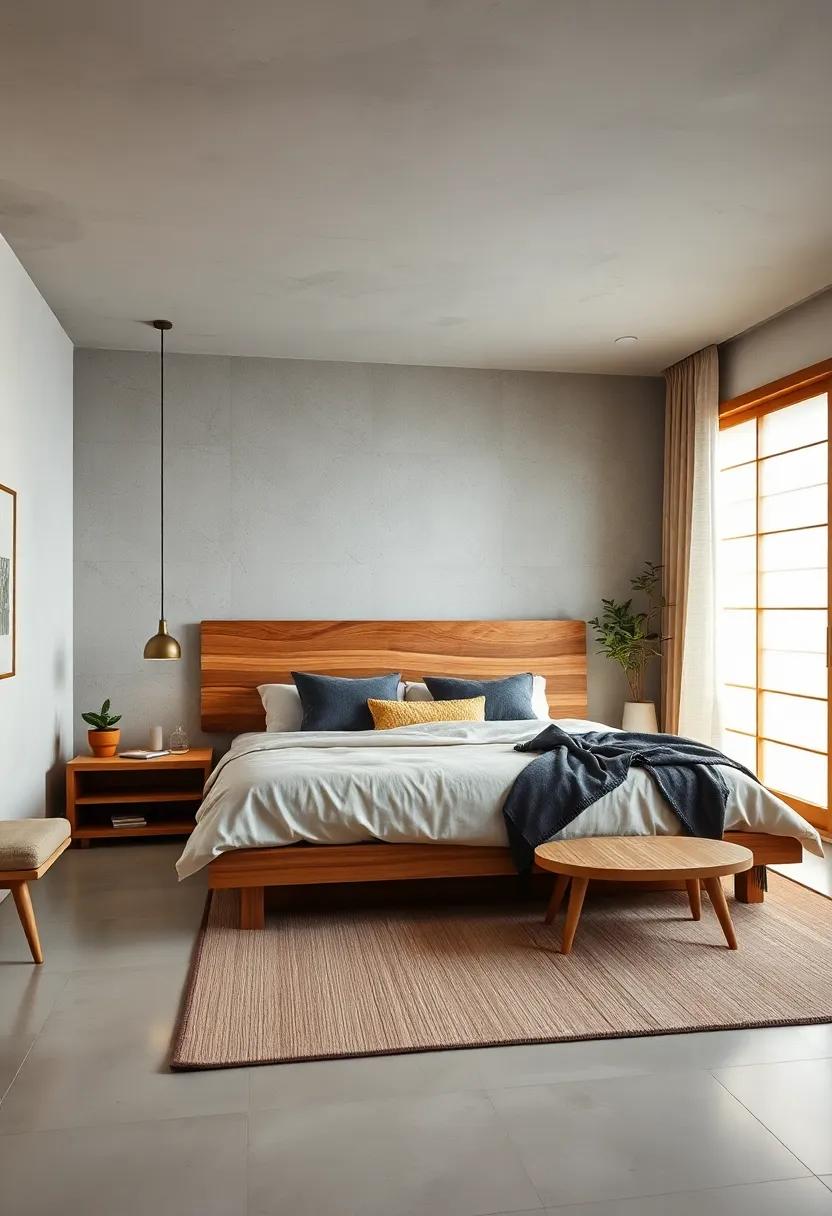
Embracing the timeless elegance of Japanese joinery, these wooden headboards serve as the centerpiece of a tranquil Japandi bedroom. Meticulously crafted without the use of nails or screws, the intricate interlocking joints highlight both precision and artistry, creating a seamless blend of strength and beauty. The natural grain of the Scandinavian pine, enriched with warm honey tones, invites a feeling of coziness and understated sophistication, balancing minimalism with organic textures.
Incorporating these headboards elevates the room’s ambiance, offering a tactile narrative of craftsmanship and cultural fusion. The design celebrates:
- Clean lines inspired by Japanese aesthetic principles, ensuring calm and order
- Natural warmth from Finnish pine finishes, evoking a serene forest retreat
- Functional artistry that turns everyday furniture into a statement of mindful living
| Feature | Benefit | Visual Impact |
|---|---|---|
| Japanese Joinery | Durable & Eco-friendly | Intricate, hand-crafted detail |
| Scandinavian Pine Finish | Warmth & Longevity | Soft, natural glow |
| Minimalist Design | Clutter-free aesthetic | Elegant simplicity |
Peaceful Window Treatments Mixing Japanese Bamboo Blinds With Soft Scandinavian Linen Curtains
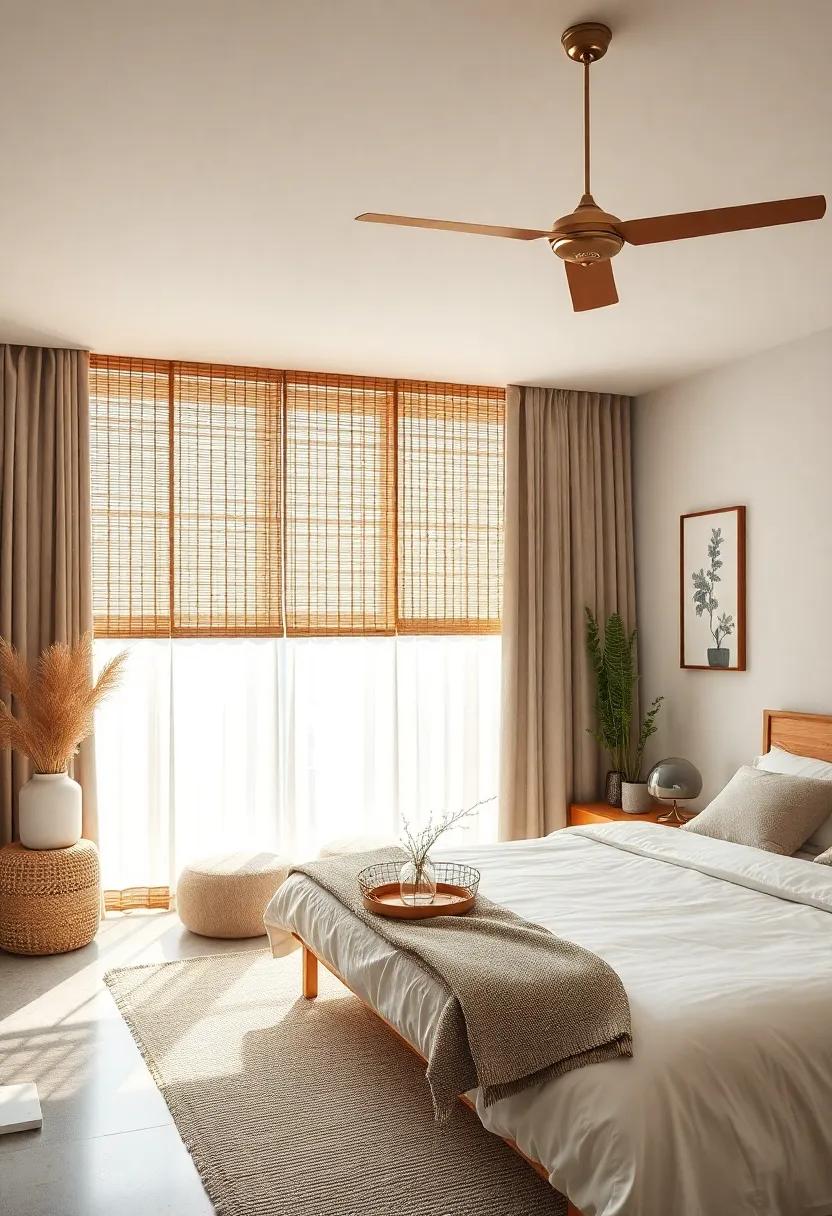
Embracing the subtle elegance of natural materials, this window treatment pairing brings a delicate balance of texture and light to your bedroom sanctuary. Japanese bamboo blinds infuse a grounded, earthy tone that filters sunlight with a soft, dappled effect, evoking a serene outdoor ambiance. Their structured slats provide privacy without sacrificing the breezy openness essential in Japandi design. Complementing this, Scandinavian linen curtains drape gracefully, adding a gentle diffusion of light that enhances the room’s softness and warmth. The natural linen’s muted palette harmonizes effortlessly with the bamboo’s organic hues, crafting a calming visual flow that soothes the senses.
- Light Control: Bamboo blinds offer adjustable illumination, perfect for morning calm or evening relaxation.
- Texture Contrast: The rigid bamboo contrasts with the flowing linen, creating visual interest without clutter.
- Natural Fiber Synergy: Both materials are eco-friendly and biodegradable, aligning with Japandi’s minimalist and sustainable ethos.
| Feature | Japanese Bamboo Blinds | Scandinavian Linen Curtains |
|---|---|---|
| Material | Bamboo | Linen |
| Light Filtering | Adjustable slats for dappled light | Soft, diffuse glow |
| Style Impact | Earthy, structured | Flowing, airy |
| Care | Wipe clean | Machine washable (gentle cycle) |
Organic Shapes in Bedroom Furnishings Combining Scandinavian Curves and Japanese Minimalist Forms
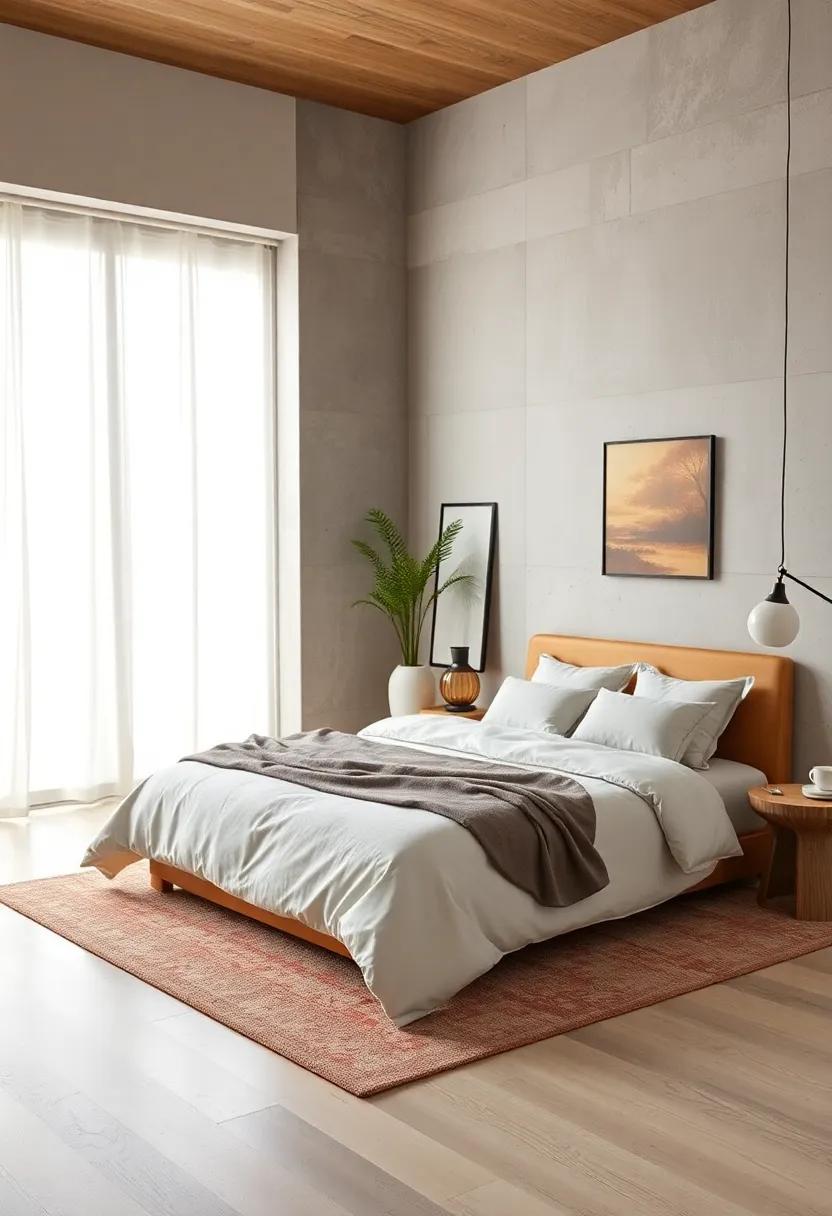
Embracing organic shapes in bedroom furnishings invites a soft, flowing aesthetic that bridges the natural essence of Scandinavian design with the refined simplicity of Japanese minimalism. Imagine curved wooden headboards inspired by the gentle bends of birch trees paired with sleek, low-profile platform beds that float effortlessly above the floor. This blend creates a tactile harmony where warmth meets restraint, evoking serenity through smoothly contoured edges and subtle asymmetry. Pieces such as rounded bedside tables or softly undulating shelving units add comfort without overwhelming the space, encouraging an atmosphere of calm and mindfulness.
When selecting furnishings for a Japandi-inspired bedroom, focus on key elements that embody this graceful fusion:
- Natural Materials: Light-toned woods like ash and oak with unvarnished, matte finishes.
- Curvilinear Forms: Circular mirrors, oval stools, and gently rounded drawer handles.
- Minimal Ornamentation: Functional designs with subtle design flourishes instead of elaborate detailing.
- Layered Textures: Linen bedding, tatami mats, and woven baskets weaving softness into geometric simplicity.
| Furnishing Type | Scandinavian Influence | Japanese Influence |
|---|---|---|
| Bed Frame | Rounded edges, light ash wood | Low platform, dark walnut finish |
| Side Table | Organic curved legs | Minimalist, space-saving design |
| Storage | Natural oak with matte finish | Sliding door cabinets |
| Lighting | Paper-based lampshades | Soft, indirect illumination |
Harmonious Bedroom Accessories Incorporating Scandinavian Nature Themes and Japanese Seasonal Elements
In a Japandi bedroom, accessories become whispers of two distinct cultures seamlessly entwined. Incorporate Scandinavian nature themes through soft woolen throws textured like moss, smooth wooden bowls echoing the gentle curves of river stones, and minimalist ceramic vases that mimic the serene stillness of Nordic forests. These details invite a tactile connection to nature, emphasizing simplicity and organic beauty. Complementing these are Japanese seasonal elements manifested in delicate ikebana floral arrangements that reflect the current season, noren curtains imprinted with subtle cherry blossom or maple leaf motifs, and shibori-dyed cushions exhibiting gentle waves of color evocative of changing skies.
The harmonious coexistence of these accessories transcends mere decoration, embodying a lifestyle centered on mindfulness and calm. Consider this curated list for effortless integration:
- Handwoven rattan baskets inspired by Japanese craft traditions
- Natural linen bedding in muted Scandinavian earth tones
- Small bonsai trees or driftwood sculptures as focal points
- Paper lanterns subtly diffusing warm light
- Seasonal Japanese teas served in rustic Scandinavian stoneware
To further visualize, the following table outlines the complimentary qualities of selected accessories from both styles, each enhancing the room’s serene atmosphere:
| Accessory | Scandinavian Feature | Japanese Seasonal Element | Effect |
|---|---|---|---|
| Wool Throw | Soft texture | Autumnal ochre hues | Warmth and coziness |
| Ceramic Vase | Minimalist shape | Spring sakura motifs | Delicate visual balance |
| Wooden Bowl | Natural grain | Winter pine symbolism | Organic tranquility |
Aromatic Ambiance with Scandinavian Essential Oils Blended With Japanese Incense Traditions
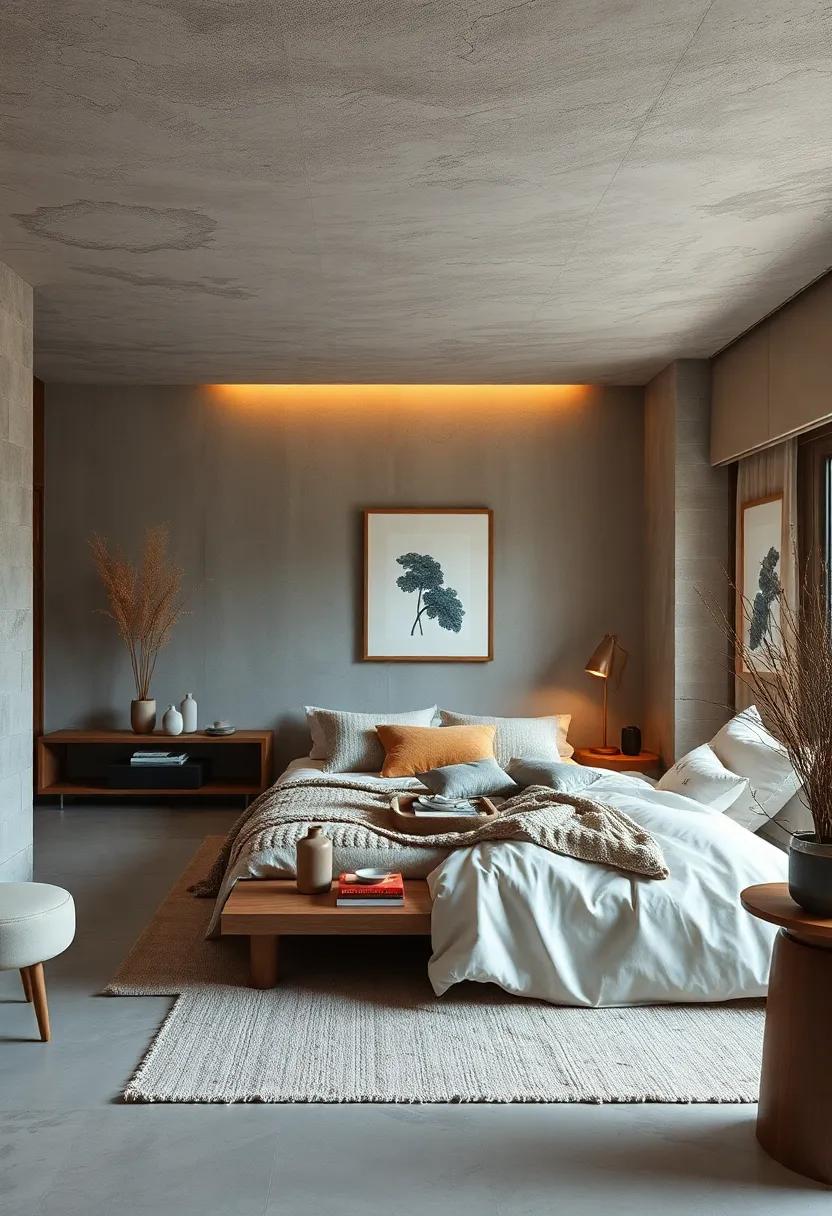
Infuse your bedroom with a tranquil blend of scents where the crisp, natural notes of Scandinavian essential oils meet the time-honored ritual of Japanese incense. The delicate balance between pine, eucalyptus, and lavender oils-which evoke northern forests and serene landscapes-melds seamlessly with the subtle, smoky embrace of sandalwood and cherry blossom incense. This aromatic fusion creates an olfactory atmosphere that calms the mind and nurtures the spirit, a signature element in achieving a serene Japandi aesthetic.
To craft this unique sensory experience, consider layering your fragrance elements thoughtfully:
- Essential Oil Diffusers: Use Nordic-inspired diffusers in minimalist designs to release clean, fresh scents continuously.
- Incense Sticks & Cones: Opt for traditional Japanese blends that emphasize subtlety and natural wood undertones.
- Handmade Wax Melts: Combine botanical oils with soft, long-lasting wax for a gentle fragrance infusion without smoke.
| Essential Oil | Characteristic | Japanese Incense | Effect |
|---|---|---|---|
| Pine | Refreshing &woodsy | Sandalwood | Grounding calm |
| Eucalyptus | Invigorating & crisp | Cherry Blossom | Gentle harmony |
| Lavender | Floral & soothing | Green Tea | Peaceful mindfulness |
Serene Entrances to the Bedroom Featuring Sliding Japanese Fusuma Doors Alongside Scandinavian Simplicity
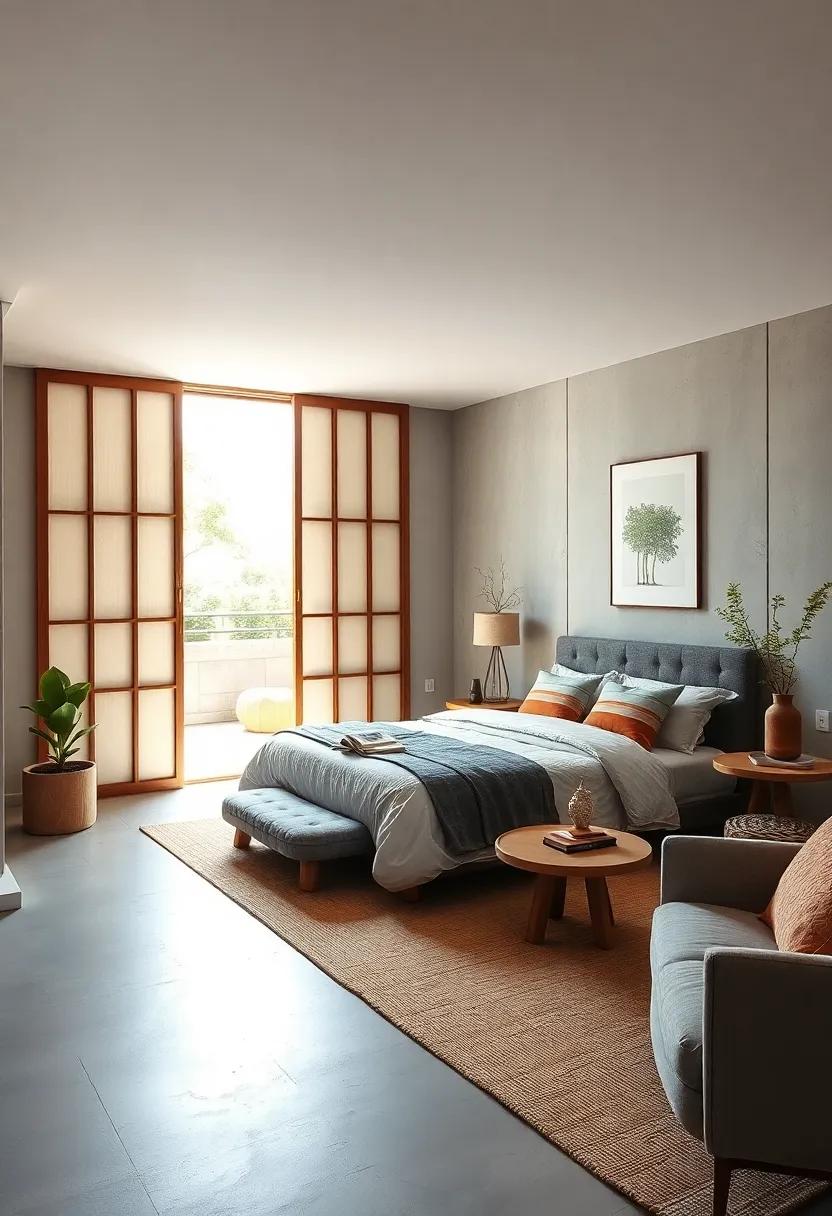
A tranquil threshold sets the tone for any restful sanctuary, and sliding Japanese fusuma doors create a seamless transition between spaces, merging elegance with function. Their graceful panels, often framed in delicate wood with rice paper or muted fabric inserts, glide effortlessly to reveal the bedroom’s minimalist charm. This choice not only enhances privacy but also conserves space-perfect for maintaining the uncluttered atmosphere crucial to Japandi design. The doors’ subtle textures and natural hues harmonize beautifully with Scandinavian simplicity, where organic materials and soft color schemes reign, grounding the room in warmth and calm.
Incorporating these doors alongside Scandinavian-inspired elements cultivates an inviting yet understated aesthetic. Consider pairing fusuma doors with natural oak trims and light linen drapery to amplify the airy feel. The fusion introduces subtle contrast-smooth fusuma surfaces against textural knitted throws or woven rugs-creating a balanced interplay of tactile sensations. Here’s a quick comparison illustrating how elements from each style complement each other at the entrance:
| Japanese Fusuma Attributes | Scandinavian Simplicity Elements |
|---|---|
| Sliding, space-saving design | Clean-lined frames and trims |
| Soft neutral palettes (creams, earthy tones) | Light woods (pine, oak) with natural finishes |
| Delicate paper textures | Textile contrasts: wool, linen |
| Minimalist decorative motifs | Understated functional accessories |
Closing Remarks
In the delicate balance between Scandinavian simplicity and Japanese tranquility lies the essence of a Japandi bedroom-a sanctuary where form meets function in serene harmony. By thoughtfully blending clean lines, natural materials, and muted tones, this design philosophy invites you to create a space that nurtures calm and clarity. Whether you’re drawn to the minimalist elegance of Nordic design or the timeless grace of Japanese aesthetics, embracing Japandi allows you to craft a bedroom that is both soothing and striking-a true retreat from the noise of everyday life. In the end, designing with intention and respect for these traditions transforms your personal space into a peaceful haven where beauty and balance coexist effortlessly.