For centuries, roses have enchanted gardeners and flower lovers alike, turning ordinary outdoor areas into fragrant retreats filled with nature’s most cherished blossoms. Whether envisioning an expansive estate garden or a quaint balcony display, designing a rose garden offers limitless opportunities to express creativity and embrace natural elegance. From lush cottage-style borders brimming with climbing roses to minimalist modern layouts emphasizing architectural form, rose gardens can enhance any home’s style while delivering seasonal charm and year-round structure. The secret to success lies in selecting rose varieties that harmonize with your design vision, factoring in space constraints, upkeep preferences, and the desired aesthetic impact. Today’s gardeners benefit from a wide array of disease-resistant modern hybrids alongside classic heirloom roses, enabling vibrant gardens that flourish with minimal care yet offer stunning beauty. Each garden style brings distinct advantages-from the refined symmetry of formal beds to the relaxed, wildlife-friendly ambiance of naturalistic plantings.
Timeless Elegance: Designing a Formal Rose Garden

How can you craft a garden that radiates classic sophistication? A formal rose garden built around geometric planting beds offers a timeless, elegant framework. Structured shapes such as rectangles or circles, edged with neatly trimmed boxwood hedges, contain carefully chosen hybrid tea and grandiflora roses arranged in harmonious color schemes. Pathways made of brick or gravel guide visitors through the space, while central features like fountains or sculptures serve as visual anchors. This style thrives in spacious gardens where scale amplifies its grandeur. Plant roses in clusters of three to five matching varieties to create impactful color blocks that complement your home’s architecture. Consistent maintenance, including pruning hedges and weeding beds, preserves the garden’s crisp lines and ensures year-round appeal-even during dormant months.
Romantic Charm: Crafting a Cottage-Style Rose Border
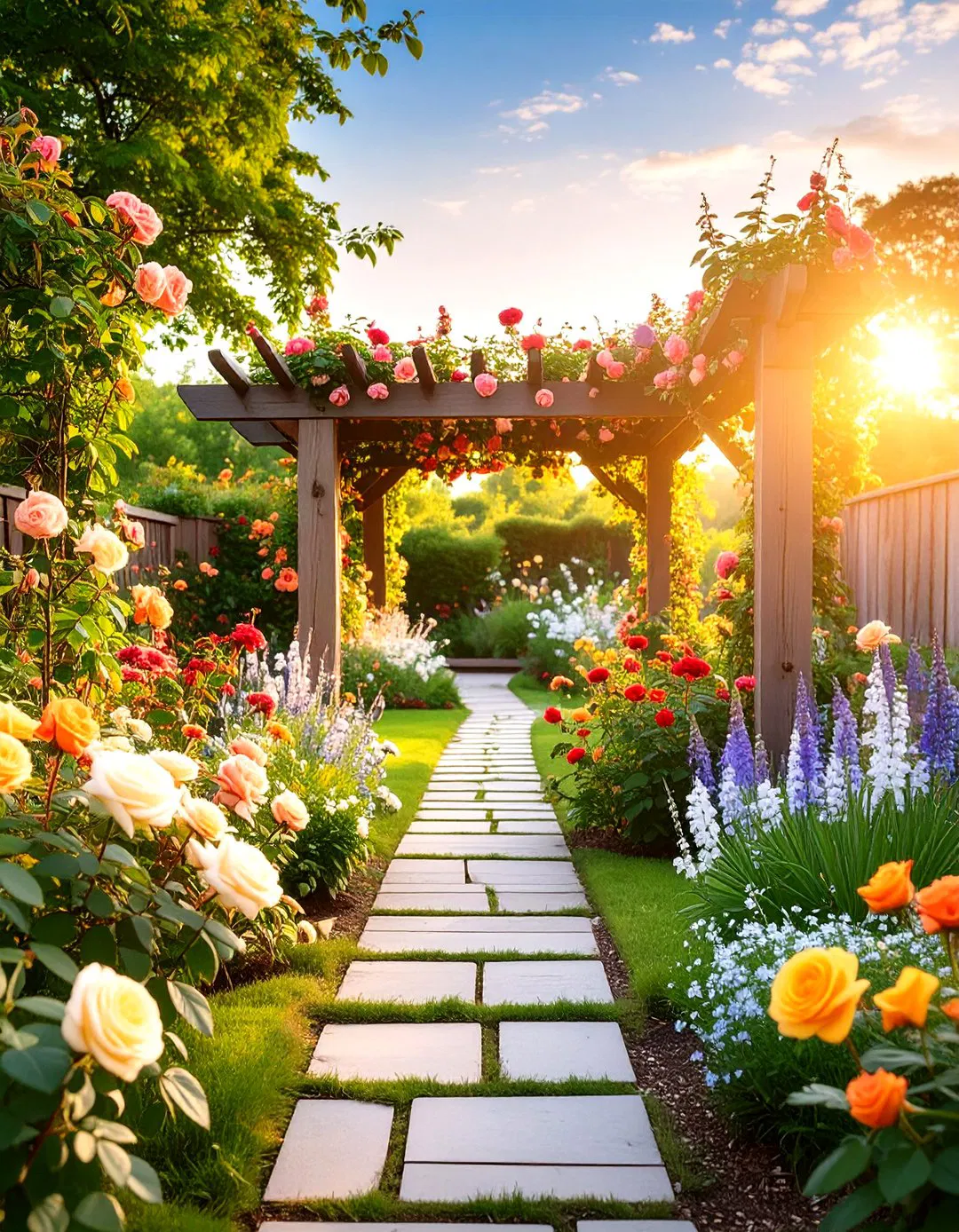
What evokes the effortless, storybook allure of a cottage garden? Informal rose borders that blend climbing, shrub, and bush roses with perennials create a lush, naturalistic tapestry. English roses mingle with foxgloves, delphiniums, and catmint, while climbing roses drape over rustic wooden trellises and spill onto pathways. This design celebrates abundance and organic growth rather than strict order, allowing plants to intertwine gracefully while maintaining enough structure to avoid disorder. Disease-resistant David Austin roses offer nostalgic fragrance and repeat blooming throughout the season. Companion plants like lavender, geraniums, and sweet peas not only enhance color harmony but also attract pollinators and beneficial insects. This style suits traditional homes perfectly and can provide a charming contrast to modern architecture.
Sleek Simplicity: Embracing Modern Minimalist Rose Gardens
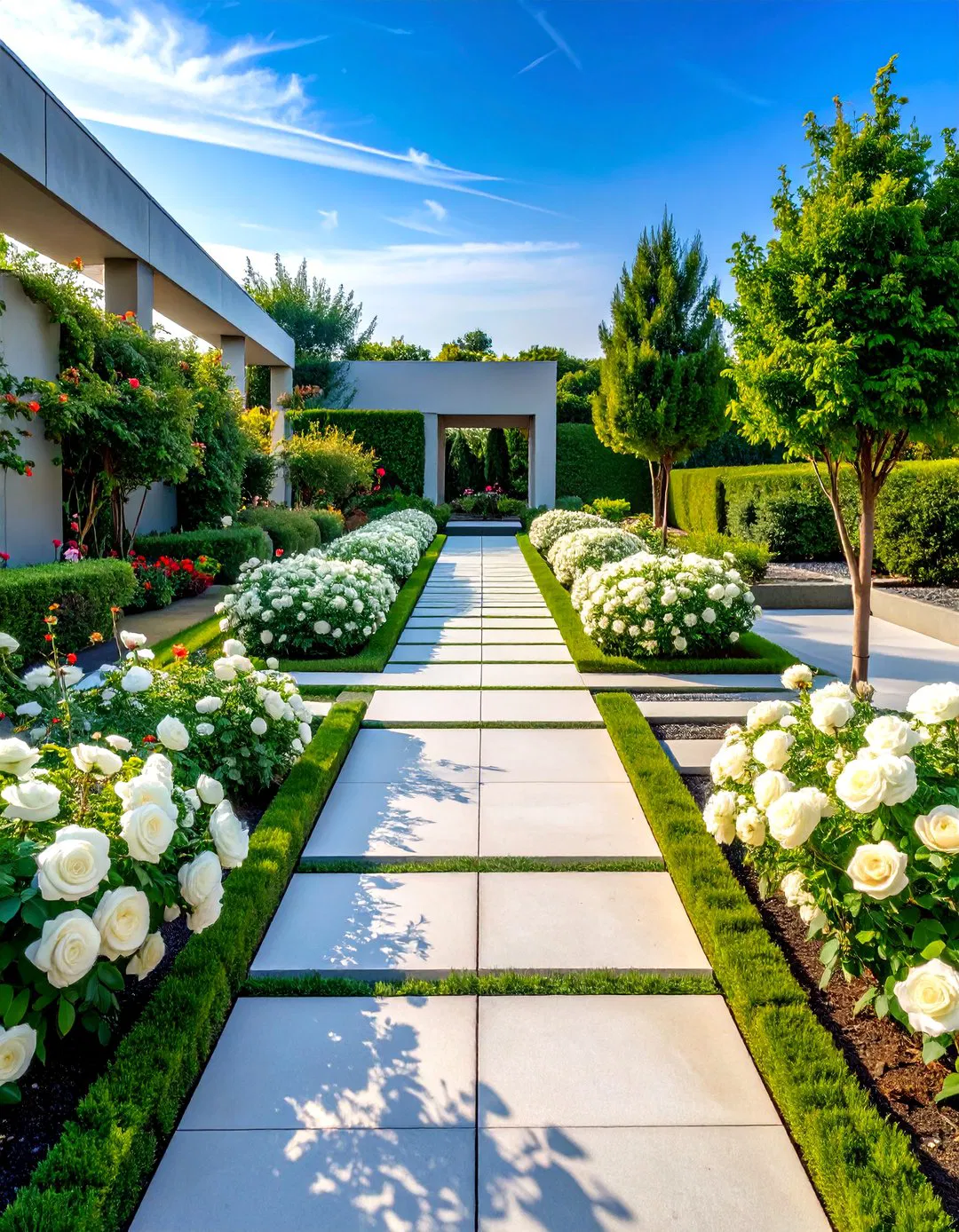
Can rose gardens embody contemporary elegance? Modern minimalist designs focus on clean lines, restrained color palettes, and architectural planting schemes. Mass plantings of a single rose variety create striking color blocks, contrasting with the mixed, informal arrangements of cottage gardens. Hardscape elements such as concrete, steel, or stone add structure and definition. Disease-resistant landscape roses like the popular Knock Out roses provide continuous blooms with minimal upkeep, ideal for busy gardeners. Crisp mulched beds with sharp edges separate planting areas from hard surfaces, while limited color choices-whites, soft pinks, or bold single hues-maintain visual clarity and complement modern home designs.
Enchanting Canopies: Creating a Climbing Rose Pergola
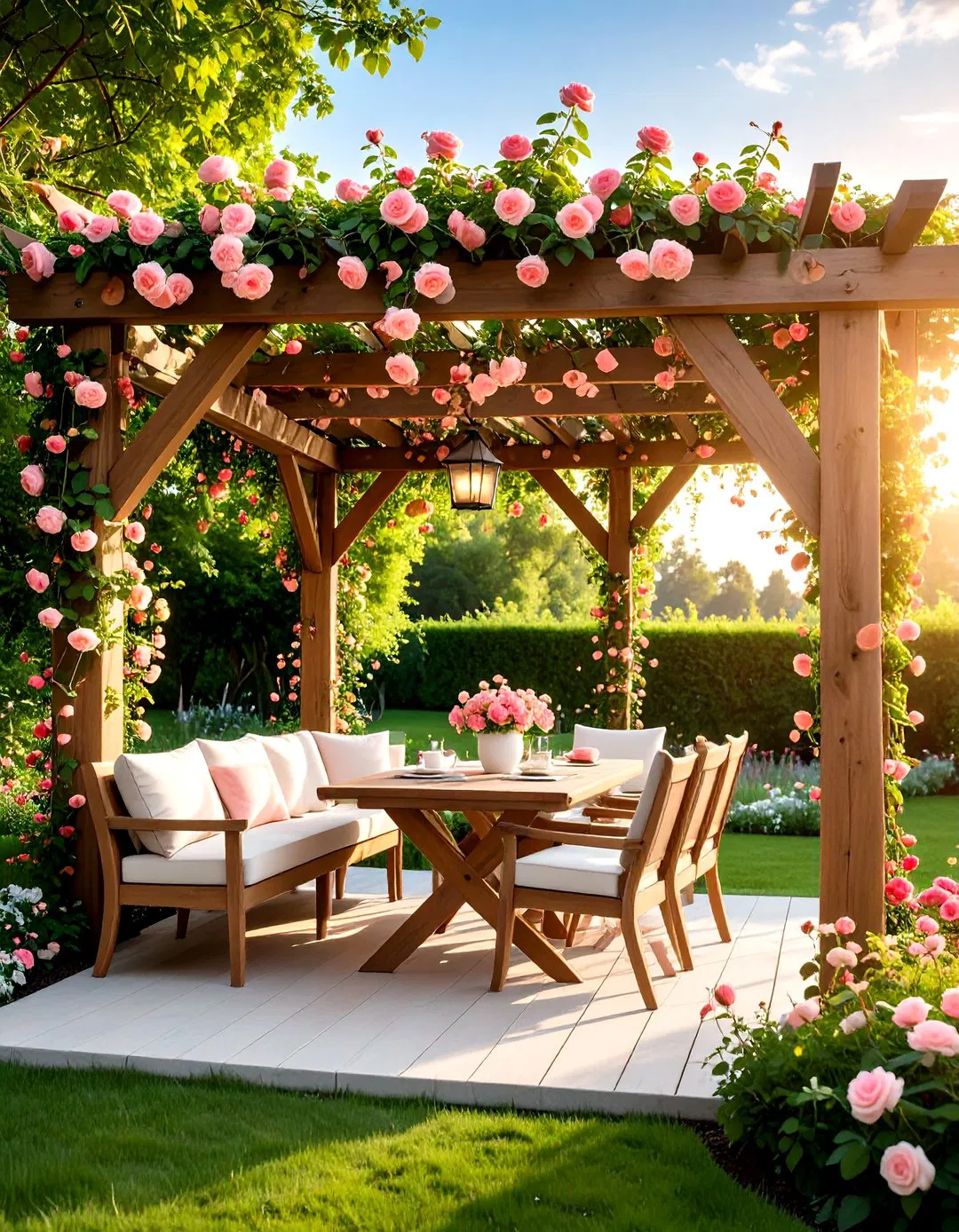
How can a garden structure be transformed into a breathtaking floral retreat? Climbing rose pergolas create stunning overhead displays that offer dappled shade and immerse visitors in cascades of fragrant blooms. Robust wooden or metal frameworks support vigorous climbers such as Eden, New Dawn, or Zephirine Drouhin, which can cover large areas over several growing seasons. The pergola’s size should be proportional to your garden, with wider spans allowing multiple rose varieties to bloom sequentially. Positioning near seating areas invites close enjoyment of scent and color during peak flowering. Training canes horizontally along beams encourages abundant blooms along the entire length. Adding companion vines like clematis extends the flowering season, while integrated lighting enhances evening ambiance beneath the floral canopy.
Maximizing Small Spaces: Container Rose Gardens
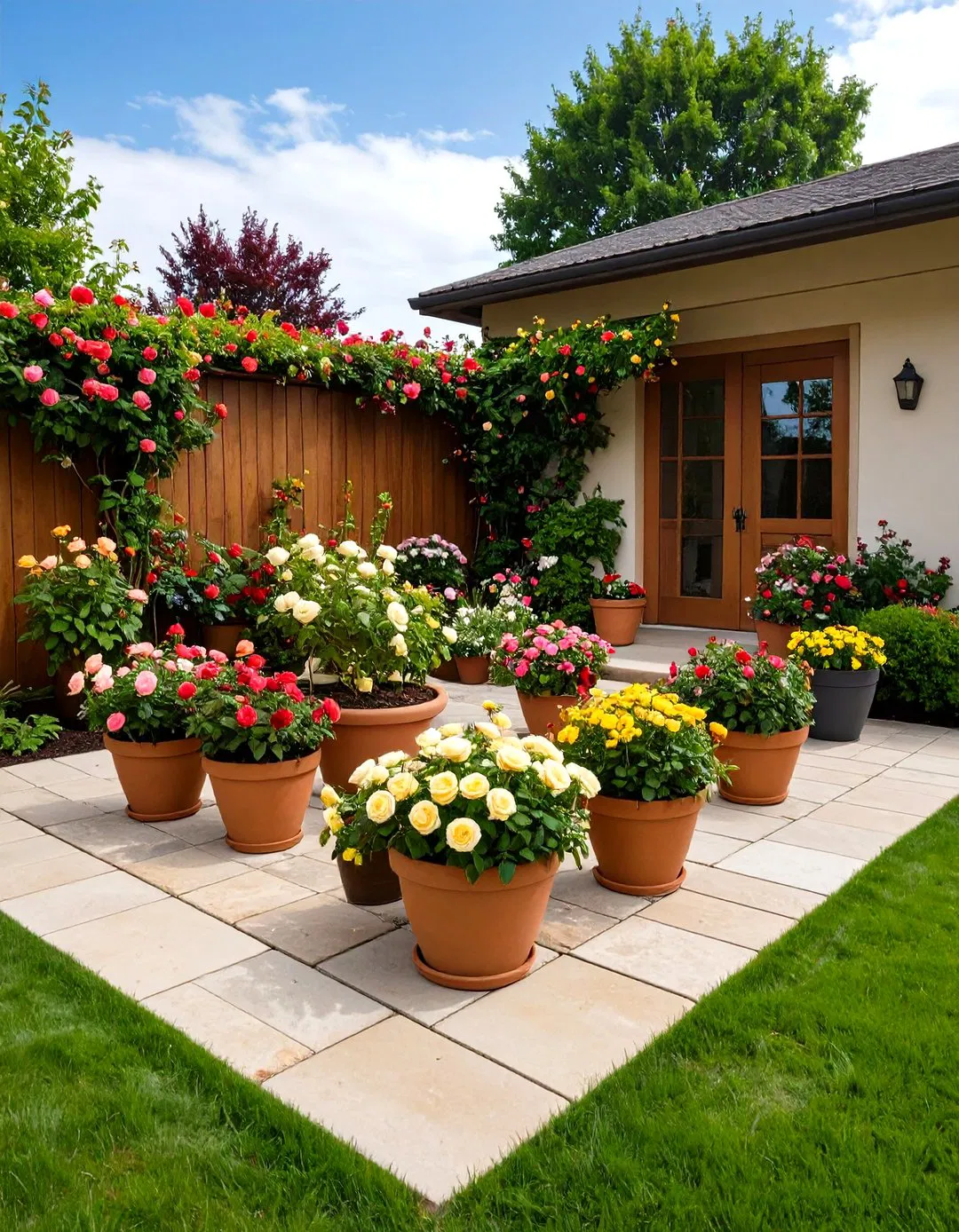
How can you enjoy rose gardening when space is at a premium? Container rose gardens are perfect for patios, balconies, and urban settings, utilizing pots to create vibrant displays. Select compact varieties such as miniature roses, patio roses, or small shrub types that suit container dimensions. Large pots-ideally 18 to 24 inches in diameter-offer sufficient root space for healthy growth. Grouping containers of varying heights adds visual interest and ensures all plants receive adequate sunlight. Climbing roses in sizable containers can be trained on trellises or walls, adding vertical dimension to tight spaces. Consistent watering and fertilizing are essential, and wheeled plant stands facilitate seasonal repositioning. This method brings the charm of a rose garden to apartment dwellers and city gardeners alike.
Preserving Legacy: Heritage Rose Collections
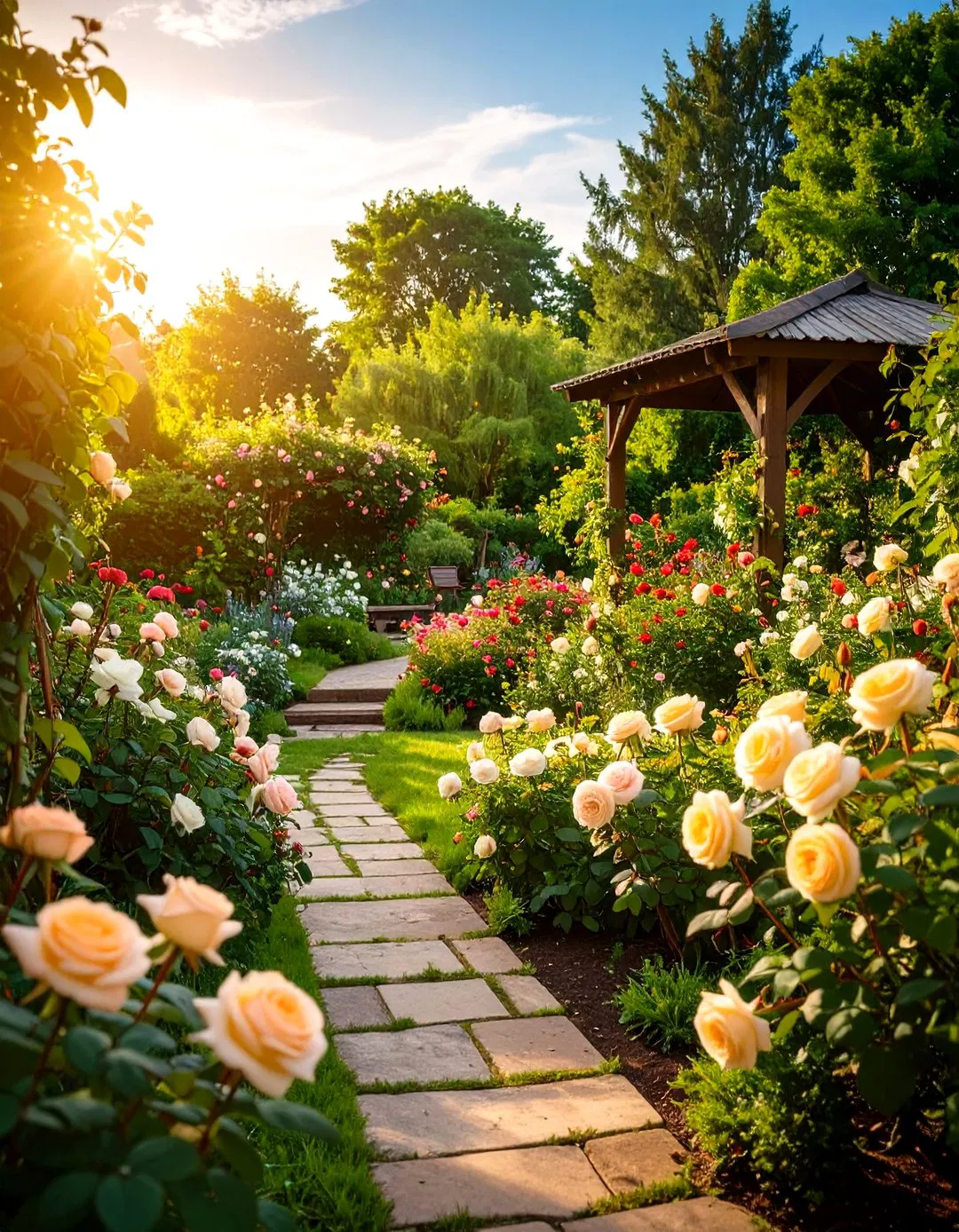
What tales do antique roses tell about gardening traditions? Heritage rose gardens celebrate rare and historic varieties, weaving cultural narratives into living landscapes. These gardens feature old garden roses, species roses, and documented antique cultivars that reflect eras from medieval monastery gardens to Victorian estates. While many heritage roses bloom once annually, they compensate with intense fragrance and robust disease resistance honed over centuries. Companion plants are chosen to reflect historical authenticity, incorporating herbs and perennials common to the period. Informative signage can share each variety’s origin and significance, enriching visitor experience. Collaborations with local historical societies or botanical gardens help preserve genetic diversity and educate the public about horticultural heritage.
Supporting Nature: Wildlife-Friendly Rose Gardens
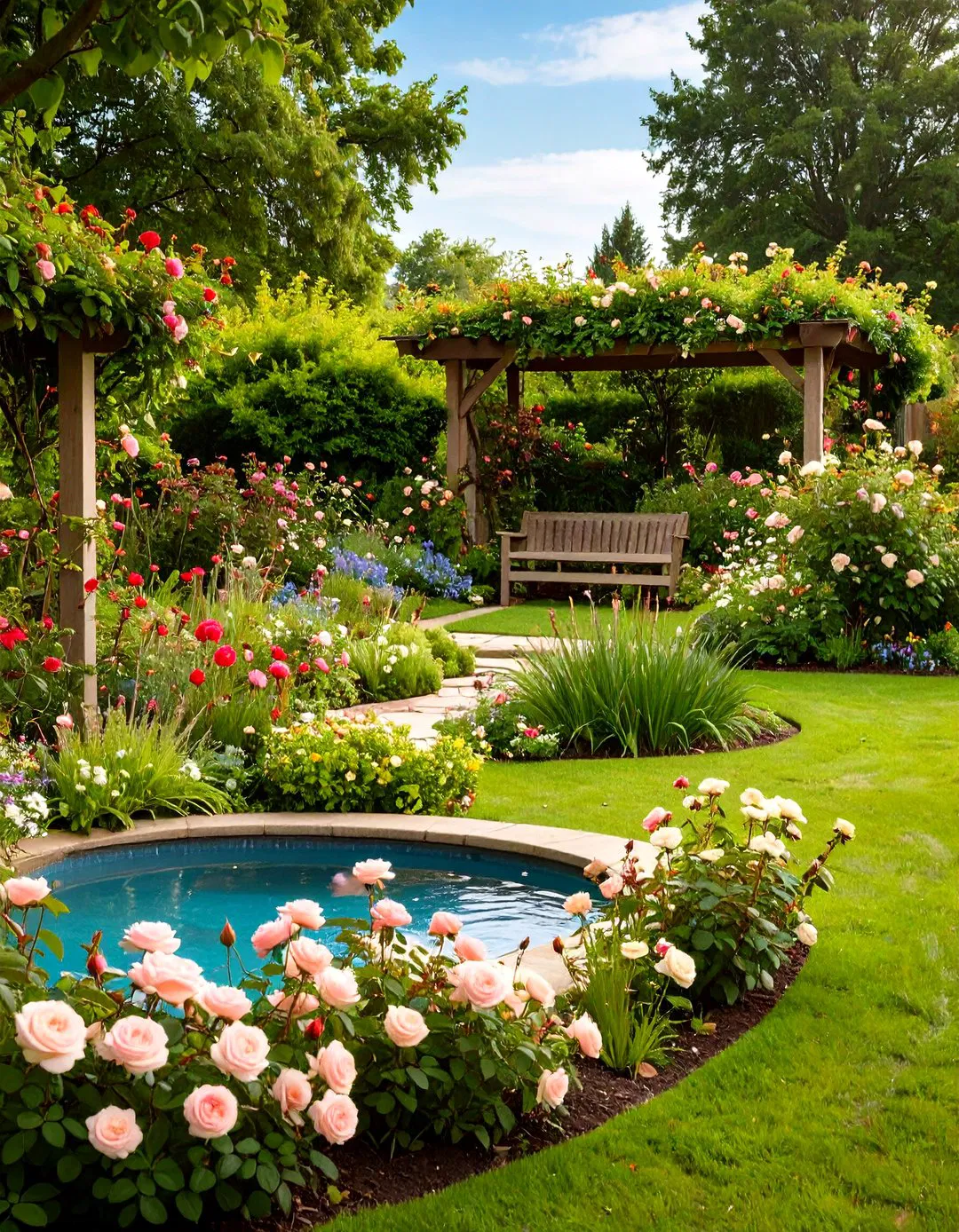
How can rose gardens nurture local ecosystems while remaining visually stunning? Wildlife-friendly rose gardens combine native species roses with cultivated varieties that provide nectar, shelter, and food for pollinators, birds, and small mammals. Single-flowered roses offer accessible nectar for bees and butterflies, while rose hips supply vital winter nourishment for birds. Native companion plants attract predatory insects that naturally manage pests, reducing the need for chemical interventions. Species like Rosa rugosa and Rosa woodsii thrive with minimal care and maximize wildlife benefits. Incorporating water features, nesting boxes, and varied plant heights creates a complex habitat supporting diverse species year-round. This approach demonstrates how ornamental gardens can contribute meaningfully to biodiversity conservation.
Scented Splendor: Designing a Fragrance-Focused Rose Garden
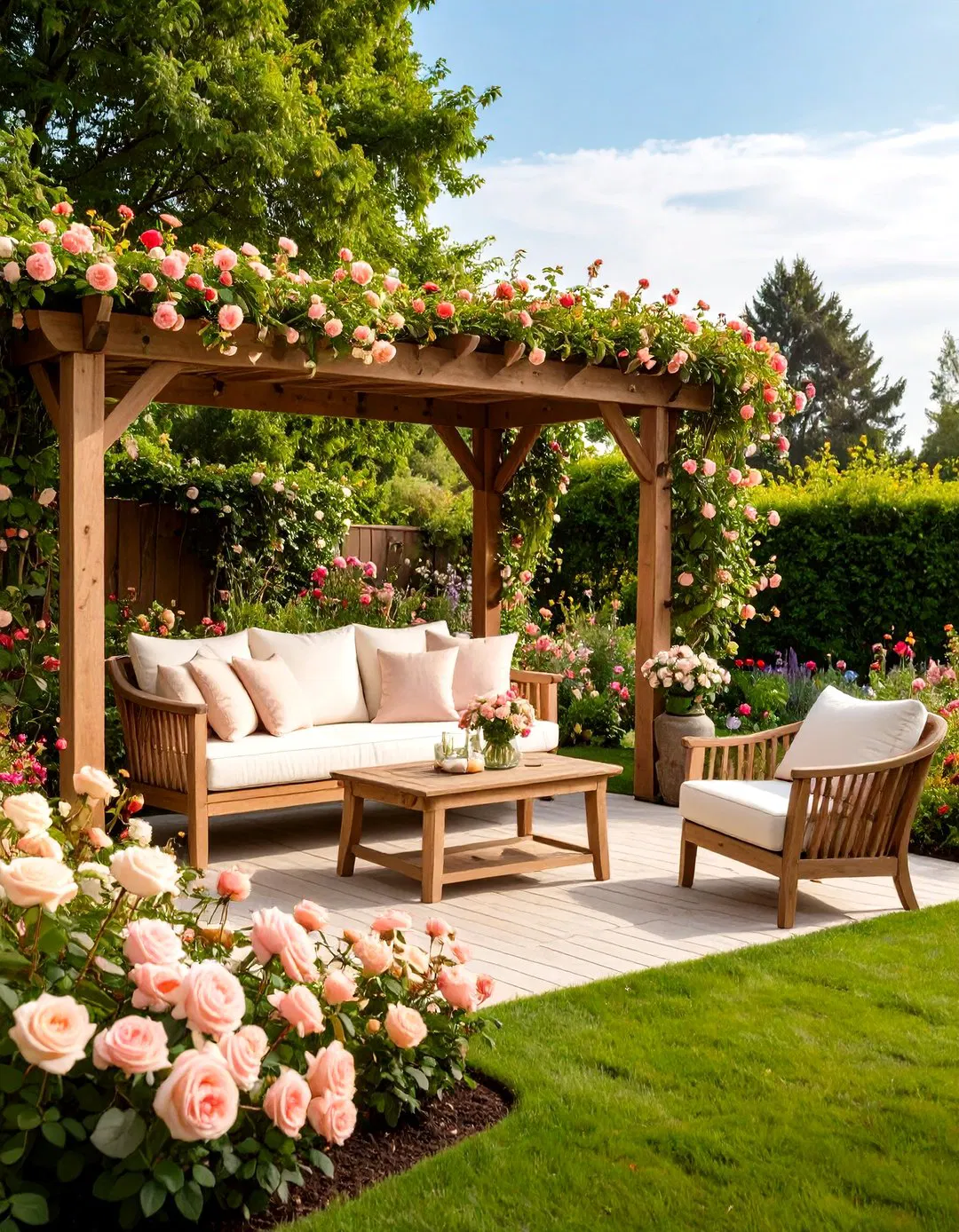
What elements create a garden that delights the senses beyond sight? Fragrance-centered rose gardens prioritize aromatic varieties placed strategically near seating areas, entrances, and windows to maximize scent enjoyment. Roses such as Mister Lincoln, Double Delight, and Fragrant Cloud are renowned for their powerful perfumes. Garden layouts consider prevailing winds and seasonal airflows to disperse fragrance throughout the space. Evening-blooming companions like night-blooming jasmine and four o’clocks extend the sensory experience into twilight hours. Enclosed garden rooms or semi-enclosed courtyards trap and intensify aromas, while raised beds bring blooms closer to nose level. Complementary herbs like rosemary and thyme add layers of scent complexity, creating immersive, memorable garden experiences.
Harmonious Hues: Crafting Color-Themed Rose Gardens
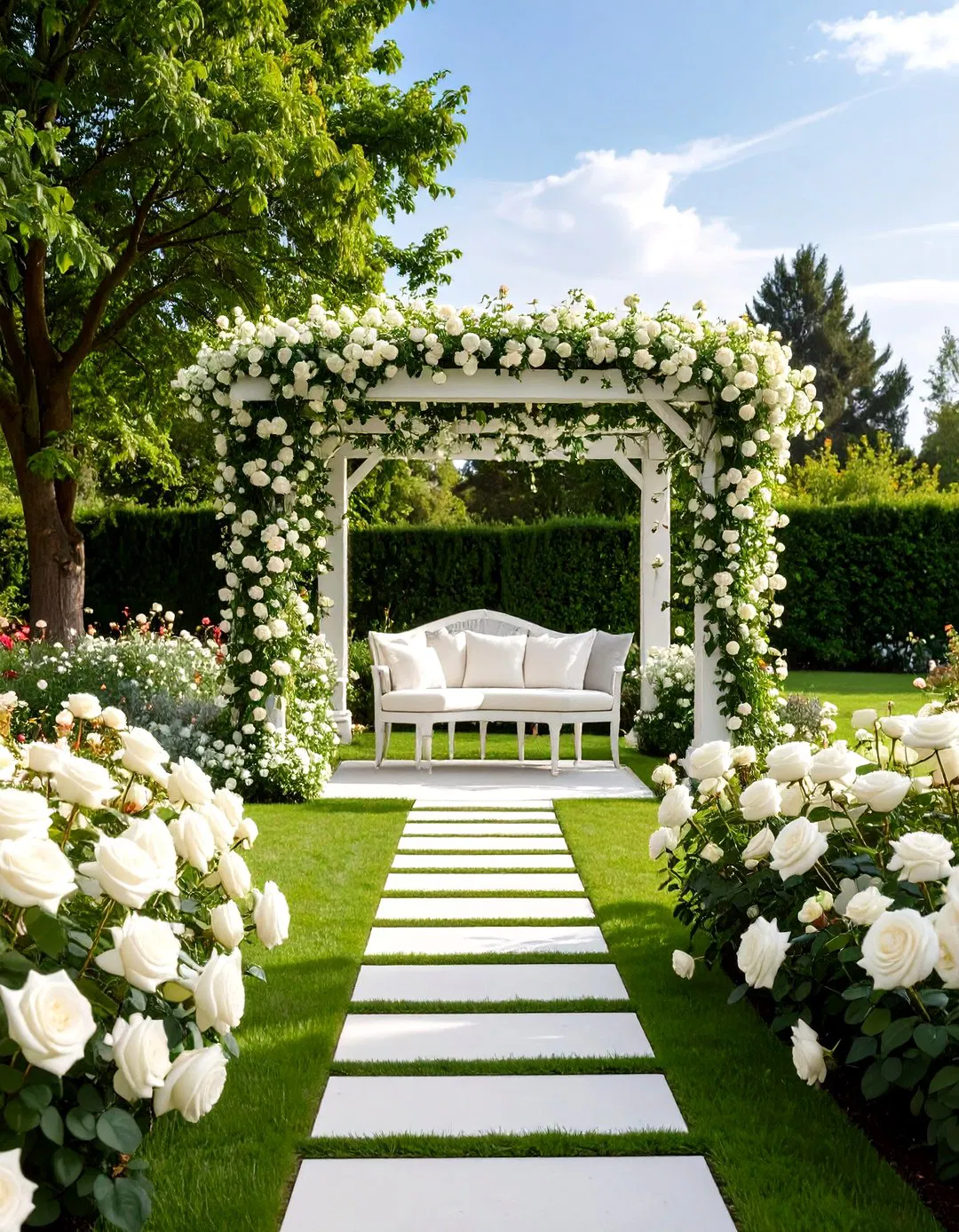
How do carefully curated color schemes elevate garden aesthetics? Color-themed rose gardens employ coordinated palettes to create striking focal points or tranquil, unified spaces. White rose gardens, featuring varieties like Iceberg, Wedding Day, and Alba, exude refined elegance, often paired with silver-leafed plants. Shades of pink, from soft blush to deep magenta, evoke romantic and feminine moods through thoughtful variety selection. Warm yellows and oranges infuse sunny spots with cheerful vibrancy. Successful color-themed gardens require attention to bloom timing to maintain continuous visual interest. Foliage hues and companion plants reinforce the palette, while seasonal bulbs extend color displays into spring and autumn. This approach blends artistic design with psychological impact, crafting emotionally resonant garden environments.
Culinary Beauty: Integrating Edible Roses into Your Garden
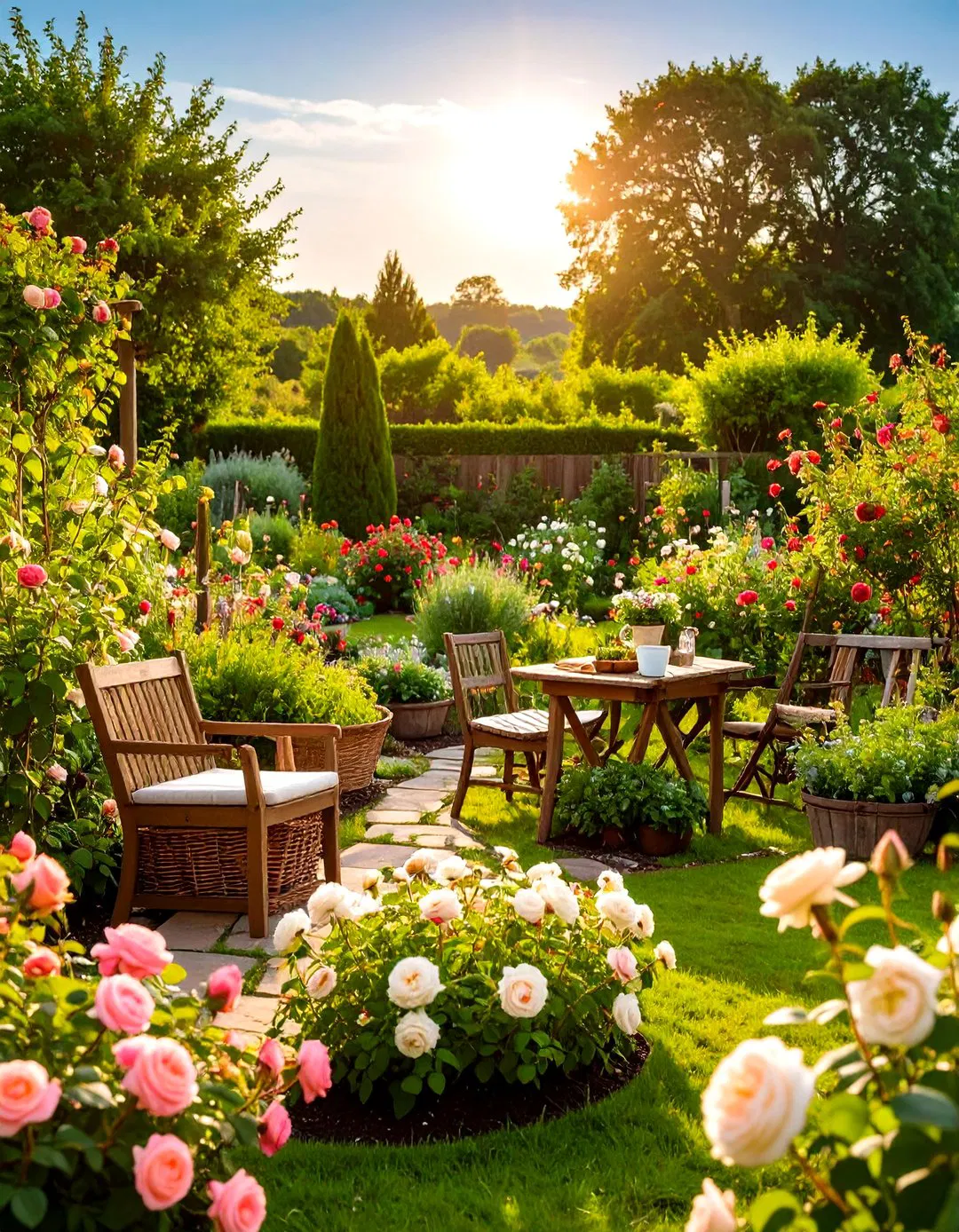
What happens when ornamental roses meet culinary uses? Edible rose gardens combine varieties prized for their flavorful petals and hips with ornamental appeal. Species like Rosa rugosa, Rosa damascena, and select David Austin roses produce petals safe for cooking, teas, and preserves. Companion herbs such as mint, thyme, and lemon balm create a fully functional kitchen garden where flowers, leaves, and fruits serve culinary purposes. Organic growing practices are essential to ensure food safety. Rose hips, rich in vitamin C, provide ingredients for jams and herbal infusions. Thoughtful garden design includes easy harvesting paths and preparation areas near the kitchen. Educational signage can share culinary traditions from around the world, blending beauty with practicality and promoting sustainable homegrown food production.
Creating Intimate Spaces: The Rose Garden Room Concept
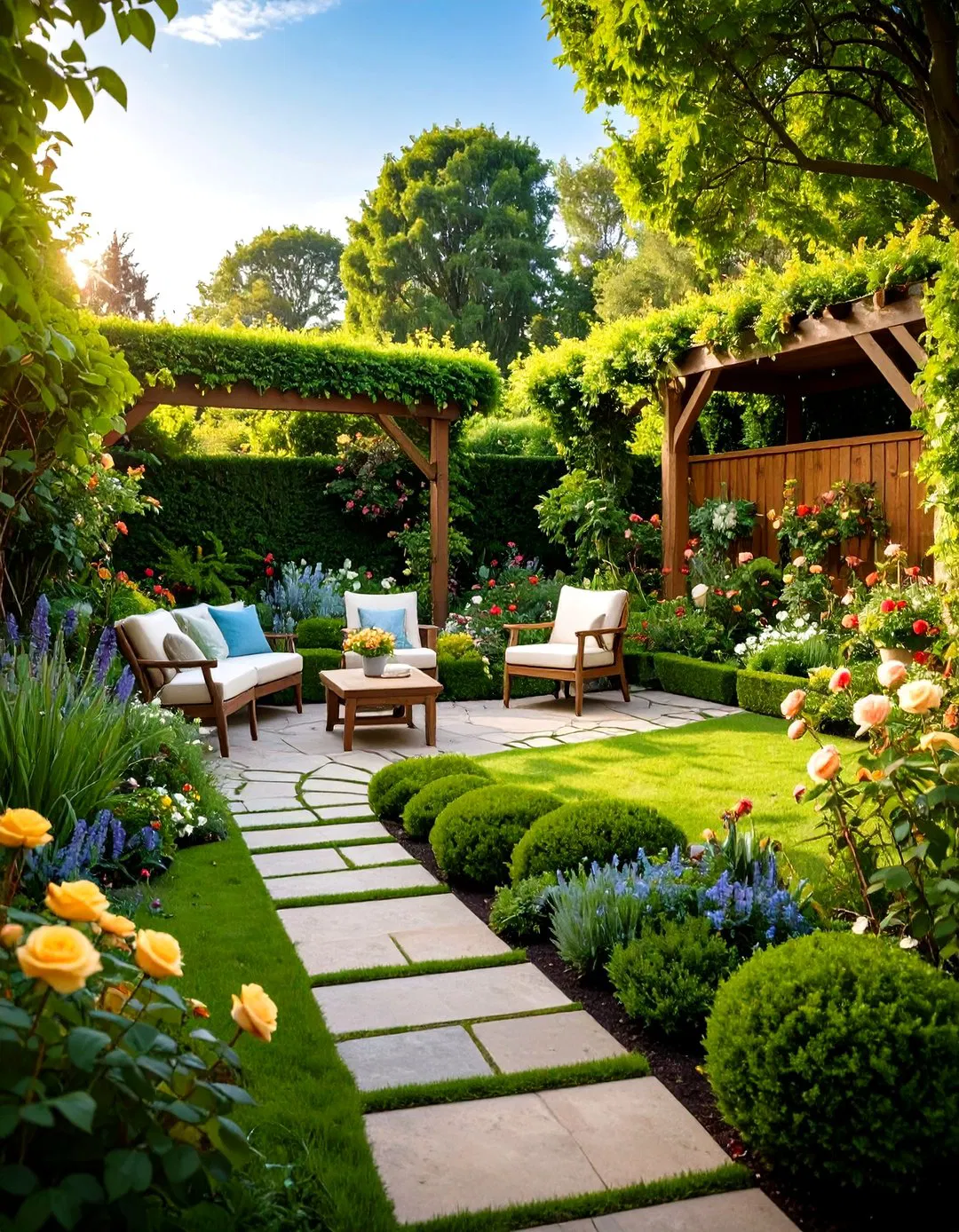
How do enclosed garden spaces foster privacy and intimacy? Rose garden rooms use hedges, walls, or architectural elements to define distinct garden “rooms” that feel separate yet connected. Each room can showcase different rose styles, colors, or themes while maintaining overall design harmony. Formal rooms might feature hybrid teas arranged geometrically, while informal rooms embrace rambling roses and cottage companions. Doorways and pathways between rooms create a sense of discovery and anticipation. This design suits larger properties, offering multiple garden experiences within one landscape. Seasonal bloom timing can stagger interest across rooms, extending garden enjoyment. Seating areas, water features, or sculptures serve as focal points, enhancing the sense of sanctuary and human scale.
Vertical Beauty: Rose-Covered Walls and Trellises
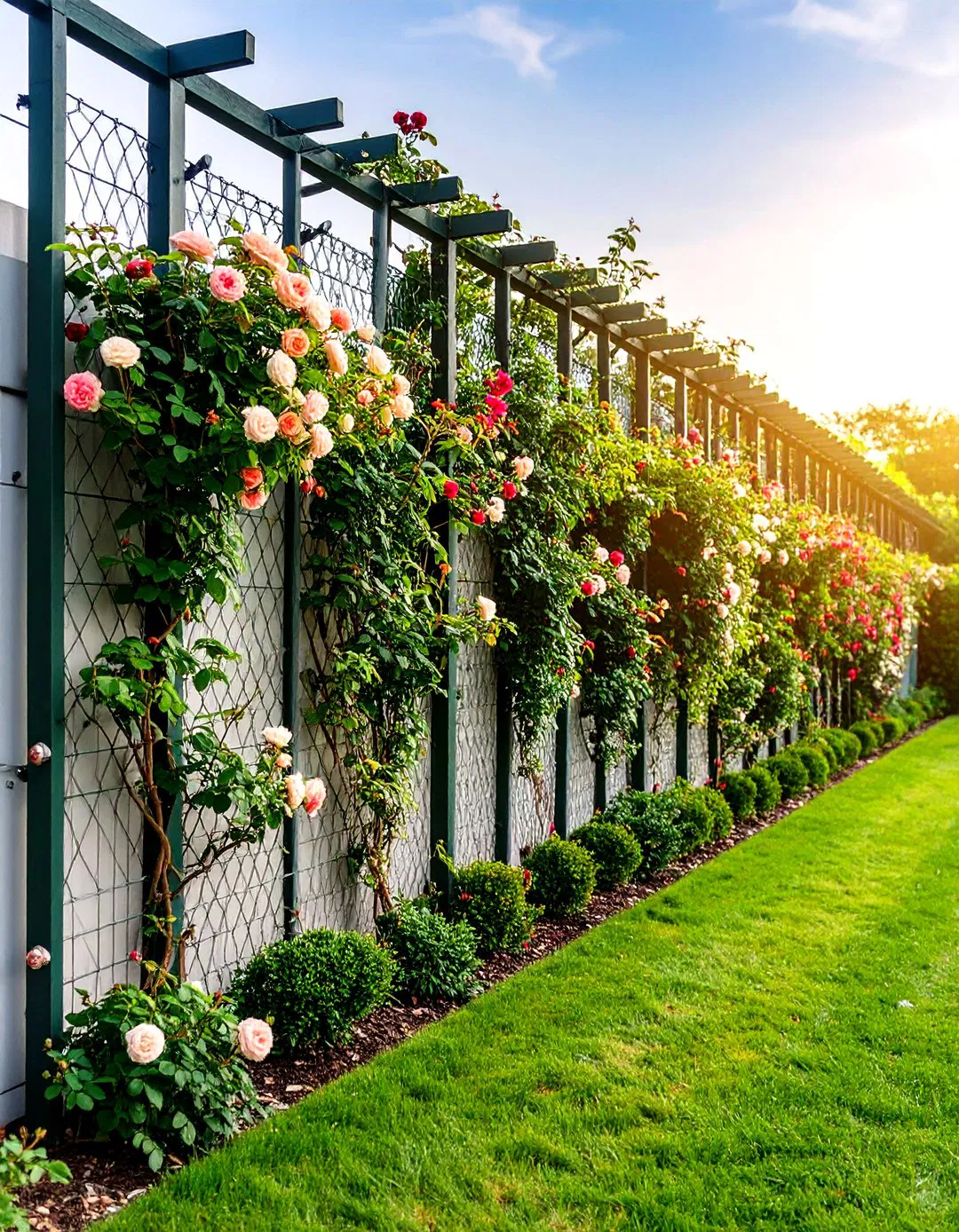
How can vertical surfaces become vibrant floral tapestries? Vertical rose gardens employ climbing roses to adorn walls, fences, and other structures with lush blooms. Support systems such as wires, trellises, or wall-mounted frames guide growth while protecting building materials. Varieties like Lady Banks, Climbing Iceberg, and Don Juan offer diverse growth habits and flowering patterns suited to different exposures. This technique maximizes planting space in small gardens and creates privacy screens or conceals unattractive features. Selecting plants with appropriate mature sizes and maintenance needs is crucial. Wall irrigation systems provide moisture without damaging surfaces. Ground-level companion plants soften edges and extend color themes. Vertical rose gardens dramatically enhance garden impact within limited footprints, blending horticulture with architecture.
Delicate Wonders: Miniature Rose Display Gardens
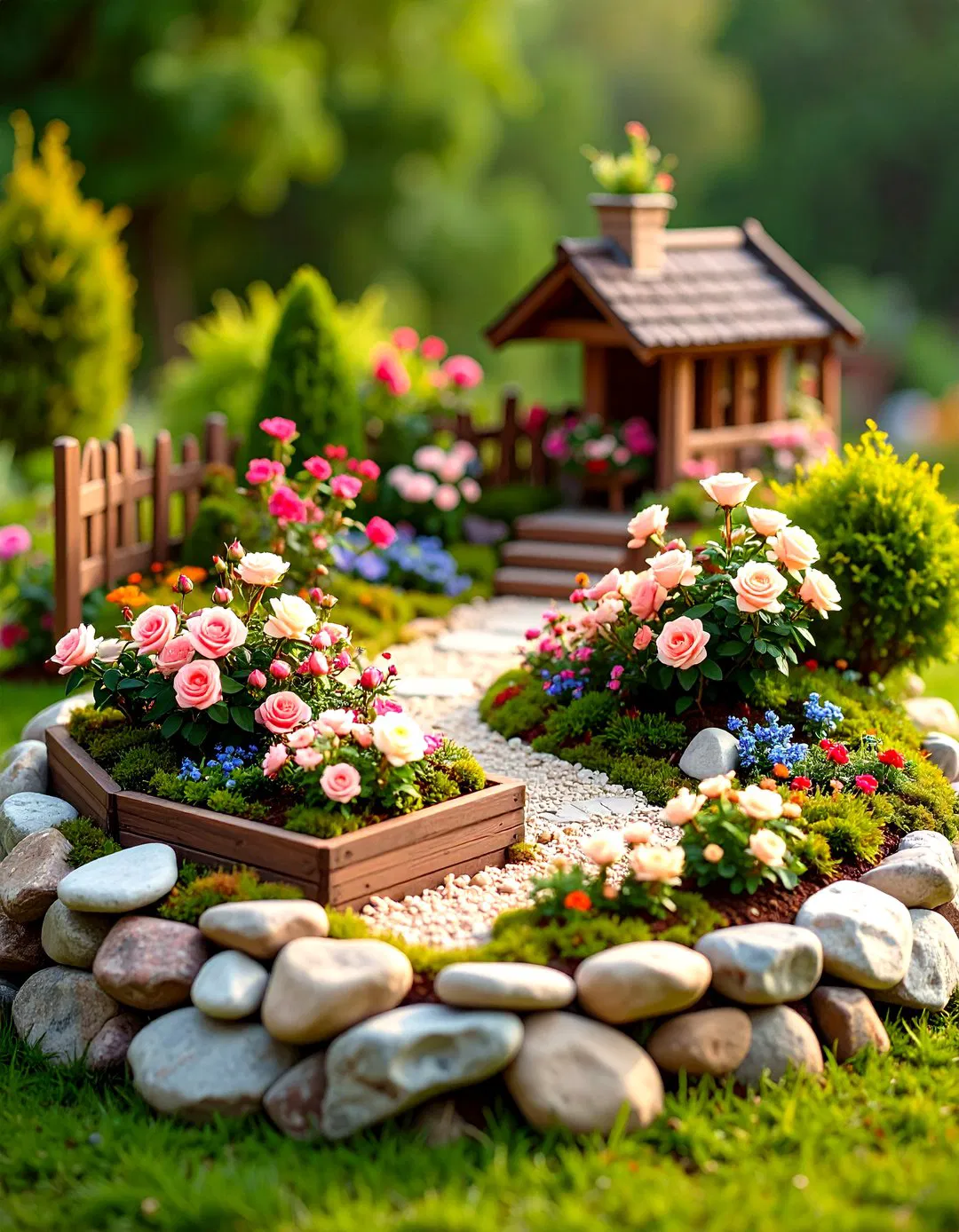
How do tiny roses make a big impression? Miniature rose gardens highlight compact varieties in settings designed to showcase their intricate beauty. Raised beds, container clusters, or rock gardens provide excellent drainage and bring blooms closer to eye level for detailed appreciation. Varieties such as Baby Boomer, Gourmet Popcorn, and Rainbow’s End offer a spectrum of colors and forms in petite packages. Companion plants should be similarly scaled, using small perennials, herbs, or alpine species to avoid overpowering the roses. Regular deadheading and meticulous care keep displays vibrant and encourage continuous flowering. These gardens appeal to collectors and enthusiasts who value horticultural artistry on a miniature scale. Thoughtfully designed pathways protect delicate plantings while allowing close observation.
Optimizing for Cut Flowers: Rose Cutting Garden Layouts
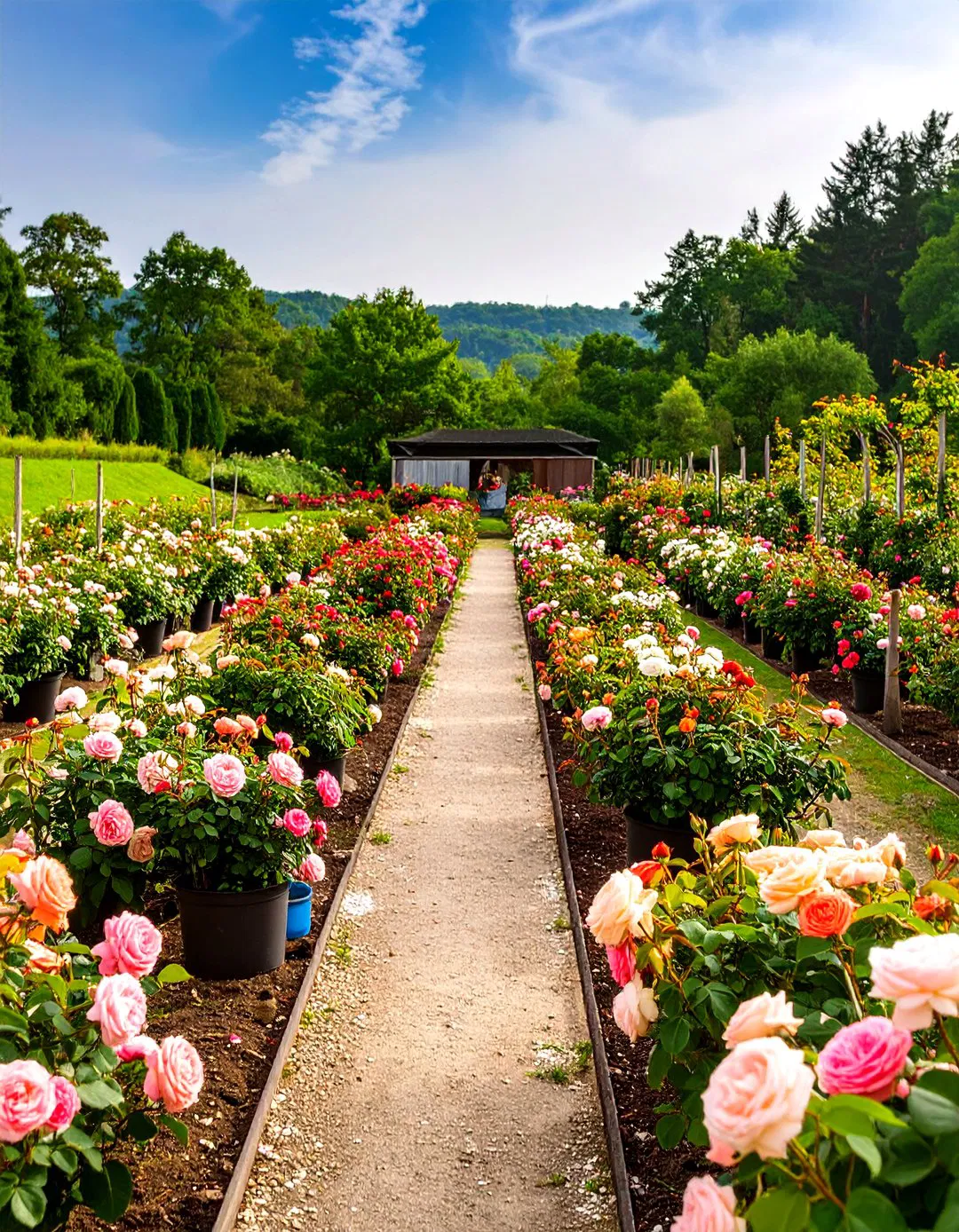
What design features maximize flower production and harvesting ease? Rose cutting gardens prioritize prolific bloom output and accessibility. Straight rows or rectangular beds with wide paths facilitate maintenance and flower picking without damaging plants. Varieties chosen for long stems, vase life, and repeat blooming include hybrid teas, grandifloras, and certain shrub roses. This practical layout balances beauty with productivity. Companion cut flowers like zinnias, cosmos, and sweet peas diversify harvest options and attract beneficial insects. Convenient storage for tools and conditioning supplies near cutting beds streamlines workflow. Such gardens serve florists, hobbyists, and anyone who delights in bringing fresh garden roses indoors. Proper harvesting timing and techniques maintain plant health and flower quality.
Dynamic Duos: Rose and Clematis Partnership Gardens
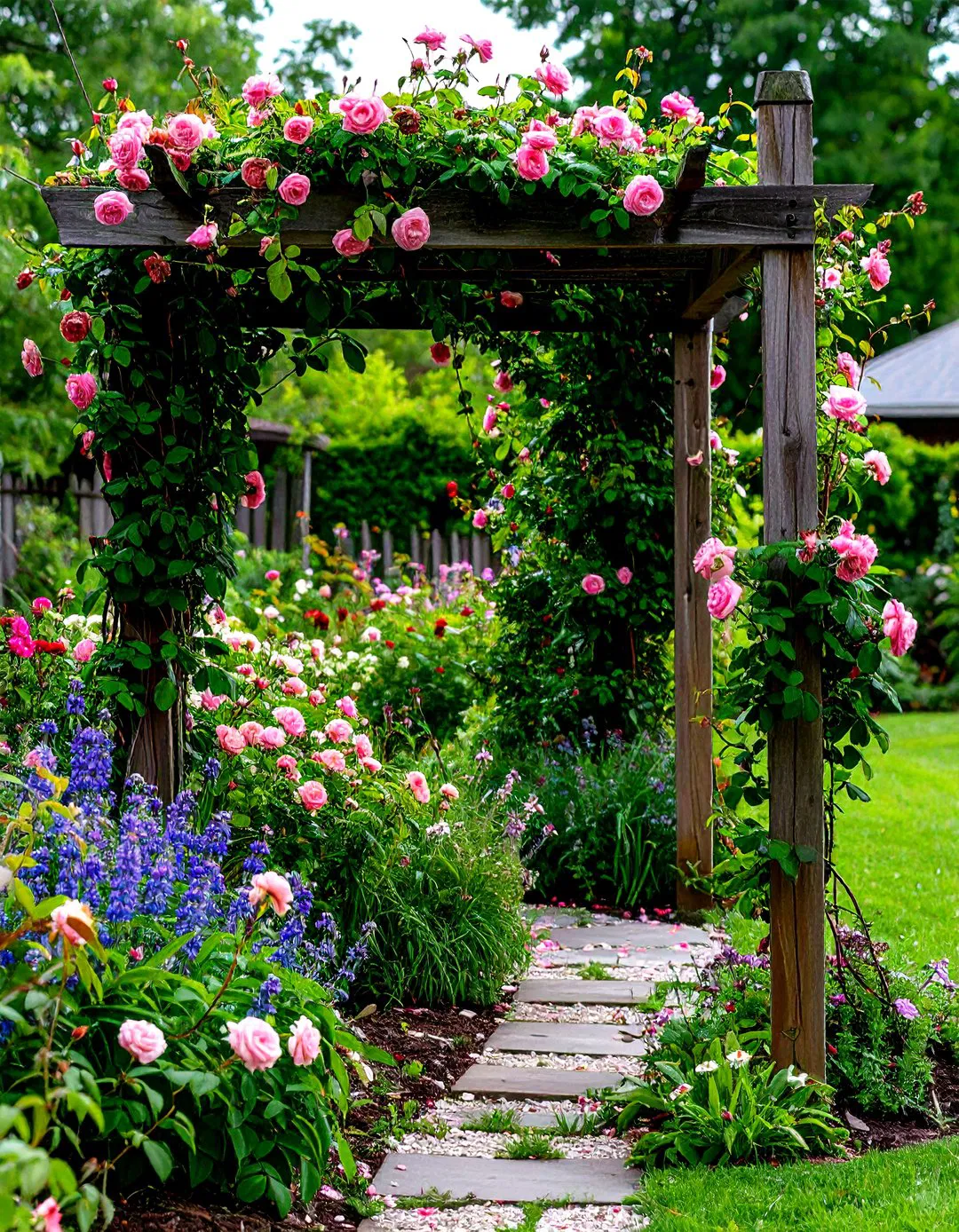
How do climbing plants combine to create spectacular vertical displays? Rose and clematis partnership gardens pair these classic climbers for extended bloom seasons and enhanced texture. Late-flowering clematis varieties bloom after early rose flushes, prolonging color into late summer and fall. Compatible growth habits prevent competition, and support structures accommodate both plants’ climbing styles. Varieties like Clematis viticella complement climbing roses beautifully without crowding. This synergy maximizes vertical space and offers diverse colors, textures, and flowering times. Coordinated pruning schedules maintain healthy growth and balanced appearance. Color schemes can range from subtle harmonies to bold contrasts, demonstrating how thoughtful plant pairings enrich garden interest and space efficiency.
Sun-Kissed Serenity: Mediterranean Rose Garden Inspirations
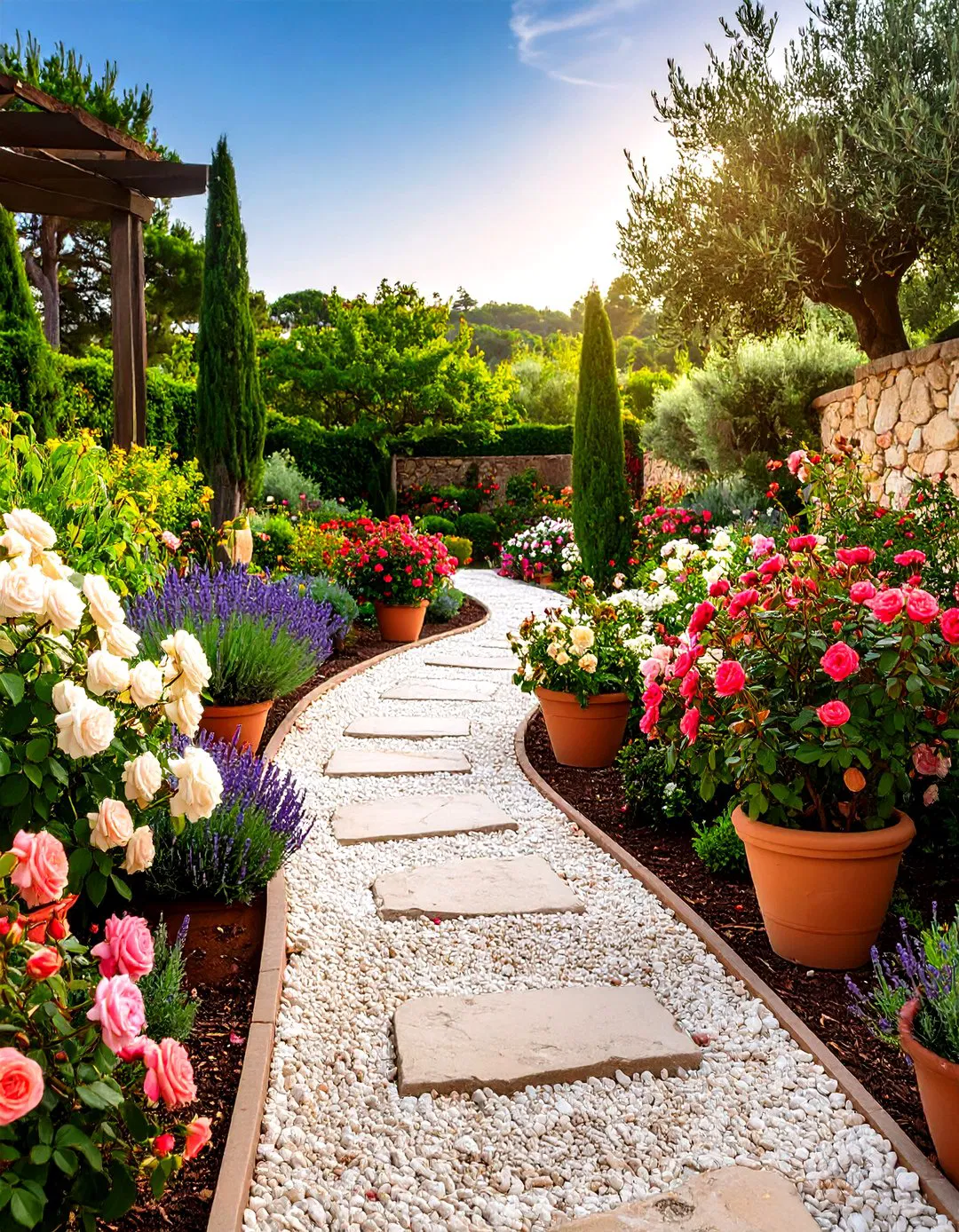
What elements evoke the relaxed, sun-drenched feel of Mediterranean gardens? Mediterranean-style rose gardens combine drought-tolerant roses with aromatic herbs, ornamental grasses, and stone features reminiscent of coastal Europe. Heat-loving varieties like Lady of Shalott, Sally Holmes, and species roses flourish in sunny, well-drained soils. Gravel paths, stone walls, and terracotta pots reinforce the aesthetic while promoting excellent drainage. Companion plants such as lavender, rosemary, santolina, and ornamental grasses complement rose colors and require minimal irrigation. This style suits gardeners in warm, dry climates seeking low-maintenance yet vibrant landscapes. Incorporating olive trees, citrus, or other Mediterranean plants adds structure and seasonal interest. Outdoor lighting and dining areas complete the vacation-like atmosphere, encouraging year-round enjoyment and sustainable water-wise gardening.
Thriving in Shade: Rose Gardens for Low-Light Areas
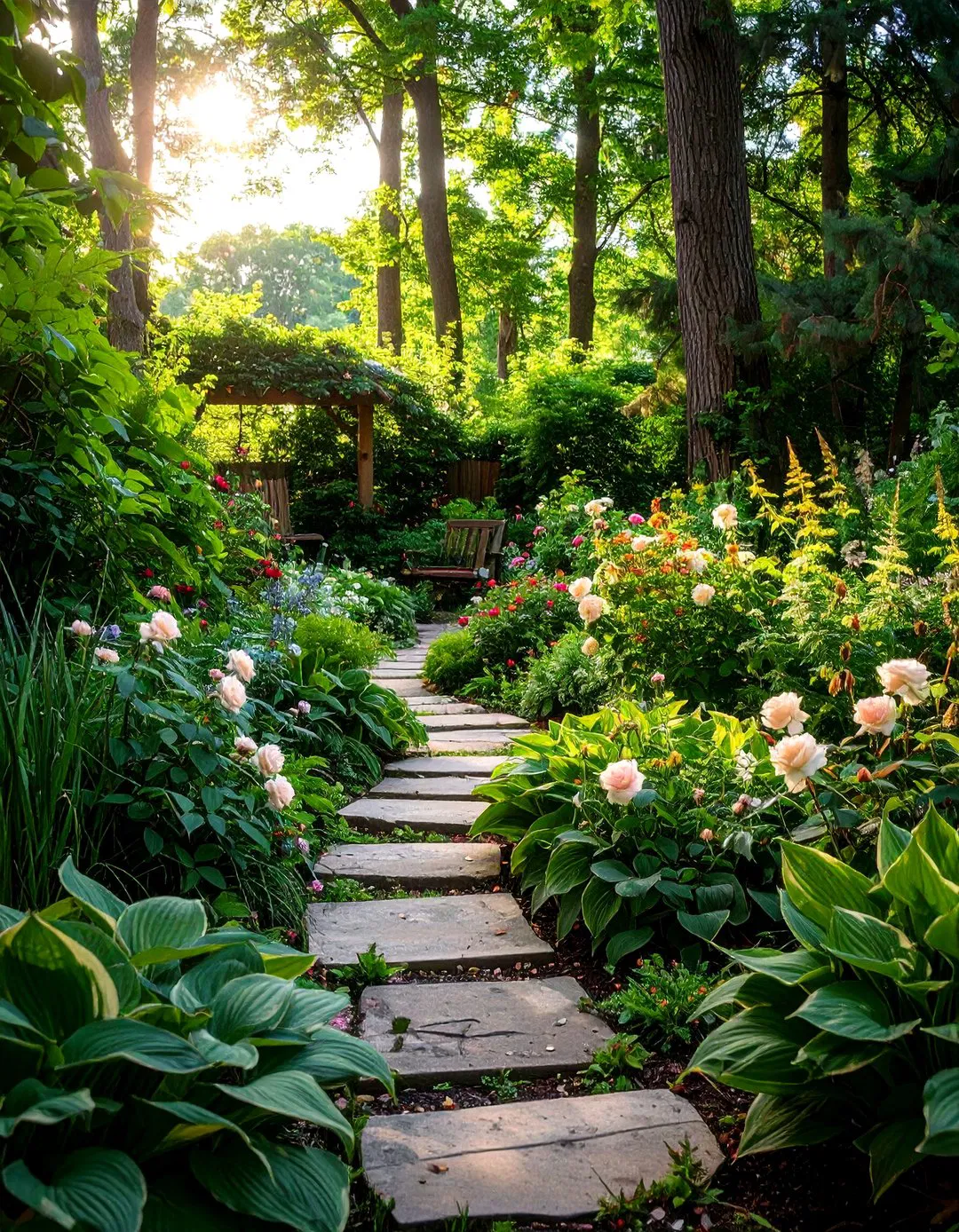
Can roses flourish in partially shaded environments? Shade-tolerant rose gardens feature varieties that perform well with four to six hours of sunlight daily. Species roses, select David Austin cultivars, and some climbing roses adapt better to filtered light than traditional hybrid teas. This expands rose gardening possibilities to woodland edges, courtyards, and north-facing spots where full sun is limited. Companion shade-loving perennials like hostas, astilbe, and woodland flowers complete the planting scheme. Soil preparation emphasizing drainage and organic matter is vital, as is ensuring good air circulation to prevent diseases common in humid shade. While bloom quantity may be reduced, careful variety selection allows roses to add beauty to challenging garden locations.
Year-Round Interest: Four-Season Rose Garden Planning
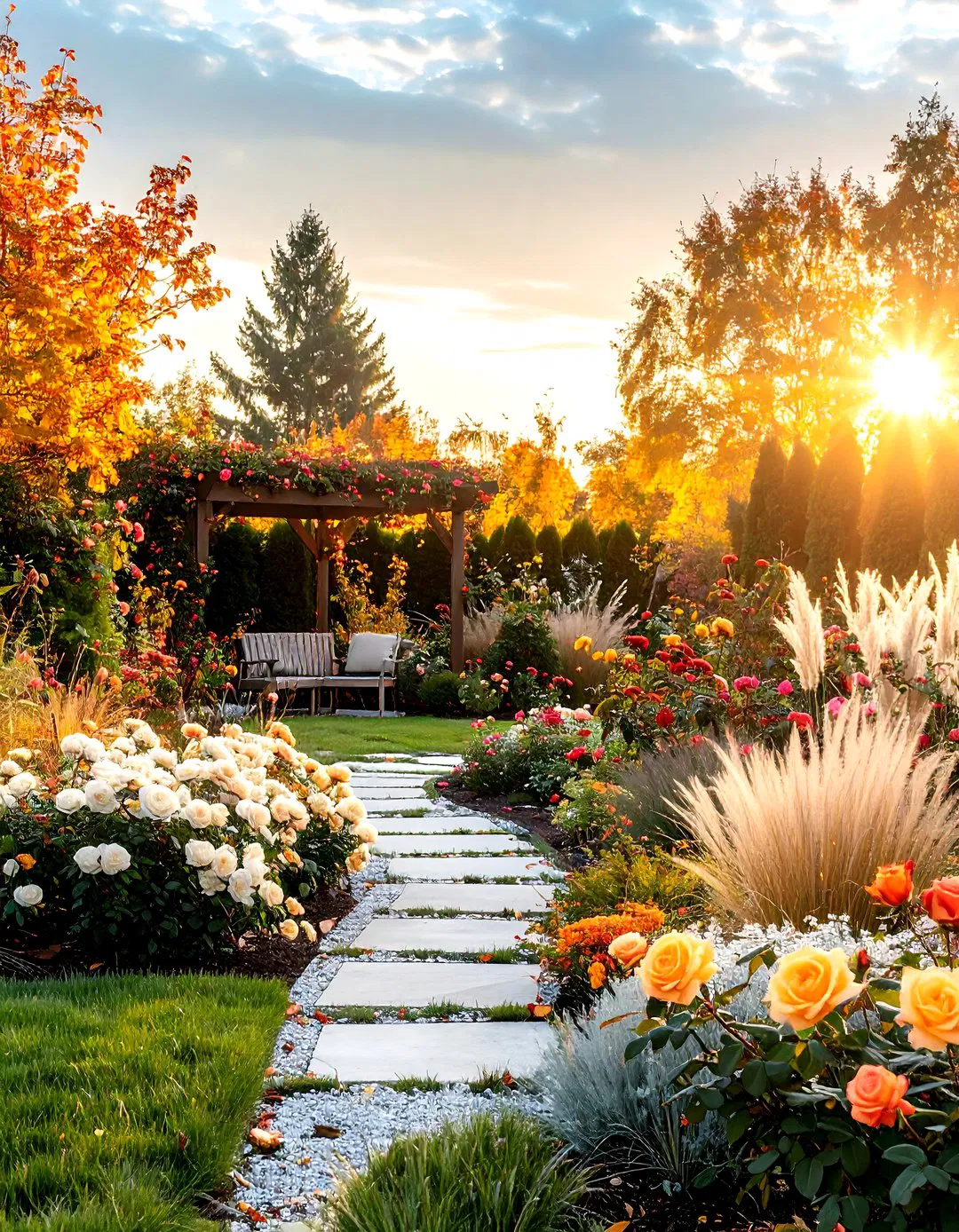
How can a rose garden maintain visual appeal throughout the year? Four-season rose gardens integrate structural plants and diverse companions to provide interest in every season. Evergreens, ornamental grasses, and winter-flowering shrubs complement roses and sustain garden form during dormant months. Early spring bulbs add color before roses leaf out, while fall-blooming perennials extend the season’s vibrancy. Winter features such as colorful bark, persistent fruits, and sculptural plant forms maintain visual intrigue. Thoughtful spacing accommodates seasonal growth changes while preserving balance. This approach requires advanced planning but rewards with a dynamic garden that captivates beyond the summer bloom peak.
Inviting Journeys: Designing Rose Garden Paths and Walkways
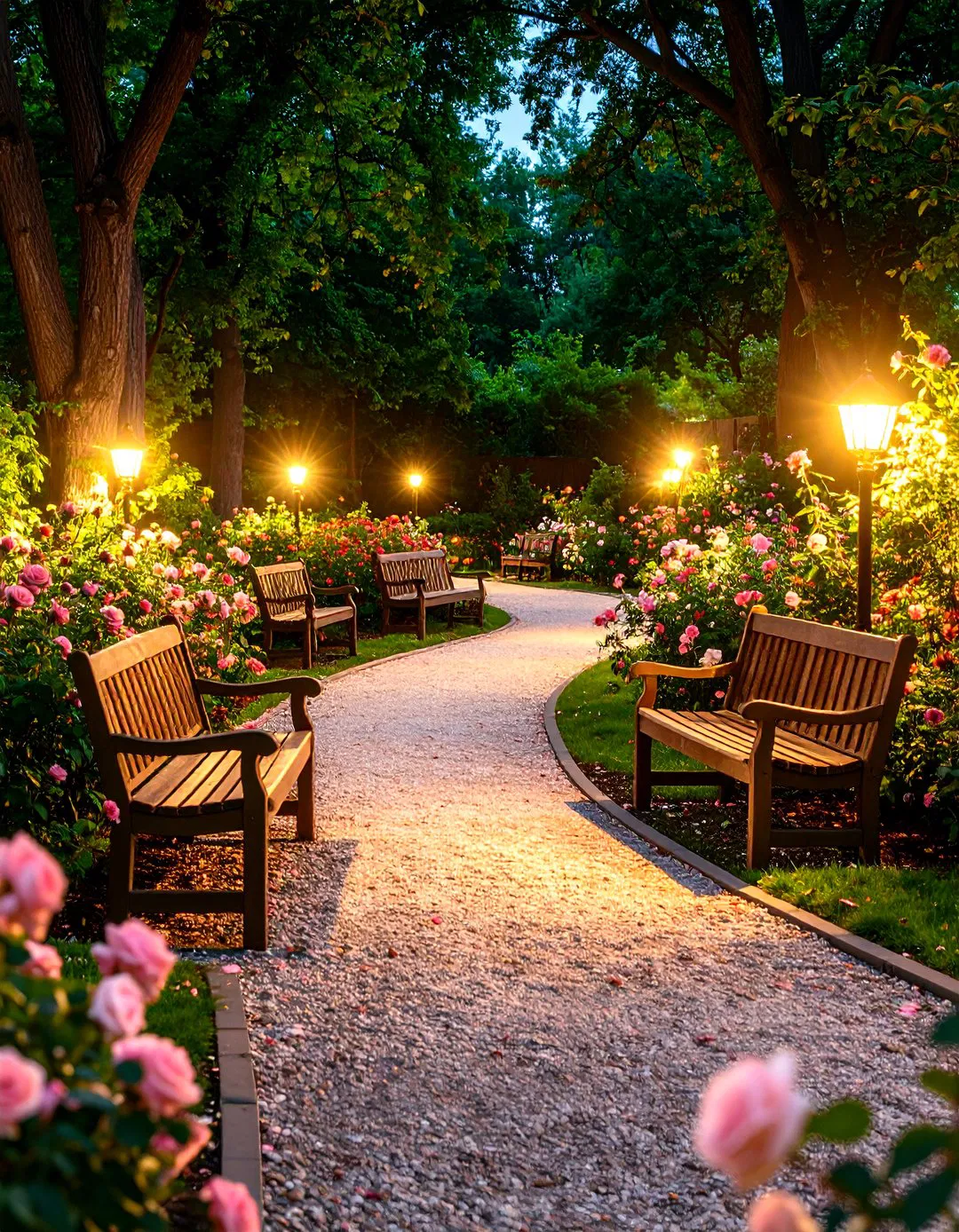
What makes garden pathways inviting and experiential? Rose garden paths guide visitors through the landscape, revealing beauty gradually while providing practical access. Curved walkways create a sense of mystery and anticipation, while straight paths convey formality and direct movement. Materials such as gravel, stone, or brick influence both aesthetics and maintenance. Plantings alongside paths protect roses from foot traffic and frame views. Designing paths as experiential elements encourages exploration and discovery. Rest stops along routes highlight special roses or vistas. Path widths accommodate expected traffic and can be designed for wheelchair accessibility. Strategic lighting extends usability into evening hours, spotlighting favorite blooms and features. Thoughtful circulation design enhances both enjoyment and garden care.
Serene Reflections: Incorporating Water Features in Rose Gardens
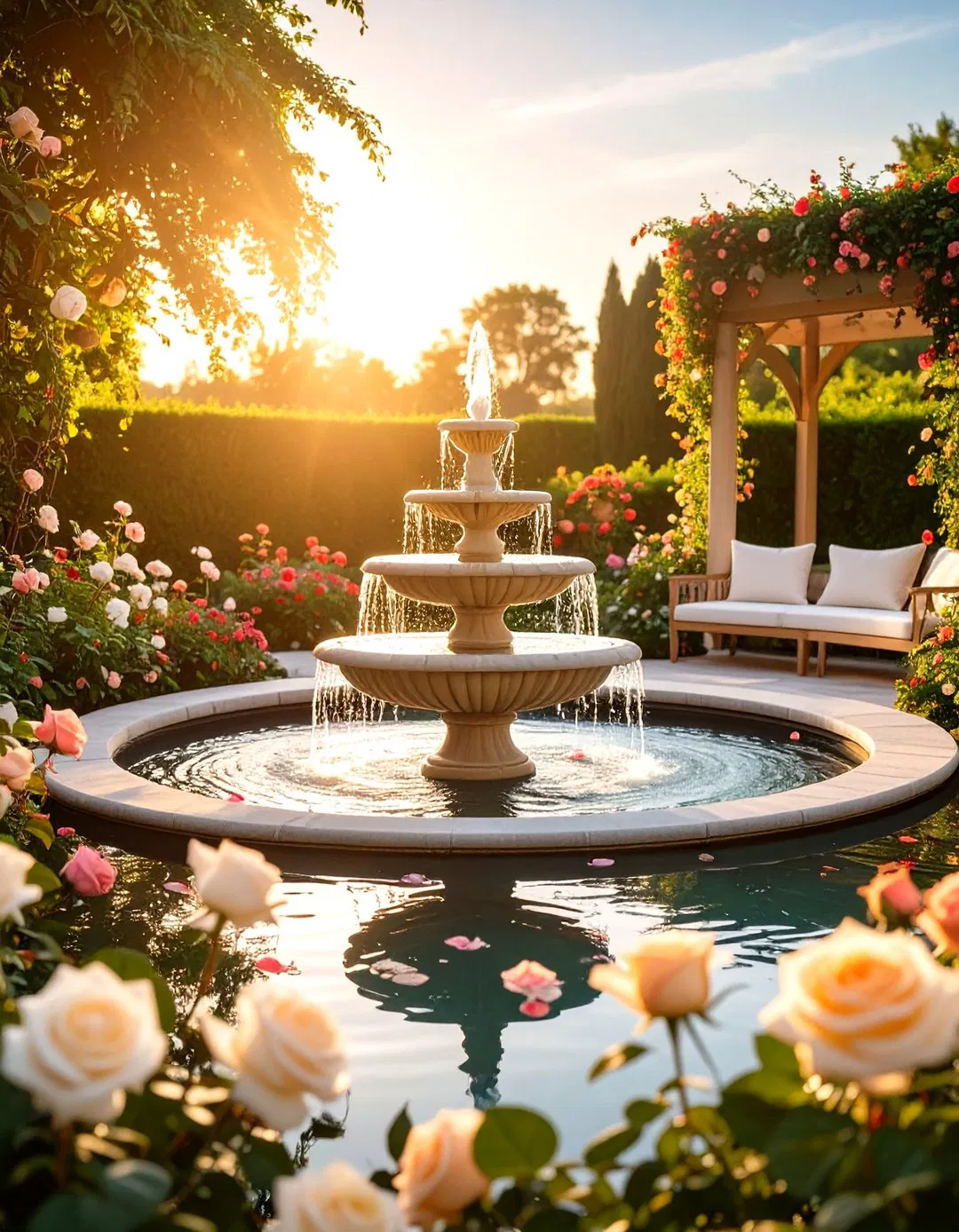
How do water elements elevate rose garden ambiance? Integrating fountains, ponds, or streams adds sensory layers of sound, movement, and reflection that complement floral displays. Water features provide cooling effects and increase humidity, benefiting rose health during hot weather. Placing water near seating areas enhances relaxation and mirrors rose colors, enriching visual appeal. These features also support wildlife by offering drinking sources and habitat. Incorporating irrigation with water elements can improve garden efficiency while maintaining ornamental charm. Properly scaled water features balance with garden proportions, offering year-round interest even when roses are dormant.
Living Boundaries: Rose Hedges for Privacy and Beauty
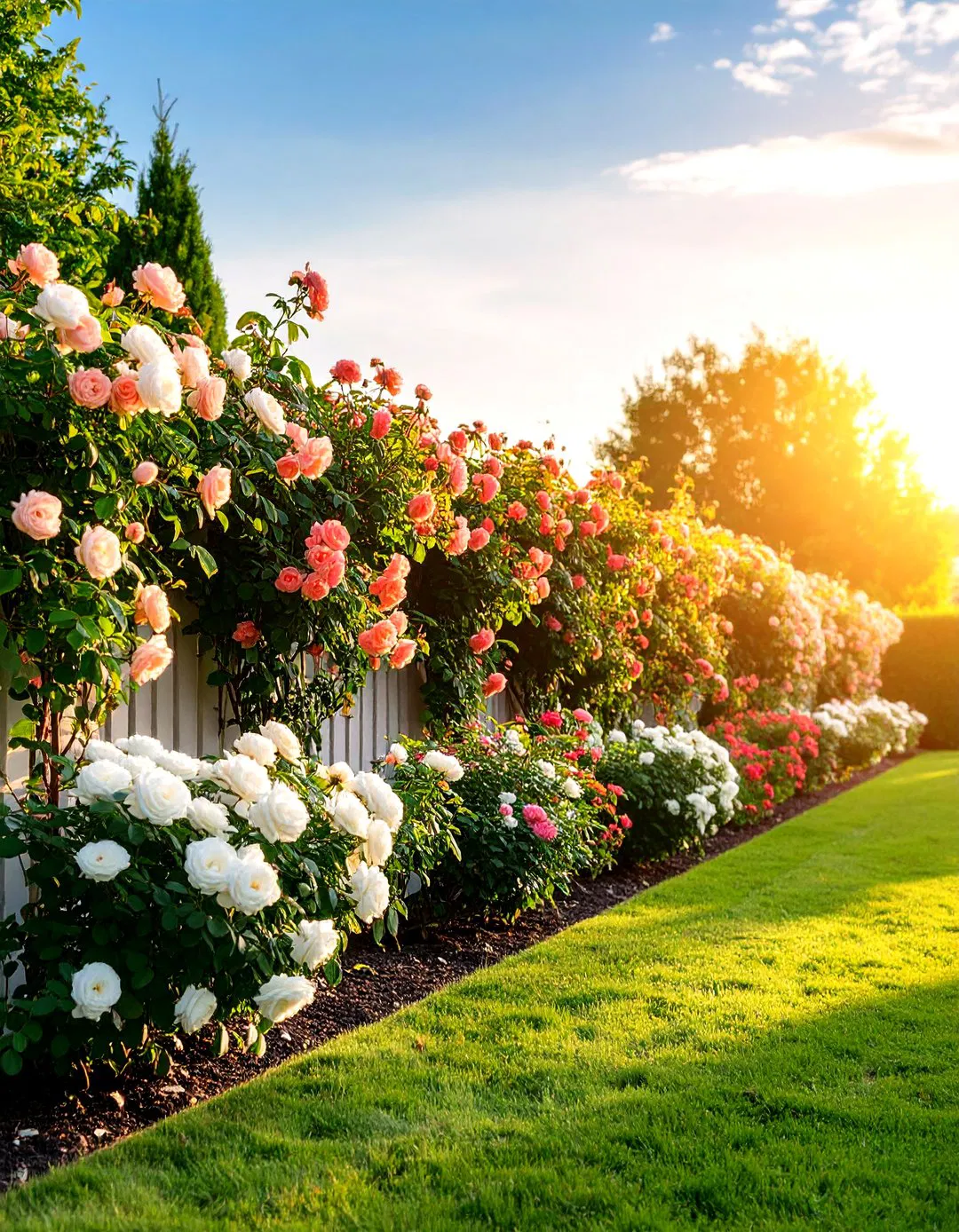
What creates natural privacy screens that also showcase rose beauty? Rose hedges use dense shrub roses and rugosa varieties to form living boundaries that bloom profusely. This dual-purpose design replaces traditional fences with flowering walls, ideal for property lines or garden divisions. Varieties like Bonica, Carefree Beauty, and Rosa rugosa offer continuous flowering and robust growth. Uniform spacing and consistent varieties produce formal hedges, while mixed plantings create more naturalistic edges. These hedges provide habitat for wildlife and seasonal interest. Maintenance includes annual pruning and feeding to sustain density and bloom quality. Companion plants at hedge bases extend color and texture, while small trees or structures add vertical accents. Rose hedges demonstrate multifunctional landscaping that blends utility with ornamental appeal.
Curated Collections: Themed Rose Gardens for Education and Inspiration
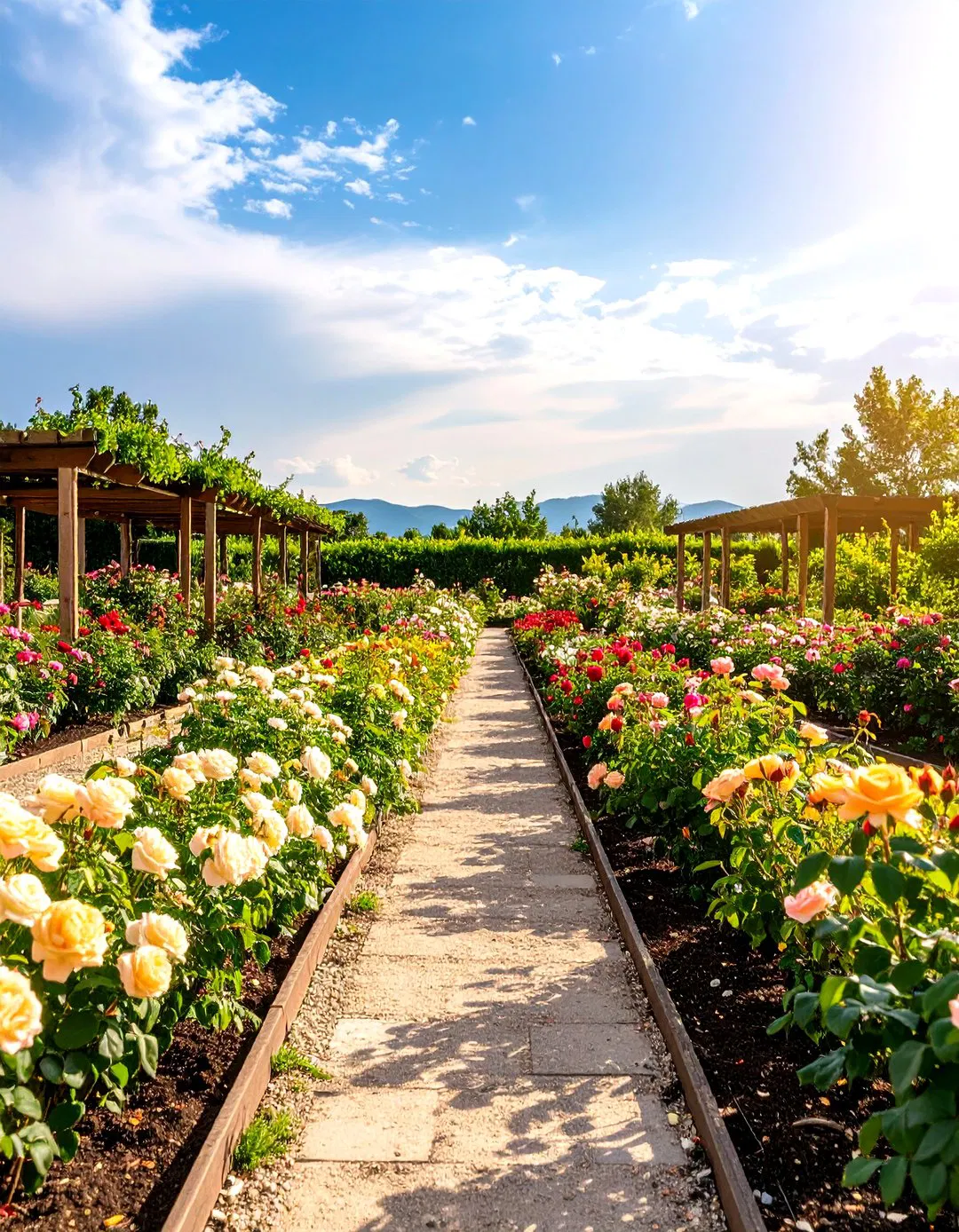
How do specialized rose collections enrich garden experiences? Themed rose gardens focus on categories such as antique roses, modern hybrids, or color-specific displays, offering educational and aesthetic value. These curated collections appeal to enthusiasts and collectors interested in comparing varieties’ traits. Informative labels enhance visitor understanding, highlighting breeding milestones and historical context. Test gardens allow side-by-side evaluation of disease resistance, bloom habits, and growth patterns. Partnerships with rose societies and research institutions ensure accuracy and educational depth. Demonstration plots showcase maintenance techniques and cultivation methods. Such gardens preserve horticultural knowledge while inspiring deeper appreciation for rose diversity and breeding artistry.
Reviving Beauty: Rose Garden Renovation and Restoration
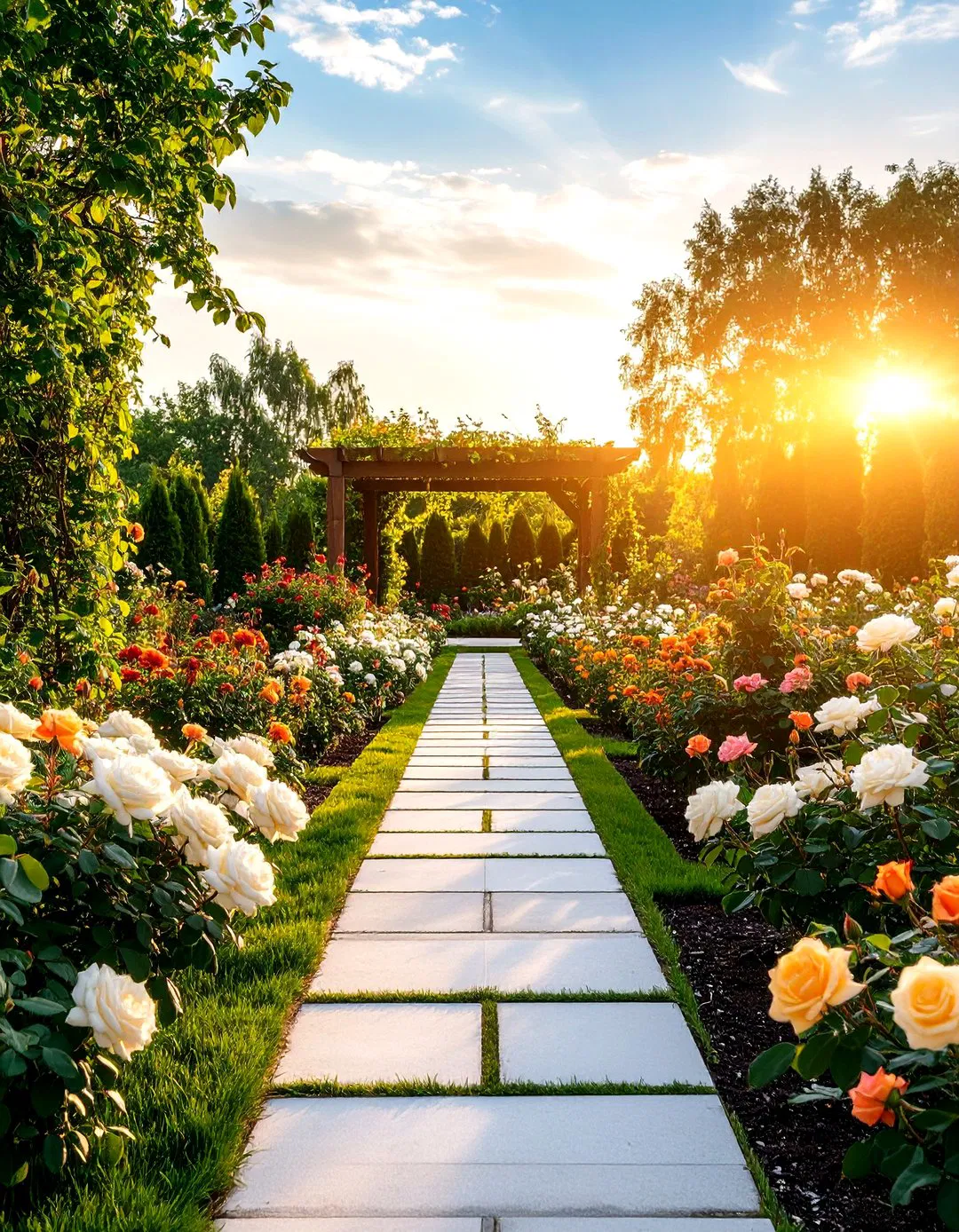
How can neglected rose gardens be restored to their former splendor? Renovation projects begin with soil testing and amendments to replenish nutrients depleted by roses over time. Removing diseased or overcrowded plants creates space for new, healthier varieties while preserving mature specimens. Introducing modern disease-resistant roses improves garden resilience without sacrificing character. Upgrading infrastructure such as irrigation, pathways, and supports enhances functionality while respecting historical design. Renovation promotes sustainability by revitalizing existing gardens rather than replacing them entirely. Documenting progress through photography inspires others and guides future care. Timing renovations to minimize disruption ensures new plants establish well before peak growing seasons.
Seasonal Symphony: Planning Rose Gardens for Year-Round Display
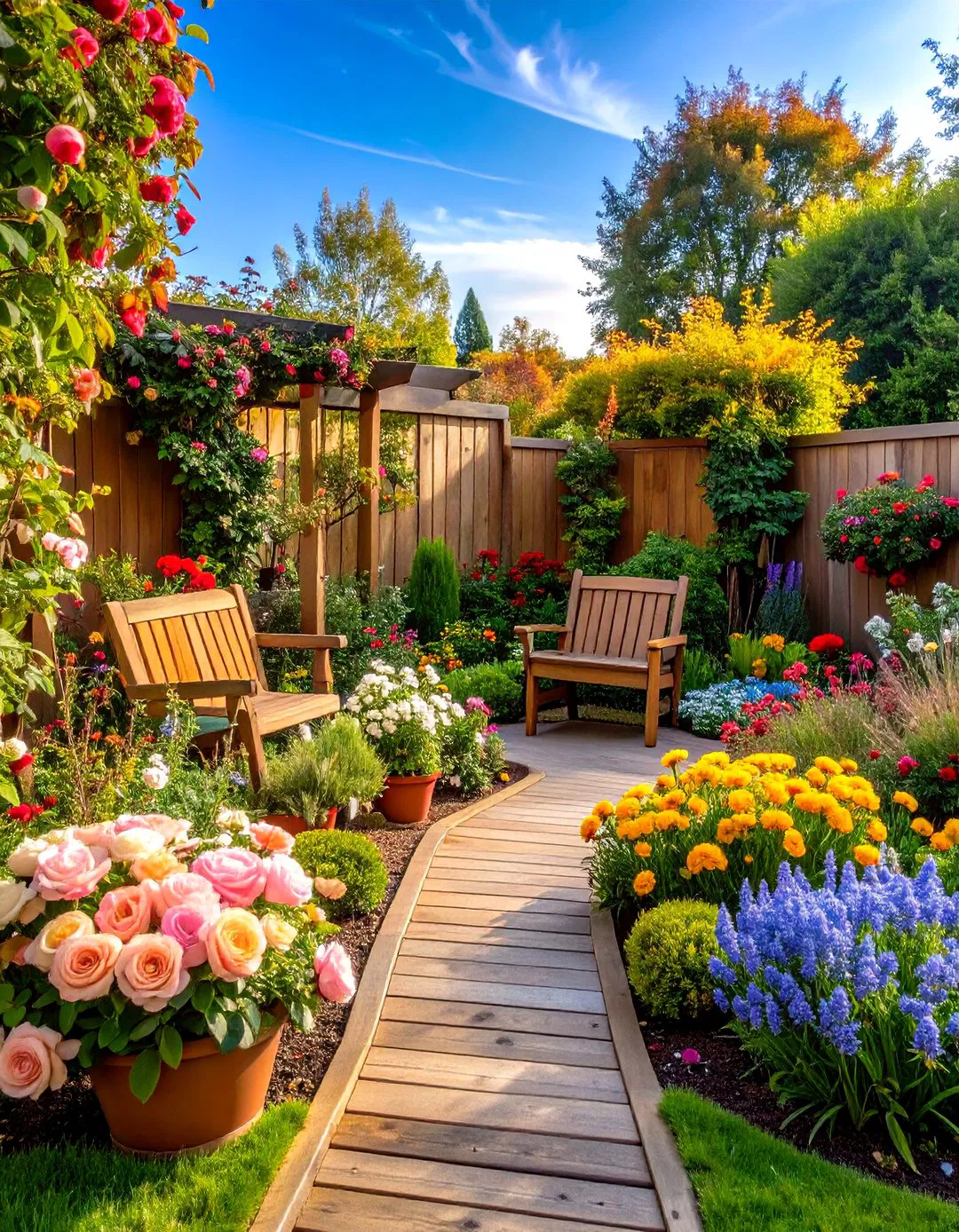
How do you orchestrate continuous floral beauty throughout the growing season? Seasonal rose garden planning involves selecting varieties and companion plants with staggered bloom times to ensure uninterrupted color from early spring to late fall. Early spring bulbs provide initial bursts of color before roses leaf out. Summer features repeat-flowering roses to maintain vibrancy, while fall-blooming varieties and perennials extend interest as roses slow. Winter focuses on structural plants that add texture and color during dormancy. This sophisticated approach requires detailed knowledge of plant habits and maintenance schedules. Keeping garden records helps refine future planning. The result is a dynamic garden that captivates visitors year-round, not just during peak summer blooms.
Conclusion
Designing your ideal rose garden involves thoughtful planning that balances personal style with practical growing considerations. Each garden style-from formal elegance to rustic charm, minimalist modernity to wildlife-friendly habitats-offers unique benefits. Success hinges on choosing varieties suited to your climate and care preferences, and creating layouts that complement your home and lifestyle. Whether you have sprawling grounds or a compact urban balcony, rose gardens can transform any space into fragrant, colorful sanctuaries that provide lasting enjoyment. Begin with realistic goals, prioritize disease-resistant roses, and incorporate companion plants and structural elements for year-round appeal. Remember, gardens evolve over time, allowing you to refine and enhance your rose haven. Above all, your rose garden should reflect your personality and create a peaceful retreat that fosters connection with nature’s most beloved flowers.