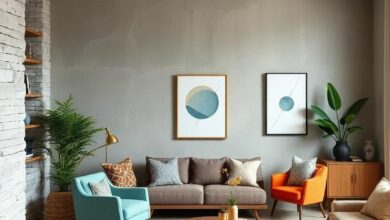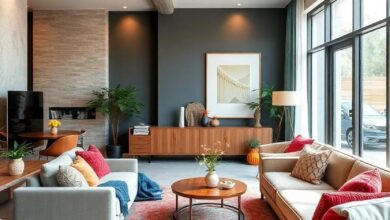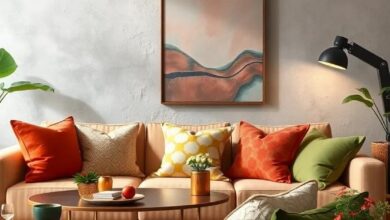
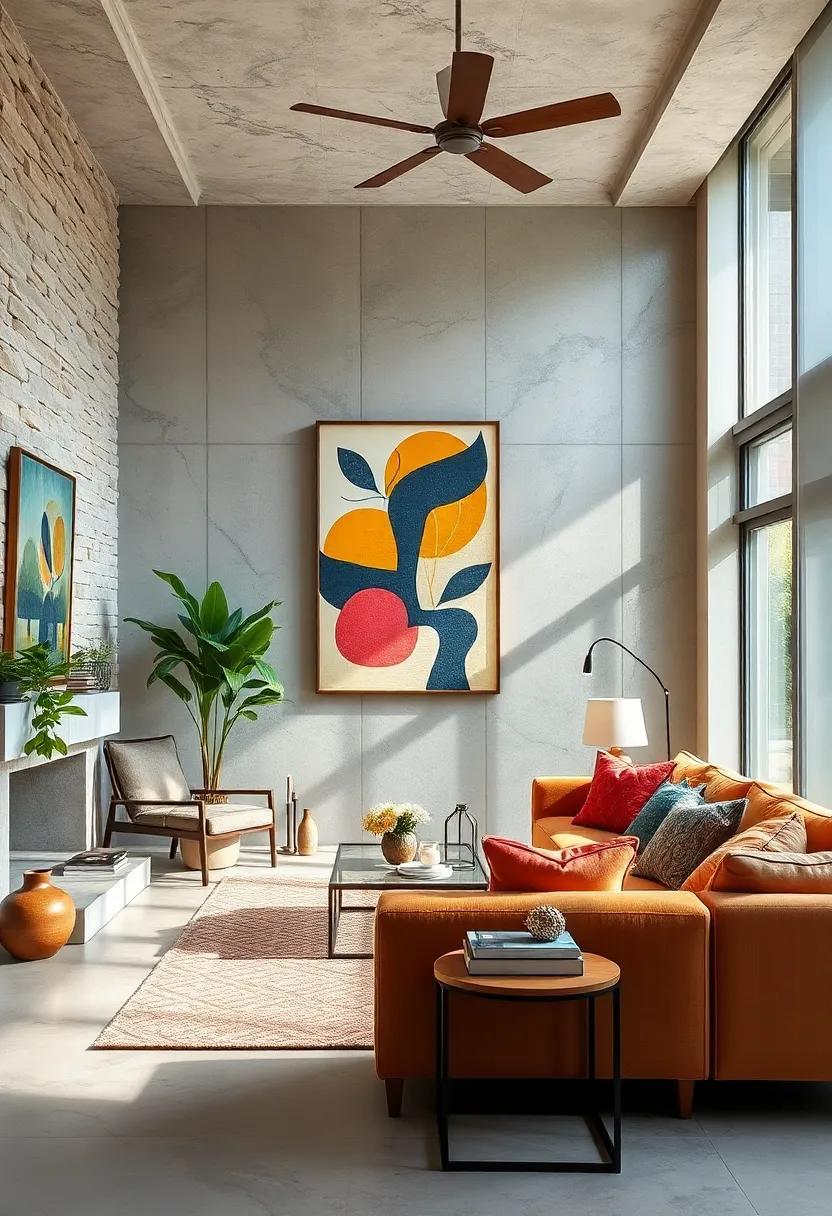
In a world where personal expression shapes every corner of our lives, choosing artwork for your home becomes an intimate journey rather than a mere decorative task. “” invites you to explore the vibrant interplay of styles, colors, and stories that define eclectic art. This guide offers thoughtful insights and practical tips, helping you transform walls from blank canvases into captivating narratives that reflect your unique taste. Whether you lean toward bold contrasts or subtle juxtapositions, discovering the right pieces can turn your living space into a curated haven of charm and character.
Capturing the Spirit of Vintage Finds Blending Rustic Artwork with Modern Interiors for a Vibrant Home Vibe
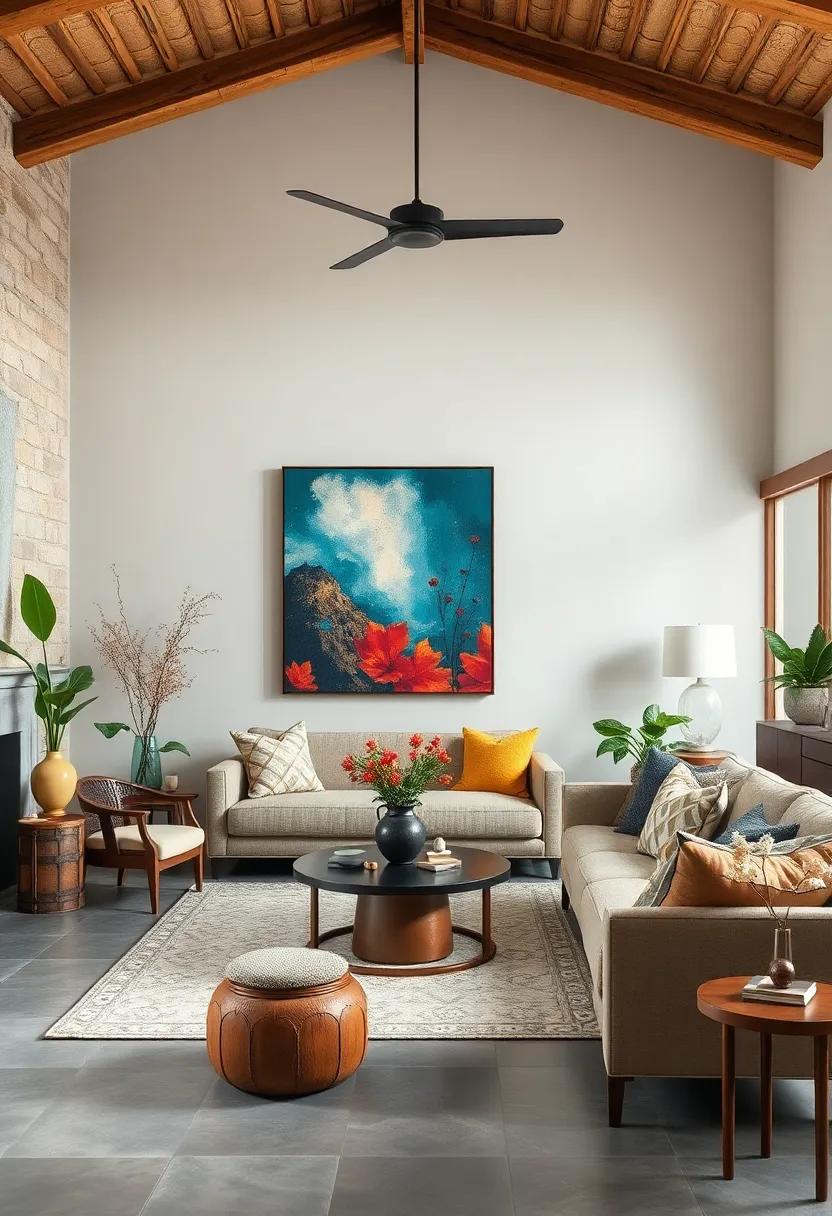
Bringing together vintage charm and contemporary flair creates a dynamic atmosphere that breathes life into any space. Embracing rustic artwork-think weathered wood frames, patina-rich metals, and faded, nostalgic imagery-introduces textures and stories to your walls. When these elements are thoughtfully paired with sleek modern furnishings, you achieve a balance that’s both inviting and visually compelling. The key lies in letting the vintage pieces shine, while the modern interiors act as a fresh, clean canvas that highlights their unique character.
Consider mixing different art forms to create an eclectic yet harmonious vibe. For instance:
- Distressed canvases with contemporary prints
- Handcrafted rustic sculptures complimenting minimalist shelves
- Muted vintage palettes contrasted with bold modern colors
Let your home tell a story through its curated contrasts, where each artwork piece serves as a conversation starter, perfectly complementing modern comforts and functionality.
The Allure of Abstract Pieces Adding Unexpected Color Bursts to Calm and Neutral Room Palettes
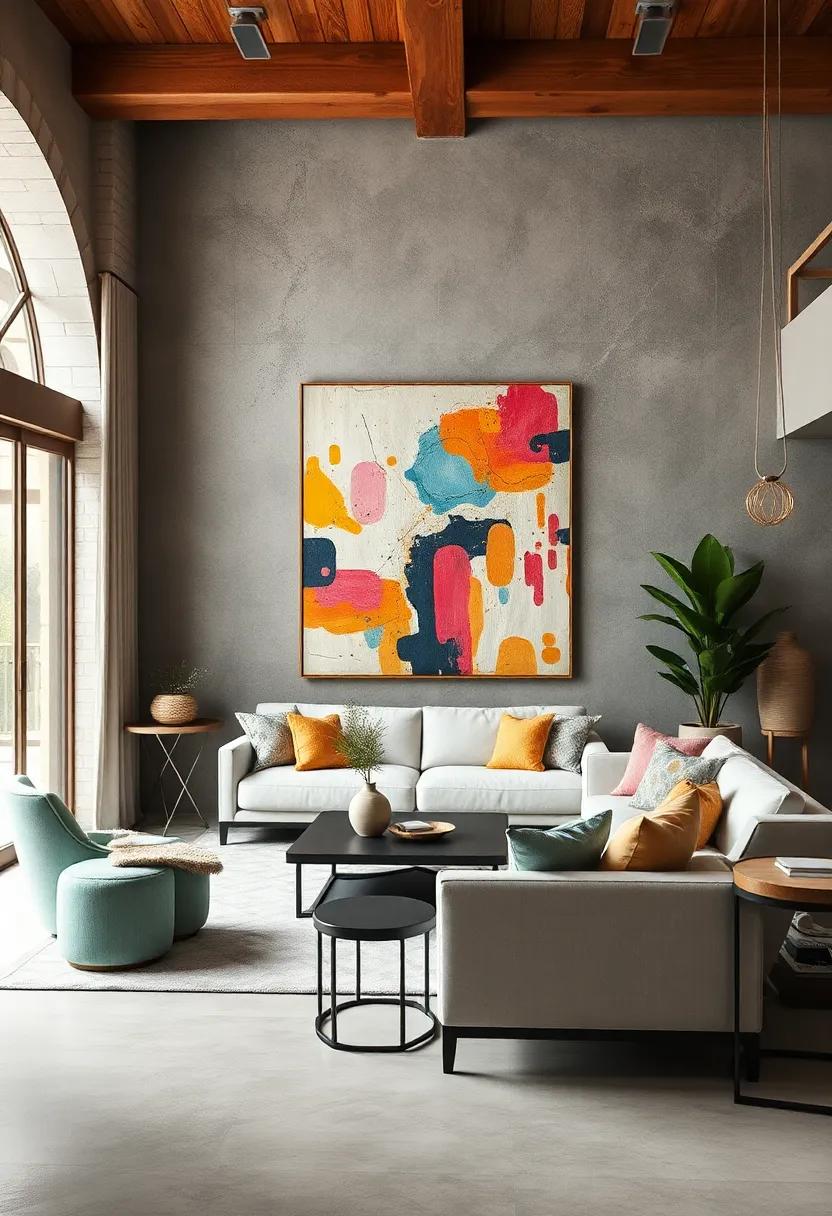
Injecting abstract artwork into rooms dominated by calm and neutral palettes acts like a visual spark, transforming serene spaces into dynamic galleries of emotion and imagination. These pieces, often defined by sweeping strokes and bold geometric shapes, provide unexpected punctuations of color that awaken the senses without overwhelming the inherent tranquility. The interplay between muted backgrounds and vibrant expressions creates an engaging dialogue, inviting the eye to explore and linger on each splash of brilliance. By thoughtfully positioning abstract art as a focal point, homeowners can cultivate spaces that are both peaceful and pulsating with personality.
When selecting these captivating artworks, consider the following key elements to balance harmony and impact:
- Color Contrast: Choose pieces where the color bursts sharply contrast with the room’s neutral tones, enhancing visual interest without clashing.
- Scale and Placement: Larger paintings serve as statement anchors, while smaller abstracts can be clustered for an eclectic charm.
- Texture and Medium: Varied textures-from thick impasto to sleek acrylics-add depth, inviting tactile curiosity.
- Emotional Resonance: Select artworks that evoke feelings aligned with the room’s purpose, whether calming or invigorating.
| Abstract Element | Impact on Neutral Palette | Example Application |
|---|---|---|
| Bold Red Strokes | Creates warmth and energy | Living room accent wall |
| Geometric Blue Patterns | Invokes calmness with intrigue | Bedroom behind headboard |
| Gold Leaf Accents | Adds luxury and sparkle | Entryway vignette |
Exploring Cultural Inspirations Through Eclectic Artworks Creating a Global Gallery Wall at Home
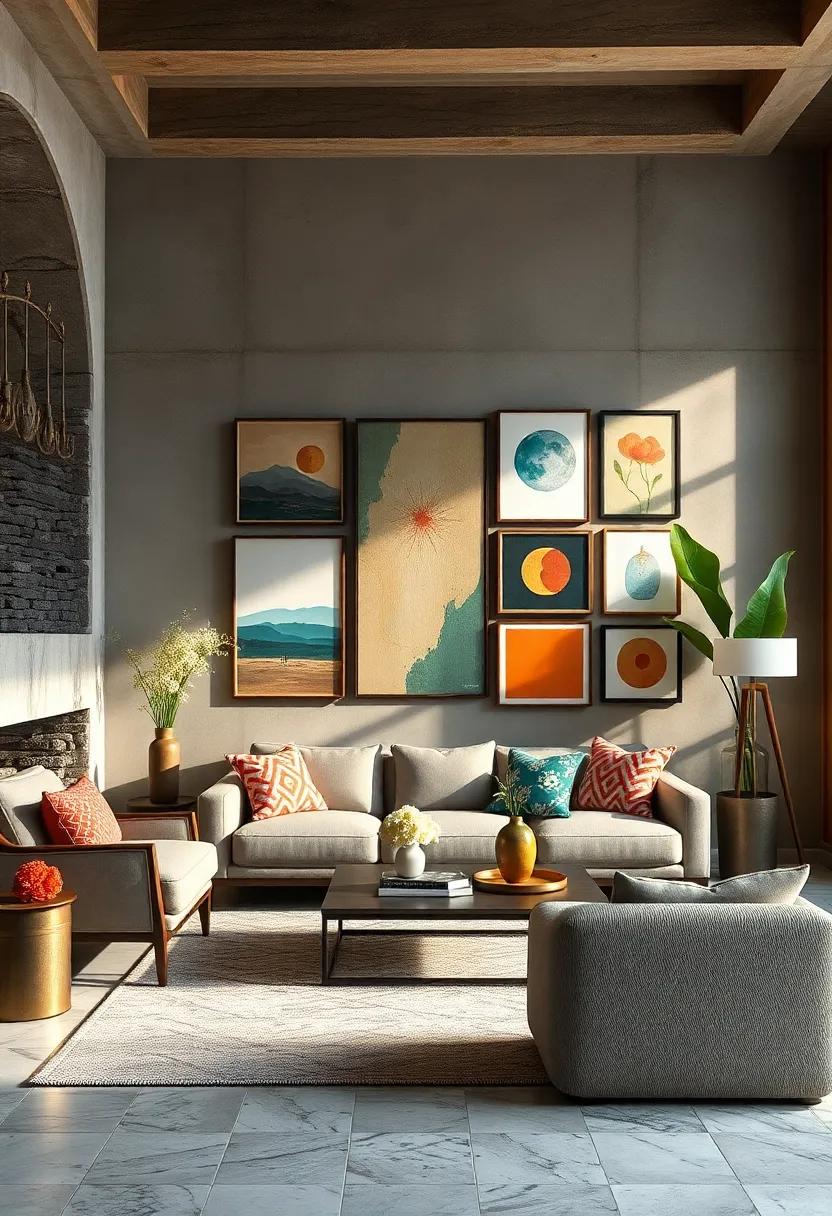
Art is a universal language that transcends borders, inviting us to experience the rich tapestry of diverse cultures without leaving our homes. When assembling a collection of eclectic artworks, consider pieces that tell unique stories and celebrate distinct traditions. Incorporate vibrant textiles from South America, serene ink paintings from East Asia, or bold contemporary prints from Africa to build a layered narrative. Mixing mediums and styles fosters a dynamic energy that transforms any space into a sanctuary of global charm and intellectual curiosity.
To create a visually cohesive yet culturally resonant gallery wall, think about balancing colors, textures, and scales. Here’s a quick guide to help organize your diverse collection:
- Color Harmony: Anchor your wall with dominant hues that flow naturally from one artwork to the next.
- Texture Contrast: Pair smooth canvas prints with woven fabrics or carved wooden frames to heighten tactile interest.
- Scale Variation: Mix large statement pieces with smaller, intricate works to maintain rhythm and avoid monotony.
| Culture | Art Type | Visual Impact |
|---|---|---|
| Moroccan | Geometric Patterns | Bold and Symmetrical |
| Japanese | Ink Wash Paintings | Minimalist and Serene |
| Mexican | Folk Art Prints | Colorful and Expressive |
| Indian | Mughal Miniatures | Intricate and Ornate |
Mixing Textures and Mediums in Artwork to Bring Depth and Interest to Living Spaces
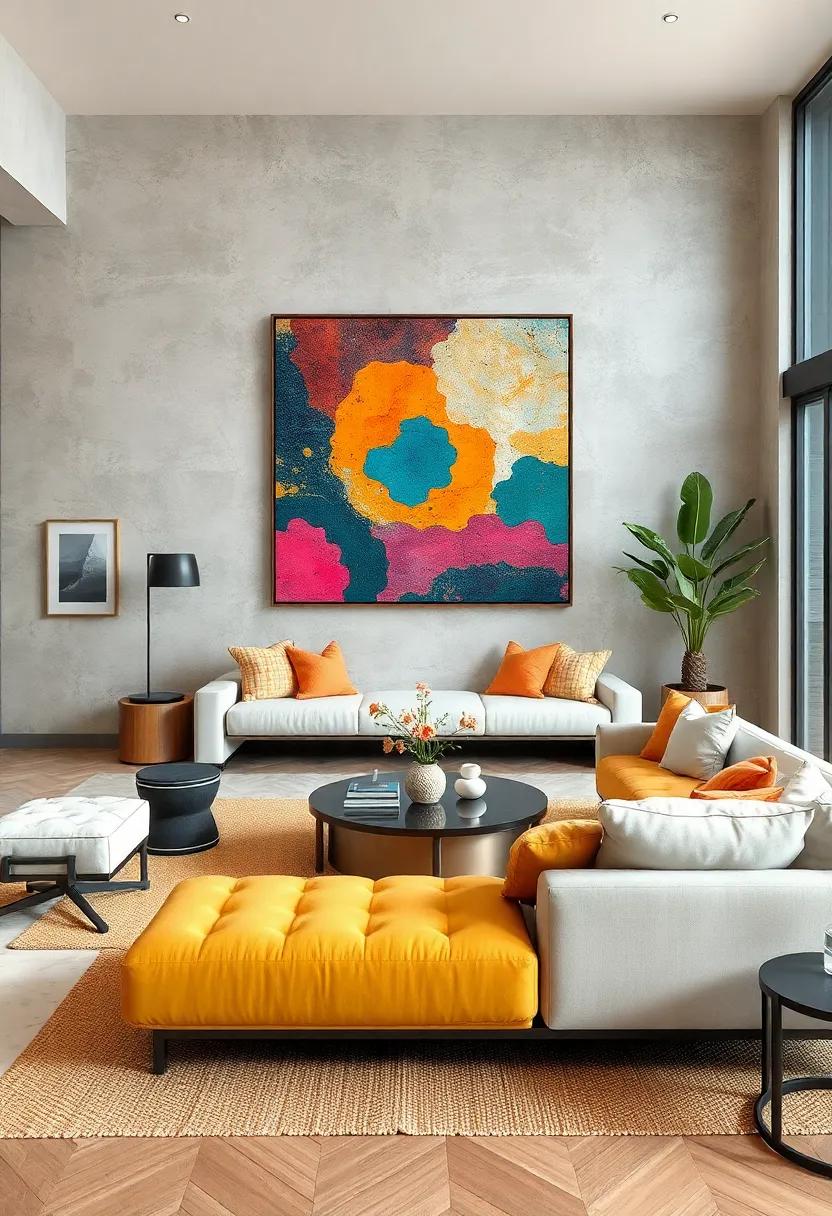
Incorporating a blend of textures and mediums into your artwork collection opens a world of sensory engagement and visual intrigue. Imagine a canvass where oil paints meet rough burlap, or a sculpture that combines smooth glass with rugged metal-each piece acts as a tactile story that invites viewers to not only see but feel the essence of your space. This multi-dimensional approach transforms plain walls into dynamic galleries where every glance reveals a new discovery, making your home feel curated and deeply personal.
When selecting pieces, consider mixing materials like wood, textile, ceramics, and metals. Each medium carries its own narrative and texture profile, which when juxtaposed, elevates the aesthetic appeal. Here’s a simple guide to balance your selections effectively:
- Visual Contrast: Combine matte and glossy finishes for catch-and-release light play.
- Textural Harmony: Ensure tactile contrasts do not clash but complement one another.
- Color Play: Layer neutral textures with pops of vibrant color mediums.
| Medium | Texture | Suggested Pairing |
|---|---|---|
| Canvas & Oil Paint | Soft, smooth | Burlap or coarse linen |
| Mixed Metals | Cold, reflective | Warm wood or ceramic |
| Textile Art | Fibrous, cozy | Glass or polished metal |
This balanced orchestration of materials not only enriches your decor but also invites meaningful interaction, making each corner of your home a conversation starter.
Framing Bold Statements Selecting Oversized Artworks that Define and Energize Room Atmospheres
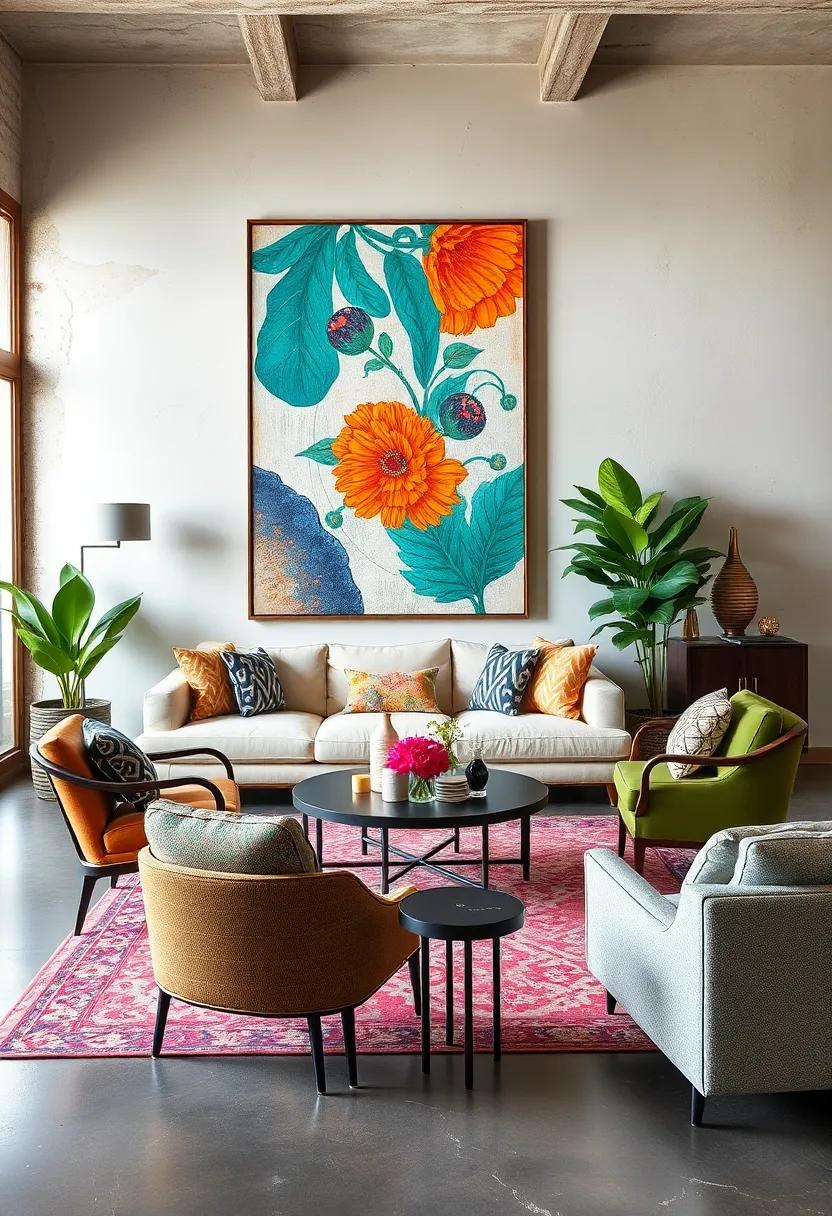
Oversized artworks carry an undeniable presence that transforms a simple wall into a vivid dialogue. When selecting these bold pieces, it’s important to consider how the artwork harmonizes with the room’s existing elements while asserting its own personality. Think of large-scale pieces as the room’s centerpiece – they should anchor the space without overwhelming it. The scale invites viewers to engage, creating a focal point that energizes and defines the atmosphere through color, texture, and form.
Here are some practical tips to curate oversized art that lifts your room’s character:
- Balance & Proportion: Ensure your art complements the size of your furniture and architecture for visual coherence.
- Color Pop: Use artwork that complements or contrasts to inject energy and draw attention effortlessly.
- Layering Textures: Textural variety between the canvas, frames, and surrounding décor adds depth and nuance.
- Lighting Matters: Proper illumination accentuates details, making the artwork come alive in the room.
| Consideration | Impact |
|---|---|
| Art Scale | Defines room proportions and draws focus |
| Color Palette | Sets mood and complements decor schemes |
| Frame Style | Enhances or softens boldness |
| Placement Height | Maximizes visibility and engagement |
Natural Elements in Art Showcasing Botanical and Wildlife Imagery to Connect Indoors with the Outdoors
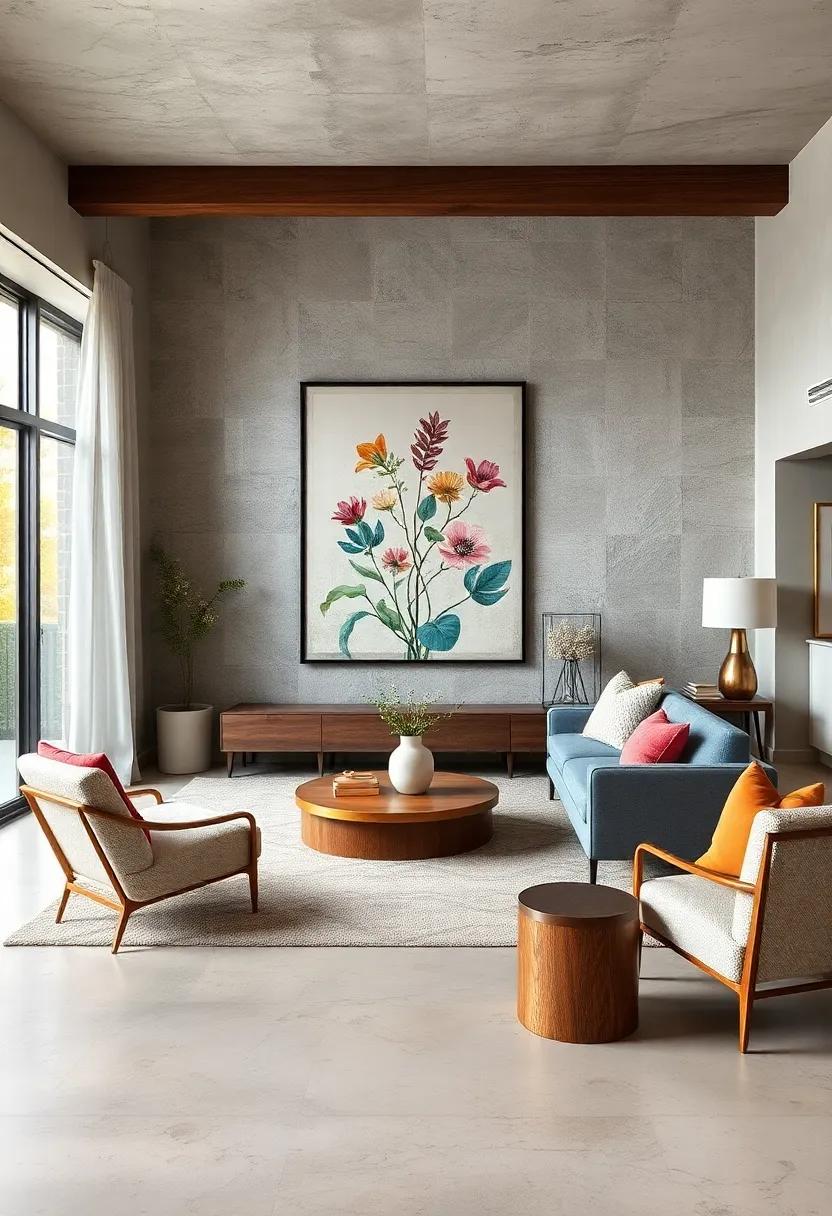
Integrating artworks that beautifully depict the intricate world of flora and fauna serves as a harmonious bridge between your indoor environment and nature’s vast outdoors. Choosing pieces that feature botanical illustrations, delicate leaves, or wildlife silhouettes not only enriches your space with natural charm but also imparts a calming influence that mimics the tranquility found in nature. When selecting these artworks, consider a mix of mediums such as watercolor paintings, pressed leaves in resin, or even textured fabric art to add tactile diversity. The subtle play of greens, earthy browns, and vibrant floral hues evokes the seasons and invites a sense of renewal and vitality within your living space.
Enhance your nature-inspired gallery with key elements that emphasize authenticity and connection:
- Local flora and fauna artworks to celebrate your region’s uniqueness
- Mixed media displays combining sketches, photography, and natural materials
- Layered frames combining rustic wood and sleek metal for contrast
| Artwork Type | Recommended Medium | Effect on Space |
|---|---|---|
| Botanical Prints | Watercolor or Ink | Softens walls with natural detail |
| Wildlife Photography | Matte or Glossy Prints | Brings dynamic energy and movement |
| Pressed Leaves | Encased Resin or Glass | Adds texture and authentic outdoor elements |
By thoughtfully curating such artwork, you invite the essence of the outdoors to live alongside you, transforming your home into a serene refuge that resonates with natural beauty and eclectic sophistication.
Curating Miniature Collections Small Eclectic Art Pieces Grouped for Impact without Overcrowding
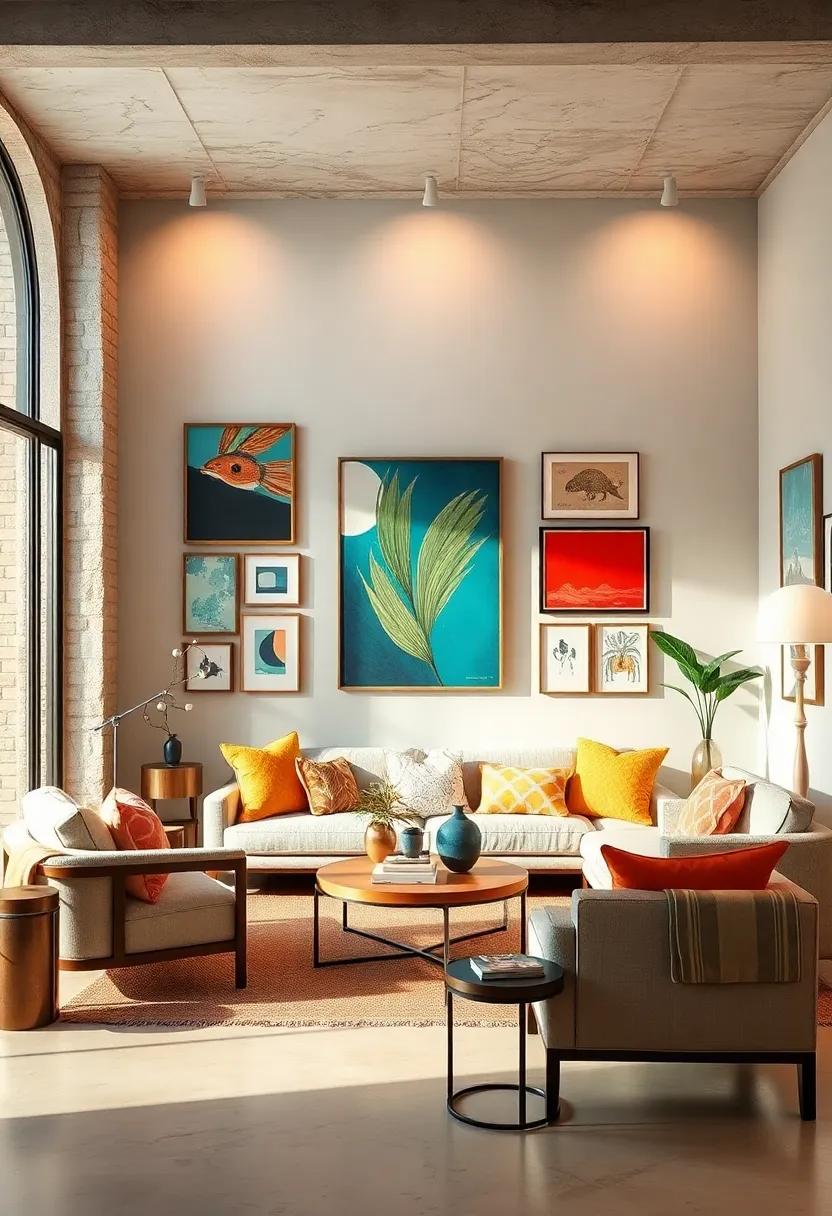
Creating visual harmony in small art collections requires thoughtful selection and arrangement. Begin by choosing pieces that vary in texture, color, and style yet share a subtle thread of connection-whether thematic, color palette, or form. This approach ensures each artwork stands out while contributing to a collective narrative. Consider grouping 3 to 5 pieces together; this small number maintains impact without drawing attention to any single element alone. Leaving ample negative space around and between items is essential to avoid viewer fatigue and keep the display inviting rather than cluttered.
When assembling your miniature collection, experiment with varying dimensions and orientations to create dynamic interest. Use display surfaces like floating shelves, shadow boxes, or sleek frames with consistent spacing to elevate the cohesion. A simple guide for spacing might look like this:
| Piece Size | Recommended Gap | Display Style |
|---|---|---|
| Under 8″ x 10″ | 4-6 inches | Floating shelves |
| 8″ x 10″ to 12″ x 16″ | 6-8 inches | Wall grid or shadow boxes |
| Mixed sizes | Balance with larger gaps around biggest pieces | Minimalist stands or ledges |
- Tip: Layering pieces by depth adds three-dimensional interest.
- Tip: Use consistent framing or material finishes to unify varied artworks.
- Tip: Rotate pieces seasonally for a fresh look without adding volume.
Playful Contrasts Combining Classic Portraits with Contemporary Graffiti to Reflect Dynamic Personalities
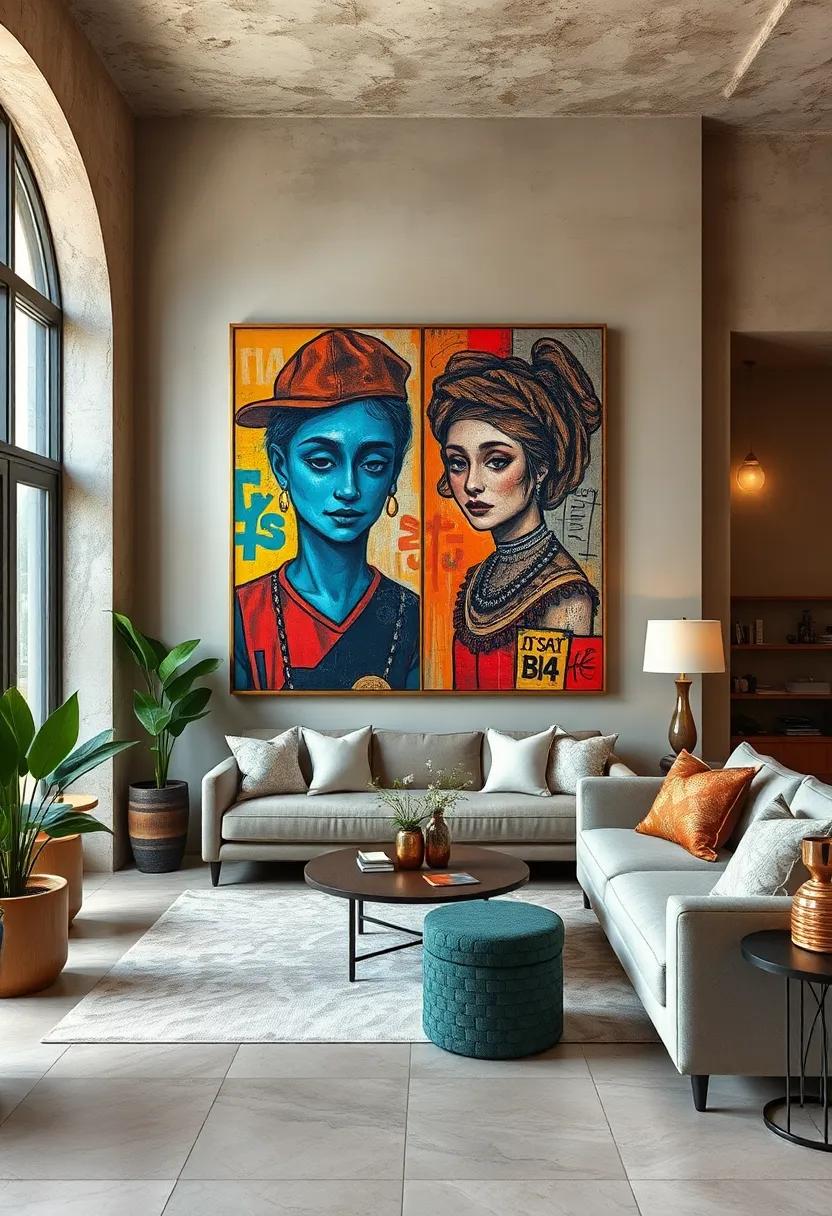
Injecting a sense of spontaneity and sophistication into your space can be effortlessly achieved by merging the timelessness of classic portraits with the vibrant energy of modern graffiti. This fusion captures the essence of duality within a personality-where tradition meets rebellion, elegance clashes with streetwise flair-offering a visual narrative that is both compelling and intimate. Opt for pieces where regal gazes soften under splashes of neon hues or subtle taglines, inviting the viewer to decode the layers of identity and story in every brushstroke. Bold contrasts don’t just breathe life into walls; they become conversational anchors that celebrate individuality.
- Balance: Position monochrome portraits alongside colorful urban art to maintain visual harmony.
- Texture Play: Combine smooth painted canvases with rougher, spray-painted effects.
- Scale Variation: Mix large-scale graffiti canvases with intimate classic busts for dynamic flow.
The magic lies in the curated tension between eras-where the poised calm of a traditionally rendered face meets the raw, unapologetic essence of street art. This interplay encourages viewers to appreciate the artwork beyond its aesthetic, prompting reflection on the fluidity of identity and the evolving nature of art itself. Such eclectic pairings empower your interior design to transcend mere decoration, embodying a narrative that’s as lively and unpredictable as the people who live within the space.
The Charm of Handcrafted Artworks Infusing a Warm, Personal Touch Through Local Artisan Creations
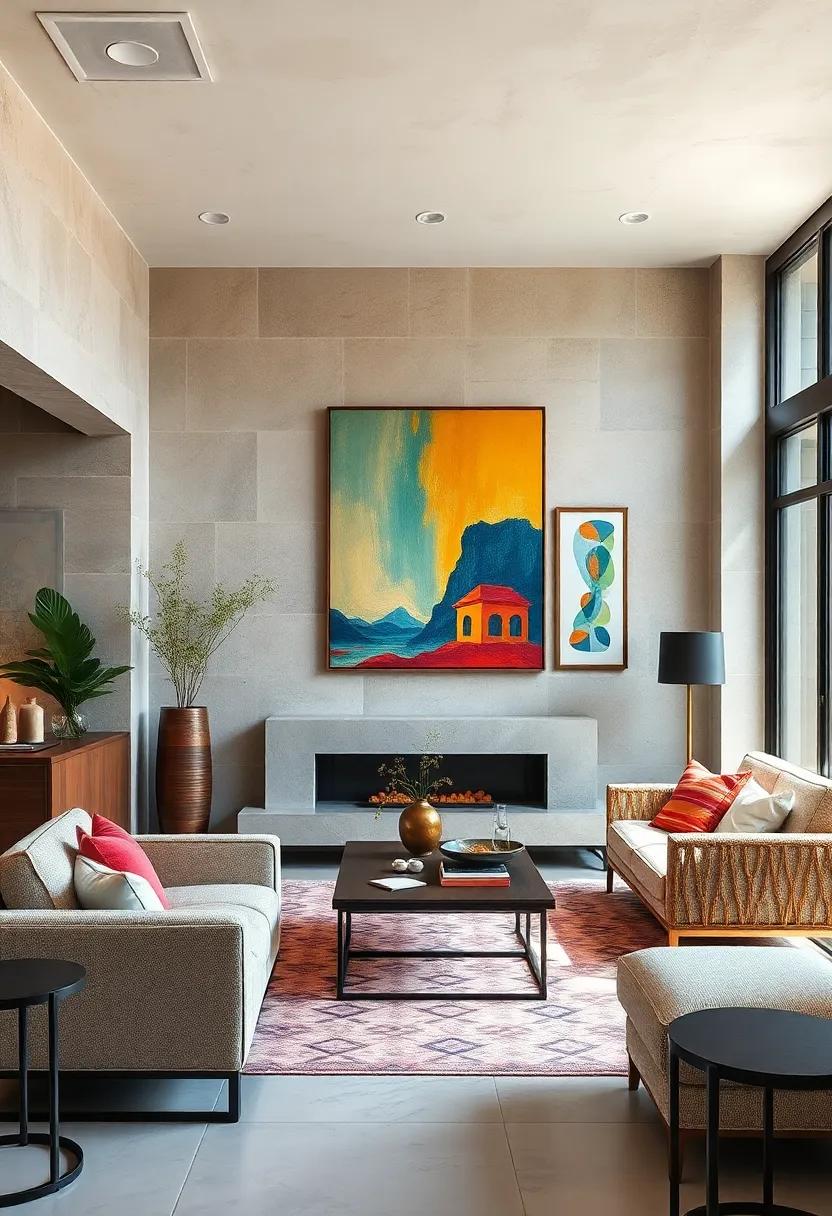
Incorporating handcrafted pieces into your home décor is more than just a design choice-it’s an invitation to weave stories and soul into your living space. Each item, lovingly made by a local artisan, carries the unique fingerprints of its creator, celebrating the passion and tradition behind its birth. This warm, personal touch brings a distinct authenticity that mass-produced art often lacks, making every corner of your home a conversation starter and a testament to creativity.
When selecting such treasures, consider these elements that highlight the charm of handcrafted art:
- Material authenticity: Natural fibers, reclaimed wood, and hand-thrown ceramics amplify the tactile richness of your interiors.
- Storytelling: Each piece with a provenance creates a deeper connection, offering glimpses into cultural heritage or the artisan’s journey.
- Imperfect perfection: Subtle irregularities underscore the handmade nature, adding character and warmth.
| Artisan Artwork | Unique Quality | Home Ambiance Effect |
|---|---|---|
| Handwoven Textile | Intricate Patterns | Bohemian Elegance |
| Wood Carvings | Natural Grain Play | Rustic Warmth |
| Ceramic Vessels | Textured Glaze | Artisan Sophistication |
The Role of Color Theory in Art Selection Balancing Warm and Cool Tones for Harmonious Home Displays
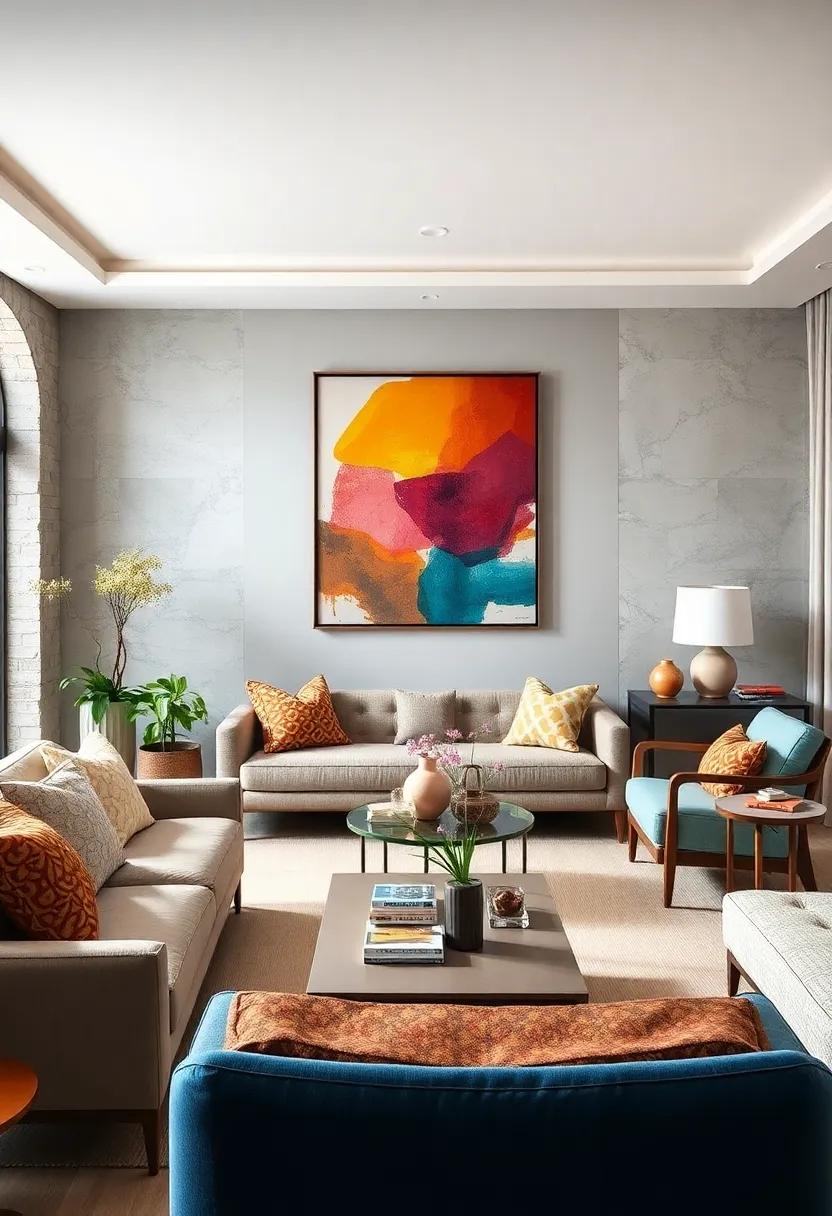
Understanding the psychological impact of colors is key to weaving together a visually compelling art collection that enriches your living space. Warm tones such as reds, oranges, and yellows naturally draw the eye, evoking energy and warmth, while cool shades like blues, greens, and purples offer a sense of calm and serenity. By thoughtfully mixing these colors, you create dynamic tension and balance that can anchor a room’s aesthetic. For instance, a bold, warm-colored painting can provide a lively focal point in a room dominated by cool-toned furniture, offering contrast without overwhelming the senses.
To master this delicate dance, consider the following techniques when arranging art pieces:
- Contrast and Cohesion: Pair warm and cool elements to create visual interest while maintaining harmony.
- Gradual Transitions: Use intermediary hues to gently shift from warm to cool tones across your display.
- Spatial Awareness: Position warm colors in areas where you want to promote activity and cool tones where relaxation is desired.
| Tone | Emotional Impact | Best Placement |
|---|---|---|
| Warm | Energetic, Inviting | Living rooms, social spaces |
| Cool | Calming, Soothing | Bedrooms, reading nooks |
Eclectic Art in Small Spaces Strategies for Making Bold Artistic Choices Without Overwhelming the Room
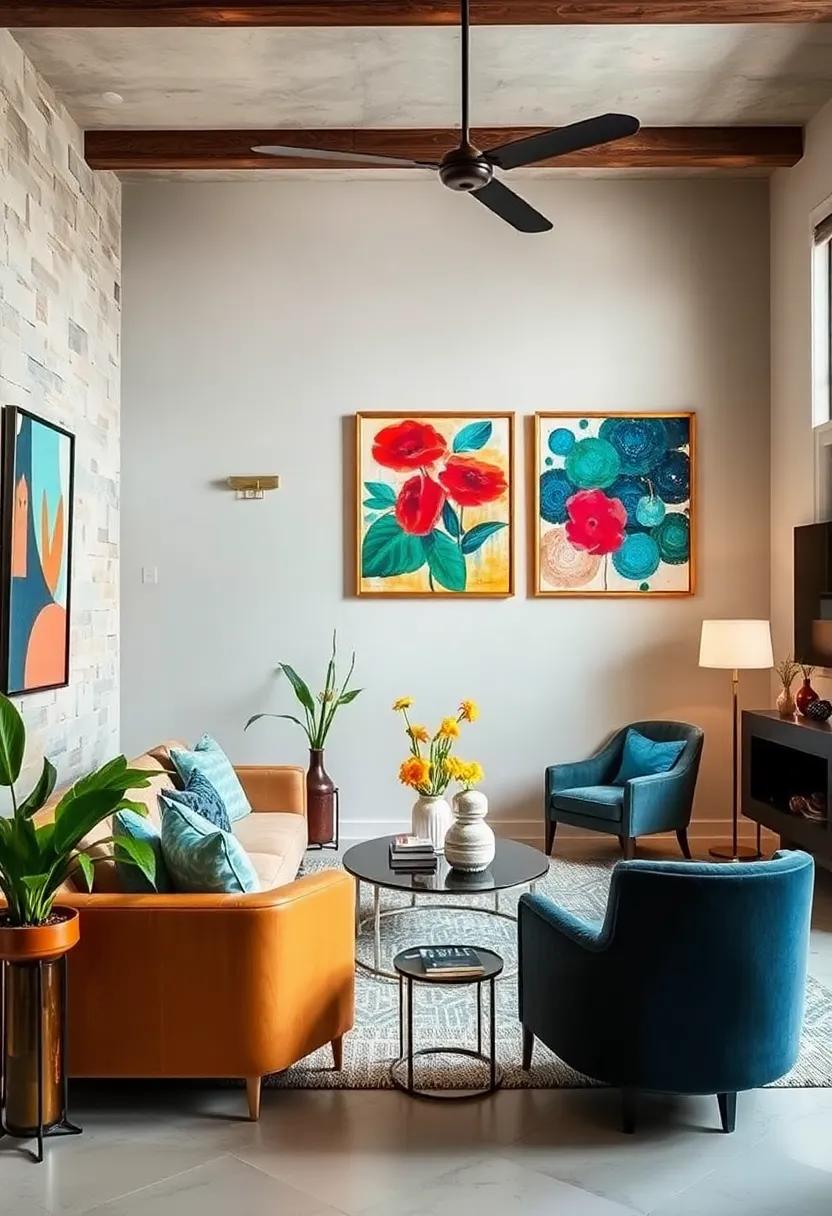
Navigating the world of eclectic art in compact living areas means striking a delicate balance between vibrancy and restraint. Start by choosing a unifying color palette for your artwork-this creates cohesion without sacrificing the playful spirit eclecticism commands. Incorporate art pieces of varying scales but limit the number to avoid clutter, opting for a statement piece complemented by smaller, subtler works. Consider the furniture and wall colors as part of the overall canvas; your art should enhance and converse with the space rather than dominate it.
Experiment with these strategic approaches that elevate eclectic art without overwhelming your room:
- Layer textures: mix canvases with framed prints and sculptural wall hangings to add depth without bulk.
- Negative space is power: leave breathing room around each artwork to let your collection shine.
- Rotate pieces seasonally: keep the environment dynamic and fresh without overcrowding the walls.
- Use multi-functional display surfaces: think floating shelves or slim ledges to showcase smaller artworks or artifacts.
| Strategy | Effect |
|---|---|
| Monochromatic accents | Creates harmony and focus |
| Asymmetrical layouts | Injects energy and movement |
| Minimalist frames | Balances bold content with sleek lines |
| Consistent lighting | Highlights textures and colors without glare |
Integrating Sculptural Artworks to Add a Three-Dimensional Layer of Interest and Movement in Interiors
Elevating your interior design with sculptural artpieces transforms a flat space into a dynamic gallery of form and texture. These three-dimensional artworks invite viewers to engage physically and visually, weaving motion through static environments. Consider sculptures crafted from mixed media like metal, wood, or resin that embody fluidity and contrast. Positioning them thoughtfully-whether perched on side tables, floating shelves, or as standalone floor art-cultivates focal points that breathe life and depth into rooms.
When selecting sculptures, balance scale and movement to harmonize with your existing decor. Here’s a simple guide to placement:
- Small pieces: Ideal for bookcases or mantel displays, adding subtle intrigue.
- Medium sculptures: Perfect for console tables or window sills to enrich transitional spaces.
- Large floor sculptures: Command attention and anchor lounge or entry areas.
| Material | Visual Effect | Best Used In |
|---|---|---|
| Polished Metal | Reflective shimmer, adds brightness | Modern, Minimalist interiors |
| Carved Wood | Warmth and organic texture | Rustic, Bohemian spaces |
| Resin/Glass | Translucency, delicate movement | Contemporary, Eclectic rooms |
Finding Balance Between Statement Pieces and Subtle Artwork for a Well-Rounded Collection
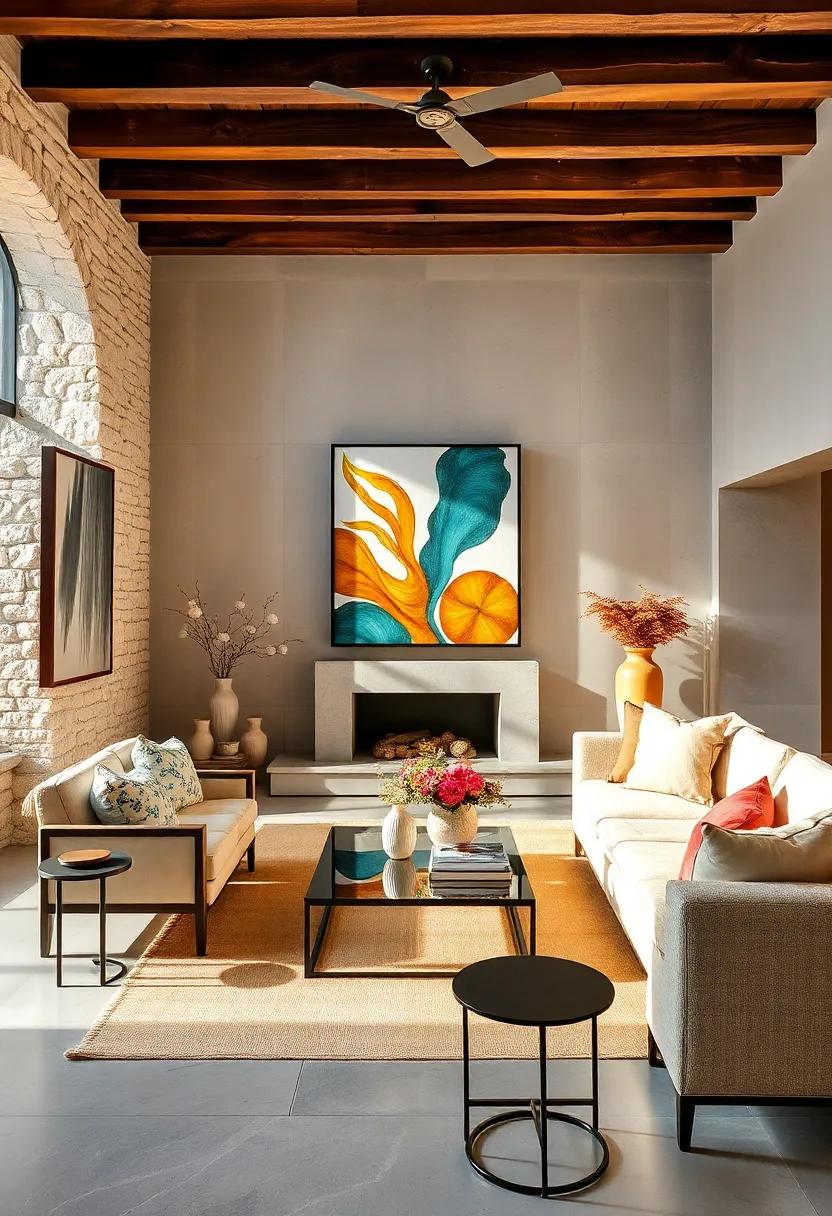
Striking the right chord between bold, attention-grabbing statement pieces and more nuanced, subtle artwork is an art in itself. Statement pieces act as focal points, inviting curiosity and sparking conversation the moment someone steps into the room. They often feature vibrant colors, oversized formats, or daring themes that define the space’s character. Conversely, subtle artwork plays a quieter role, harmonizing with the overall decor while enriching the ambiance with fine details and understated charm. Together, they create a dynamic interplay that prevents your collection from feeling one-dimensional or overwhelming.
To cultivate this equilibrium, consider incorporating a variety of art styles, scales, and color palettes. Here’s a simple guide to help balance your collection:
- Choose one or two statement pieces that anchor the room’s aesthetic.
- Fill surrounding areas with smaller, low-key artwork that complements without competing.
- Mix textures and mediums to add depth: think bold oil paintings alongside soft pencil sketches or minimalist prints.
- Group subtle pieces into cohesive clusters to create visual interest without overpowering.
| Artwork Type | Typical Placement | Effect |
|---|---|---|
| Bold Abstract Painting | Living room centerpiece | Creates a bold visual anchor |
| Delicate Botanical Prints | Hallways or bedrooms | Adds calm, natural ambiance |
| Minimalist Line Art | Office or study walls | Encourages focus and clarity |
| Textured Sculptural Art | Entryways or shelves | Injects depth and tactility |
Seasonal Art Swaps Exploring How to Refresh Eclectic Displays with Changing Themes and Moods
Transforming your eclectic collection with the flow of seasons invites a dynamic vibrancy to your living spaces. By thoughtfully swapping pieces with the changing themes-think tropical prints in summer, cozy abstracts in autumn, or serene landscapes in winter-you allow your displays to narrate evolving moods. Layer textures and colors that resonate with each season’s palette, such as warm amber tones in fall or crisp blues in winter, to enhance the sensory experience. Consider artworks that subtly incorporate seasonal cues without overwhelming the overall style, ensuring an elegant continuity even as the mood shifts.
To simplify this seasonal refresh, categorize your artwork into themes that easily interweave throughout the year. Here’s a practical breakdown:
| Season | Art Themes | Color Emphasis | Texture Ideas |
|---|---|---|---|
| Spring | Botanical, pastels, renewal | Soft greens, blush pinks | Light linens, delicate watercolor |
| Summer | Beach, vibrant abstracts | Bright blues, sunny yellows | Natural fibers, gloss finishes |
| Autumn | Rustic, harvest motifs | Burnt orange, deep reds | Textured canvas, woven materials |
| Winter | Minimalist, cool landscapes | Icicle whites, frosty blues | Matte finishes, smoother frames |
By thoughtfully rotating art using these guidelines, your home gradually evolves into a living gallery that reflects not only your eclectic taste but also the natural rhythm of the year.
The Impact of Lighting on Artwork Presentation Crafting Ambiances That Highlight Texture and Detail
Light acts as a silent curator, shaping how artwork is perceived and finally appreciated. The delicate dance between shadows and illumination can either magnify the intricate details or diminish the subtle textures that make a piece unique. When selecting lighting for your eclectic collection, consider the warmth and angle of the illumination to craft an ambiance that invites viewers to explore every brushstroke and material nuance. A warm, directional light can enhance depth, while diffused lighting softens and spreads across the canvas, offering a gentle glow that emphasizes broader color contrasts and shapes.
To optimize the presentation, experiment with the following lighting strategies:
- Spotlighting: Focus beams on textured artwork to accentuate relief and tactile qualities.
- Layered Lighting: Combine ambient, task, and accent lights to create a versatile and inviting display space.
- Color Temperature: Use warmer tones (2700K-3000K) for oil paintings, cooler tones (4000K-5000K) to enhance modern, minimalist pieces.
- Adjustable Fixtures: Allow flexibility to revisit lighting as your collection grows or shifts.
| Lighting Type | Recommended Use | Effect on Artwork |
|---|---|---|
| Track Lighting | Gallery walls | Highlights texture, flexible direction |
| Recessed Lighting | Minimalist spaces | Subtle illumination, reduces glare |
| LED Strip Lights | Backlighting or shelves | Enhances color vibrancy |
Using Vintage Posters and Prints to Add a Nostalgic Yet Energetic Feel to Modern Living Areas
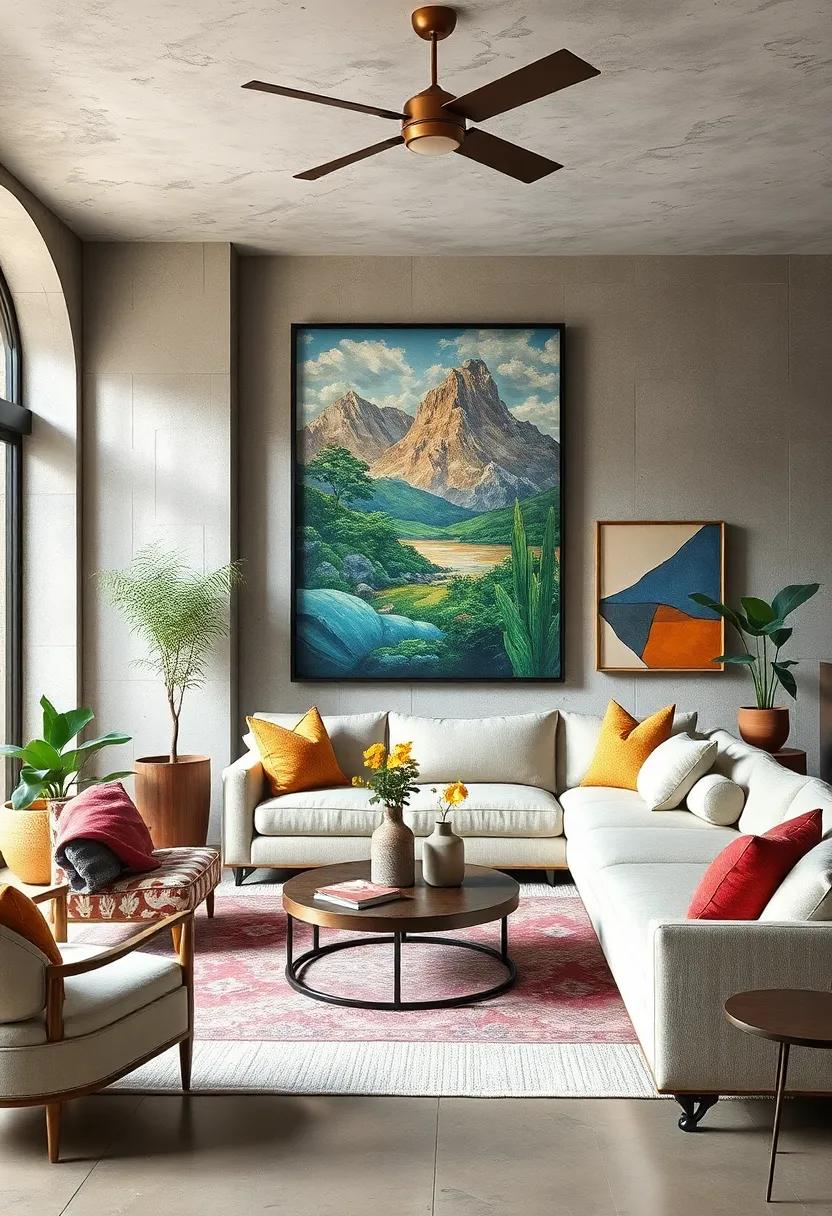
Injecting a touch of vintage with posters and prints can transform a contemporary space into a dynamic visual storybook. These art pieces serve as portals to eras gone by, imbuing modern living areas with a layer of nostalgia while sparking fresh energy. When selecting vintage prints, consider mixing bold colors, iconic imagery, and typographic designs that contrast with sleek modern furniture to create a curated tension between old and new. This juxtaposition not only honors heritage but also enlivens the ambiance, turning blank walls into conversation starters full of personality.
To seamlessly blend these nostalgic elements with your home’s aesthetic, try layering artwork of various scales and frames, or pairing vintage prints with contemporary textures like glass or metal. Incorporate the following tips to maintain balance and vibrancy:
- Choose complementary hues that either echo or pop against your room’s color palette.
- Mix medium and large-sized prints to create focal depth and visual rhythm.
- Use distressed or classic frames to enhance authenticity while aligning with modern décor lines.
| Type of Vintage Art | Styling Tip | Suggested Room |
|---|---|---|
| Retro Travel Posters | Bright, bold frames for contrast | Living Room or Hallway |
| Classic Movie Prints | Monochrome mats for a sleek look | Media Room or Study |
| Vintage Advertisement Prints | Cluster in gallery walls | Dining Area or Kitchen |
Incorporating Art With Personal Narratives Bringing Storytelling Elements Into Your Home’s Visual Identity
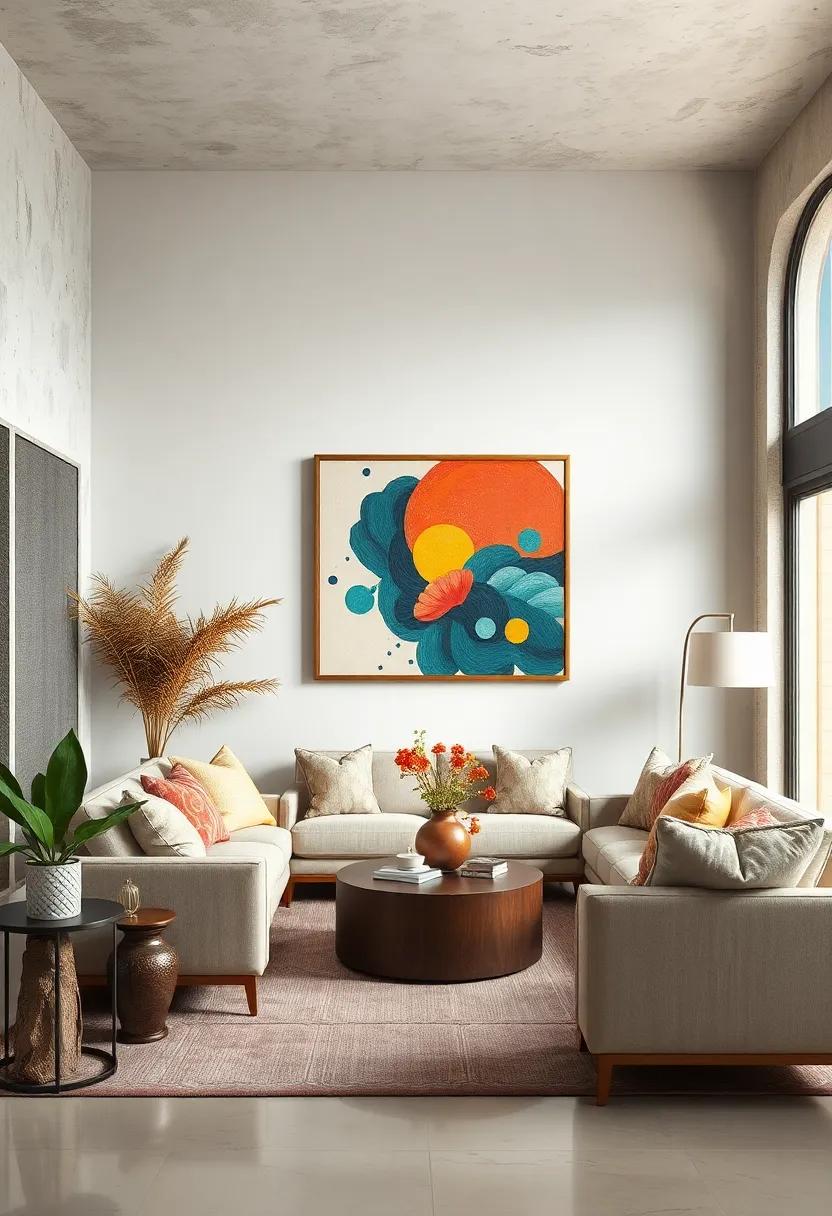
Infusing your living space with art that tells a story transforms mere decoration into a deeply personal experience. When selecting pieces, consider works that resonate with your life’s journey or significant moments-whether a vibrant painting inspired by a memorable trip or a handcrafted sculpture gifted by a loved one. This approach not only crafts a visually compelling environment but also layers your home with meaning, fostering connections every time you or your guests pause to reflect. Story-driven art turns walls into narrative canvases, making your home a gallery of your own history and emotions.
To seamlessly weave storytelling into your décor, think about mixing different media and textures that echo the themes you want to highlight. For instance, combine vintage photographs, abstract art, and artisanal crafts to create a multifaceted expression of your story. Use the following elements as a foundation for your curated collection:
- Memory pieces: Artifacts or artworks that recall personal milestones or family heritage.
- Emotional triggers: Colors and forms that evoke a feeling or mood reflective of your inner narrative.
- Chronological flow: Arrange your collection to follow a timeline or thematic progression, guiding viewers through your story visually.
Harmonizing Eclectic Styles Through Repeating Colors and Motifs That Tie the Room Together
When bringing together diverse artistic pieces and décor elements, the secret lies in strategic repetition. By echoing certain colors or motifs throughout the space, you craft a subtle yet effective visual thread that guides the eye and calms the eclectic energy. Imagine a living room where a deep sapphire blue in an abstract wall art mirrors the hue of a throw pillow and reappears in a ceramic vase or rug pattern. This interplay weaves a cohesive narrative, making each piece feel intentional rather than haphazard. Repetition isn’t about monotony-it’s about rhythm and balance, creating a dialogue between different styles that enhances the room’s personality.
To execute this approach practically, consider which colors and patterns naturally resonate with your existing collection. Use the following as anchors:
- Accent Colors: Identify 2-3 shades to feature across art, textiles, and small furniture pieces.
- Motifs: Shapes or thematic elements like florals, geometrics, or abstract forms that appear consistently and tie the disparate styles together.
- Textures: Repeated textures (such as woven fabrics or brushed metals) can unify surfaces as well as visual elements.
| Element | Examples for Repetition |
|---|---|
| Color | Emerald Green, Mustard Yellow, Terracotta |
| Motif | Chevron, Botanical Silhouettes, Circular Forms |
| Texture | Linen, Velvet, Woven Rattan |
By thoughtfully repeating these elements, you ensure each piece-no matter how eclectic-feels part of an orchestrated, harmonious whole. This balance transforms any room into a compelling narrative space where charm and creativity coexist effortlessly.
Unexpected Pairings Blending Contemporary and Traditional Art to Spark Conversation and Interest
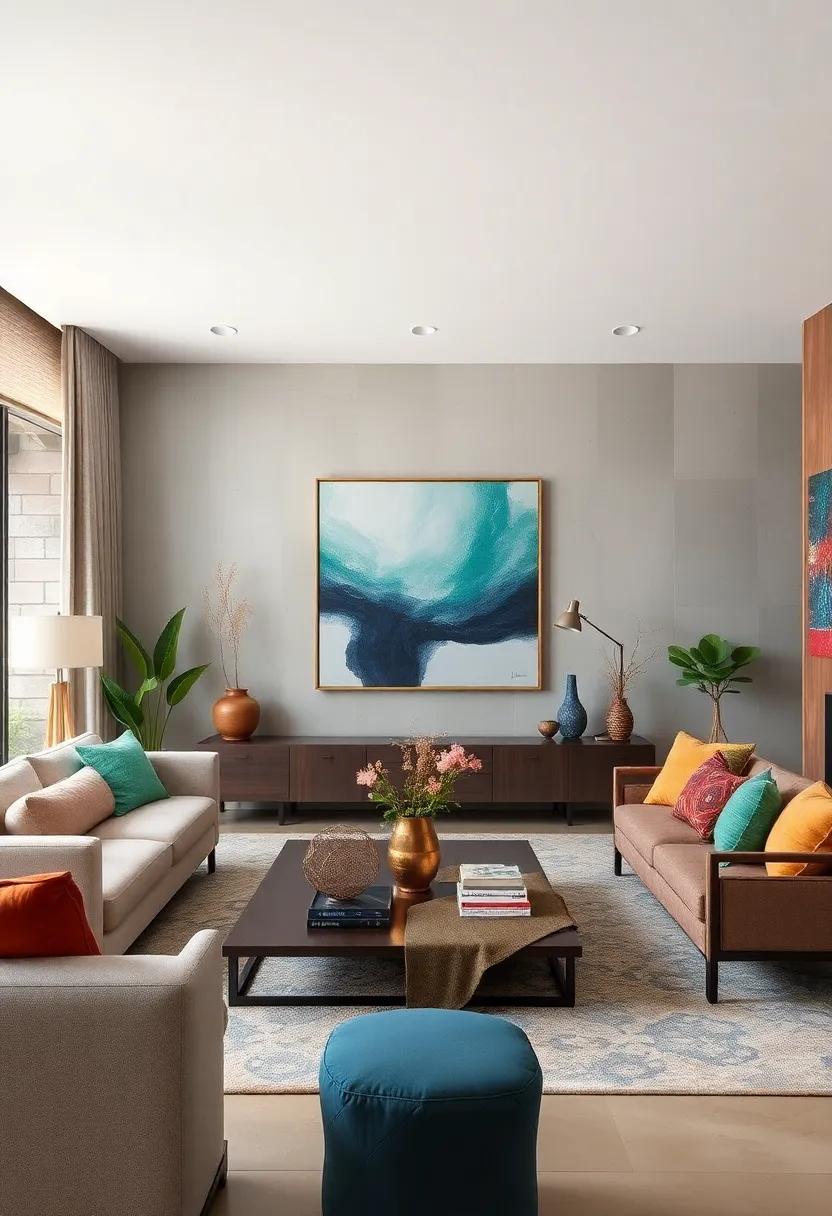
Blending contemporary pieces with traditional art forms creates a dynamic dialogue within your living space, encouraging viewers to pause and reflect. Imagine a sleek, abstract metal sculpture positioned beside a richly detailed Renaissance oil painting; this harmony of old and new invites questions about artistic evolution, cultural context, and personal taste. Consider integrating artworks that contrast not only in style but also in medium-for example, pairing a bold, vibrant acrylic canvas with an intricate, hand-carved wooden panel. Such intentional contrast can shift perceptions and breathe vibrant energy into your home’s aesthetic.
When curating this distinctive mix, keep in mind a few key principles:
- Color Balance: Harmonize dominant hues across traditional and modern pieces to unify the room’s palette.
- Scale and Proportion: Match size thoughtfully to avoid overpowering smaller works or making large pieces feel disconnected.
- Texture Play: Combine smooth, glossy surfaces with rough, tactile materials to add depth and intrigue.
- Historical Context: Use plaques or subtle labeling to give background info, sparking deeper appreciation.
| Element | Contemporary Example | Traditional Counterpart |
|---|---|---|
| Medium | Digital installation | Oil on canvas |
| Color Palette | Monochrome with neon accents | Earth tones & gold leaf |
| Subject | Abstract geometric shapes | Mythological scenes |
Art Placement Architectures Selecting Strategic Wall Spaces That Amplify the Beauty of Each Piece
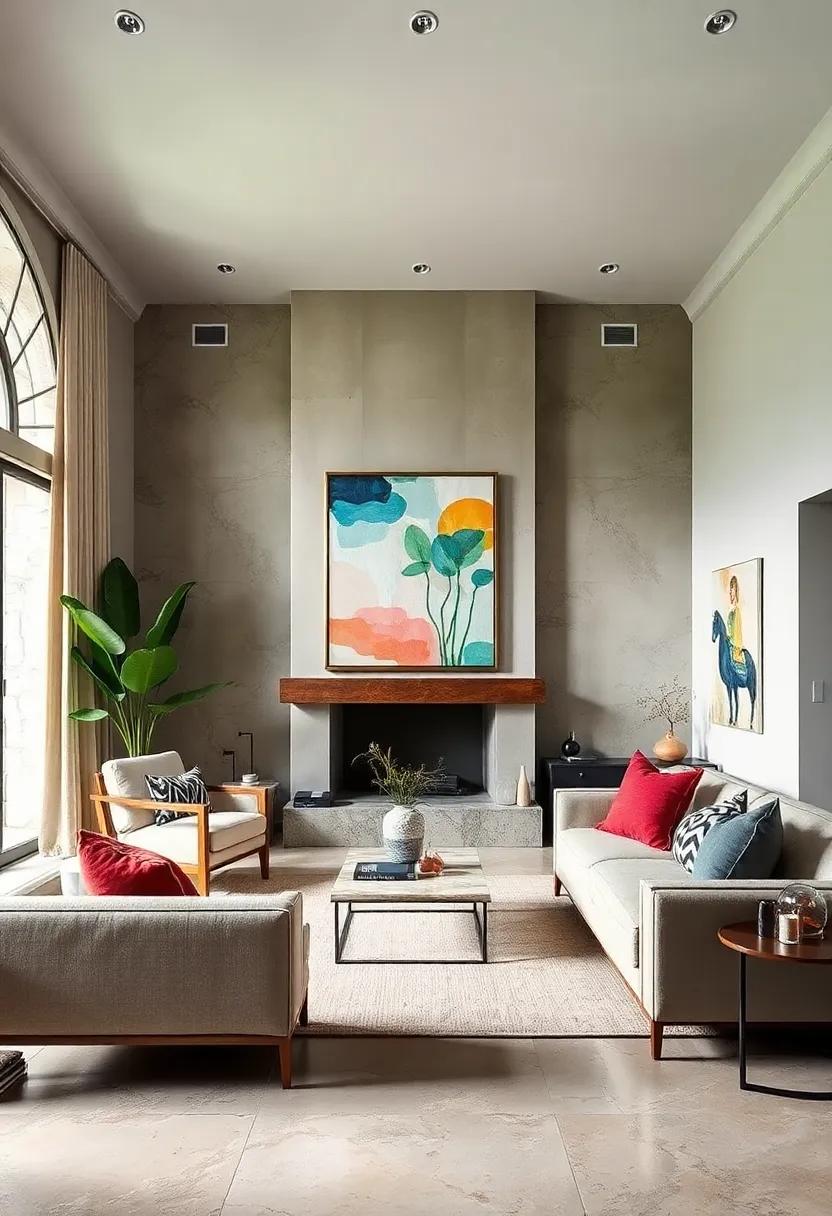
Choosing the ideal spots for your eclectic art requires a keen eye for balance and flow. Walls near natural light sources can enhance vibrant colors, creating an inviting atmosphere, while shadowed corners lend mystery to monochromatic pieces. When selecting wall spaces, consider the sightlines and room function-art in the hallway can serve as an engaging narrative, whereas in a living room, pieces should foster conversation without overwhelming the space. By harmonizing artwork with its surroundings, each piece transforms into a statement of personality and style.
Strategic placement can be guided by a few simple yet effective principles:
- Height: Hang art at eye level (around 57″-60″) for natural viewing comfort.
- Grouping: Create clusters of small pieces or a gallery wall to add dimension.
- Contrast: Use neutral walls to spotlight colorful or textured artworks.
- Focal Points: Position large or bold pieces as anchors in the room’s design.
| Space Type | Ideal Art Style | Placement Tip |
|---|---|---|
| Living Room | Bold abstracts or vibrant landscapes | Center above the sofa for balance |
| Bedroom | Soft, calming palettes | Above the headboard or dresser |
| Hallway | Small, diverse collections | Eye-level, linear arrangements |
| Dining Area | Elegant still lifes or vintage prints | Opposite seating for visual intrigue |
Showcasing Local Artists to Support Community Creativity and Add Unique Voices to Your Collection
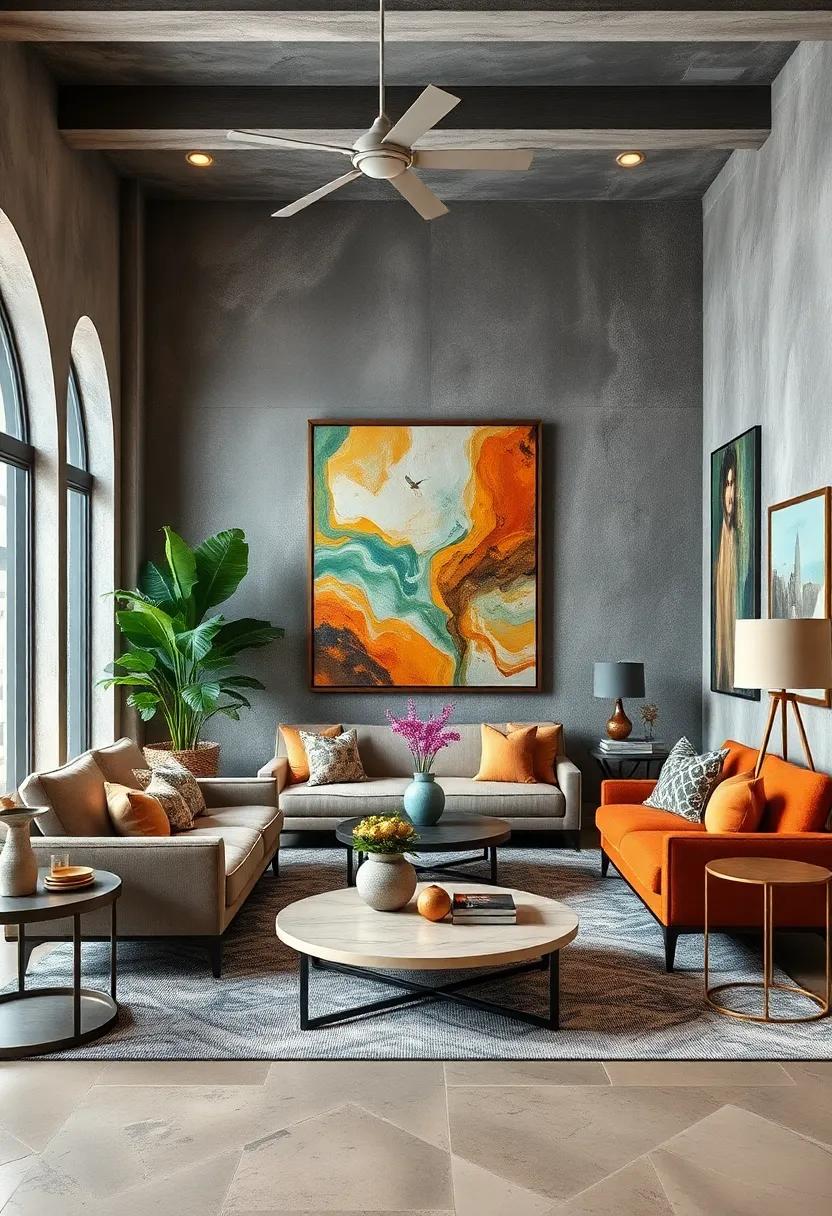
Embracing the work of local artists breathes fresh life into your living space, infusing it with stories and perspectives that are often absent in mass-produced art. By showcasing these unique creations, you not only enhance your collection with originality but also foster a vibrant ecosystem where creativity flourishes within your community. This approach nurtures a direct connection between the art and its cultural roots, turning your home into a gallery of meaningful narratives and passionate craftsmanship.
When sourcing artwork locally, consider exploring various channels where artists thrive:
- Community art fairs and markets: Discover emerging talents and engage with artists face-to-face.
- Local galleries and pop-up exhibitions: Experience a curated selection that highlights regional styles and trends.
- Workshops and artist collectives: Gain insight into the creative process while supporting collaborative endeavors.
| Benefit | Impact on Your Collection |
|---|---|
| Authenticity | Unique, one-of-a-kind pieces |
| Connection | Personal stories that enrich meaning |
| Support | Boosting local economy and creativity |
Transforming Forgotten Corners into Gallery Nooks with Selective Artwork Arrangements for Intimacy
One of the most enchanting ways to breathe life into underutilized spaces is by crafting intimate gallery nooks. These pockets of artistry invite quiet reflection and add a personal touch to your home’s narrative. Begin by assessing your forgotten corners-be it a hallway alcove, a stair landing, or a narrow wall beside a doorway. Select a carefully curated mix of artworks that vary in size, texture, and style to create visual interest without overcrowding. Incorporate soft lighting such as wall sconces or adjustable spotlights to highlight the pieces and enhance the cozy atmosphere. Consider framing choices that unify the collection while celebrating the individuality of each item.
To streamline the transformation, here are focal points to keep in mind:
- Scale and Proportion: Balance large statement pieces with smaller, complementary works to maintain harmony.
- Theme Consistency: Whether abstract, vintage, or nature-inspired, keeping a subtle thematic thread can evoke a cohesive vibe.
- Material Play: Mix media such as canvas, wood, and metal to enrich texture and depth.
| Element | Suggested Artwork Type | Effect on Nook |
|---|---|---|
| Lighting | Soft spotlight or adjustable wall sconces | Creates warmth and focus |
| Frames | Matte black or natural wood | Provides a cohesive yet organic look |
| Art Mix | Mixed media with varied sizes | Stimulates visual intrigue and intimacy |
Visual Symphony Using Diverse Art to Create Dynamic Rhythm and Flow Throughout the Home
Creating a seamless visual rhythm involves thoughtfully mixing various styles and mediums that interact without overwhelming the senses. Embrace a palette of colors and textures that echo through different rooms, subtly guiding the eye from one piece to the next. Consider juxtaposing bold abstracts with delicate watercolors, or modern sculptures paired alongside vintage prints. This dance of contrasts introduces a dynamic flow, ensuring each artwork plays its unique note within the home’s symphonic arrangement.
To achieve balance while celebrating diversity, utilize intentional placement paired with recurring motifs or themes. Here’s a concise guide to help orchestrate your artistic ensemble:
- Color Harmony: Select artworks with complementary or analogous hues to maintain cohesion.
- Scale & Proportion: Mix large, commanding pieces with smaller, intricate works to create visual interest.
- Texture Contrast: Combine glossy finishes with matte or rough textures for tactile variation.
- Theme Threads: Weave subtle narrative or symbolic connections across different artwork.
| Artistic Element | Effect on Rhythm | Example |
|---|---|---|
| Repetition | Creates consistency | Recurring geometric shapes |
| Movement | Guides eye flow | Swirling brushstrokes |
| Contrast | Builds excitement | Light versus dark shades |
| Balance | Stabilizes composition | Symmetrical placement |
Combining Minimalist and Maximalist Art for Surprising Eclectic Harmony and Eclectic Visual Narratives
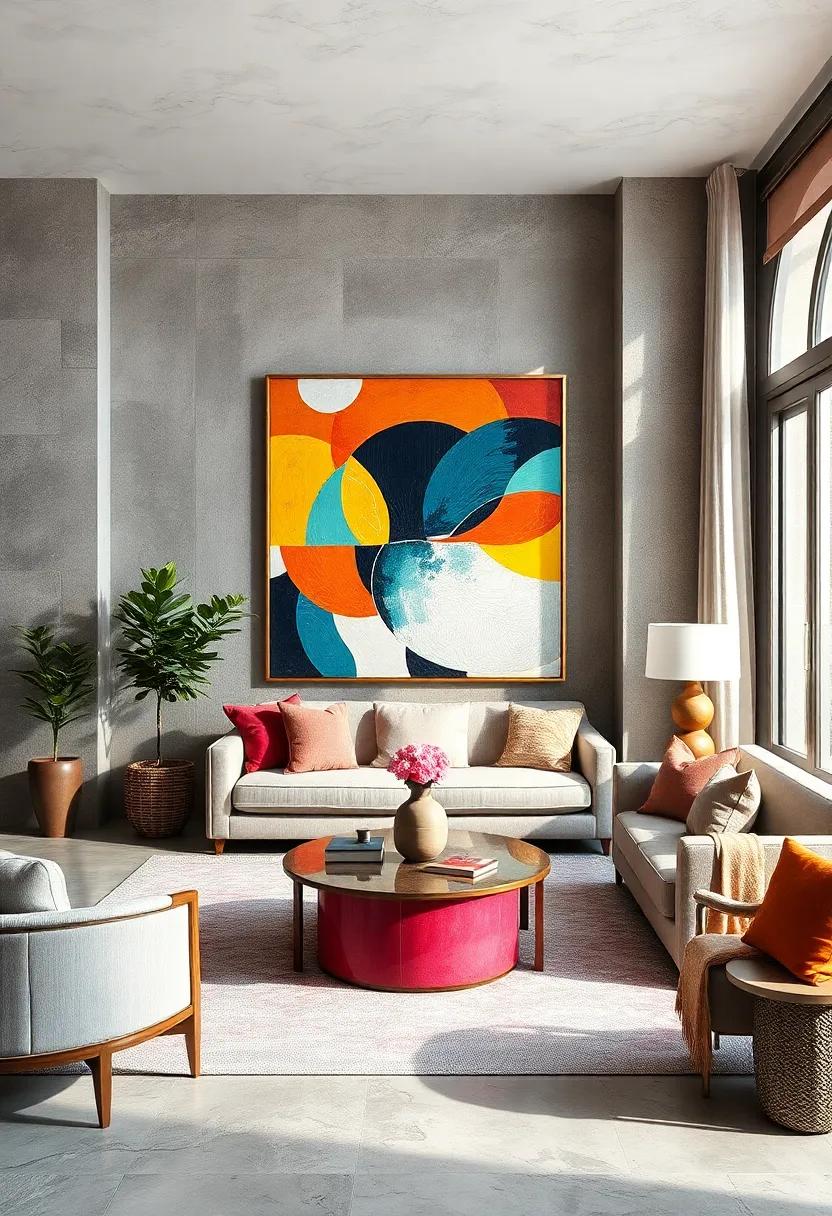
When weaving together the subtle whispers of minimalist art with the bold declarations of maximalist pieces, a fascinating dance of contrasts unfolds. This blend invites a multidimensional story to grace your walls, where the restraint of minimalism serves as the perfect foil to the exuberance of maximalist visuals. To achieve this, focus on balancing color palettes and contrasting textures, allowing each artwork to breathe without overwhelming the senses. For example, pairing a sleek, monochrome abstract with a vibrant, intricate tapestry creates a visual dialogue that delights and intrigues.
To curate an eclectic gallery that radiates charm and coherence, consider these practical tips:
- Anchor with Neutrals: Use neutral background walls to ground both styles.
- Mix Scale and Shape: Alternate large, bold pieces with small, understated works.
- Harmonize Through Repetition: Echo colors or motifs across different artworks to create visual threads.
- Play with Frames: Blend sleek metal frames with ornate wooden ones for textural diversity.
| Minimalist Element | Maximalist Complement | Effect |
|---|---|---|
| Monochrome Palette | Rich Patterns | Visual Contrast |
| Clean Lines | Ornate Details | Textural Depth |
| Simple Shapes | Layered Layers | Dynamic Balance |
To Wrap It Up
As you embark on your journey to curate a collection that speaks to both your heart and home, remember that eclectic artwork is less about rules and more about resonance. Each piece you choose adds a unique thread to the tapestry of your space, weaving stories that are as varied and vibrant as the life you live within it. Embrace the unexpected, trust your instincts, and let your walls become a gallery of charm-where every brushstroke, sculpture, or print invites curiosity and celebrates individuality. In the end, the art of eclectic curation is not just about filling a room; it’s about crafting a sanctuary that is unmistakably, unapologetically you.