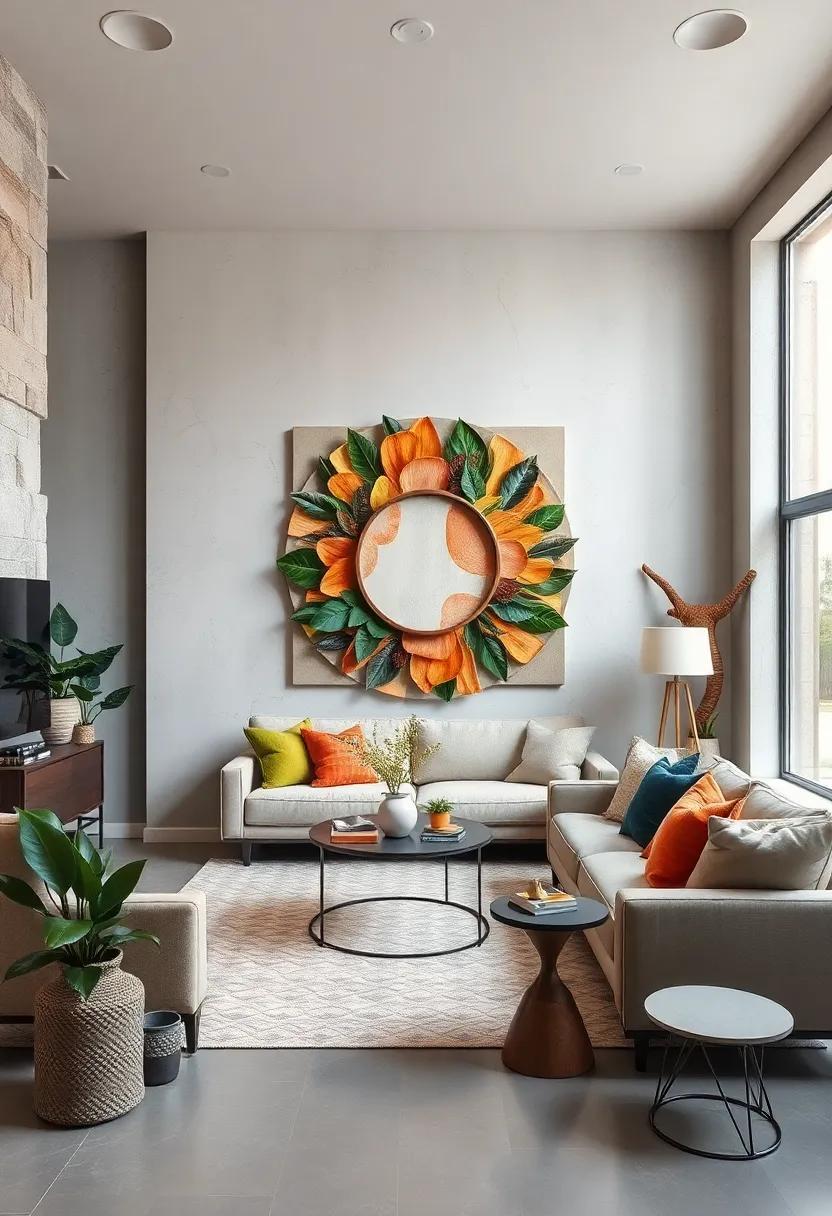
In a world increasingly attuned to environmental consciousness, the spaces we inhabit reflect not only our personal taste but also our values. Crafting beauty through sustainable wall art presents a harmonious blend of creativity and responsibility, inviting us to reimagine how art can coexist with nature. By using eco-friendly materials, artists and enthusiasts alike transform ordinary walls into meaningful canvases that celebrate both aesthetic appeal and ecological mindfulness. This approach not only beautifies our surroundings but also champions a thoughtful connection to the planet, proving that sustainability and artistry can indeed flourish side by side.
Sculpting Nature’s Palette Using Recycled Paper and Natural Dyes For Stunning Wall Artwork
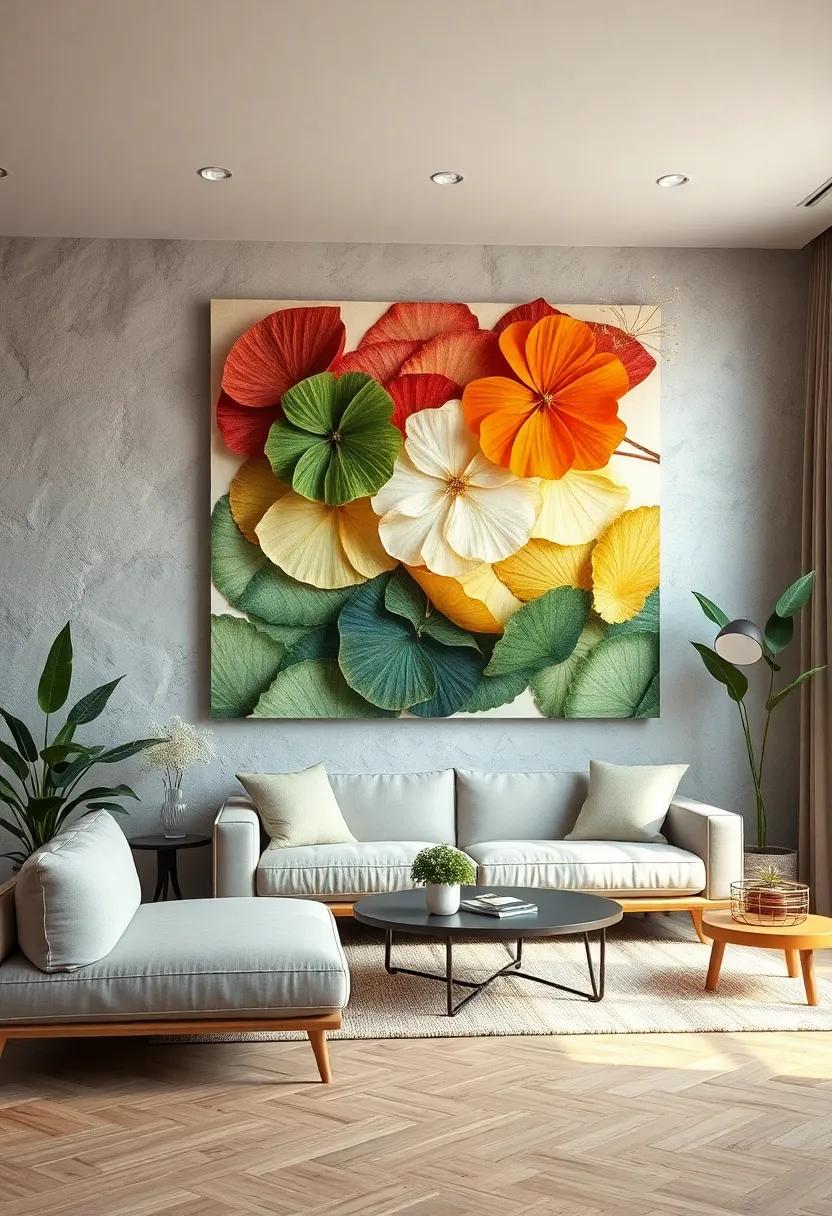
Transforming recycled paper into captivating wall art invites an unexpected harmony between sustainability and creativity. By carefully layering, molding, and sculpting pulp, artists craft textured canvases that breathe life into each piece. Integrating natural dyes-extracted from plants, roots, and spices-adds rich, organic hues that shift gently in the light, offering a dynamic interplay of color inspired by nature’s own palette. This process honors the environment while celebrating the tactile beauty of handmade craftsmanship.
To guide your exploration, consider this simple approach to sourcing & preparing natural dyes for your masterpieces:
- Turmeric: Bright golden yellow, perfect for highlights.
- Beetroot: Deep magenta, ideal for bold accents.
- Indigo leaves: Rich blues for soothing backgrounds.
- Onion skins: Warm amber tones, perfect for subtle shading.
| Dye Source | Color Extracted | Best Use in Artwork |
|---|---|---|
| Turmeric | Golden Yellow | Highlights & accents |
| Beetroot | Magenta | Bold statement pieces |
| Indigo | Navy Blue | Backgrounds & depth |
| Onion Skins | Amber | Shading & texture |
Textured Layers Of Bamboo Fibers Blending Tradition With Modern Sustainable Wall Design
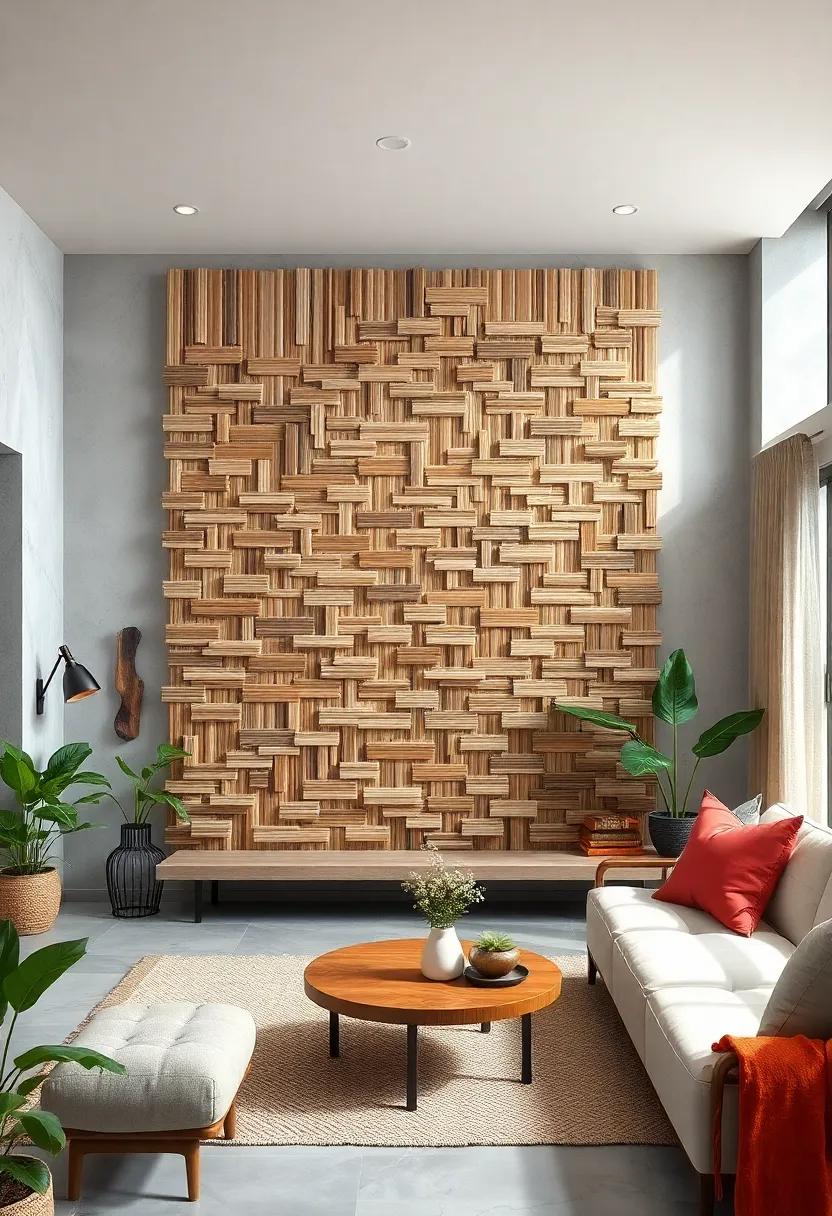
Integrating bamboo fibers into wall design invites a tactile richness that goes beyond mere aesthetics. This technique captures the essence of both heritage craftsmanship and contemporary eco-conscious creativity. With layers intricately woven and treated, bamboo fibers create a multidimensional texture that softly diffuses light, enhancing any space with warmth and natural allure. Each panel becomes a storytelling canvas where the rigidity of tradition gracefully melds with the fluidity of modern design, crafting a visual and sensory experience that appeals to sustainable art lovers and design enthusiasts alike.
Incorporating these textured layers introduces a palette of earthy tones and organic patterns, which harmonize effortlessly with minimalist or rustic interiors. Here’s why bamboo fiber wall art stands out:
- Renewable Resource: Bamboo regrows rapidly, making it a highly sustainable material.
- Biodegradable and Non-Toxic: Safe for indoor environments and contributes to healthier living spaces.
- Durability: Resistant to wear, maintaining its beauty over time.
- Customization: Easily shaped and dyed, allowing for personalized artistic expression.
| Feature | Benefit |
|---|---|
| Natural Textures | Add tactile depth and invite sensory interaction |
| Eco-Friendly Processing | Minimizes carbon footprint and chemical use |
| Lightweight Construction | Facilitates easy installation and repositioning |
| Versatile Styles | Fits various design aesthetics from modern to traditional |
Organic Shapes Carved From Driftwood Bringing Coastal Eco Aesthetics To Interior Walls
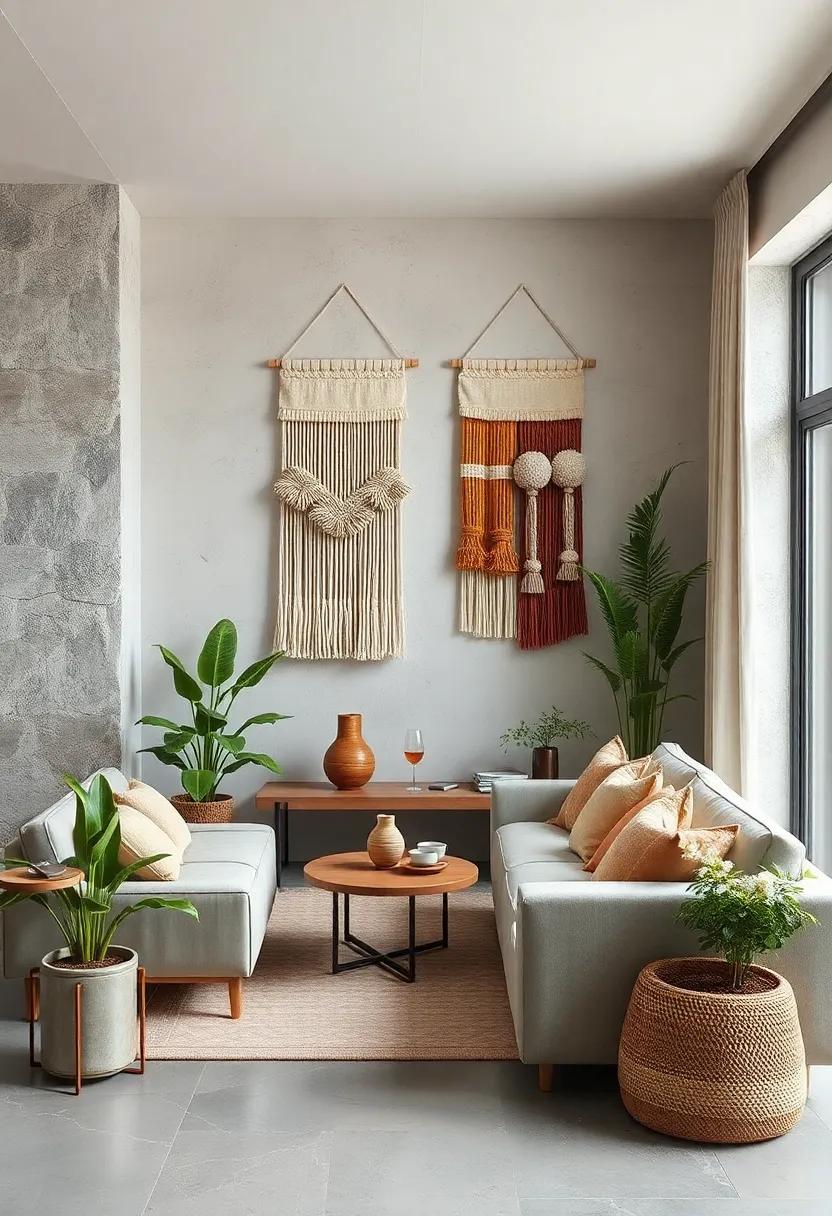
Transforming raw driftwood into artful, organic shapes is a celebration of nature’s enduring beauty. Each piece tells a story etched by tides and time, marrying the rugged charm of coastal elements with sophisticated craftsmanship. These one-of-a-kind carvings bring a serene, eco-conscious vibe to interior walls, working harmoniously to soften modern spaces with textures that resonate with the environment. The irregular, free-flowing lines resist uniformity, inviting the eye to wander along their curves and niches, evoking a sense of calm and continuity with coastal landscapes.
Key Benefits of Using Driftwood Art:
- Promotes sustainability through reuse of natural materials
- Adds a tactile, handcrafted element to interiors
- Eco-friendly and biodegradable alternative to synthetic décor
- Enhances air quality by avoiding toxic paints and finishes
| Material | Environmental Impact | Visual Character |
|---|---|---|
| Reclaimed Driftwood | Low – recycled from natural debris | Weathered, textured, organic curves |
| Natural Oils & Finishes | Biodegradable, minimal VOCs | Enhances grain without masking natural color |
Intricate Mandalas Crafted From Upcycled Fabric Scraps Infused With Earth Tones And Subtle Texture
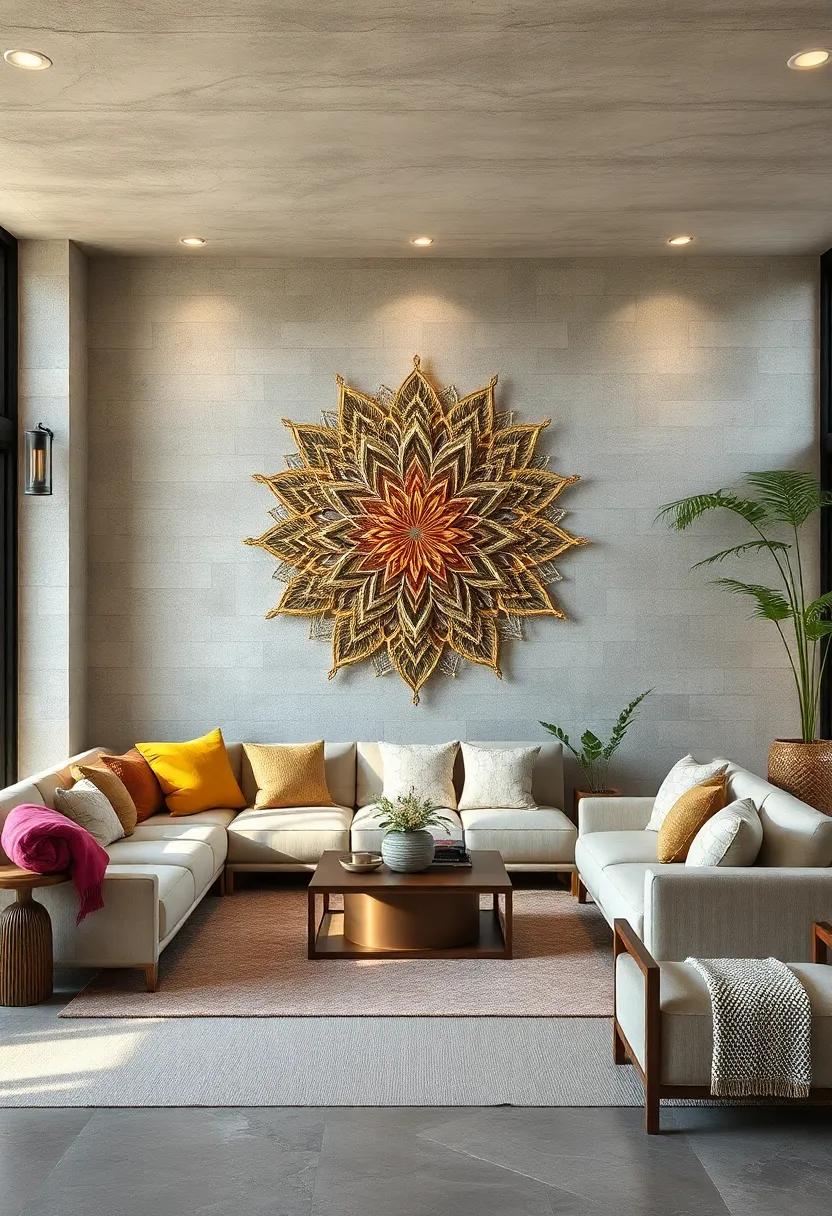
Each mandala comes to life through the meticulous layering of fabric scraps, embracing earthy tones that whisper ancient stories through thread and fiber. The timeworn textures of salvaged textiles-soft linens, coarse cottons, and vintage silks-add a tactile dimension that evokes a deep connection to nature. The subtle interplay between muted ochres, moss greens, and burnt siennas transforms simple scraps into harmonious patterns that invite contemplation and calm. By repurposing these fragments, the designs not only celebrate sustainability but also give new meaning and narrative to materials once destined for the landfill.
- Uniquely Textured Surfaces: Combining smooth and rough fabrics creates engaging contrasts.
- Natural Dye Effects: Infused earth tones mimic organic landscapes and seasonal shifts.
- Hand-Stitched Details: Embellishments add depth while honoring the handcraft tradition.
The creative process can be outlined in a concise table, highlighting key approaches that ensure both aesthetic beauty and eco-conscious integrity:
| Technique | Material Focus | Visual Impact |
|---|---|---|
| Layering | Varied fabric weights | Depth and dimensionality |
| Color Blending | Naturally dyed scraps | Warm, harmonious palette |
| Textural Accents | Embroidery & appliqué | Subtle, tactile intrigue |
Vibrant Botanical Impressions Created With Plant-Based Inks And Pressed Leaves On Rustic Canvas
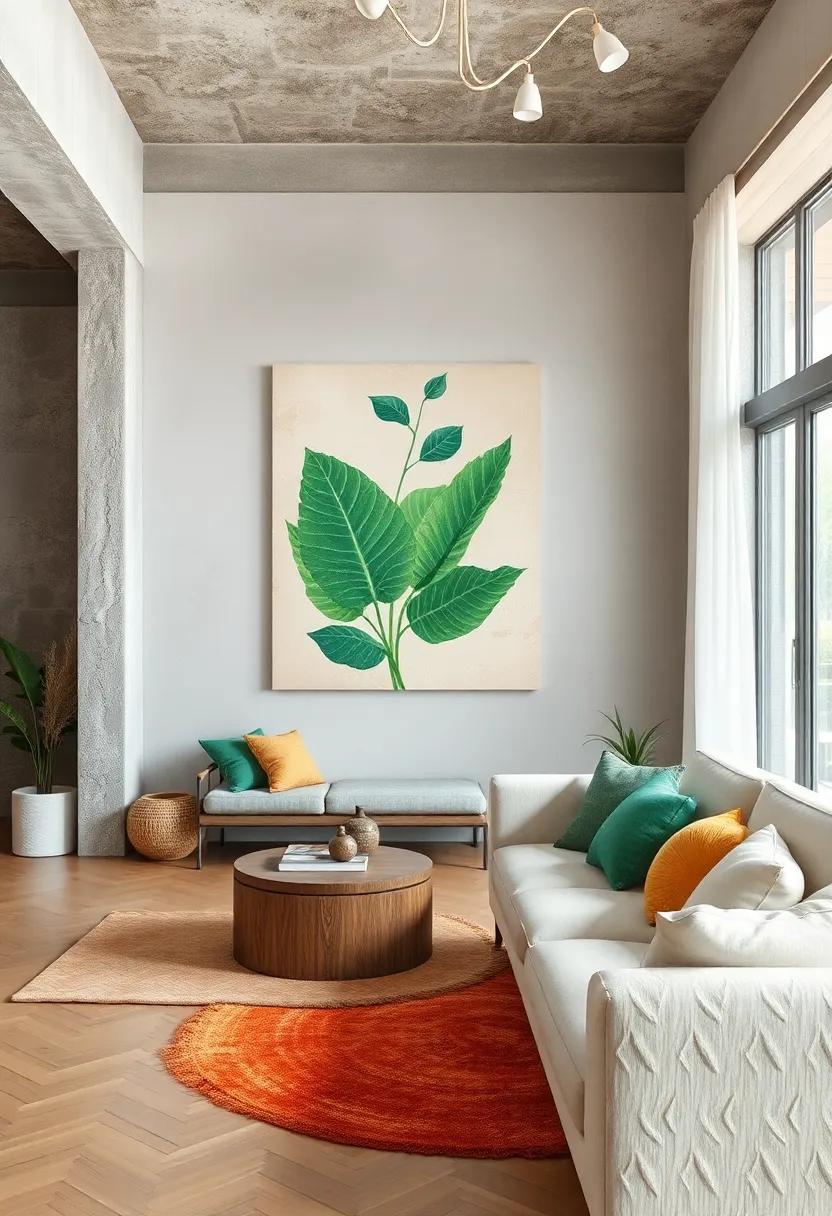
Infusing natural elements into artistic expression brings a distinctive charm to any space, especially when botanical motifs are crafted with plant-based inks on rustic canvas. These inks, derived from vibrant pigments in fruits, vegetables, and flowers, offer a rich palette that echoes the subtle nuances of nature itself. When pressed leaves are incorporated, they introduce a tactile, organic dimension that transforms simple wall art into timeless botanical impressions. The interplay of vivid inks with the texture of aged canvas creates a whimsical yet grounded aesthetic, perfect for those seeking eco-conscious décor that tells a story.
The process embraces sustainability and creativity, allowing artisans to experiment with various leaves and ink combinations. Here are some popular materials and their characteristics used in this craft:
- Fern Leaves: Delicate textures with rich green tones.
- Maple Leaves: Warm autumnal hues, perfect for seasonal décor.
- Spinach Ink: Deep, earthy green inks providing bold color contrast.
- Beetroot Ink: Rich magentas adding unexpected vibrancy.
| Material | Color Profile | Texture |
|---|---|---|
| Pressed Oak Leaf | Golden brown | Rugged and crisp |
| Blueberry Ink | Soft blue | Smooth and translucent |
| Eucalyptus Leaf | Silver-green | Velvety and thin |
| Turmeric Ink | Warm yellow | Dense and opaque |
Weaving Stories Through Reclaimed Wood Panels Arranged In Geometric Patterns For Wall Decor
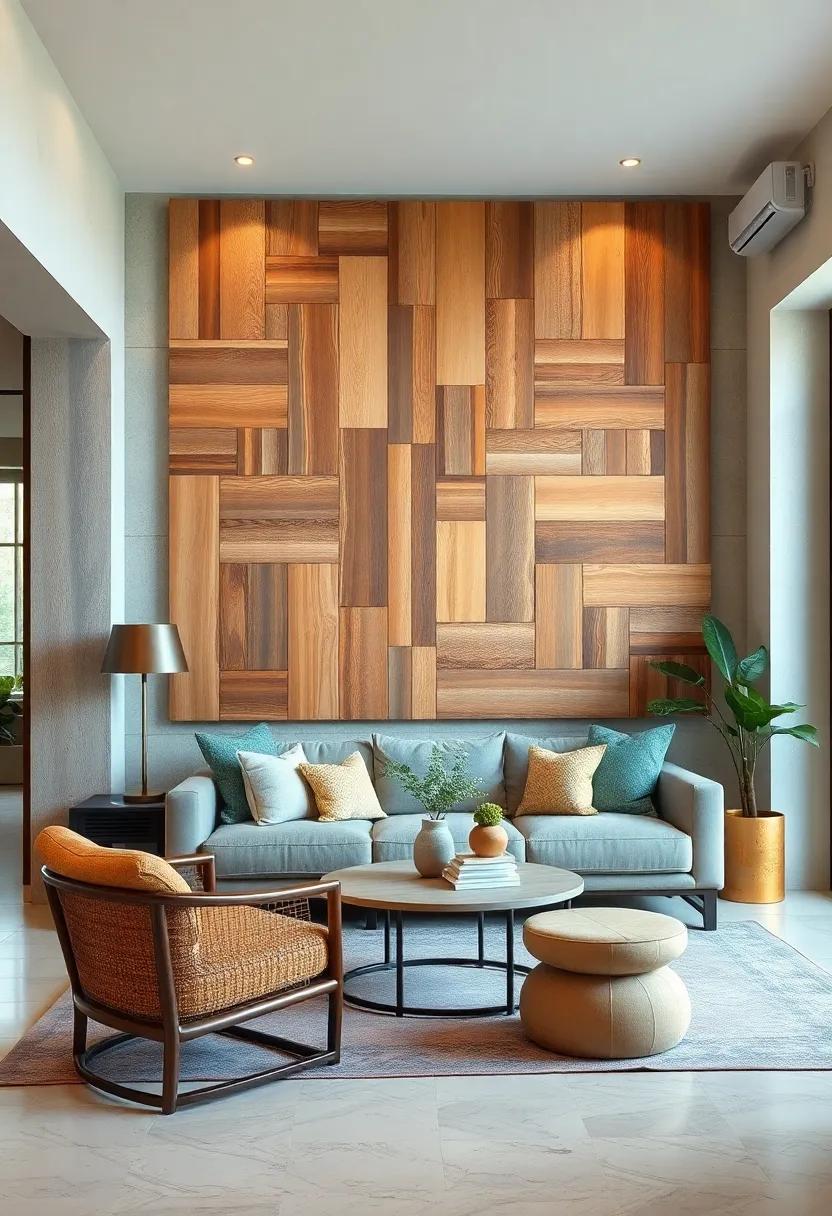
Transforming reclaimed wood into intricate wall decor allows for an enchanting fusion of history and artistry. Each panel, sourced ethically, carries the whispers of its past life-be it from old barns, forgotten furniture, or shipping crates. When these wooden pieces are lovingly arranged into precise geometric configurations, they do more than just adorn a wall; they narrate a silent story of sustainability and craftsmanship. The sharp angles and repetitive patterns create a visual rhythm that invites the eye to wander, appreciating the texture, grain, and warmth inherent in every scrap of wood.
Beyond their aesthetic appeal, these eco-conscious artworks promote mindful living by repurposing materials that would otherwise contribute to waste. The versatility of geometric designs means you can customize:
- Size and scale to fit intimate nooks or grand feature walls,
- Color tones through natural stains or finishes to complement any interior,
- Texture combinations by mixing smooth and rough reclaimed surfaces for tactile intrigue.
This approach not only champions environmental stewardship but also empowers creativity-turning simple wood panels into compelling narratives that enrich your living space with sustainable charm.
Delicate Wall Hangings Made From Handspun Wool And Natural Cotton Threads With Earthy Hues
Crafted with care and an eye for subtle elegance, these wall hangings embody the serene beauty of nature through the use of handspun wool and natural cotton threads. Each piece is a unique tapestry of textures and tones, reflecting a commitment to sustainability and artisanal skill. The earthy palette-notably warm ochres, soft browns, and muted greens-invites a sense of calm and connection to the natural world, transforming any space into a sanctuary of tranquility. These delicate compositions highlight the tactile richness of fiber art, where every knot and weave tells a story of slow, thoughtful craftsmanship.
Emphasizing eco-conscious practices, the materials are responsibly sourced, ensuring minimal environmental impact while supporting traditional spinning and weaving communities. This approach not only preserves ancient techniques but also champions a lifestyle of mindful consumption. The intricate interplay of wool and cotton offers both durability and softness, making these wall hangings an enduring statement of sustainable decor. Below is a simple guide to understand the key benefits of these materials and their natural colors:
| Material | Benefit | Earthy Tone Example |
|---|---|---|
| Handspun Wool | Durability, warmth, texture | Deep Rust |
| Natural Cotton | Softness, breathability, eco-friendly | Clay Beige |
| Natural Dye | Non-toxic, sustainable coloring | Forest Green |
Abstract Landscapes Painted With Eco-Friendly Pigments Capturing The Essence Of Wild Terrain
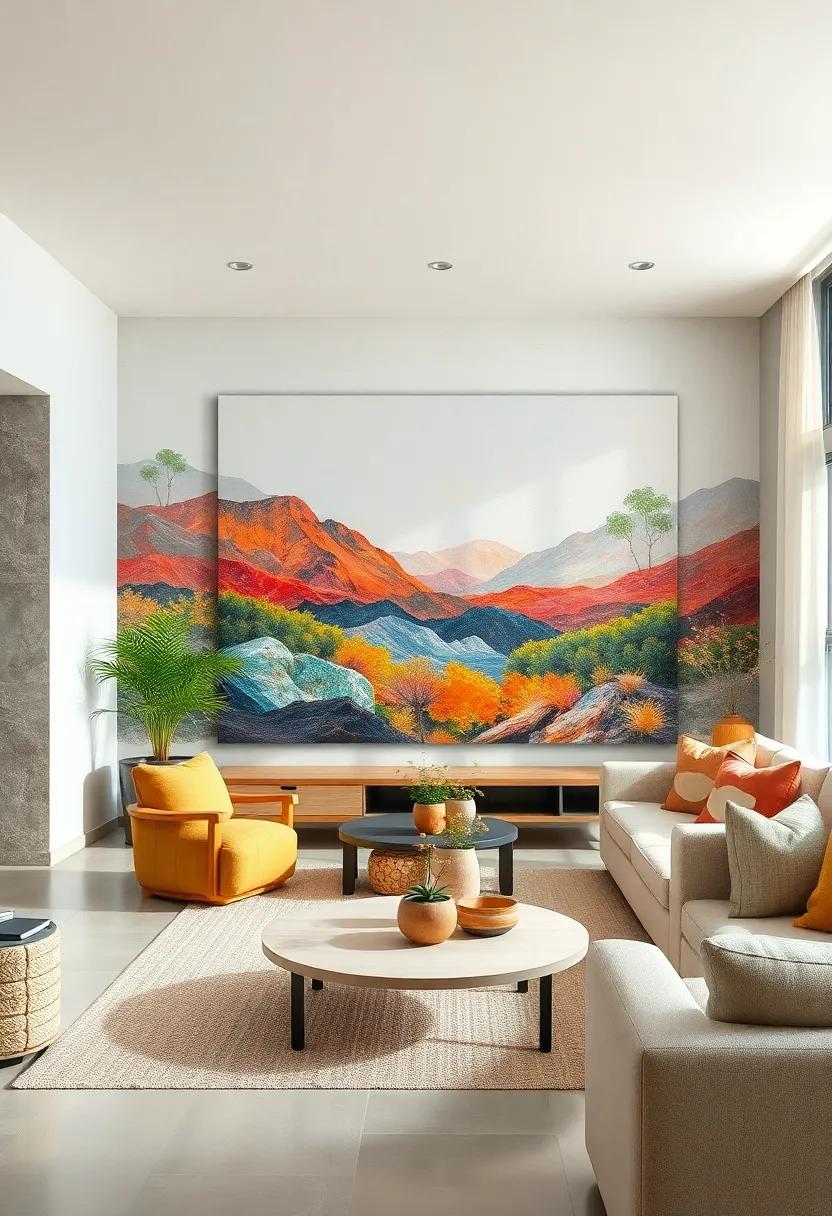
Embracing the raw beauty of untamed landscapes through the medium of art brings a dynamic fusion between nature and creativity. Utilizing eco-friendly pigments extracted from natural sources like minerals, plants, and clays, artists transform canvases into vivid expressions of wilderness. These sustainable colors not only minimize environmental impact but also offer a depth and texture reminiscent of the earth’s own palette. The subtle transitions and organic hues capture the spirit of sprawling terrains, from windswept plains to rugged mountain ranges, imbuing each piece with a life force that synthetic alternatives often fail to replicate.
Key benefits of choosing eco-conscious materials in abstract landscape painting include:
- Non-toxic composition ensuring safety for artists and viewers alike.
- Biodegradability that aligns with a sustainable lifestyle.
- Authentic textures that enhance visual depth.
- Reduced carbon footprint through renewable sourcing practices.
| Pigment Source | Characteristic | Color Range |
|---|---|---|
| Iron Oxides | Earthy, durable | Reds, Browns, Yellows |
| Indigo Plant | Rich, deep blue | Blues |
| Charcoal | Matte, soft | Greys, Blacks |
| Turmeric Root | Bright, warm | Yellows |
Layered Collages Combining Vintage Maps And Eco Papers For Environmental Narrative Wall Art
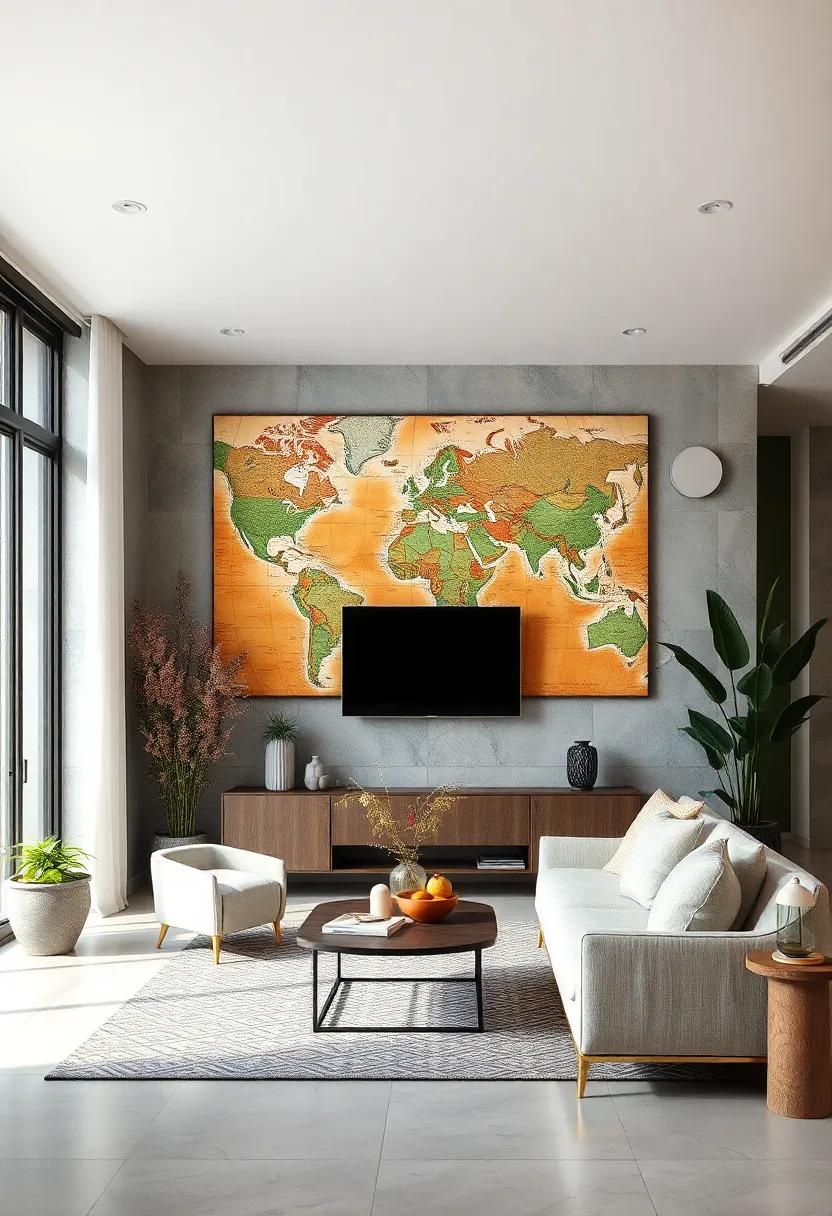
Bringing together the charm of vintage maps and the tactile richness of eco papers creates a captivating visual dialogue that narrates environmental stories in a tangible form. Each layer contributes distinct textures and historic references, evoking nostalgia while emphasizing sustainability. Utilizing recycled papers embedded with natural fibers, seed inclusions, or plant-based dyes not only enhances the sensory experience but also grounds the artwork in ecological consciousness. The interplay between timeworn cartographic details and fresh, earthy materials invites viewers to contemplate humanity’s evolving relationship with the planet.
To craft such layered collages, consider mixing a variety of elements that reinforce your environmental narrative:
- Reclaimed vintage maps: sourced from antique shops or digital archives, with faded lines and historic coastlines.
- Handmade eco papers: featuring textures from hemp, cotton fibers, or even botanical imprints.
- Natural pigments: earth tones derived from clays or plant extracts to enhance color depth.
- Organic adhesives: non-toxic glues that maintain sustainability without compromising integrity.
| Material | Eco Benefit | Visual Effect |
|---|---|---|
| Recycled Paper | Reduces waste | Soft, fibrous texture |
| Hemp Fibers | Fast-growing resource | Strong, natural weave |
| Seed Paper | Can be planted | Embedded botanical patterns |
| Clay Pigments | Non-toxic coloring | Earthy, muted tones |
Minimalist Silhouettes Painted On Burlap From Natural Fibers Highlighting Sustainable Simplicity
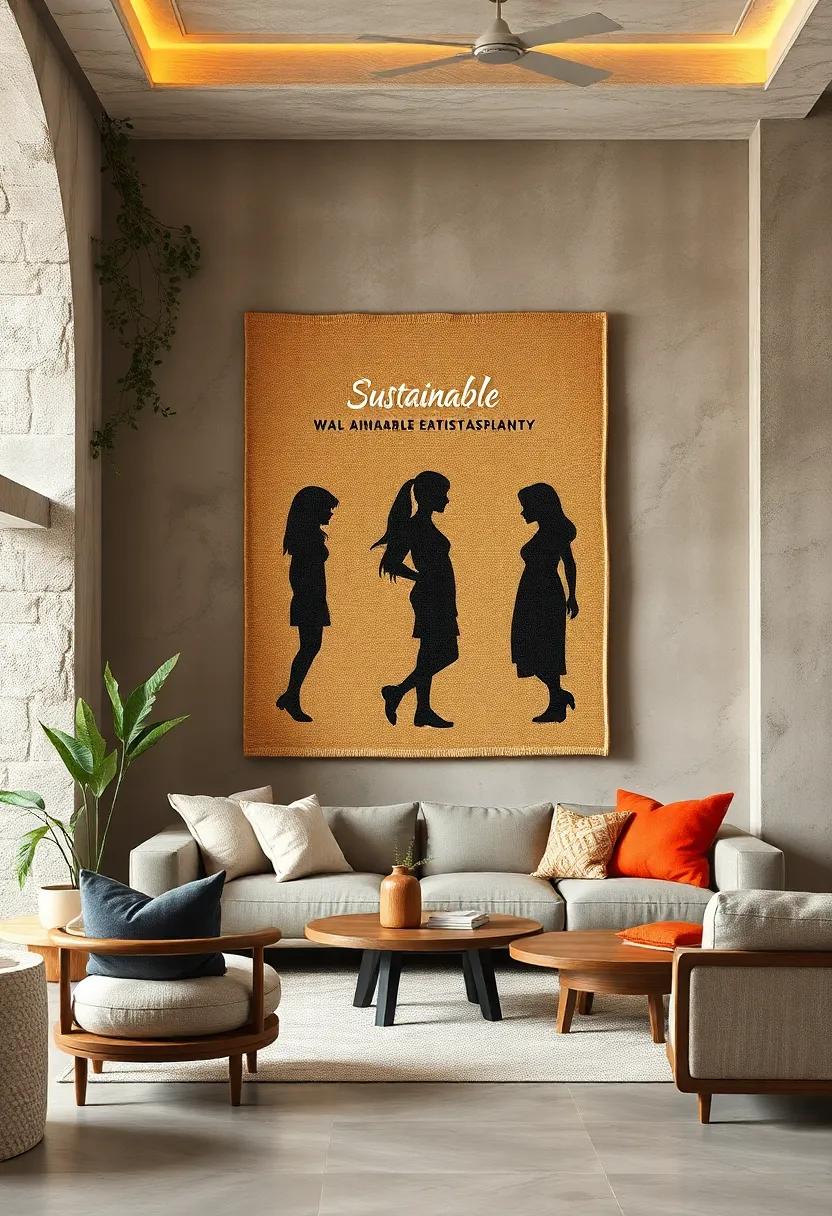
Embracing the raw texture of burlap sourced from natural fibers, these artworks embody a return to essentials. The porous surface allows paint to settle organically, crafting silhouettes that whisper rather than shout. This technique not only honors the material’s eco-friendly origins but also invites viewers to witness simplicity through an artistic lens-offering a quiet elegance rooted in sustainable practice.
The minimalist approach strips away excess, focusing solely on form and contrast to convey beauty. Each piece is a testament to thoughtful creation, mindful of environmental impact. Highlights include:
- Natural fiber burlap: Biodegradable and renewable, providing a sturdy yet tactile base.
- Organic pigments: Non-toxic paints that maintain color integrity without harming the planet.
- Simple silhouettes: Clean, abstract shapes that enhance the fabric’s natural grit and depth.
- Handcrafted finesse: Each brushstroke reflects intentionality and respect for sustainable artistry.
| Material | Benefit | Visual Impact |
|---|---|---|
| Burlap (Natural Fibers) | Eco-friendly & durable | Earthy texture & warmth |
| Organic Paints | Non-toxic, vibrant hues | Subtle color blending |
| Minimalist Silhouettes | Focus on form, less waste | Striking visual simplicity |
Mixing Clay And Natural Pigments To Create Textured Tiles For Unique Eco-Conscious Wall Installations
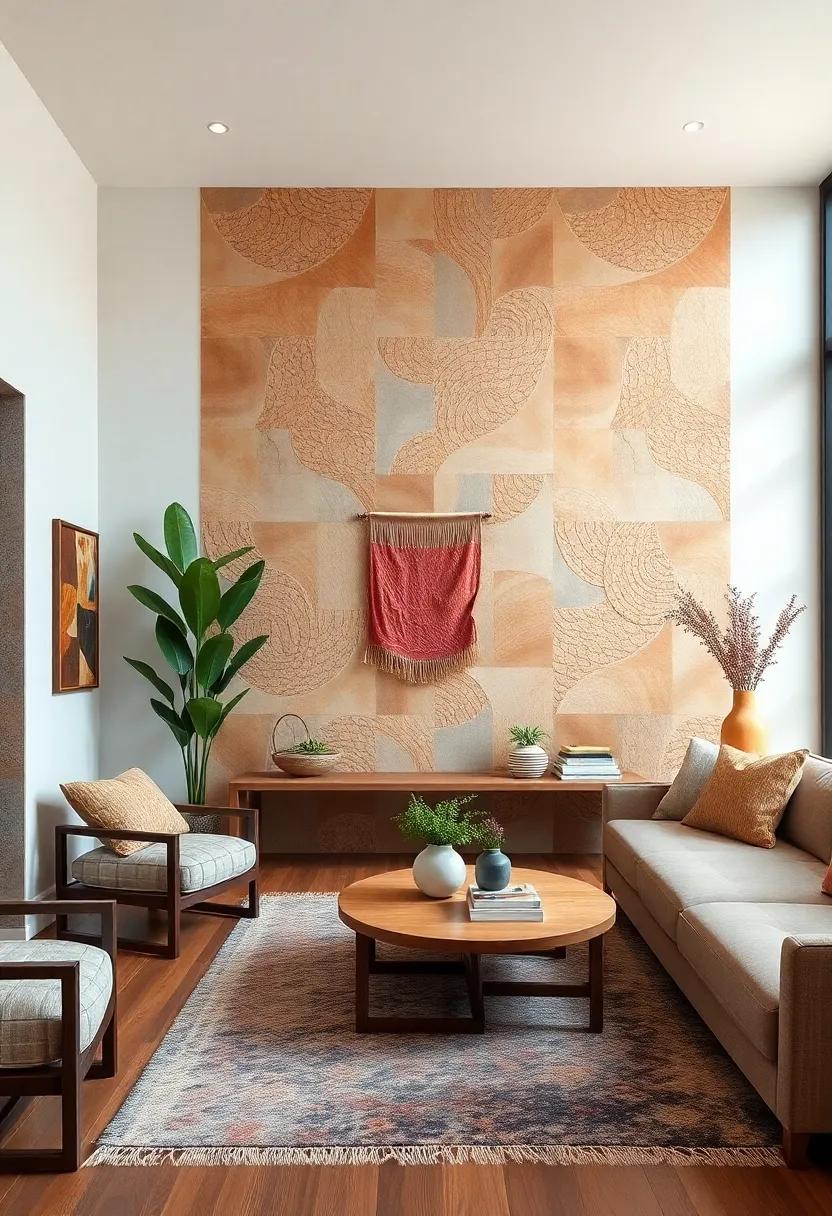
Combining clay with natural pigments is an art form that breathes life into eco-conscious wall installations. By sourcing earth-derived colors such as ochres, siennas, and umbers, artisans infuse their creations with textures that reflect the raw beauty of nature. This blend not only produces unique visual patterns but also enhances the tactile quality of each tile, inviting viewers to experience a multisensory connection with the space. The malleability of clay offers endless possibilities, from subtle undulations to bold ridges, while the natural pigments ensure that each piece remains harmonious with sustainable design principles.
Working with these ingredients encourages experimentation and a mindful approach to material use, turning every tile into a one-of-a-kind masterpiece. Some of the key benefits that make this method especially valuable include:
- Eco-Friendly Composition: Free from synthetic dyes, reducing environmental impact.
- Durability: Clay’s natural resilience supports long-lasting installations.
- Customizable Textures: Controlled by hand shaping or tools to achieve high sensory appeal.
- Natural Aging: Pigments subtly evolve over time, adding depth and character.
| Material | Source | Effect on Tile |
|---|---|---|
| Red Ochre | Iron-rich clay | Warm, earthy hues with subtle grain |
| Charcoal Black | Burnt organic matter | Deep matte texture, adds contrast |
| Yellow Sienna | Natural clay with iron oxide | Soft golden mottling for warmth |
Subtle Gradient Murals Painted Using Plant-Based Colors Evoking Serene Environmental Vibes
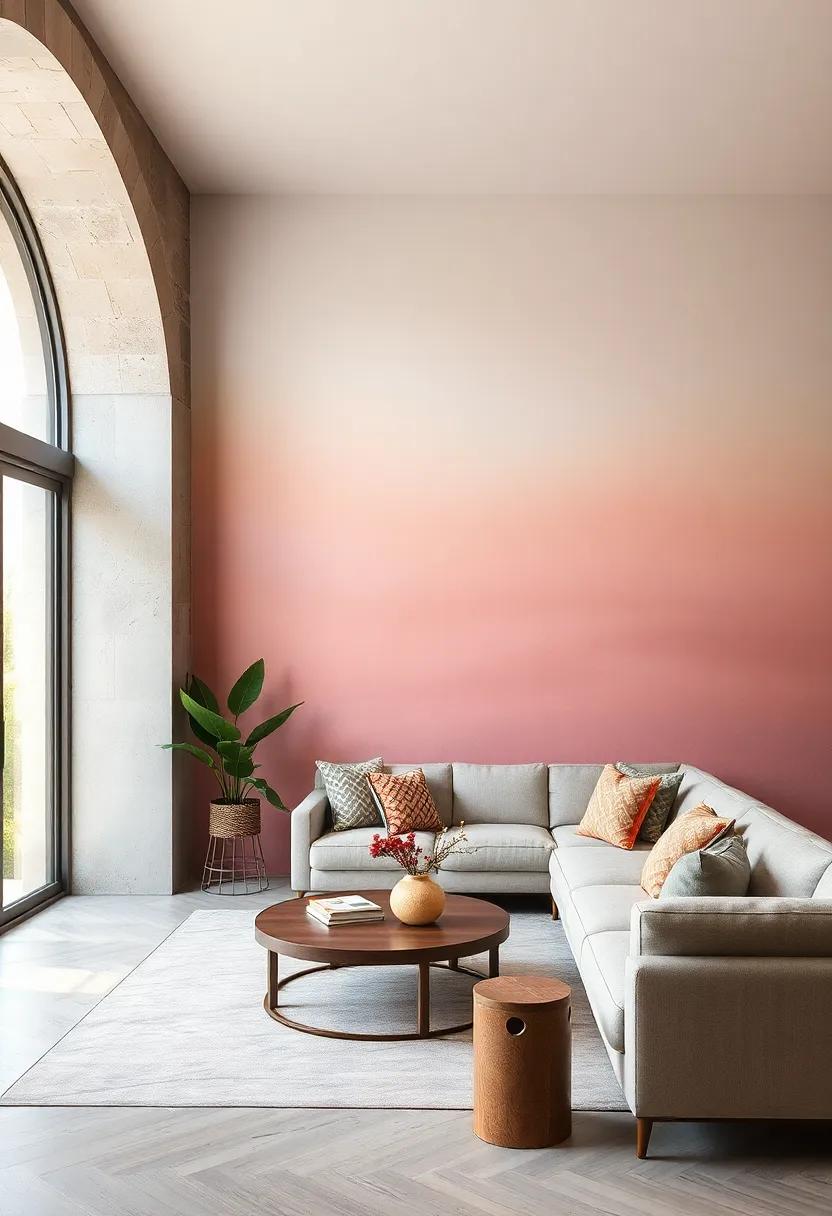
The delicate interplay of colors found in nature inspires these artistic creations, where every brushstroke whispers sustainability. Utilizing plant-based pigments derived from sources like beetroot, turmeric, and indigo, artists craft gradients that flow seamlessly across walls, inviting a sense of tranquility and connection to the environment. These shades, harvested without synthetic intervention, not only nurture the earth but also impart a soft, almost ethereal quality to the space, enhancing rooms with a gentle embrace of calmness and mindfulness.
Beyond aesthetics, the use of these natural hues brings remarkable benefits:
- Non-toxic and hypoallergenic – safe for homes and public spaces alike.
- Biodegradable properties – reducing ecological footprint.
- Unique color variation – each mural tells a one-of-a-kind story.
The process champions slow creativity, where pigments evolve subtly from lighter tones to richer depths, mimicking the gentle progress of a sunset or the quiet movement of mist. This artistry redefines mural making as an act of care-toward both the planet and the soul.
| Plant Source | Color Range | Environmental Benefit |
|---|---|---|
| Turmeric | Warm Yellows & Oranges | Renewable & Non-toxic |
| Indigo | Deep Blues & Purples | Natural Dye with Minimal Waste |
| Beetroot | Soft Reds & Pinks | Biodegradable & Safe |
Bold Graphic Prints On Organic Canvas Using Vegetable-Based Dyes To Make A Sustainable Statement
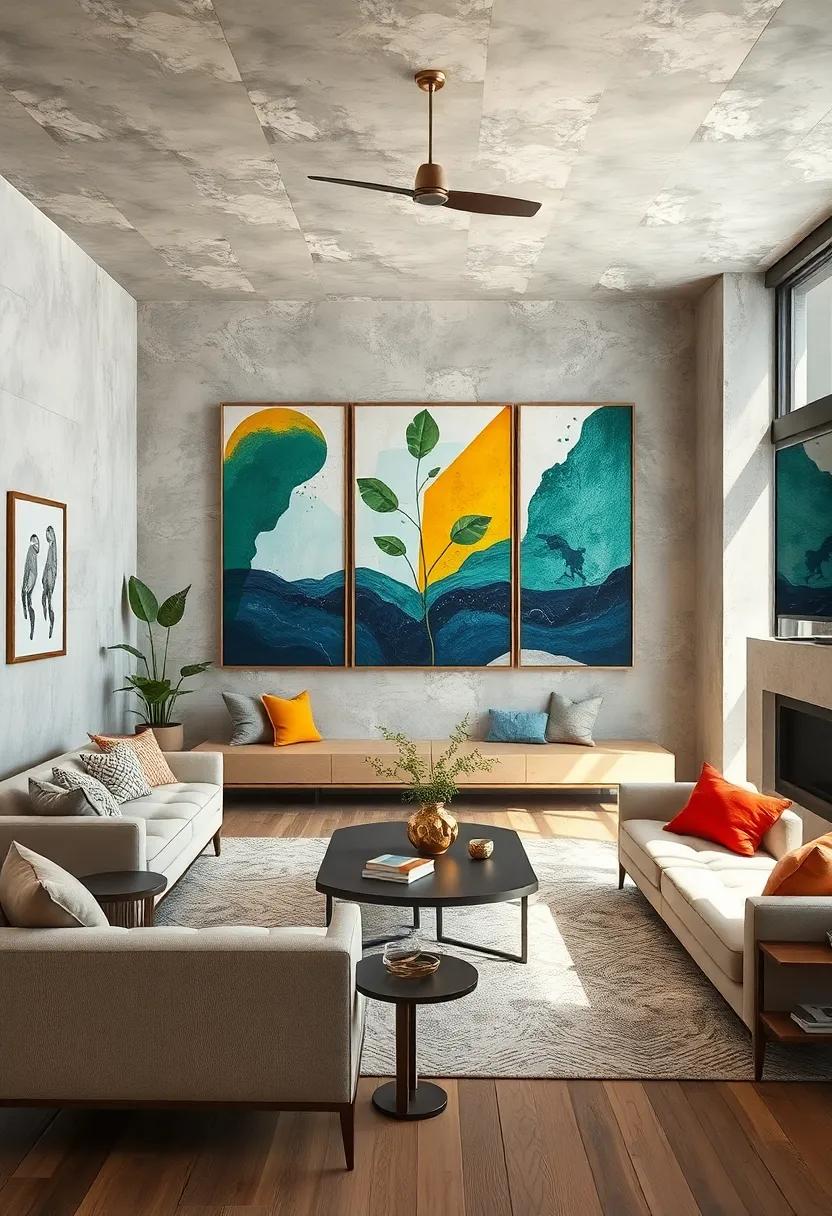
Immerse your space in vivid color while championing the planet. Each piece is meticulously printed on 100% organic canvas, ensuring a toxin-free foundation that supports both your health and the environment. The use of vegetable-based dyes not only guarantees vibrant, fade-resistant hues but also reduces reliance on harsh chemicals that can damage ecosystems. This fusion of bold artistic expression with conscientious materials transforms ordinary walls into striking visual stories that speak of sustainability and style.
- Eco-conscious artistry that respects the earth’s resources
- Durable organic canvas offering a natural, breathable texture
- Non-toxic vegetable dyes ensuring longevity and safety
- Bold patterns and vibrant colors to elevate any decor
| Material | Benefit | Environmental Impact |
|---|---|---|
| Organic Canvas | Breathable, durable base | Reduces pesticide use |
| Vegetable-Based Dyes | Vibrant & safe colors | Biodegradable & renewable |
Decorative Panels Crafted From Coconut Shells Highlighting Natural Textures And Warm Tones
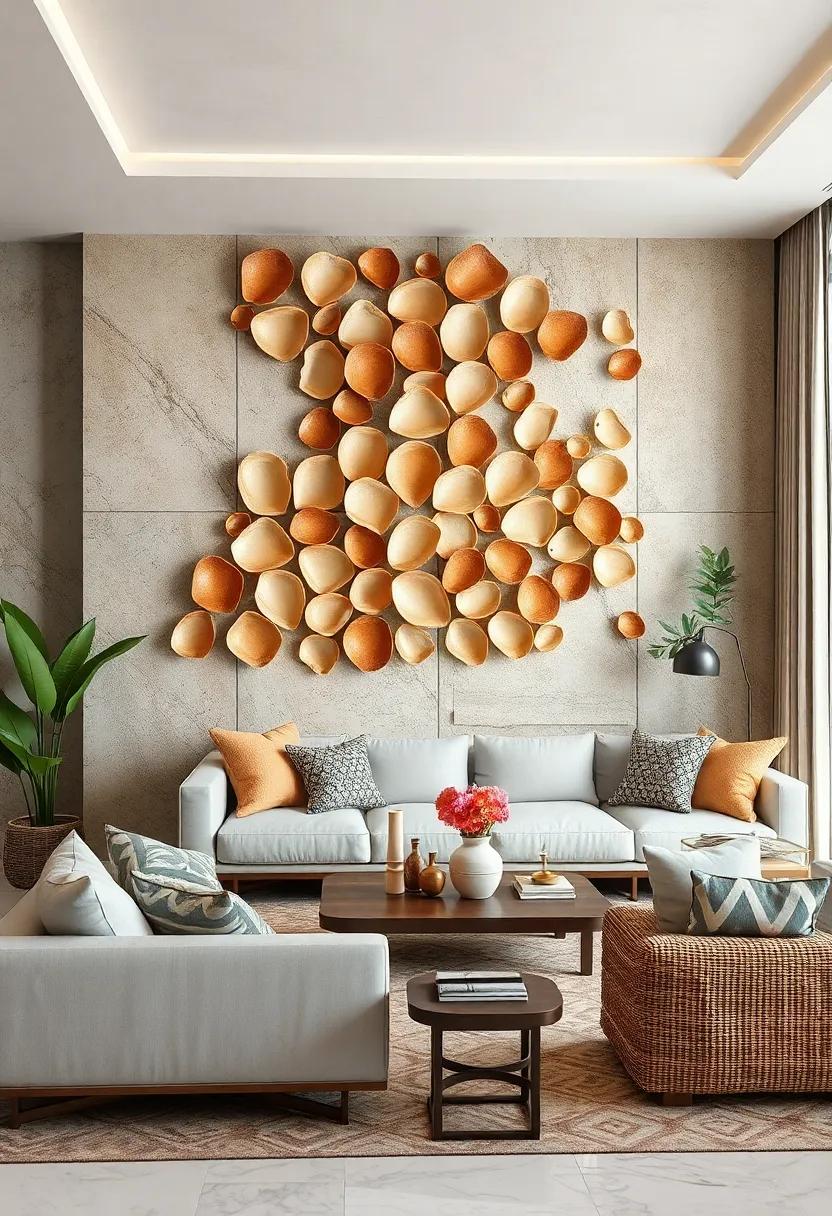
Transforming discarded coconut shells into exquisite decorative panels not only champions sustainability but also celebrates the organic beauty inherent in natural materials. Each panel showcases the intricate grain and unique patterns formed by the coconut shell’s surface, offering a tactile experience that connects interior spaces to the earth’s rhythms. The warm, rich hues ranging from deep browns to caramel tones add an inviting glow to any room, imbuing environments with a sense of calm sophistication and timeless charm. This marriage of texture and tone provides designers and homeowners alike with a versatile canvas for creative expression while honoring eco-conscious values.
These handcrafted panels bring more than aesthetic appeal; they encourage responsible consumption through an innovative reuse of what is often considered waste. The process involves skillful carving, polishing, and arranging to highlight the natural imperfections that make each piece distinctive. Below is an overview of the benefits that make these panels an exceptional choice for sustainable décor:
- Renewable Resource: Made from fast-regenerating coconut shells, reducing reliance on conventional wood.
- Natural Insulation: Provides subtle soundproofing and temperature regulation qualities.
- Biodegradable: At the end of life, the material returns harmlessly to the environment.
- Artisanal Craftsmanship: Supports local artisans and preserves traditional crafting techniques.
| Panel Feature | Natural Benefit |
|---|---|
| Rich Texture | Enhances visual depth and tactile appeal |
| Warm Tones | Creates cozy, welcoming spaces |
| Durability | Lasts through years of display and use |
| Unique Variations | No two panels are alike, celebrating individuality |
Flowing Abstract Forms Molded From Recycled Metal Scraps Offering Industrial-Eco Contrast For Walls
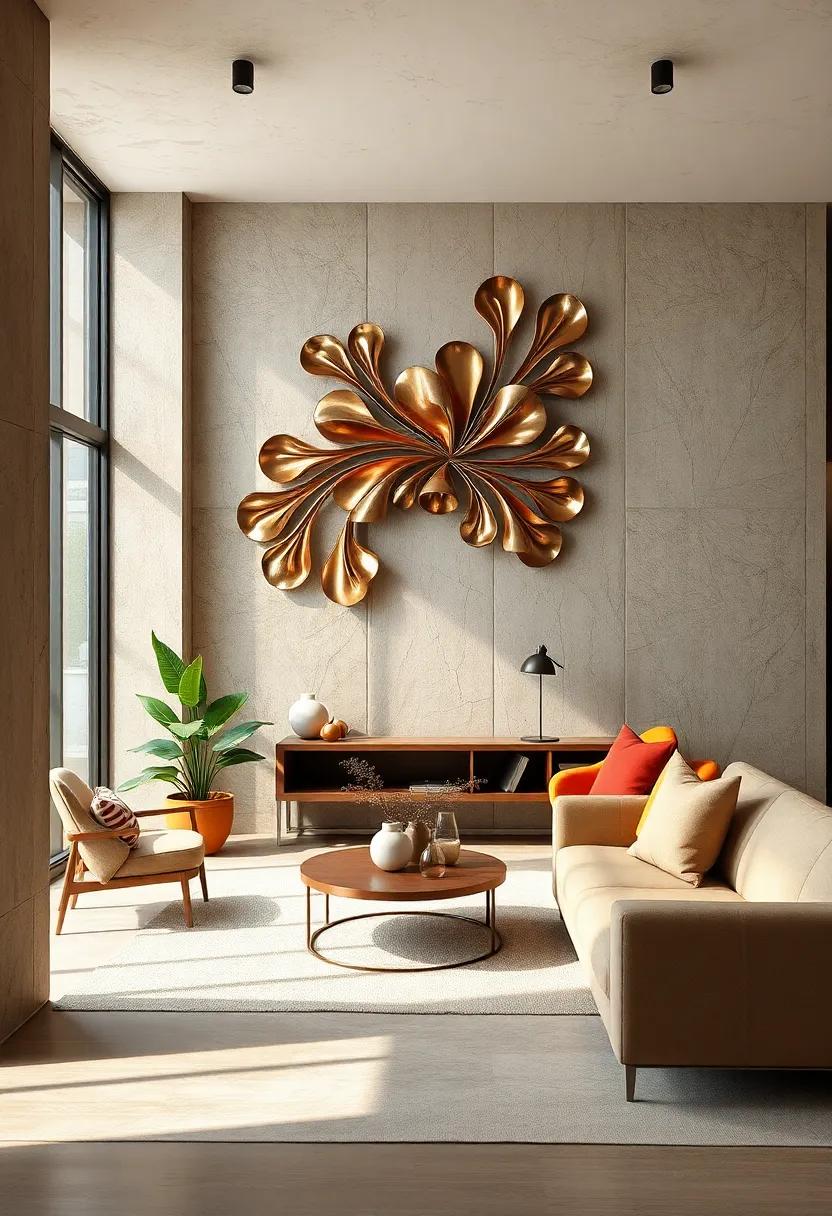
Transforming forgotten scraps of metal into mesmerizing wall sculptures redefines the boundaries between art and sustainability. Each piece boasts a unique, flowing design, where sharp industrial edges soften into organic curves, creating a compelling contrast that enriches any interior space. These forms invite the eye to dance across the interplay of light and shadow, showcasing a marriage of rugged texture and refined creativity. By reimagining metal remnants into fluid abstracts, artists breathe new life into materials that would otherwise be discarded, making every installation a statement of conscious craftsmanship.
Beyond their visual allure, these artworks serve as tactile reminders of eco-conscious living. Their production emphasizes minimal waste and the beauty of upcycling, demonstrating how durability meets design in unexpected ways. Whether mounted in modern lofts or cozy studios, the sculptures evoke a dialogue between industrial grit and natural grace, captivating audiences with both purpose and aesthetic. Embrace the transformative power of recycled materials with these handcrafted treasures that blend sustainability with sophisticated artistry.
- Materials: Recycled steel, copper, aluminum
- Techniques: Welding, forging, polishing
- Visual Effects: Fluid contours, oxidized patinas, layered textures
- Applications: Residential walls, commercial spaces, gallery exhibitions
Soft Pastel Murals Created With Earth-Derived Pigments To Complement Tranquil Interior Spaces
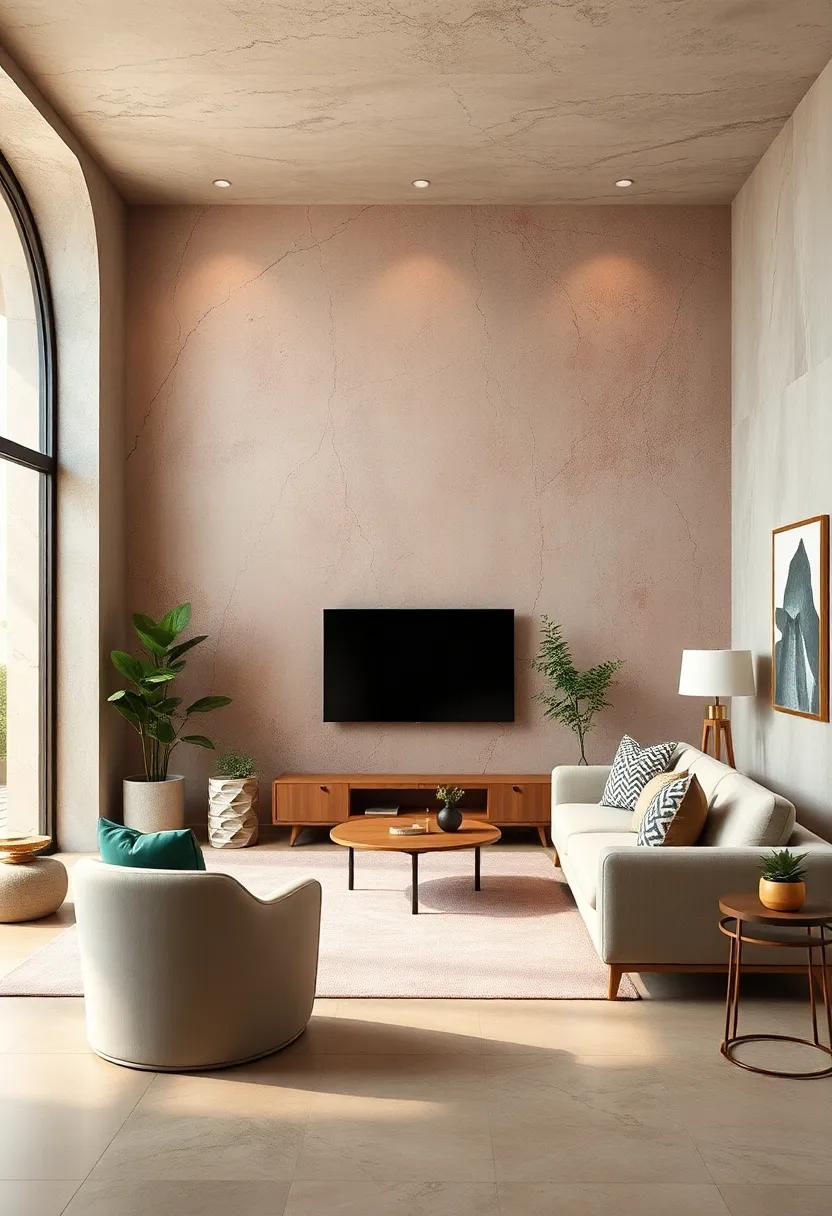
Infusing walls with gentle hues, these murals utilize pigments sourced directly from the earth-minerals, clays, and soil tones-each lending a unique texture and warmth that synthetic colors simply can’t replicate. The soft pastel palette transforms any room into a serene oasis, inviting calm and contemplation without overpowering the senses. These earth-derived pigments naturally integrate with light and shadow, creating dynamic layers that evolve throughout the day.
Benefits of using earth pigments for tranquil spaces:
- Non-toxic and allergen-friendly, promoting healthier indoor air quality
- Biodegradable and sustainably harvested, reducing environmental impact
- Subtle color variations add depth and authenticity to the artwork
- Easy to blend, allowing artists to craft seamless transitions and gradients
| Pigment Source | Typical Colors | Interior Atmosphere |
|---|---|---|
| Red Ochre Clay | Soft terracotta, rusty pinks | Warm and inviting |
| Yellow Sienna | Honeyed yellows, muted gold | Cheerful yet calming |
| Blue Clay | Dusty blues, soft grays | Cool and reflective |
Multidimensional Wall Art Using Layered Eco-Resins And Natural Fibers For A Contemporary Organic Feel
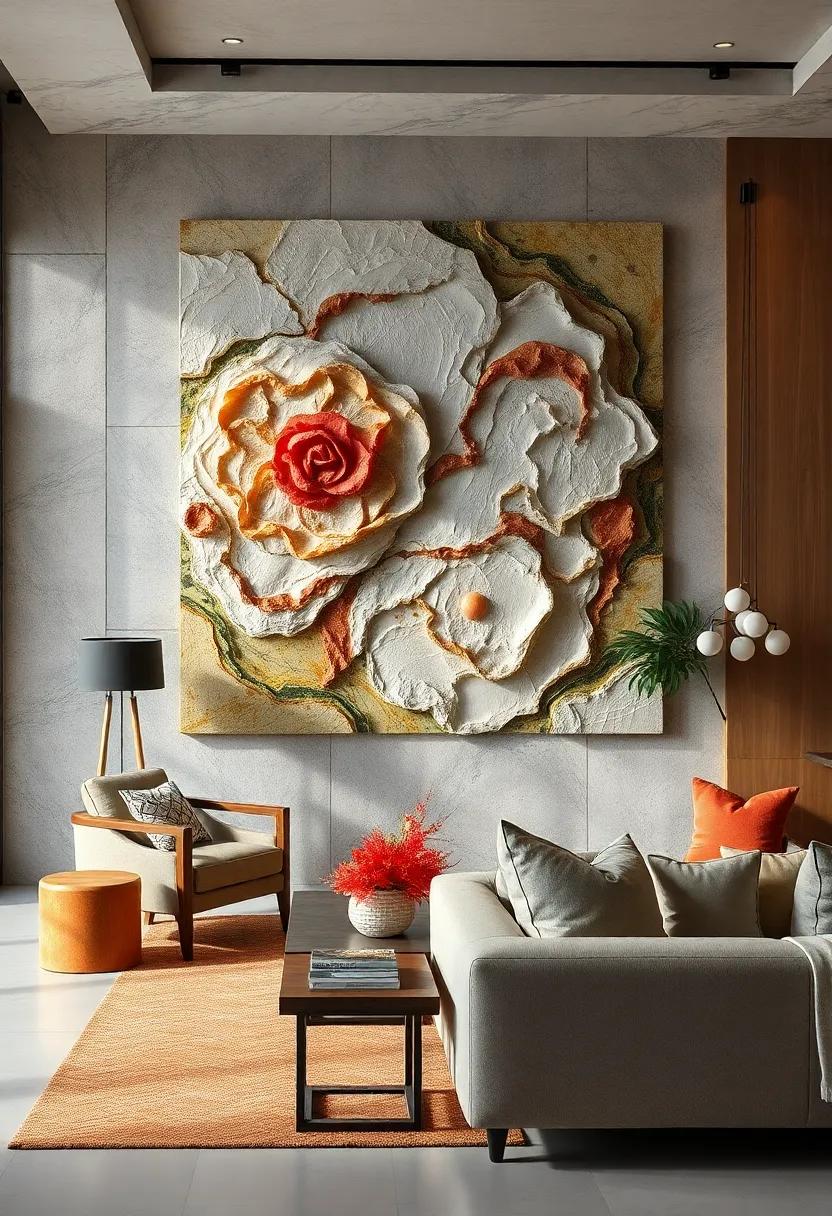
Creating art that seamlessly blends depth and texture starts with the innovative use of layered eco-resins combined with carefully selected natural fibers. These materials, sourced sustainably, offer not only visual intrigue but also a tactile richness that invites viewers to experience the piece on multiple sensory levels. By pouring successive transparent resin layers embedded with delicate fibers such as jute, hemp, or linen, artists achieve a multidimensional effect that captures light differently throughout the day, producing a living artwork that evolves with its environment.
Key Material Benefits:
- Eco-Resins: Biodegradable, low-toxicity alternatives to traditional resin, offering clarity and durability.
- Natural Fibers: Provide organic texture and warmth, enhancing the depth and complexity of each layer.
- Sustainable Sourcing: Supports environmental responsibility while ensuring unique aesthetic qualities.
| Material | Texture Quality | Environmental Impact |
|---|---|---|
| Eco-Resin | Glossy, glass-like finish | Biodegradable, low VOC emissions |
| Jute Fiber | Coarse, rustic feel | Renewable, biodegradable |
| Hemp Fiber | Smooth with slight roughness | Fast-growing, minimal pesticides |
Whimsical Animal Silhouettes Cut From Upcycled Cardboard Bringing Playfulness With Eco-Conscious Materials
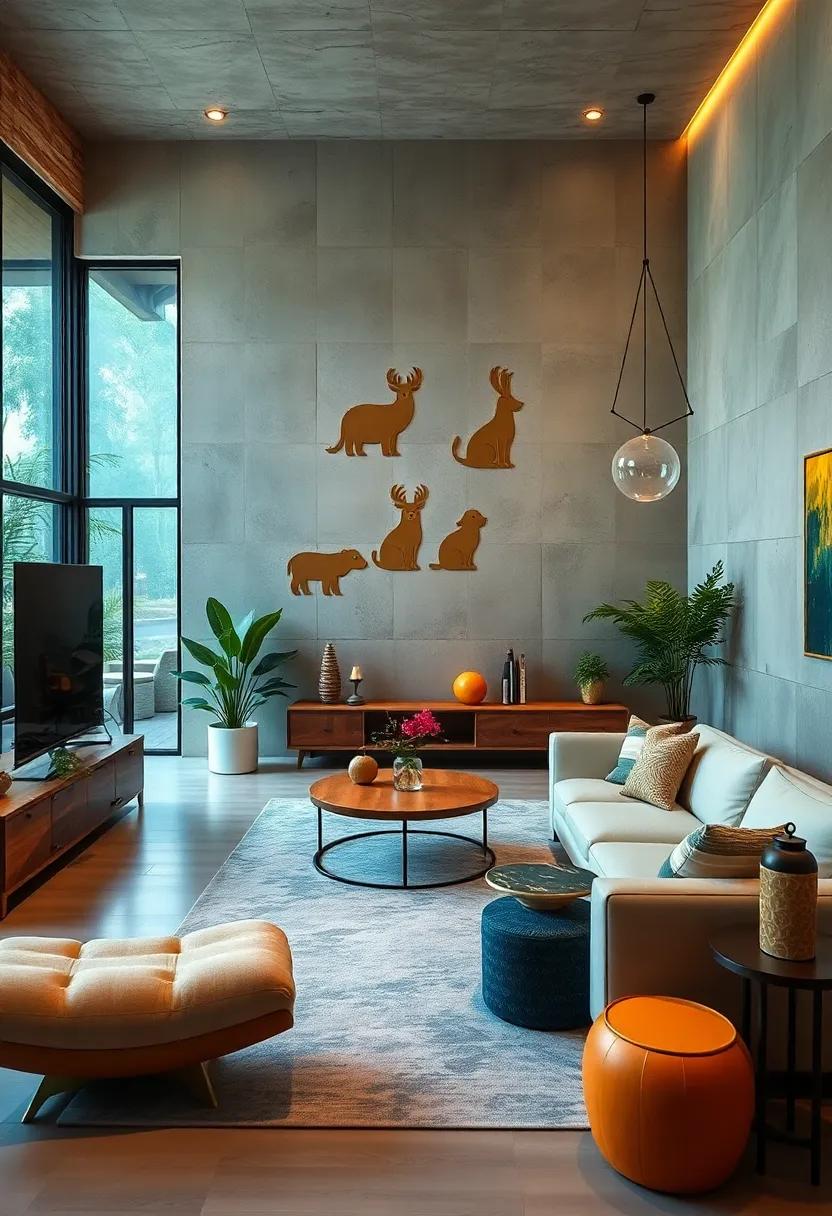
Transform everyday discarded materials into enchanting décor by shaping vibrant animal silhouettes from upcycled cardboard. Each piece captures the playful essence of wildlife, breathing life into your walls with distinct, eco-conscious charm. The lightness of cardboard allows for imaginative layering and intricate detailing, while its earthy texture adds depth and warmth to any space, fostering a connection between sustainable creativity and whimsical design.
Beyond their visual appeal, these handcrafted figures highlight a commitment to reducing waste by repurposing materials that would otherwise be forgotten. Ideal for nurseries, classrooms, or cozy corners, they serve as inspiring reminders of nature’s beauty and the importance of mindful consumption. Whether hung singularly or combined in a themed assemblage, these silhouettes create dynamic, joyous environments that celebrate both artistry and environmental responsibility.
- Material: Reclaimed cardboard, non-toxic paints
- Designs: Birds, rabbits, foxes, woodland creatures
- Finish: Matte natural edges, hand-painted details
- Suitability: Indoor use, lightweight hanging
Natural Fiber Tapestries Featuring Botanical Motifs And Hand-Dyed Yarns For Sustainable Wall Focal Points
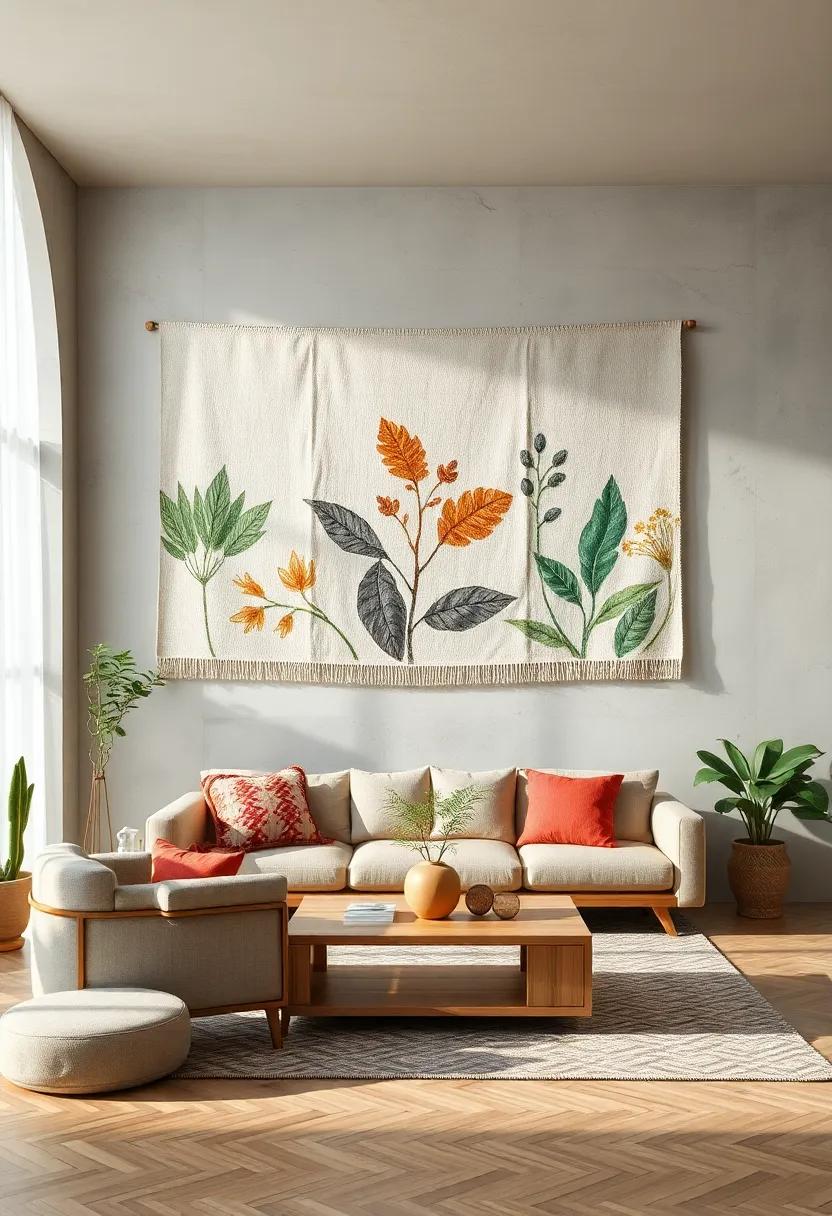
Elevate your living space with eco-conscious artistry that speaks of nature’s own rhythms and hues. Utilizing natural fibers such as organic cotton, hemp, and linen, these tapestries are carefully woven by artisans who infuse each thread with intention and care. The botanical motifs-ranging from delicate ferns to lush tropical leaves-serve as timeless emblems of the earth’s resilience and beauty. Through hand-dyed yarns made from plant-based dyes, every piece is uniquely imbued with gentle, earthy tones that avoid harsh chemicals, making each wall hanging a safe and sustainable focal point.
Beyond aesthetic appeal, embracing these sustainable tapestries contributes to a thoughtful lifestyle grounded in mindful consumption. Their durability and natural breathability ensure longevity and freshness in your décor, while supporting environmentally friendly dyeing processes minimizes water waste and toxic runoff. Consider integrating these elements into your home with a harmonious balance:
- Hand-dyed yarns: Crafted with indigo, madder root, and cochineal for vivid yet soft shades.
- Botanical inspiration: Themes inspired by native plants and seasonal flora.
- Low-impact weaving: Techniques that reduce energy consumption and fiber waste.
| Material | Eco-Benefit | Typical Use |
|---|---|---|
| Organic Cotton | Reduced pesticides, biodegradable | Base fabric for soft texture |
| Hemp | Fast-growing, requires less water | Strong, durable fiber for structure |
| Linen (Flax) | Minimal chemical use, compostable | Light, breathable fiber with natural sheen |
Harmonious Color Blocks Painted With Low Impact Paints On Reclaimed Wood For Balanced Wall Aesthetics
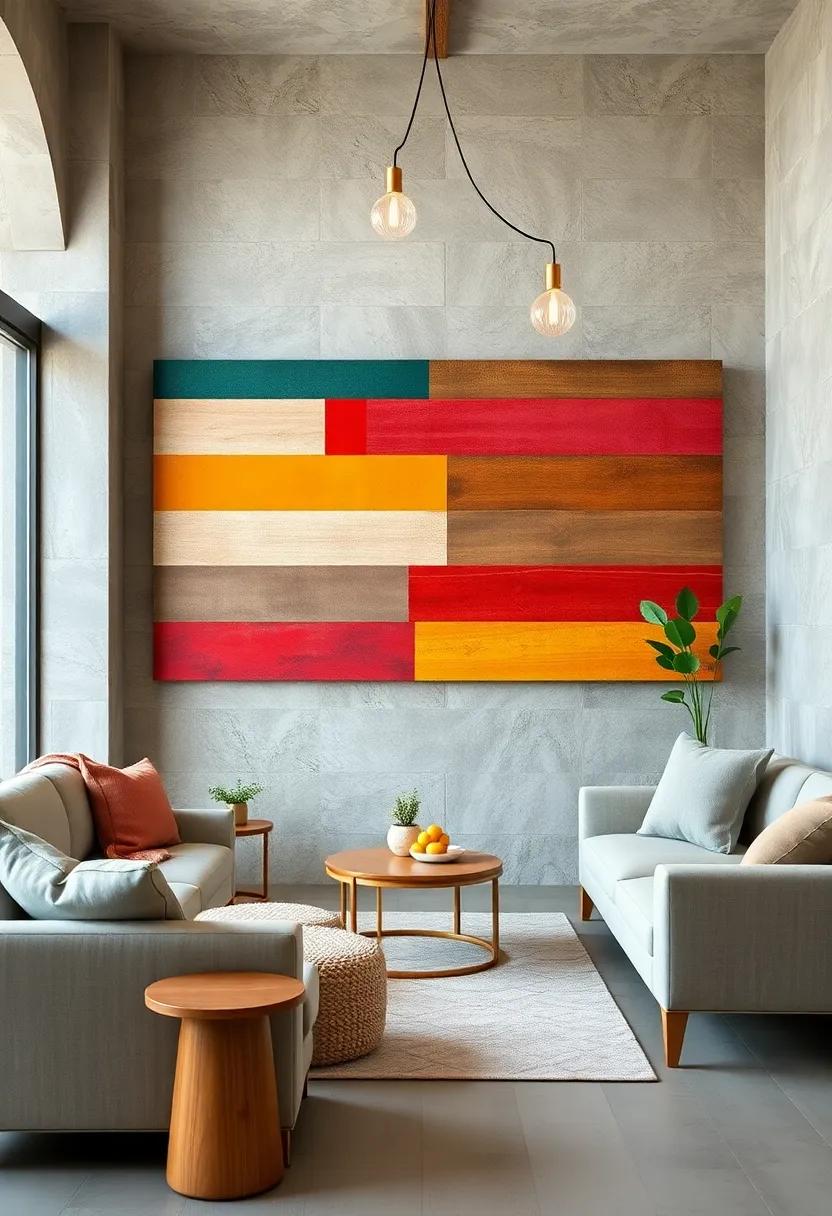
Using low impact paints on reclaimed wood transforms ordinary surfaces into canvases of mindful artistry. The subtle interplay of colors, carefully curated and applied in geometric blocks, invites a sense of calm and balance to any space. These pigments, derived from natural and non-toxic materials, not only reduce environmental harm but also ensure longevity in the vibrancy of your wall art. The tactile grain of reclaimed wood beneath the layers of eco-friendly paint tells a story-of history, sustainability, and a commitment to conscious creativity.
Integrating sustainable materials into your decor doesn’t have to compromise aesthetic appeal. Consider the following benefits when choosing harmonious color blocks on reclaimed wood:
- Environmental stewardship: Reduces waste by repurposing wood and lowering chemical emissions.
- Artistic texture: The natural imperfections of aged wood add depth and character.
- Visual equilibrium: Thoughtfully arranged color blocks foster a serene atmosphere.
- Versatility: Complements minimalist, rustic, or modern interiors with ease.
| Paint Type | Eco Attributes | Common Colors |
|---|---|---|
| Clay-Based | Biodegradable, Low VOC | Earthy Reds, Soft Browns |
| Milk Paint | Non-toxic, Natural Ingredients | Pastel Blues, Warm Yellows |
| Plant-Based | Renewable Sources, Low Carbon Footprint | Vibrant Greens, Deep Blues |
Key Takeaways
As the colors of creativity blend with the textures of sustainability, crafting beauty through eco-friendly wall art emerges not just as a trend, but as a mindful movement. Each piece tells a story-not only of artistic vision but of respect for the planet that inspires it. By choosing sustainable materials, artists and enthusiasts alike contribute to a future where beauty flourishes in harmony with nature. In embracing this thoughtful approach, wall art becomes more than decoration; it transforms into a testament to responsible creativity and enduring elegance.