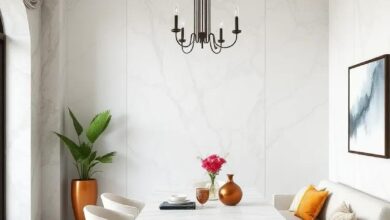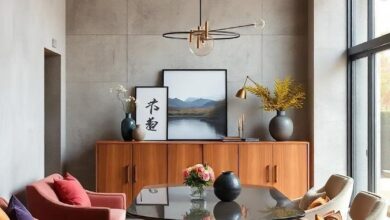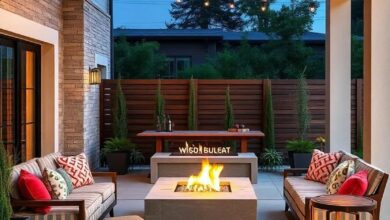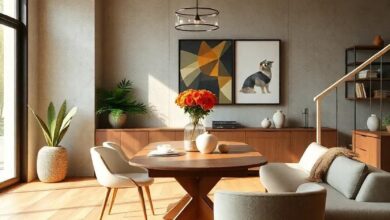
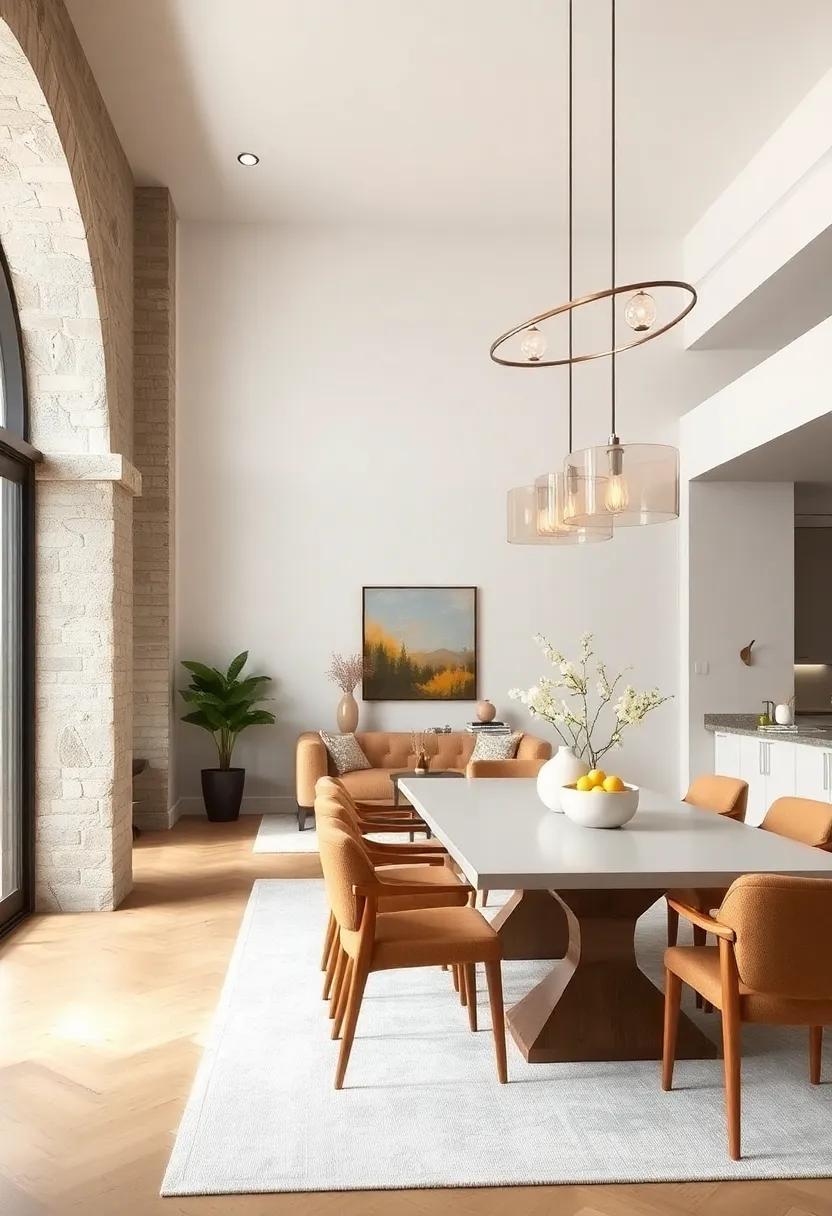
In the ever-evolving world of interior design, the dining room stands as a space where tradition meets contemporary flair-a place where memories are savored and new moments are created. Blending timeless elegance with modern sensibilities, transitional dining room styles offer a harmonious balance that appeals to a wide range of tastes. This guide explores how to seamlessly merge classic elements with current trends, creating a welcoming environment that is both enduring and fresh. Whether you favor the warmth of vintage wood or the sleekness of minimalist décor, embracing the transitional style unlocks endless possibilities for a dining space that feels uniquely yours.
Blending Classic Architectural Details With Sleek Contemporary Furniture For A Harmonious Dining Space
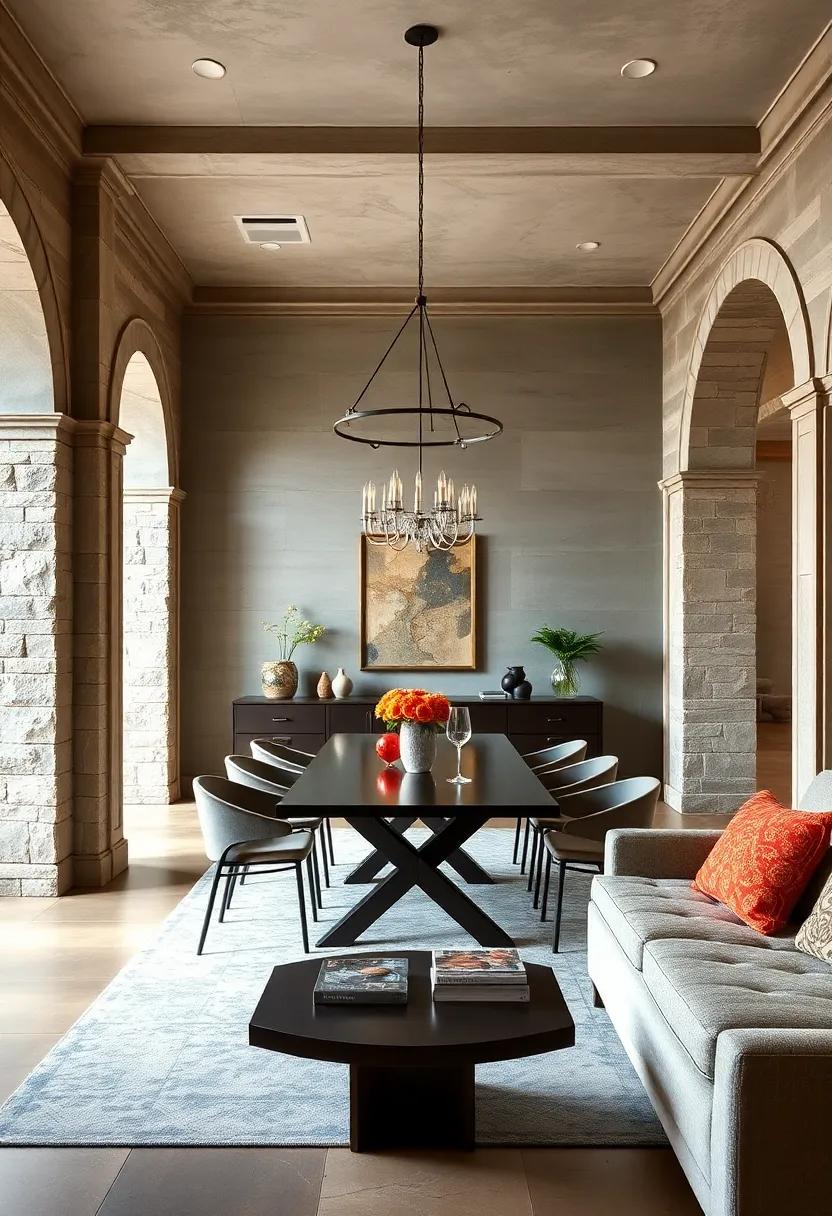
Striking the perfect balance between vintage charm and modern sleekness, a dining space can achieve an inviting and dynamic ambiance by combining ornate moldings, wainscoting, or ceiling medallions with minimalist furniture designs. Classic architectural details offer texture and historical depth, while contemporary furniture introduces clean lines and functionality, cultivating a refined yet approachable environment. Think of a dining table with a sculptural metal base paired with traditional upholstered chairs featuring subtle tufting-a dialogue between eras that invites conversation and comfort alike.
When orchestrating this blend, consider these key elements to maintain harmony:
- Color Coordination: Use a neutral palette enhanced with occasional warm woods or metallic accents to unify both styles effortlessly.
- Material Contrast: Marry rich textures like carved wood or plasterwork with smooth finishes such as glass, lacquer, or polished metal.
- Scale and Proportion: Balance oversized contemporary pieces with delicate classical details to avoid visual competition and keep the room well-proportioned.
Illuminating The Dining Room With A Mix Of Vintage Chandeliers And Modern Pendant Lights For Visual Contrast
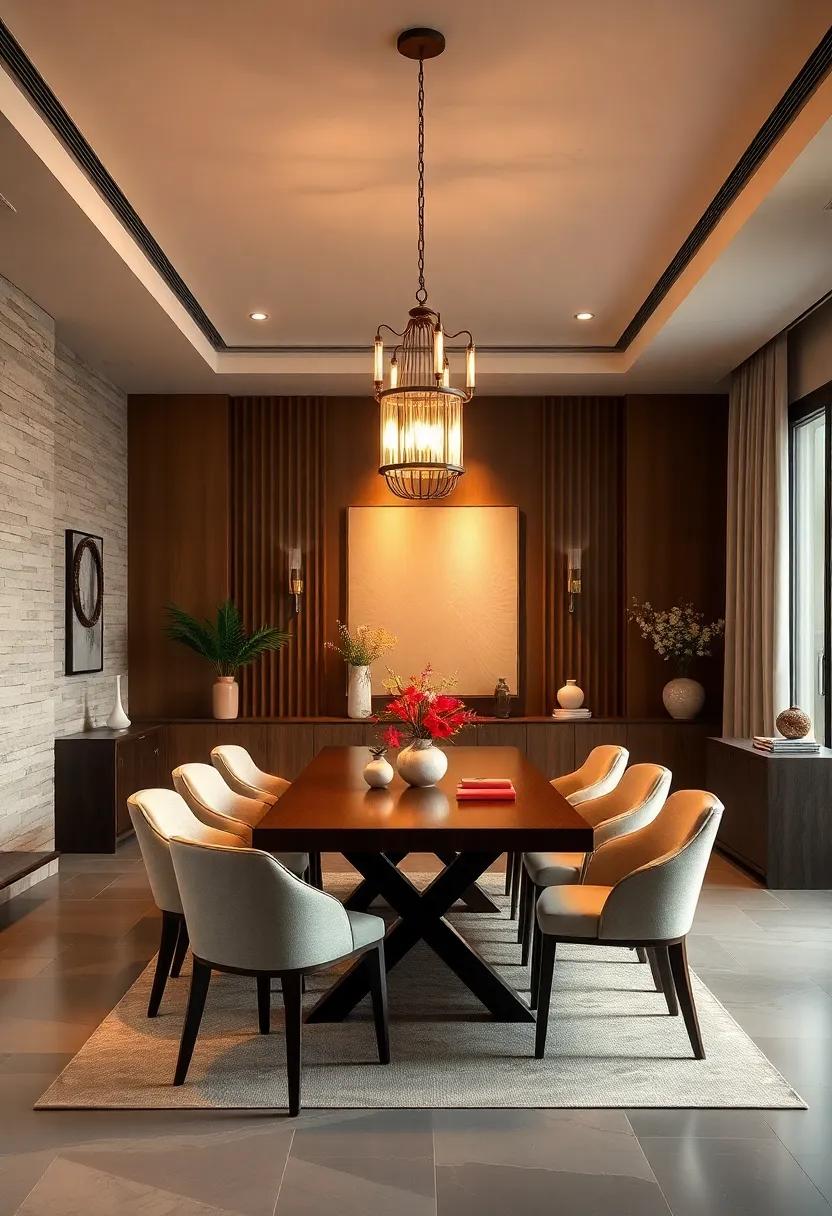
Mastering illumination in your dining space involves balancing the charm of vintage chandeliers with the sleek allure of modern pendant lights. Where antique fixtures boast ornate details and warm patinas, contemporary pendants bring crisp lines and minimalist elegance. This interplay generates a layered lighting narrative, enhancing both ambiance and aesthetic intrigue. Strategically positioning these elements-such as suspending a grand chandelier above the table’s center and flanking it with pendant clusters-ensures functional brightness while drawing attention to architectural highlights.
To maintain visual harmony amidst this blend, consider the following design pointers:
- Material Cohesion: Choose metals or finishes that echo each other subtly, like brushed brass paired with matte black.
- Scale Balance: Mix bold chandelier sizes with simpler, smaller pendants to avoid overcrowding the ceiling plane.
- Light Temperature: Opt for warm to neutral bulbs to unite disparate styles under a calming glow.
| Element | Vintage Chandeliers | Modern Pendants |
|---|---|---|
| Visual Impact | Ornate, focal centerpiece | Subtle, accent lighting |
| Material | Crystal, brass, wrought iron | Metal, glass, matte finishes |
| Lighting Style | Diffused, warm glow | Direct or ambient focus |
Combining Rich Wood Tones And Matte Finishes To Create Depth And Warmth In Transitional Dining Interiors
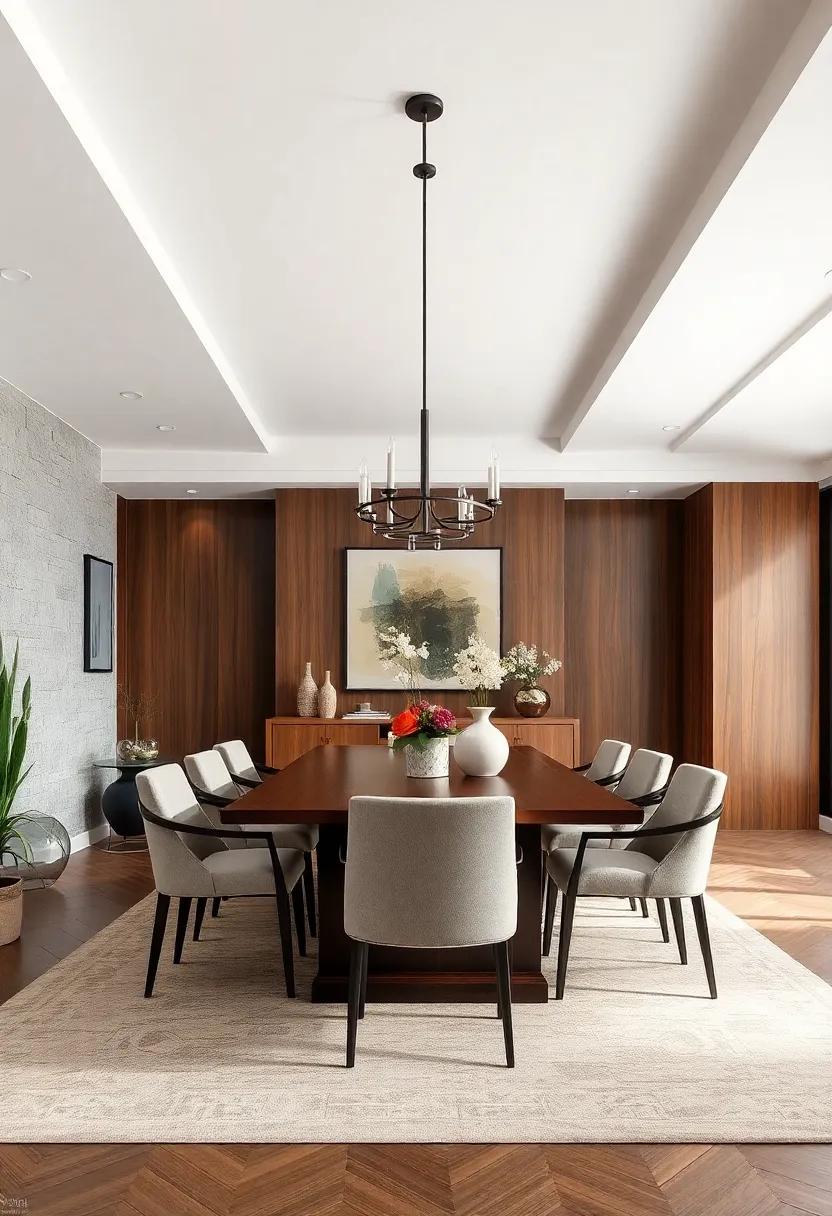
Achieving the perfect balance between warmth and sophistication in a transitional dining room relies heavily on the thoughtful interplay of textures and tones. Rich wood hues, such as walnut, cherry, or mahogany, bring an inviting depth indoors, while matte finishes soften their natural luster to avoid overpowering the space. This combination allows furniture and architectural details to shine without competing for attention, creating a feeling of understated elegance. Incorporate statement pieces like a solid wood dining table paired with matte-finished chairs to maintain visual interest while enhancing tactile comfort.
For those seeking guidance on blending these elements seamlessly, consider the following techniques:
- Contrast layering: Pair darker wood tones with lighter matte upholstery to create balance.
- Mixed materials: Integrate matte metal accents or matte-painted cabinetry for added texture diversity.
- Soft lighting: Use warm, matte lampshades or diffused pendants to amplify the richness of wood tones.
| Wood Type | Ideal Matte Finish | Effect |
|---|---|---|
| Walnut | Soft Black Matte | Adds modern contrast |
| Cherry | Warm Cream Matte | Softens rich red undertones |
| Mahogany | Muted Gray Matte | Balances intensity with subtlety |
Integrating Soft Neutral Palettes With Bold Accent Colors To Enhance The Transitional Dining Room Ambiance
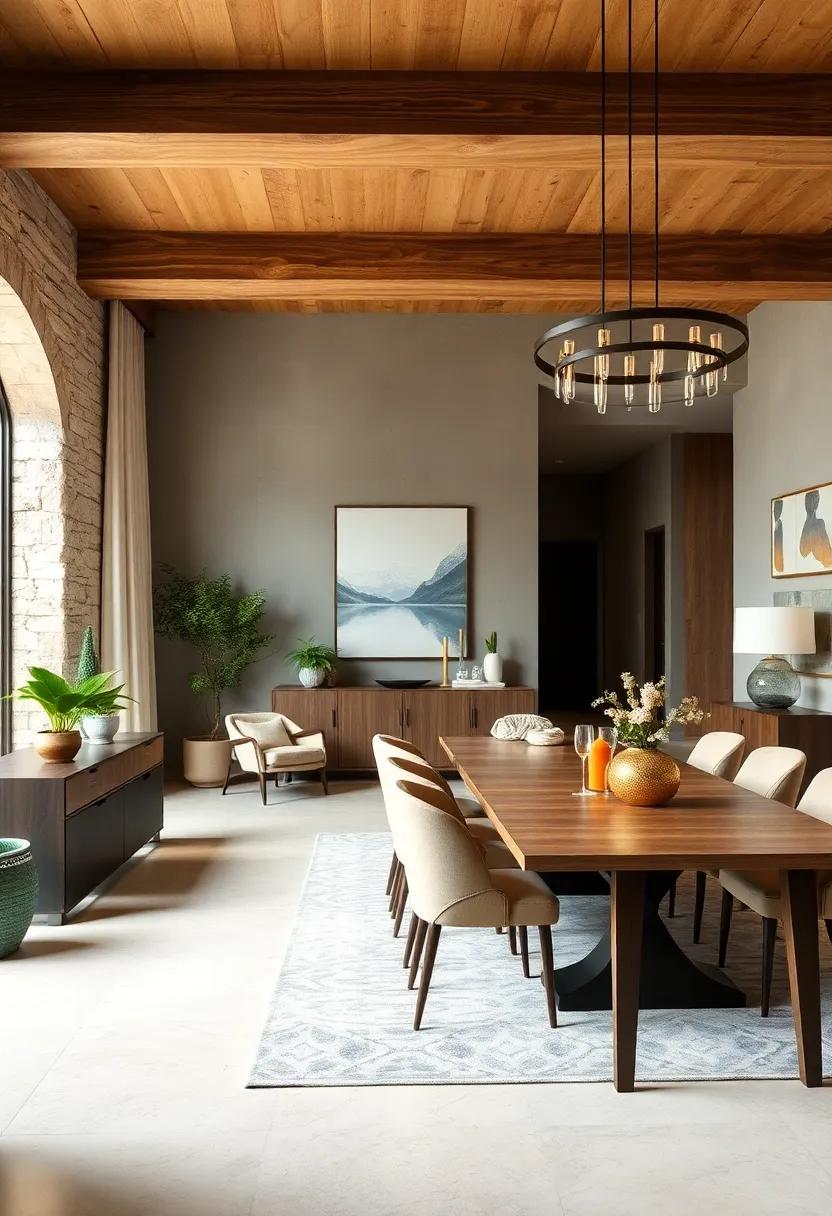
Soft neutral palettes form the backbone of a serene and inviting transitional dining room, creating a subtle canvas that allows bolder accent colors to shine without overwhelming the space. Consider shades like warm taupe, gentle greige, or delicate ivory as your foundational hues. These tones not only enhance natural light but also provide a versatile backdrop that harmonizes effortlessly with both classic and contemporary furnishings. When integrated thoughtfully, these neutrals evoke a timeless calmness that feels both cozy and refined.
Injecting bold accents such as navy, emerald green, or vibrant mustard introduces dynamic energy and focal interest to the environment. These colors can be woven in through textiles, statement art pieces, or decor elements, offering layers of personality and dimension. To strike the perfect balance, use bold accents sparingly-perhaps a richly colored rug beneath the dining table or eye-catching cushions on the chairs. Key techniques to consider include:
- Contrast and Balance: Pair tall, dark-hued pendant lights with soft, neutral walls to ground the space.
- Texture Play: Incorporate plush fabrics or glossy finishes in accent colors to add tactile richness.
- Repeating Accents: Use your bold color in multiple, smaller decor items to maintain cohesion without overwhelming.
| Neutral Base | Bold Accent | Decor Suggestions |
|---|---|---|
| Warm Taupe | Emerald Green | Velvet dining chairs, ceramic vases |
| Soft Ivory | Navy Blue | Area rugs, pendant lighting |
| Greige | Mustard Yellow | Table linens, artwork |
Showcasing Upholstered Chairs With Traditional Silhouettes Paired With Minimalist Table Designs
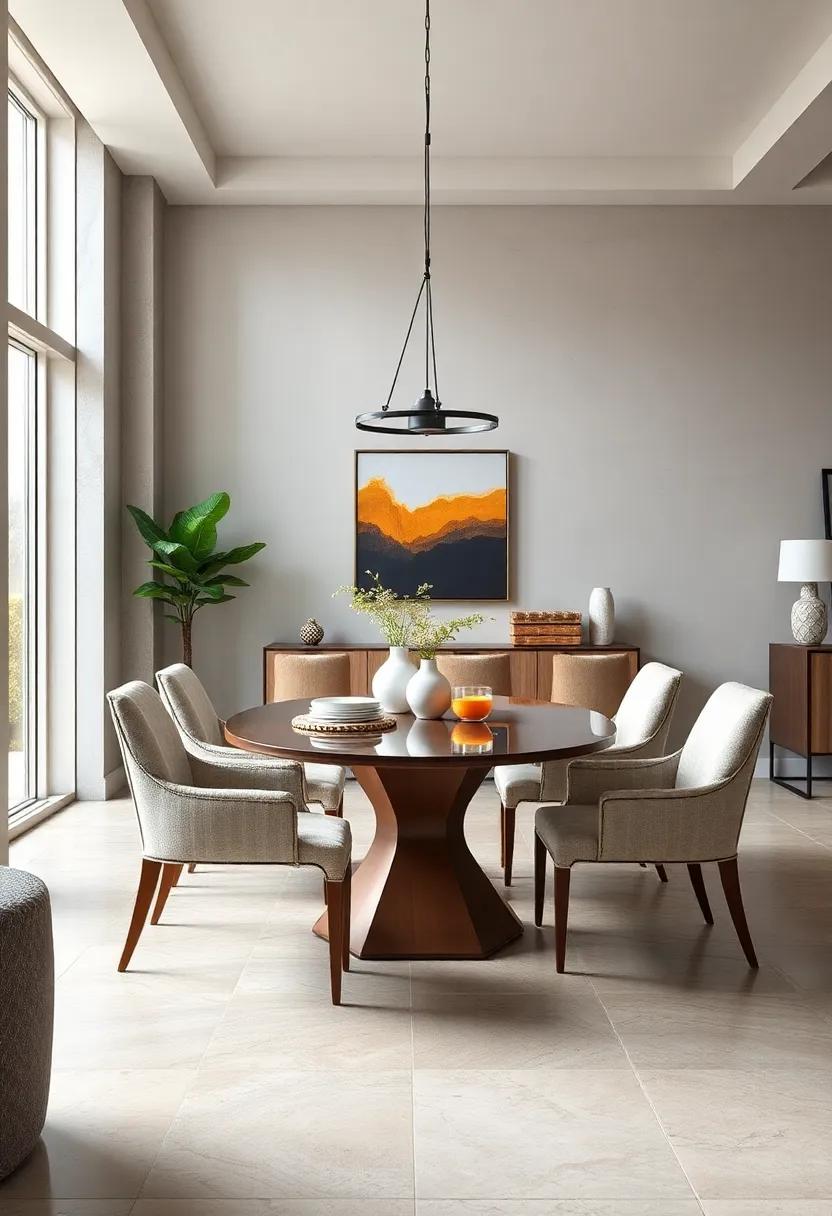
Marrying the elegance of upholstered chairs with their classic contours to the sleek simplicity of minimalist tables creates a stunning dialogue between past and present. These chairs, often adorned with tufted backs, rolled arms, and richly textured fabrics, bring a sense of warmth and character that grounds any dining space. In contrast, the minimalist tables-defined by clean lines, muted color palettes, and slender legs-offer a refreshing backdrop that prevents the room from feeling overly ornate. This balance highlights the beauty in both worlds, allowing each piece to shine without overpowering the ensemble.
When curating this look, consider these styling tips to maximize impact:
- Contrast textures: Pair velvety or linen-upholstered chairs with smooth, matte-finished tables to enhance tactile interest.
- Play with proportions: Opt for chairs with elaborate silhouettes but keep the table low-profile to maintain visual harmony.
- Neutral tones with pops of color: Use neutral upholstery on chairs and introduce subtle color accents in table décor or chair cushions.
| Upholstered Chair Features | Minimalist Table Traits |
|---|---|
| Button tufting, carved legs | Unadorned surface, metal or wood legs |
| Soft curves, plush cushioning | Linear geometry, light finishes |
| Rich fabrics like velvet or leather | Neutral tones: white, black, gray, natural wood |
Balancing Ornate Decorative Molding With Clean Lines And Open Layouts In A Transitional Dining Setting
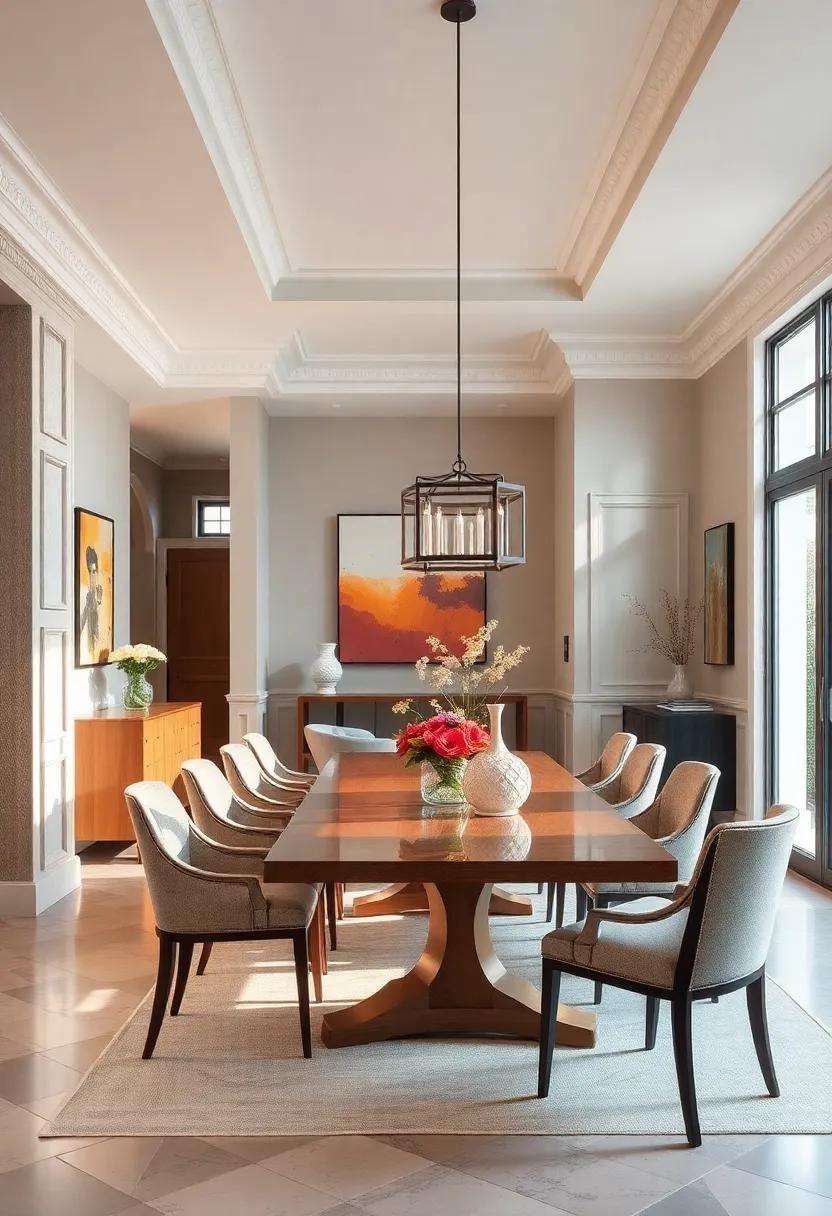
To create a harmonious transitional dining space, start by allowing ornate decorative molding to serve as an elegant frame within the room, rather than overwhelming it. The key is to pair these intricate details with crisp, clean lines found in furniture and architectural elements. Opt for sleek dining tables with smooth surfaces, minimalistic chairs, and subtle lighting fixtures that offer contrast and balance. This blend enhances the ornate molding by highlighting its craftsmanship while maintaining a fresh, uncluttered atmosphere that feels both timeless and inviting.
Consider these design tips to achieve the perfect balance:
- Neutral color palettes: Use soft whites, muted greys, or gentle taupes on walls and ceilings to let the molding stand out without competing against busy colors.
- Open layouts: Arrange furniture with ample space to breathe, preventing an overcrowded look and emphasizing openness.
- Textural contrast: Combine smooth, modern surfaces like glass or metal with the textured woodwork of the molding.
- Accent simplicity: Limit decorative accessories to a few statement pieces to maintain an airy feel.
| Element | Ornate Molding | Clean Lines |
|---|---|---|
| Material | Carved wood or plaster | Metal, glass, or lacquered finishes |
| Color | Classic cream or soft white | Monochrome or subtle tones |
| Pattern | Intricate, flowing designs | Geometric, straight edges |
Contrasting Antique Rugs With Geometric Patterns To Merge Classic And Modern Styles Underfoot
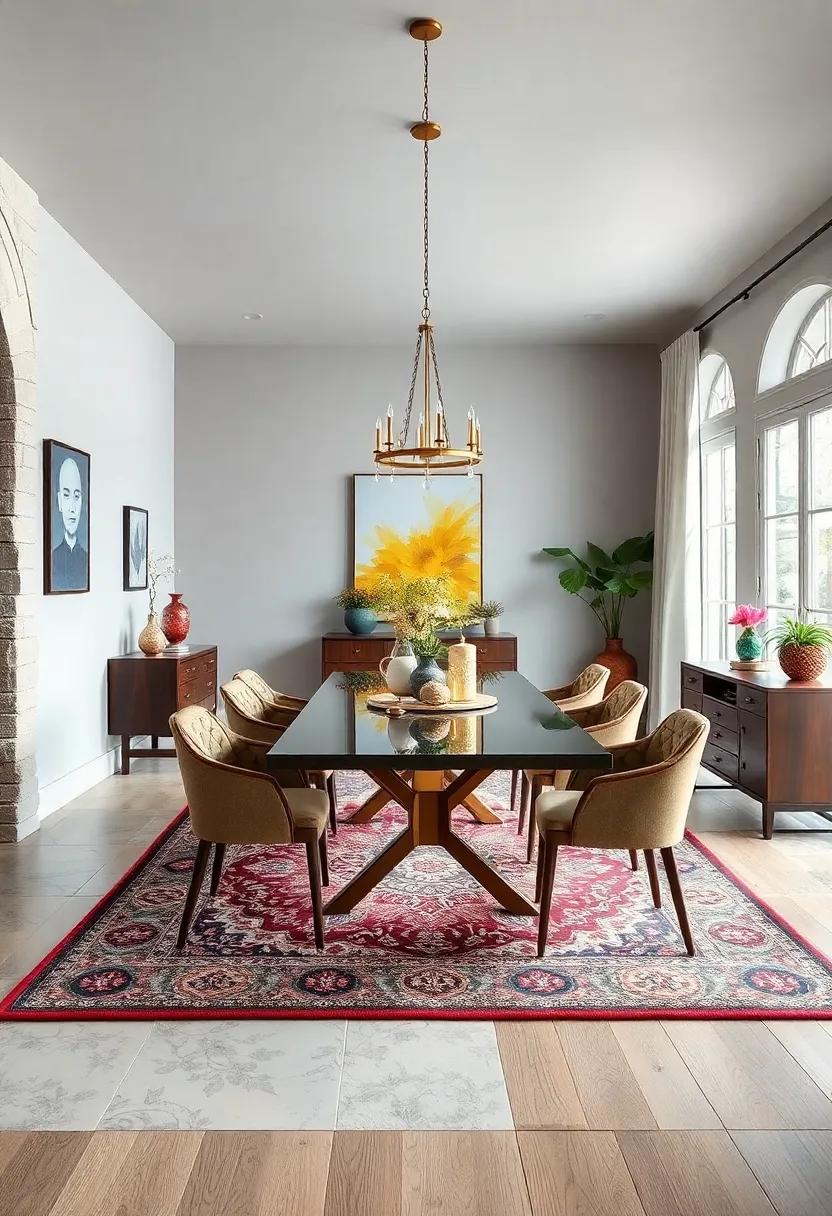
Balancing antique rugs with bold geometric patterns offers an unexpected yet harmonious foundation for transitional dining rooms. The intricate designs and rich, faded hues of vintage rugs bring a sense of history and warmth, while the sharp, clean lines of geometric motifs add a progressive edge. This pairing creates a dynamic tension beneath your feet that mirrors the essence of transitional style – blending old-world charm with contemporary flair. Consider layering a classic Persian or Oriental rug with a subtle overlay of a modern geometric runner to frame your dining space without overwhelming it.
When integrating these contrasting rugs, think about the color palette and scale of patterns to ensure balance and cohesion. For instance:
- Neutral bases: Antique rugs in beige, taupe, or muted reds complement geometric designs in monochrome or pastel tones.
- Pattern scale: Pair large-scale geometric prints with smaller, intricate antique motifs for visual interest without clutter.
- Material contrast: Combine the plush texture of a handwoven antique rug with the sleek, flat weave of geometric rugs to heighten tactile diversity.
| Style Element | Antique Rug | Geometric Rug |
|---|---|---|
| Dominant Feature | Floral and Curvilinear | Sharp Angles & Lines |
| Color Scheme | Earthy & Warm | Monochrome & Bold |
| Texture | Soft and Plush | Smooth and Flat |
By thoughtfully combining these elements underfoot, your dining room will subtly narrate a story of time-honoring tradition while embracing innovation, crafting an inviting space that feels both curated and fresh.
Arranging A Gallery Wall Featuring Both Classical Portraits And Abstract Modern Art To Bridge Eras
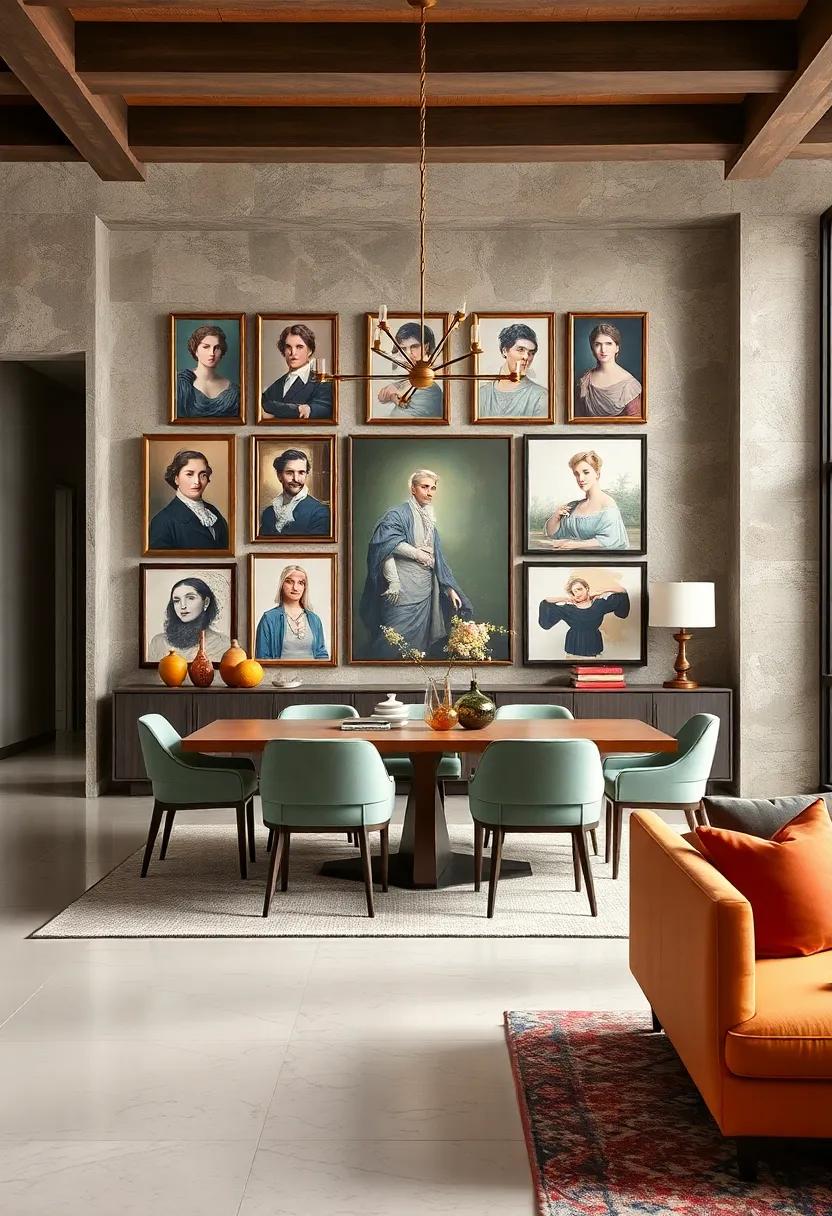
Creating a cohesive gallery wall that honors the elegance of classical portraits while celebrating the bold energy of abstract modern art requires a thoughtful balance. Start by selecting frames that unify the diverse styles-matte black or warm wood finishes often work seamlessly across eras. Position larger, statement pieces centrally to anchor the arrangement, while smaller, complementary works can be clustered around them to build rhythm. To keep the eye moving effortlessly, vary the spacing slightly but maintain an overall alignment grid that respects both the historical gravitas and contemporary flair.
Consider textures and color palettes that act as a visual bridge between the two genres. For instance, a traditional portrait’s muted tones can be energized by the vibrant hues of a nearby abstract, with neutral wall colors enhancing this dynamic dialogue. Incorporate accents such as a sleek console or classical sconces within the gallery’s proximity to further unify the space. The key principles to remember include:
- Frame consistency: Use similar frame styles or colors to maintain harmony
- Balance scale: Alternate between different artwork sizes for visual interest
- Color interplay: Engage complementary or neutral color schemes to tie pieces together
- Wall space utilization: Avoid overcrowding while creating layered depth
| Artwork Type | Suggested Frame | Palette Guidance |
|---|---|---|
| Classical Portrait | Ornate or Wood Frame | Muted earth tones, sepia |
| Abstract Modern Art | Sleek black or metallic frame | Bold colors, monochrome contrasts |
Pairing Vintage China Cabinets With Contemporary Bar Carts To Merge Storage And Style Seamlessly
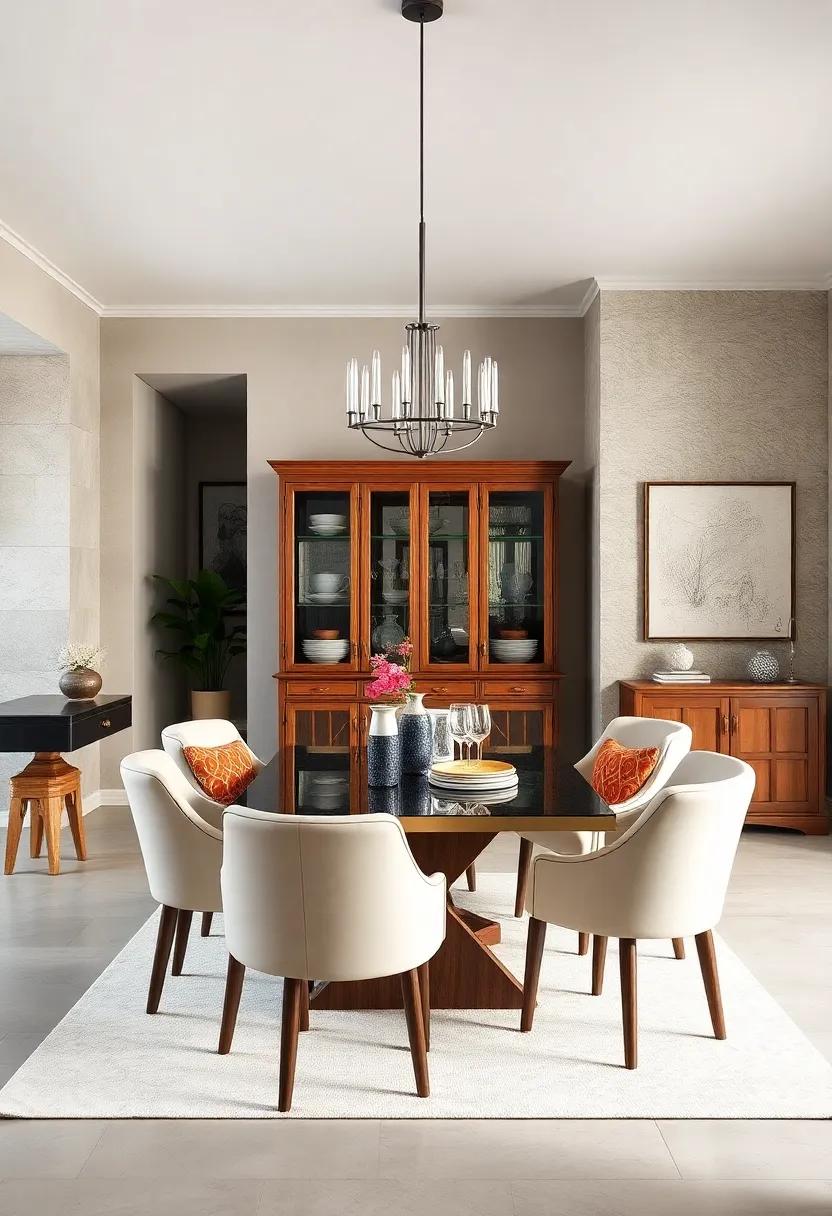
Combining the charm of vintage china cabinets with the sleek sophistication of contemporary bar carts creates a dynamic duo that redefines dining room storage. These cabinets, often rich with intricate woodwork and timeless finishes, serve as the perfect backdrop to showcase heirloom dishes and collectibles. Introducing a modern bar cart alongside brings functional elegance-its minimalistic design, metal frames, and glass surfaces offer a refreshing contrast that enlivens the space without overpowering it. This blend invites a playful tension between old and new, encouraging you to curate your dining area with both utility and aesthetics in mind.
To strike the right balance, consider these pairing tips for a seamless fusion:
- Color Coordination: Opt for bar carts in neutral or metallic tones that complement, rather than clash, with the cabinet’s finish.
- Height Harmony: Choose carts with a similar height range to create visual alignment and prevent one from overshadowing the other.
- Material Contrast: Pair warm wood grains with sleek metals or acrylics to emphasize the best of both worlds.
- Purposeful Styling: Use the bar cart for contemporary glassware or artisanal spirits, while the cabinet can house vintage ceramics or dining essentials.
| Feature | Vintage China Cabinet | Contemporary Bar Cart |
|---|---|---|
| Primary Material | Wood (Oak, Mahogany) | Metal, Glass |
| Design Focus | Ornate, Detailed | Minimalist, Sleek |
| Storage Type | Closed shelves/cabinets | Open shelving, mobile |
| Best Functionality | Display & Traditional Storage | Entertaining & Easy Access |
Infusing Natural Elements Like Fresh Flowers And Sculptural Plants To Enhance Transitional Dining Spaces
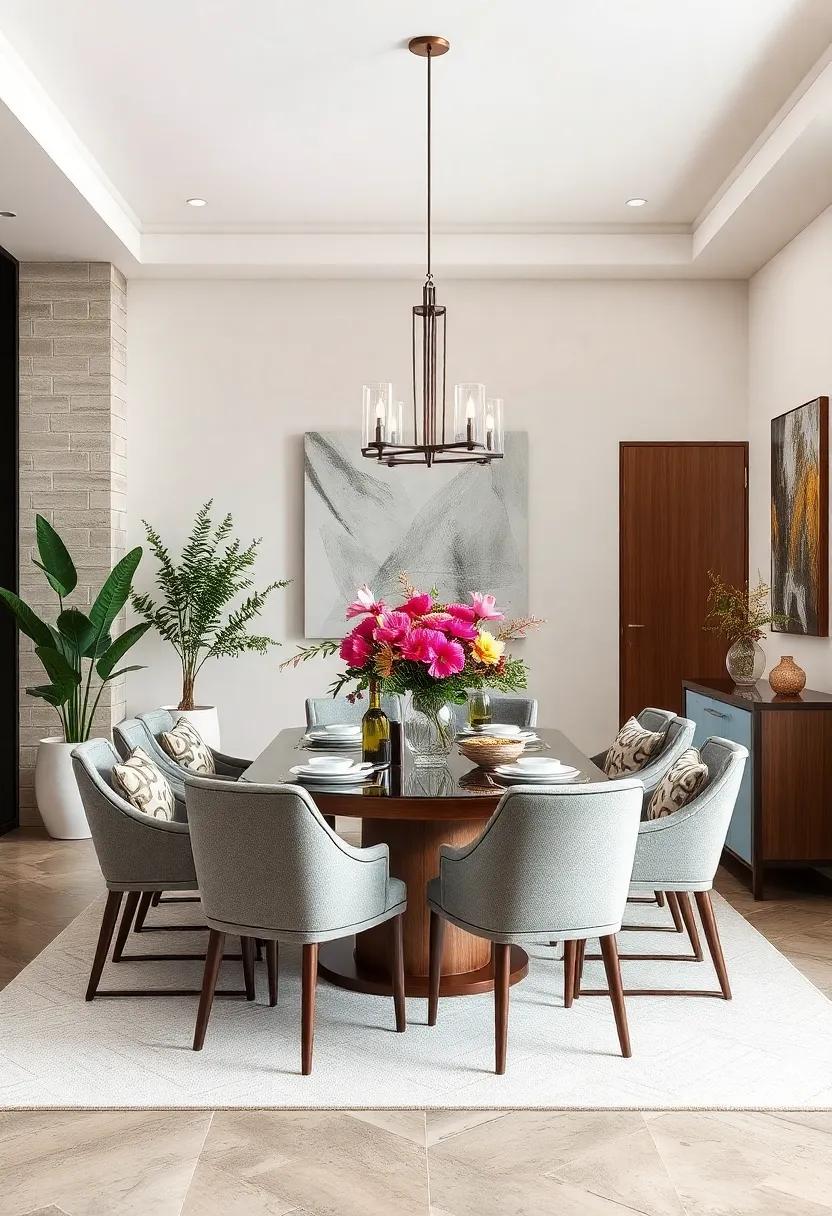
Introducing natural elements such as fresh flowers and sculptural plants into your transitional dining space creates an organic bridge between classic and contemporary aesthetics. These living accents, with their vibrant textures and colors, breathe life into the room while supporting a calming atmosphere. Consider placing a striking bouquet with seasonal blooms at the center of your dining table or arranging a collection of sculptural plants in minimalist, modern pots along sideboards or windowsills. Not only do these touches soften harder design lines, but they also add a dimension of tactile beauty that invites guests to linger and enjoy the space.
To thoughtfully balance nature within a transitional design, focus on variety and placement. Utilize plants with varying heights and shapes-tall fiddle leaf figs or snake plants paired with low-lying succulents can create visual interest without overwhelming the room. Here’s a quick guide to choosing and positioning your natural accents:
- Bold Centerpieces: Orchids or hydrangeas for elegance and softness on dining tables
- Textural Contrast: Ferns or monstera leaves in rustic or metallic planters
- Layered Groupings: Small potted herbs near windows for freshness and aroma
- Artful Symmetry: Matching plants on either side of a buffet or console for balanced appeal
Highlighting Textural Contrast Between Velvet Drapes And Smooth Lacquered Furniture Surfaces
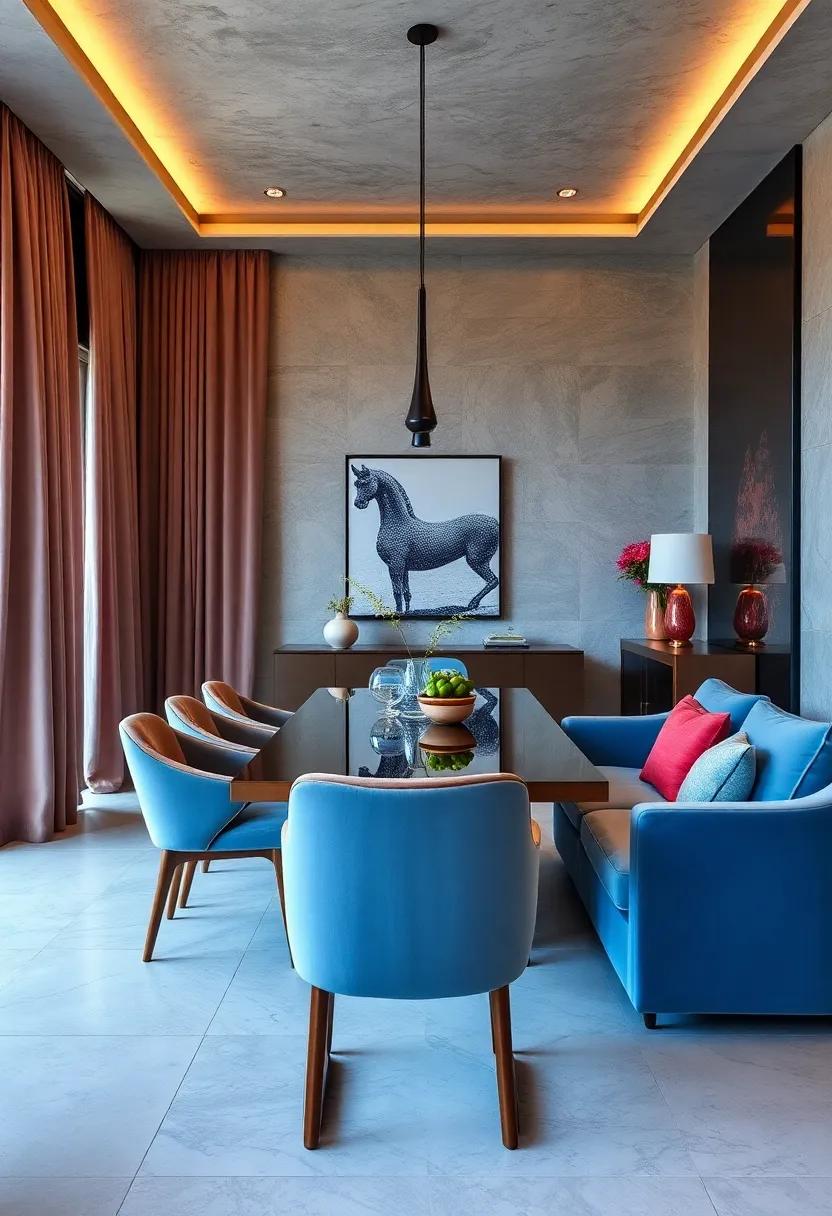
Incorporating texture into your dining room design offers a dynamic layer of interest that keeps the eye engaged and the space inviting. Velvet drapes, with their plush, tactile richness, provide a luxurious counterbalance to the sleek and glossy finishes of smooth lacquered furniture. This pairing creates an exquisite play on contrasts-soft versus hard, matte versus shiny, warm versus cool-that defines the transitional aesthetic. The velvet’s depth and warmth can soften the reflective surfaces, while lacquered pieces inject a contemporary edge, maintaining an elegant yet approachable ambiance.
Consider a curated approach when blending these textures. For example:
- Choose drapes in deep jewel tones to complement neutral lacquered tables or buffets.
- Balance heavy velvet curtains with streamlined lacquered chairs to prevent visual weight imbalance.
- Introduce subtle patterns or monochromatic velvet to avoid overpowering the clean lines of modern lacquer finishes.
| Texture Element | Ideal Color Schemes | Effect in Room |
|---|---|---|
| Velvet Drapes | Emerald, Navy, Charcoal | Add warmth and tactile softness |
| Lacquered Furniture | Glossy White, Black, Metallics | Introduce shine and modernity |
Selecting Tableware That Marries Fine Porcelain Elegance With Edgy Minimalist Forms For A Perfect Table Setting
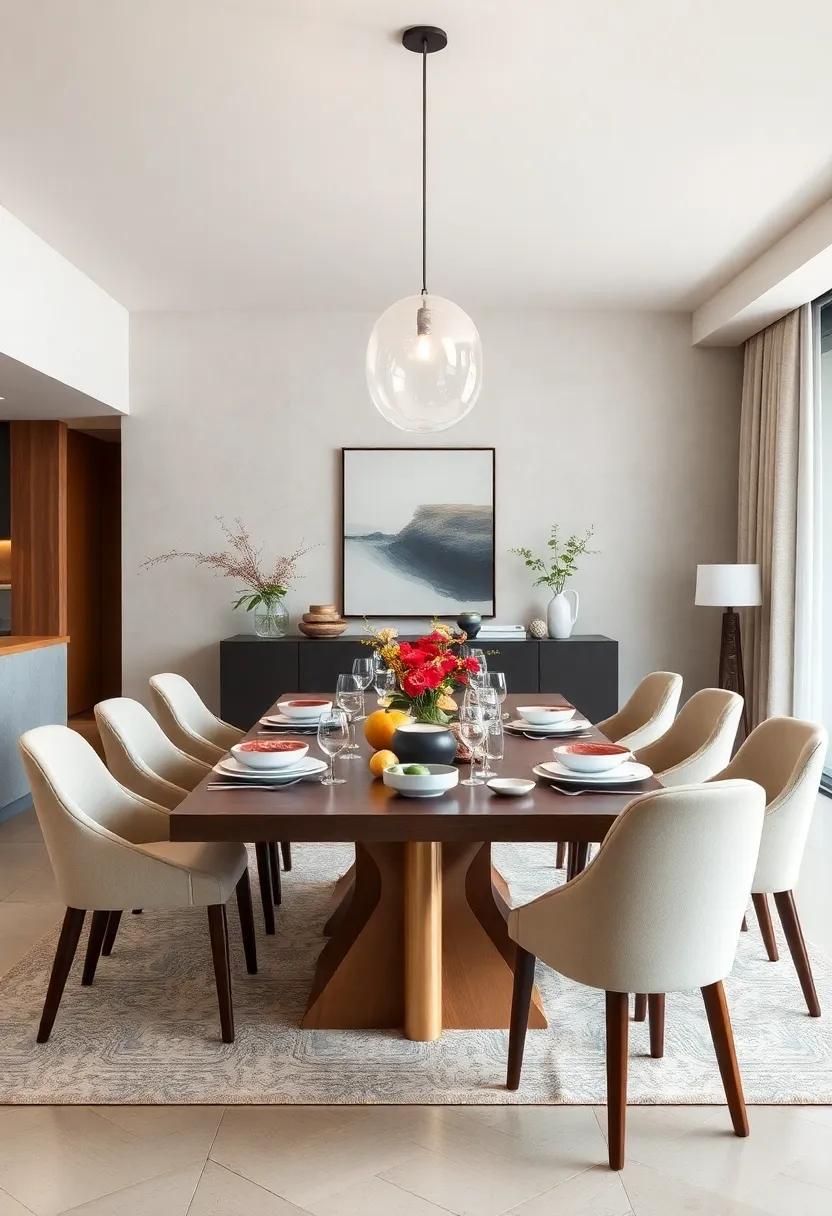
Choosing tableware that seamlessly combines the refined charm of fine porcelain with the bold simplicity of minimalist design elevates any dining experience. The interplay between ornate craftsmanship and sleek shapes ensures a dynamic visual appeal without overwhelming the table. When selecting pieces, look for those with clean lines and uncomplicated silhouettes, yet enhanced by subtle detailing like a delicate rim or slight textural contrast. This approach allows you to celebrate tradition while embracing contemporary aesthetics, grounding your setting in both elegance and modernity.
- Material Fusion: Porcelain with matte or brushed finishes for understated sophistication
- Geometric Shapes: Square or asymmetrical plates that defy convention but remain balanced
- Neutral Palettes: Soft whites, cool grays, or muted earth tones that harmonize effortlessly
- Functional Minimalism: Fewer pieces that serve multiple purposes, reducing clutter yet maximizing style
| Feature | Fine Porcelain Elegance | Edgy Minimalist Form |
|---|---|---|
| Texture | Glossy, smooth | Matte, tactile |
| Shape | Classic round or oval | Angular, geometric |
| Color | Crisp whites, soft blues | Neutral blacks, grays |
| Details | Subtle gilding, embossed patterns | Unadorned, pure forms |
Presenting A Fusion Of Traditional Crown Moldings With Exposed Industrial Elements To Create Visual Interest
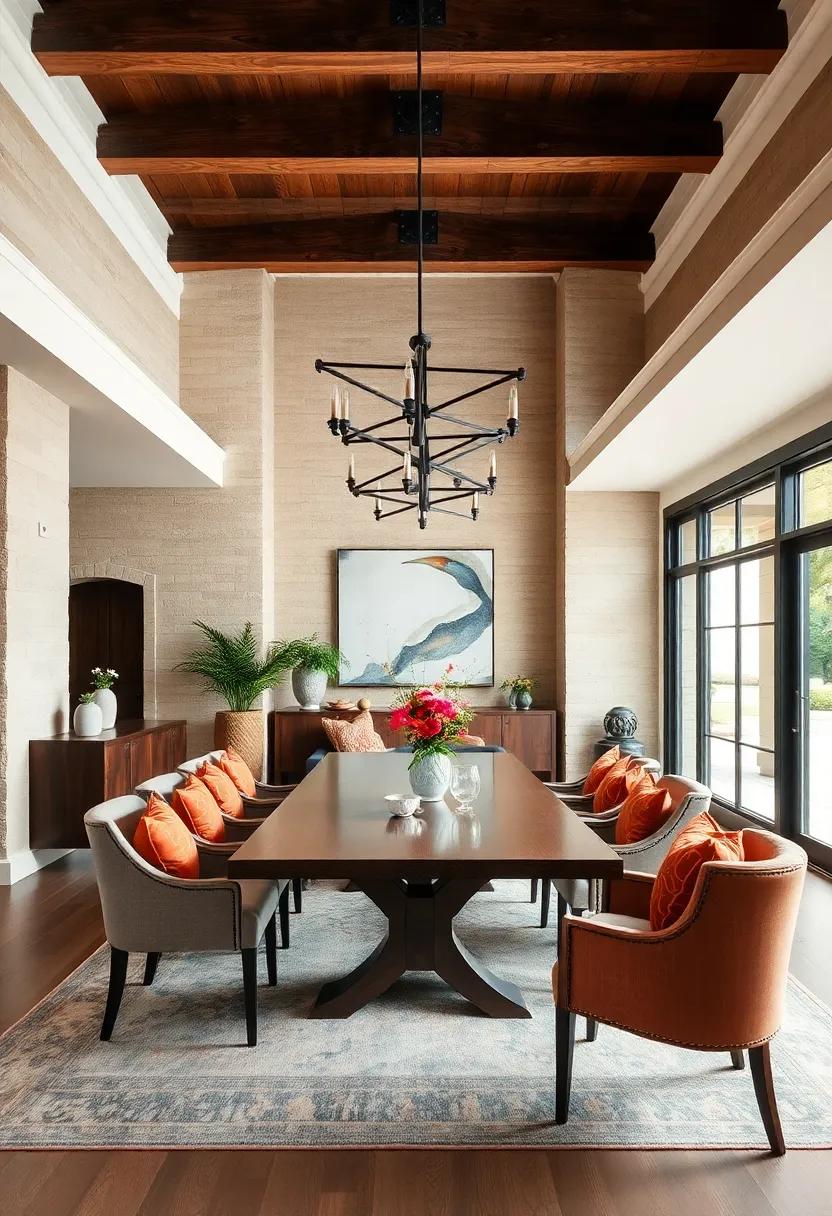
Integrating the elegance of classic crown moldings with the raw, bold texture of exposed industrial elements offers a striking balance that transforms any dining room. This design approach leverages the timeless craftsmanship of traditional molding-characterized by intricate profiles and crisp lines-while juxtaposing it against the unfinished beauty of steel beams, exposed pipes, or reclaimed wood accents. The result is a space where softness meets strength, creating layers of visual intrigue that keep your dining area feeling both cozy and cutting-edge.
To master this look, consider the following key elements:
- Contrast in materials: Pair smooth, painted moldings with rugged metal or raw wood surfaces to highlight each element’s distinct character.
- Color harmony: Utilize a neutral palette with pops of industrial hues like matte black, gunmetal, or rust to unify the traditional and modern components.
- Lighting synergy: Incorporate statement light fixtures such as vintage bulbs with metal cages that complement the exposed elements while softly illuminating the moulded ceiling detail.
| Traditional Crown Molding | Exposed Industrial Elements |
|---|---|
| Ornate detailing and curving profiles | Raw steel beams and rustic wood |
| Soft neutral paints and finishes | Matte blacks and weathered patinas |
| Crafted from plaster or wood | Made of metal, concrete, or rough textures |
Incorporating Transitional Area Rugs Grounded By Classic Patterns And Modern Color Schemes
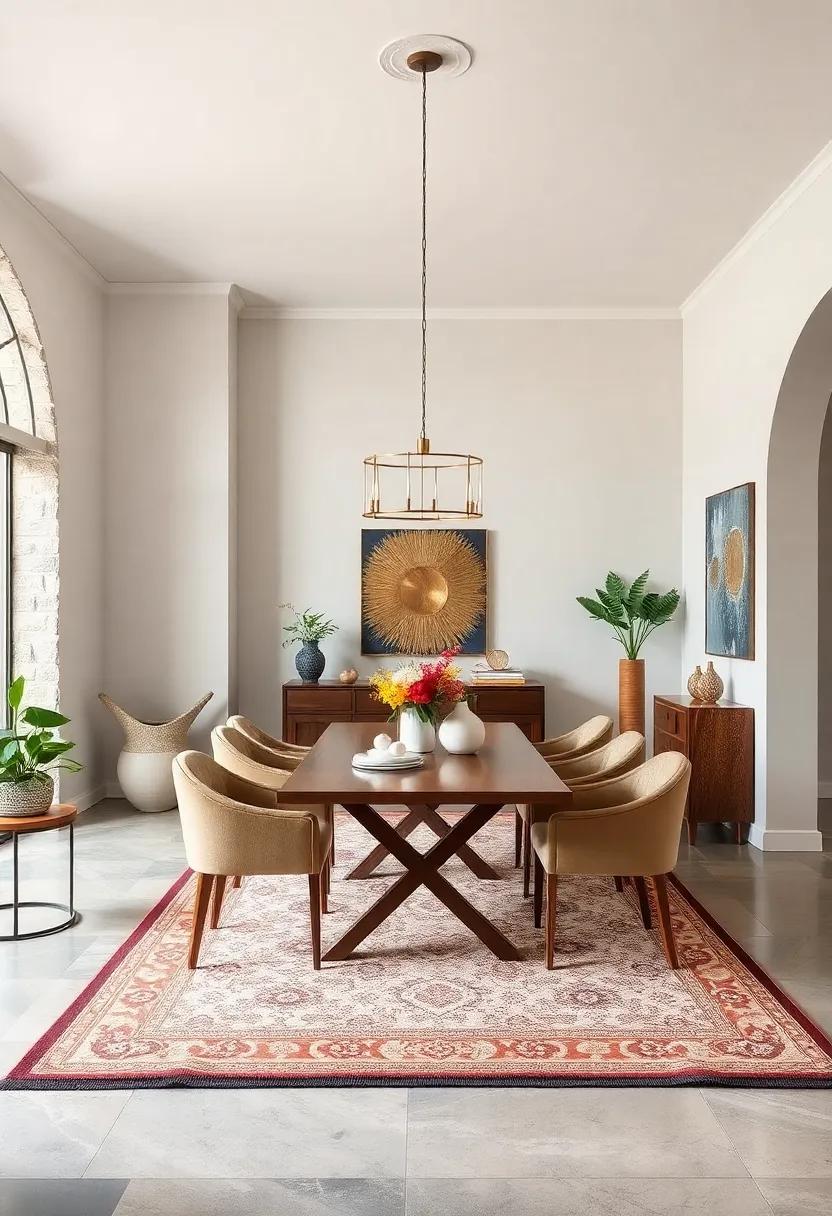
Integrating a transitional area rug into your dining room can serve as the perfect bridge between classic and contemporary aesthetics. Opt for rugs that showcase timeless motifs such as medallions, florals, or geometric repeats, paired with a refreshed color palette inspired by modern trends. Soft grays, muted blues, or even unexpected pops of coral or teal can energize the space without overpowering the elegant foundation. These rugs not only anchor your dining set but also add texture and warmth, creating a welcoming atmosphere that appeals to diverse tastes.
When selecting rugs, consider versatile materials and patterns that work well with both antique and contemporary furnishings. Here’s a quick guide to choosing the ideal transitional area rug:
- Material: Durable yet sophisticated options like wool blends or synthetic fibers that mimic natural textures.
- Pattern: Classic designs reinterpreted with subtle modern twists, such as distressed or faded effects.
- Color Palette: Neutral foundations with accents of trendy hues to maintain balance and visual interest.
- Size: Large enough to fit under the dining table completely, ensuring furniture legs remain on the rug.
Using Mixed Metals Like Brushed Brass And Polished Chrome In Lighting Fixtures For A Balanced Aesthetic
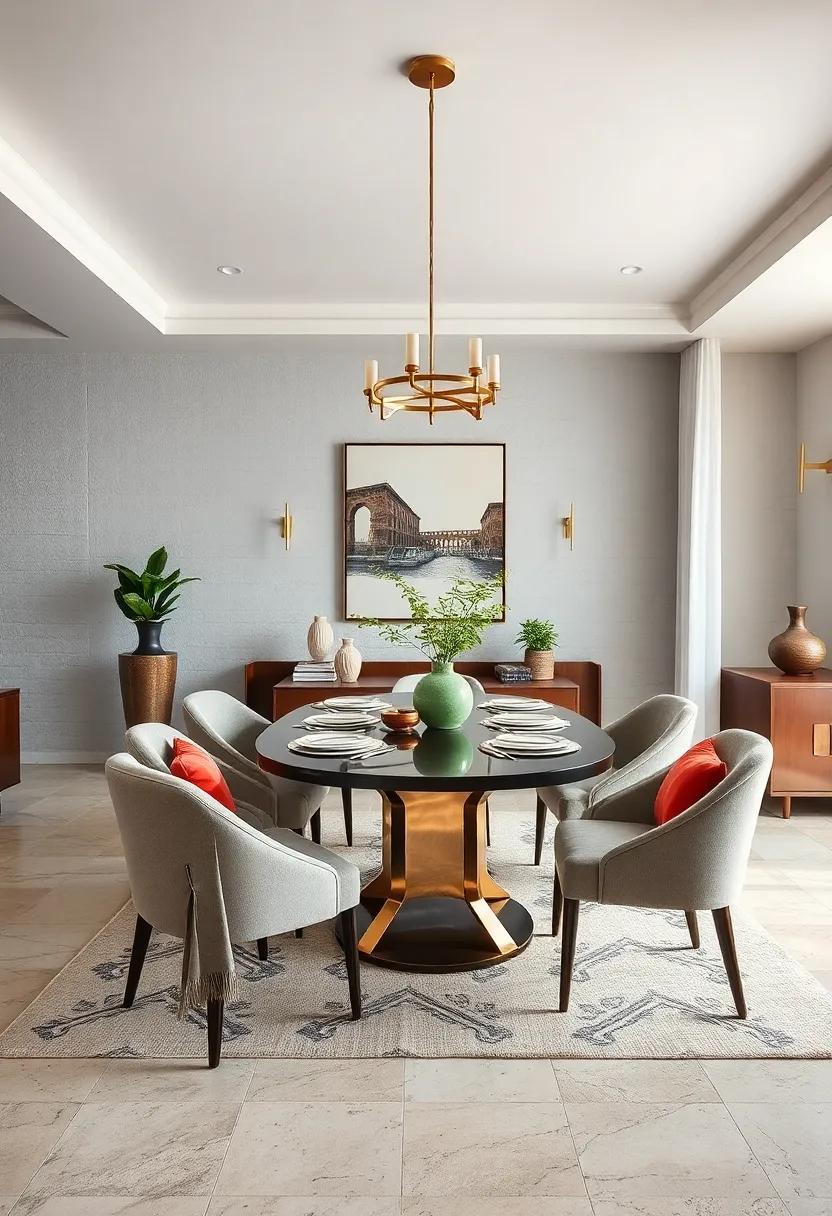
Introducing mixed metals like brushed brass and polished chrome into your lighting fixtures is a subtle yet striking way to achieve harmony in transitional dining spaces. These finishes bring together warmth and coolness, creating an eye-catching contrast that complements both traditional and contemporary elements. For instance, a chandelier with a brushed brass frame accented by polished chrome details can serve as a centerpiece that effortlessly ties the room’s design language together. This interplay not only enhances visual interest but also adds depth, ensuring your lighting fixtures serve as functional art.
When incorporating mixed metals, balance is key. Consider these tips to master the look:
- Anchor with one dominant metal: Choose either brushed brass or polished chrome as the primary finish to maintain cohesion.
- Layer accessories accordingly: Match smaller decor items (such as candlesticks or flatware) to the secondary metal to create threads of continuity.
- Mix finishes with intention: Pair matte brushed metals with polished, reflective surfaces for texture and contrast.
| Metal Finish | Effect | Best Paired With |
|---|---|---|
| Brushed Brass | Warm, vintage appeal | Wood tones, warm neutrals |
| Polished Chrome | Cool, modern sleekness | Glass, cool grays |
Crafting Cozy Nooks With Textured Throw Pillows And Clean Upholstery To Blend Comfort And Style
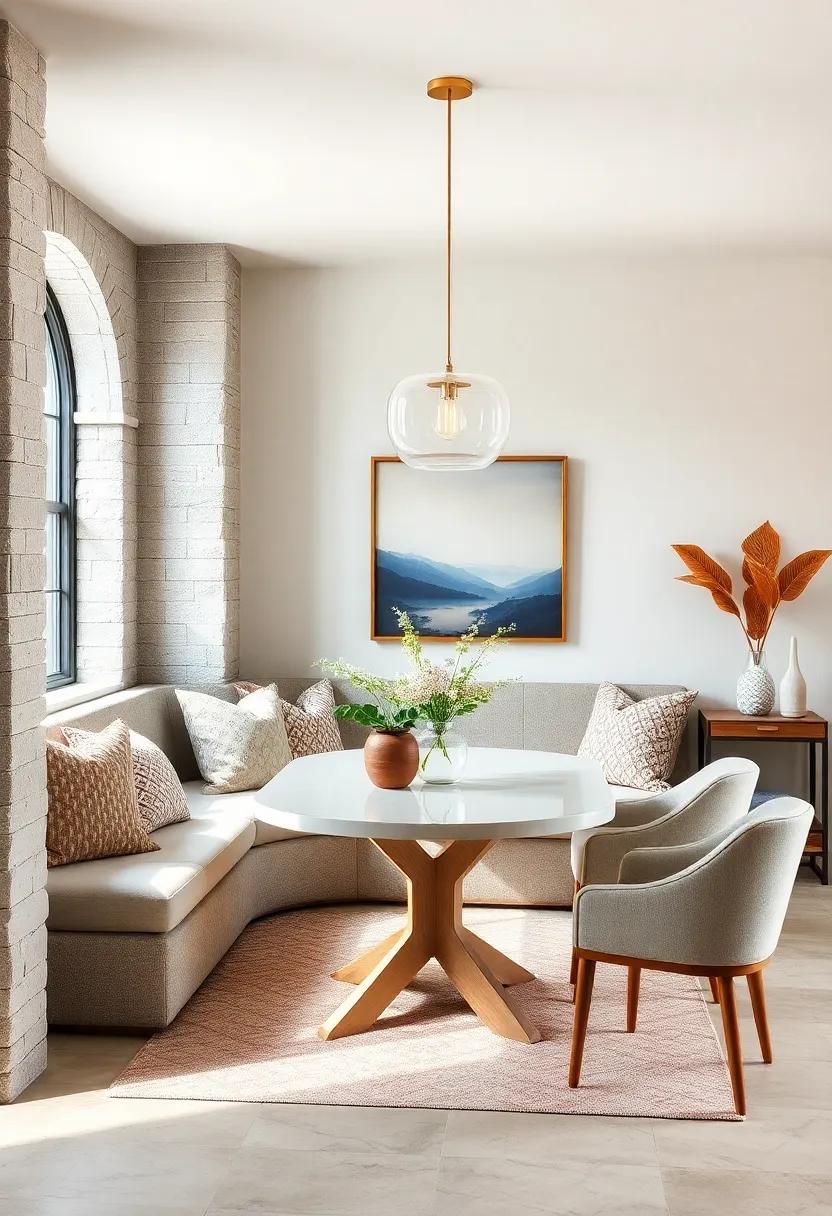
Transforming a dining area into a sanctuary of both comfort and elegance is easily achieved by incorporating plush, textured throw pillows alongside sleek, clean-lined upholstery. The tactile nature of pillows crafted from materials such as velvet, boucle, or woven cotton instantly invites a sense of warmth and relaxation, while maintaining visual interest through varied patterns and soft hues. By pairing these cozy accents with upholstery that boasts smooth surfaces and minimalist shapes, you strike a harmonious equilibrium between inviting softness and polished sophistication – perfect for transitional interiors that seek versatility without sacrificing style.
When considering the perfect blend, pay close attention to how textures complement rather than compete. For a well-rounded look, consider the following pairings that work wonders in creating those cozy nooks:
- Velvet pillows paired with crisp, tailored linen upholstery
- Knit or chunky woven cushions atop smooth leather chairs
- Patterned boucle fabrics contrasted against sleek, monochrome bench seating
| Throw Pillow Texture | Upholstery Type | Effect |
|---|---|---|
| Plush Velvet | Creased Linen | Warm & Elegant |
| Chunky Knit | Matte Leather | Casual & Chic |
| Subtle Bouclé | Minimalist Fabric | Textured Contrast |
Displaying A Balanced Arrangement Of Classic Floral Arrangements With Sculptural Contemporary Vases
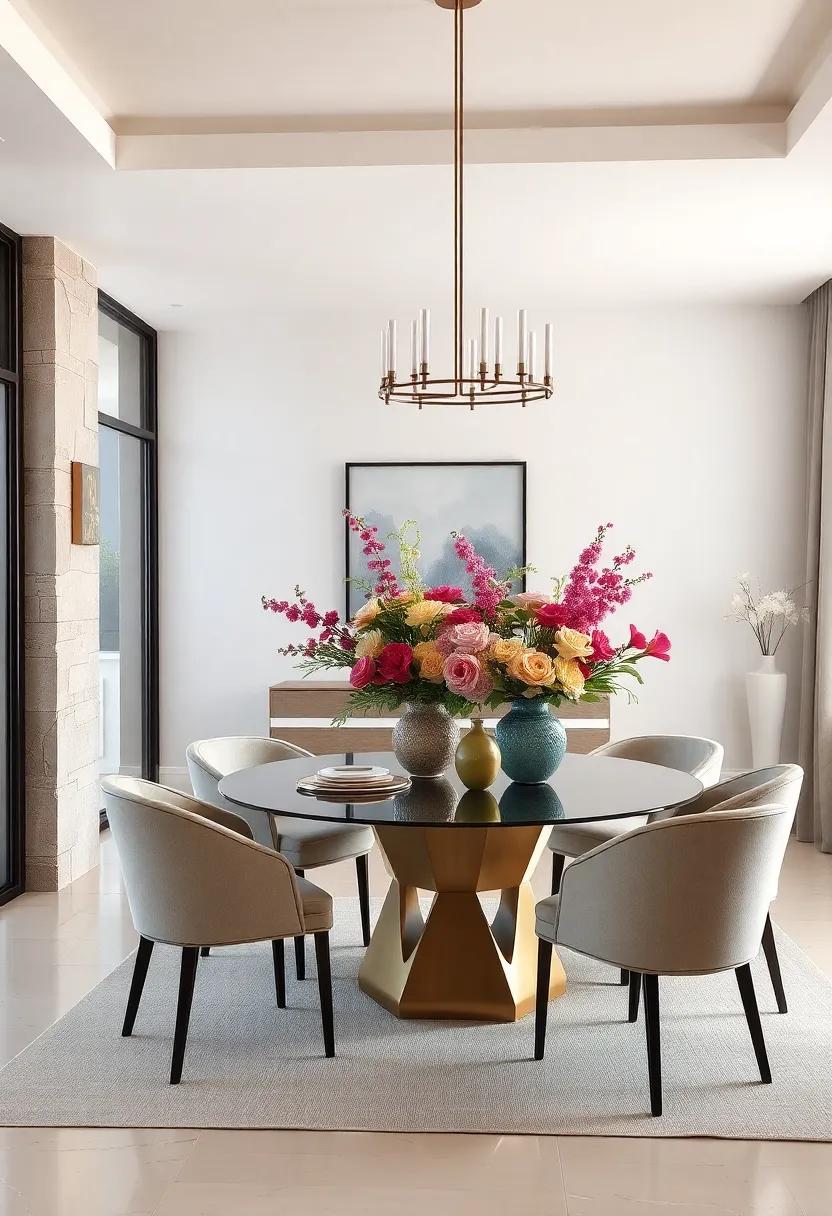
To strike the perfect balance between classic charm and modern minimalism, consider pairing traditional floral arrangements with sleek, sculptural vases. The contrast created when lush, romantic blooms meet the clean lines of contemporary ceramic or metal containers brings a dynamic energy to your dining room centerpiece. This technique not only honors timeless botanical beauty but also injects an unexpected edge that refreshes the entire space.
When arranging these elements, focus on visual harmony by mixing textures and heights. The following tips can help guide your display:
- Choose florals with rich colors and varied petal shapes for depth.
- Opt for vases with geometric or asymmetrical form factors to add modern appeal.
- Group vases in odd numbers to create a natural flow.
- Mix matte and glossy finishes to highlight contrasts subtly.
| Floral Type | Vase Style | Effect |
|---|---|---|
| Peonies | Matte black ceramic | Soft elegance meets edgy minimalism |
| Hydrangeas | Silver geometric metal | Lush volume balanced with structural form |
| Roses | Asymmetrical glass | Classic romance with modern fluidity |
Highlighting Statement Mirrors Featuring Ornate Frames Against Simple, Monochromatic Walls
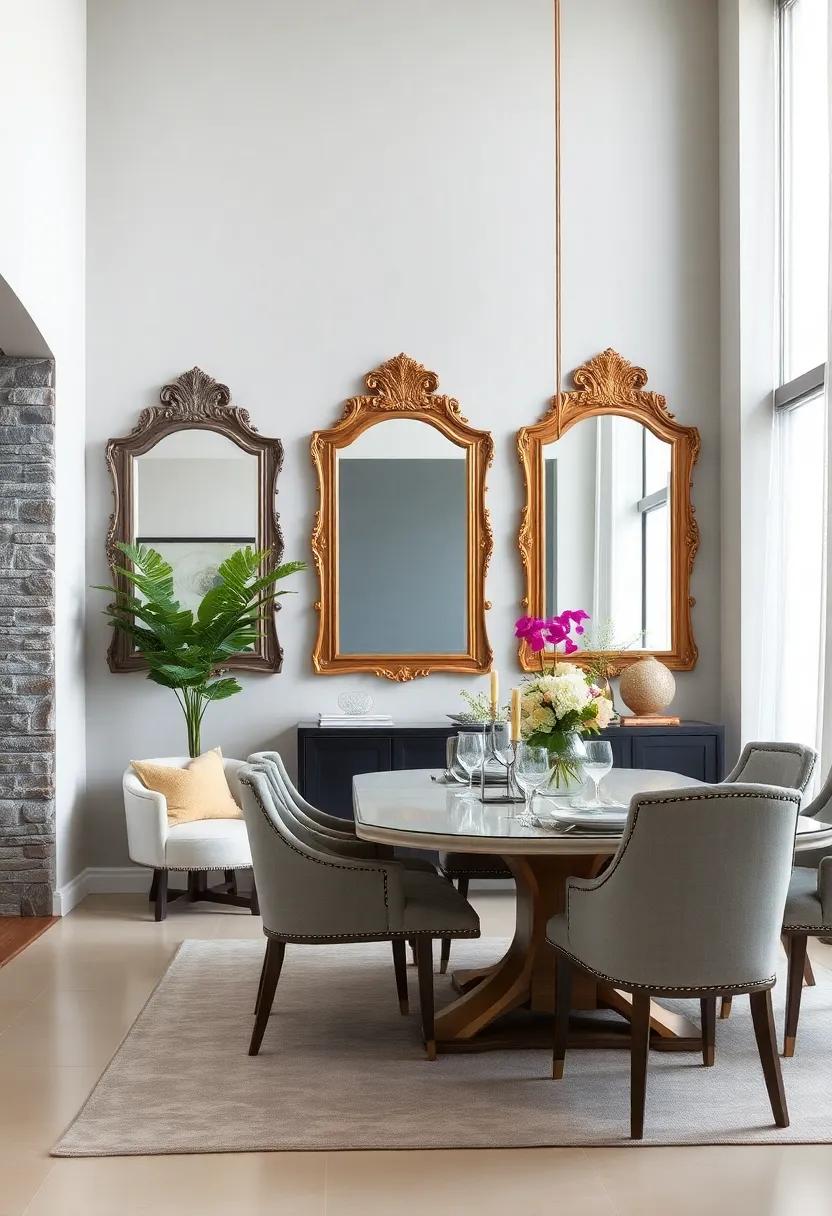
Statement mirrors adorned with intricate, ornate frames serve as stunning focal points in dining rooms where the walls wear a cloak of simplicity. The deliberate contrast between elaborate mirror designs and understated, monochrome backdrops injects both elegance and depth into the space. This interplay not only creates a captivating visual break but also amplifies natural light, making the room feel more expansive and inviting. Whether opting for gilded gold, aged silver, or richly carved wood, the mirror’s craftsmanship shines brightest when paired against a backdrop free of visual clutter.
Key benefits of this design choice include:
- Enhanced ambiance: Ornate mirrors catch and reflect light, enriching the dining atmosphere with a soft, welcoming glow.
- Balanced aesthetics: The simplicity of the walls allows the mirror to command attention without overwhelming other décor elements.
- Timeless appeal: This combination effortlessly bridges traditional craftsmanship with modern minimalism.
- Versatility: Works beautifully with every color scheme that follows a monochromatic palette, from cool grays to warm beiges.
| Mirror Frame Style | Best Wall Color | Effect |
|---|---|---|
| Baroque Gilded | Soft Charcoal Gray | Luxurious & Bold |
| Victorian Carved Wood | Matte Ivory | Warm & Inviting |
| French Rococo Silver | Cool Light Blue | Elegant & Serene |
| Modern Ornate Black | Pure White | Striking & Contemporary |
Creating Ambience With Candlesticks Designed In Both Traditional And Industrial Styles For Evening Dinners
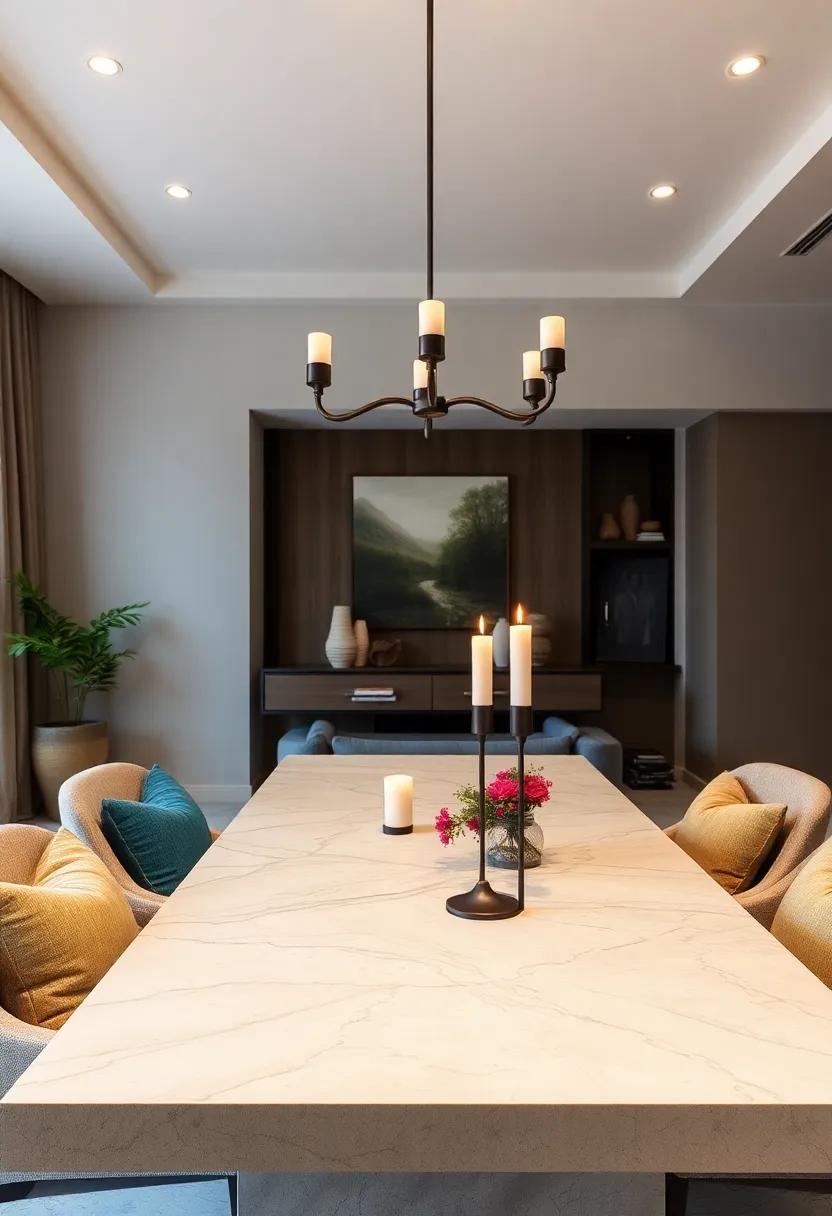
Elevate your evening dinners by incorporating candlesticks that marry the charm of tradition with the raw edge of industrial design. Imagine the warm glow of softly flickering candles nestled in ornate brass holders standing proudly beside sleek, matte black iron fixtures. This fusion creates a captivating contrast that enhances the dining experience without overpowering the setting. The glow of candlelight not only sets a cozy, inviting mood but also draws attention to the intricate details of both styles, making every meal feel like a special occasion.
For a seamless blend, consider these styling tips:
- Mix Materials: Pair aged wood candlesticks with brushed metal accents to highlight the duality of the design.
- Vary Heights: Use candlesticks of different heights to add dimension and visual interest to your dining table.
- Neutral Tones: Stick to soft grays, blacks, and warm metallics to maintain a cohesive look that enhances both styles.
| Style Element | Traditional | Industrial |
|---|---|---|
| Material | Brass, Wood | Iron, Concrete |
| Finish | Polished & Ornate | Matte & Raw |
| Color Palette | Warm Golds & Browns | Neutral Grays & Blacks |
Mixing Timeless Wood Carvings With Contemporary Abstract Sculptures For An Eclectic Dining Experience
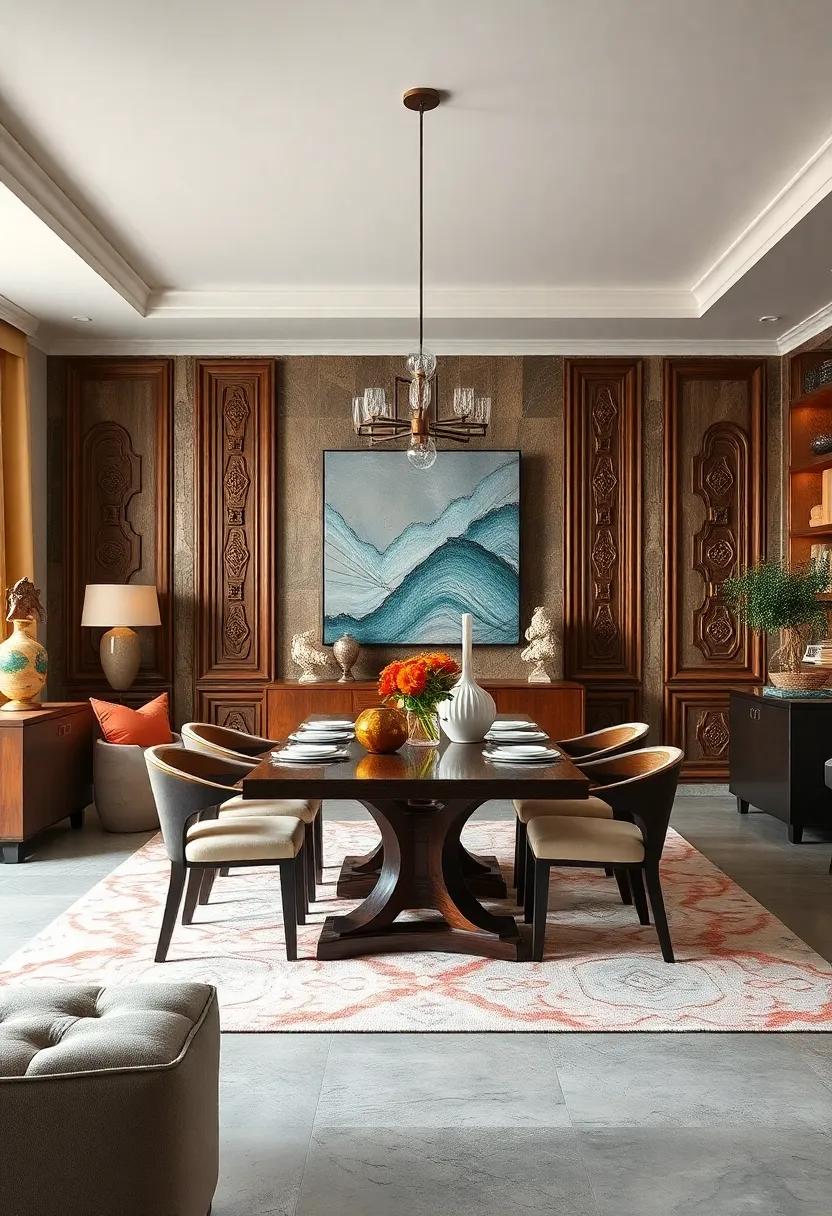
Incorporating the richness of timeless wood carvings alongside sleek, contemporary abstract sculptures creates a dynamic conversation within the dining space. The organic textures and intricate details of hand-carved wood pieces bring warmth and history, grounding the room with an artisanal touch. In contrast, modern sculptures, with their smooth lines and bold forms, inject energy and visual intrigue, offering a fresh perspective. This harmonious juxtaposition not only elevates the aesthetic but also invites guests to experience a layered story told through art and craftsmanship.
To balance this eclectic mix successfully, consider key elements such as:
- Color Palette: Use neutral tones to unify the styles, allowing each piece to shine without overwhelming the senses.
- Placement: Position wood carvings near natural light sources to highlight their textures, while abstract sculptures make perfect focal points on minimalist pedestals or floating shelves.
- Materials: Introduce complementary materials like metal accents or glass tableware to bridge the gap between rustic and modern elements.
| Element | Traditional Wood Carving | Contemporary Abstract Sculpture |
|---|---|---|
| Texture | Rich and tactile, often rough-hewn | Smooth or polished surfaces |
| Impact | Warm, inviting, historical | Bold, thought-provoking, modern |
| Ideal Placement | Near windows or natural elements | On pedestals or minimalist stands |
Exploring The Seamless Integration Of Traditional Ceiling Medallions With Contemporary Ceiling Fans Or Lights
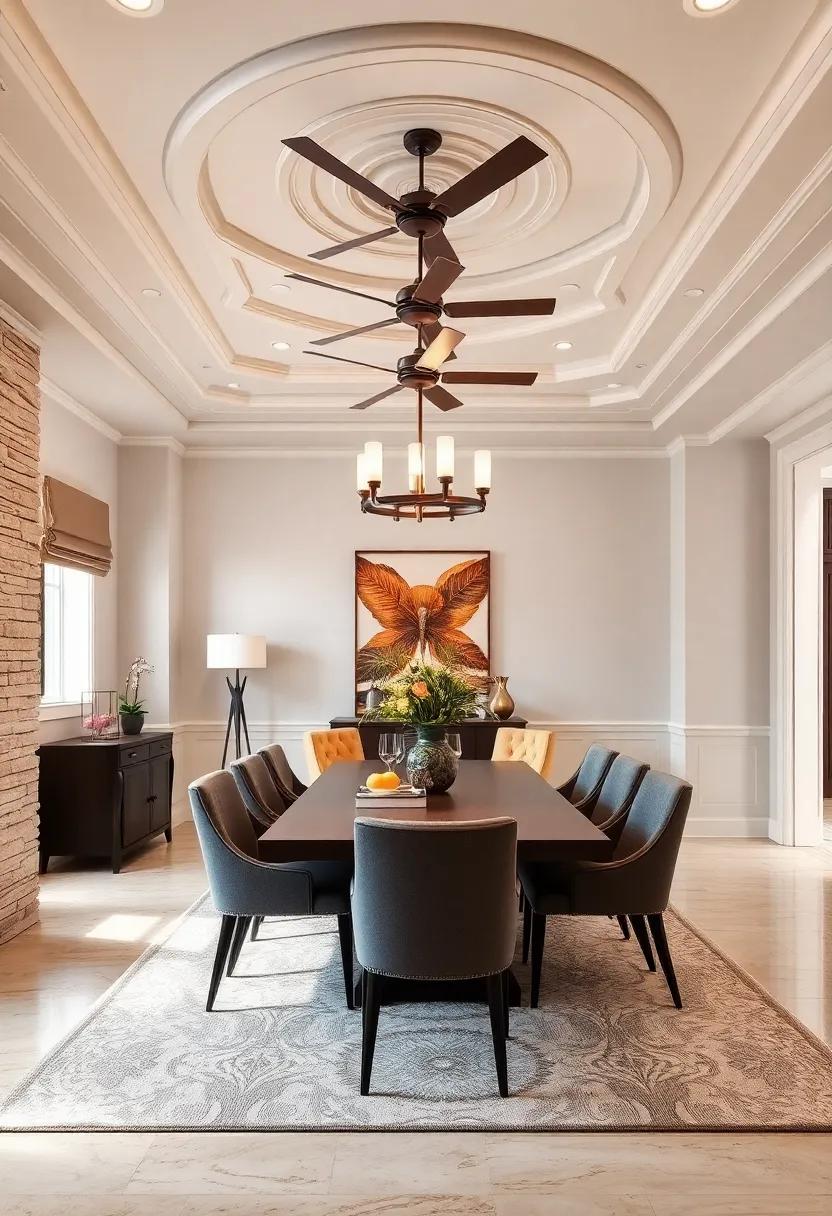
Traditional ceiling medallions, with their intricate patterns and historic charm, can transform ordinary ceiling fans or light fixtures into captivating focal points. When paired thoughtfully with contemporary designs, these medallions breathe an air of timeless sophistication into modern settings. The key lies in choosing medallions that complement the sleek lines of modern fans or lights without overpowering them. Opting for neutral tones or subtle metallic finishes ensures harmony, while geometric or simplified floral designs maintain the classic appeal yet align with today’s aesthetics.
- Match scale: Ensure the medallion size aligns well with your fixture to maintain balance
- Material harmony: Pair plaster or resin medallions with matte or brushed metal finishes
- Subtle contrasts: Use color or texture contrasts to highlight both elements equally
- Lighting considerations: Position medallions to enhance light reflection and shadow play
Incorporating these elements not only accentuates the ceiling’s architectural interest but also ties together the room’s traditional and modern components. This delicate integration enriches transitional dining rooms by offering a visual bridge between past and present, creating spaces that feel both inviting and innovative.
Featuring Artisanal Handcrafted Decor Elements That Pair Old-World Charm With Modern Minimalism
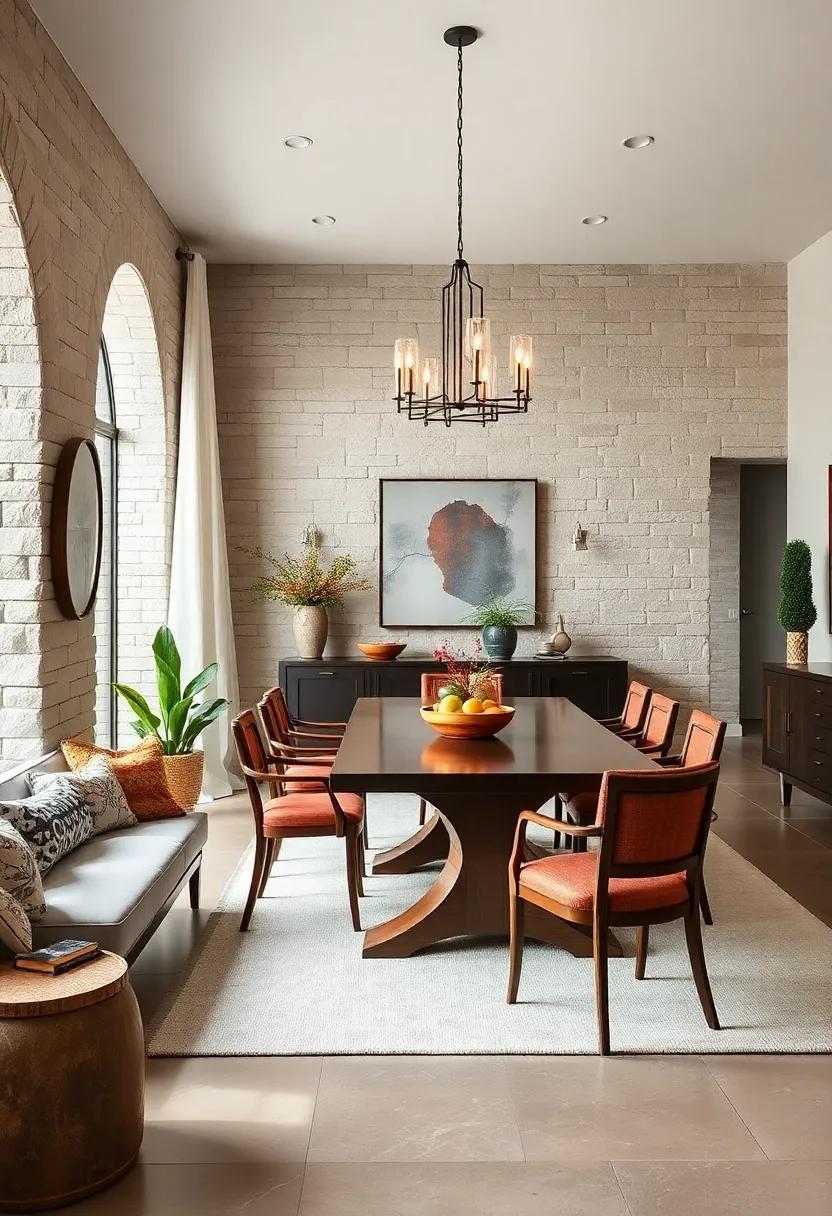
Handcrafted decor pieces serve as the perfect bridge between the elegance of the past and the sleek aesthetics of today. Imagine a dining room where a vintage brass chandelier hangs above a streamlined oak table, creating a captivating interplay between intricate craftsmanship and clean lines. These artisanal elements bring character to the space through their unique imperfections and time-honored techniques, seamlessly merging with a minimalist backdrop to infuse warmth without overwhelming simplicity.
To achieve this balance, focus on selecting decor that embodies both authenticity and restraint. Consider incorporating:
- Handwoven baskets as functional yet artistic storage solutions
- Distressed wooden candle holders that offer tactile appeal
- Textiles with subtle patterns in natural fibers, providing softness with understated charm
| Decor Element | Old-World Influence | Modern Minimalist Touch |
|---|---|---|
| Metal Wall Art | Hand-hammered detailing | Simple geometric forms |
| Ceramic Vases | Traditional glazing techniques | Smooth matte finishes |
| Wooden Furniture | Carved accents | Clean, straight edges |
Blending Classic Butler’s Pantries With Sleek Open Shelving For Functional And Transitional Dining Areas
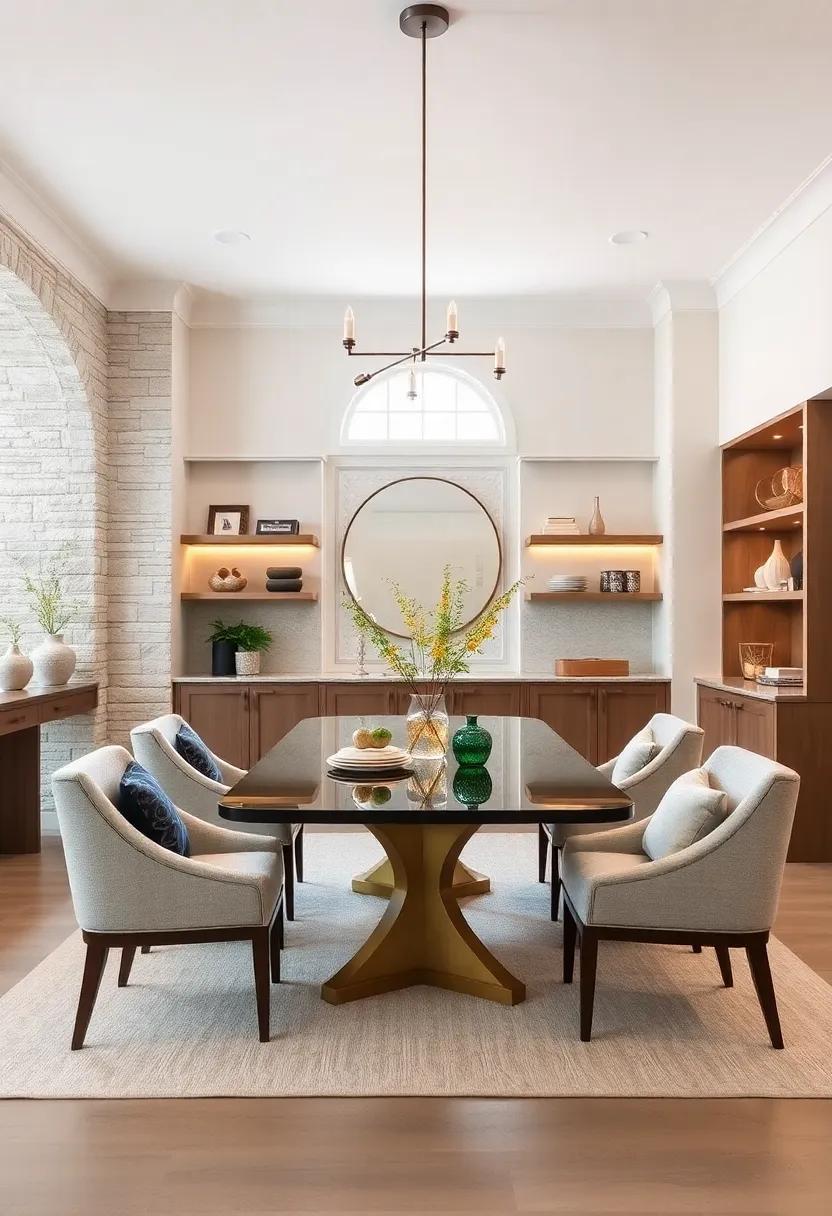
Seamlessly merging the charm of a classic butler’s pantry with the contemporary appeal of open shelving unlocks a perfect balance between tradition and modernity in any dining space. The opaque, closed cabinets of a butler’s pantry offer ample hidden storage for the essentials, ensuring clutter remains out of sight. In contrast, sleek open shelves bring a breath of freshness and airiness, turning everyday dishware and curated décor into visual focal points. This dynamic interplay not only boosts functionality but also ensures the space adapts effortlessly to both formal dinners and casual family gatherings.
Incorporating this hybrid storage approach allows homeowners to take advantage of several benefits:
- Enhanced accessibility: Frequently used items stay within easy reach on open shelves.
- Personal expression: Open shelving invites personalization with artfully arranged serveware and plants.
- Functional zoning: Closed cabinets discreetly house less aesthetic or seasonal pieces, creating a clean visual flow.
| Feature | Classic Butler’s Pantry | Sleek Open Shelving |
|---|---|---|
| Storage Type | Enclosed cabinets | Exposed shelves |
| Visual Impact | Traditional, polished | Light, contemporary |
| Use Case | Hides clutter | Displays curated items |
In Retrospect
In blending the enduring charm of timeless design with the sleek appeal of modern aesthetics, transitional dining rooms invite us to create spaces that are both inviting and inspiring. This harmonious balance allows for a dining experience that feels effortlessly curated, where classic elegance meets contemporary flair. Whether you lean toward soft neutrals or bold accents, the key lies in thoughtful choices that honor the past while embracing the present. As you embark on shaping your own transitional dining space, remember: the most meaningful style is one that reflects your unique story, comfortably poised between tradition and today.