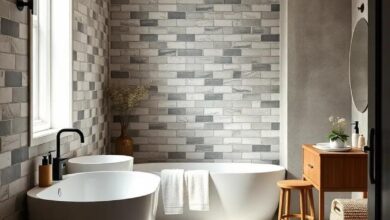
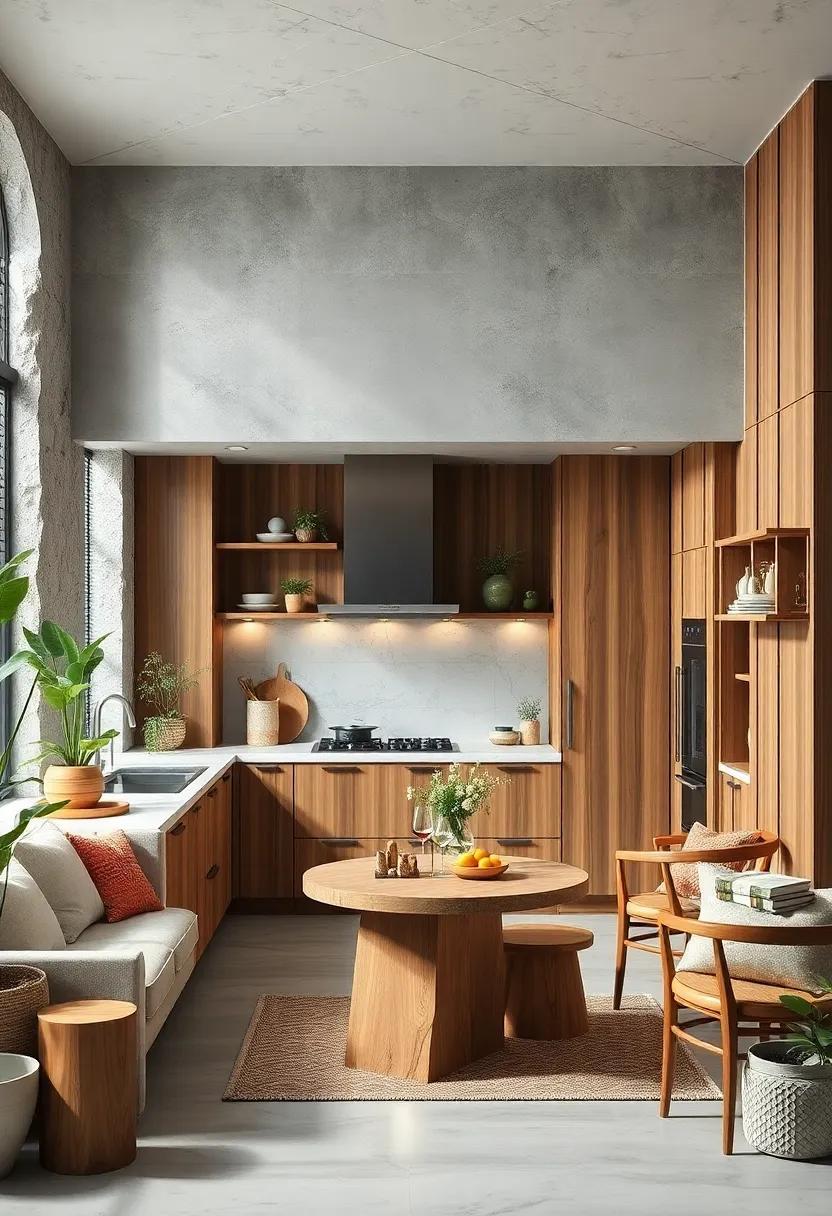
In the heart of our homes, the kitchen has always been a space of warmth, creativity, and connection. As design philosophies evolve, a striking trend is emerging that marries the essence of nature with the comforts of modern living: biophilic kitchens. By thoughtfully integrating natural elements, particularly warm wooden accents, these spaces invite the outdoors in, fostering an environment that feels both grounding and inspiring. This harmonious blend of nature meets nurture not only elevates aesthetic appeal but also nurtures well-being, creating kitchens that are as restorative as they are functional.
Nature Inspired Kitchen Layouts Featuring Flowing Wooden Elements and Lush Greenery
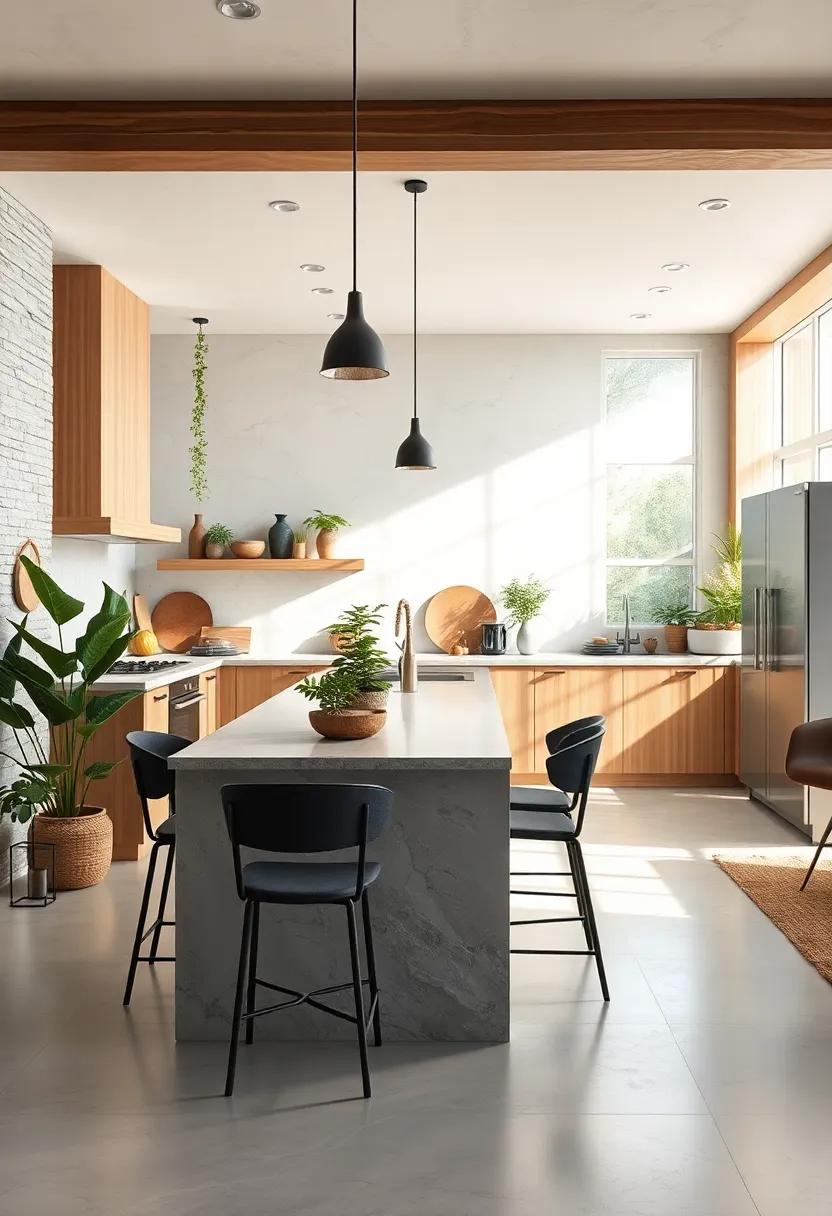
Imagine stepping into a kitchen where the warmth of natural wood seems to guide your every movement. Flowing wooden countertops with soft, rounded edges mimic the gentle curves of rivers and tree branches, creating a serene ambiance that fosters creativity and calm. These elements not only serve as functional surfaces but also as sculptural features that bring tactile comfort to your cooking space. Complemented by cascading shelves that frame pockets of lush greenery-think trailing ivy, potted herbs, and ferns-this design approach blurs the boundary between indoors and outdoors, inviting nature’s serenity into daily rituals.
To harmonize the wooden elements with greenery, consider these key principles:
- Organic shapes: Embrace furniture and cabinetry with flowing silhouettes to soften the kitchen’s geometry.
- Textural contrast: Pair smooth wooden finishes with varied leaf textures for visual intrigue.
- Natural light maximization: Place plants near windows or skylights to enhance growth and illumination.
- Greenery integration: Incorporate built-in planters or vertical gardens into the design to maintain a clean, cohesive look.
| Element | Material | Function |
|---|---|---|
| Curved Island Countertop | Reclaimed Walnut Wood | Food Prep & Gathering |
| Floating Shelves | Bamboo | Plant Display & Storage |
| Vertical Planter Wall | Metal Frame with Ceramic Pots | Air Purification & Décor |
Sunlight Filtering Through Wooden Slat Ceilings Illuminating Biophilic Kitchen Spaces
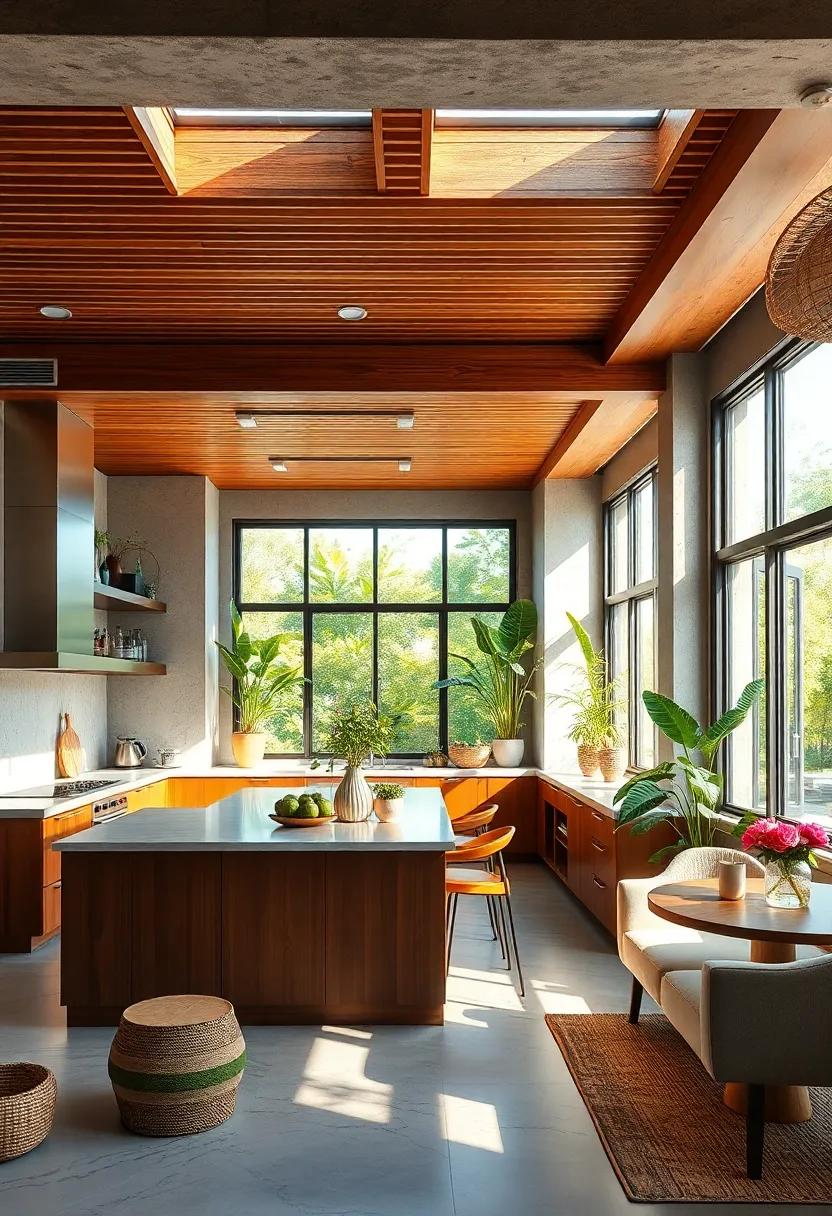
The gentle dance of sunlight through wooden slat ceilings creates an ever-changing tapestry of light and shadow that breathes life into biophilic kitchen designs. This play of natural light not only enhances the warmth of timber textures but also cultivates an atmosphere of tranquility and connection to nature. As beams filter softly, they highlight the grain and hue of sustainable woods, transforming the kitchen into a sanctuary where nourishment extends beyond food to nourish the soul. The dynamic illumination encourages an intimate experience with the space, where mornings feel crisp and inviting, and evenings, serene and reflective.
Integrating sunlight with natural materials fosters a sensory-rich environment that celebrates the essence of biophilia. Consider incorporating elements such as:
- Natural wood tones: Opt for light to medium finishes that maximize light reflection.
- Textured surfaces: Use ribbed or slatted panels to scatter sunlight delicately.
- Indoor greenery: Position plants where sunlight intensifies their vibrancy and air-purifying qualities.
The harmonious blend of architecture and nature can be thoughtfully mapped, as illustrated below:
| Feature | Benefit | Design Tip |
|---|---|---|
| Wooden Slat Ceiling | Filters sunlight, creates patterns | Install adjustable slats for control |
| Large South-facing Windows | Maximizes natural light | Use sheer curtains for diffused glow |
| Green Plants | Enhances air quality and aesthetic | Choose low-maintenance varieties |
Rustic Wooden Cabinets Blending Seamlessly with Indoor Plant Walls and Natural Stone
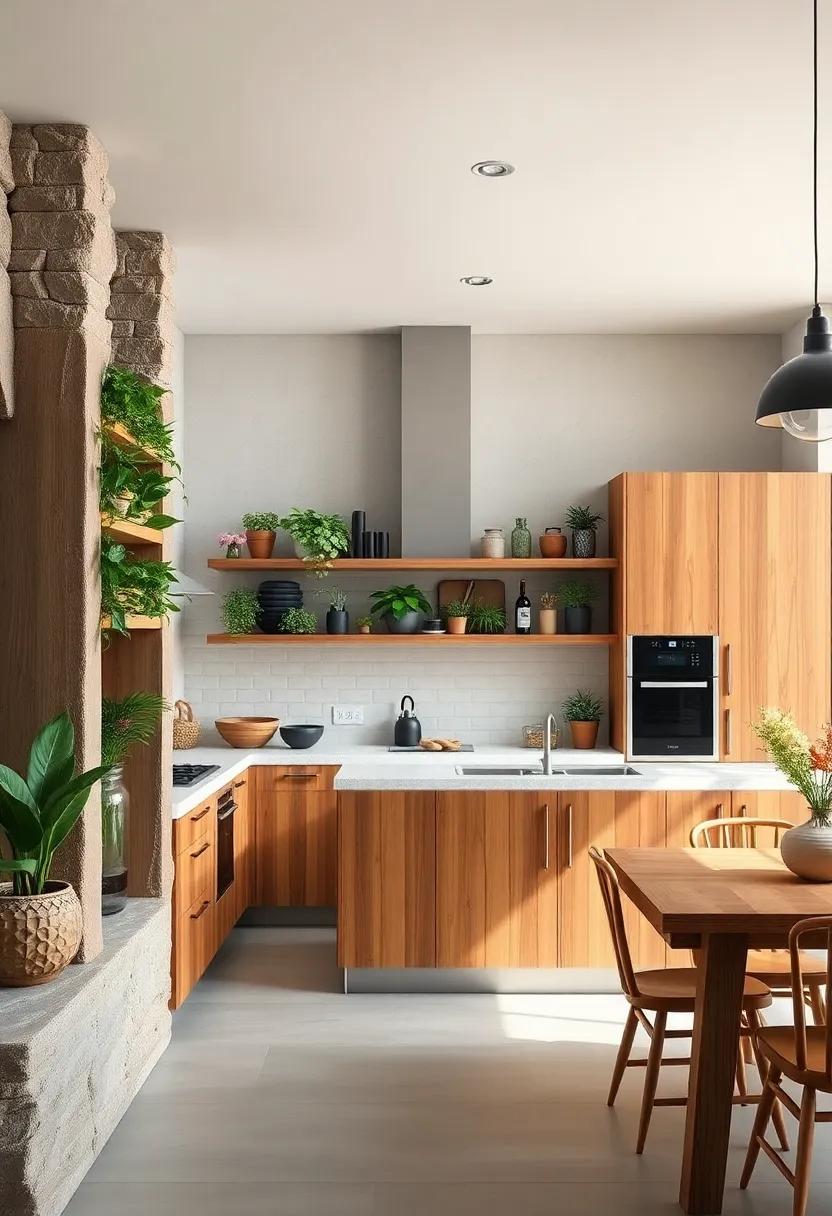
Integrating rustic wooden cabinets into a kitchen space anchored by lush indoor plant walls and textured natural stone creates an immersive sensory experience. The warm grains of weathered wood effortlessly echo the organic patterns found in nature, fostering a harmonious balance between craftsmanship and wilderness. This union does more than just decorate-it invites the calm and renewal of the outdoors inside, making every meal preparation a moment surrounded by subtle earthy charm.
To achieve this seamless blend, focus on a few key elements that elevate the biophilic design without overpowering the senses:
- Material Palette: Use reclaimed or distressed wood finishes that highlight natural imperfections, paired with stones like slate, travertine, or marble for tactile contrast.
- Color Harmony: Choose muted earth tones-warm browns, soft greens, and sandy beiges-that complement the living plant hues and stone textures.
- Textural Layers: Incorporate woven baskets, ceramic pots, and linen accents for an added dimension of cozy, natural appeal.
| Feature | Natural Element | Effect |
|---|---|---|
| Wood Grain Pattern | Distressed Oak | Enhances rustic character |
| Stone Surface | Travertine Backsplash | Creates textural depth |
| Plant Wall | Ferns & Ivy | Introduces vibrant greenery |
Cozy Kitchen Nooks Framed by Warm Timber Accents and Hanging Botanical Gardens
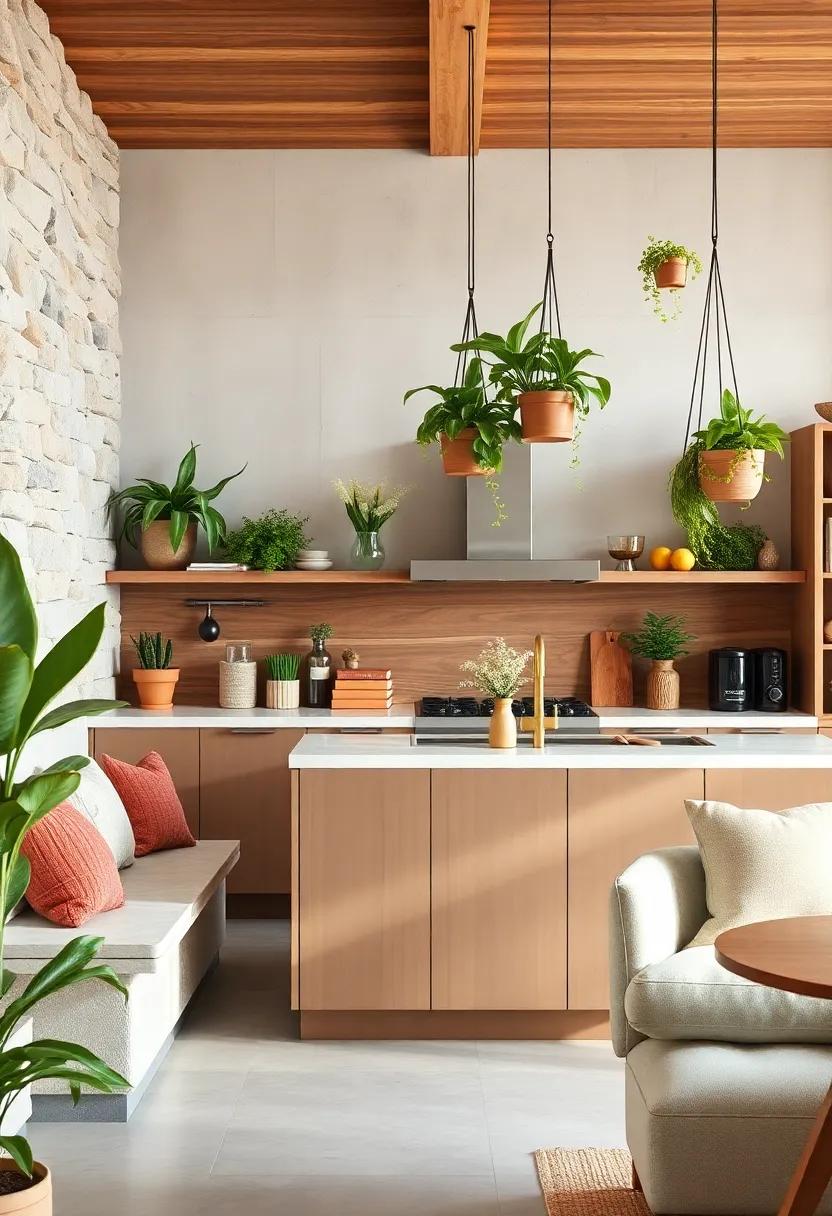
Imagine a tucked-away kitchen corner where the soft glow of morning light filters through a cascade of lush hanging plants, their greenery perfectly complimented by the rich, earthy hues of timber accents. This interplay of natural elements creates a sanctuary for both culinary creativity and quiet moments of reflection. The warmth of wooden beams and shelves frames the space, inviting you to linger over a cup of tea or savor a homemade meal, all while surrounded by the calming presence of nature. These nooks transform everyday kitchen zones into intimate, inspiring retreats that nurture body and soul.
The key to achieving this harmonious balance lies in deliberate material choices and thoughtful layering. Consider these essential elements for crafting your own botanical kitchen haven:
- Natural timber finishes that enhance texture and warmth without overpowering the senses.
- Suspend pots or planters at varied heights, creating a dynamic “living ceiling” that breathes life above.
- Soft textiles like woven chair cushions or a patterned rug to add tactile comfort and tie the elements together.
- Subtle lighting that accentuates wood grains and plant silhouettes, enhancing the nook’s cozy ambiance.
Organic Wooden Countertops Paired with Earthy Textured Walls and Wildflower Arrangements
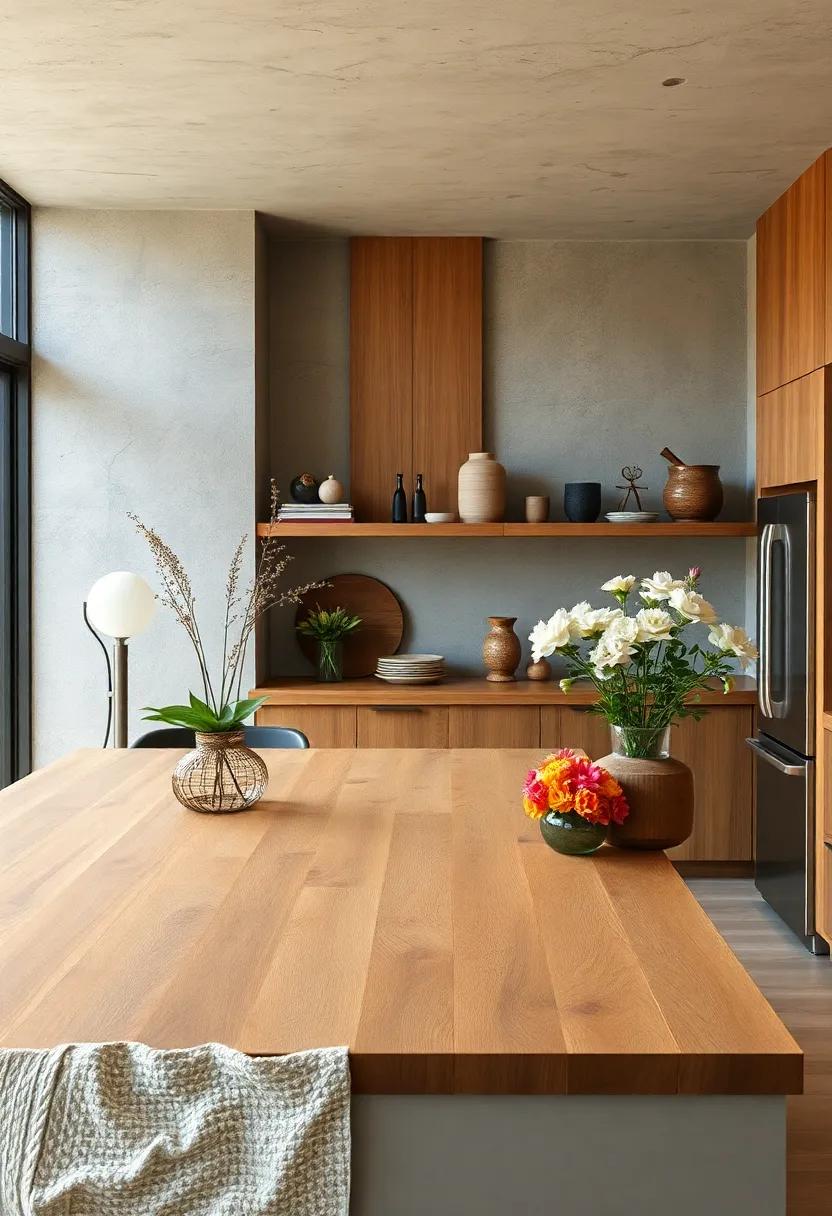
Embracing the raw beauty of organic wooden countertops brings a subtle warmth and richness to any kitchen space. The natural grains and knots tell a story of origin, creating an inviting tactile experience that contrasts elegantly with earthy textured walls. These walls, finished with materials like clay, lime plaster, or stone, add depth and character, grounding the room in nature’s authenticity. The fusion of these elements not only enhances visual appeal but also promotes a sense of calm and mindfulness in daily routines.
Complementing this tactile palette, wildflower arrangements infuse spontaneity and color, celebrating nature’s diversity. These floral touches, whether freshly picked or delicately dried, act as living art pieces that evolve with the seasons. Consider styling your kitchen with:
- Loose, unstructured bouquets in muted ceramic vases
- Mixed textures combining soft petals with wild grasses
- Native blooms to foster a local, sustainable aesthetic
Together, the combination of sturdy wood, textured walls, and vibrant wildflowers forms a biophilic sanctuary that nurtures both creativity and comfort.
Open Shelving Made from Reclaimed Wood Surrounding Potted Herbs and Fresh Citrus Bowls
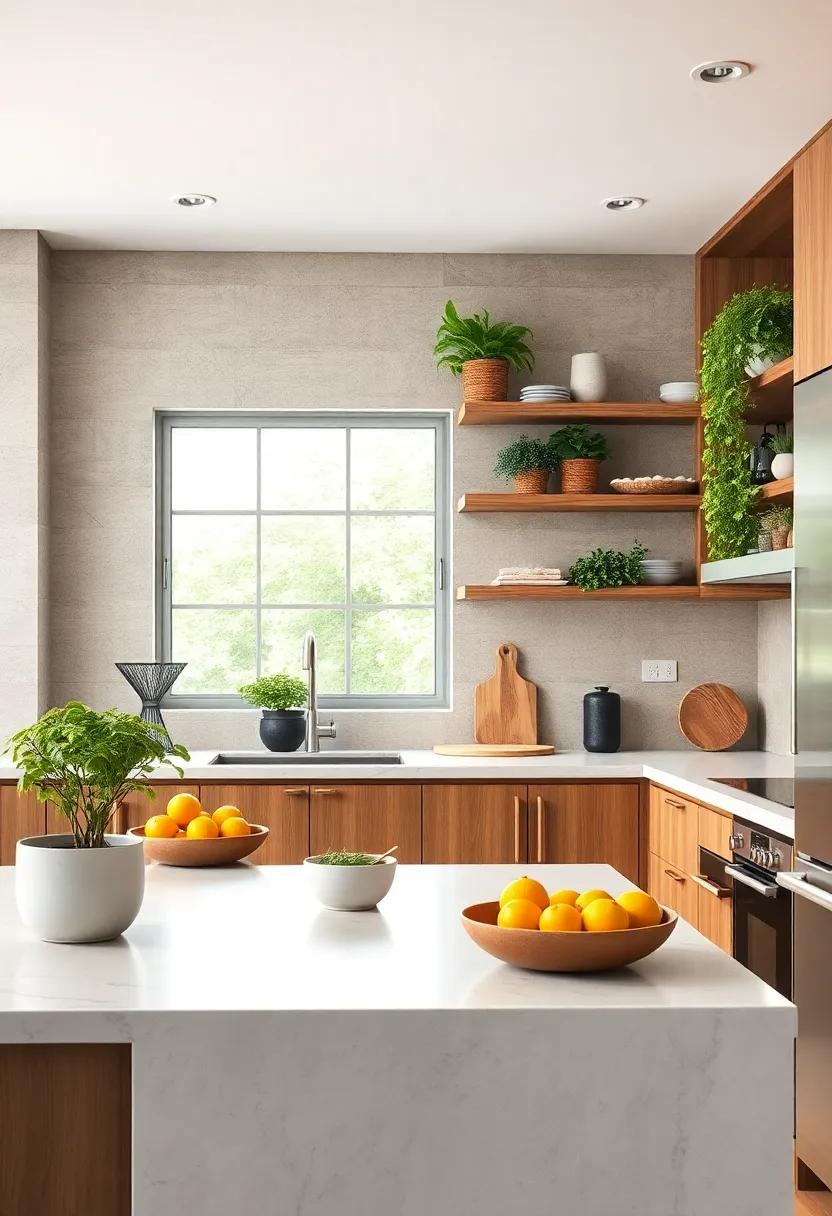
Integrating open shelving made from reclaimed wood creates a compelling visual story that perfectly marries sustainability with rustic charm. These shelves offer a natural, textured backdrop that highlights the vibrant greens of potted herbs-basil, rosemary, and thyme-that not only infuse the kitchen with life but also provide fresh flavors at your fingertips. Nestled alongside these living accents, bowls filled with freshly picked citrus fruits bring bursts of sunshine and zest, illuminating the space with their bright oranges, lemons, and limes.
Beyond aesthetic appeal, this design choice nurtures a practical harmony between form and function. The open shelves encourage easy access, inviting you to engage directly with your culinary garden. Plus, the reclaimed wood, each piece with its unique knots and grain patterns, carries a story of life before its current purpose, deepening the connection between the kitchen and nature. Consider this simple yet impactful arrangement to foster an atmosphere that is not only warm but also refreshingly alive, where every meal begins with the nurturing touch of nature.
- Benefits of Reclaimed Wood Shelves: Eco-friendly, Durable, Unique character
- Potted Herbs to Include: Basil, Mint, Thyme, Rosemary
- Popular Citrus Varieties: Meyer Lemons, Valencia Oranges, Kaffir Limes
Natural Wood Flooring Intertwined with Puzzle-Like Stone Insets and Mossy Corners
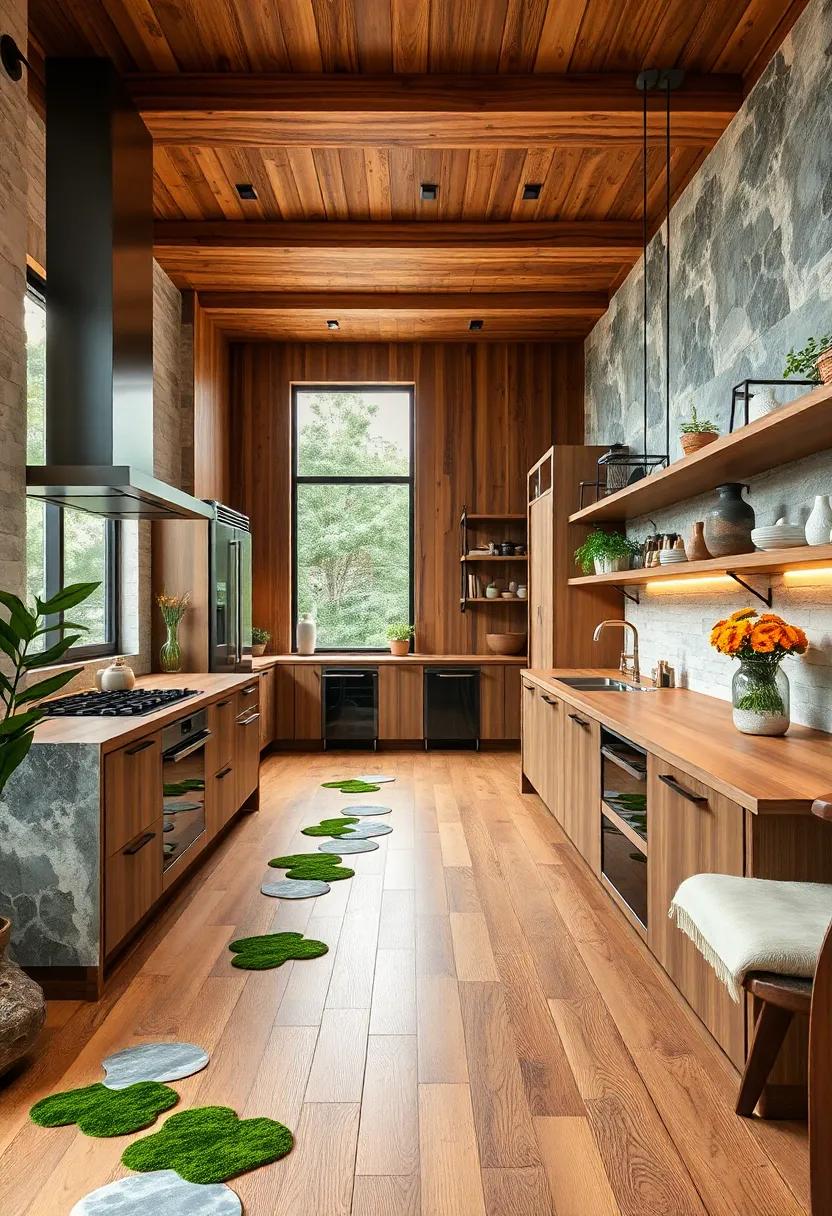
The enchanting combination of natural wood flooring with puzzle-piece stone insets introduces a tactile experience that transcends conventional kitchen design. These uniquely shaped stones, irregular yet harmonious, invite a sense of exploration beneath your feet, mirroring the way nature assembles its diverse elements into a cohesive whole. Nestled between the warmth of the wood grain, these stony accents offer not just aesthetic allure but also a subtle textural contrast that invigorates the senses. Pairing this with mossy corners-soft, verdant patches that peek unexpectedly from floor edges or beneath cabinetry-further amplifies the kitchen’s connection to the organic world, infusing the space with a serene whisper of forest floors and ancient growth.
Incorporating these natural features requires thoughtful craftsmanship and an eye for balance. Consider the functional benefits alongside their romance:
- Thermal Regulation: Stone insets naturally retain coolness, providing a pleasant underfoot sensation in warmer climates.
- Maintenance Harmony: Moss insets, when carefully curated, act as natural humidifiers that subtly improve air quality and add a lush green dimension without overwhelming upkeep.
- Visual Rhythm: The deliberate interplay of hard and soft surfaces establishes a calming rhythm, echoing the ebb and flow of outdoor landscapes.
Handcrafted Wooden Kitchen Islands Surrounded by Hanging Vines and Bamboo Screens
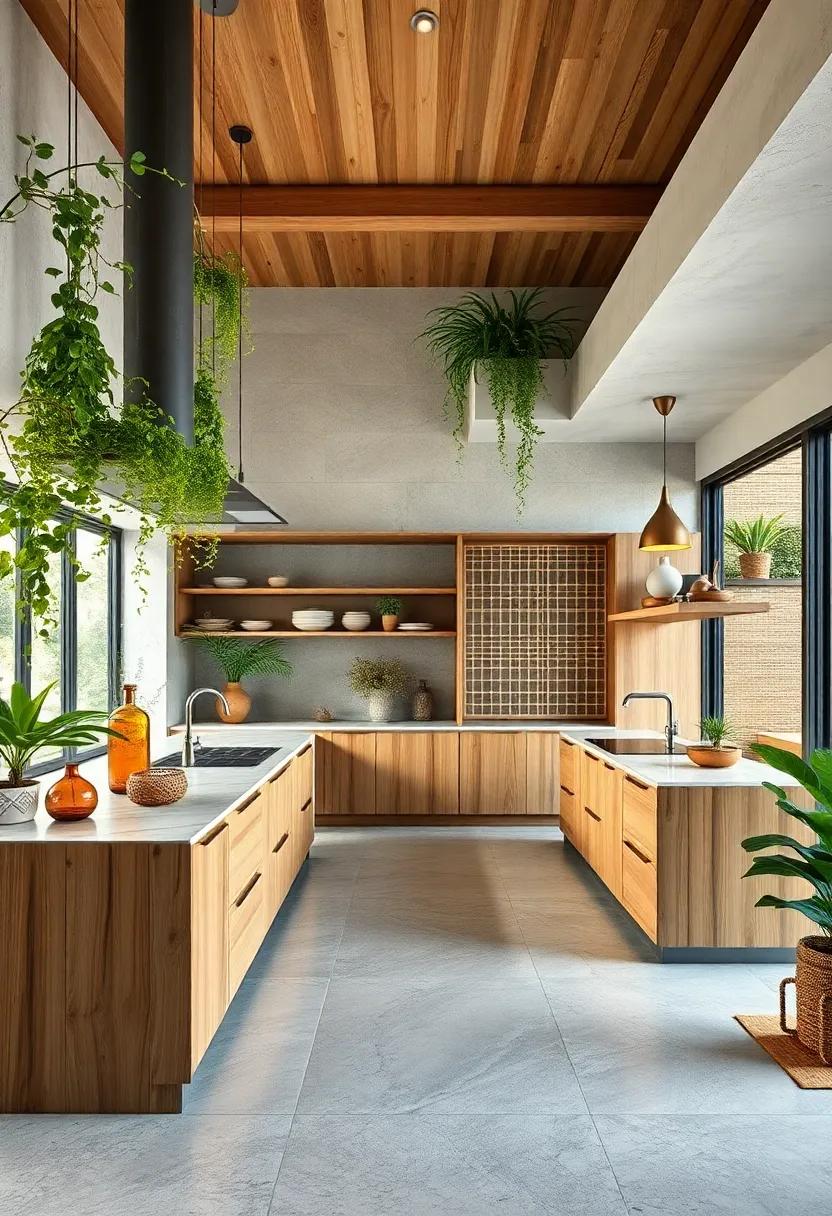
Imagine a heart of the home where every wooden grain tells a story, and nature’s embrace is felt in every corner. The handcrafted kitchen island, meticulously shaped from warm-toned wood, serves as both a functional centerpiece and an artistic statement. Surrounding it, delicate vines cascade gently, their lush greenery weaving a natural tapestry that breathes life and tranquility into the space. These living elements act as organic dividers, creating intimate zones for cooking and gathering without compromising an open, airy feel. Paired with elegantly designed bamboo screens, their sleek vertical lines subtly echo the natural rhythms of the wood, fostering a harmonious flow between utility and serenity.
Incorporating these elements transforms a kitchen into a sanctuary of sustainable craftsmanship and mindful living. Some essential features to consider when crafting such a sanctuary include:
- Eco-Friendly Materials: Utilizing reclaimed wood and bamboo supports sustainability without sacrificing style.
- Textural Contrast: The softness of trailing vines juxtaposed with the rigid form of bamboo screens adds depth and intrigue.
- Natural Light Enhancement: Positioning the island and screens to maximize daylight enriches the warmth of the wood and sustains plant life.
- Integrated Storage Solutions: Custom cabinetry carved seamlessly into the island ensures that beauty meets practical function.
| Element | Material | Benefit |
|---|---|---|
| Kitchen Island | Warm Walnut Wood | Rich tones that evoke cozy intimacy |
| Hanging Vines | Philodendron or Pothos | Air purification and visual softness |
| Bamboo Screens | Bamboo Slats | Privacy with natural elegance |
Soft Glow of Pendant Lights Bouncing Off Rich Walnut Panels and Verdant Kitchen Corners
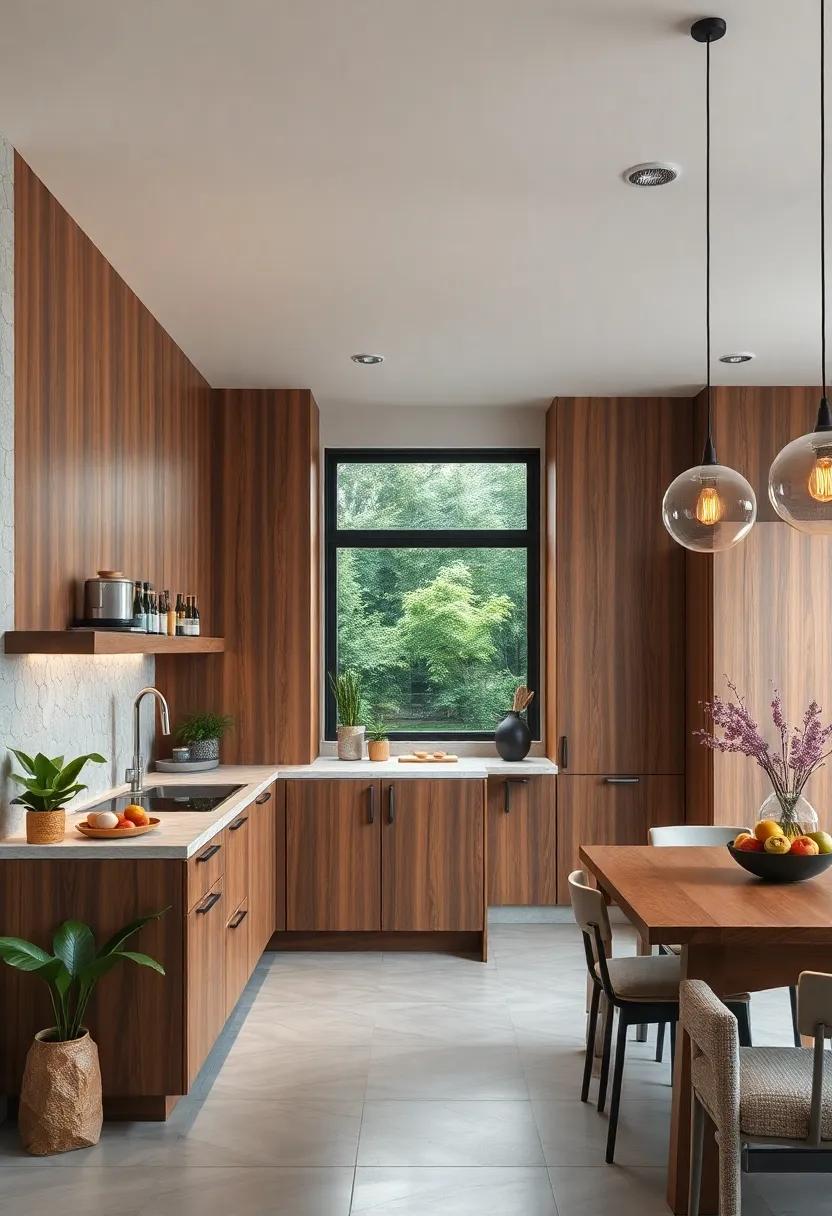
The intimate dance between light and texture cultivates an ambiance that is both inviting and serene. Suspended pendant lights emit a soft, honeyed glow that caresses the rich walnut panels, highlighting their natural grains and deep hues. This interplay of gentle illumination and dark wood creates a tactile warmth, inviting those who enter the kitchen to pause and appreciate its crafted beauty. The reflective shimmer on polished wooden surfaces intertwines with pockets of verdant greenery nestled in kitchen corners, establishing a visual rhythm that balances earthy depth with organic freshness.
To embrace this harmonious setting, consider incorporating:
- Warm amber bulbs: These bulbs amplify the wood’s natural tones, producing a cozy glow.
- Varied greenery: From cascading vines to compact potted herbs, plants introduce life and texture.
- Matte and gloss finishes: Combining these on walnut cabinetry elevates the tactile experience.
| Element | Effect |
|---|---|
| Pendant Lighting | Softens shadows, adds warmth |
| Walnut Panels | Rich texture, grounding presence |
| Verdant Corners | Fresh contrast, biophilic vibrancy |
Intricate Wood Carvings Decorating Kitchen Backsplashes Amidst Cascading Ferns
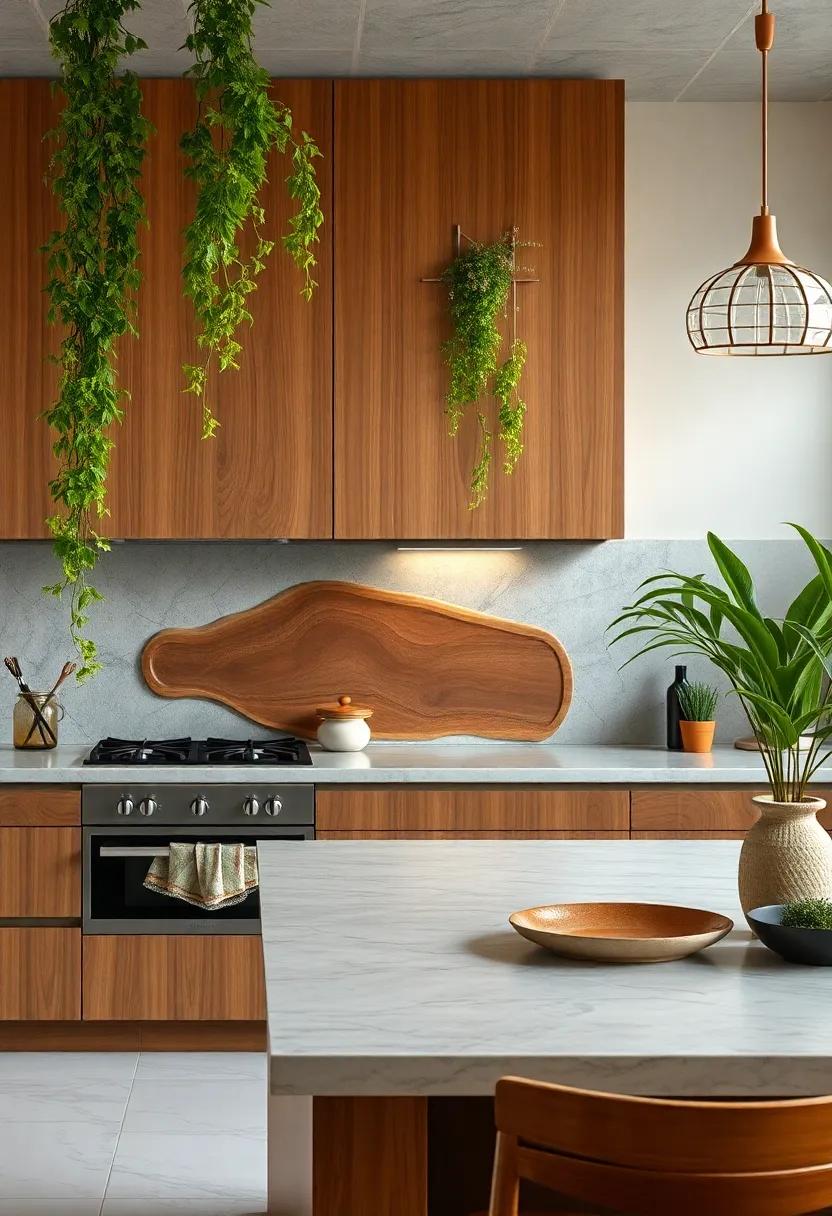
Transforming kitchen backsplashes with detailed wooden carvings infuses a sense of artistry and nature’s tranquility into the heart of the home. These intricate designs, often inspired by organic patterns and motifs, establish a tactile connection to the environment, celebrating craftsmanship in an era dominated by sleek minimalism. The warm grain and natural imperfections of wood contrast beautifully with the glossy surfaces of modern kitchens, creating a harmonious balance that welcomes both visual interest and a cozy ambiance.
Placed strategically amidst the lush presence of cascading ferns, these wood elements evoke a serene, woodland retreat right within the kitchen space. Biophilic design thrives here with the seamless integration of living greenery and artisanal wooden décor, encouraging a nurturing environment that promotes well-being and creativity. Consider these key elements that bring this theme alive:
- Textural contrast: Fine wood carvings set against smooth countertops or tiles
- Natural motifs: Leaves, vines, and organic shapes engraved with precision
- Live plants: Soft, cascading ferns that introduce freshness and movement
- Warm tones: Earthy browns paired with vibrant greens for an inviting palette
| Feature | Effect |
|---|---|
| Intricate carving depth | Adds shadow play and dimensionality |
| Fern placement | Enhances air quality & softens hard surfaces |
| Wood finishes | Protects against moisture and highlights grain |
Minimalist Kitchens Illuminated by Skylights and Featuring Driftwood-Inspired Furnishings
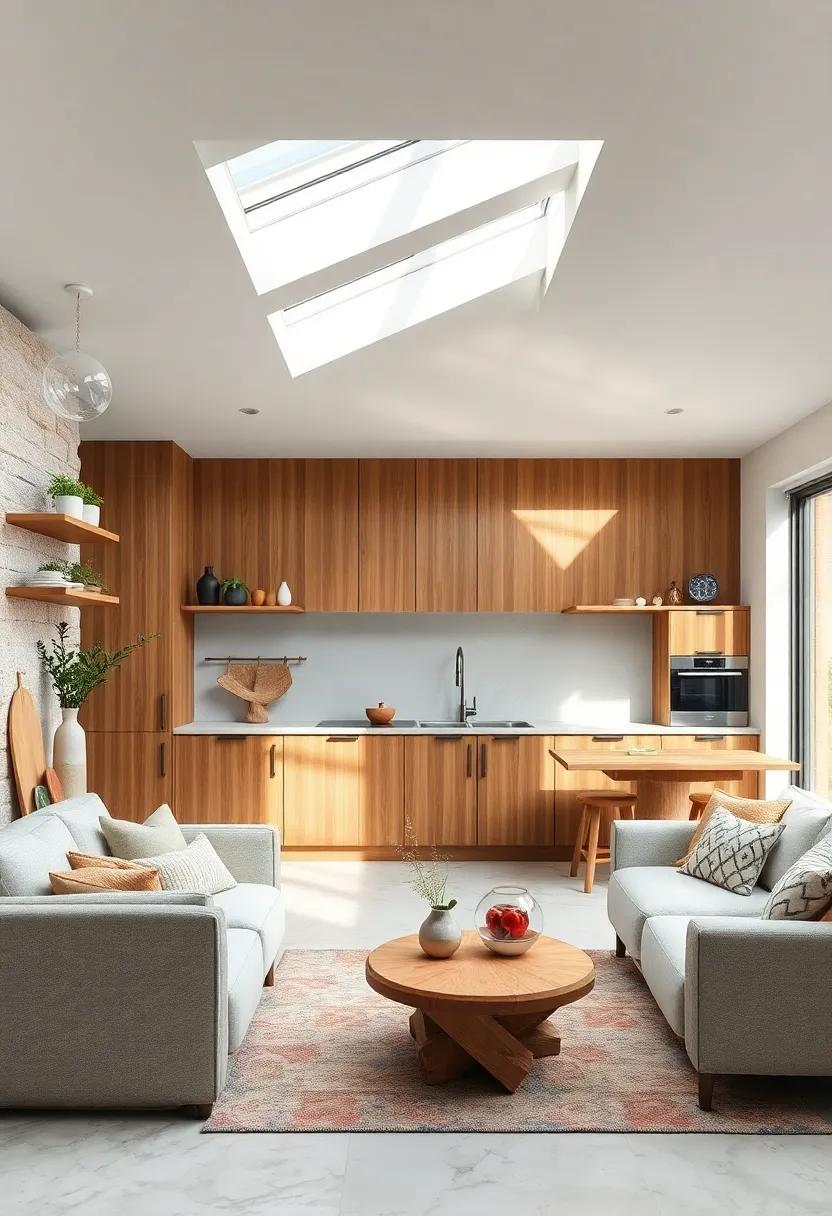
Sunlight cascades through strategically placed skylights, casting a natural glow that enhances every edge and surface in the kitchen. This infusion of daylight not only brightens the space but also creates an ever-changing canvas of shadows and light that breathe life into minimalist interiors. The synergy of openness and illumination uplifts the subtle textures of driftwood-inspired furnishings, inviting feelings of calm and connection to nature. These elements fuse seamlessly, erasing the boundaries between indoors and outdoors, and crafting a kitchen that thrives on simplicity and organic beauty.
Design elements that bring warmth and serenity to the space include:
- Natural driftwood tones in cabinetry and shelving
- Soft woven textiles enhancing tactile comfort
- Matte stone countertops with earthy undertones
- Minimalist hardware that draws attention to wood grain
| Feature | Purpose |
|---|---|
| Skylights | Maximize daylight & reduce artificial lighting |
| Driftwood Furnishings | Add texture & natural warmth |
| Minimalist Layout | Encourage functional flow and mindfulness |
| Earth-toned Palette | Create a soothing, nature-inspired ambiance |
Textural Mixtures of Weathered Oak and Ceramic Pots Overflowing with Fresh Herbs
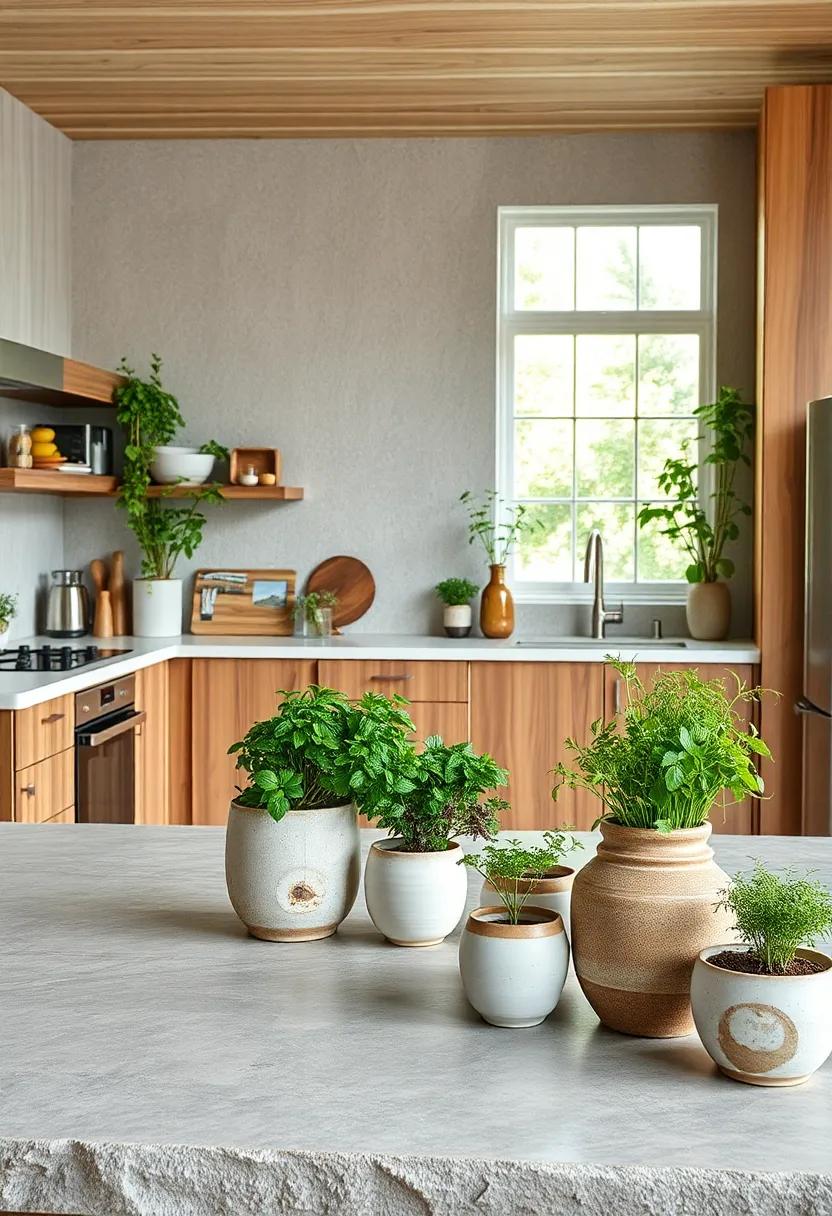
The tactile charm of weathered oak, with its rugged grooves and muted patina, invites a sensory experience that speaks to time-worn stories and natural resilience. Pairing this with ceramic pots-rich in earthy texture and hand-crafted imperfections-creates an immersive blend where the organic meets the artisanal. Overflowing with fresh herbs, these containers introduce bursts of verdant life, tantalizing both the eye and the palate. This combination fosters a kitchen atmosphere that celebrates slow living and the nurturing art of homegrown flavors.
To bring this textured harmony into your space, consider incorporating:
- Reclaimed oak shelves that show the beauty of age and usage
- Matte-finished ceramic pots in soft, natural hues to complement the wood
- A variety of aromatic herbs like rosemary, thyme, and basil for sensory appeal
- Soft linen or burlap accents to enhance tactile layering
- Subtle copper or brass tools that contrast with the rustic textures
| Material | Texture | Effect |
|---|---|---|
| Weathered Oak | Coarse, Timeworn Grain | Invokes Warmth & History |
| Ceramic Pots | Matte, Slightly Rough | Crafted Authenticity |
| Fresh Herbs | Vibrant, Lush Leaves | Natural Energy & Life |
Dramatic Contrast of Dark Stained Beams Against Bright Living Walls Filled with Succulents
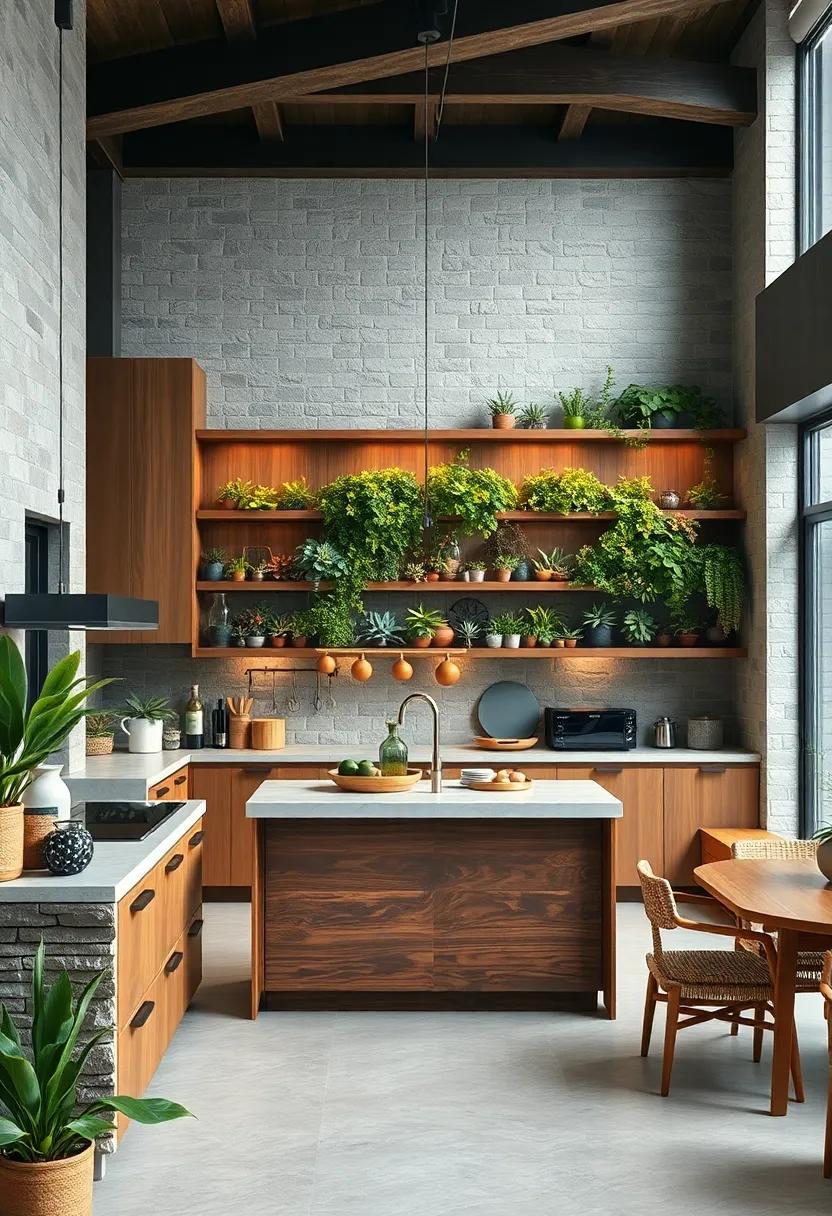
Bold, dark wooden beams carve out a striking framework that elevates the kitchen’s architectural narrative, creating a vivid interplay between strength and softness. When these beams are juxtaposed against vibrant walls blossoming with succulents, the result is a space that breathes life and organic vitality into every corner. The aggregate of deep wood tones with lush greenery doesn’t just decorate-a tactile dialogue unfolds, inviting the natural world indoors and fostering a serene, grounded atmosphere. The play of shadow and light on these elements encourages the eye to wander, while the textured leaves of the succulents add layers of visual interest and dimension.
To achieve this dynamic balance, consider these design essentials:
- Choose dark stains that enhance the wood grain without overpowering the room’s brightness.
- Curate succulent varieties with varying shades of green, blue, and even red to enrich the living wall’s palette.
- Install integrated lighting to highlight both the structural beams and the succulent walls, ensuring each detail is celebrated day and night.
These elements work harmoniously to craft a kitchen that is both dramatic and inviting-a perfect sanctuary where nature’s warmth is nurtured through thoughtful design.
Curved Wooden Features Evoking Organic Forms Nestled Among Leafy Kitchen Greenery
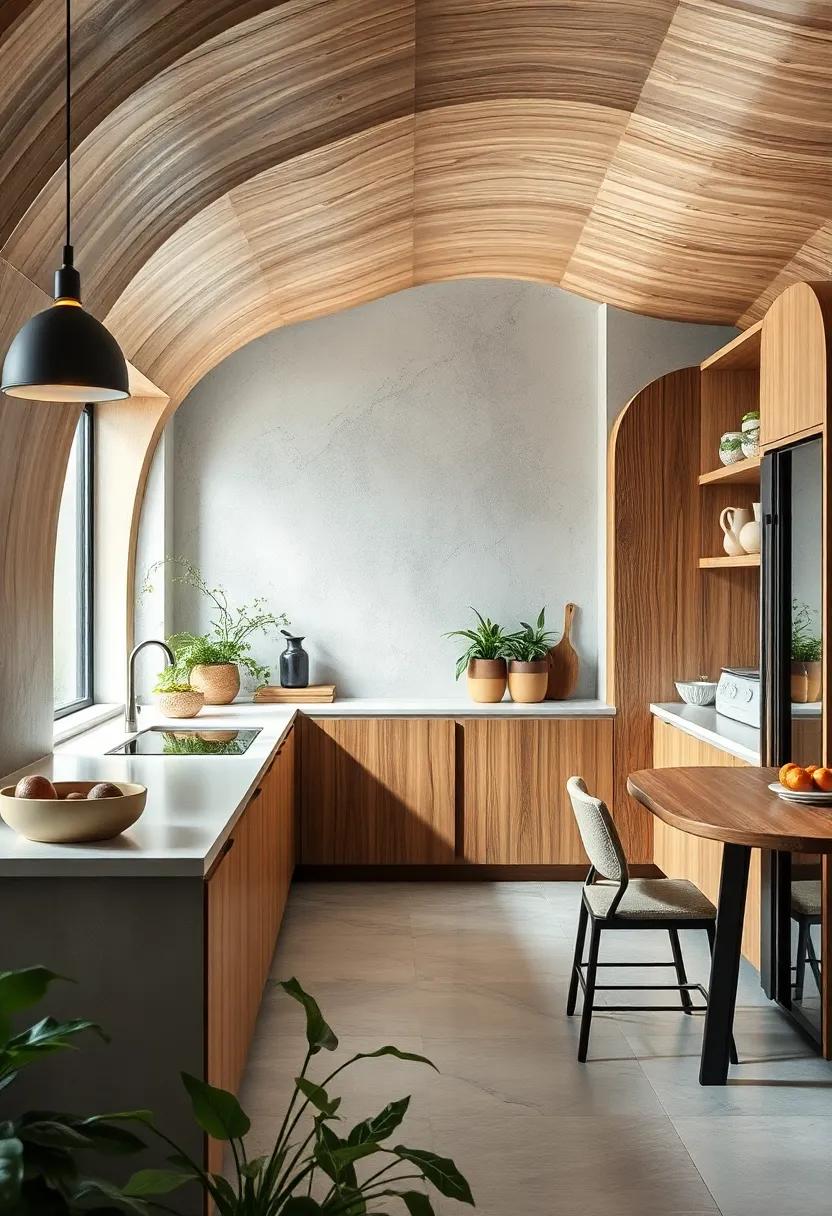
The gentle sweep of curved wooden elements introduces a tactile warmth that beautifully complements the lush greenery sprouting within biophilic kitchens. These soft arcs and undulating shapes mirror the natural contours found in forests and gardens, creating a seamless harmony between architecture and nature. When nestled among verdant plants-like trailing pothos or upright fiddle leaf figs-the wooden features invite the eye to travel along their fluid lines, fostering a sense of movement and organic growth within the space. This marriage of wood and leaf creates a sanctuary where design feels less constructed and more cultivated.
Integrating curved wooden accents goes beyond aesthetics; it influences how one experiences the kitchen environment. Consider surfaces such as curved-edge countertops or rounded shelving units that offer both function and form. Their soft profiles contrast with the rigid structures of appliances and cabinetry, inviting a calmer, more inviting atmosphere. Below is a simple guide highlighting popular wooden features and their complementary kitchen plants, emphasizing this natural synergy:
| Wooden Feature | Complementary Plant | Organic Benefit |
|---|---|---|
| Curved Open Shelves | English Ivy | Enhances vertical flow |
| Rounded Kitchen Islands | Herbs like Basil & Mint | Encourages interactive nurturing |
| Arc-Edged Cabinet Doors | Snake Plant | Softens rigid lines |
Blended Elements of Smooth Sanded Wood with Rough Bark Textures and Natural Fiber Rugs
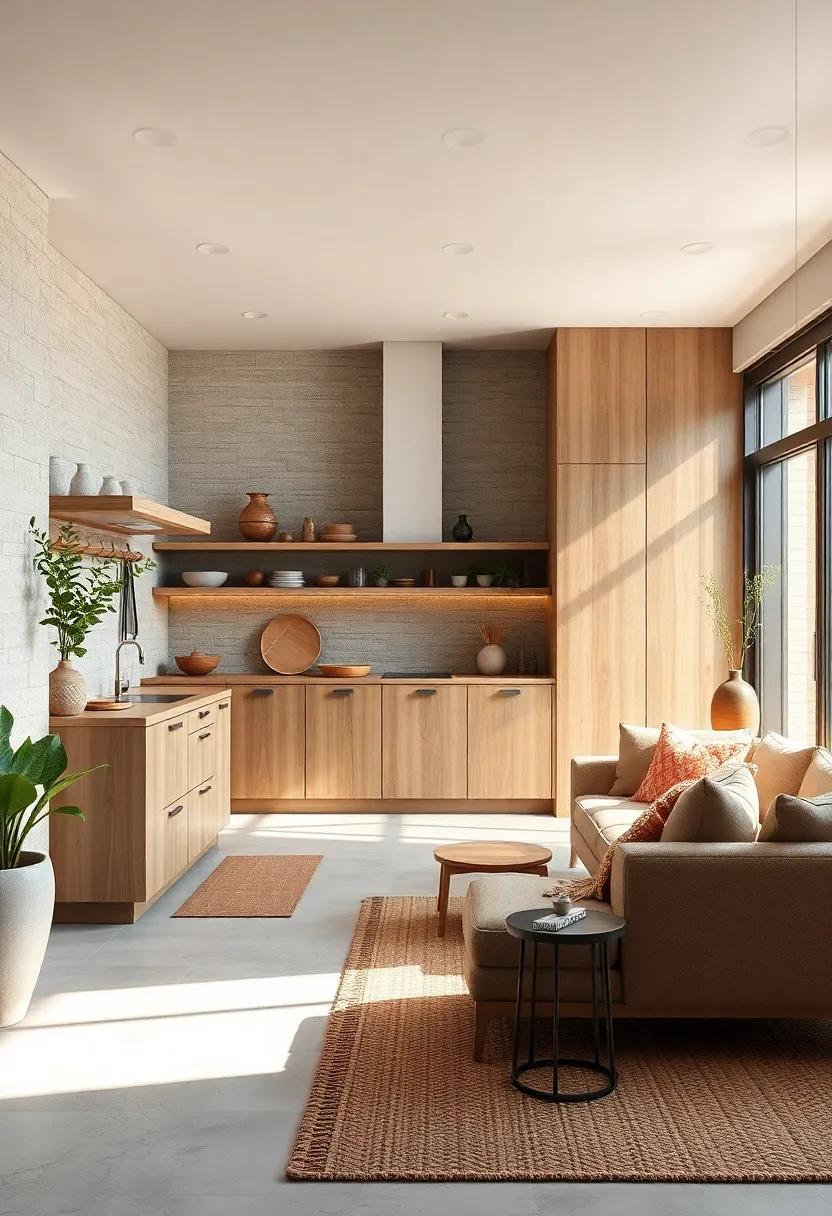
Seamlessly integrating tactile contrasts, the kitchen space evolves into a sensory sanctuary where the charm of smooth sanded wood surfaces meets the primal allure of rough bark textures. This juxtaposition creates not only visual depth but also a narrative of nature’s raw elegance refined through craftsmanship. Imagine cabinet doors with silky finishes gliding open to reveal hidden grains kissed by light, while adjacent shelving flaunts the authenticity of bark’s rugged artistry, inviting touch and admiration. Such a balance elevates the environment, making every glance and movement a subtle celebration of organic imperfection and warmth.
Complementing this wooden dialogue, floor coverings woven from natural fibers anchor the space with understated earthiness. Rugs crafted from jute, sisal, or coir introduce a grounding softness that contrasts delightfully with wood’s solid presence. Their woven patterns and textural variety add layers of comfort and sustainability, while their neutral tones harmonize effortlessly with diverse wooden hues. Consider the following elements when pairing natural fiber rugs with wood textures for a biophilic kitchen experience:
- Color Palette: Choose rugs in muted, earthy tones to maintain a serene ambiance.
- Size & Shape: Opt for asymmetrical or organic shapes to echo the unrefined bark edges.
- Layering: Layer rugs to create warmth and mimic the stratified complexity of natural ecosystems.
- Maintenance: Select durable fibers that age gracefully alongside wooden elements.
| Wood Finish | Fiber Rug Type | Textural Pairing |
|---|---|---|
| Light Sanded Oak | Natural Jute | Soft & Earthy Contrast |
| Dark Walnut with Bark Edge | Sisal Rug | Rugged & Durable Blend |
| Smooth Maple | Coir Mat | Balanced Organic Texture |
Indoor Jungle Vibes with Warm Pine Cabinets and Hanging Planters of Tropical Leaves
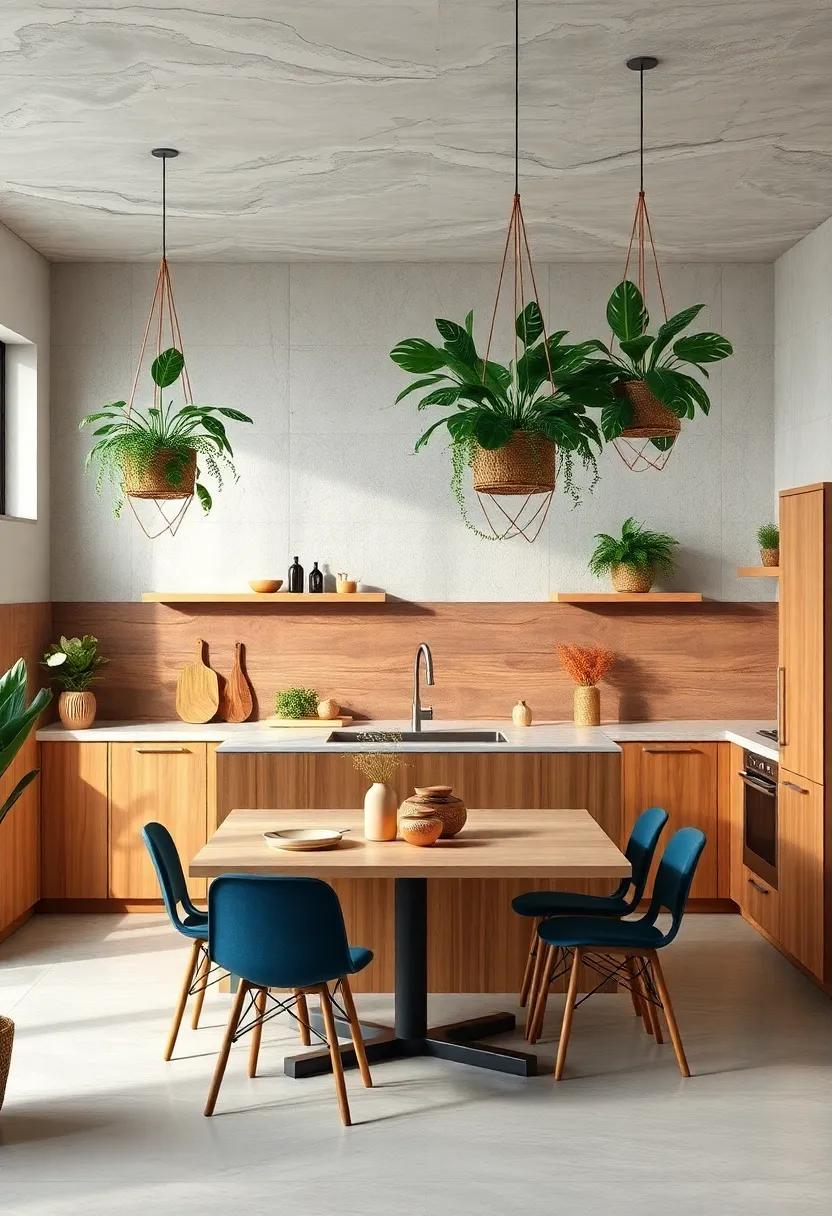
Transform your kitchen into a serene sanctuary where nature’s essence is seamlessly woven into everyday living. Warm pine cabinetry brings an inviting, earthy glow that beautifully complements the vibrant greens of hanging tropical planters. These lush, cascading leaves not only purify the air but also create dynamic visual layers that invite a sense of calm and connection. Imagine the soothing interplay of soft wood hues with the playful movement of foliage swaying gently overhead-each glance a moment of mindfulness.
To enhance this indoor jungle aesthetic, consider integrating the following elements:
- Natural fiber textiles-woven baskets or jute rugs add texture and organic warmth.
- Accent lighting-soft, warm LED strips nestled under cabinets highlight the pine’s grain and the lush greens.
- Minimalistic ceramic planters-sleek, neutral bases emphasize the vibrant foliage without overpowering it.
| Plant Type | Care Level | Ideal Placement |
|---|---|---|
| Monstera Deliciosa | Moderate | Near windows |
| Philodendron | Easy | On hanging hooks |
| Bird’s Nest Fern | Easy | Shady corners |
Sun-Kissed Wooden Dining Areas Surrounded by Blooming Flower Arrangements and Wild Grasses
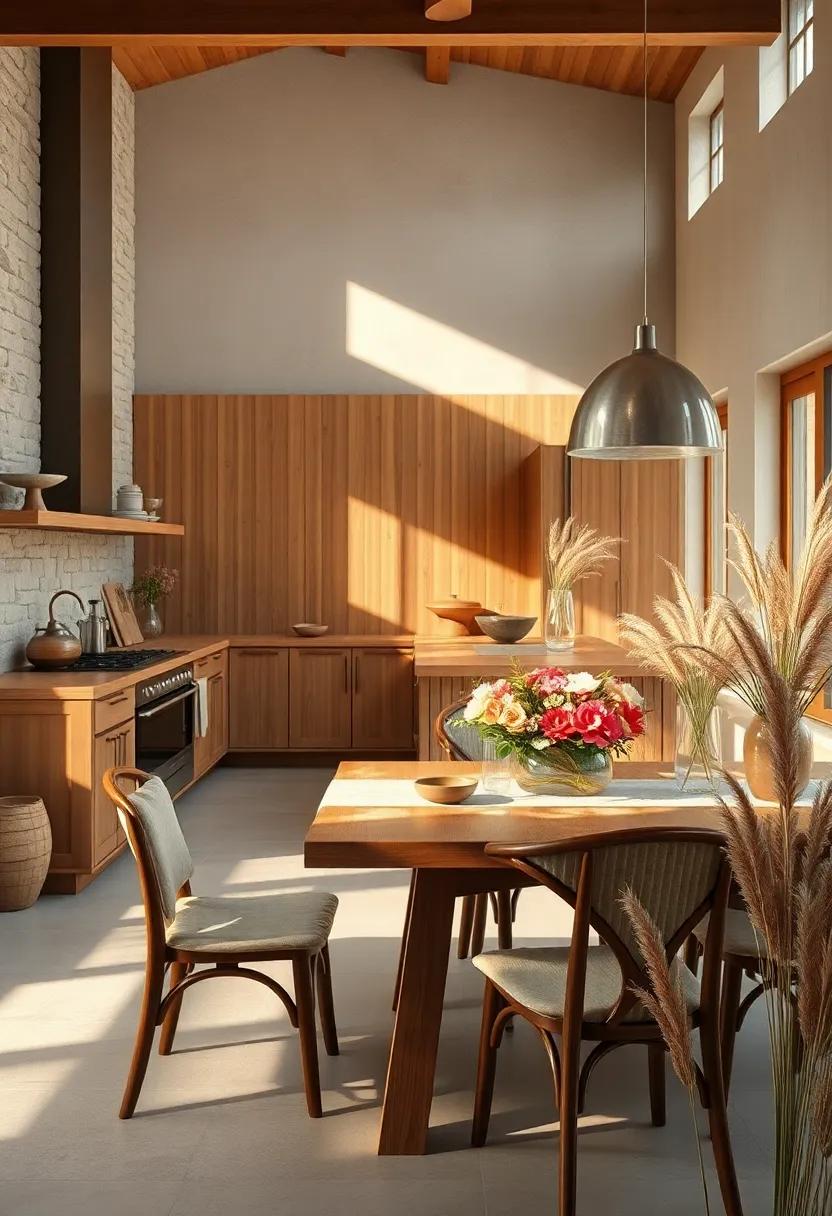
Imagine a dining space where every meal is an invitation to feast with nature. The embrace of warm, sun-drenched wood creates a tactile connection to the outdoors, its grains telling stories of ancient forests and summer breezes. Surrounding these natural surfaces, vibrant clusters of blooming flowers and tufts of wild grasses add layers of texture and a symphony of colors that dance with light. This harmonious blend nurtures an environment that is both grounding and inspiring, encouraging long, leisurely meals filled with laughter and connection.
Key elements to consider for achieving this serene yet lively ambiance include:
- Handcrafted wooden furniture: each piece unique, offering organic shapes and subtle imperfections.
- Seasonal flower arrangements: changing throughout the year to keep the space dynamic and fresh.
- Natural textile accents: like linen or cotton cushions that bring softness while echoing nature’s palette.
- Wild grasses in decorative vases: introduced to sway gently with indoor breezes, mimicking outdoor movement.
| Feature | Benefit | Design Tip |
|---|---|---|
| Sunlit Wood | Enhances warmth and comfort | Use untreated or lightly oiled finishes |
| Blooming Flowers | Invokes freshness and vibrancy | Choose native species for authenticity |
| Wild Grasses | Adds movement and softness | Place near windows for natural airflow |
Rustic Meets Modern with Polished Cherry Wood Counters and Matte Green Painted Walls
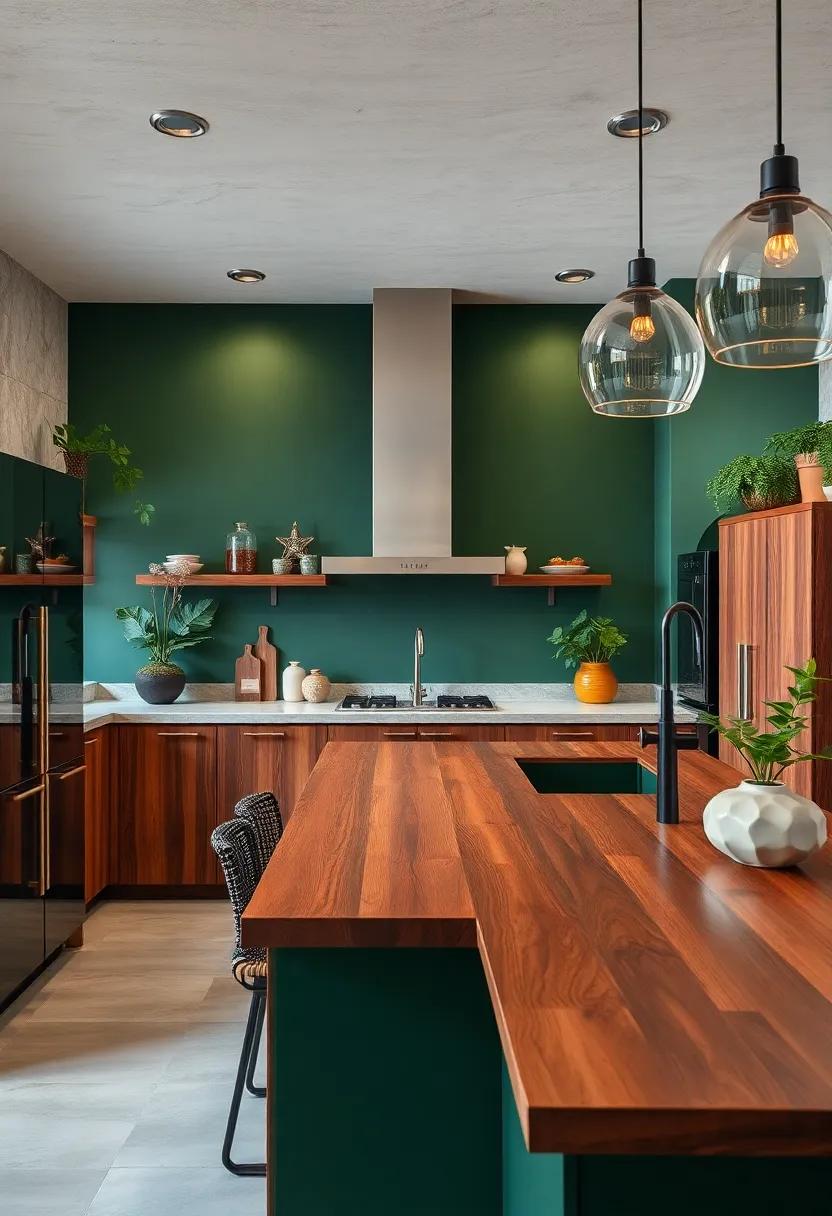
Marrying the raw charm of polished cherry wood with the subtle sophistication of matte green walls creates a timeless kitchen palette that breathes life into any space. The rich, warm hues of cherry wood counters, with their smooth, glossy finish, evoke a sense of tradition and comfort, while the muted green backdrop adds a fresh, earthy contrast that keeps the ambience grounded in nature. This duo offers a visual and tactile harmony that is both inviting and calming, perfect for cultivating a nurturing cooking environment.
To complete this balanced aesthetic, consider incorporating elements such as:
- Natural fiber rugs for added texture beneathfoot
- Brushed brass hardware to complement the warm wood tones
- Indoor plants placed strategically to enhance biophilic vibes
| Feature | Benefit |
|---|---|
| Polished Cherry Wood | Durable, luxurious warmth |
| Matte Green Paint | Soft, natural contrast |
| Brushed Brass Hardware | Elegant accent, tactile |
| Indoor Plants | Enhanced air quality & ambience |
Nature’s Palette Highlighted Through Cedar Shelving and Vibrant Indoor Foliage Displays
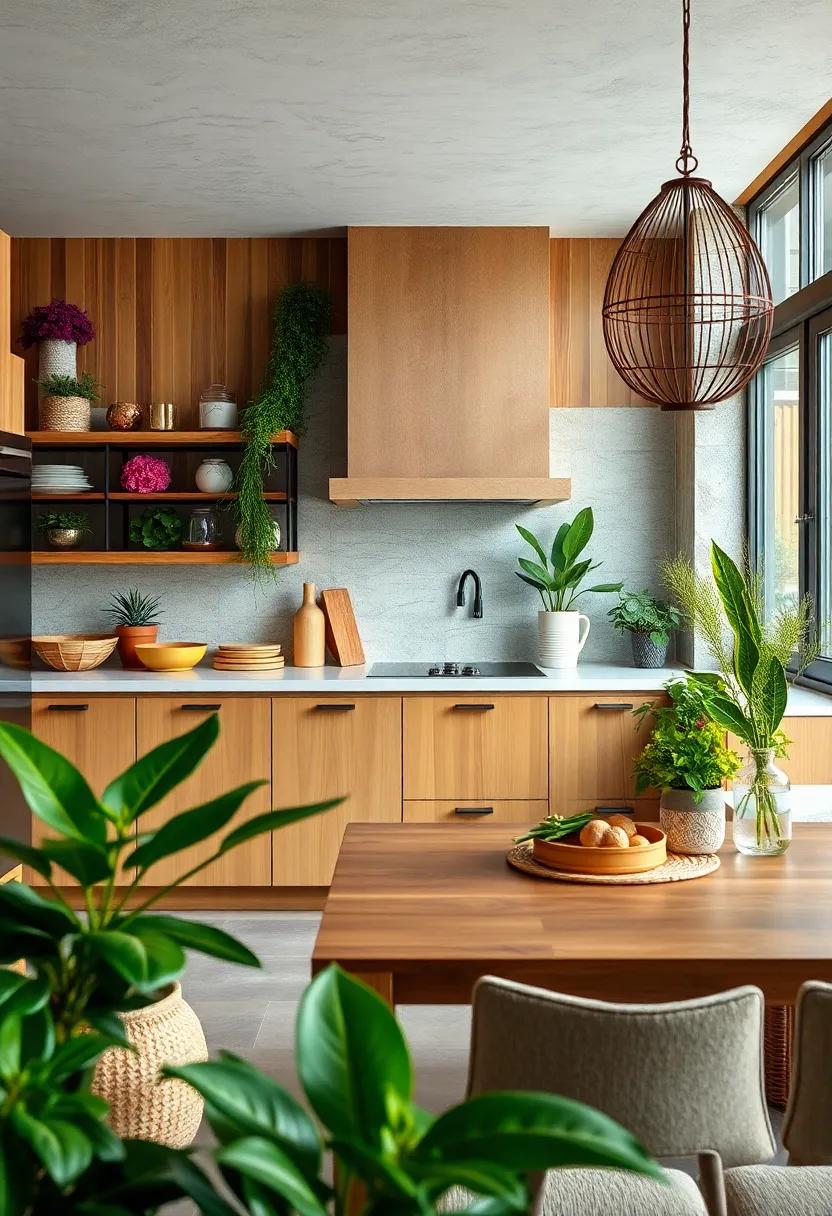
There is an undeniable elegance in combining the rich, earthy tones of cedar shelving with the lush vibrancy of indoor plants. The deep reddish hues of cedar wood bring a natural warmth that serves as a perfect backdrop for lively greenery, creating a harmonious balance between organic textures and fresh, botanical energy. Beyond aesthetics, cedar’s natural aroma and resistance to moisture elevate its presence, making it a practical yet stylish choice for kitchen spaces where the senses are engaged on every level.
Incorporating vibrant foliage into your kitchen design invites a daily touch of life, color, and air-purifying benefits. Whether it’s a trailing pothos that cascades rhythmically from a floating shelf or clusters of succulents that punctuate the countertop, these living accents foster a nurturing environment that feels both grounded and invigorating. To optimize your green display, consider these elements:
- Varied plant heights and textures to create dynamic visual interest.
- Contrasting leaf shapes and colors that pop against the warm cedar tones.
- Strategic placement near natural light for thriving foliage.
- Incorporation of rustic, handcrafted pots to complement wooden shelving.
| Plant Type | Care Level | Ideal Shelf Location |
|---|---|---|
| Pothos | Low | Hanging or top shelves |
| Succulents | Medium | Countertop or window sill |
| Fern | Medium-high | Lower shelves with indirect light |
| Snake Plant | Low | Any dry corner |
Earth-Toned Clay Pots Resting on Rough Hewn Timber Ledges with Cascading Ivy
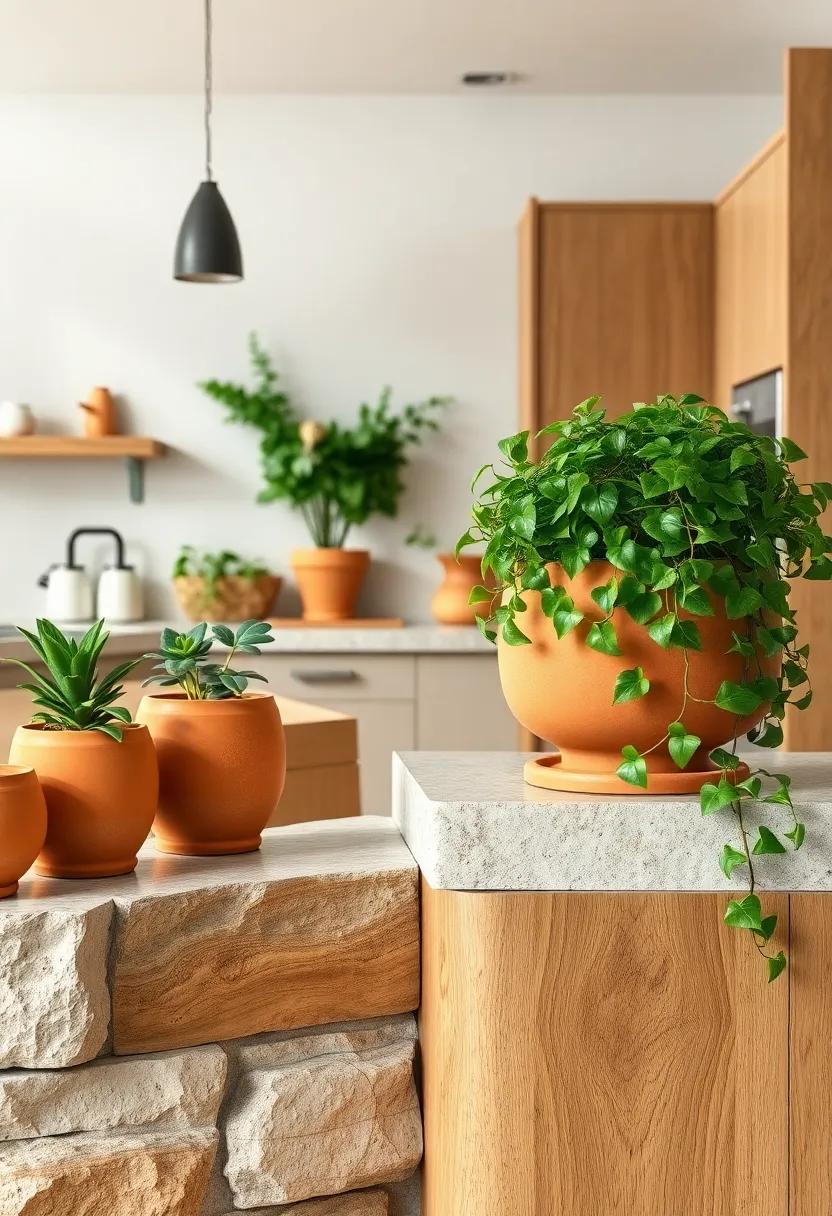
Imagine a tactile sanctuary where the tactile warmth of sunbaked clay meets the raw authenticity of hewn timber. These classic pots, glazed in earth-inspired hues-burnt sienna, ochre, and terracotta-find their timeless place resting across rugged wooden ledges, echoing the natural imperfections of the forest floor. The rough cut of the beams, with their knotty grains and uneven edges, provides a robust contrast, awakening a sensory dialogue between smooth curves and textured planes. This interplay brings a grounded, nurturing feeling to kitchen spaces, enhancing the biophilic essence by invoking a serene yet vibrant environment.
Adding to this elemental tableau, verdant ivy spills effortlessly over edges, cascading like liquid green silk. Its dynamic presence softens the sturdiness of wood and clay, imparting movement and life. To balance the composition, consider incorporating:
- Natural fiber baskets to introduce subtle tactile layers.
- Soft linen textiles in warm, muted palettes.
- Hand-blown glass pitchers with delicate imperfections mirroring nature’s unpredictability.
| Material | Texture | Mood |
|---|---|---|
| Earth-Toned Clay | Smooth yet porous | Warm and inviting |
| Rough Hewn Timber | Coarse and rugged | Rooted and natural |
| Cascading Ivy | Lush and flowing | Refreshing and lively |
Zen-Inspired Wooden Screens Dividing Bright Kitchens Overflowing with Bamboo and Palm Leaf
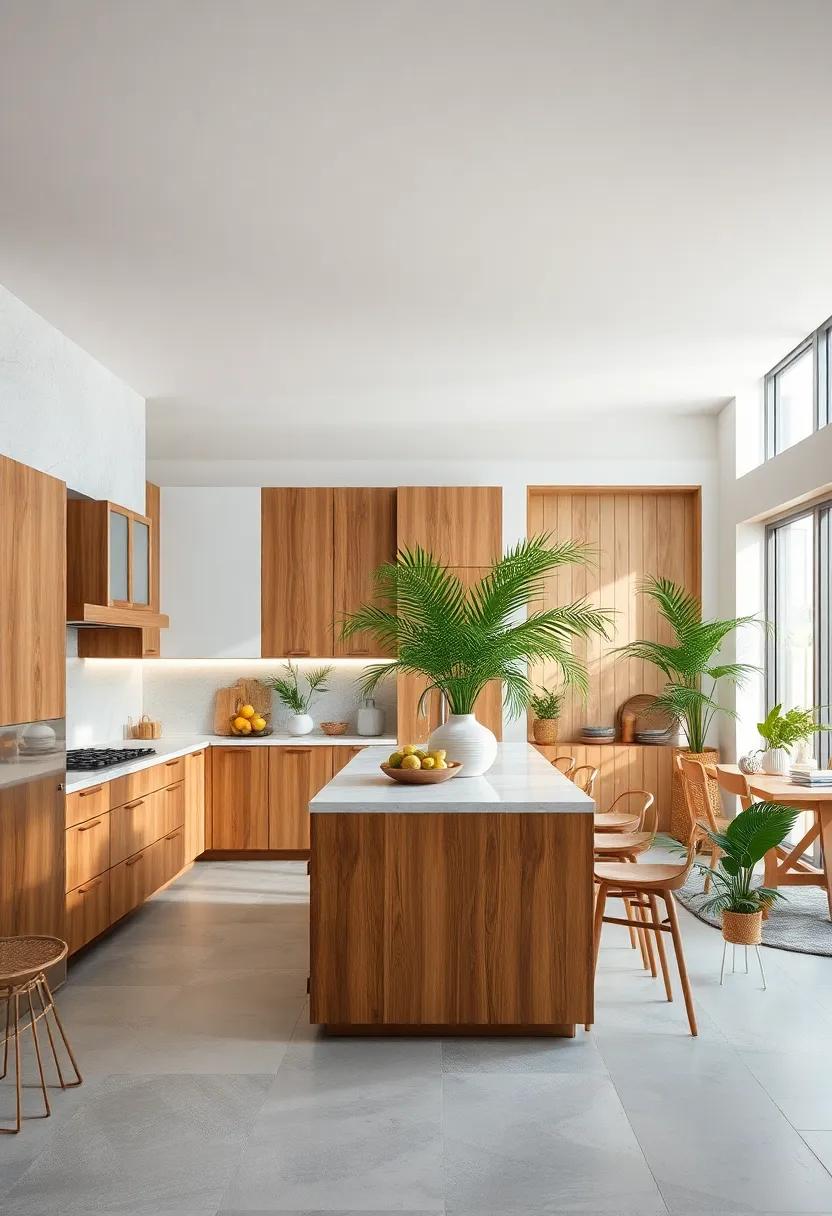
Subtle wooden screens inspired by traditional Zen aesthetics create a serene barrier that effortlessly harmonizes open-concept kitchens. These partitions, crafted from warm-toned timber, enhance the sense of tranquility without obstructing natural light. The screens’ delicate lattice patterns echo the organic flow of nature, offering texture and depth while maintaining a breezy, airy ambiance. They not only delineate space but also introduce a tactile warmth that softens the bright, lively surroundings filled with lush greenery.
Enhancing this natural vibe, the rich presence of bamboo and palm leaves weaves nature’s vibrancy into the heart of the home. Bamboo’s slender stalks and palm leaves’ wide fronds inject vitality and movement, complementing the wooden screens with their refreshing green hues. This thoughtful layering of materials cultivates a biophilic connection, encouraging calm and mindfulness amid daily kitchen rituals. To elevate this effect, consider these gentle design tips:
- Rotate plant placements to catch sunlight throughout the day, enlivening different corners.
- Choose sustainable wood finishes that highlight natural grains and ages gracefully.
- Mix textures by combining smooth bamboo with the rough grain of wooden slats.
Natural Twig Chandeliers Casting Shadows Over Smooth Wooden Tabletops and Mossy Accents
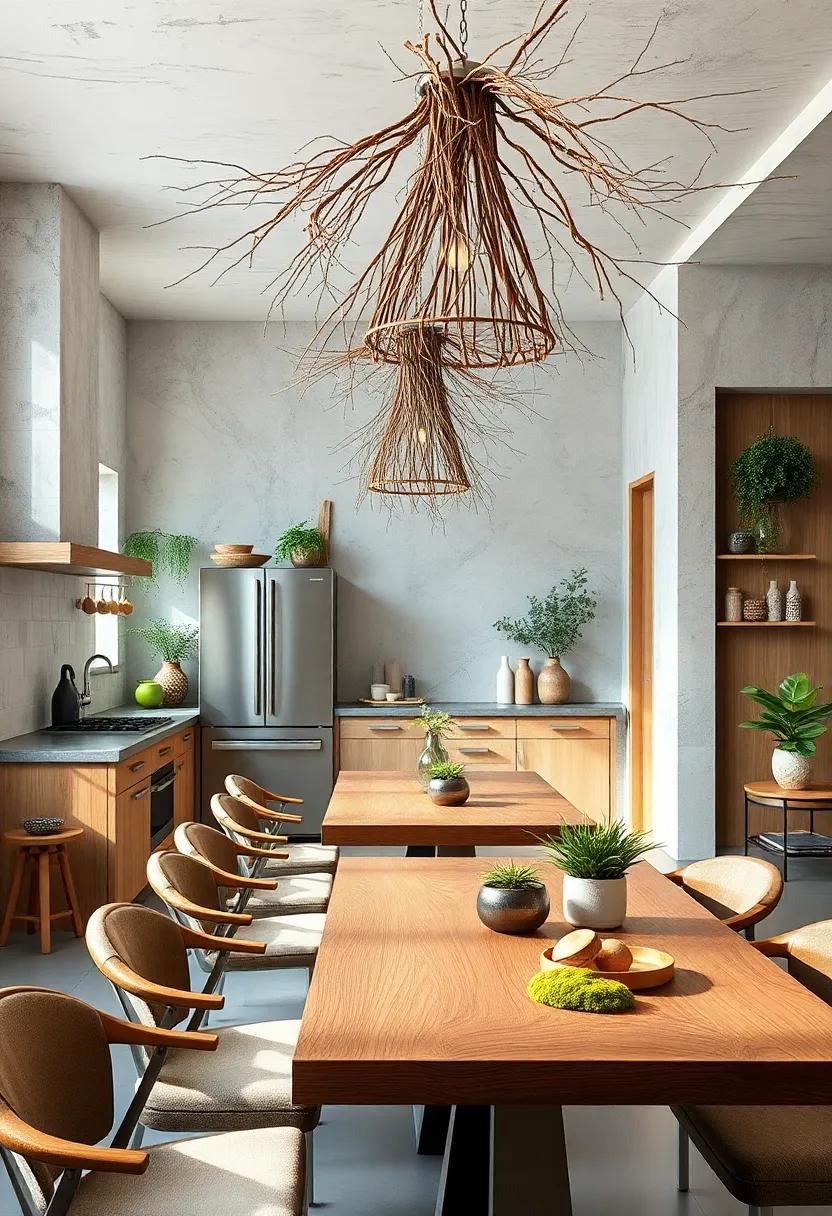
Natural twig chandeliers bring an organic elegance that dances with light, creating intricate shadow patterns across smooth wooden tabletops. These suspended sculptures of nature don’t just illuminate; they tell a story of rustic charm meeting contemporary design. The interplay of light and shadow offers a visual rhythm that transforms your kitchen into a serene sanctuary, where every meal feels touched by the outdoors. Pairing these fixtures with polished, tactile surfaces ensures that the eye is drawn to both the rugged beauty above and the sleek craftsmanship below.
Incorporating mossy accents alongside twig chandeliers amplifies this immersive biophilic experience, infusing kitchen spaces with vibrant, natural textures. Small clusters of preserved moss nestled within open shelving or as centerpiece elements create a lush contrast against the refined wood grains, evoking the calming spirit of a forest floor. Consider the following ways to balance these elements effectively:
- Soft, ambient lighting: Enhances the delicate shadows without overpowering the room.
- Matte wood finishes: Provide warmth and reduce glare, underscoring natural textures.
- Greenery integration: Use moss as a low-maintenance living art form that complements wooden accents.
| Element | Effect |
|---|---|
| Twig Chandelier | Organic light play and rustic elegance |
| Wooden Tabletops | Warmth and tactile comfort |
| Moss Accents | Lush texture and visual freshness |
Blending Birch Wood and Soft Green Tiles to Create Calm Biophilic Dining Corners
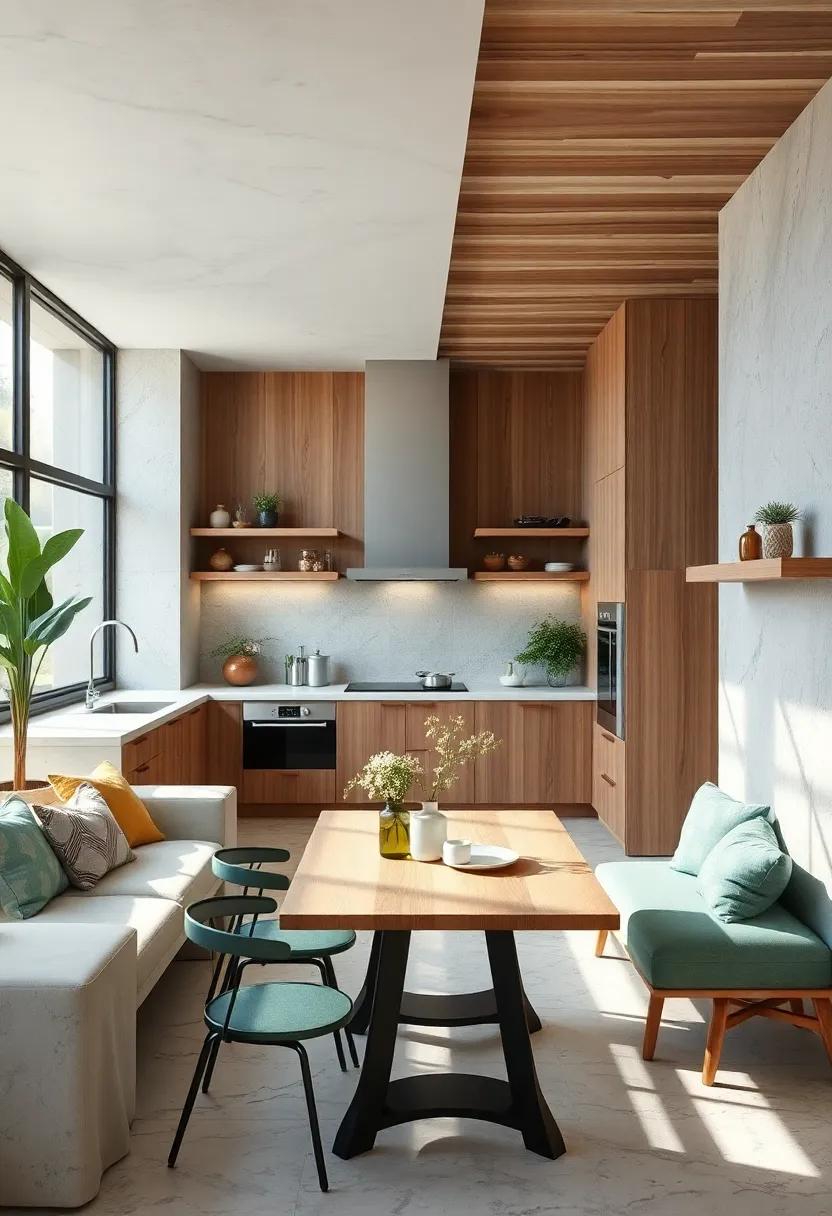
Integrating the gentle hues of soft green tiles with the natural warmth of birch wood invites a serene atmosphere into any dining nook. The light, almost creamy tone of birch wood complements the muted verdant shades, establishing a harmonious balance that calms the senses while instilling a subtle connection to nature. This blend is more than a visual treat-it engages tactile experiences as well, with the smooth, cool finish of the tiles contrasting the textured warmth of the wood, crafting a dynamic yet peaceful space perfect for shared meals or quiet reflection.
To enhance this biophilic aesthetic, consider incorporating these elements:
- Curved wooden furniture: Soft edges resonate with organic forms found in nature, reinforcing a feeling of nurturing comfort.
- Matte, stoneware tableware: These add depth while maintaining earth-inspired minimalism.
- Indoor plants with varied leaf shapes: Strategically placed greenery can amplify the calming effect and bring life into the corner.
| Design Feature | Impact |
|---|---|
| Birch Wood Grain | Creates a soft, textured warmth |
| Soft Green Tiles | Introduce a fresh, natural tranquility |
| Natural Light | Enhances color tone and mood uplifting |
Seasonal Flower Bouquets Placed on Soft Oak Surfaces Amidst Herb-Infused Window Sills
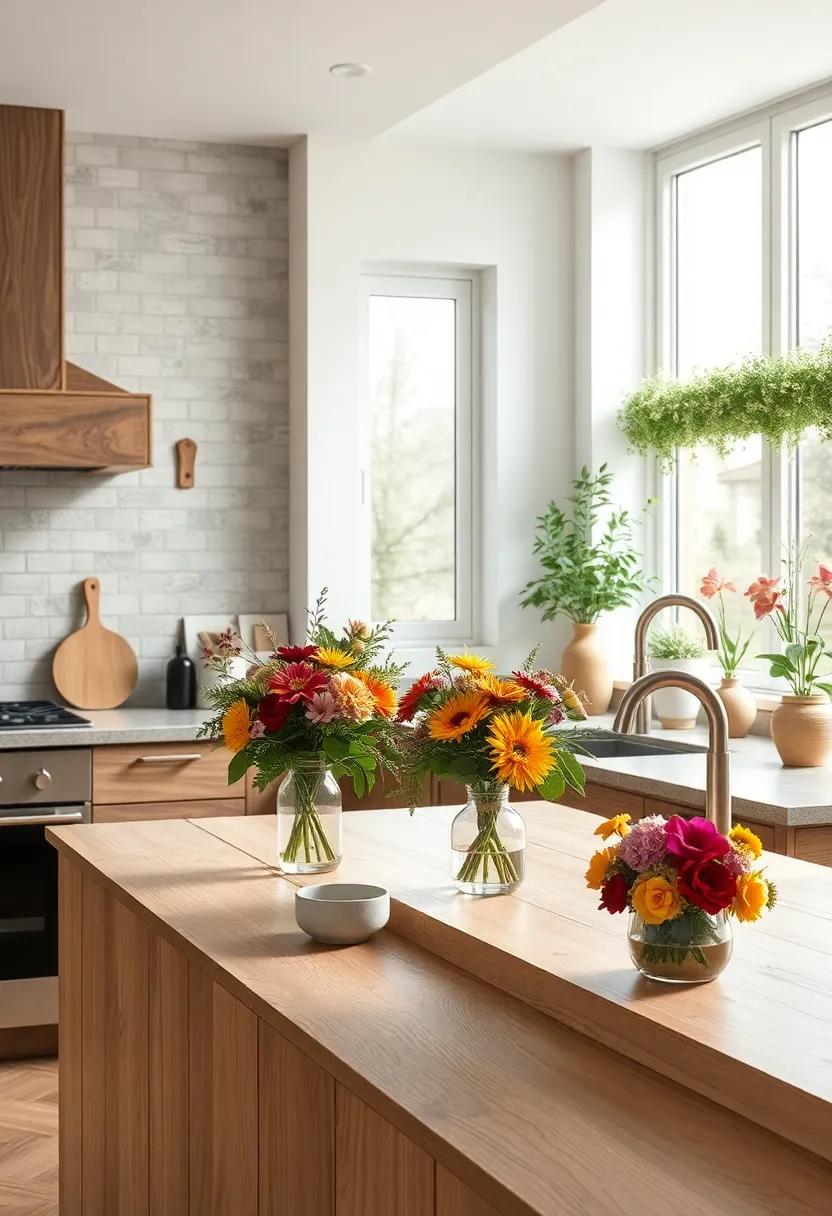
Embracing the cyclical beauty of nature, vibrant flower bouquets transition seamlessly with the seasons, each arrangement curated to echo the warmth and texture of soft oak surfaces. These wooden canvases amplify the natural colors and delicate forms of blossoms, creating a harmonious dance between the tactile grain and the ephemeral petals. The rustic charm of oak not only supports but elevates these floral compositions, inviting an intimate connection to the outdoors within the heart of the home.
Adjacent to these vivid displays, herb-infused window sills serve as fragrant sanctuaries, nurturing greenery that breathes life and aroma into the kitchen space. This tactile interplay between flora and wood is enhanced by subtle design choices, such as:
- Textured pottery that cradles the herbs, adding a handcrafted feel
- Natural light filtering through linen curtains, softening the wood’s golden hues
- Seasonal rotations keeping the setting fresh and engaging
| Season | Flower Types | Herbs Featured |
|---|---|---|
| Spring | Tulips & Daffodils | Mint & Chives |
| Summer | Sunflowers & Lavender | Basil & Rosemary |
| Autumn | Chrysanthemums & Marigolds | Sage & Thyme |
| Winter | Poinsettias & Holly | Rosemary & Bay Leaf |
Sculptural Wooden Utensils Hung on Walls Draped with Fresh Botanical Garlands
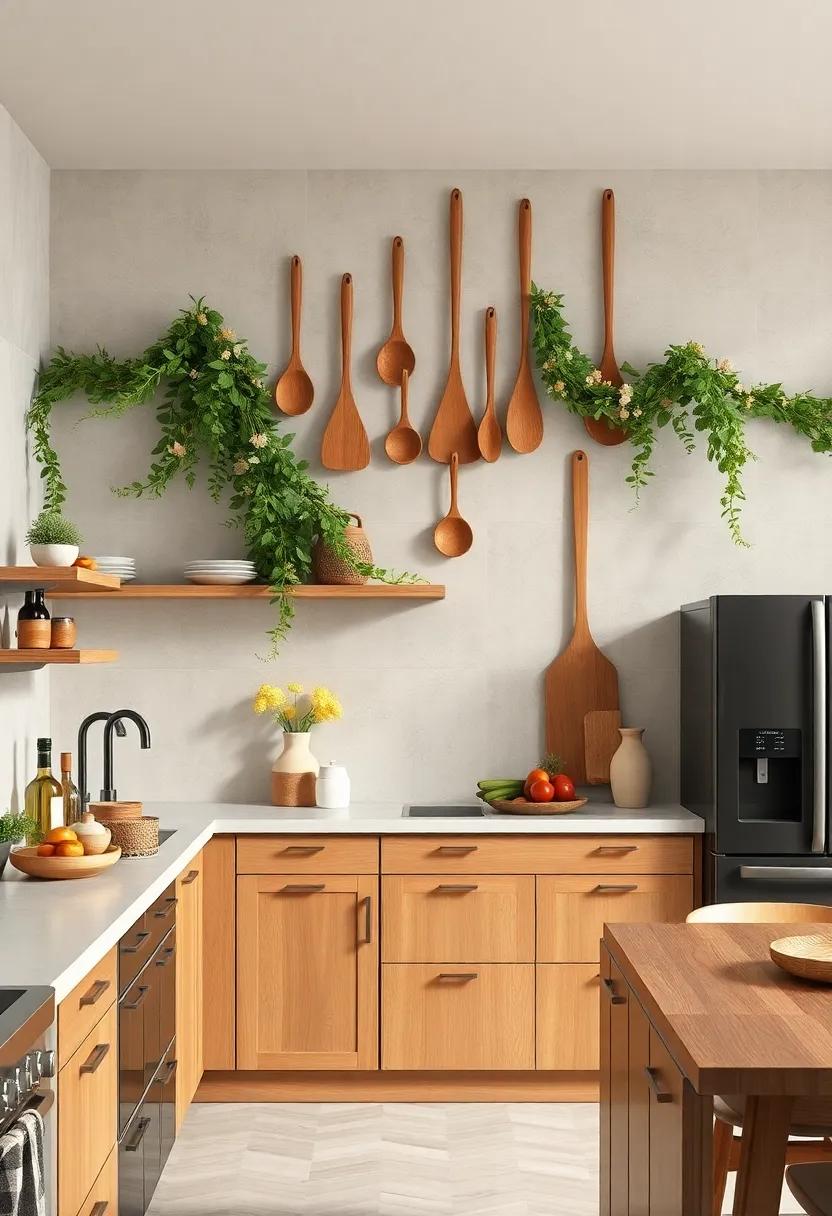
Transform your kitchen walls into a living gallery where art meets utility through sculptural wooden utensils. Each handcrafted piece tells a story – their curves echo the gentle flow of nature, while the warm grain of the wood invites a tactile experience that modern kitchens often lack. Hung with intention, these utensils not only free up drawer space but also become focal points that invite conversation and admiration. The organic texture of wood softens the room, making it feel more welcoming and intimately connected to the earth.
Enhancing this natural artistry, fresh botanical garlands wind their way across the walls, infusing the space with vitality and seasonal charm. Imagine eucalyptus, rosemary, or trailing ivy cascading alongside these wooden masterpieces, releasing subtle fragrances that enliven your senses while cooking. This interplay of texture and scent embraces the biophilic design ethos, turning your kitchen into a sanctuary where nature’s nurturing presence is felt in every corner.
- Design Tip: Mix utensils of varied shapes and sizes for dynamic visual interest.
- Maintenance: Refresh garlands weekly to maintain vibrancy and aroma.
- Materials: Opt for sustainably sourced woods and local botanicals to deepen eco-conscious appeal.
Light-Drenched Kitchens Featuring Pale Maple Wood and Wispy Hanging Greenery
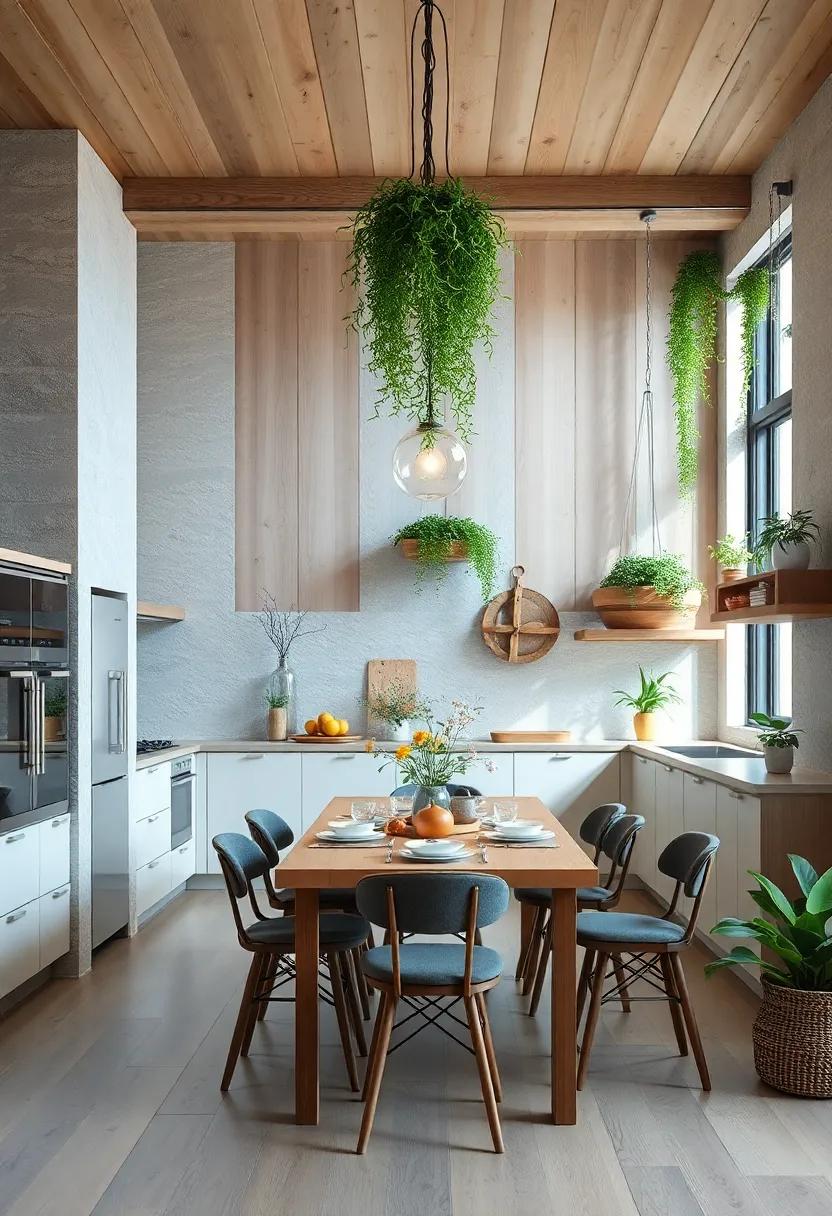
Sunlight filters through expansive windows, casting a warm glow onto the subtle grain of pale maple cabinetry. This choice of wood imbues the kitchen with a serene, organic warmth that grounds the space without overwhelming it. Paired with minimalist fixtures and clean surfaces, the environment becomes a calming retreat where the natural elements take center stage. The gentle hues of maple allow the greenery to breathe life into every corner, transforming the kitchen into an inviting haven that soothes both the eyes and soul.
Suspended wispy greenery, swaying delicately with every breeze, introduces an element of fluidity and softness. These carefully curated hanging plants provide visual texture, improve air quality, and blur the boundaries between indoors and outdoors. Incorporating these elements can be as simple as:
- Trailing ivy: Cascading gracefully along open shelving
- Air plants: Nestled in glass terrariums above islands or counters
- Fern fronds: Hanging loosely in rustic macramé holders
| Element | Effect | Placement Tip |
|---|---|---|
| Pale Maple Wood | Creates warmth and simplicity | Choose matte finishes |
| Wispy Greenery | Enhances air freshness and texture | Use varying lengths for depth |
| Natural Light | Brightens and energizes space | Install large, unobstructed windows |
Soft Textured Wooden Pantry Doors Complemented by Potted Plants and Floral Arrangements
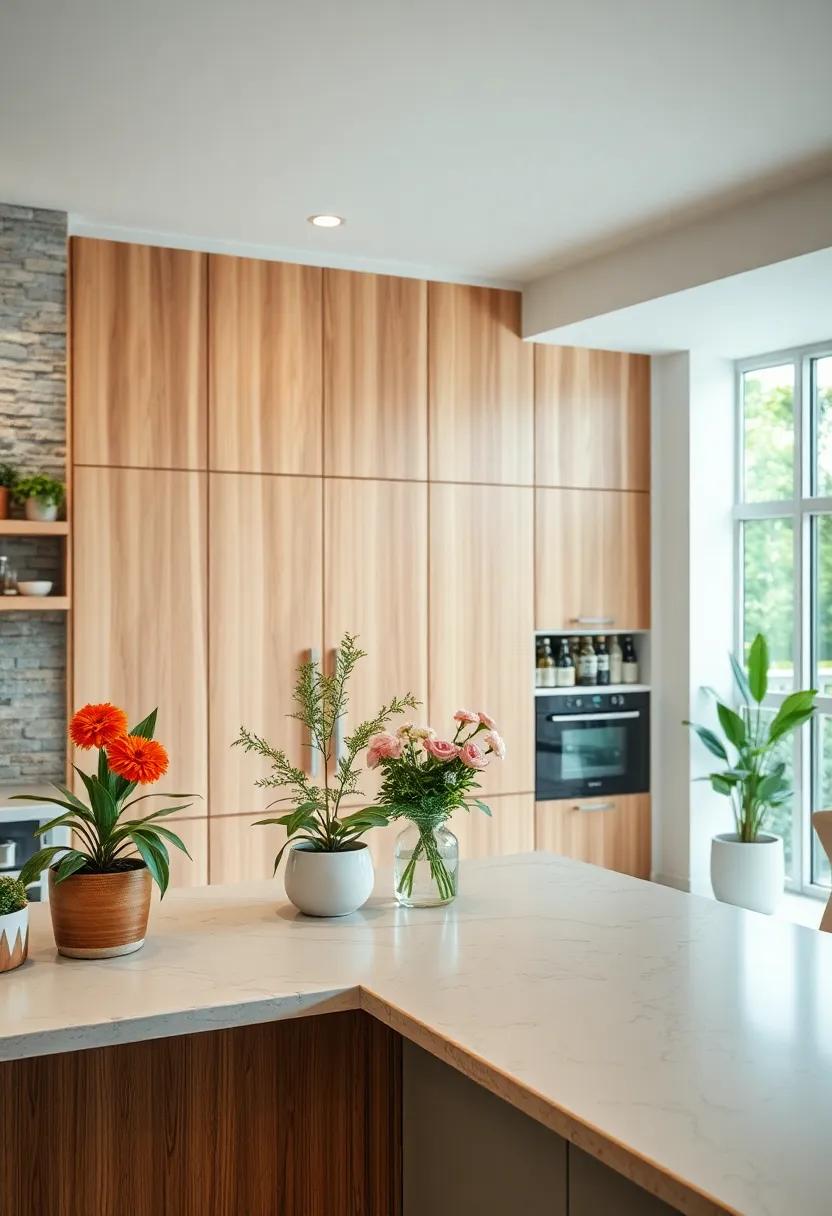
Embracing the serenity of nature indoors, the choice of soft textured wooden pantry doors creates an inviting backbone for any biophilic kitchen design. The natural grain and subtle variations in the wood’s surface bring a tactile warmth that softens the overall aesthetic. These doors not only serve functional purposes but also act as a canvas that beautifully contrasts with the vibrant greens of potted plants and colorful floral arrangements. By integrating organic materials with living elements, the space fosters a refreshing calmness and an earthy elegance.
To enhance this harmonious blend, consider thoughtfully arranging a variety of plant species that thrive in kitchen environments. Here are a few options that pair exquisitely with wooden accents:
- Herbs like basil, rosemary, and mint – adding greenery and fresh scents
- Trailing ivy for gentle movement and shadow play along the pantry doors
- Succulents in delicate ceramic pots, offering textural contrasts
Complement these with seasonal floral arrangements in simple vases or jars, introducing bursts of color that celebrate nature’s nurturing spirit within your culinary sanctuary. The following table outlines a simple care guide to keep your biophilic companions thriving alongside those warm wooden tones.
| Plant Type | Light Needs | Watering Frequency | Benefits |
|---|---|---|---|
| Herbs | Bright, indirect | Every 2-3 days | Freshness & aroma |
| Trailing Ivy | Moderate shade | Weekly | Air purification |
| Succulents | Bright, direct | Biweekly | Low maintenance |
Closing Remarks
In the delicate dance between nature and nurture, biophilic kitchens emerge as sanctuaries where warmth and organic beauty coexist. By weaving wooden accents into our culinary spaces, we invite the soothing essence of the outdoors inside, crafting environments that nourish not just the body, but the soul. As we continue to blur the lines between built spaces and natural elements, these kitchens remind us that the heart of home is found where nature’s touch meets thoughtful design.