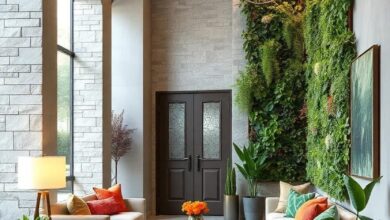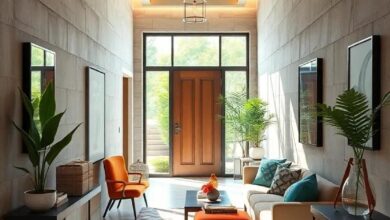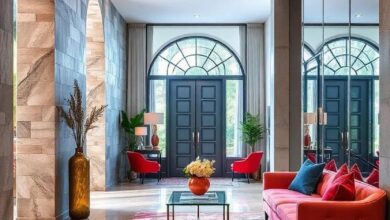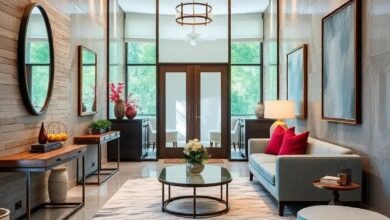
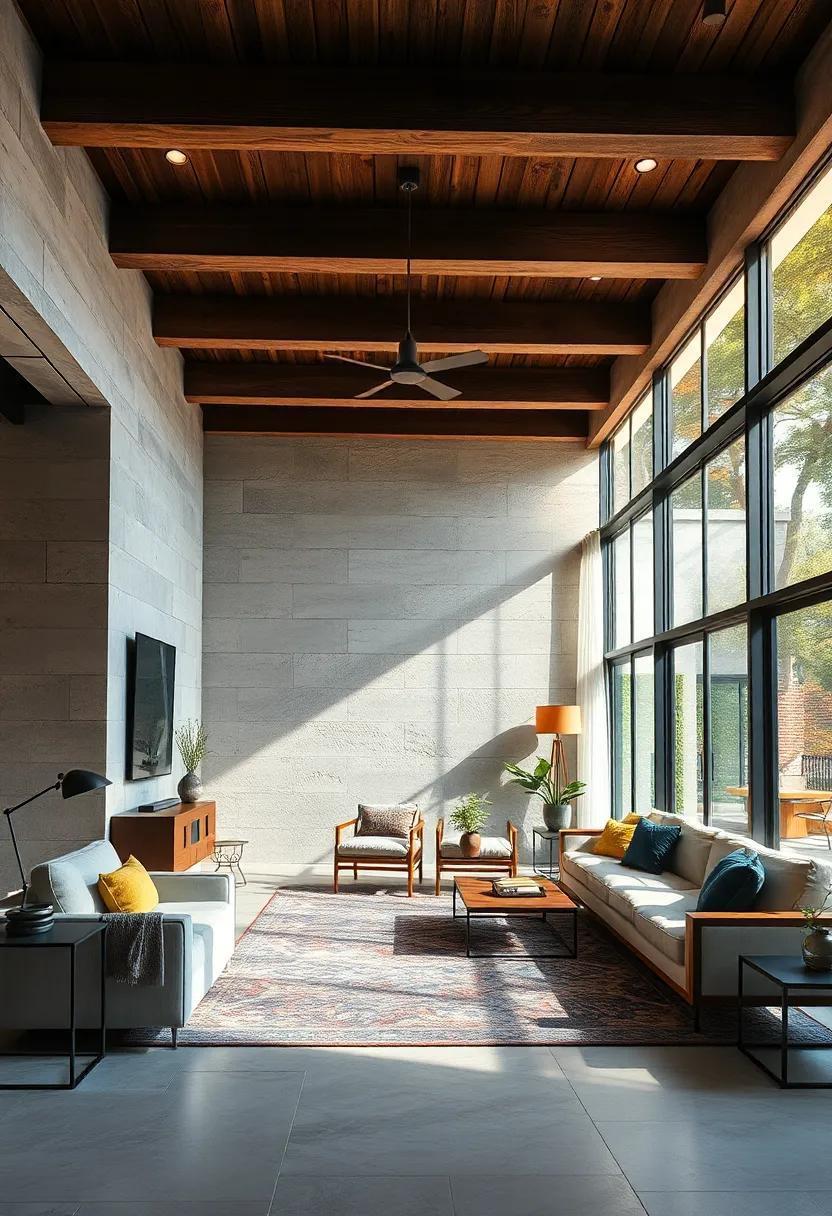
In the intricate dance between light and shadow, spaces come alive with depth, mood, and meaning. The art and science of layered lighting go beyond mere illumination; it’s about sculpting environments that invite, inspire, and transform. From the gentle glow of ambient light to the focused brilliance of task lighting and the playful accents that highlight texture and form, layered lighting concepts weave together a visual narrative that shapes how we experience the world around us. This exploration delves into the principles and possibilities of layered lighting, revealing how thoughtful design can turn ordinary rooms into extraordinary experiences.
The Glow of Ambient Lighting Transforming Urban Living Rooms Into Cozy Retreats
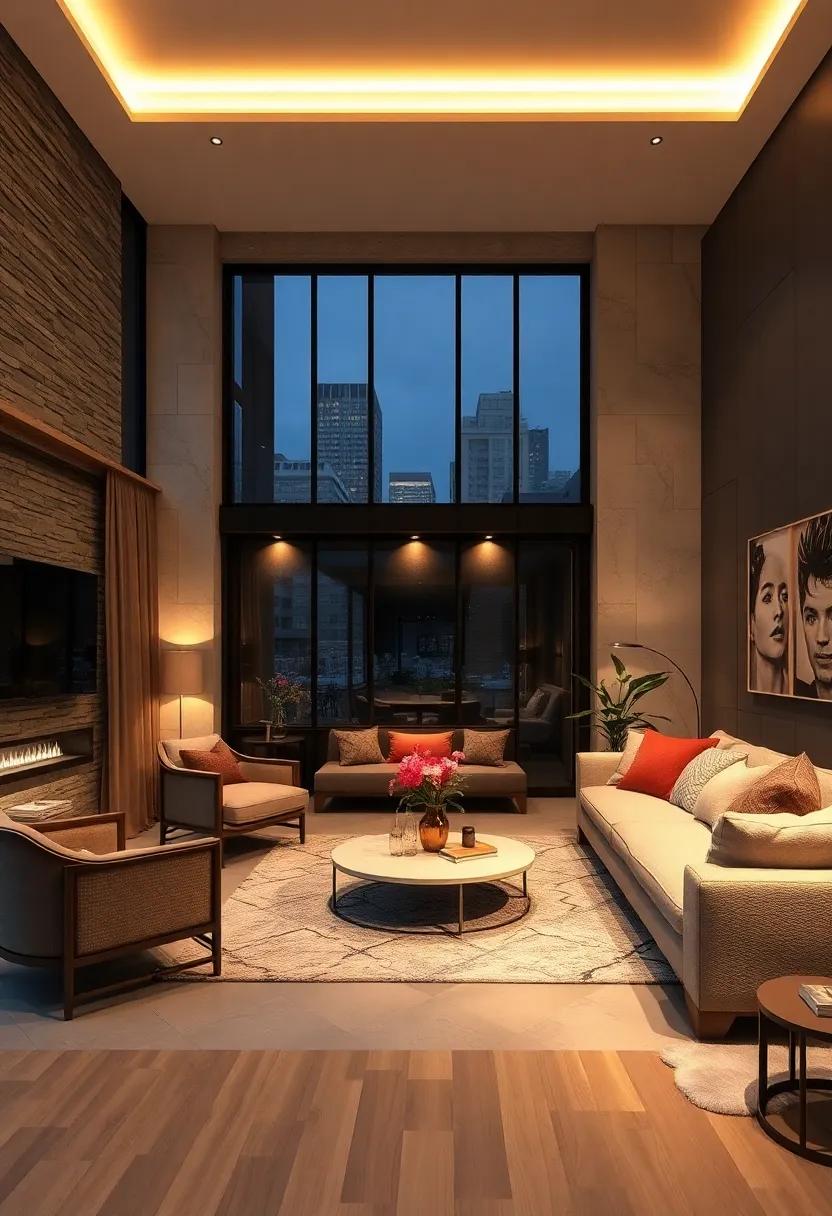
Ambient lighting gently reshapes the character of urban living rooms, transforming them from busy, utilitarian spaces into serene enclaves of warmth and comfort. By casting a soft, even glow throughout the room, this foundational layer of light serves as a subtle invitation to unwind and recharge. The beauty lies in its unobtrusiveness-illuminating corners without harsh shadows, it creates a seamless backdrop that supports the mood without overpowering it. Incorporating dimmable LEDs, warm-toned bulbs, or concealed lighting fixtures allows city dwellers to tailor the atmosphere, making each living room feel like a personalized retreat from the hustle and bustle.
Several key elements contribute to the magic of ambient lighting:
- Soft, diffused illumination that evens out the visual texture of the room
- Adjustable brightness to match different times of day or activities
- Strategic placement for balanced glow without glare
- Integration with natural light sources to extend daylight comfort into the evening
By thoughtfully layering ambient lighting with task and accent lights, urban living rooms become not just places to live but sanctuaries tailored to comfort, functionality, and style.
Spotlight Drama Illuminating Art Pieces with Precision and Subtlety in Modern Galleries
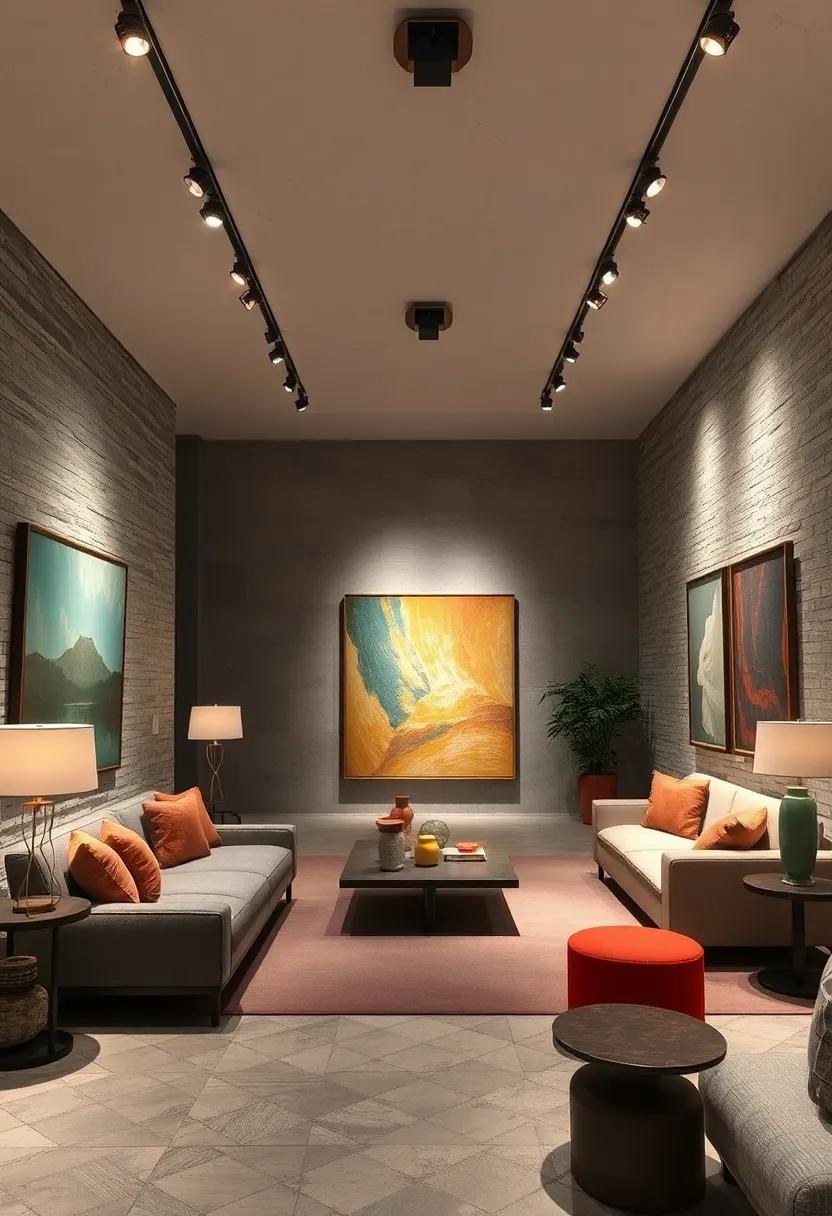
Modern galleries increasingly rely on spotlight drama to cast a refined glow on art pieces, weaving a narrative through light and shadow. This technique employs focused beams that not only reveal textures and hues with depth but also invite viewers to connect emotionally with each work. The magic lies in balancing intensity and subtlety; a too-bright highlight can overwhelm, while gentle accents emphasize nuances, guiding the eye to intricate brushstrokes or sculptural contours. By embracing layered lighting, curators craft an intimate atmosphere where each artwork breathes independently yet harmonizes within the spatial ensemble.
- Precision Angles: Positioning lights to eliminate glare while sculpting shadows for a three-dimensional effect.
- Color Temperature: Choosing warmth or coolness to complement the palette of the artwork without distorting its colors.
- Dimensional Contrast: Creating a dynamic interplay between lighted focal points and softly darkened surroundings.
| Lighting Element | Effect on Art | Ideal Use |
|---|---|---|
| Spotlight | Highlights texture and detail | Featured sculptures & paintings |
| Ambient Layer | Creates mood and overall visibility | General gallery background |
| Accent Light | Draws attention to secondary details | Smaller objects or installations |
The Charm of Task Lighting Capturing Focused Beauty in Home Office Environments
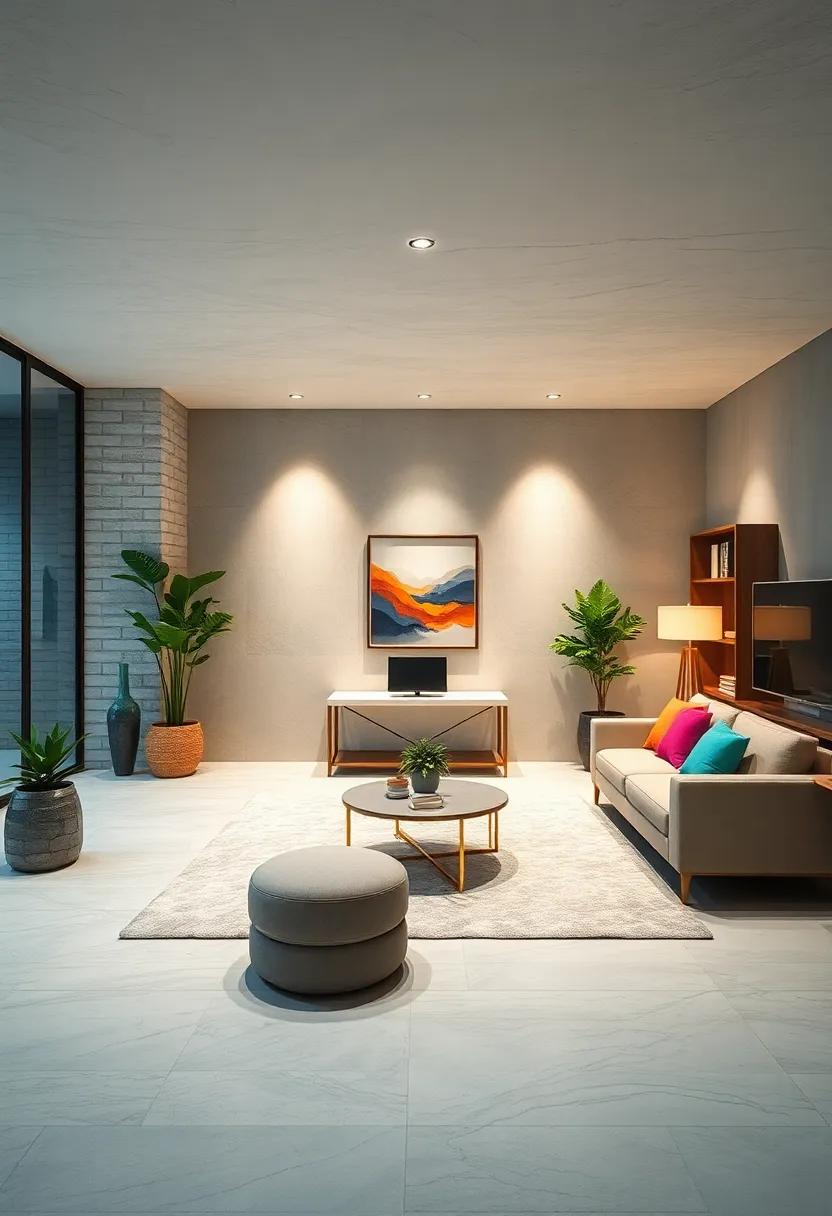
Illuminating a home office is a subtle art that hinges on precision and function, where task lighting comes into its own. It goes beyond merely brightening a desk; it carves out spaces of clarity amidst a sea of distractions. By concentrating light exactly where it’s needed-be it on paperwork, a keyboard, or design sketches-this layer of lighting fosters not just productivity but a gentle visual serenity. Sleek desk lamps, adjustable arm lamps, and cleverly angled LED strips become the unsung heroes, guiding the eye and sharpening focus without glare or shadows interrupting the creative flow.
Integrating task lighting thoughtfully allows for easy customization of your workstation atmosphere. Certain tools amplify work quality with their flexibility and warmth level adjustments. Consider these core benefits:
- Enhanced Concentration: Directed lighting reduces eye strain and fatigue during prolonged sessions.
- Optimized Visual Precision: Clear illumination promotes accuracy for detailed tasks like drawing or typing.
- Energy Efficiency: Focused beams reduce the need to light an entire room brightly, conserving energy.
- Design Versatility: Modern fixtures often combine style and function, complementing office aesthetics.
| Task Lamp Type | Key Feature | Best Use |
|---|---|---|
| Adjustable Arm Lamp | Flexible positioning | Precision work, reading |
| LED Desk Lamp | Energy efficient, cool light | Long hours, minimal heat |
| Clip-On Light | Portable, space-saving | Small desks, added focus |
Soft Layers of Accent Lighting Enhancing Architectural Features and Textures in Interiors
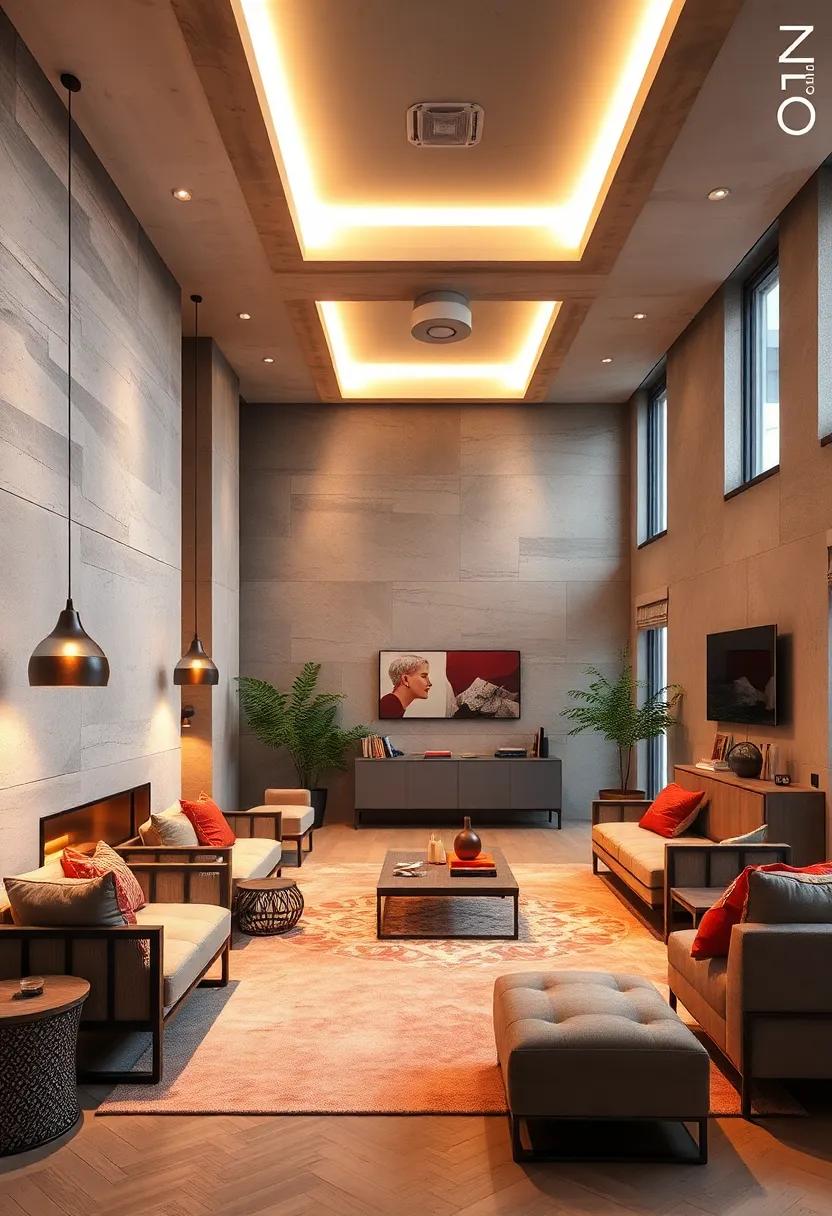
Accentuating the subtle curves and intricate details within a room often requires more than just overhead illumination. Soft accent lighting layers serve as brushes that paint with light, casting gentle shadows and lending depth to every architectural nuance. Whether it’s the rugged texture of exposed brick, the smoothness of polished wood, or a delicately coffered ceiling, these carefully positioned accents enhance the tactile narrative of interiors without overwhelming the senses.
Implementing these layers invites a harmonious interplay between light and form. Techniques such as wall grazing, recessed spotlights, or LED strip under-cabinet lighting delicately unleash textures and shapes, creating visual intrigue and spatial definition. Consider the following elements for optimal effect:
- Directional soft lighting: Highlights texture without harsh glare.
- Warm color temperature: Enriches natural materials and warmth.
- Adjustable intensity: Allows mood modulation and feature emphasis.
- Layer synchronicity: Coordinates with ambient and task lighting to maintain balance.
Nature Inspired Daylight Integration Blending Outdoor Sunlight with Indoor Artificial Light
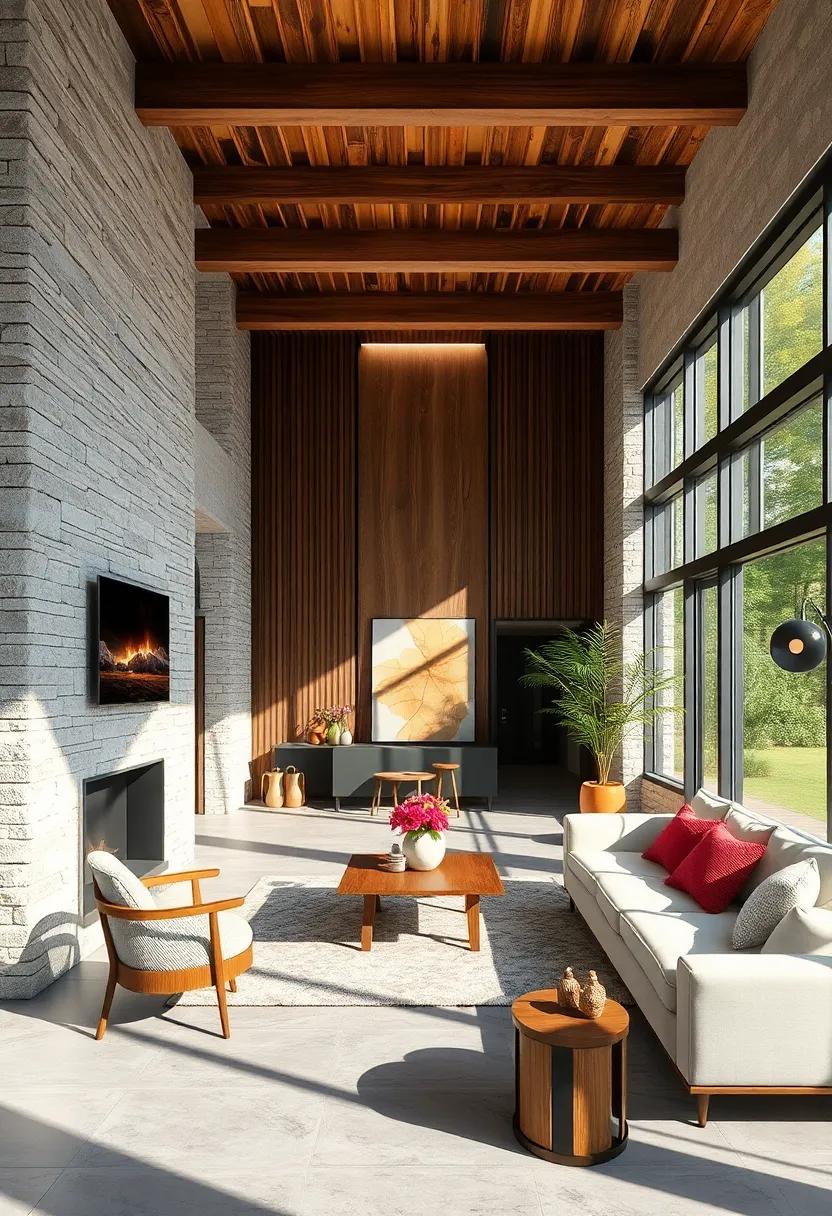
Harnessing the dynamic qualities of natural daylight transforms interior spaces into ever-evolving environments that respond to the rhythm of the sun. By thoughtfully positioning windows, skylights, and reflective surfaces, designers can invite sunlight to dance across rooms, creating warmth and vibrancy during the day. This symbiotic relationship between daylight and artificial lighting requires precision; artificial sources must be calibrated to complement, rather than compete with, the natural light, preserving the authenticity of the daylight spectrum while enhancing visibility and ambiance when the sun fades.
Key strategies embrace:
- Adaptive dimming systems that seamlessly adjust artificial light intensity in response to outdoor luminance.
- Layered light temperatures blending warm indoor tones with the crispness of daylight for visual comfort.
- Strategic material choices that amplify sunlight through translucency and gentle diffusion without causing glare.
| Component | Daylight Role | Artificial Light Role |
|---|---|---|
| Windows & Skylights | Introduce natural spectrum & minimize shadows | Highlight architectural accents at night |
| Smart Controls | Monitor daylight levels dynamically | Ajust illumination seamlessly |
| Reflective Surfaces | Amplify diffuse sunlight indoors | Reduce harsh contrasts |
Reflective Surfaces and Layered Lighting Creating Depth and Visual Interest in Minimalist Spaces
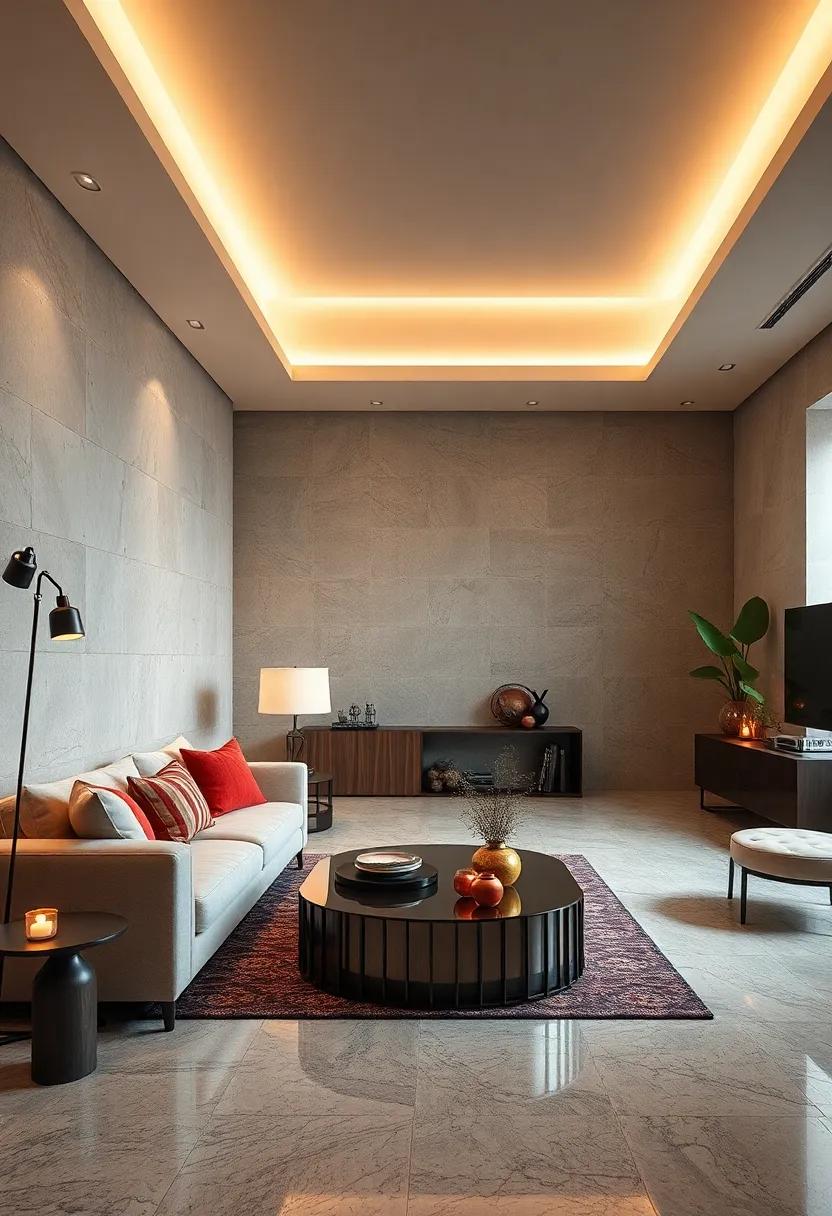
In minimalist environments, where restraint governs design choices, the clever interplay of light and reflective surfaces can transform a seemingly simple space into a captivating visual experience. Mirrors, glass, and polished metals act as subtle amplifiers, bouncing light and shadows around the room to produce layers of depth that defy the room’s physical boundaries. This dynamic interaction not only enhances spatial perception but also underscores the beauty of minimalism through nuanced complexity.
To maximize the effect of reflective surfaces with layered lighting, consider these essential elements:
- Strategic placement of accent and ambient lights near reflective materials.
- Use of dimmable LED strips to create soft gradients of illumination.
- Integration of varied surface textures-such as matte and glossy finishes-to enrich visual contrasts.
- Selection of color temperatures that complement natural light throughout the day.
| Surface Type | Lighting Technique | Visual Effect |
|---|---|---|
| Polished Metal | Spotlighting | Shimmering highlights and focused reflections |
| Glass Panels | Backlighting | Translucent glow enhancing transparency |
| Mirrors | Layered Ambient Lighting | Expanded spatial illusion and brightness |
The Dance of Shadows and Light Crafting Mood and Atmosphere in Elegant Dining Rooms
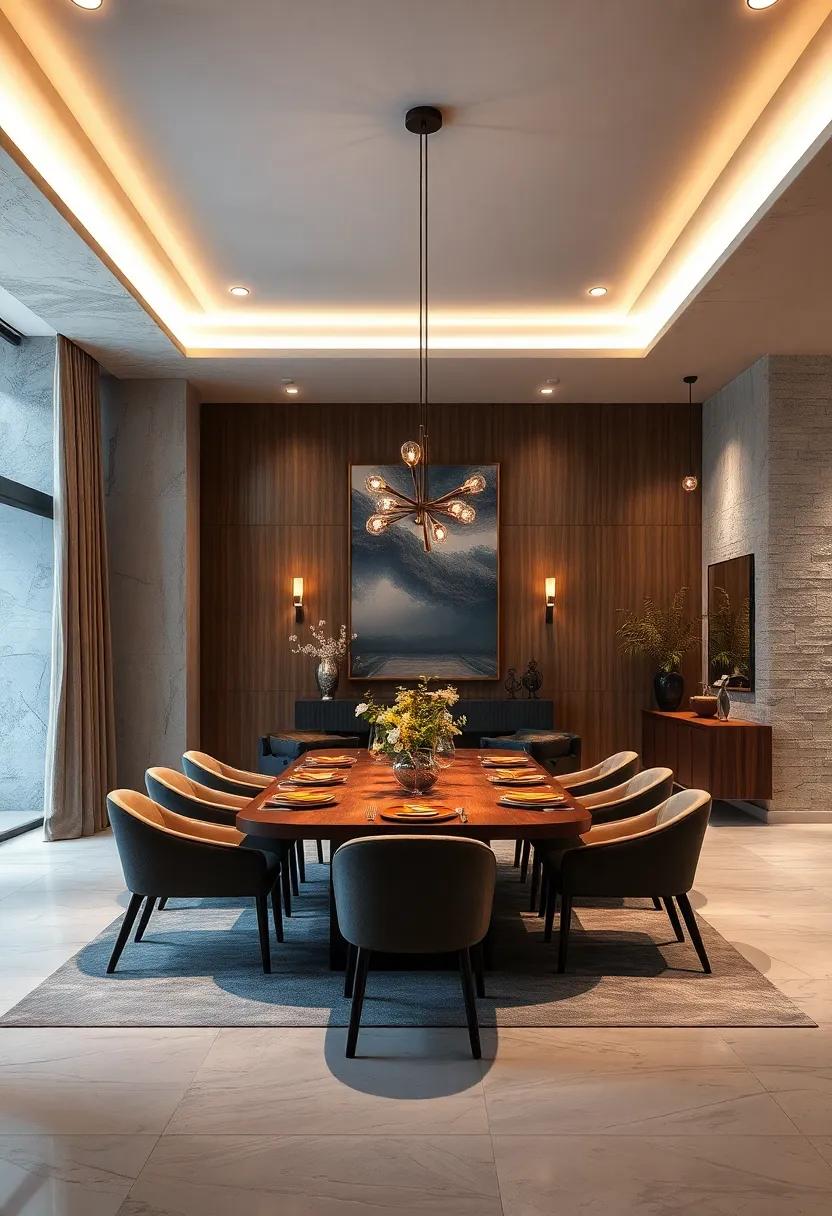
In elegant dining rooms, the interplay between shadows and light transforms ordinary spaces into captivating atmospheric experiences. Softly diffused lighting creates intimate pockets where conversations flourish, while strategic highlights draw attention to artworks, table settings, and architectural details. The subtle dance between illuminated areas and shaded corners generates a rhythmic flow, allowing the room to breathe with both warmth and mystery. Harnessing this delicate balance ensures that every dinner feels like a carefully choreographed event, inviting guests to savor not only the meal but also the ambiance.
To perfect this dynamic, consider layering various sources that contribute different qualities of light:
- Ambient Lighting: Establishes the overall illumination with a gentle glow.
- Accent Lighting: Highlights specific features such as centerpieces or wall art.
- Task Lighting: Provides focused light on functional areas like the dining table.
- Decorative Lighting: Adds artistic or sculptural elements that evoke mood.
| Lighting Type | Effect | Ideal Fixture |
|---|---|---|
| Ambient | Creates warmth and uniformity | Recessed ceiling lights |
| Accent | Draws attention & enhances texture | Track or spotlights |
| Task | Functional and direct lighting | Pendant lamps over table |
| Decorative | Adds visual interest & style | Chandeliers or wall sconces |
Warm Versus Cool Light Tones Harmonizing Ambiance in Contemporary Lounge Areas
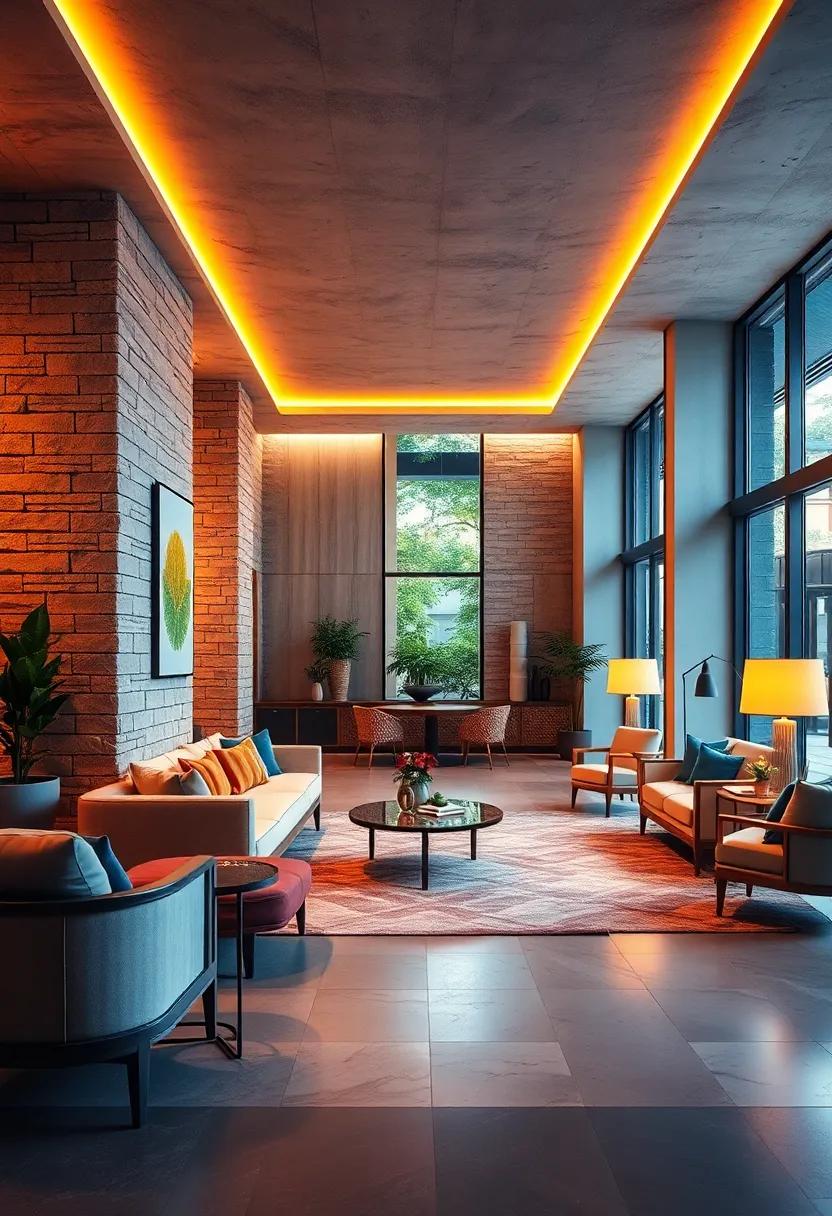
The subtle dance between warm and cool light tones orchestrates a captivating narrative in contemporary lounge areas. Warm light, with its subtle amber and golden hues, evokes a sense of comfort and relaxation, wrapping occupants in a gentle embrace that encourages lingering conversations and unwinding. In contrast, cool light tones, leaning into blues and crisp whites, introduce a refreshing clarity that invigorates the space, highlighting architectural features and fostering a modern, sleek atmosphere. Achieving harmony between these tones requires an intuitive layering approach-combining ambient, task, and accent lighting-to ensure each element complements rather than competes, cultivating a balanced ambiance that aligns with the functional and emotional aspirations of the lounge.
- Warm Tones: Ideal for seating areas, enhancing intimacy.
- Cool Tones: Perfect near bar counters and work surfaces for visibility.
- Layering: Use dimmable fixtures to transition smoothly between tones.
- Materials Interaction: Warm light enriches wood grain; cool light accentuates metal and glass.
To visualize the interplay, consider the following simplified table displaying tonal effects on common lounge materials:
| Material | Warm Light Effect | Cool Light Effect |
|---|---|---|
| Wood | Deepens natural warmth, invites coziness | Softens tones, highlights texture |
| Glass | Creates a mellow glow, accentuates reflections | Enhances transparency, sharpens lines |
| Metal | Brings out subtle patinas | Adds crispness and modern edge |
Adaptive Lighting Scenes Transforming Open Plan Spaces From Daylight to Evening Vibes
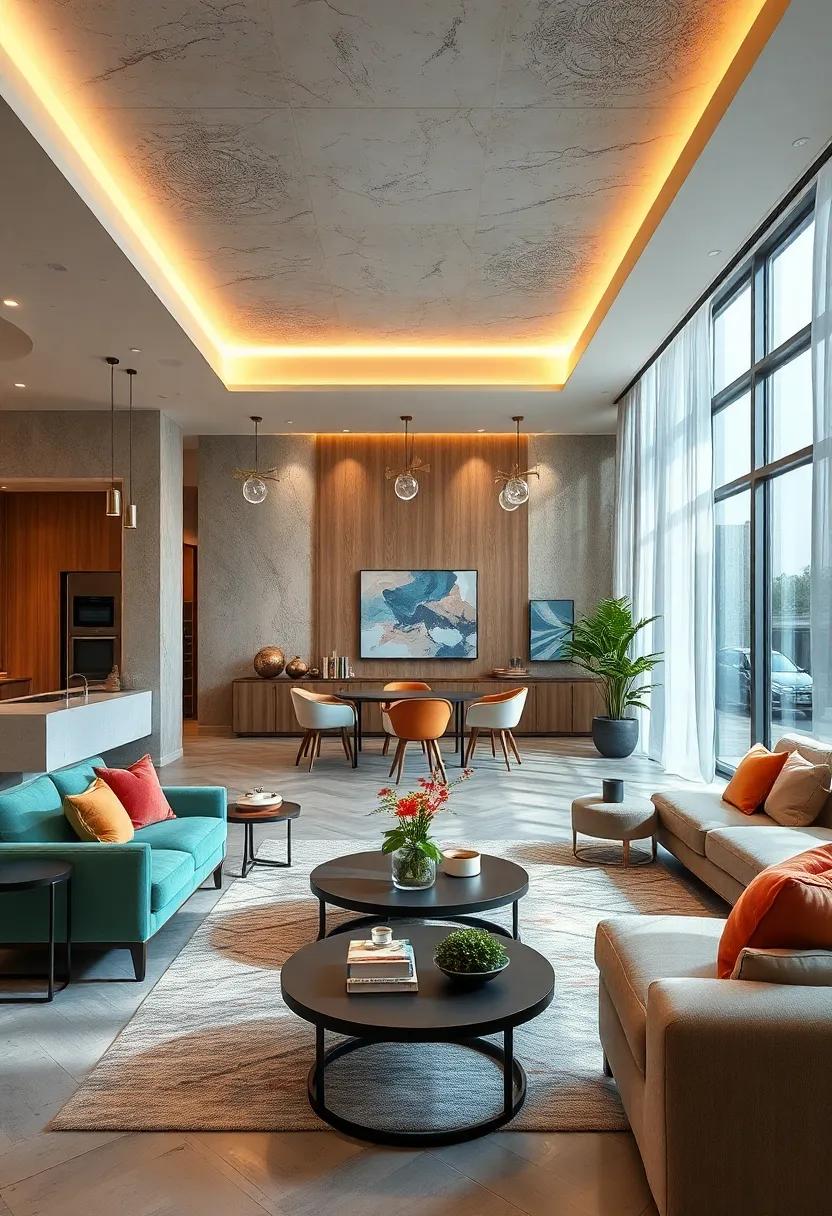
Seamlessly transitioning an open plan area from bright, natural daylight to cozy evening ambiance requires more than just flipping a switch. Adaptive lighting scenes offer a dynamic solution, catering to various moods and activities without disrupting the flow of the space. By integrating sensors, dimmers, and smart controls, these lighting systems adjust color temperatures and intensities throughout the day, enhancing both functionality and aesthetic appeal. Imagine a crisp, energizing white light washing over your workspace in the afternoon, effortlessly softening to warm amber hues as dusk settles, inviting relaxation and intimate conversations.
The magic lies in the layering of lighting elements, where ambient, task, and accent lights harmonize to sculpt the environment. Consider this simple breakdown:
- Ambient lighting: Provides overall illumination, mimicking natural daylight.
- Task lighting: Focused light for specific activities like reading or cooking.
- Accent lighting: Adds depth by highlighting architectural features or artwork.
| Time of Day | Lighting Mode | Color Temperature | Intensity Level |
|---|---|---|---|
| Morning | Bright & Energizing | 5000K – 6500K | High |
| Afternoon | Balanced & Focused | 4000K – 4500K | Medium |
| Evening | Warm & Relaxed | 2700K – 3000K | Low |
With the right technology and thoughtful design, open plan spaces don’t just adapt to light-they evolve with it, creating an immersive experience that reflects the rhythms of daily life.
The Science Behind Color Temperature and Its Impact on Emotional Wellbeing in Living Spaces
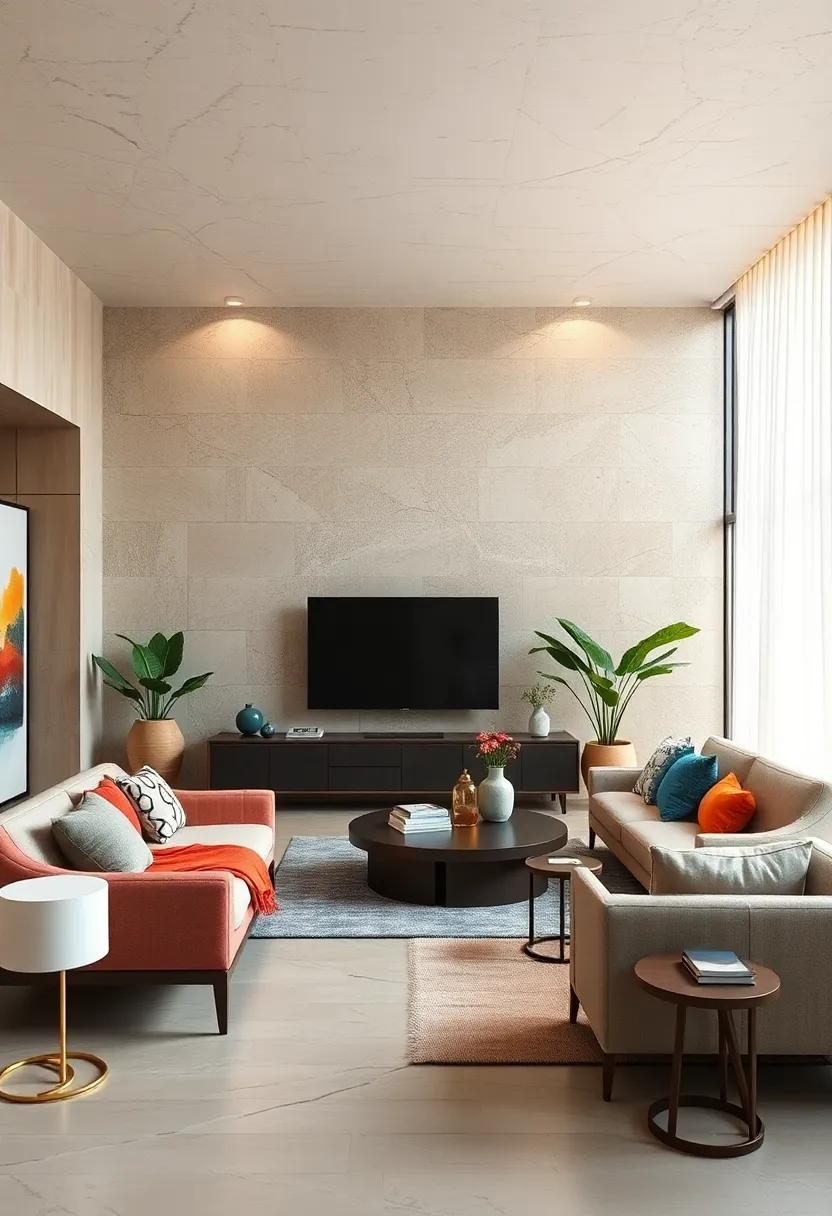
Color temperature fundamentally shapes how we perceive and interact with our living environments. Measured in Kelvins (K), it spans a spectrum from warm amber hues (around 2700K) to cool daylight tones (upwards of 6500K). Warm temperatures evoke coziness and relaxation, making them ideal for bedrooms and living rooms where unwinding is paramount. Conversely, cooler temperatures stimulate alertness and focus, suited for kitchens or home offices where productivity thrives. This temperature spectrum interacts subtly with our circadian rhythms, influencing mood, sleep patterns, and cognitive function in ways that are only beginning to be fully understood.
Integrating color temperature thoughtfully into layered lighting designs can transform a space’s emotional landscape. Consider the following impacts of different color temperatures:
- 2700K-3000K: Instills calm and warmth-perfect for intimate gatherings.
- 3500K-4100K: Balances energy and comfort-ideal for versatile living areas.
- 5000K and above: Boosts concentration and mimics natural daylight-excellent for task-oriented zones.
| Color Temperature (K) | Emotional Effect | Recommended Space |
|---|---|---|
| 2700K | Soothing, Warmth | Bedroom, Living Room |
| 4000K | Balanced, Inviting | Dining Room, Kitchen |
| 6000K | Energizing, Crisp | Study, Workspace |
Strategic Lighting Placement Framing Spaces with Brightness and Contrast Balance
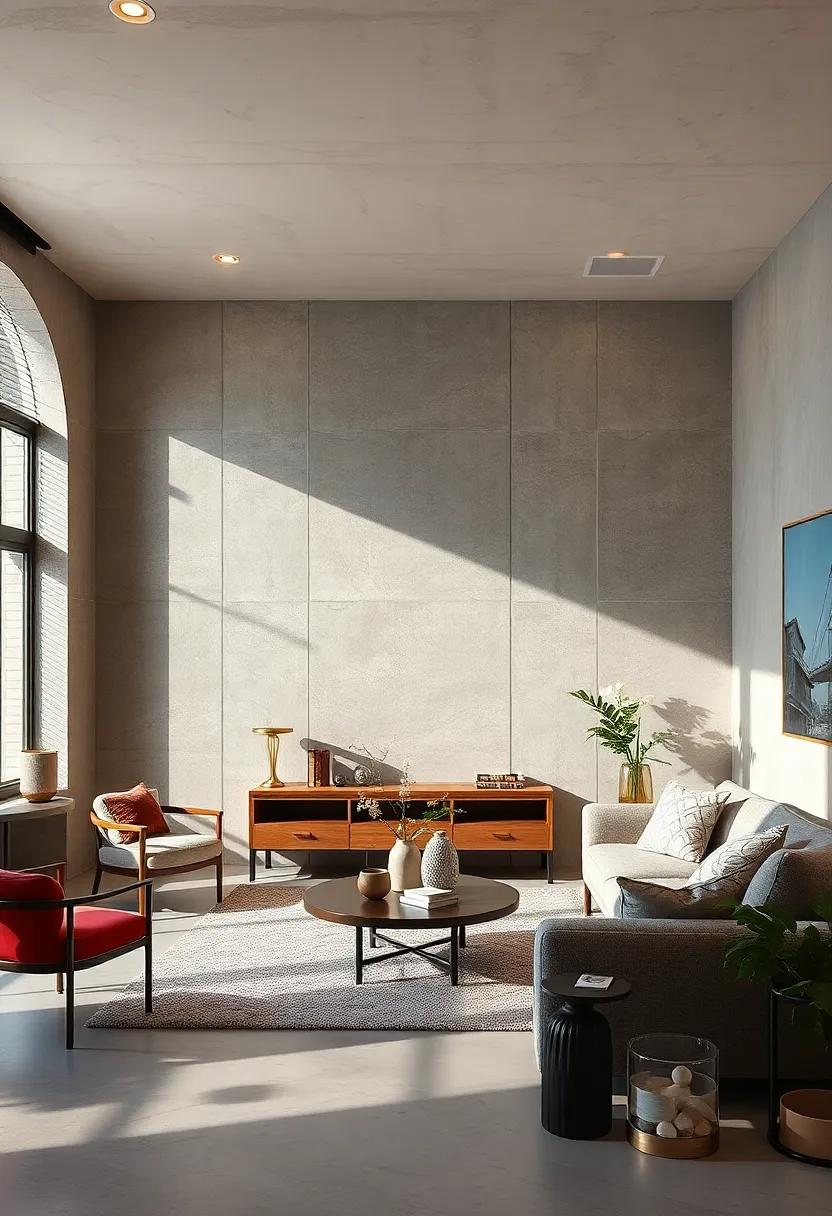
Mastering the deliberate positioning of light sources transforms ordinary rooms into dynamic visual experiences. By balancing brightness and contrast, spaces gain depth and dimensionality, guiding the eye to focal points and enhancing architectural features. Strategic placement involves layering ambient, task, and accent lights in a way that they complement rather than compete, creating a seamless harmony between illumination and shadow. This balance not only optimizes functionality but also establishes mood, inviting comfort and intrigue simultaneously.
Consider how a well-placed wall sconce can add subtle contrast to a muted corner, or how recessed lighting above artwork serves to highlight texture while avoiding glare. When plotting lighting schemes, designers often use the following principles:
- Height variations: Mixing ceiling fixtures with floor and table lamps provides visual interest and distributes light evenly.
- Directional focus: Adjustable fixtures allow control over where light lands, emphasizing specific areas.
- Intensity layering: Combining different light levels ensures adaptable brightness throughout the day.
| Lighting Type | Effect on Space | Placement Tip |
|---|---|---|
| Ambient | Even overall illumination | Ceiling center or wall wash |
| Task | Focused work light | Over desks, counters, reading areas |
| Accent | Highlight details | Near artwork, niches, plants |
Innovative Fixtures as Artistic Centerpieces Melding Function and Form in Lighting Design
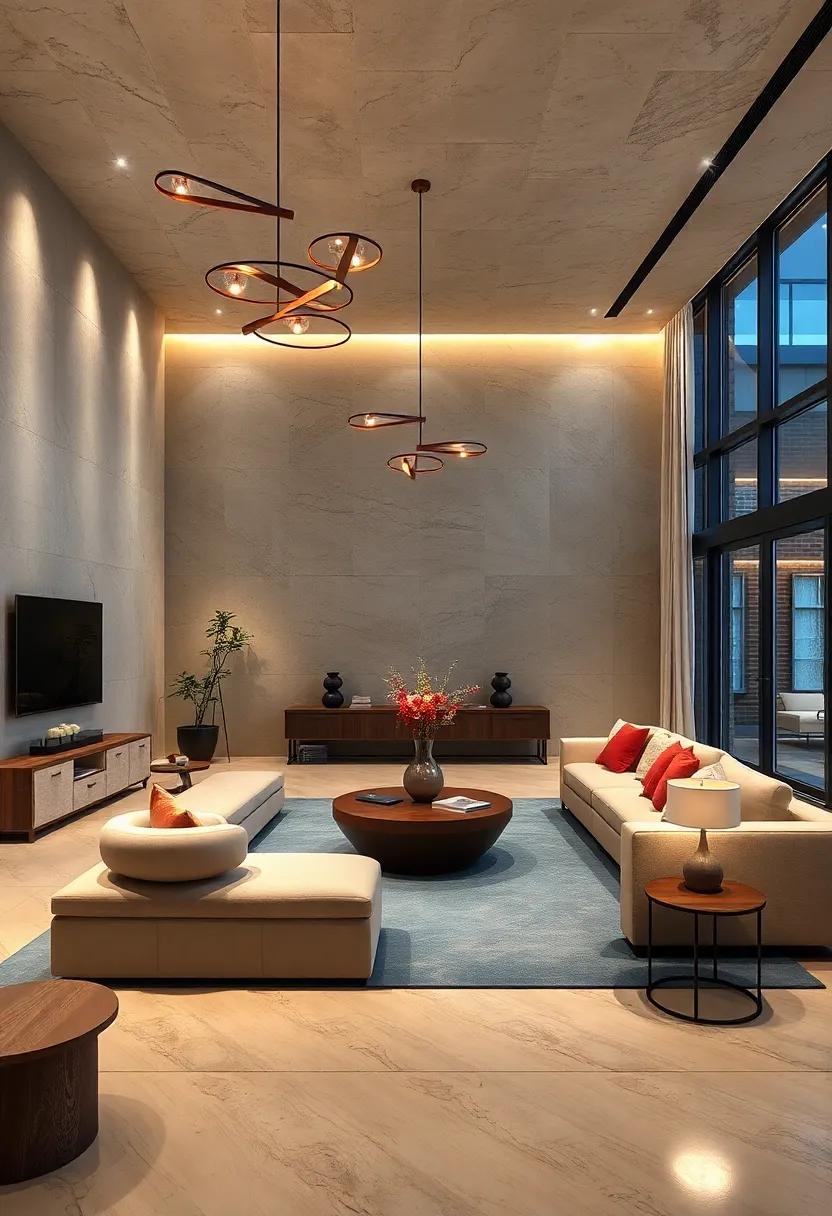
Bold innovation in lighting fixtures transcends mere illumination, transforming them into artistic centerpieces that captivate and define spaces. These fixtures are meticulously designed to balance form and function, achieving harmony where visual appeal meets practical light dispersion. From sculptural chandeliers with cascading glass elements that mimic natural waterfalls, to minimalist geometric pendants that cast dynamic shadow patterns, today’s lighting designs aren’t just attachments to ceilings-they’re immersive experiences that set moods and tell stories.
Consider how such inventive fixtures can be integrated into various environments to enhance both aesthetics and usability:
- Residential Spaces: Statement pieces in living rooms or dining areas that serve dual roles as conversation starters and source of layered light.
- Commercial Settings: Artistic installations in hotel lobbies or upscale boutiques that blend branding with ambiance.
- Public Art: Large-scale lighting sculptures in urban plazas that invite interaction and elevate nighttime landscapes.
| Fixture Type | Artistic Feature | Functional Benefit |
|---|---|---|
| Cascading Chandelier | Organic glass droplets | Even ambient illumination |
| Geometric Pendant | Sharp angles & shadow play | Focused task lighting |
| Interactive Sculpture | Responsive color changes | Adaptive atmosphere setting |
The Subtle Art of Hidden Light Sources Weaving Brightness Without Visible Fixtures
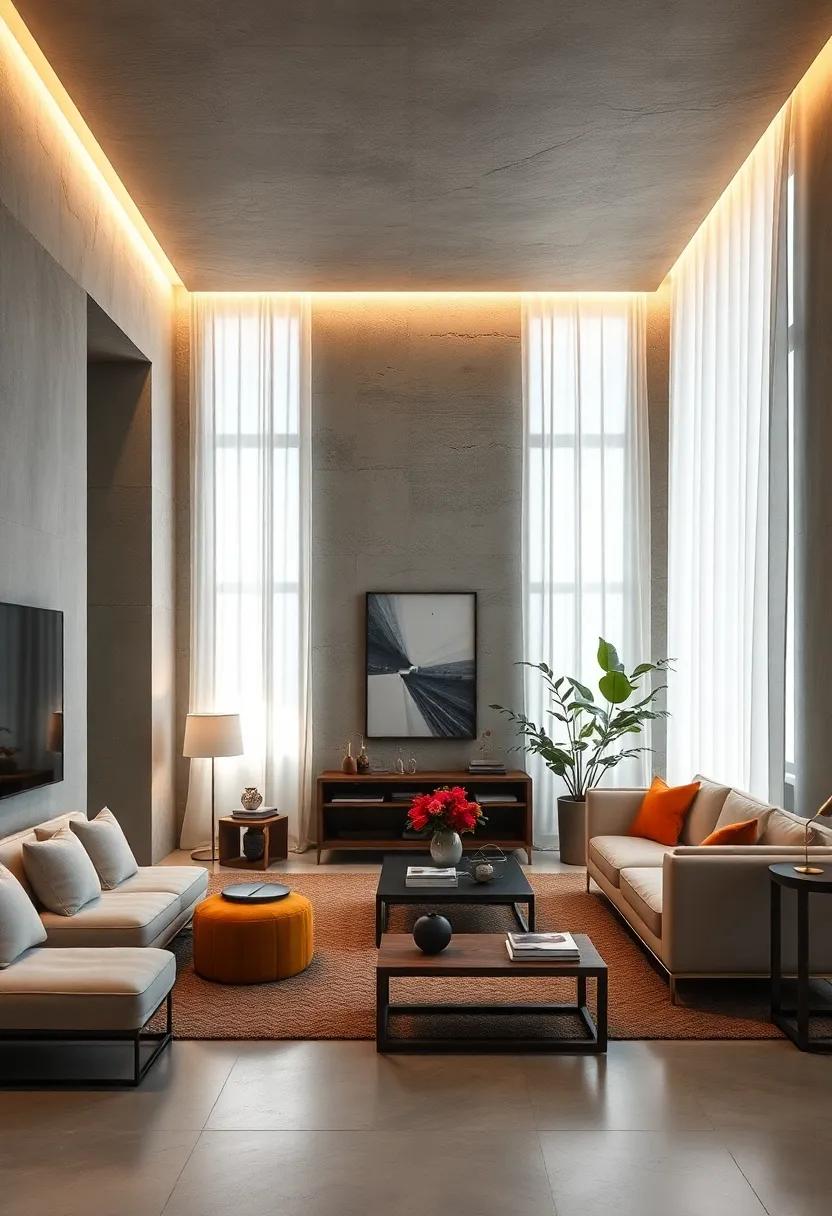
Mastering the illusion of illumination without exposure is an artistry grounded in both design finesse and technical precision. Hidden light sources create an atmosphere where brightness seems to emerge organically, as if the space itself breathes with a gentle glow. By concealing fixtures within coves, behind panels, or beneath architectural features, light softly diffuses, erasing harsh shadows and adding depth without distraction. This subtlety transforms ordinary rooms into immersive environments, enhancing textures and colors with a quiet yet deliberate radiance.
Consider the strategic positioning of concealed LEDs or fiber optics to elevate spatial perception while maintaining aesthetic purity. The advantages extend beyond beauty-hidden lighting often contributes to energy efficiency and prolongs fixture lifespan due to reduced exposure. Implementing these ideas involves balancing intensity, color temperature, and beam direction to harmonize each layer of light.
Here’s a glimpse of common hidden lighting techniques and their effects:
- Cove Lighting: Soft uplighting that adds warmth to ceilings and walls.
- Backlighting: Creates silhouettes and dramatic outlines behind objects or panels.
- Under-Cabinet Strips: Task lighting that remains invisible but highly functional.
- Recessed Nooks: Downlights tucked deep within alcoves to emphasize architectural features.
The Intersection of Technology and Art Smart Lighting Systems Elevating User Experience
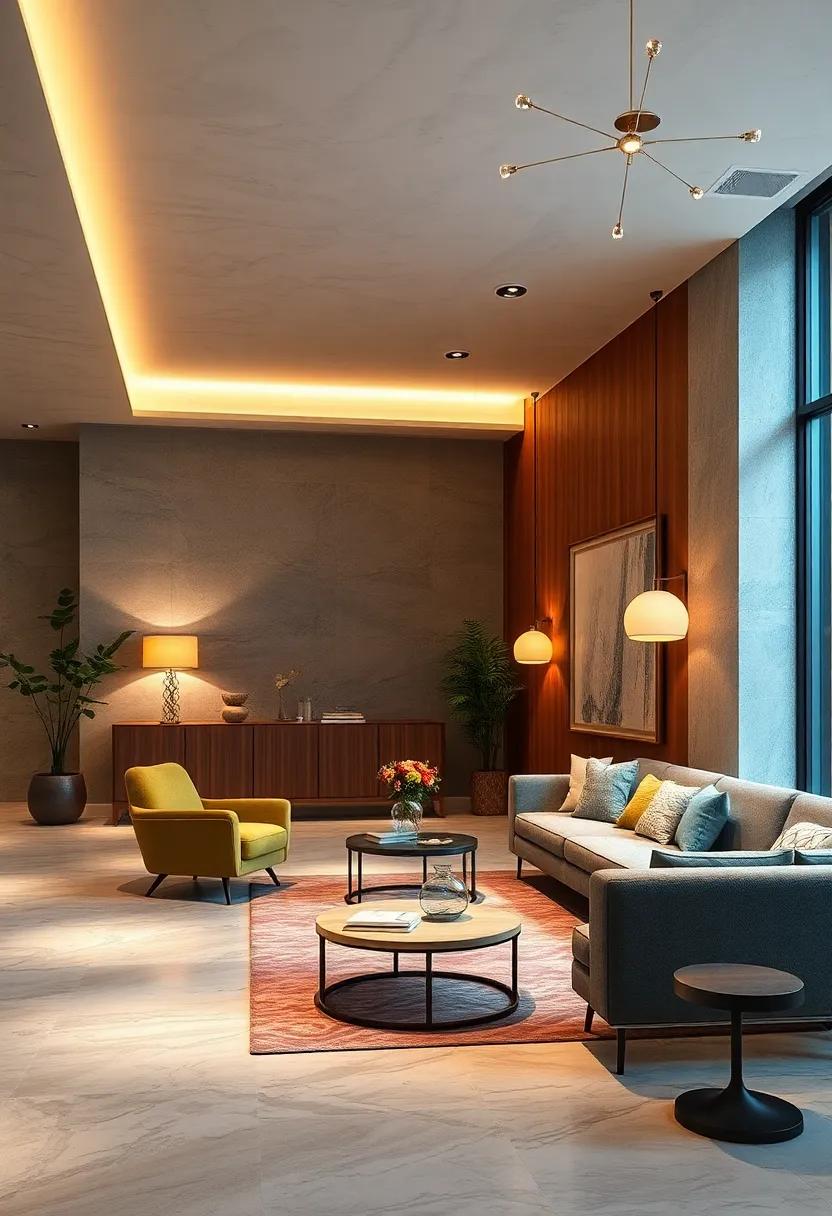
Modern smart lighting systems seamlessly blend technological innovation with artistic vision, transforming how we perceive and interact with illuminated spaces. By harnessing advanced sensors, customizable color palettes, and adaptive brightness levels, these systems create environments that respond intelligently to mood, activity, and natural light patterns. This fusion of function and aesthetics elevates everyday experiences, making lighting not just a utility but a dynamic canvas that continuously adapts to the user’s lifestyle.
Consider the multi-layered approach to lighting, where ambient, task, and accent lights work in harmony, enhanced by smart controls. The integration of voice commands and app interfaces allows users to orchestrate light scenes effortlessly, shifting from energizing daylight to cozy, warm hues with a simple tap or word. Below is a quick guide highlighting key features uniquely enabled by smart lighting innovations:
- Adaptive brightness: Automatically adjusts to circadian rhythms for health and comfort.
- Color tuning: From vibrant artistry to subtle pastels, customizable shades fit every mood.
- Scene creation: Tailor multiple settings for different activities like reading, dining, or relaxing.
- Energy efficiency: Intelligent scheduling minimizes waste without compromising ambience.
Layered Lighting in Retail Environments Attracting Attention and Enhancing Product Appeal
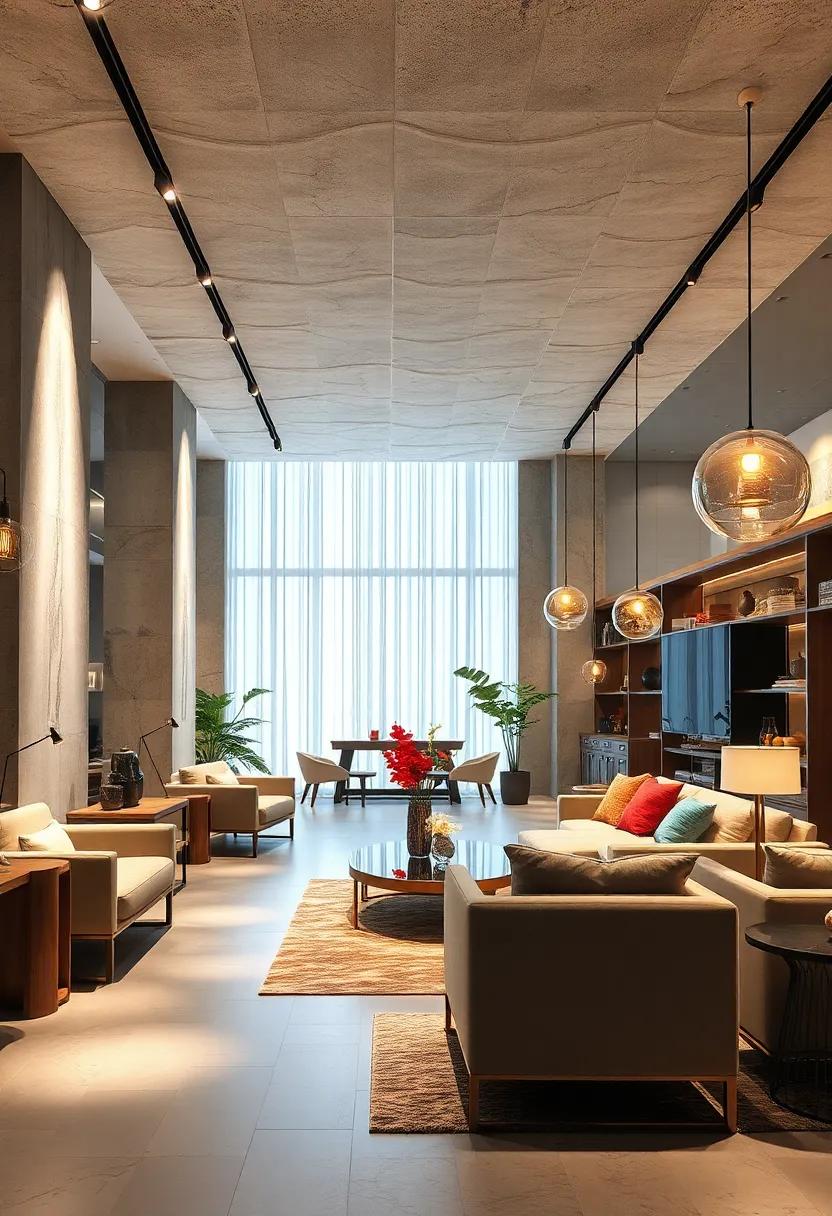
Strategically combining ambient, task, and accent lighting creates a dynamic visual hierarchy that guides customers through the retail space effortlessly. Ambient lighting establishes the overall mood, creating a welcoming atmosphere, while task lighting highlights functional areas like checkout counters or fitting rooms, ensuring visibility and comfort. The real magic happens with accent lighting, which draws the eye to featured products, displays, or promotional areas, emphasizing texture, color, and form to boost product allure and encourage interaction.
- Ambient: Soft glow to set the tone
- Task: Focused brightness for specific activities
- Accent: Directed beams to spotlight merchandise
| Lighting Layer | Purpose | Effect on Shopper |
|---|---|---|
| Ambient | General illumination | Comfort and mood setting |
| Task | Functional clarity | Ease and efficiency |
| Accent | Highlighting displays | Focused attention and desire |
Integrating these layers involves more than just placement; it requires understanding the visual flow within the space. By using dimmers, color temperature shifts, and adjustable fixtures, retailers can craft an immersive shopping experience that adjusts to different times of day and seasons. This flexibility not only maintains shopper interest but also reinforces brand identity, all while enhancing the perceived value and appeal of products through meticulously designed light contrasts and shadow plays.
Translucent Materials Amplifying Glow Creating Ethereal Effects in Layered Illumination
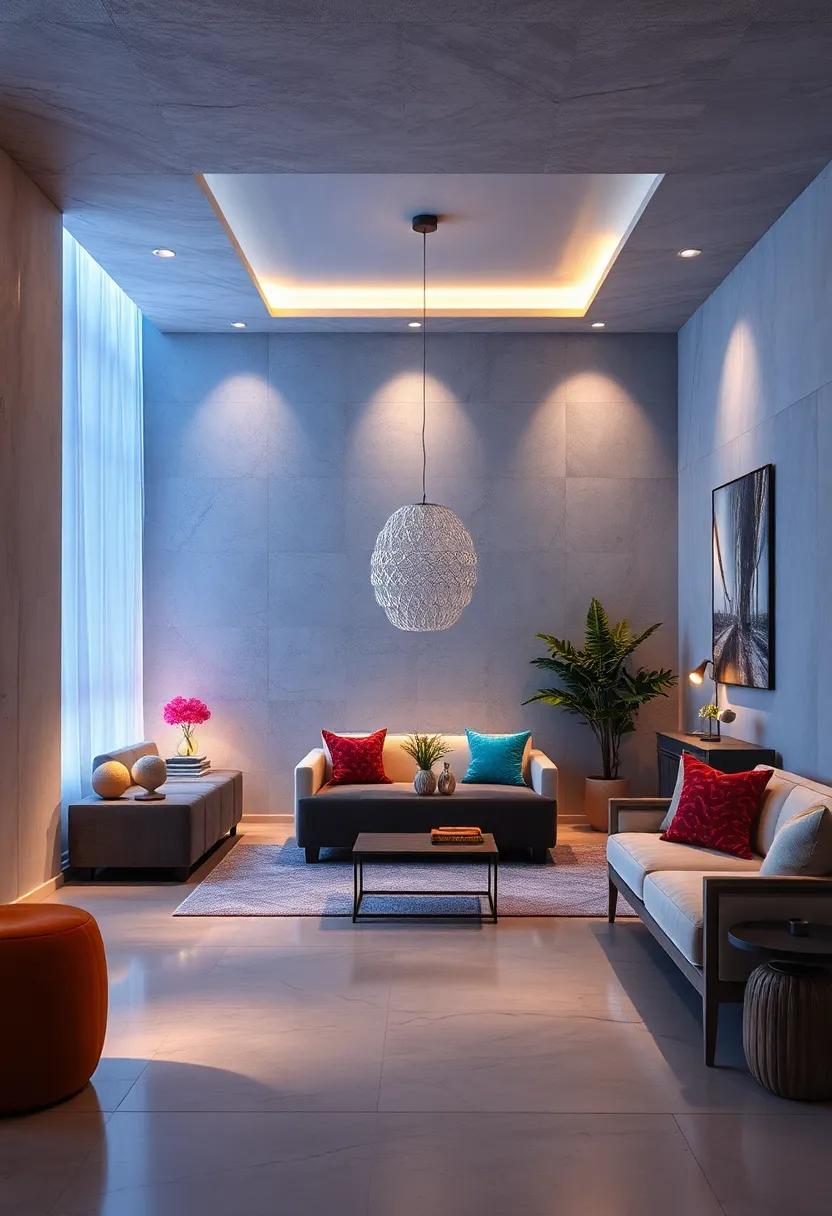
Harnessing the unique qualities of translucent materials opens new avenues for designers seeking to imbue their spaces with a dreamlike radiance. These materials, ranging from frosted glass to specially treated acrylics, transform ordinary light into a soft, enveloping glow, allowing each layer of illumination to gently interact with the next. The interplay between transparency and diffusion creates a cascading effect where light seems to float within the environment, evoking an ambiance that is both intimate and otherworldly.
Key factors that contribute to this ethereal transformation include:
- Material thickness: Thinner materials provide subtle translucency, while thicker layers amplify diffusion.
- Surface texture: Matte or etched surfaces scatter light more evenly, reducing harsh shadows.
- Color tinting: Soft hues enhance mood without overpowering the spatial context.
| Material | Glow Effect | Ideal Use |
|---|---|---|
| Frosted Glass | Soft, diffuse glow | Partitions & Window Treatments |
| Opal Acrylic | Bright, even luminance | Backlit Panels & Signage |
| Rice Paper | Delicate, warm translucency | Lampshades & Decorative Screens |
The Harmony of Mixed Light Sources Combining LED, Fluorescent, and Incandescent Qualities
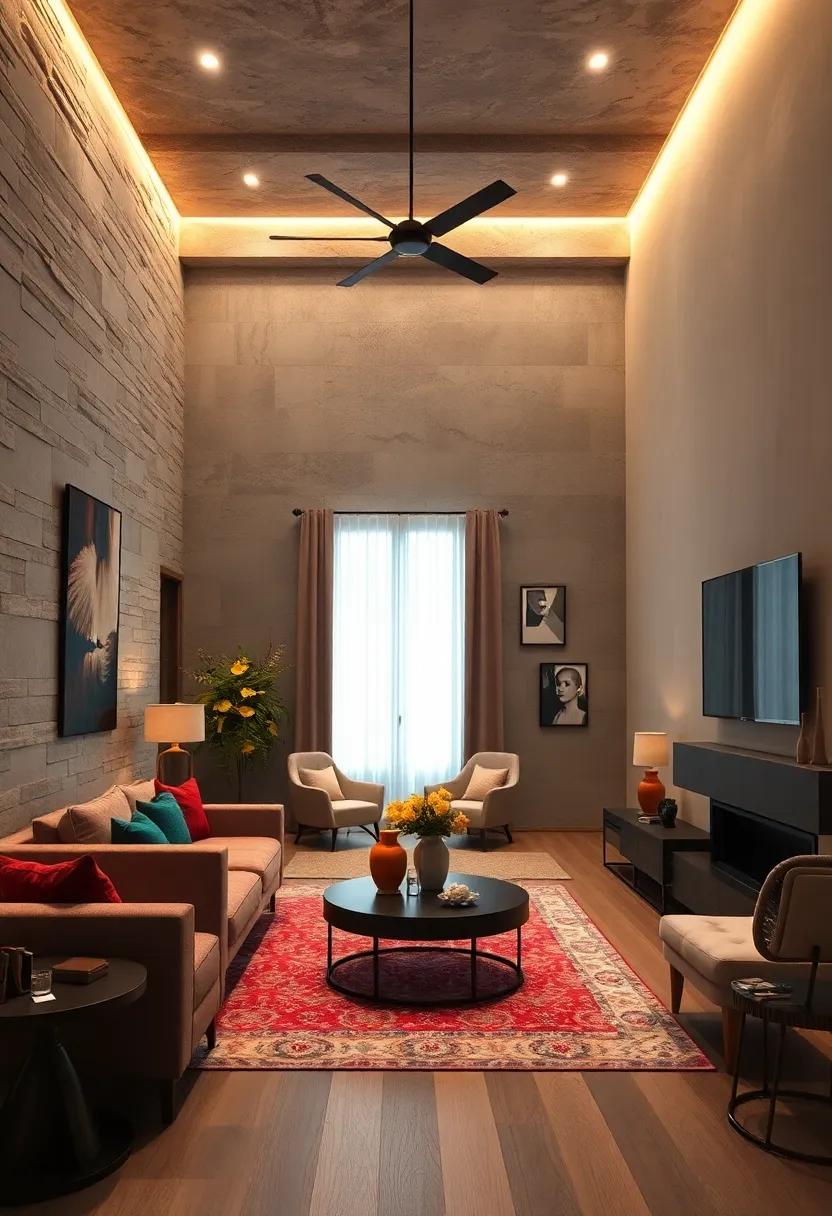
Blending the distinctive characteristics of LED, fluorescent, and incandescent lights creates a dynamic symphony of illumination that enhances both functionality and ambiance. Each light source brings its own flavor: LEDs offer energy efficiency and crisp, focused beams; fluorescents introduce soft, diffused lighting that reduces glare; while incandescents contribute a warm, inviting glow reminiscent of natural sunlight. When harmonized thoughtfully, these qualities can craft spaces that are not only brilliantly lit but emotionally resonant. For instance, employing LEDs for task lighting ensures clarity and precision, while fluorescent lights fill the background with steady radiance, and incandescent lamps sprinkle warmth, making the environment feel cozy and approachable.
This masterful interplay of light sources can be optimized through various design strategies, including:
- Strategic layering: Using LEDs for accents, fluorescents for general illumination, and incandescents for mood lighting.
- Color temperature balancing: Matching cooler LED tones with warmer incandescent hues to avoid visual discomfort.
- Dimmer integration: Adjusting brightness levels to seamlessly blend the qualities of each source and control ambiance.
| Light Source | Key Quality | Ideal Use |
|---|---|---|
| LED | Energy efficient, sharp | Task lighting, highlights |
| Fluorescent | Soft, diffused | General, ambient light |
| Incandescent | Warm, natural | Mood, accent lighting |
Dynamic Lighting Color Shifts Setting Changing Moods and Seasonal Atmospheres Indoors
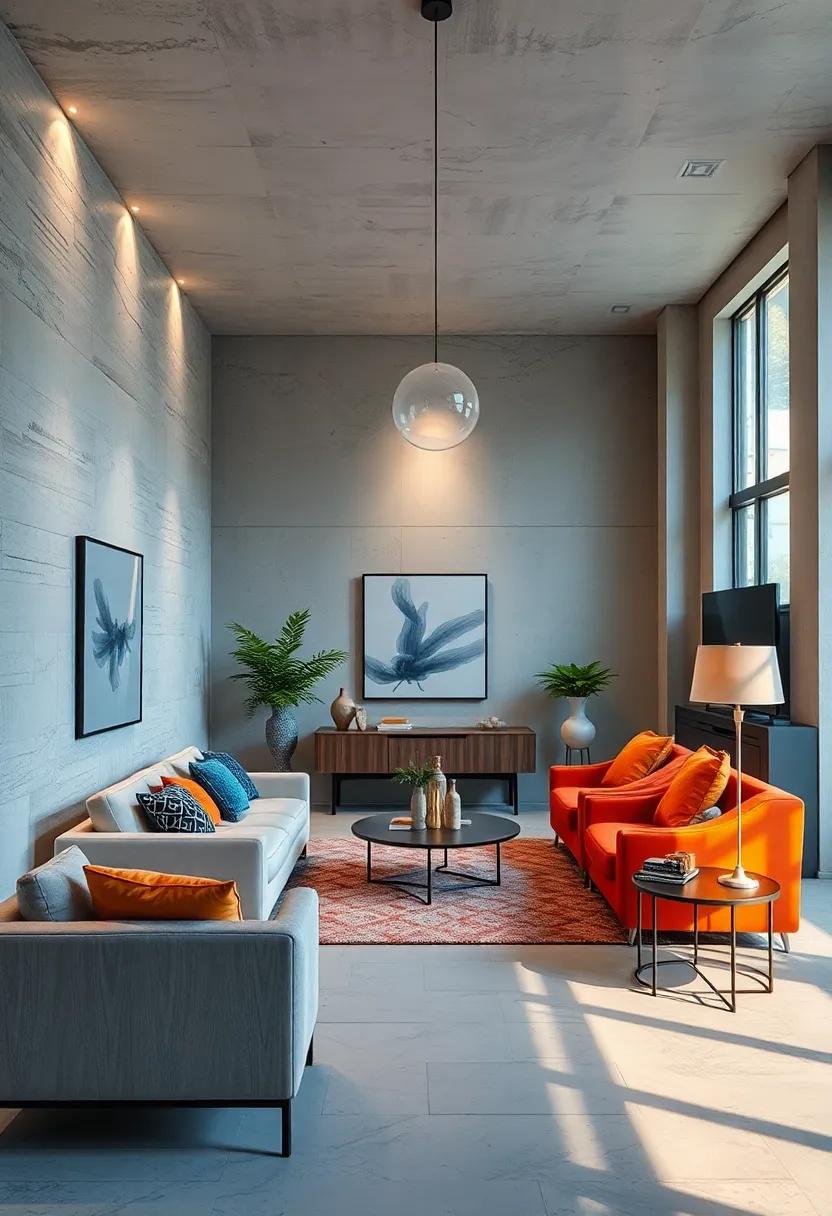
Transforming a room from a serene sanctuary to a vibrant social hub can be as simple as adjusting the hues cast by your lights. By integrating dynamic color-shifting features, spaces come alive with emotion and narrative, inviting inhabitants to experience a spectrum of moods that respond intuitively to time of day or seasonal flair. Imagine waking up to a gentle sunrise amber that gradually transitions into bright, energizing whites for productivity, then melting into soothing blues or purples as evening approaches-each shade enhancing not just visibility but atmosphere itself.
Dynamic lighting settings offer a palette of possibilities that go beyond mere illumination, allowing for:
- Adaptive ambiance: Automatic shifts complementing circadian rhythms and boosting well-being.
- Seasonal storytelling: Warm golds and reds in autumn, crisp frosty blues in winter, vibrant greens and pastels in spring and summer.
- Event tailoring: Customized hues for celebrations or quiet evenings.
| Season | Suggested Color Palette | Atmospheric Effect |
|---|---|---|
| Spring | Soft pastels (lavender, mint, peach) | Fresh, rejuvenating |
| Summer | Bright whites, aqua, citrus | Energetic, lively |
| Autumn | Warm amber, rust, burgundy | Cozy, comforting |
| Winter | Cool blues, icy whites, silver | Calm, reflective |
Vertical and Horizontal Light Layers Sculpting Space and Volume in Modern Architecture
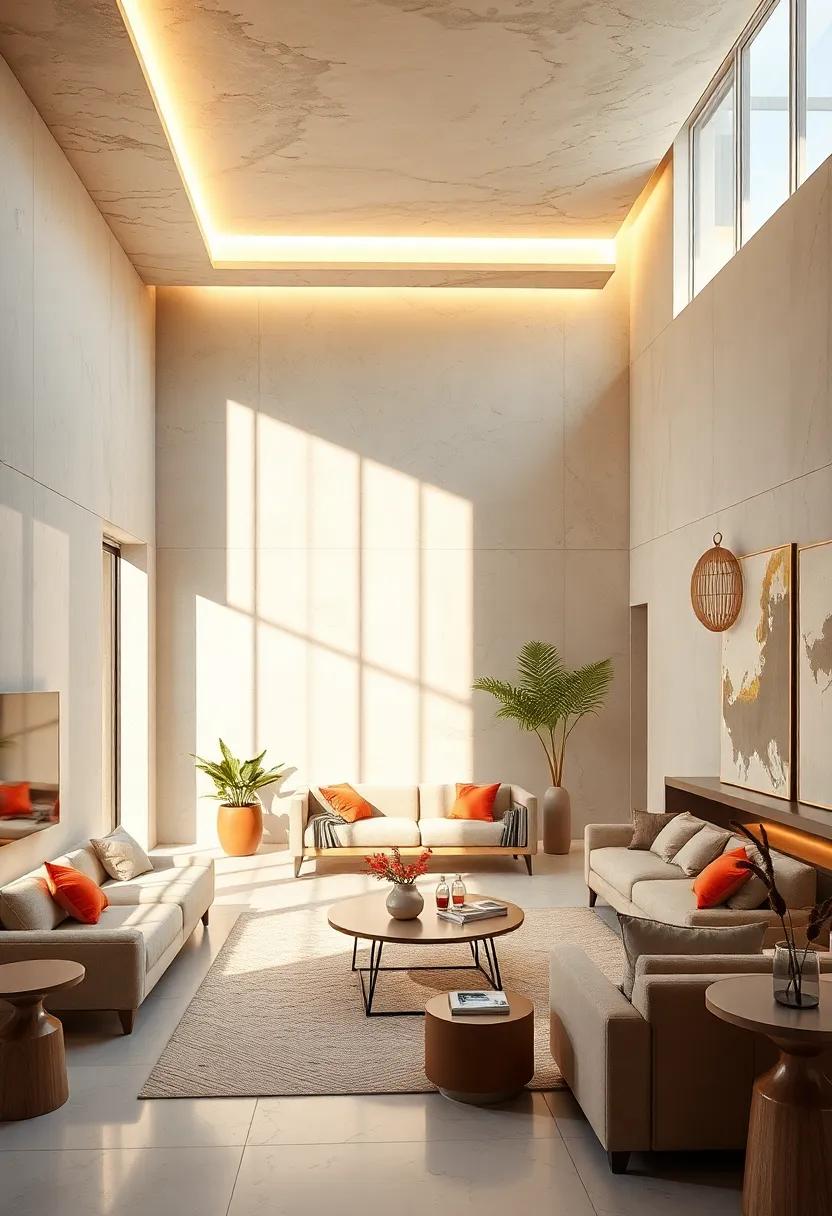
Integrating vertical and horizontal light layers transforms architectural spaces by accentuating their intrinsic volumes and contours. Vertical lighting often emphasizes height, delineating walls and columns with washes of light that create an interplay of shadows and highlights. This technique invigorates tall spaces, making ceilings feel more expansive and inviting, while visually elongating surfaces. In contrast, horizontal layers enhance the depth and breadth of a space, guiding the eye along floors, ledges, and furniture lines. This duality in lighting design allows architects to choreograph a seamless dialogue between structure and luminosity, where every beam and glow is a deliberate sculptor of spatial perception.
- Vertical Lighting: Wall-mounted sconces, pendant lights, and uplights that emphasize elevation.
- Horizontal Lighting: Recessed floor-level strips, under-cabinet fixtures, and cove lights creating horizons of illumination.
| Light Layer | Effect on Space | Common Usage |
|---|---|---|
| Vertical | Enhances height and rhythm | Corridors, atriums, façades |
| Horizontal | Broadens and anchors zones | Living rooms, lobbies, staircases |
The Impact of Light Diffusion Techniques on Softness and Clarity in Layered Designs
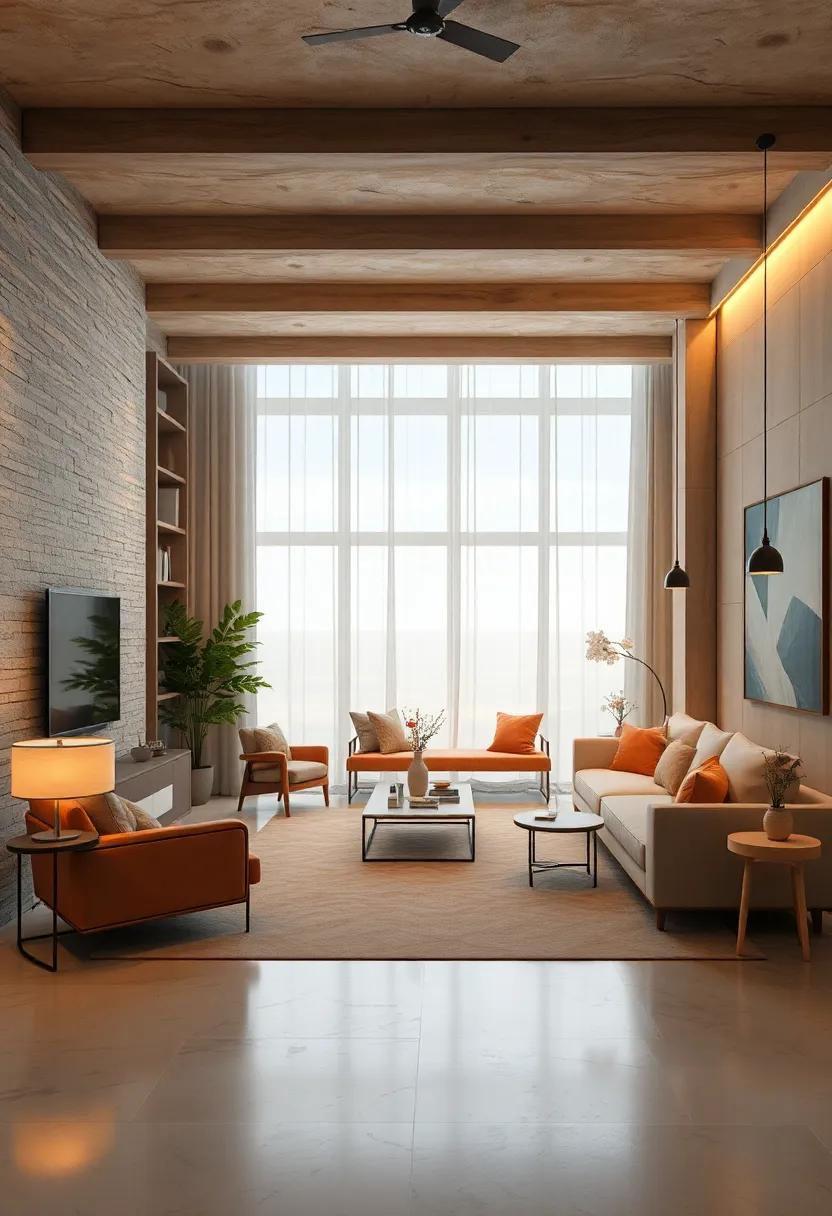
Mastering the interplay of light diffusion in layered lighting design offers a delicate balance between softness and clarity. By selectively scattering light, diffusion techniques reduce harsh shadows and create a calming ambiance that enhances spatial depth. These methods work wonders in environments that benefit from a gentle glow, such as living rooms, galleries, and hospitality areas, where the atmosphere must feel inviting yet visually distinct. Whether employing frosted glass, fabric diffusers, or acrylic panels, each material introduces a unique texture to the emitted light, softening edges without compromising illumination integrity.
Understanding the characteristics of different diffusion elements allows designers to strategically layer light sources, influencing how each plane interacts. Key benefits include:
- Reducing glare while preserving brightness
- Enhancing object definition through refined shadow gradients
- Improving eye comfort and spatial perception
Harnessing these effects thoughtfully transforms interiors, lending richness and sophistication through a play of translucency and radiance.
To Wrap It Up
As we navigate the interplay of light and shadow, layered lighting reveals itself not merely as a design technique but as a language-a subtle dialogue between function and ambiance. By blending various sources and intensities, we craft spaces that breathe, inviting inhabitants to engage with their surroundings in new, nuanced ways. Whether illuminating a cozy nook or an expansive gallery, the art and science of layered lighting continue to inspire us to see environments not just as rooms, but as ever-changing canvases of light. In embracing this dynamic approach, we transform everyday spaces into immersive experiences where every beam tells a story.