Discover the Beauty of Wabi-Sabi Architecture: Celebrating Imperfection in Design and Living Spaces

Wabi-Sabi Architecture: Celebrating Imperfection in Home Design and Living Environments
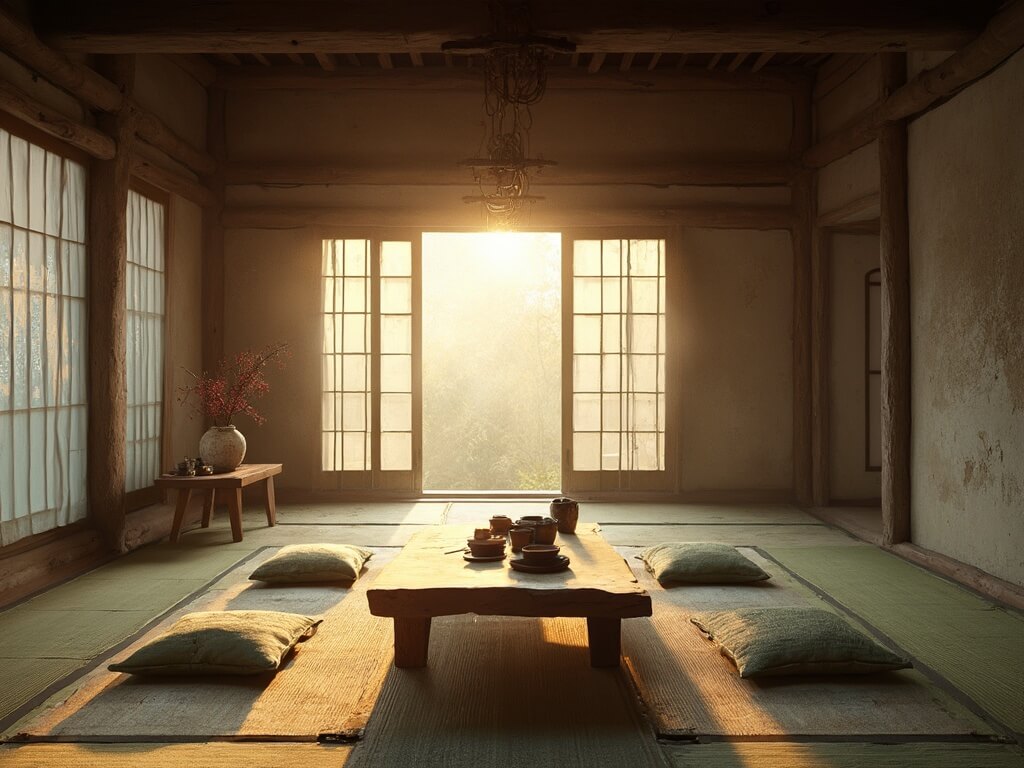
While contemporary architecture often strives for flawless precision, the wabi-sabi philosophy offers a refreshing alternative. Rooted in Japanese aesthetics, this design ethos embraces imperfection, impermanence, and authenticity, transforming ordinary spaces into soulful environments that tell stories through their natural wear and unique character.
Defining Characteristics of Wabi-Sabi Architecture
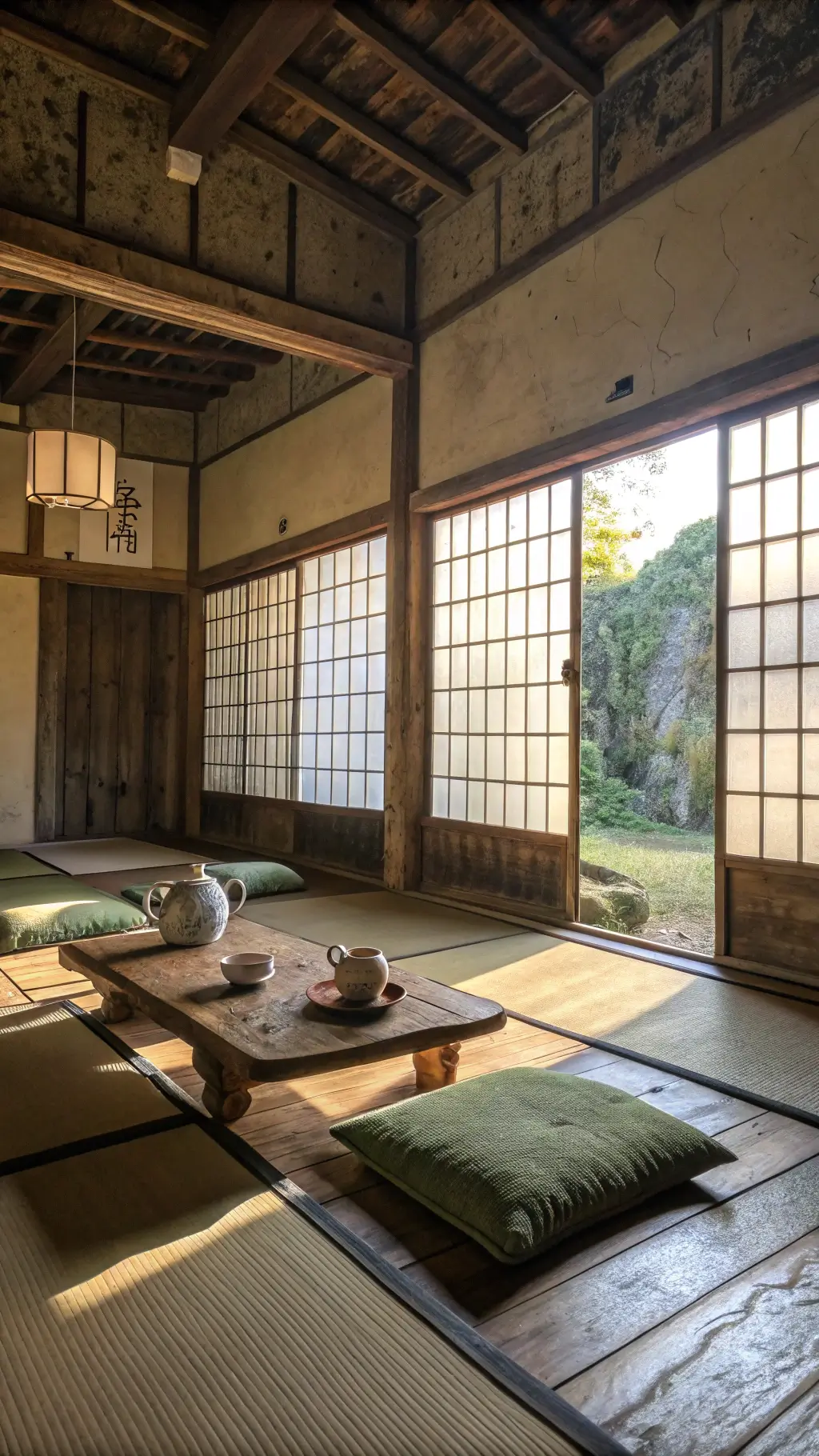
Step into a dwelling where every imperfection narrates a chapter of its past. Unlike the cold, immaculate spaces typical of modern design, wabi-sabi architecture celebrates the beauty found in aged textures, asymmetry, and natural materials. It invites inhabitants to connect deeply with their surroundings, fostering a sense of calm and groundedness.
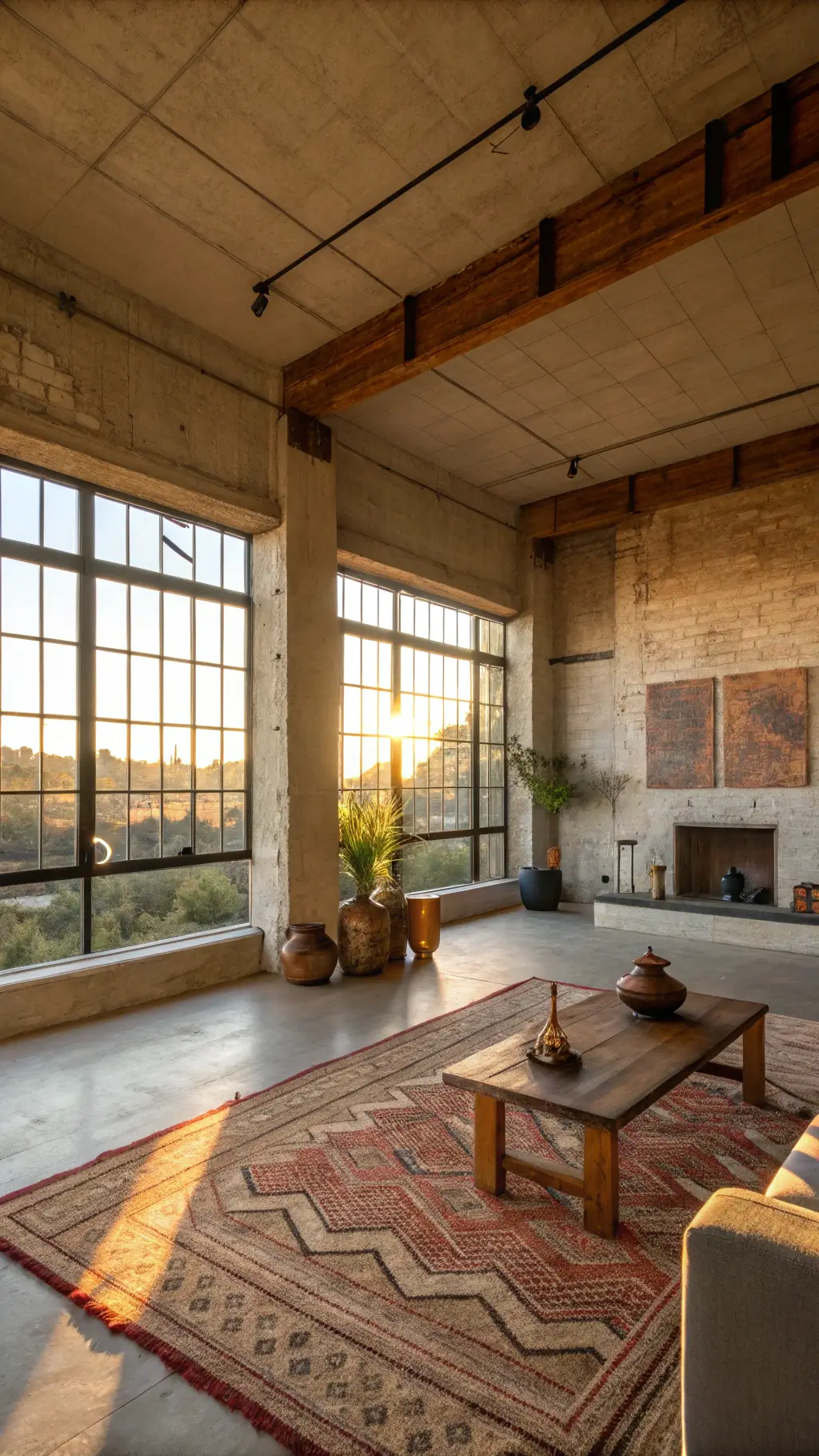
Core Tenets of Wabi-Sabi Design
1. Embracing Minimalism and Essentialism
- Reduce interiors to their fundamental components
- Value empty spaces as much as filled ones
- Reject superfluous decoration
- Design rooms that feel open, breathable, and alive
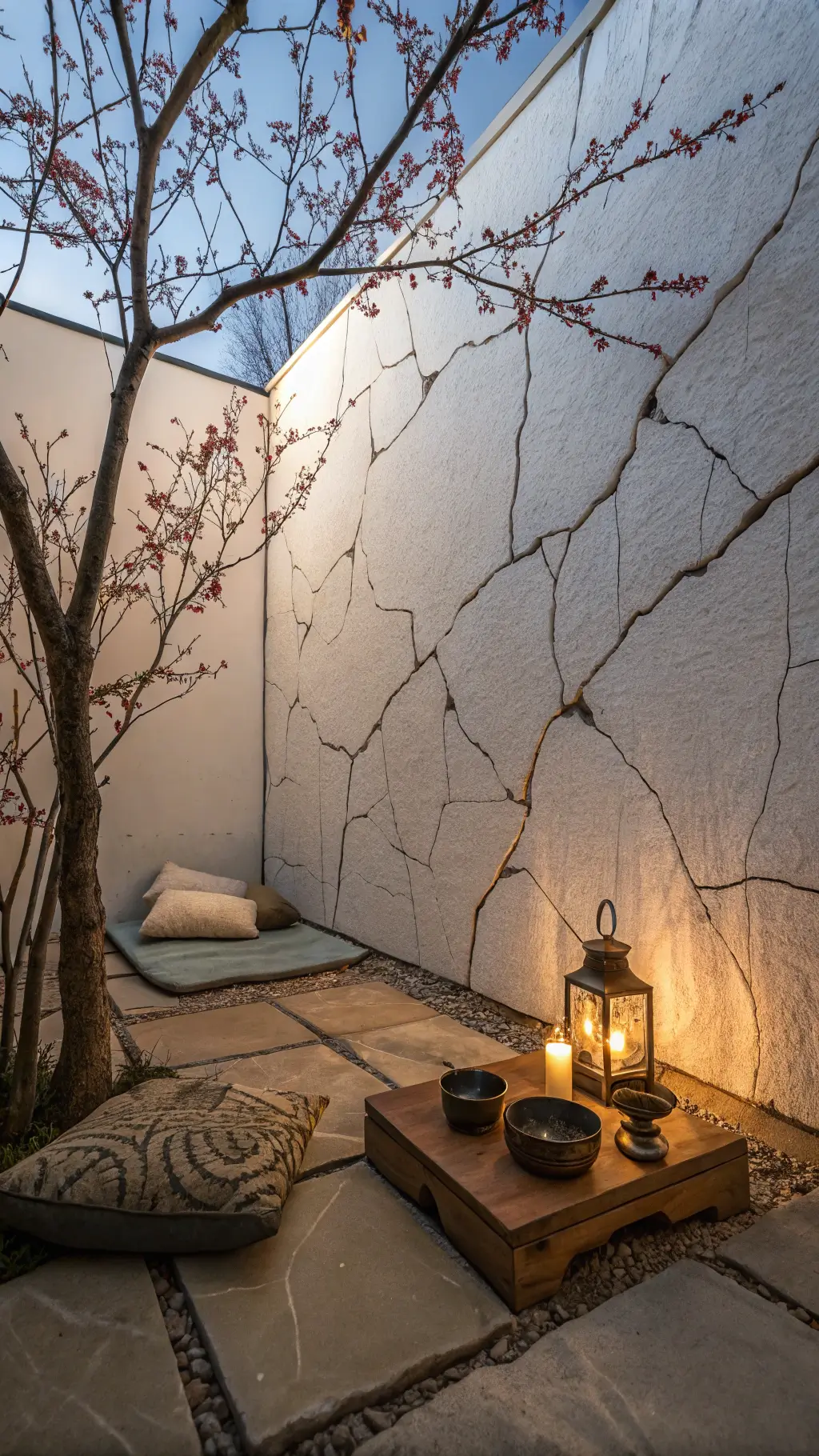
2. Utilizing Untreated, Organic Materials
Signature wabi-sabi interiors often incorporate:
- Rough-hewn wooden surfaces that reveal natural grain
- Hand-thrown pottery and ceramics
- Stonework with visible textures and irregularities
- Bamboo accents that retain their authentic character
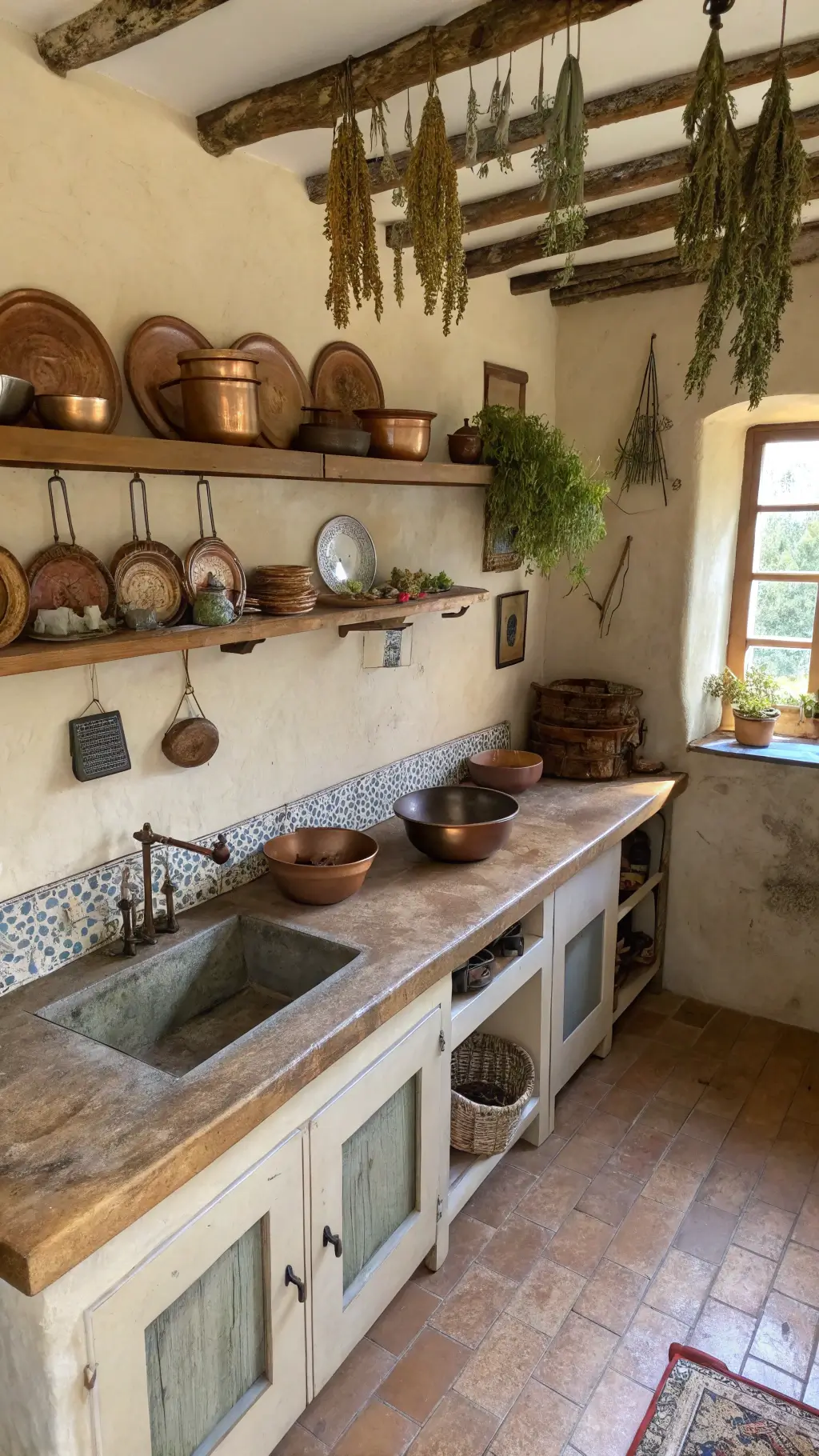
3. Highlighting the Beauty of Flaws
Wabi-sabi does not conceal signs of aging or use; instead, it honors them:
- Cracks in plaster become intentional design elements
- Rust and patina reveal the passage of time
- Subtle asymmetries add depth and intrigue
- Each imperfection captures a unique moment in history
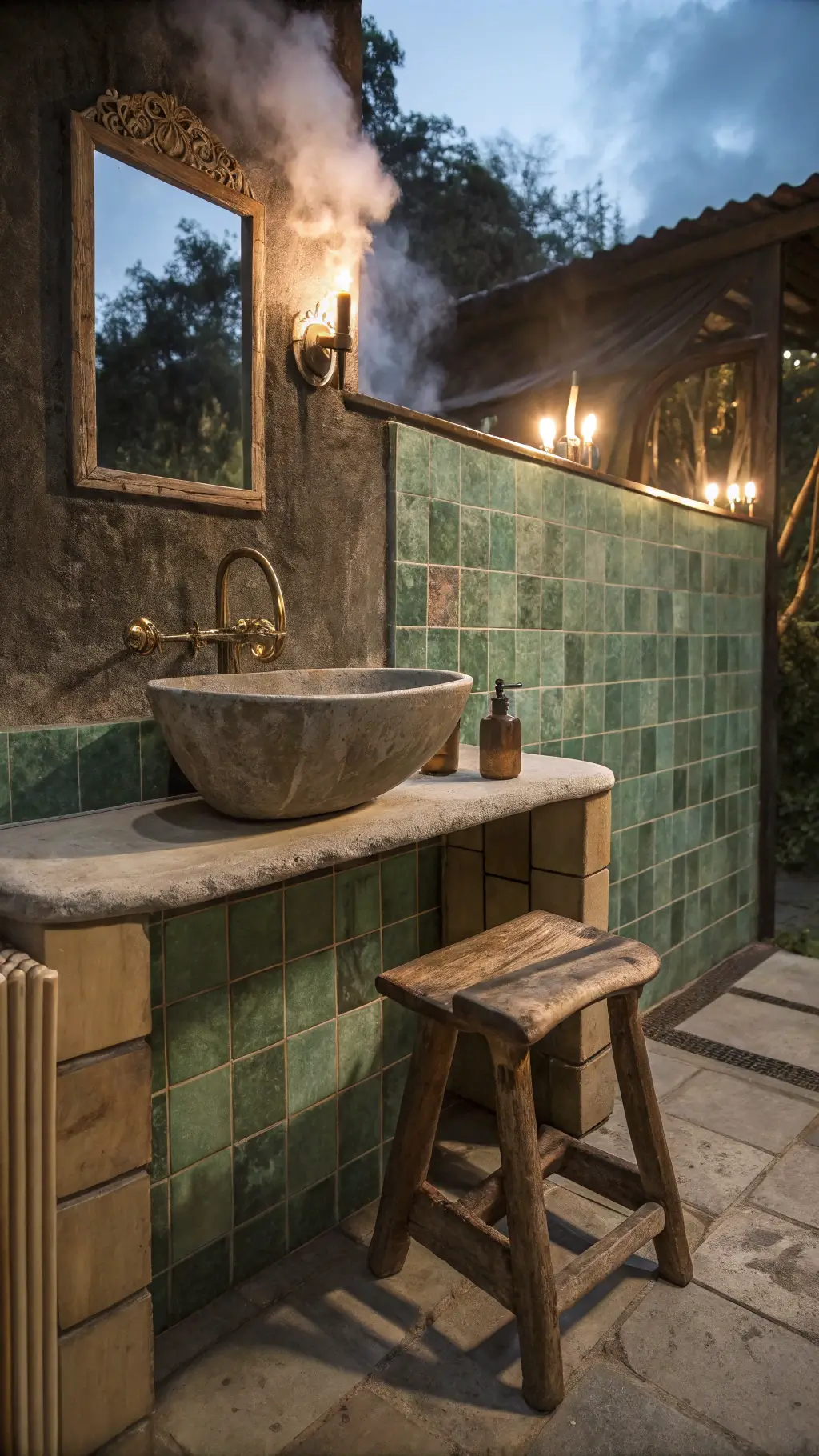
4. A Subdued, Earth-Inspired Color Scheme
The palette in wabi-sabi interiors is gentle and understated, evoking nature’s quiet tones:
- Soft shades of gray
- Warm, earthy beiges
- Deep mossy greens
- Muted terracotta and clay hues
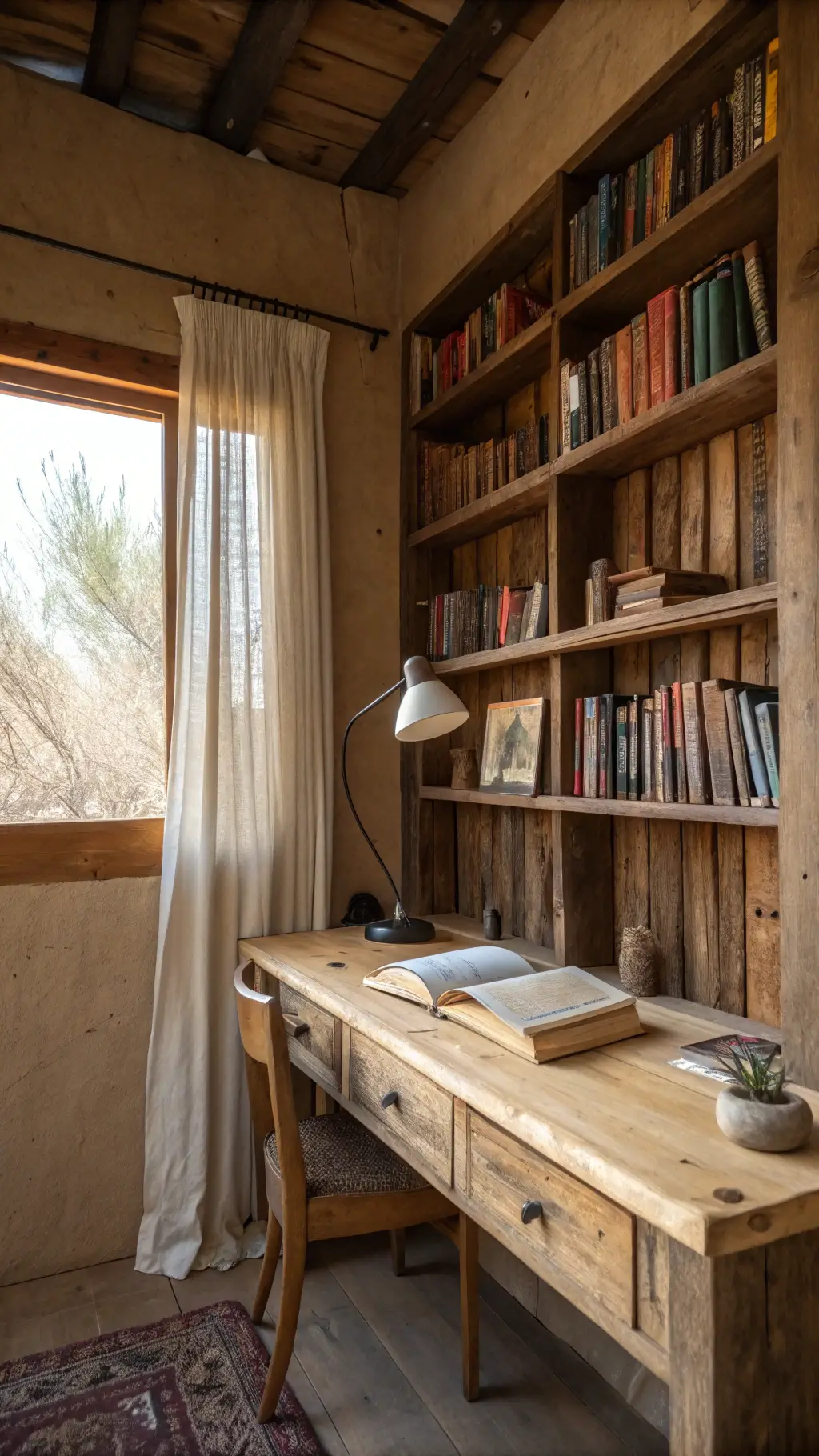
5. Seamless Integration with the Surrounding Environment
Rather than opposing nature, wabi-sabi architecture harmonizes with it by:
- Incorporating expansive windows to frame outdoor views
- Encouraging fluid transitions between indoor and outdoor spaces
- Maximizing natural daylight as a key design feature
- Blurring boundaries to bring the landscape inside

The Relevance of Wabi-Sabi in Contemporary Interior Design
In an era dominated by sleek, mass-produced aesthetics, wabi-sabi offers a vital reminder: true beauty lies not in flawlessness but in genuineness and the passage of time. This philosophy encourages us to cherish the stories embedded in our surroundings, fostering spaces that feel warm, inviting, and deeply personal.
How to Incorporate Wabi-Sabi into Your Home
Looking to infuse your living space with the tranquil charm of wabi-sabi? Consider these practical strategies:
- Opt for artisanal, handcrafted furnishings over factory-made items (handcrafted furniture)
- Allow materials to age naturally, embracing their evolving patina
- Focus on meaningful, well-loved objects rather than clutter
- Create environments that feel lived-in, cozy, and authentic
Philosophical Roots and Cultural Significance
Wabi-sabi stems from Zen Buddhist teachings, embodying a worldview that finds beauty in transience and imperfection. It transcends mere decoration, offering a mindful approach to appreciating the fleeting nature of life and the subtle elegance of simplicity.
Dispelling Common Myths About Wabi-Sabi
- Wabi-sabi is not about artificially aging or distressing spaces
- It does not justify neglect or poor upkeep
- The aim is to cultivate intentional, meaningful imperfections that enhance character
Closing Reflections
Wabi-sabi architecture invites us to slow our pace, observe attentively, and find grace in the imperfect and ephemeral. It transforms buildings from static structures into dynamic, living stories that resonate with authenticity and timelessness.
Suggested Books for Further Exploration
- “Wabi-Sabi: for Artists, Designers, Poets & Philosophers” by Leonard Koren
- “The Japanese Art of Imperfect Beauty” by Noboru Murata