Transforming Your Home with Zen-Inspired Minimalism
Our living spaces profoundly influence our mental clarity. Imagine your home as a sanctuary that radiates calm and balance, where every element contributes to a serene atmosphere.
My exploration into minimalist interior design began when I noticed how cluttered environments often mirror a cluttered mind. Even a single out-of-place item can disturb the harmony we seek. Conversely, a thoughtfully designed space fosters a deep sense of peace and rejuvenation.
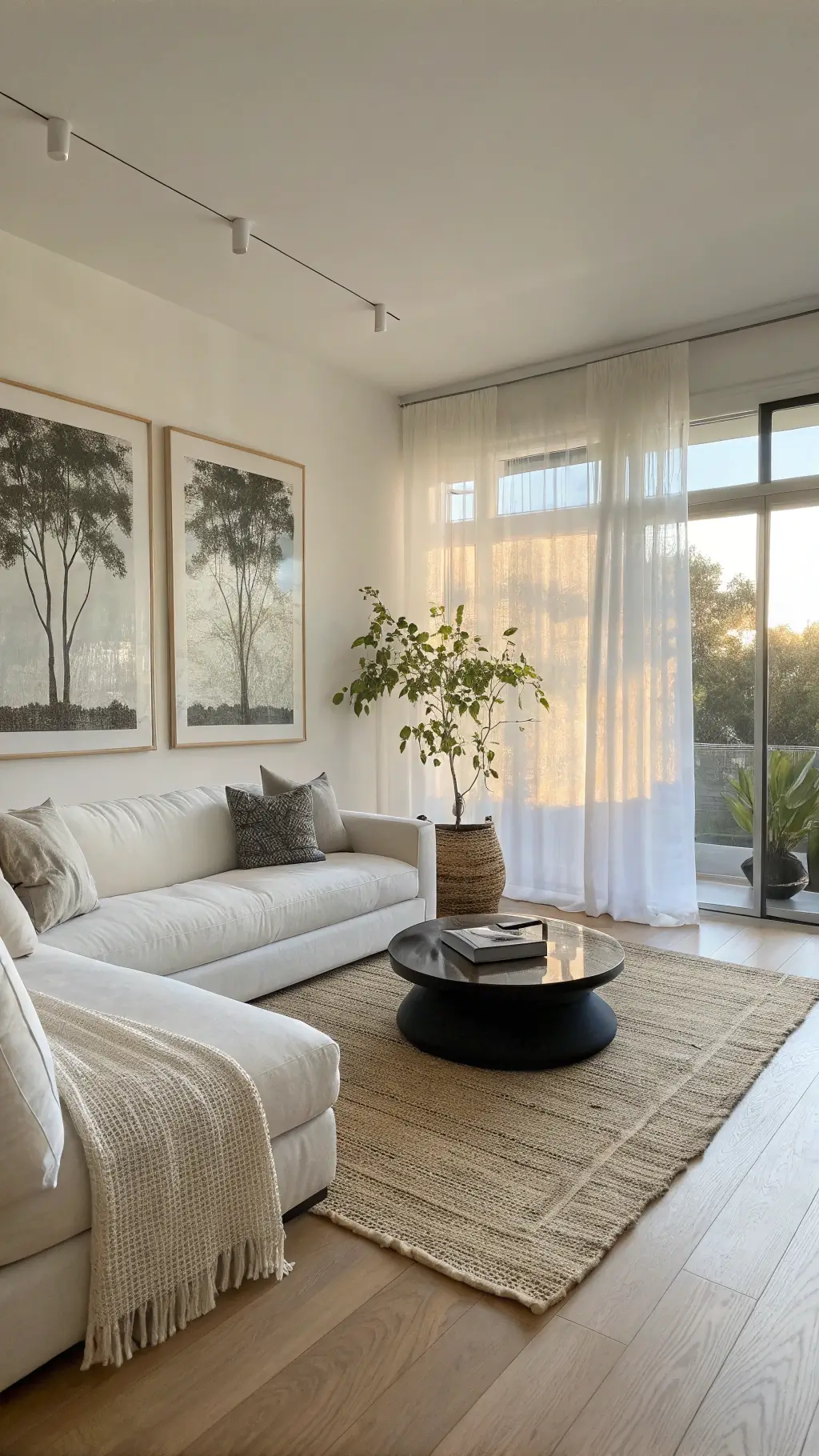
Core Principles of Zen Home Design
Choosing a Calming Color Scheme
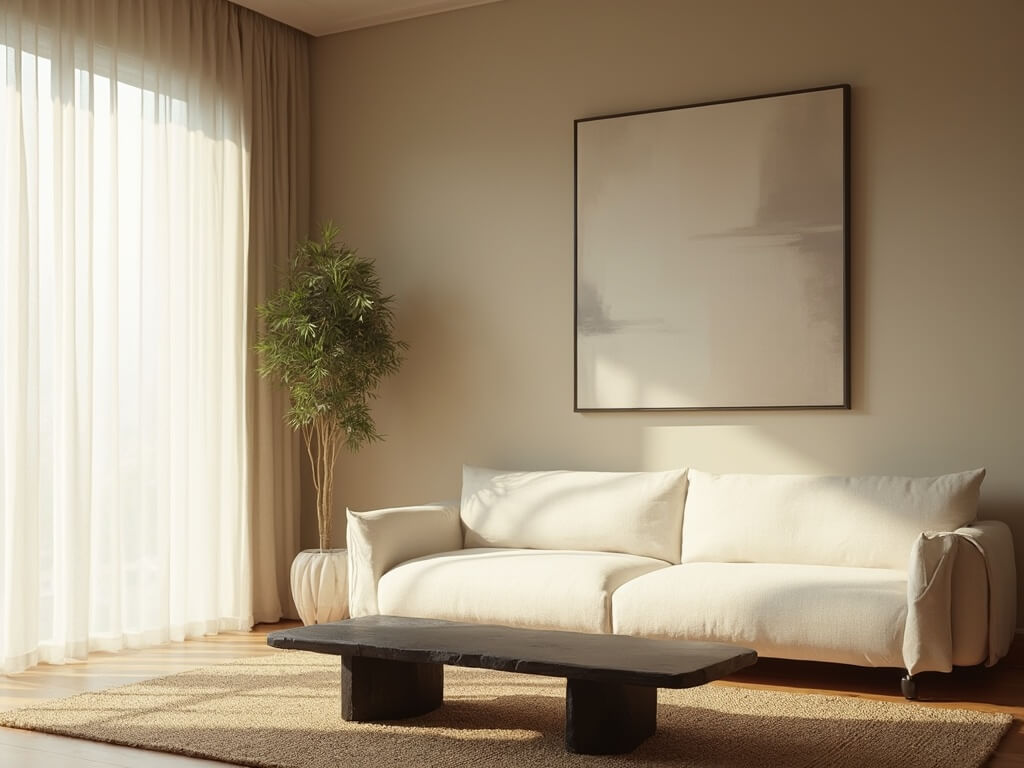
Zen aesthetics thrive on a palette that soothes the senses. Incorporate these hues to cultivate tranquility:
- Ivory and soft whites
- Warm beige tones
- Subtle grays
- Earthy muted browns
- Delicate touches of sage green
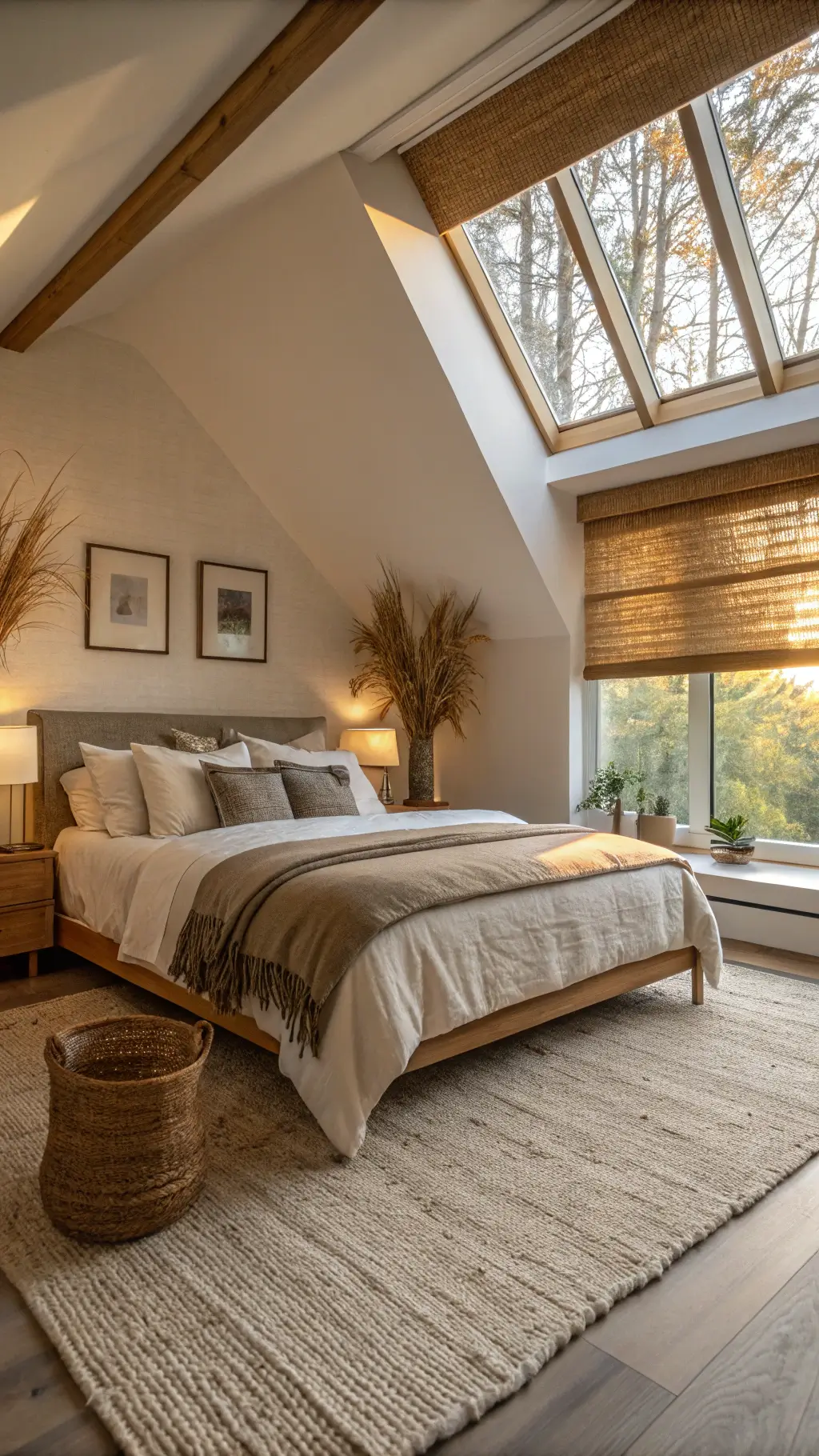
Fundamental Zen Design Guidelines
To truly embrace Zen decor, focus on these essential elements:
- Utilize ample negative space to allow the eye to rest
- Keep designs simple and uncluttered
- Incorporate natural materials and textures
- Maximize exposure to natural sunlight
- Arrange items thoughtfully and intentionally
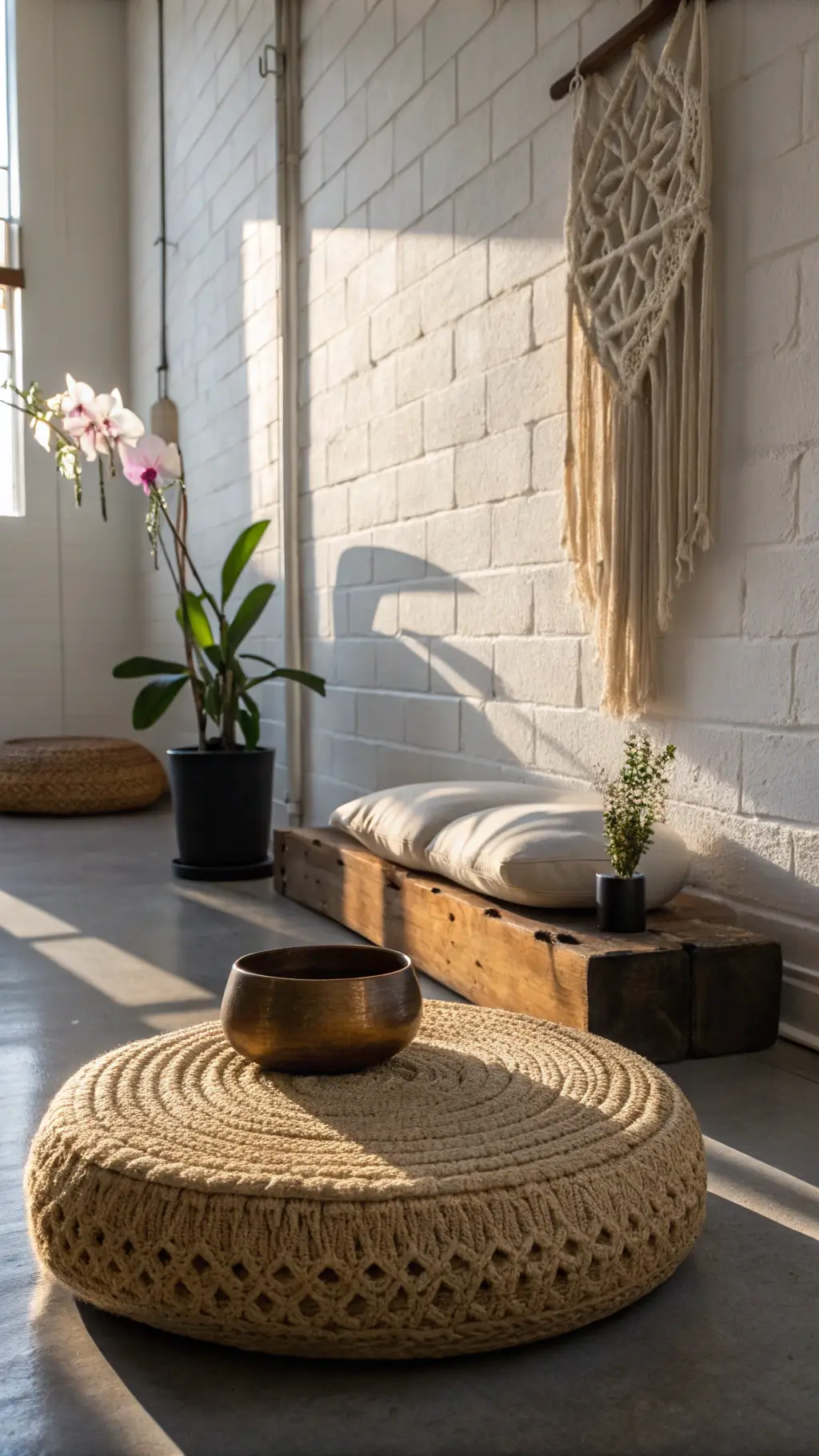
Essential Tools and Accessories for Zen Styling
Photography and Lighting Essentials
Capturing the essence of your Zen space requires the right tools:
- A DSLR or a high-resolution smartphone camera
- Soft, diffused lighting to enhance mood
- Minimalist props chosen with purpose
- Basic photo editing software for subtle enhancements
Curated Props to Enhance Zen Ambiance
Incorporate these items to elevate your minimalist decor:
- Fluted ceramic vases
- Natural stone accents
- Bamboo decorative pieces
- Simple floor cushions with clean lines
- Aromatic essential oil diffusers
- Wooden side tables with organic finishes
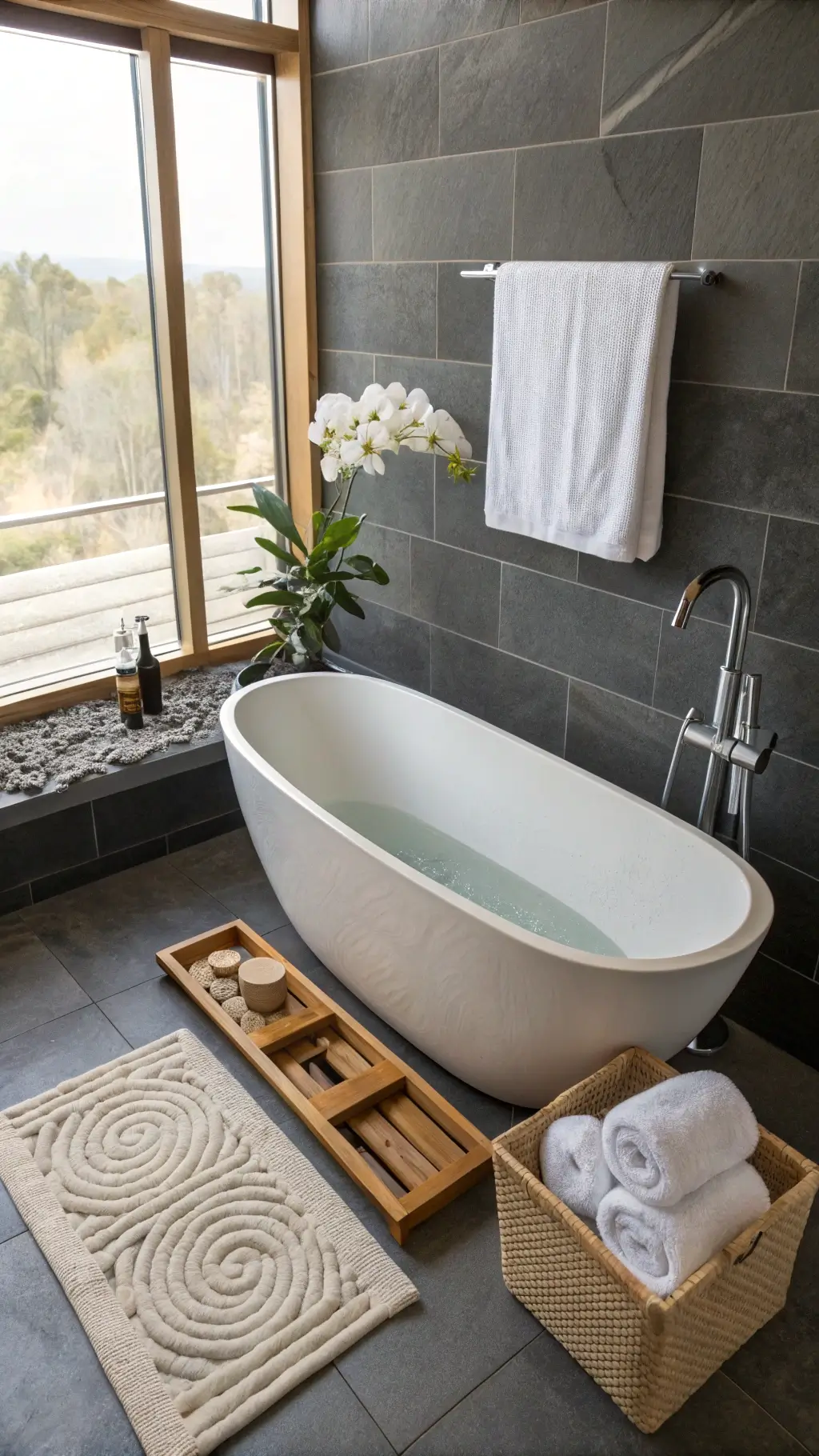
Stepwise Guide to Creating Your Zen Sanctuary
Preparing Your Space
- Remove all non-essential items to declutter
- Opt for a neutral, calming background color
- Identify a central focal point to anchor the room
- Layer complementary elements around the focal piece
- Ensure sufficient space between objects to promote openness
Effective Photography Tips for Zen Interiors
To showcase your space beautifully, consider these techniques:
- Apply the rule of thirds for balanced composition
- Shoot during early morning or late afternoon for soft light
- Keep ISO settings low to reduce noise
- Use apertures between f/2.8 and f/4 for depth
- Capture images from slightly elevated perspectives
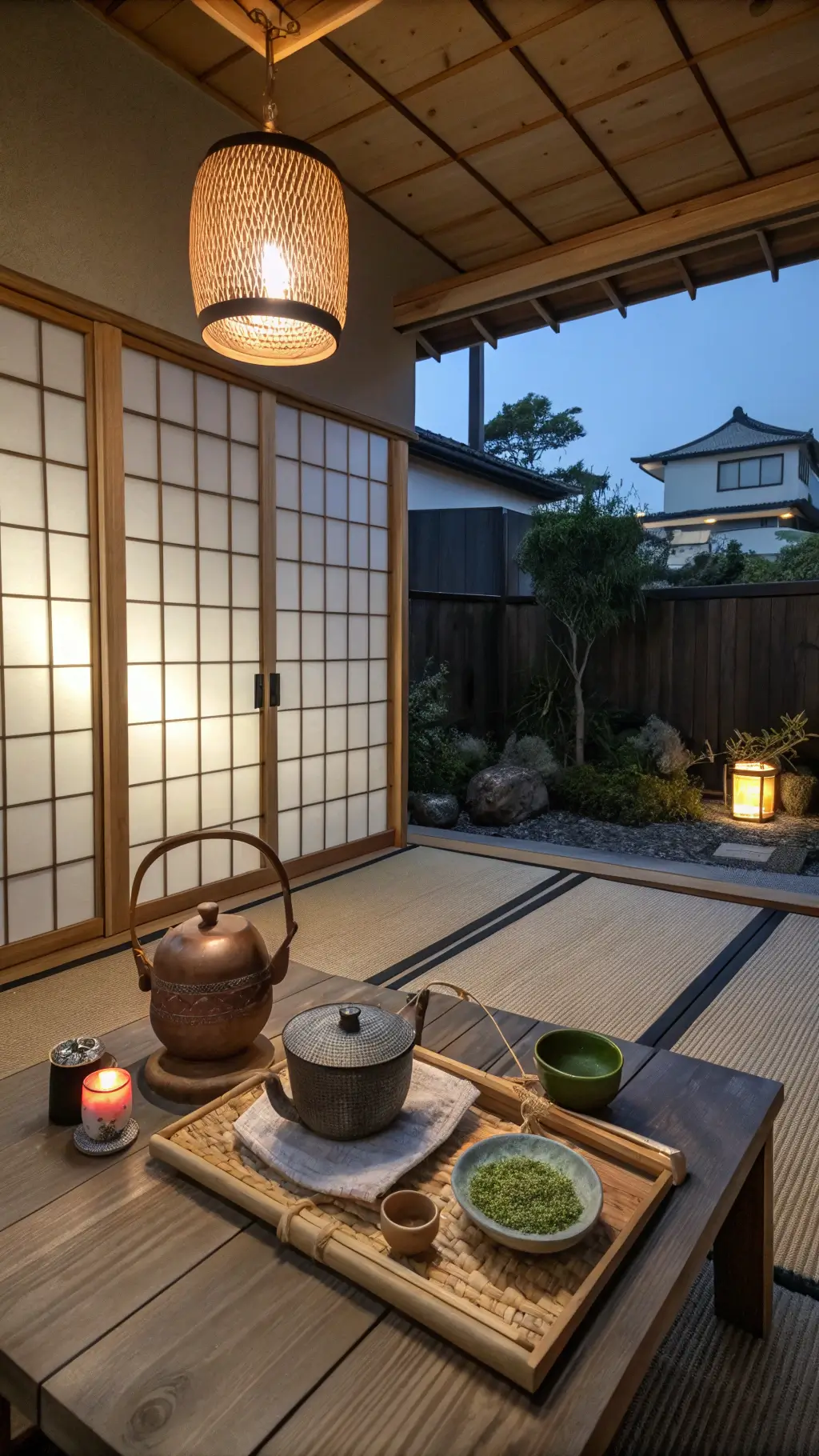
Advanced Styling Insights
Achieving Visual Balance
Keep these principles in mind to maintain harmony:
- Balance asymmetrical elements for dynamic interest
- Integrate natural textures like wood, stone, and fabric
- Utilize soft, ambient lighting to create warmth
- Maintain a consistent color scheme throughout
- Value and preserve empty spaces as part of the design
Adapting Zen Decor to the Seasons
Refresh your space by incorporating seasonal accents:
- Spring: Introduce vibrant green plants and fresh florals
- Summer: Add cool blue and aqua tones for a refreshing feel
- Autumn: Use warm wooden textures and burnt orange hues
- Winter: Layer soft neutrals and cozy textiles
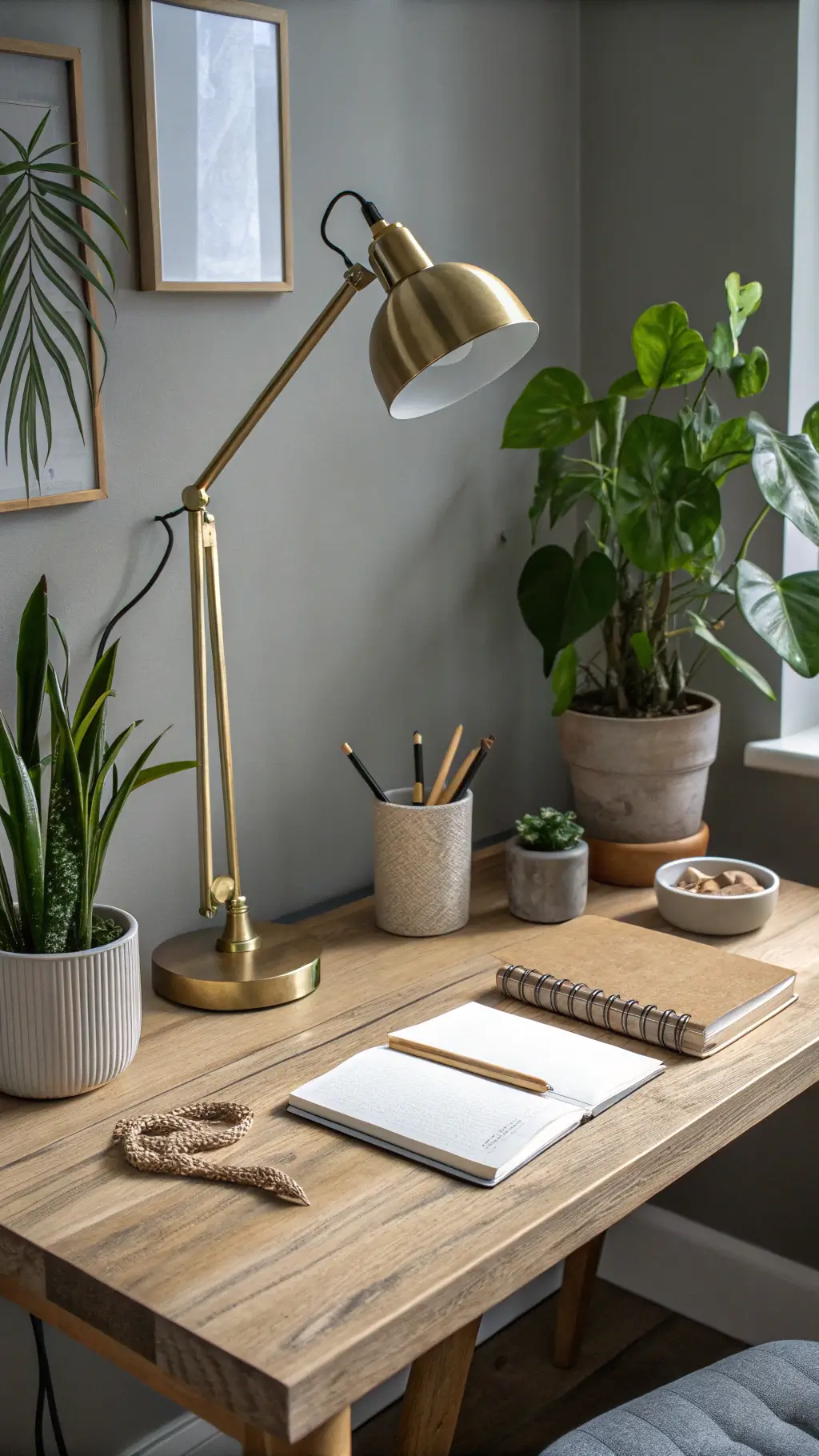
Common Pitfalls in Zen Styling and How to Avoid Them
Beware of these frequent mistakes that can disrupt your Zen vibe:
- Overfilling rooms with too many items
- Using overly bright or harsh lighting
- Neglecting the importance of negative space
- Mixing incompatible textures that clash
- Forcing perfect symmetry instead of natural balance
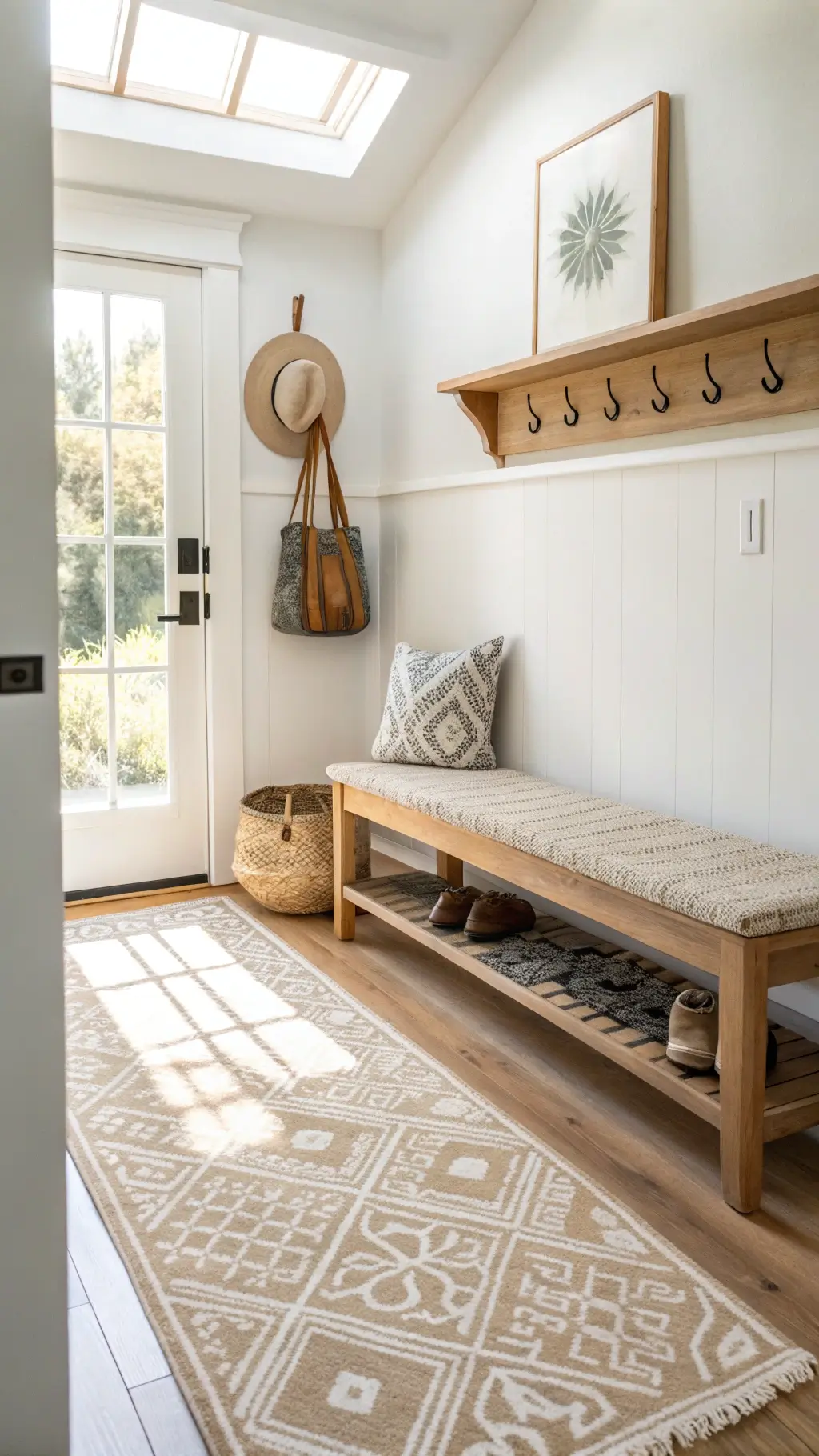
Optimizing Your Zen Space for Online Sharing
After styling, enhance your photos with these editing tips:
- Maintain gentle, even lighting throughout the image
- Keep colors muted and natural to preserve mood
- Crop images vertically for platforms like Pinterest
- Incorporate SEO-friendly keywords in descriptions
Time and Budget Considerations for Zen Styling
Planning your project effectively can save stress and money:
- Estimated time commitment: 2 to 3 hours
- Budget range: $100 to $600 depending on scale
- Difficulty level: Suitable for beginners to intermediate
- Skill requirements: Basic design and photography knowledge
Closing Reflections
Designing a Zen-inspired environment is less about achieving flawlessness and more about cultivating mindful simplicity and space for your soul to unwind.
Keep in mind: Your home mirrors your inner world-shape it with intention and care.