People often ask me how to achieve the pristine, all-white kitchen aesthetic they admire in magazines. But the real inquiry should be: how can you design a kitchen that not only looks stunning but also functions seamlessly, nurtures your well-being, and minimizes environmental impact? A genuinely modern kitchen transcends mere minimalism in appearance-it embodies a philosophy of reducing waste, stress, and inefficiency.
Many so-called “contemporary” designs are fleeting fads destined to feel outdated within a few years. The true essence lies in thoughtful decision-making-crafting a kitchen that is highly practical, easy to maintain, safe for your family, and environmentally conscious. These are foundational principles, not just decorative tips, for creating the heart of your home. Let’s cut through the noise and explore how to do it right.
Strategic Planning for a Functional Modern Kitchen
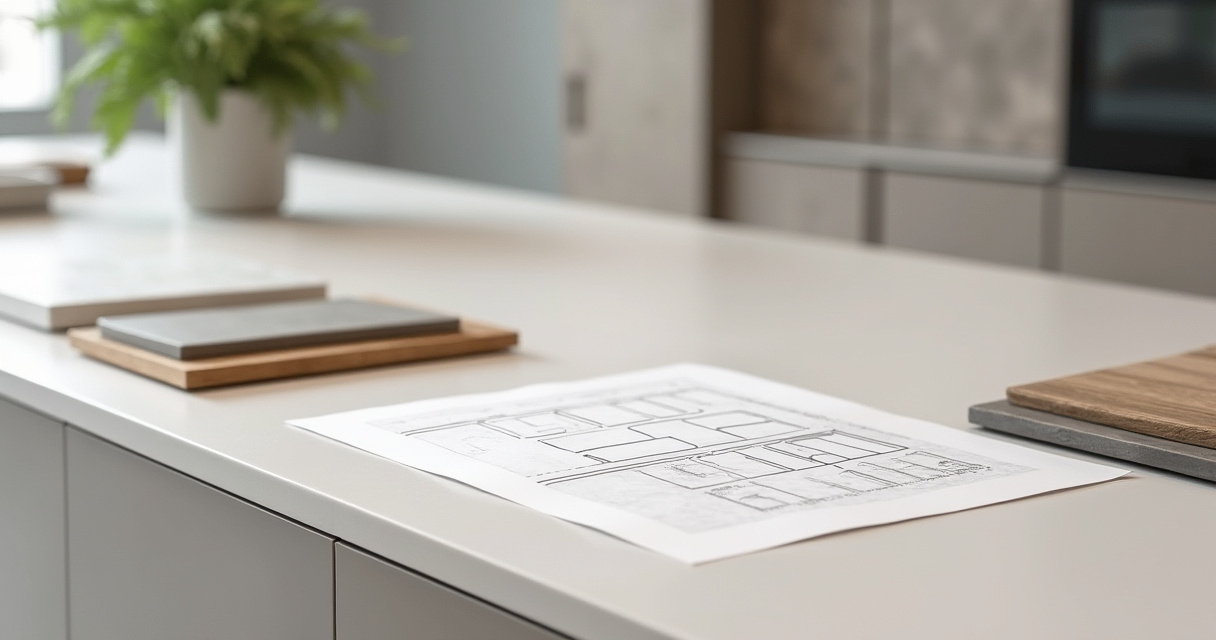
Before selecting cabinet hues or countertop materials, it’s crucial to establish a solid plan. Many jump straight to aesthetics, ending up with kitchens that look great in photos but are frustrating in daily use. The initial step is intentional design-building your kitchen around your actual lifestyle rather than an idealized vision.
Assess Your Lifestyle and Kitchen Requirements
Set aside trends momentarily and focus on how you live. Are you a busy parent rushing through weekday breakfasts, a weekend baker, or someone who entertains frequently? A kitchen tailored for a gourmet cook preparing meals for two will differ vastly from one designed for a family of five relying on batch cooking. This assessment is essential to avoid costly mistakes and ensure your kitchen truly supports your daily routines.
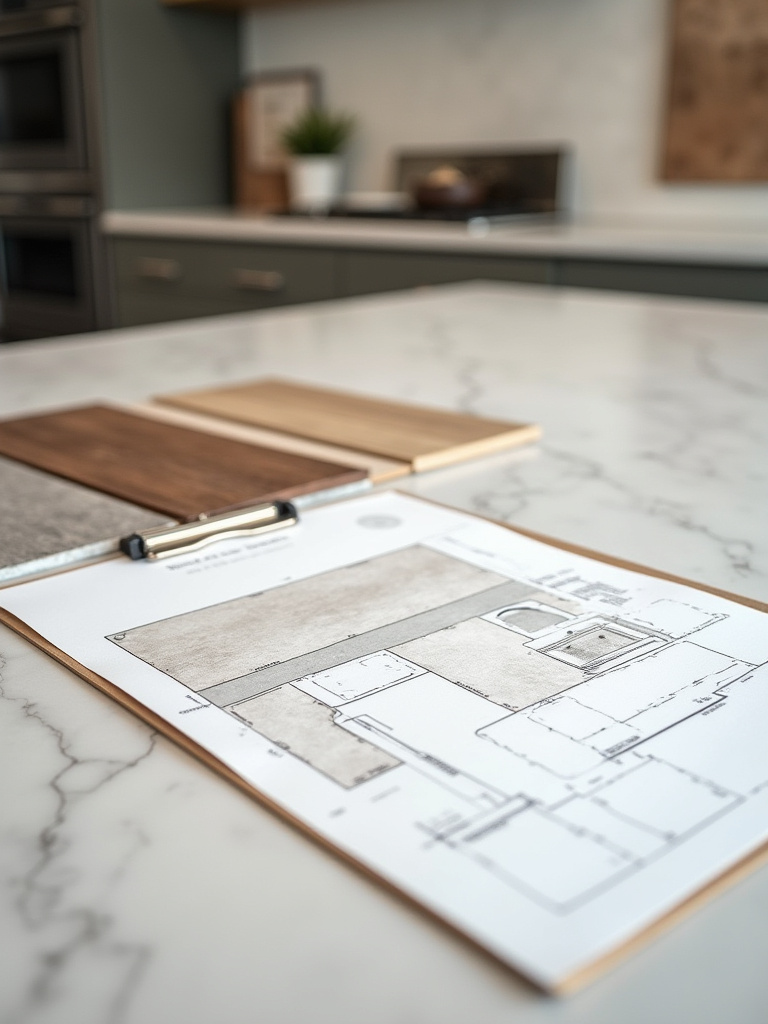
For example, I once collaborated with a family fixated on a large six-burner gas stove for its professional look. After discussing their needs, we realized a spacious, durable island for homework and an induction cooktop-safer for children and cleaner for indoor air-were far more practical. This insight saved them thousands and resulted in a kitchen they genuinely enjoy.
Prioritizing your real-world needs is the fastest route to a kitchen that feels custom-made for you, steering clear of expensive regrets.
Emphasize Open Layouts and Efficient Flow
“Open-concept” is often overused, but it remains a pillar of modern kitchen design for good reason. It fosters connection, floods your home with natural light, and keeps the cook engaged with family or guests. It also makes spaces feel larger and more inviting. However, a poorly executed open plan can become a noisy, odorous, and chaotic environment.
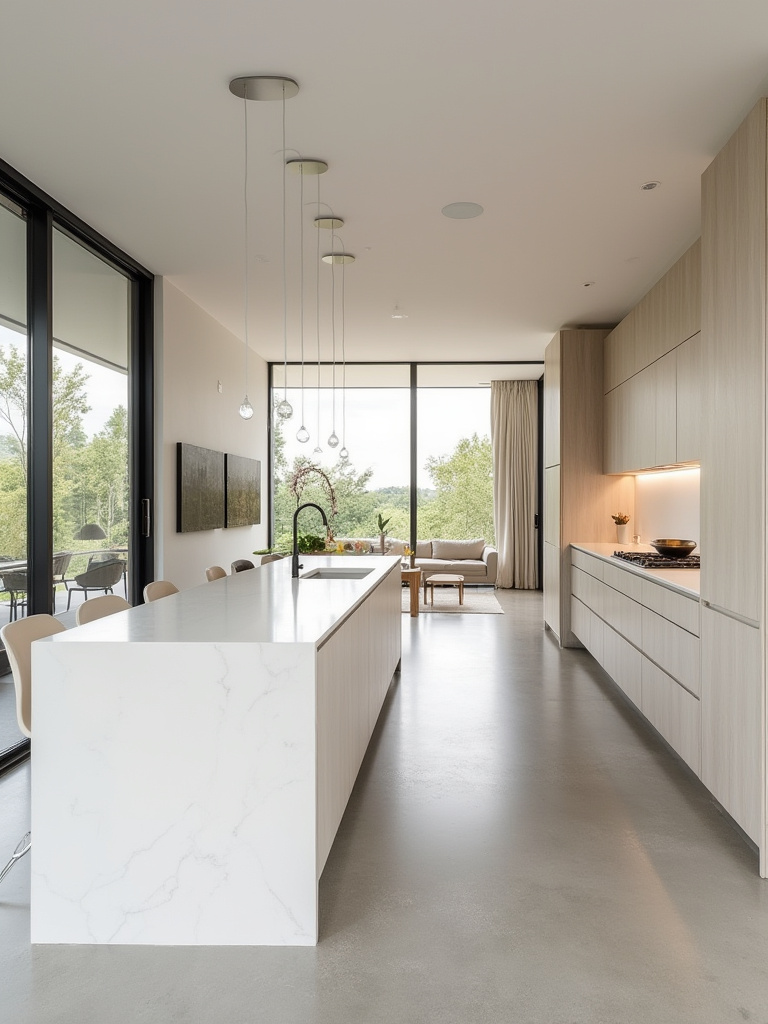
The key is zoning-creating distinct areas for cooking, prepping, and socializing without erecting walls. Architectural islands play a vital role here. Equally important is investing in quiet, high-performance ventilation to prevent lingering cooking odors. A well-designed open kitchen balances openness with thoughtful separation, making the space both inviting and functional.
When planning to remove walls, also consider sound control, odor management, and traffic flow. A successful open-concept kitchen feels spacious yet intelligently organized.
Create a Harmonious Color and Material Palette
As an environmental enthusiast, I’m passionate about selecting materials that are not only visually cohesive but also sustainable and durable. Instead of randomly choosing paint swatches, start with a core material-such as reclaimed wood shelving or recycled composite countertops-and build your palette around it.
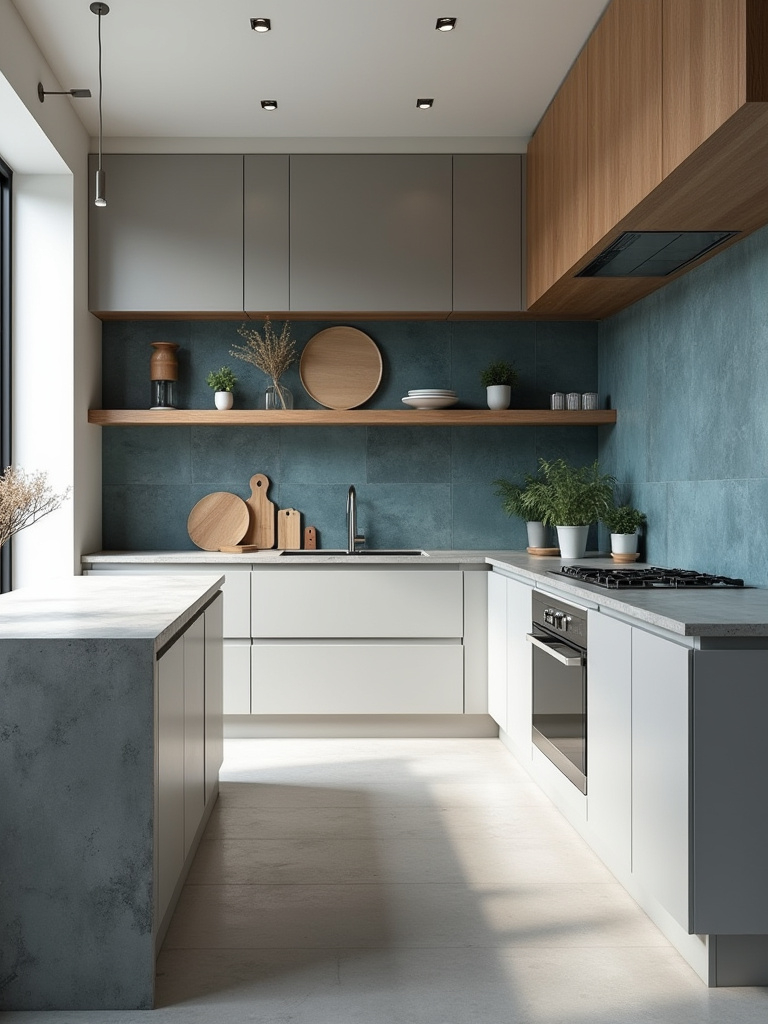
Limit your primary surfaces-cabinets and walls-to two or three neutral, soothing tones, then add texture for visual interest. This approach creates a serene atmosphere rather than a sterile showroom feel. For instance, matte off-white cabinets paired with a honed stone backsplash and warm wood accents evoke comfort and sophistication. Always opt for low- or zero-VOC paints to protect indoor air quality.
Next, let’s delve into storage solutions, a critical factor in maintaining a tranquil kitchen environment.
Incorporate Efficient Storage Designs
Minimalism doesn’t mean owning less; it means ensuring everything has a designated place-preferably not on your countertops. Storage should be an integral part of your kitchen’s design from the outset, not an afterthought. This is essential for achieving the uncluttered, sleek look characteristic of contemporary kitchens.
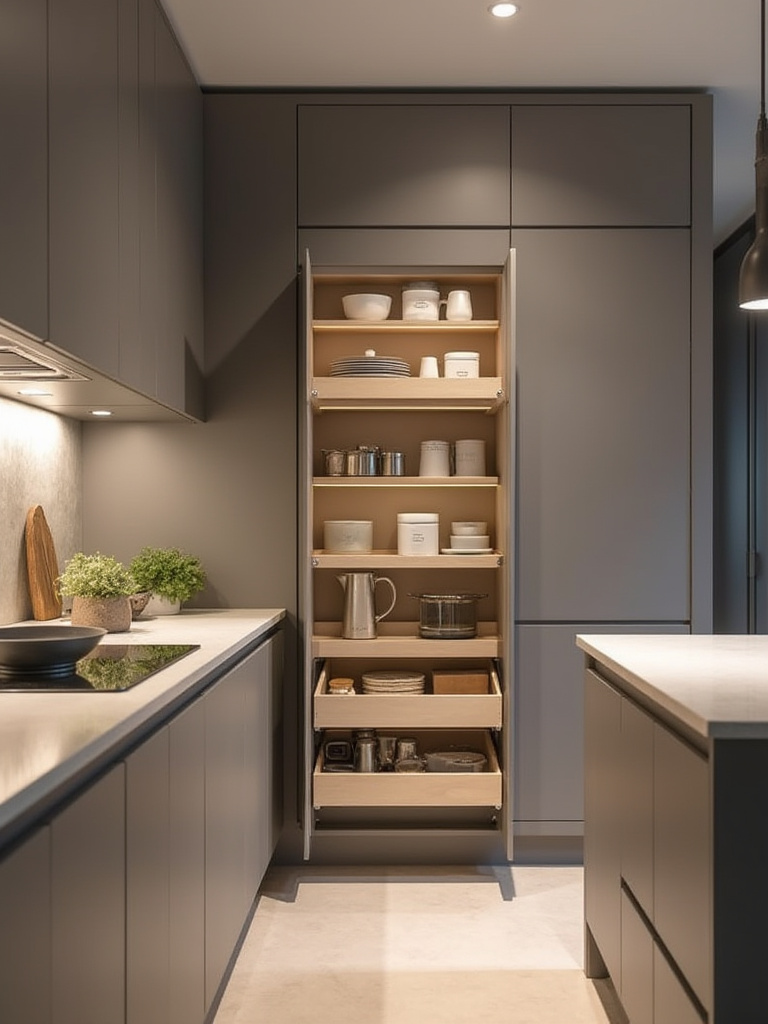
Think full-height pantry walls with pull-out drawers, concealed appliance garages, and deep drawers with custom organizers for cookware. One client described the transformation as “life-changing,” moving from cluttered counters to pristine surfaces that brought calm to their mornings. Smart storage is the foundation of a peaceful kitchen.
Now, let’s discuss where to allocate your budget for lasting satisfaction.
Invest in Quality Fixtures and Finishes
One common mistake is splurging on cabinetry but skimping on faucets, hardware, and lighting. It’s like pairing a luxurious coat with cheap buttons. These everyday touchpoints-drawer pulls, faucets-shape your daily experience and should feel substantial and smooth.
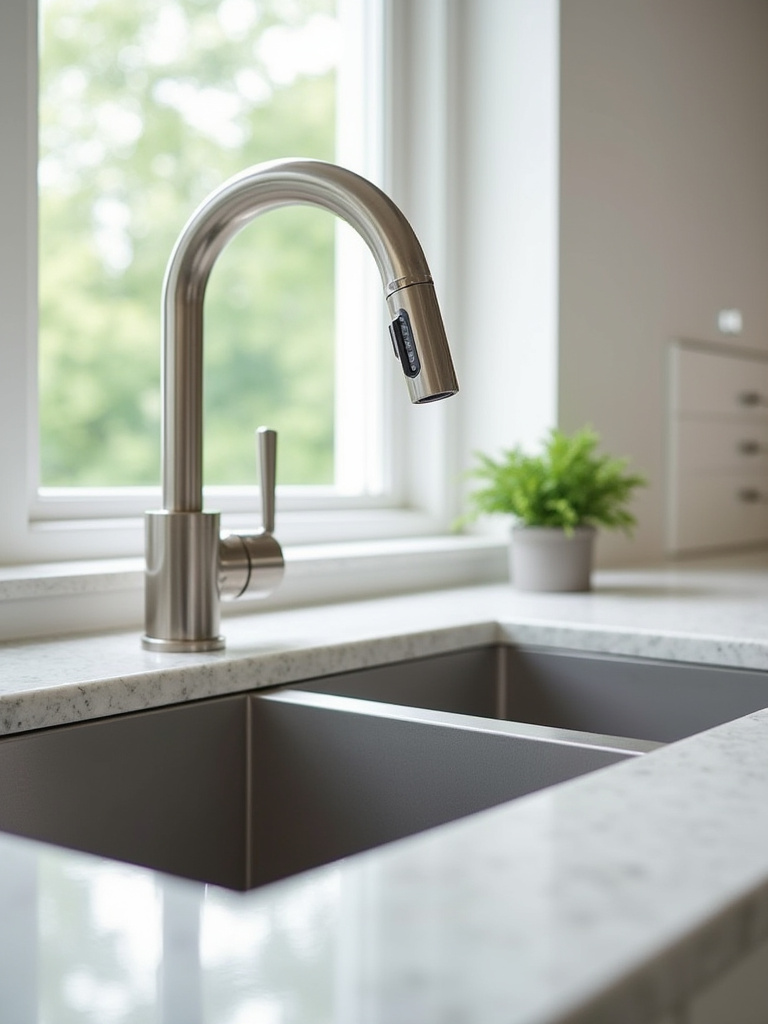
From a sustainability perspective, it’s about “buy once, cry once.” Cheap fixtures often fail quickly, contributing to landfill waste. High-quality products from reputable brands last decades, reducing environmental impact and enhancing your kitchen’s feel. Prioritize your budget on frequently used elements for the best long-term value.
Translating Strategy into Design: Essential Contemporary Style Elements
With your strategic foundation set, it’s time to bring your vision to life by selecting specific design components that marry function, beauty, and sustainability.
Choose Sleek Flat-Panel Cabinetry for a Clean Look
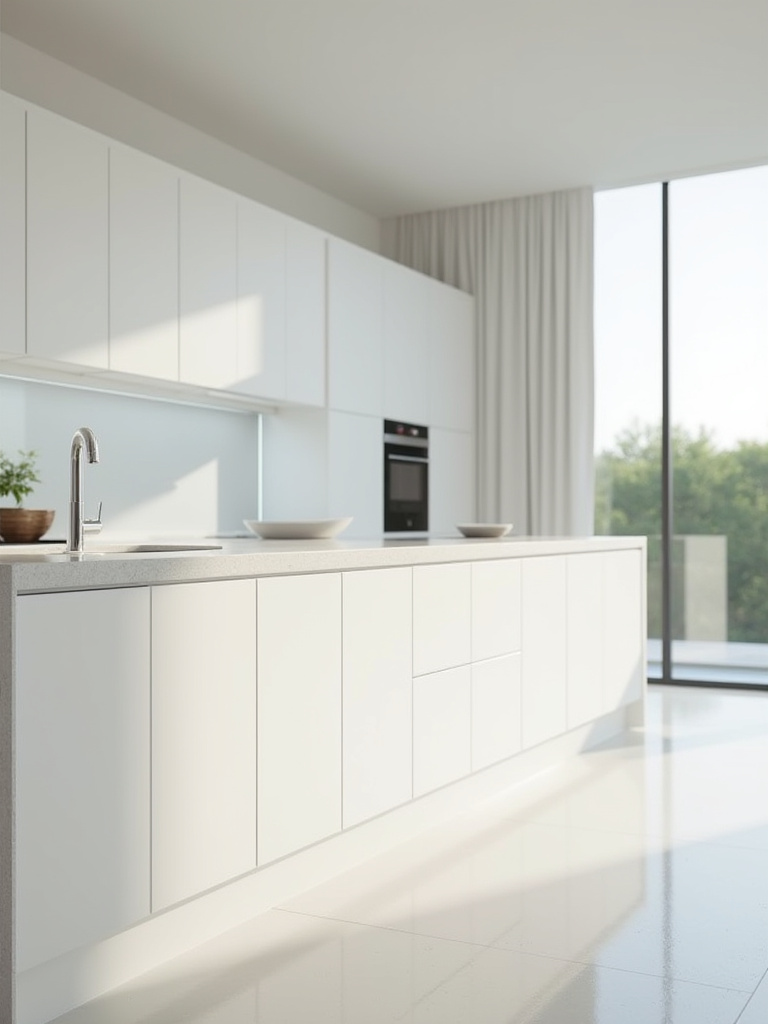
Flat-panel, or slab, cabinets are a hallmark of contemporary kitchens due to their understated elegance. Their smooth, unadorned surfaces create a tranquil backdrop and are incredibly easy to clean, with no crevices for grime to accumulate.
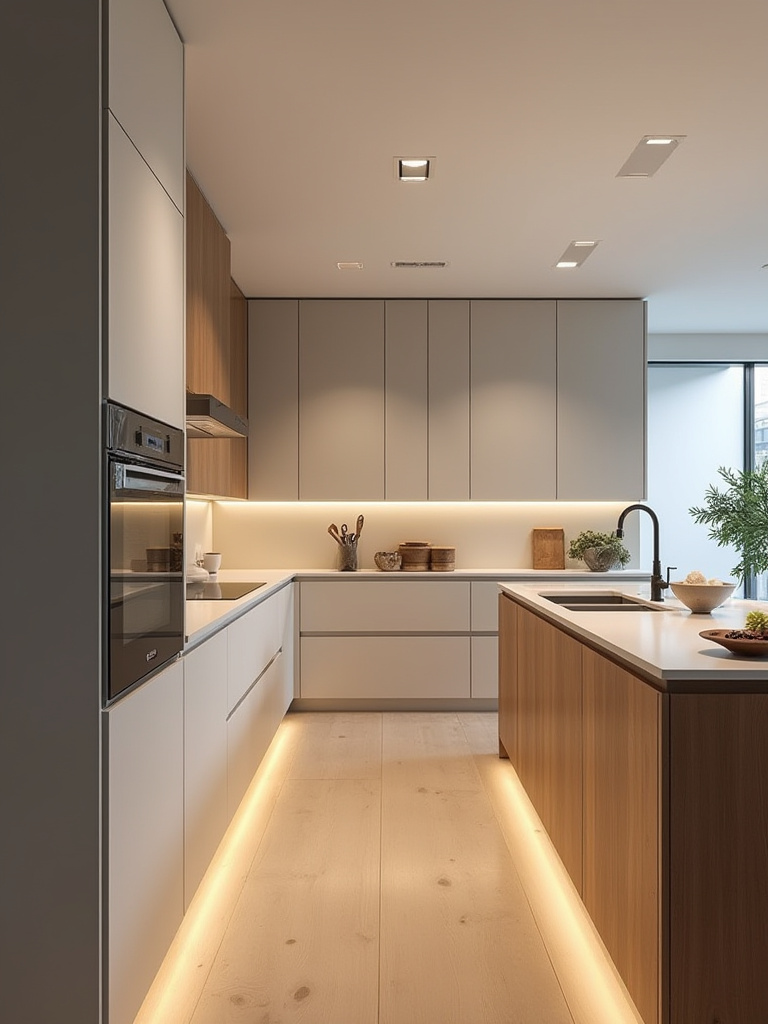
Environmentally, these cabinets often utilize engineered wood products like FSC-certified MDF or plywood, which are more sustainable than harvesting old-growth timber. Finished with durable, low-VOC coatings, they offer a responsible and resilient choice that lets other design elements shine.
Select Hardwearing, Low-Maintenance Countertops
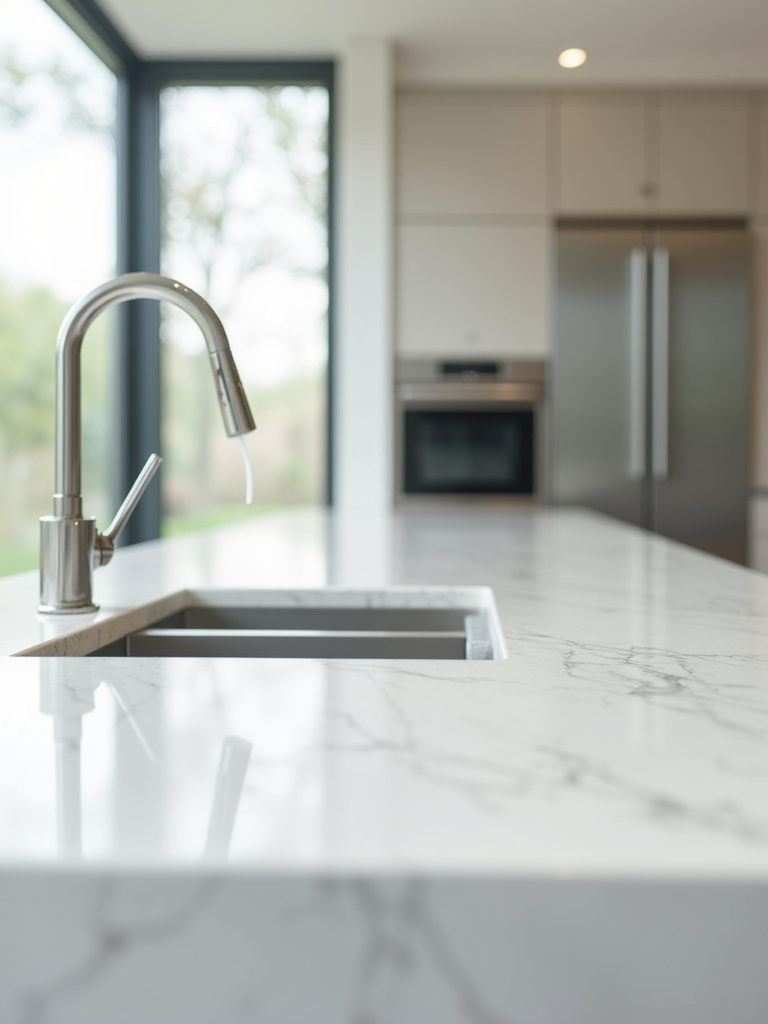
While marble’s beauty is undeniable, it demands high maintenance and is prone to staining and etching. For a kitchen that endures daily use, materials like quartz are ideal-they are non-porous, antibacterial, and require no sealing.
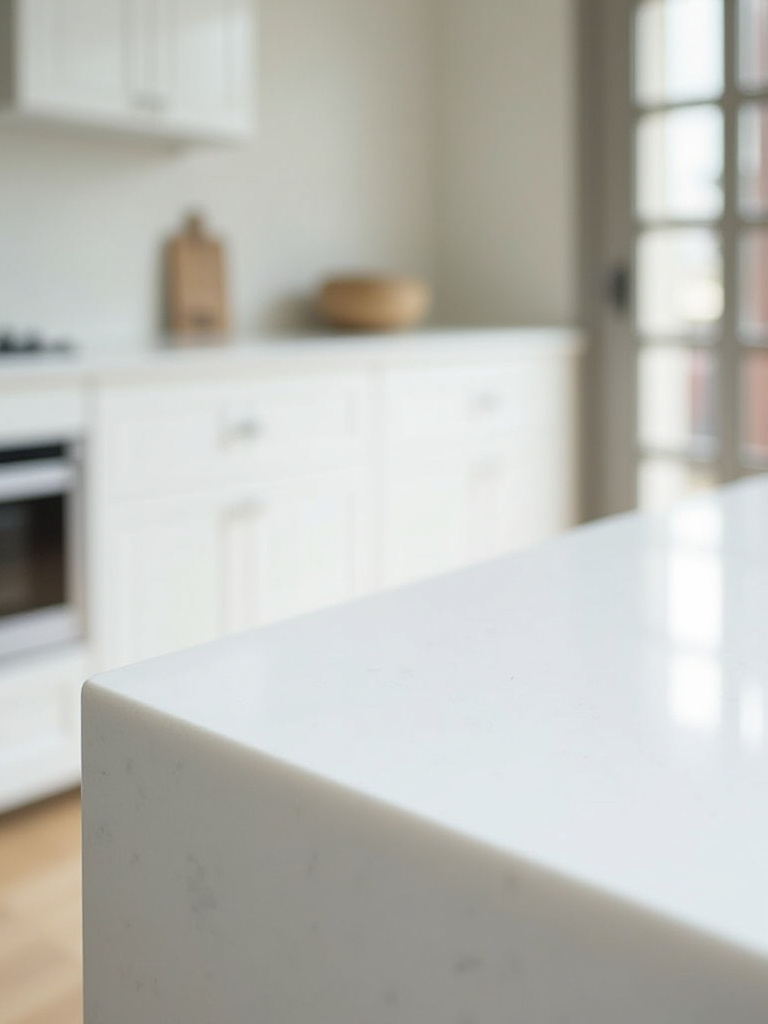
Currently, sintered stone surfaces (such as Dekton or Neolith) are gaining popularity. Created by compressing natural minerals under extreme heat and pressure, they mimic natural stone’s durability without resins, making them virtually impervious to scratches, stains, and heat. This “buy it once” material epitomizes sustainability and offers the elegance of stone without the upkeep.
Opt for Handleless Cabinet Doors with Integrated Pulls or Push-to-Open Systems
Eliminating visible hardware instantly modernizes your kitchen, creating uninterrupted surfaces that enhance spaciousness and architectural flow. Integrated pulls or push-to-open mechanisms maintain sleekness while offering practical ease of use.
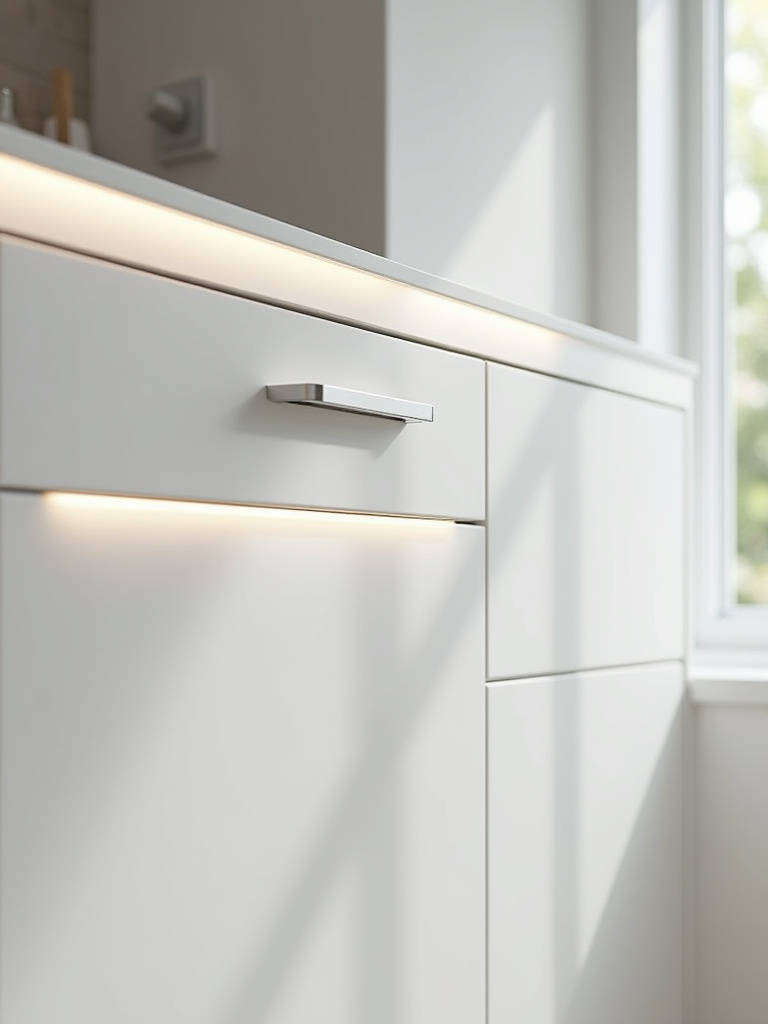
From a usability standpoint, handleless designs prevent snagging and contribute to a smooth workflow. Invest in high-quality push-to-open hardware to avoid premature failures and frustration. The right mechanism should feel effortless and reliable.
Choose Integrated, Energy-Efficient Appliances
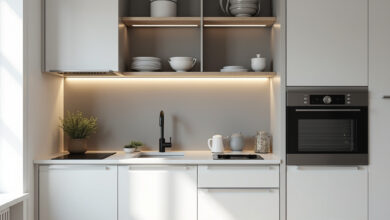
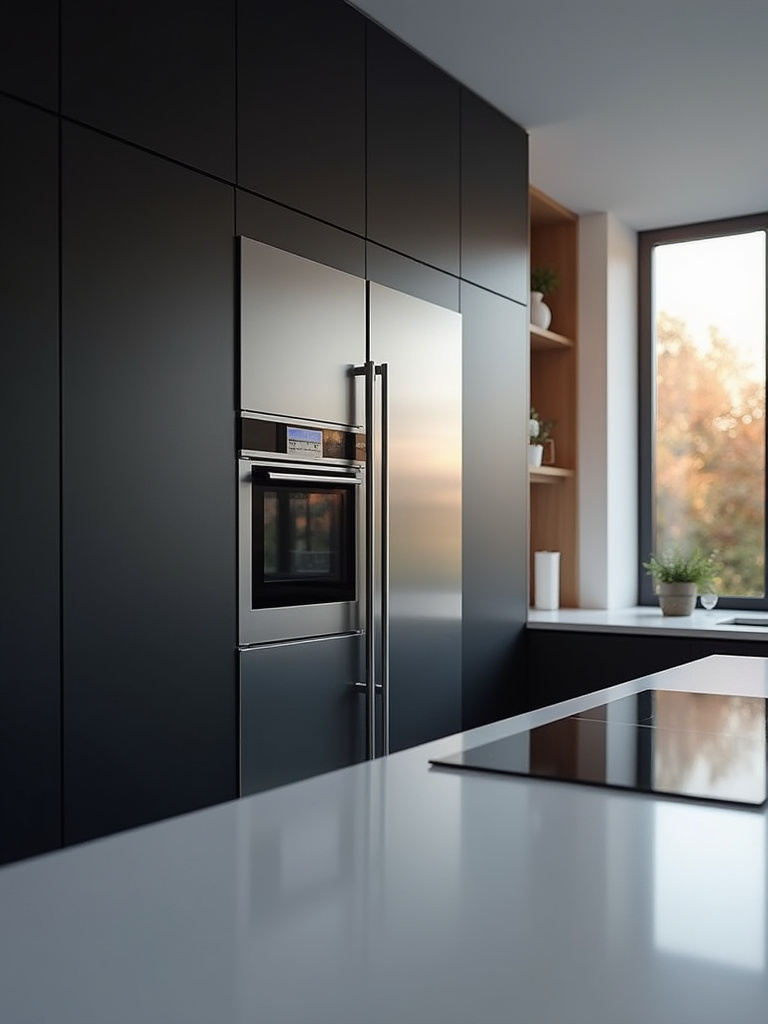
Large, stainless steel appliances can disrupt the clean lines of cabinetry. Panel-ready, integrated appliances blend seamlessly into your design, hiding refrigerators, dishwashers, and even vent hoods behind matching cabinet fronts for a cohesive look.
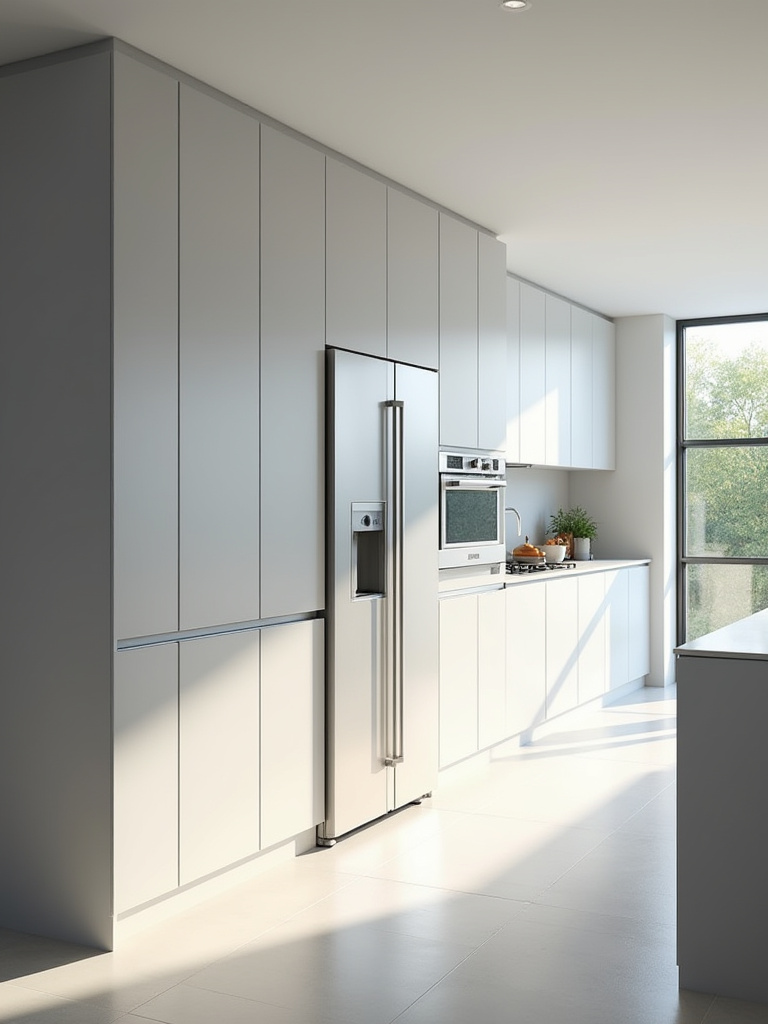
Choosing ENERGY STAR-rated appliances is essential for reducing your carbon footprint. Induction cooktops, in particular, offer faster, more precise cooking with greater energy efficiency and no indoor combustion emissions, improving air quality and aligning with sustainable living.
Elevating Design with Key Features and Personal Touches
Beyond the basics, certain elements elevate a kitchen from functional to exceptional, adding character, utility, and refinement.
Create a Sculptural Kitchen Island as a Focal Point
The kitchen island has evolved into the room’s centerpiece-serving as a hub for cooking, socializing, homework, and entertaining. Contemporary design treats the island as a sculptural object, often featuring waterfall edges where countertop material cascades down the sides, creating a monolithic, intentional presence.
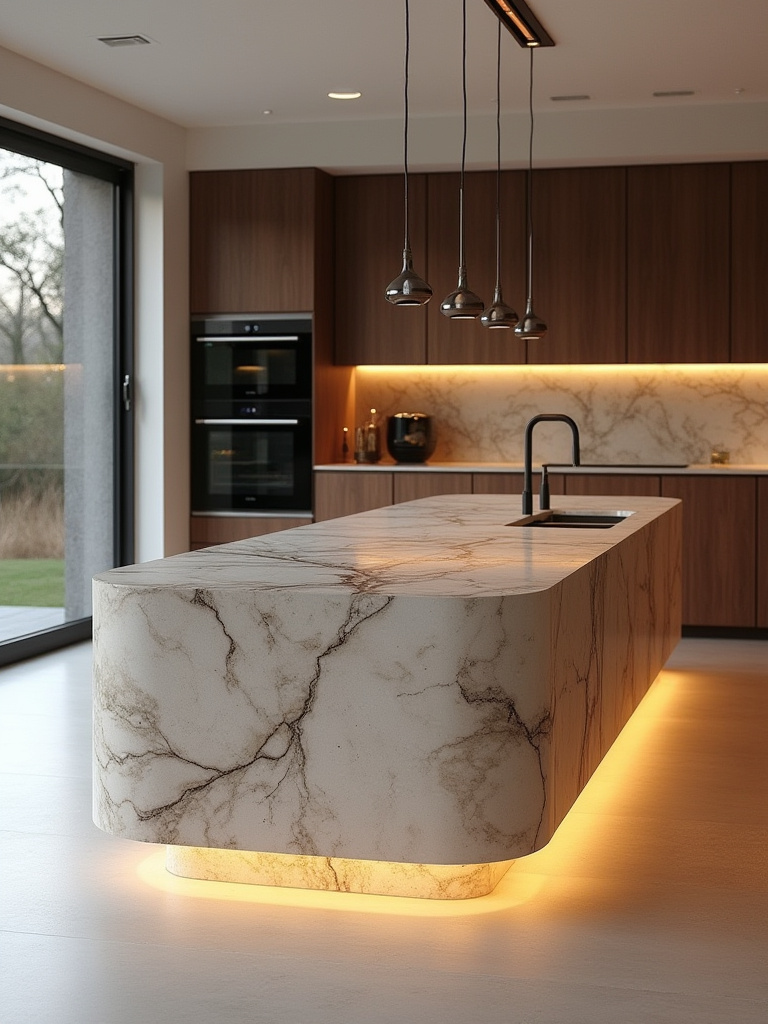
Functionally, islands can incorporate secondary sinks, wine coolers, hidden outlets, and ample storage. Multi-level designs with seating areas create distinct zones within the island, anchoring the room and enhancing flow.
Add Texture for Warmth and Depth
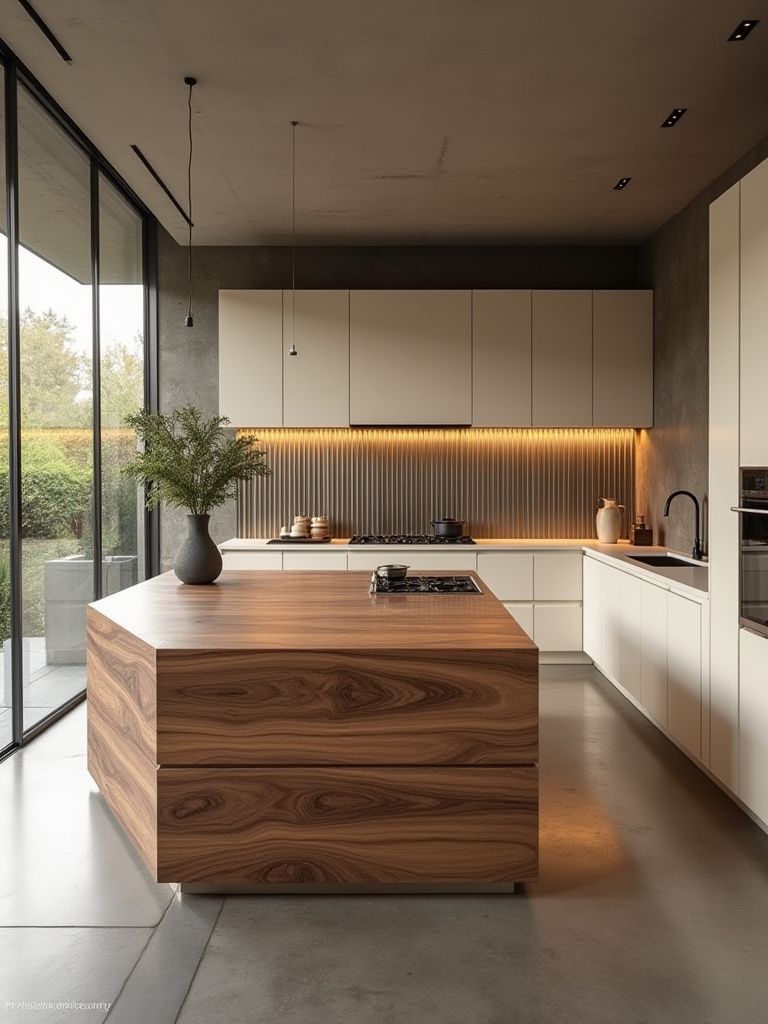
To avoid a cold, showroom feel, introduce varied textures that invite touch and add visual richness. This might include fluted wood panels on the island, honed stone surfaces, or artisanal tile backsplashes with subtle imperfections. Matte cabinet finishes soften the space, creating a welcoming atmosphere.
Enhancing with Lighting, Technology, and Artistic Details
Lighting, smart technology, and carefully chosen fixtures add the finishing touches that make your kitchen both beautiful and highly functional.
Layered Lighting with Dimmers
Effective lighting combines ambient, task, and accent layers. Ambient light provides overall illumination, task lighting focuses on work areas like countertops, and accent lighting highlights features such as artwork or pendant lights over the island. All layers should be dimmable to adjust mood and function seamlessly.
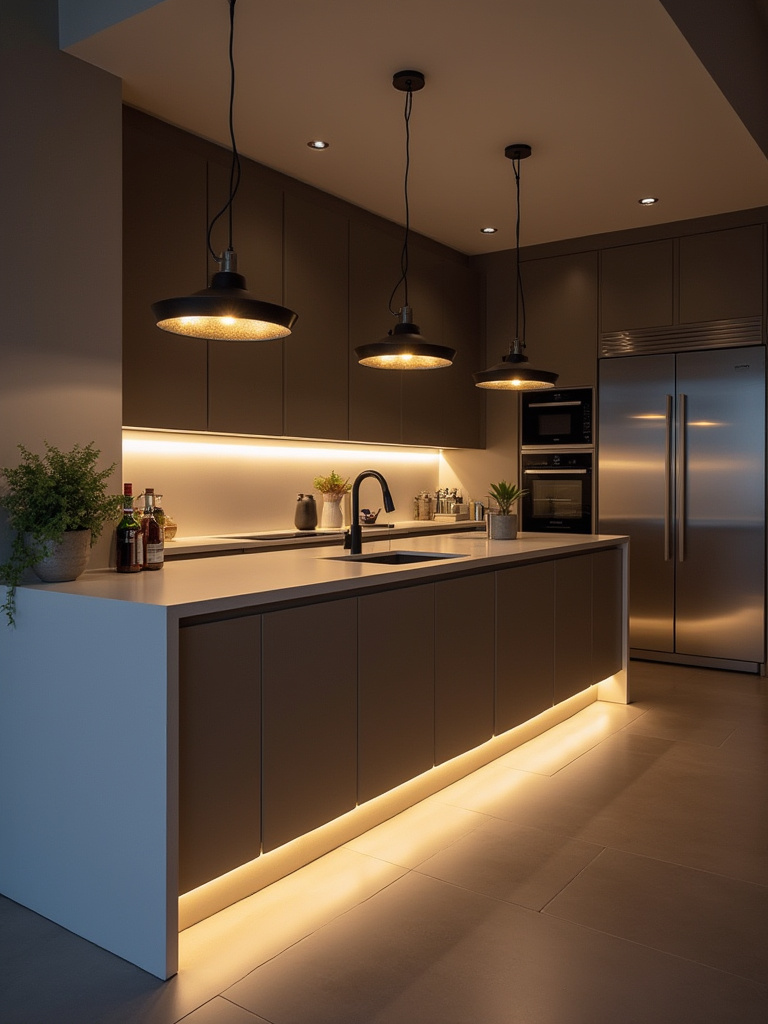
Opt for energy-efficient LEDs with “warm-dim” technology that mimics the cozy glow of incandescent bulbs as they dim, enhancing ambiance without wasting energy.
Incorporate Smart Appliances and Connectivity
Smart kitchen technology isn’t about gimmicks but practical efficiency. Features like remotely preheating ovens or integrated coffee machines streamline routines. Smart refrigerators can monitor inventory to reduce food waste, and smart plugs ensure appliances are fully off when not in use. The goal is seamless integration that enhances daily life without clutter.
Choose Sculptural Faucets and Fixtures
The kitchen faucet is a daily touchpoint and deserves to be a design highlight. Brands like Brizo, Waterstone, and Dornbracht offer artistic faucets in finishes such as matte black, brushed gold, or gunmetal that serve as functional art.
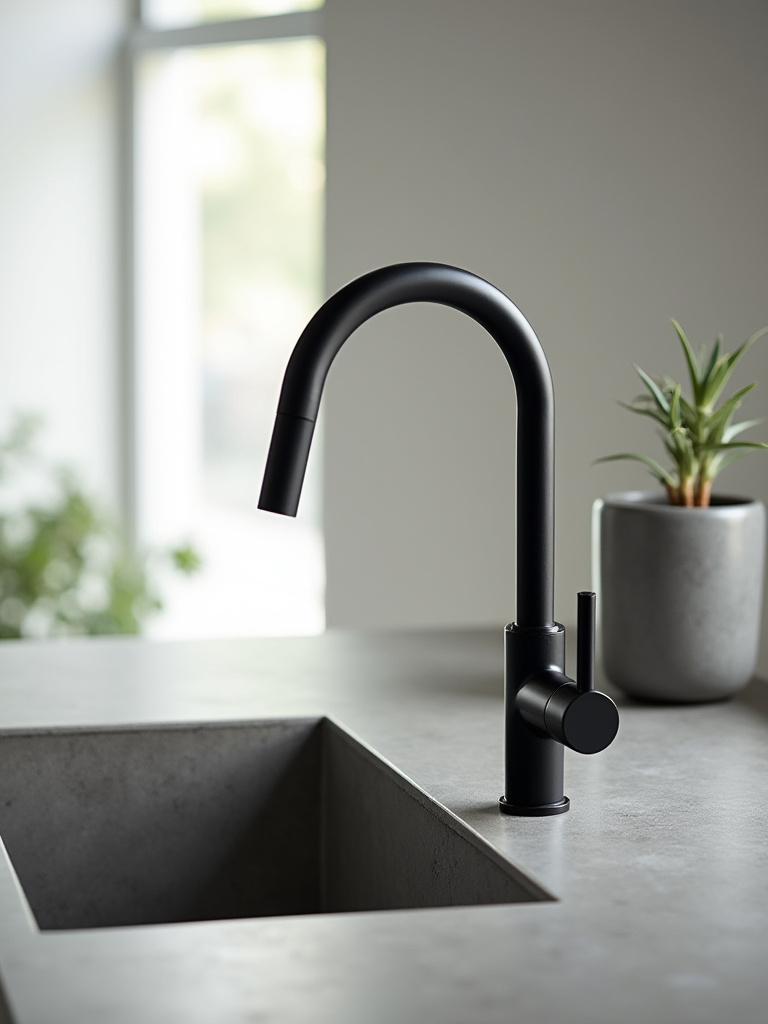
Look for WaterSense-certified models to conserve water without compromising performance. Investing in quality here reduces waste and maintenance hassles, blending beauty, function, and sustainability.
Incorporate Artistic Backsplash Designs
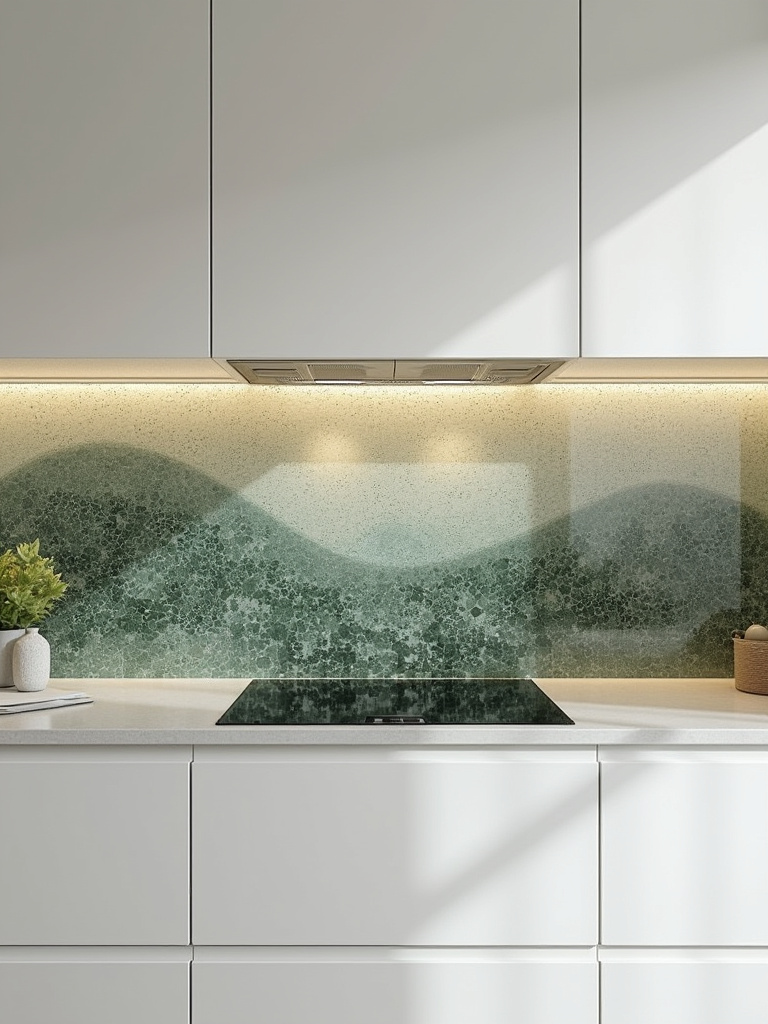
The backsplash offers a prime opportunity to express personality. Beyond classic subway tiles, consider bold options like a single slab of veined stone extending to the ceiling, recycled glass mosaics with rich colors, or handcrafted tiles from local artisans. This transforms the backsplash into a captivating mural that personalizes your kitchen.
Adding Life and Softness to Your Kitchen
To ensure your sleek kitchen feels warm and inviting, incorporate elements that bring softness and a sense of personal curation.
Integrate Biophilic Design with Plants
Biophilic design taps into our innate connection to nature, offering mental and physical health benefits. A contemporary kitchen’s clean lines provide a perfect canvas for introducing greenery. Even a modest herb garden on a windowsill adds life and utility, while a statement plant like a Fiddle Leaf Fig can soften the space dramatically.
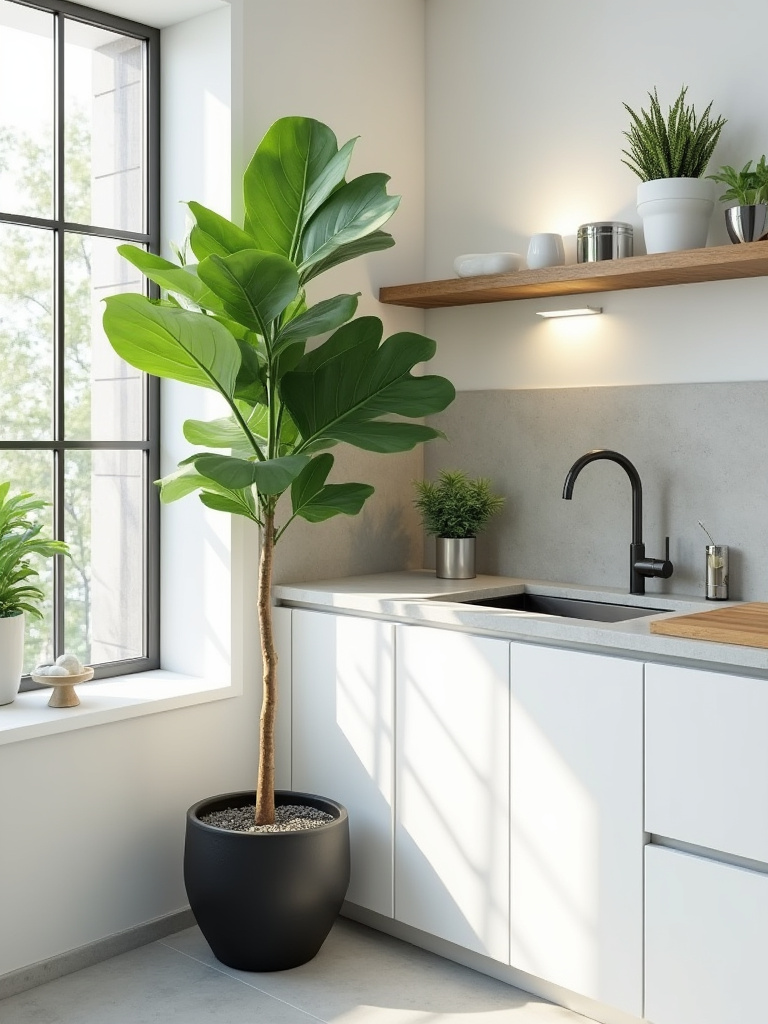
NASA research highlights how common houseplants filter indoor toxins like formaldehyde and benzene, improving air quality. Thus, plants serve as living air purifiers and natural décor.
Practice Minimalist Curation for Clutter-Free Spaces
Minimalism is about intentionality, not emptiness. Aim for mostly clear surfaces where the few displayed items are meaningful and beautiful. Replace multiple countertop accessories with a single elegant piece, such as a handcrafted wooden bowl or a piece of art.
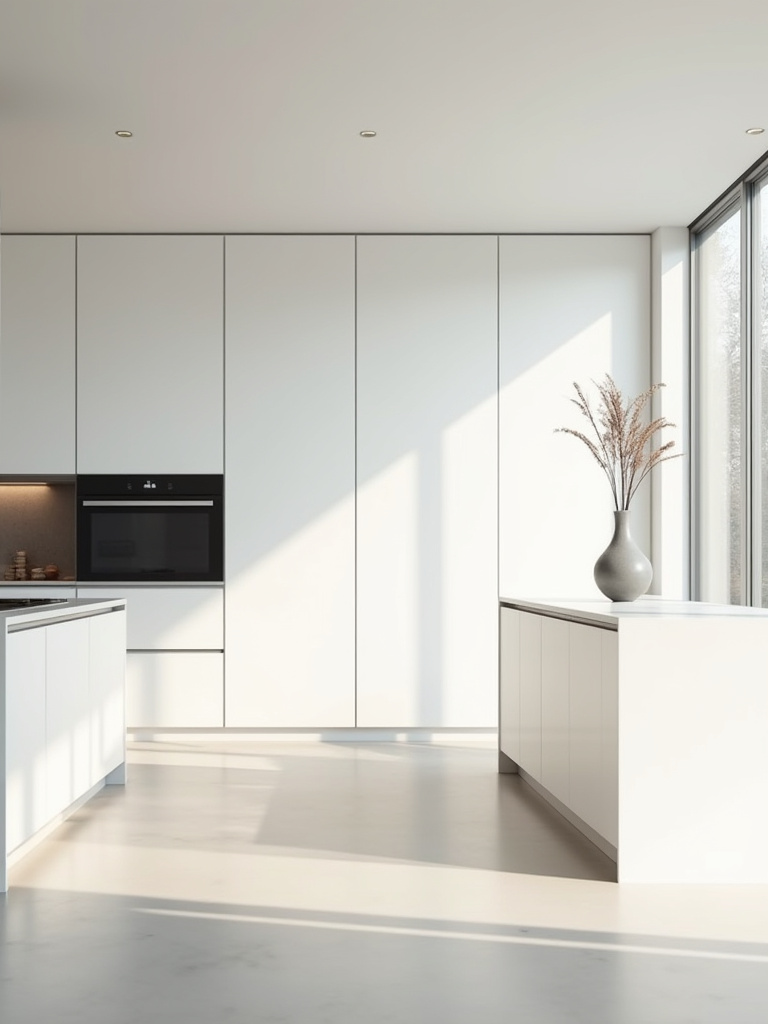
This approach counters disposable consumer culture by encouraging ownership of fewer, higher-quality items. Integrated storage frees visual and mental space, fostering calm and order-a clear counter equals a clear mind.
Ensuring Longevity and Sustainability in Your Kitchen
Now that your kitchen is designed, focus on durability and advanced considerations to protect your investment and maintain functionality over time.
Enhance Ventilation for Health and Comfort
Proper ventilation is essential for removing cooking pollutants like PM2.5 particles, nitrogen dioxide, and carbon monoxide, especially when using gas stoves. A quiet, powerful, ducted vent hood is the only effective solution to maintain healthy indoor air.
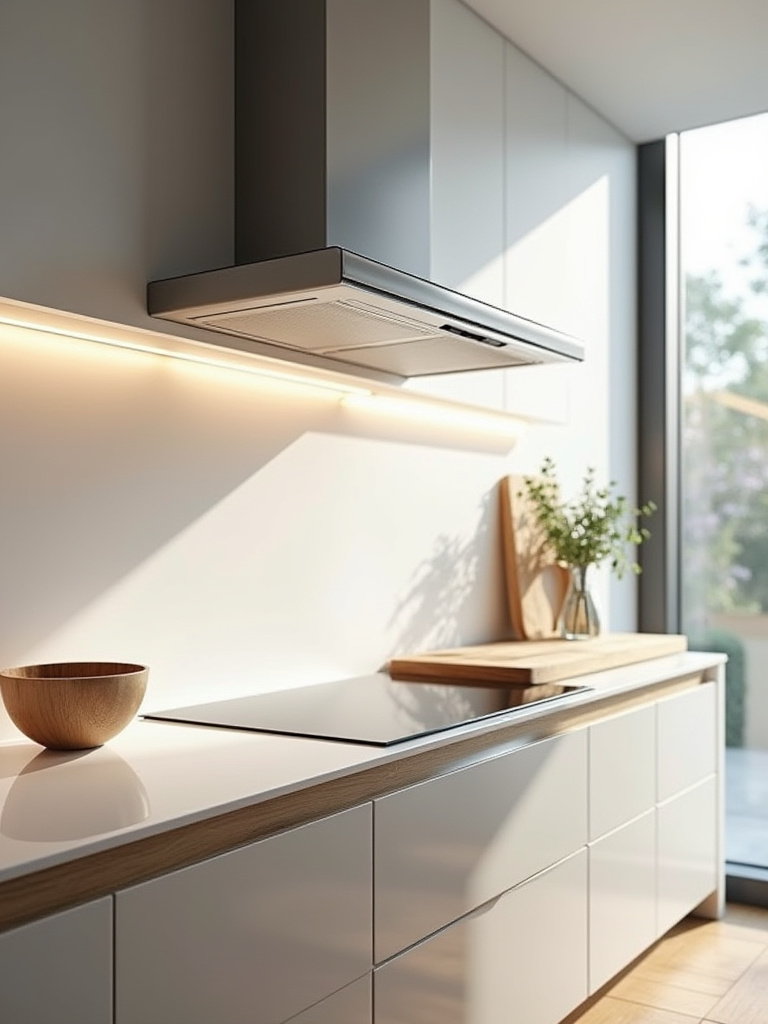
Choose a hood with adequate airflow (measured in CFM) and size it appropriately for your cooktop. Integrated or retractable designs can maintain aesthetics while ensuring air quality and protecting surfaces from grease buildup.
Select Sustainable Materials
Every material choice should be filtered through sustainability criteria: origin, manufacturing process, longevity, and end-of-life impact.
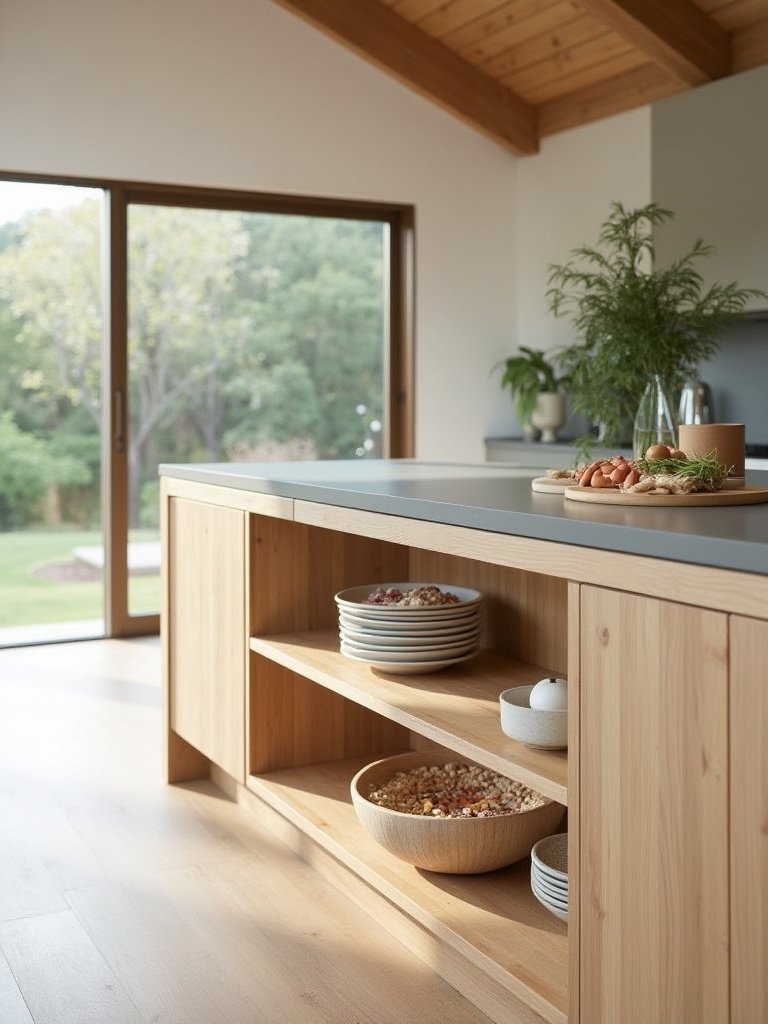
Look for materials that are:
- Reclaimed, such as salvaged wood from old structures.
- Recycled, like countertops made from recycled glass or paper composites.
- Rapidly renewable, including bamboo or cork flooring.
- Low-VOC, ensuring paints and finishes don’t emit harmful chemicals.
- Durable and timeless, since longevity is the ultimate sustainability.
These choices often add warmth, character, and a unique story to your kitchen, far beyond mass-produced alternatives.
Incorporate Universal Accessibility Features
Universal Design ensures your kitchen is comfortable and safe for everyone-children, tall adults, or those with mobility challenges. Planning for accessibility now is more cost-effective than retrofitting later.
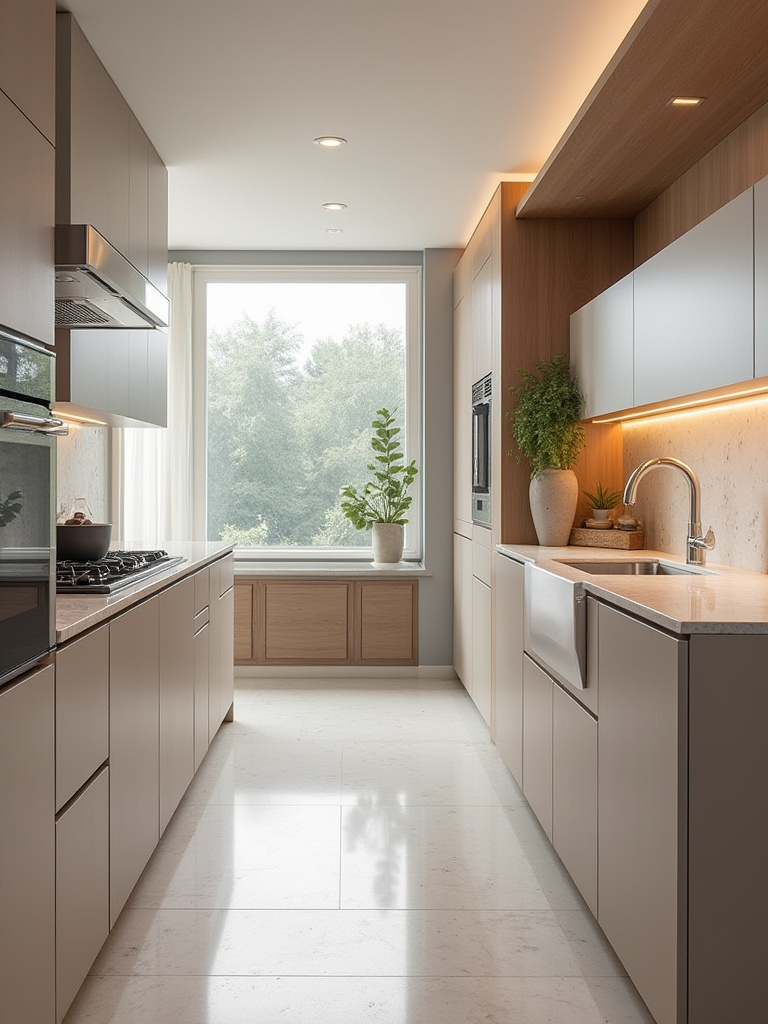
Features like multi-level countertops, pull-out shelves, lever handles, wide pathways, and touchless faucets enhance ergonomics and usability for all users, making the kitchen more pleasant and efficient.
Hire Professional Installation for Flawless Results
Even the best materials and designs can falter with poor installation. Contemporary kitchens demand precision-perfectly aligned doors, seamless countertop joints, and snug appliance integration. Investing in skilled installers protects your investment and prevents costly damage or frustration.
Maintaining Your Kitchen: Easy Care for Lasting Beauty
Your dream kitchen should be a joy to live in, not a high-maintenance showpiece. Choosing durable, non-porous materials like quartz and sintered stone simplifies cleaning and upkeep.
Adopt a Simple Cleaning Routine
Most cleaning can be accomplished with a soft cloth and mild soap. Embrace a “clean as you go” habit-wiping counters immediately after use prevents stubborn stains and reduces effort. This approach keeps your kitchen looking fresh and new for years.
Final Thoughts
Mastering contemporary kitchen design is less about chasing trends and more about intentional choices that harmonize function, health, sustainability, and aesthetics. Viewing your kitchen as an ecosystem where every element supports your lifestyle and values transforms it from a mere room into a sanctuary.
By thoughtfully selecting materials, layouts, and features that reduce waste and enhance well-being, you create a kitchen that not only looks timeless but feels like home. Use these principles as your guide, trust your instincts, and craft a kitchen you’ll cherish for years-not because it’s magazine-perfect, but because it truly works for you.