Imagine a living room that exudes charm while honoring the planet-this is the essence of rustic design infused with sustainability. As an expert in eco-friendly living, I’ve witnessed many interior trends fade, but rustic style endures because it harmonizes natural materials, artisanal craftsmanship, and environmental mindfulness into inviting spaces.
This comprehensive guide presents 24 innovative ideas to help you craft a rustic living room that’s both warm and eco-conscious. From repurposed wood accents to energy-saving lighting, each suggestion balances aesthetic appeal with environmental responsibility. Let’s dive into how you can design a rustic retreat that’s as kind to the earth as it is captivating.
1. Natural Wood Surfaces: Infusing Warmth and Eco-Friendliness
Stepping into a room adorned with natural wood instantly feels inviting. Beyond its beauty, wood serves as an excellent insulator and a natural carbon reservoir. Opt for reclaimed barn wood, sustainably harvested pine, or locally sourced cedar to create authentic rustic charm while minimizing your carbon footprint.
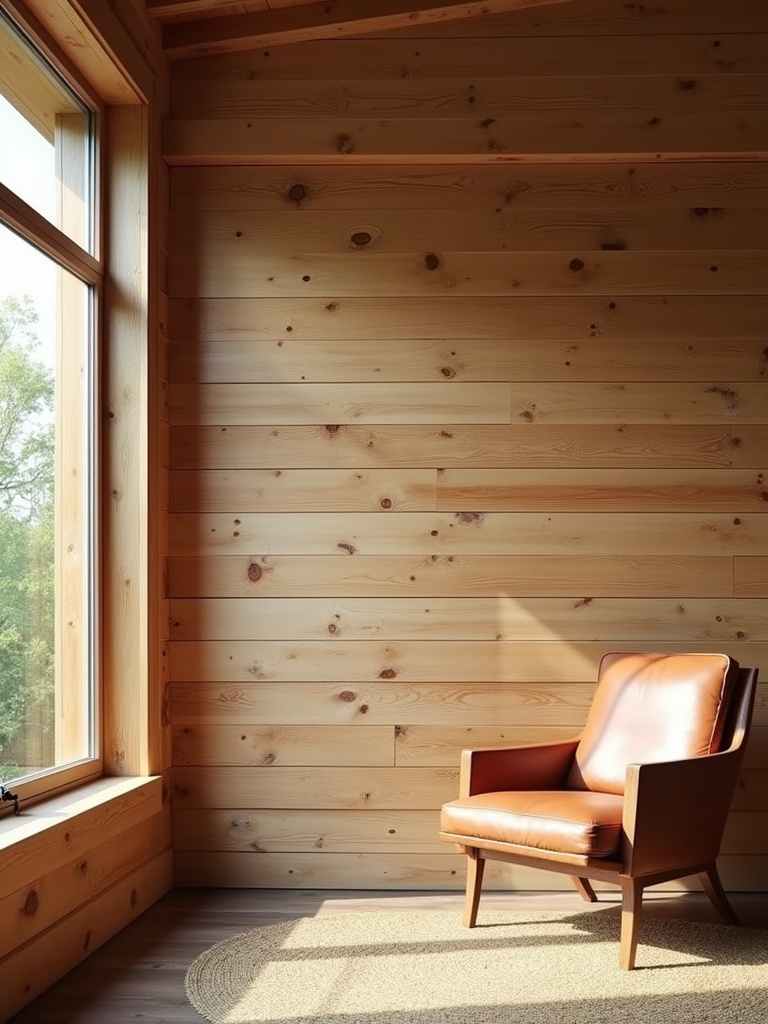
Eco-conscious wood wall treatments include:
- Utilizing salvaged timber from nearby demolition sites
- Choosing FSC-certified wood from sustainable forests
- Exploring bamboo paneling as a fast-renewable alternative
- Applying natural, low-VOC finishes to preserve air quality
Even a single accent wall with whitewashed wood can brighten your space while showcasing the grain, blending rustic appeal with a modern touch.
2. Stone and Brick Fireplaces: Energy-Efficient Focal Points
A thoughtfully designed fireplace not only anchors your living room but also enhances energy efficiency. Materials like stone and brick act as thermal masses, absorbing heat and releasing it slowly, reducing reliance on artificial heating.
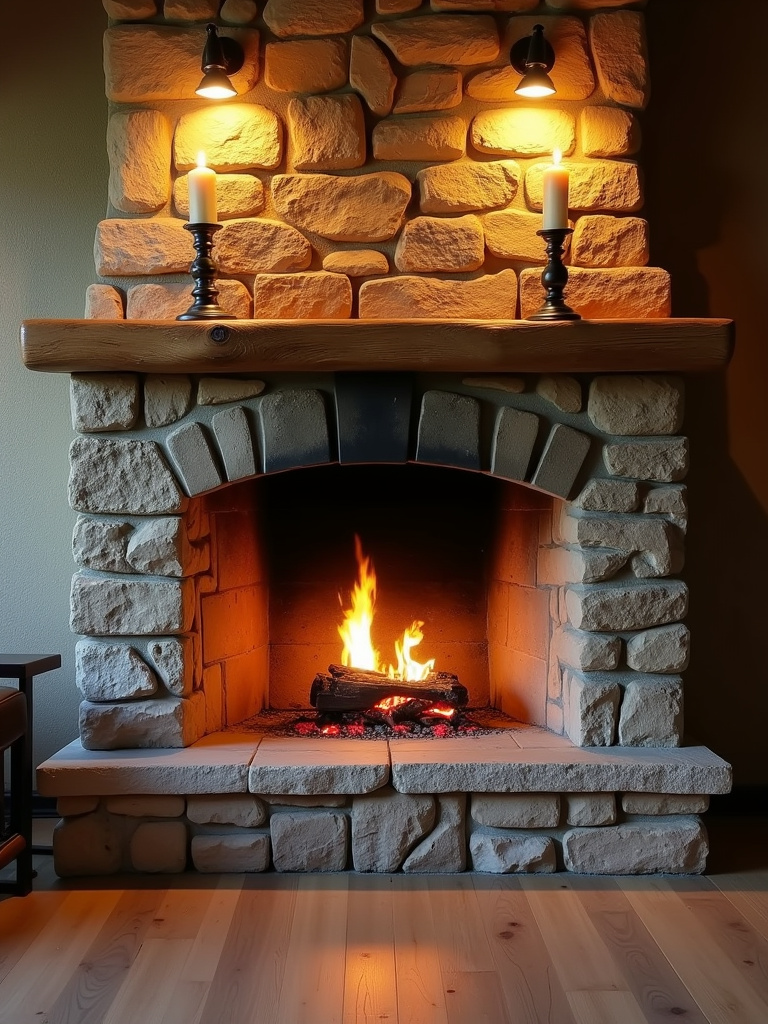
Consider these sustainable fireplace material choices:
- Locally quarried stone to cut down on transport emissions
- Reclaimed bricks salvaged from historic structures
- Manufactured stone incorporating recycled content
- Natural stone veneers for a lighter environmental footprint
For improved air quality, EPA-certified wood stove inserts or energy-efficient electric fireplaces can replicate the cozy ambiance without compromising sustainability.
3. Cozy Textiles: Sustainable Chunky Knits and Pillows
Chunky knit throws and pillows add tactile warmth and visual comfort. Prioritize organic fibers or recycled materials to support sustainable textile production and reduce environmental impact.
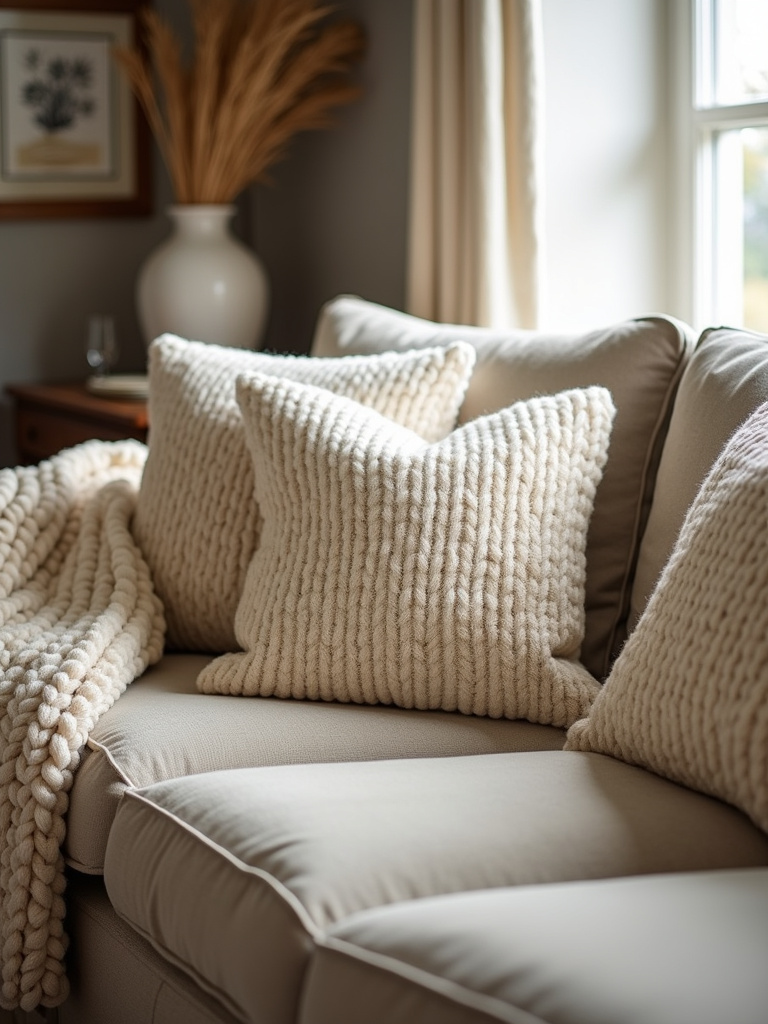
Look for:
- Organic wool sourced from certified humane farms
- Recycled cotton blends
- Natural, plant-based dyes
- Fair trade certified products
Use a few statement pieces like an oversized throw or a pair of pillows to create a layered, inviting atmosphere without clutter.
4. Distressed Wood Furniture: Character with a Sustainable Story
Furniture crafted from reclaimed or restored wood carries a unique narrative, adding depth and authenticity to your rustic living room. Each imperfection reflects its past, reducing demand for new resources.
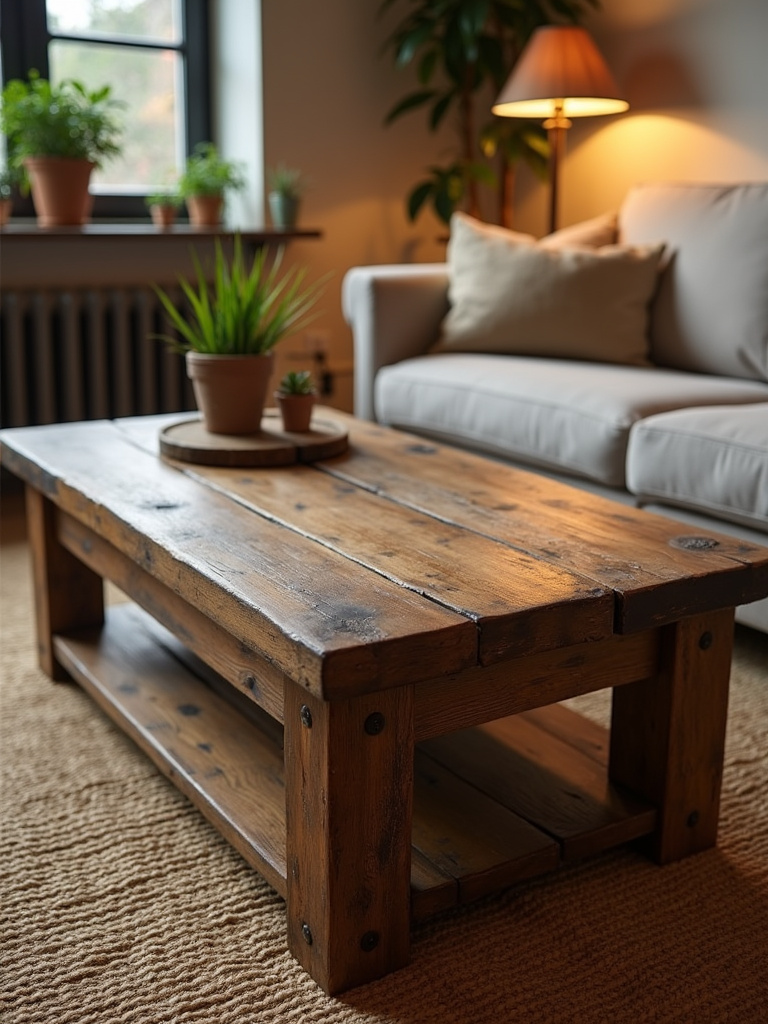
To select sustainable distressed wood furniture:
- Seek authentic antiques from local sources
- Choose pieces made from reclaimed barn wood or demolition salvage
- Support artisans employing eco-friendly finishing methods
- Opt for furniture that can be refinished or repaired easily
Mixing eras and styles creates an eclectic, lived-in vibe that feels genuine rather than staged.
5. Timeless Leather Accents: Ethical and Durable Choices
Leather adds rustic sophistication when sourced responsibly. Full-grain or top-grain leather from ethical tanneries ages beautifully and lasts for decades, making it a sustainable investment.
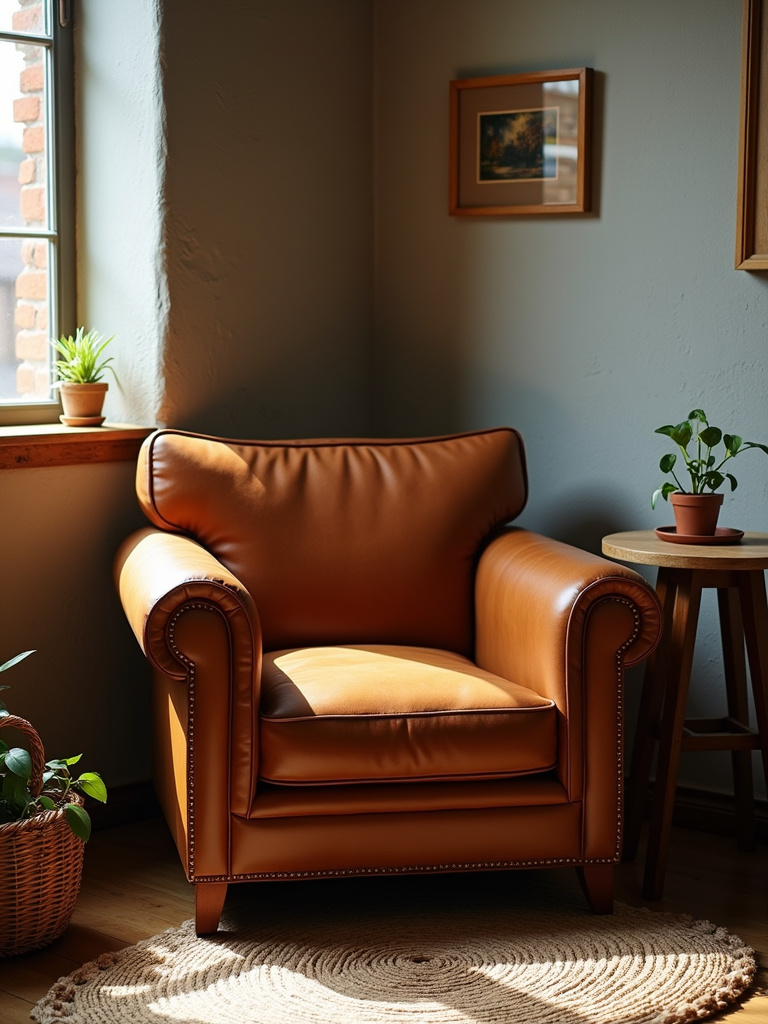
Consider these sustainable leather practices:
- Prefer vegetable-tanned leather over chrome-tanned
- Look for Leather Working Group certification
- Support brands using leather as a byproduct of the food industry
- Choose vintage or secondhand leather pieces
Use leather sparingly-a single armchair or a few accent pillows can enrich your space without overwhelming it.
6. Woven Baskets: Stylish and Sustainable Storage
Woven baskets crafted from fast-renewable materials like bamboo, seagrass, or water hyacinth offer eco-friendly storage solutions that also enhance rustic aesthetics. Supporting traditional artisans helps preserve cultural heritage and sustainable harvesting.
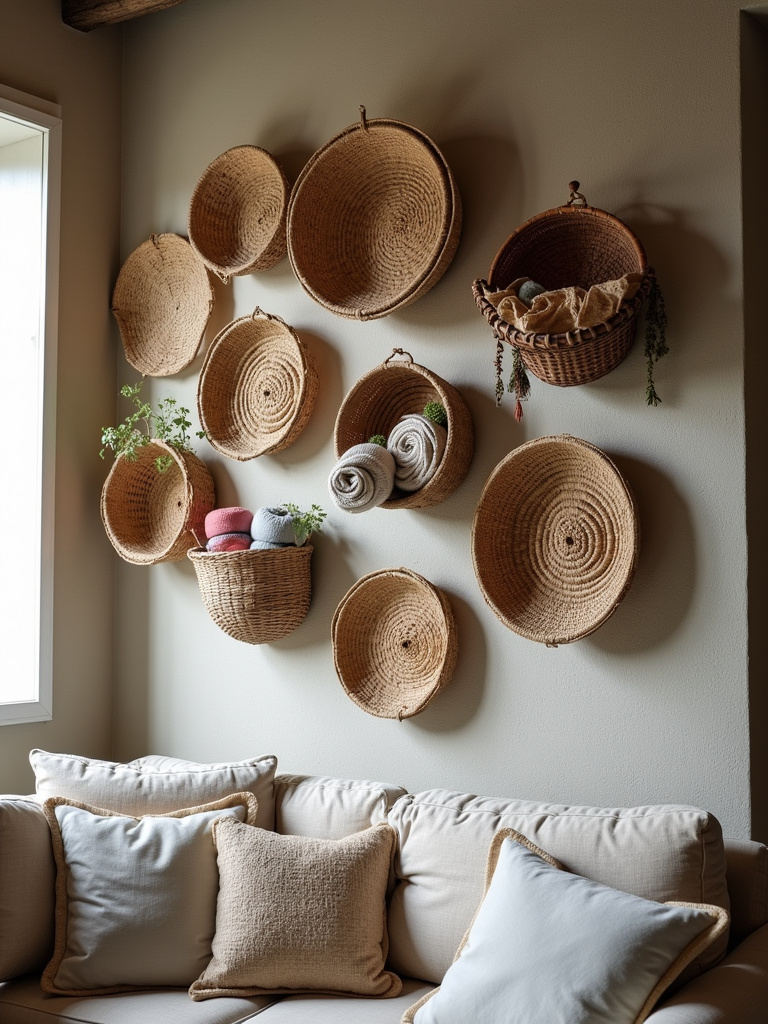
Choose baskets that are:
- Fair trade certified
- Locally crafted to reduce transport emissions
- Made from invasive plant species to aid ecosystems
- Vintage or antique, repurposed for new use
Beyond storage, baskets can be arranged as wall art or used as planters, adding texture and function.
7. Vintage and Antique Decor: Unique and Eco-Friendly
Incorporating vintage items adds distinct personality while promoting sustainability by extending the life of existing goods and reducing landfill waste.
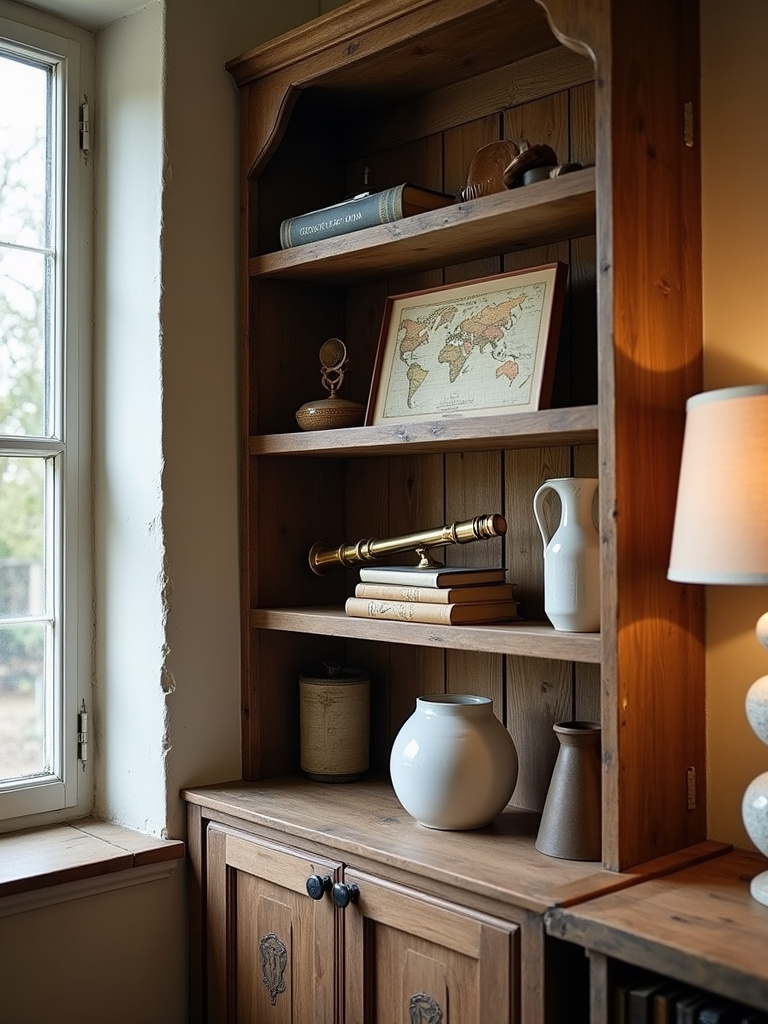
When sourcing vintage decor:
- Prioritize local estate sales to minimize transport
- Look for items suitable for repurposing or upcycling
- Choose durable, natural materials
- Assess restoration potential
Blend vintage pieces with modern sustainable textiles to create a layered, authentic rustic ambiance.
8. Natural Fiber Rugs: Texture with Environmental Benefits
Rugs made from jute, sisal, or wool add warmth and texture while being biodegradable and often produced with low environmental impact.
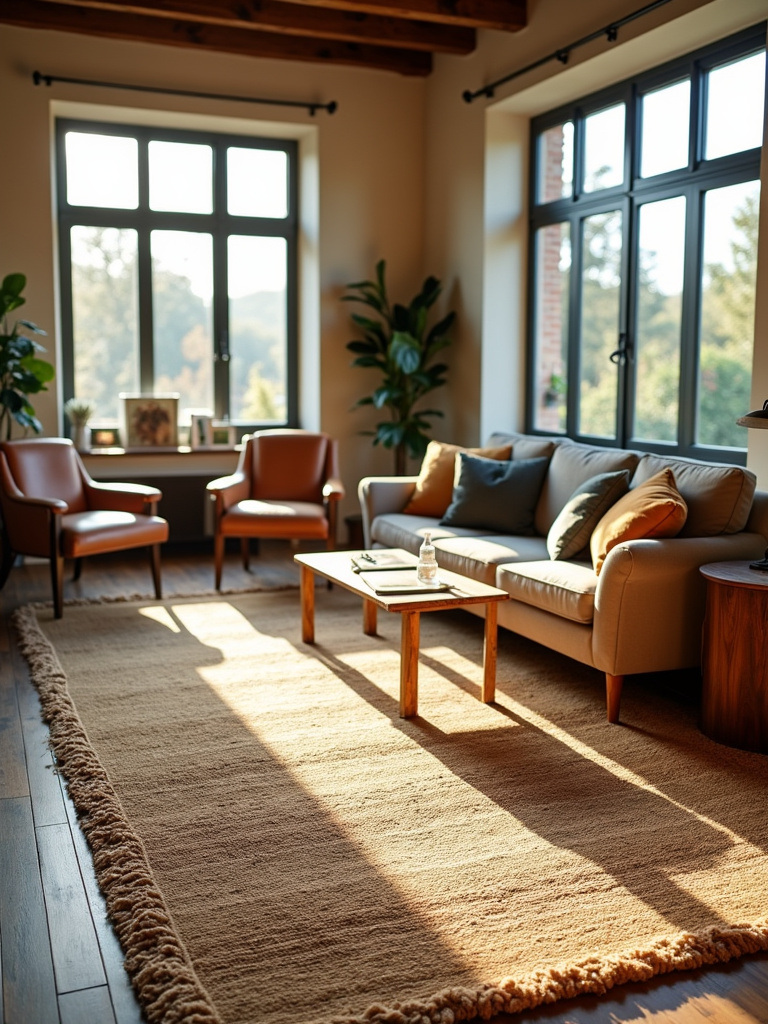
Look for:
- Organic certification for wool rugs
- Undyed or naturally dyed fibers
- Fair trade certification
- Locally produced options
Layering rugs, such as a large jute base with a smaller wool accent, enhances both style and insulation.
9. Cozy Reading Nook: Sustainable Comfort and Function
Design a nook that invites relaxation and mindful living by selecting durable, eco-friendly furniture and accessories.
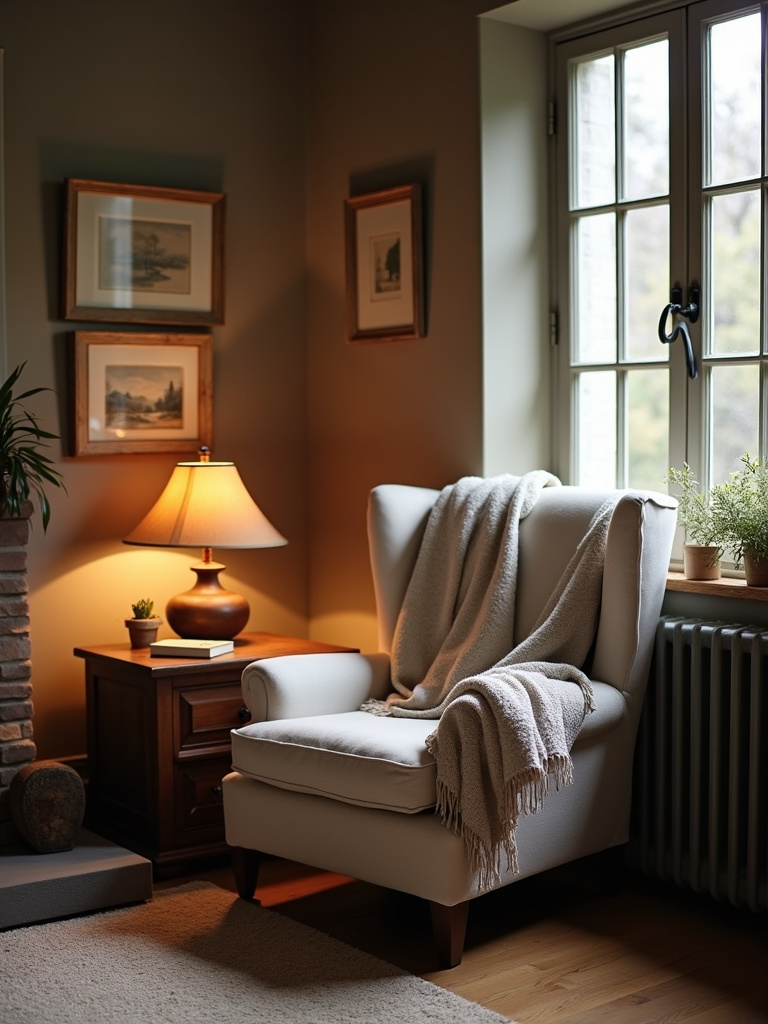
Eco-friendly elements include:
- Restored vintage armchairs with natural upholstery
- LED lamps with energy-saving bulbs
- Refinished secondhand side tables
- Organic cotton or hemp fabrics
- Locally crafted footstools
Position seating near natural light and add reclaimed wood shelves and fair trade baskets for a functional, inviting space.
10. Bringing Nature Indoors: Plants and Branches
Indoor greenery enhances air quality and well-being while complementing rustic decor. Choose plants suited to your light conditions and sustainable containers.
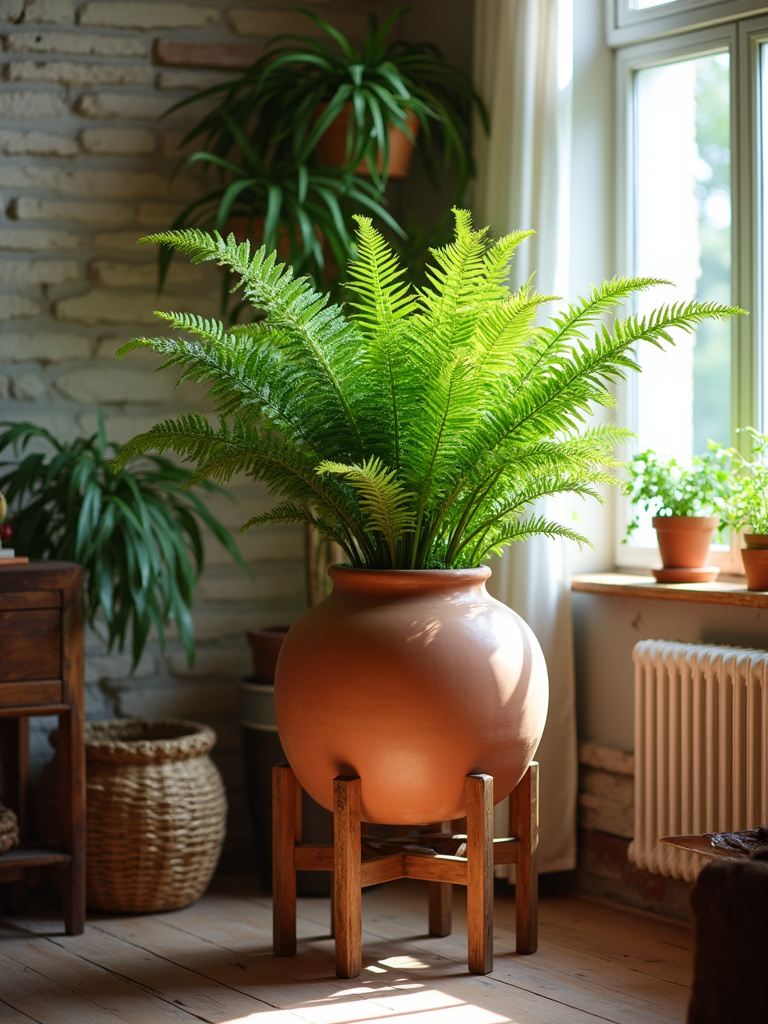
Opt for:
- Native or drought-tolerant species
- Terracotta pots made from local clay
- Repurposed vintage containers
- Organic soil and natural fertilizers
- Air-purifying plants like snake plants or peace lilies
Consider a propagation station using recycled glass jars to expand your collection sustainably.
11. Architectural Interest: Exposed Wooden Beams
Highlighting existing or adding reclaimed wooden beams brings warmth and character while embracing sustainability.
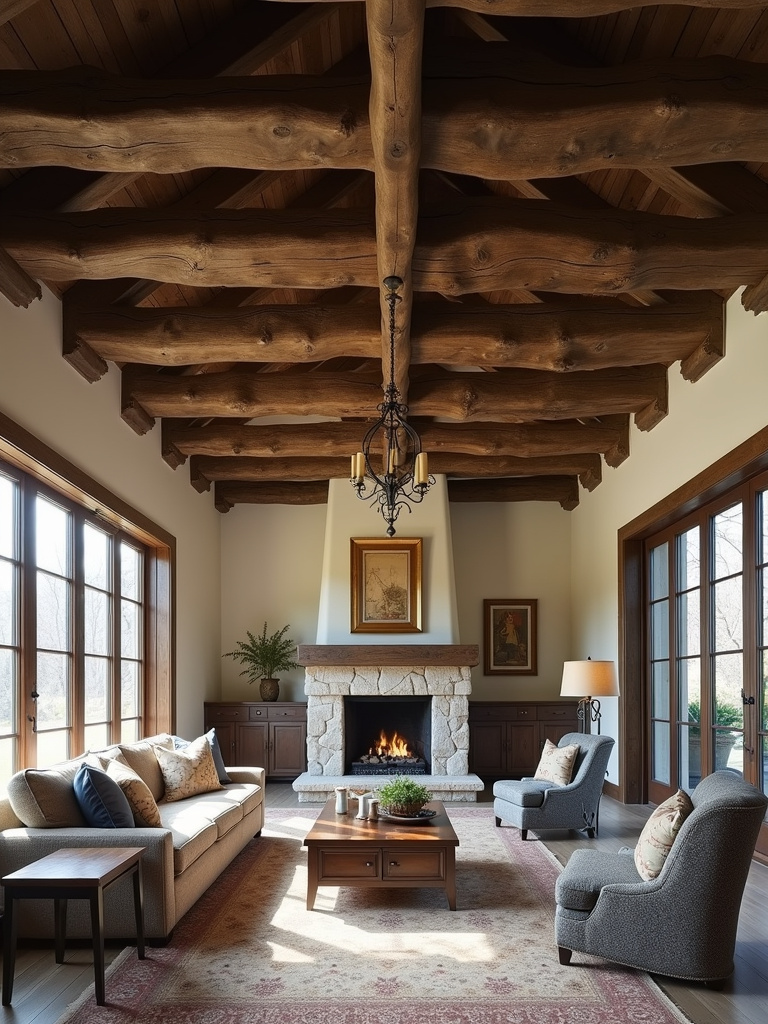
Eco-friendly beam practices include:
- Restoring with natural oils and waxes
- Using reclaimed timber
- Choosing FSC-certified wood
- Applying low-VOC finishes
For new installations, hollow beams made from sustainable materials like bamboo offer a lighter footprint.
12. Earthy Color Schemes: Timeless and Sustainable
Warm, natural hues create inviting spaces and can be achieved with eco-friendly paints and dyes that reduce environmental harm.
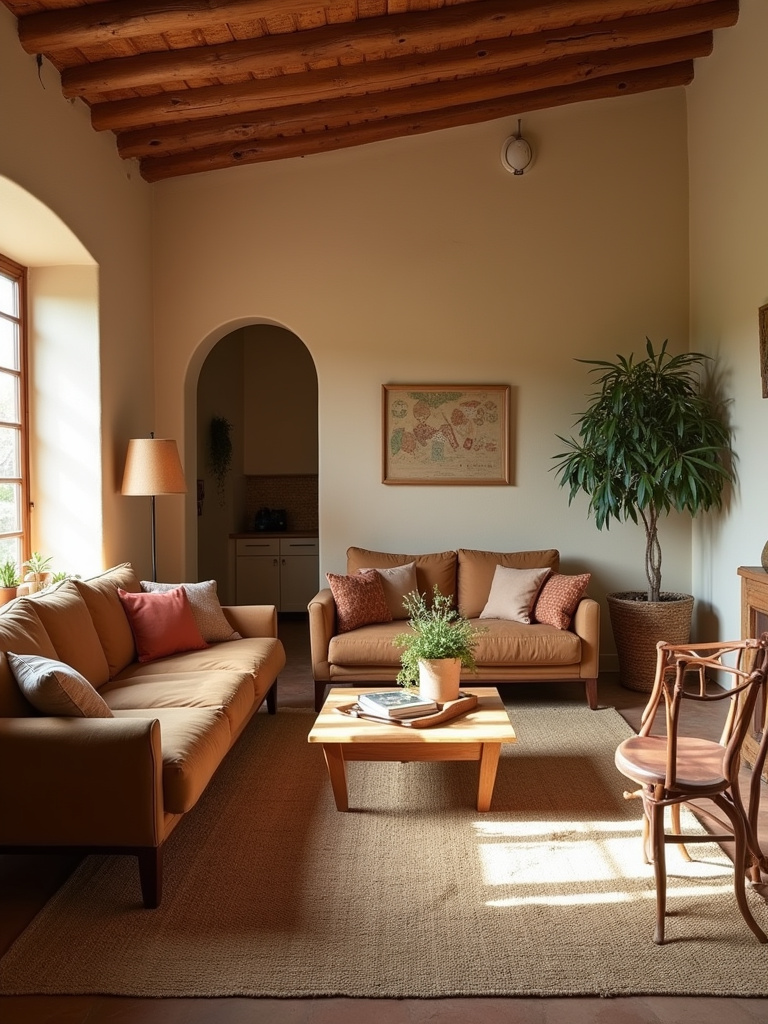
Choose:
- Clay-based or milk paints
- Textiles dyed with natural pigments
- Materials showcasing their inherent colors
- Zero-VOC paint options
- Timeless shades that endure trends
These choices reduce repainting frequency and maintain rustic charm over time.
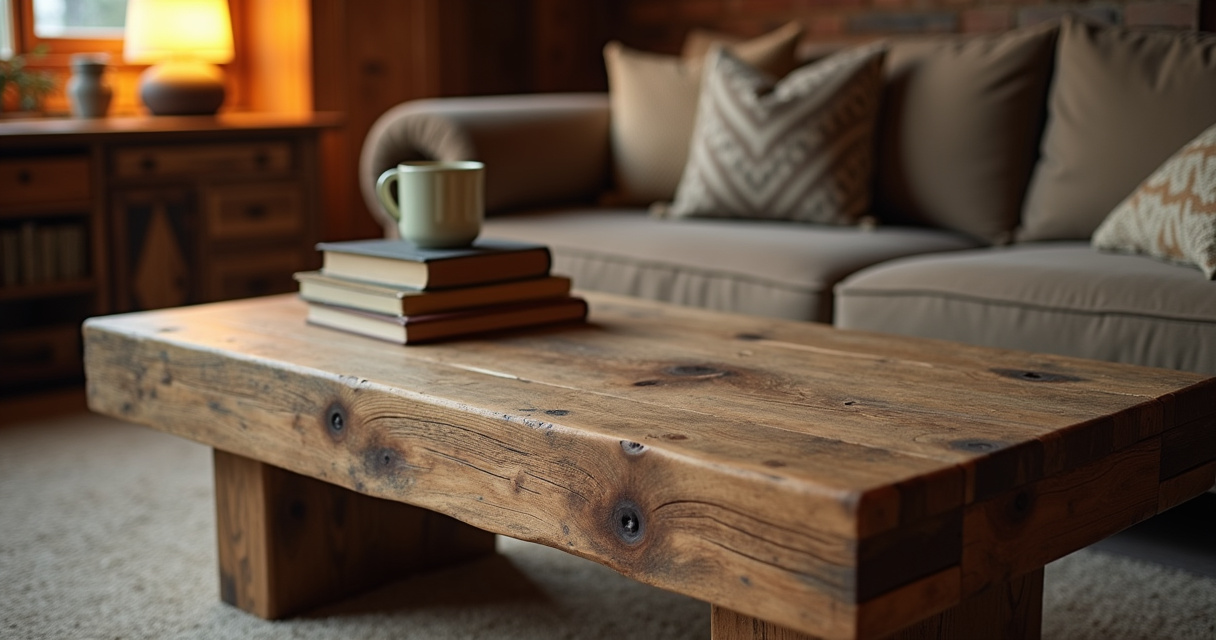
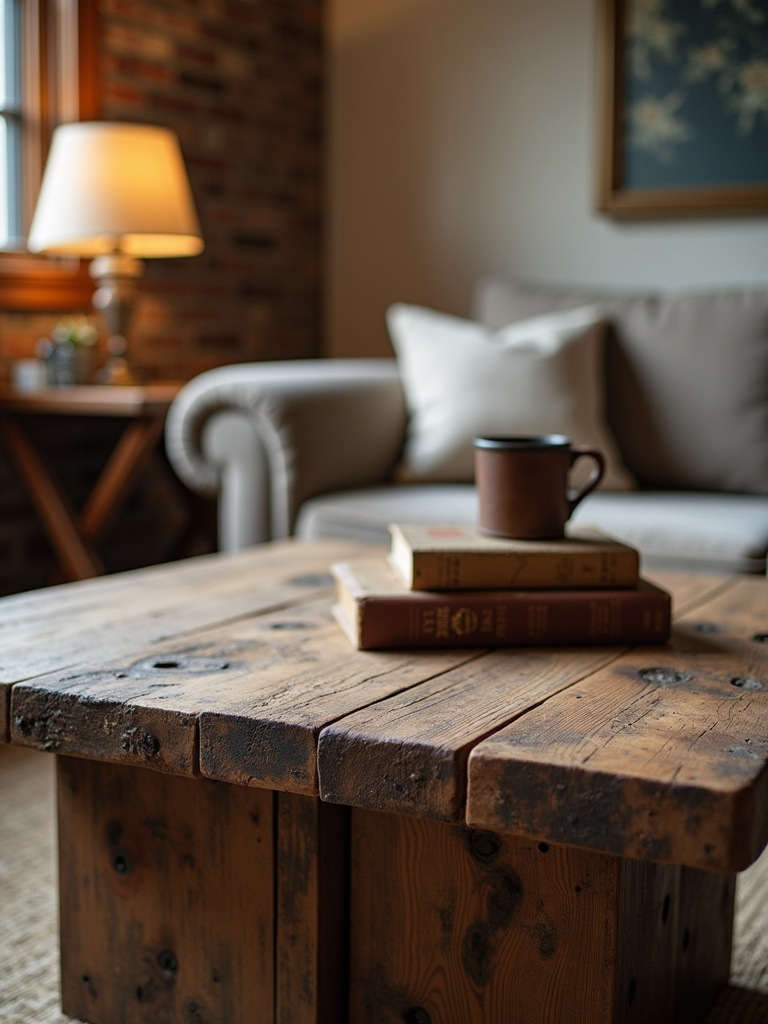
13. Reclaimed Wood Coffee Tables: Functional Rustic Focal Points
A coffee table crafted from reclaimed wood combines utility with environmental stewardship, showcasing natural imperfections that tell a story.
Prioritize:
- Verified reclaimed sources
- Non-toxic finishes
- Local craftsmanship
- Durability and ease of repair
- Multi-functional designs
Celebrate natural knots and wear marks to highlight the table’s history.
14. Barn Doors: Stylish and Energy-Saving Features
Barn doors offer rustic charm while improving energy efficiency by creating distinct temperature zones and reducing drafts.
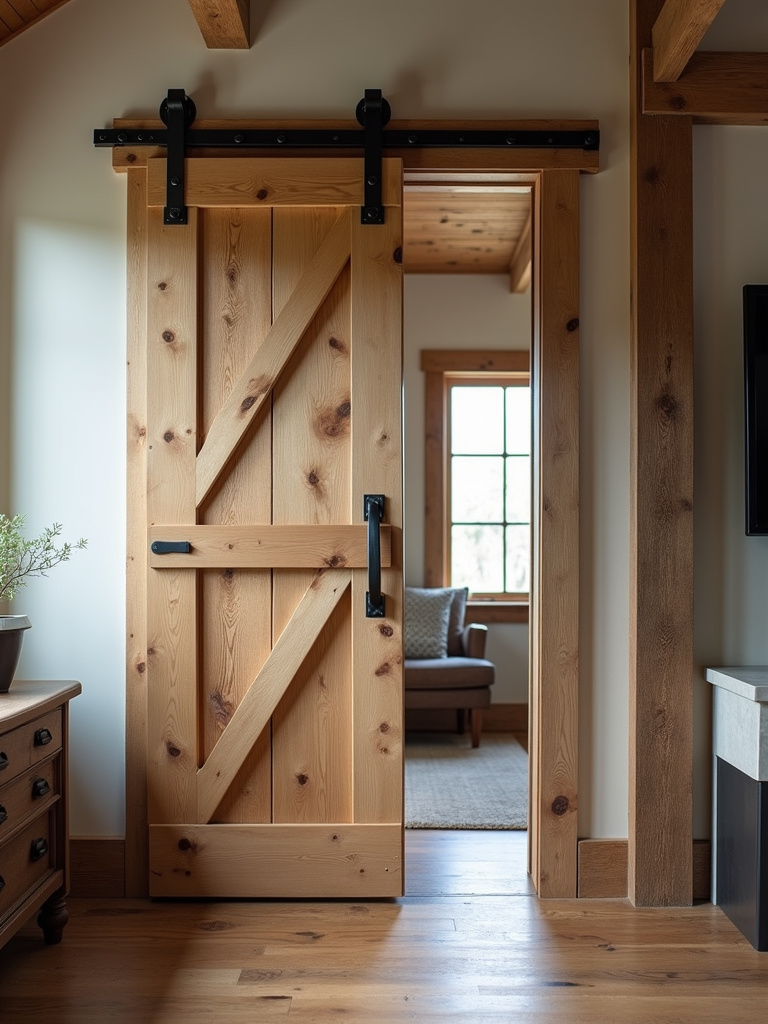
Sustainable barn door tips:
- Use reclaimed wood from barns or old structures
- Source local hardware
- Ensure proper insulation around frames
- Choose durable tracks and rollers
- Apply non-toxic finishes
They can function as movable walls or artistic elements, enhancing flexibility and sustainability.
15. Warm Lighting: Lanterns, Edison Bulbs, and Candles
Lighting sets the mood and impacts energy use. Combining vintage-style LED bulbs, solar lanterns, and natural candles creates ambiance without excess consumption.
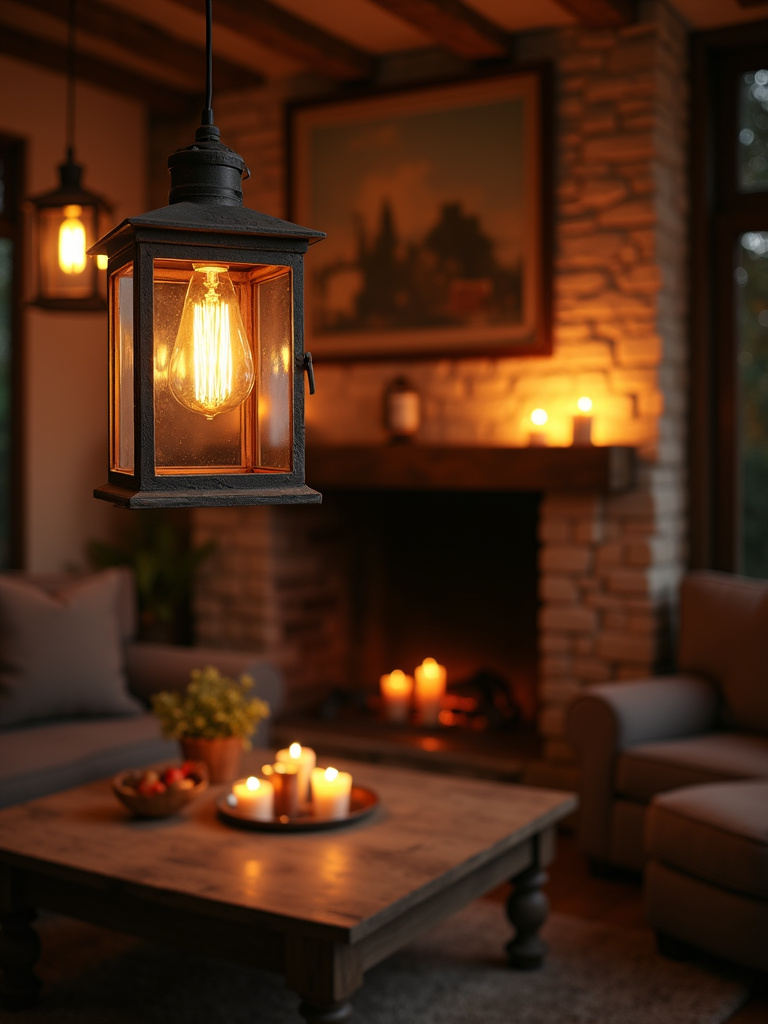
Eco-friendly lighting strategies:
- LED Edison bulbs for vintage look with efficiency
- Solar-powered lanterns
- Beeswax or soy candles
- Smart lighting controls
- Maximize daylight use
Layer lighting sources for a cozy, energy-conscious environment.
16. Rustic Wall Art: Supporting Local and Sustainable Artists
Wall decor can reflect your values by featuring nature-inspired art made with eco-friendly materials and supporting local creators.
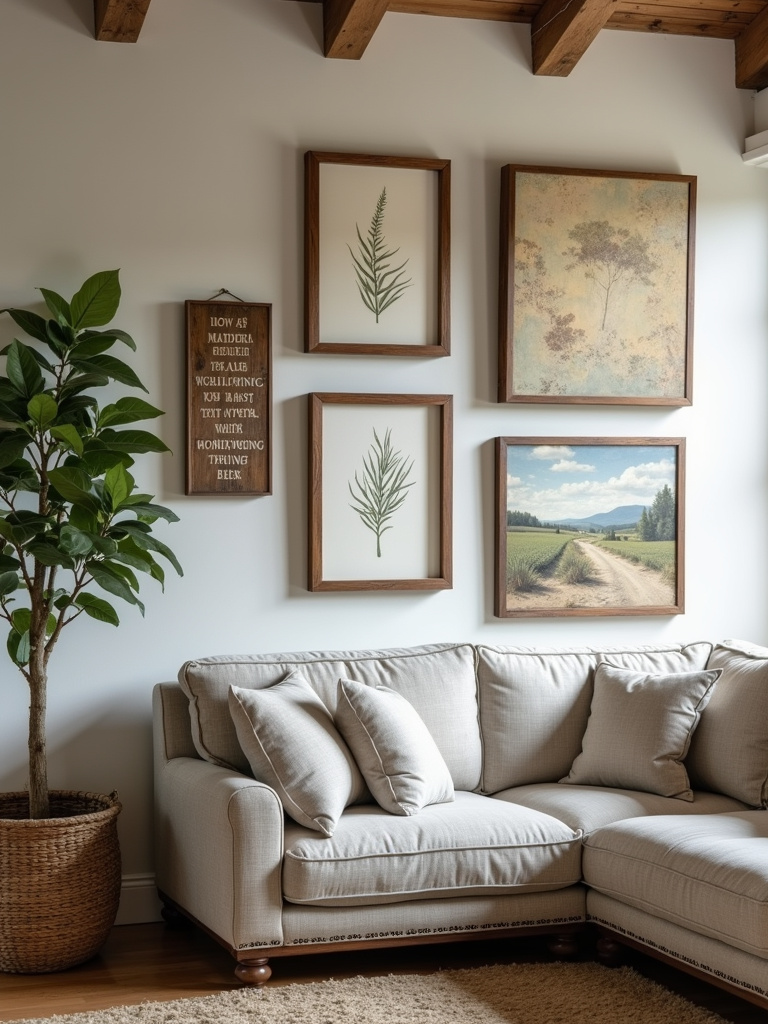
Choose art that:
- Uses reclaimed materials
- Is printed with vegetable-based inks
- Is framed in vintage or repurposed frames
- Includes pressed natural elements
- Is locally crafted or handmade
A gallery wall mixing vintage botanical prints and local art creates a personalized, sustainable statement.
17. Mason Jars: Versatile Rustic Vases and Storage
Mason jars embody the “reduce, reuse, recycle” ethos, serving as charming vases, lanterns, or storage containers.
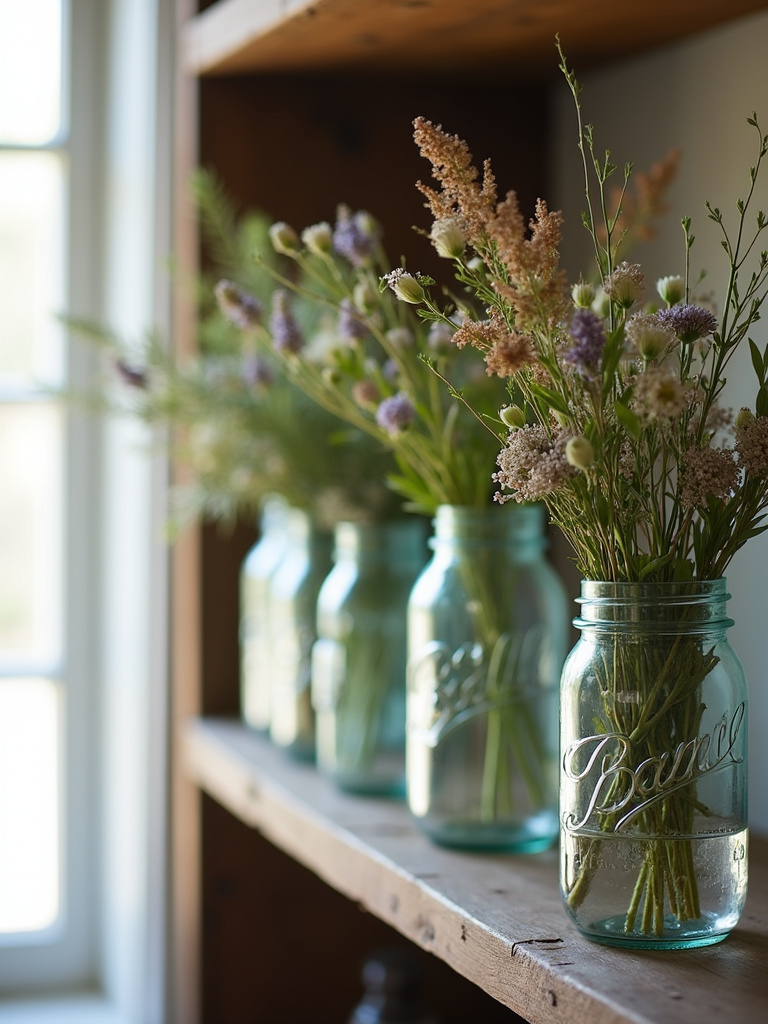
Enhance sustainability by:
- Sourcing vintage jars locally
- Decorating with natural twine or recycled ribbons
- Creating solar lanterns
- Growing herbs in wall-mounted jars
- Organizing small items or craft supplies
Embrace jars with imperfections to add character and prevent waste.
18. Metal Accents: Recycled and Upcycled Elegance
Incorporating metal elements crafted from recycled or vintage materials adds rustic charm while supporting sustainable metalworking.
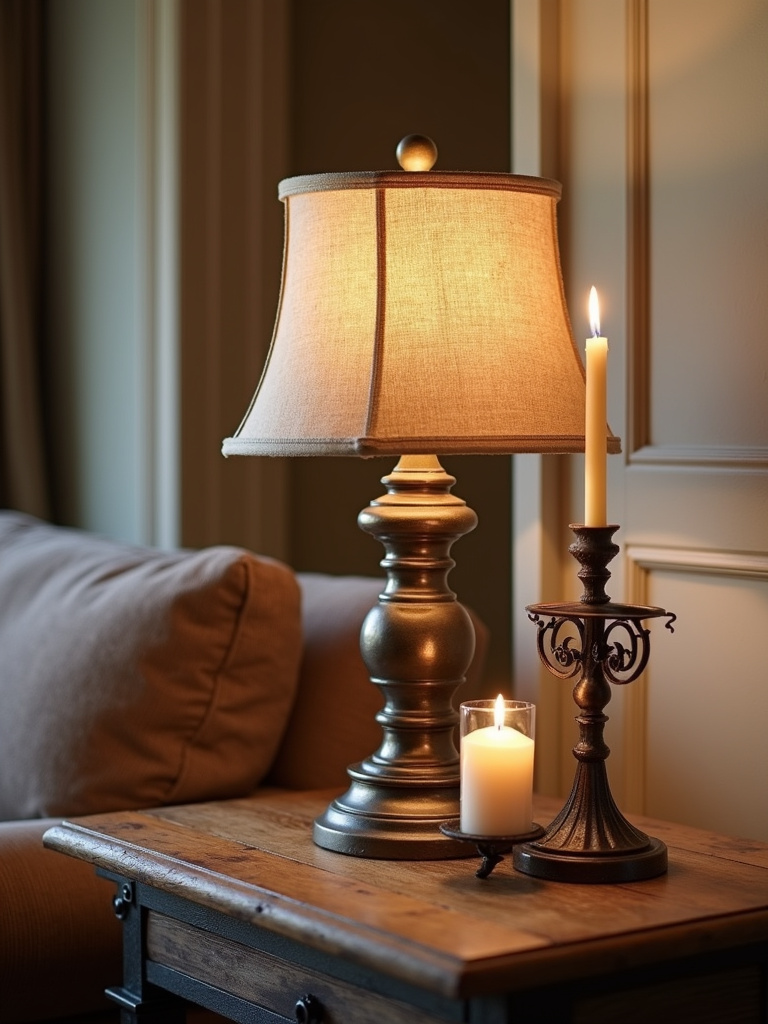
Best practices include:
- Choosing recycled or upcycled metal pieces
- Supporting eco-conscious artisans
- Shopping vintage metalwork
- Selecting repairable items
- Using natural cleaning methods
Allow natural patinas to develop, reducing chemical use and enhancing character.
19. Textural Natural Fibers: Burlap and Linen Curtains and Upholstery
Burlap and linen offer organic texture and warmth with minimal environmental impact due to their biodegradability and low processing needs.
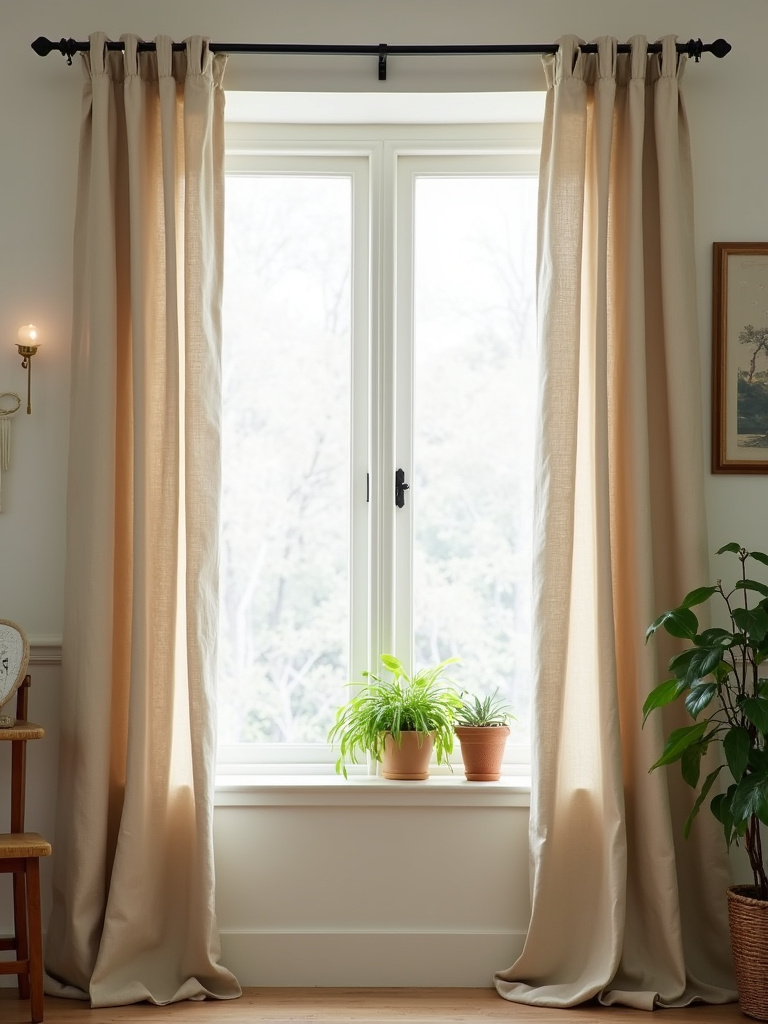
Enhance sustainability by:
- Choosing organic linen and hemp
- Opting for naturally dyed or undyed fabrics
- Supporting local textile artisans
- Using vintage or deadstock materials
- Selecting durable weaves
Embrace natural wrinkles and rustic weaves as part of their authentic appeal.
20. Rustic Coffee Bar: Mindful and Sustainable Beverage Station
A rustic coffee bar encourages eco-friendly habits by reducing single-use waste and adding charm to your living room.
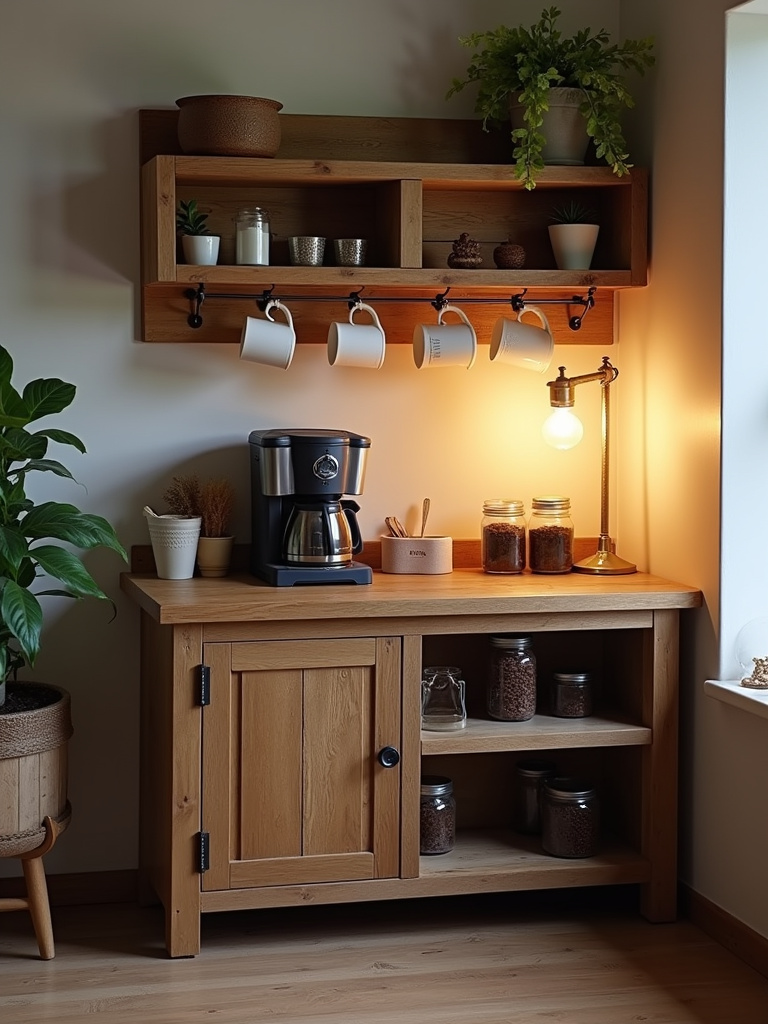
Incorporate:
- Reclaimed wood shelving
- Vintage coffee equipment
- Repurposed glass storage jars
- Reusable filters and cups
- Fair trade coffee and tea
Add a small herb garden for fresh infusions and display vintage mugs as decor.
21. Gallery Walls: Rustic Frames and Sustainable Art
Create a captivating gallery wall using reclaimed frames and locally sourced artwork to minimize environmental impact.
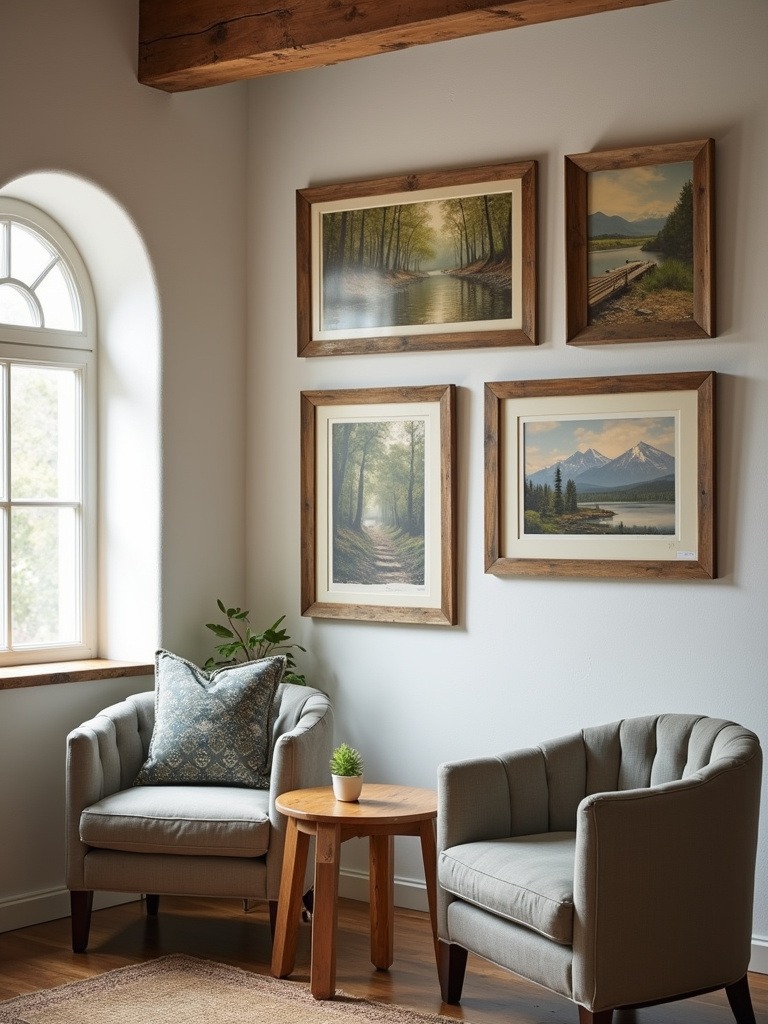
Tips for sustainable gallery walls:
- Restore vintage frames
- Support local artists
- Use reclaimed wood for custom framing
- Choose recycled paper for prints
- Incorporate natural found objects
Mix textures and materials for visual depth and authenticity.
22. Ethical Animal Hide and Faux Fur: Sustainable Warmth
Modern faux fur and plant-based leather alternatives provide cruelty-free options that maintain rustic warmth and texture.
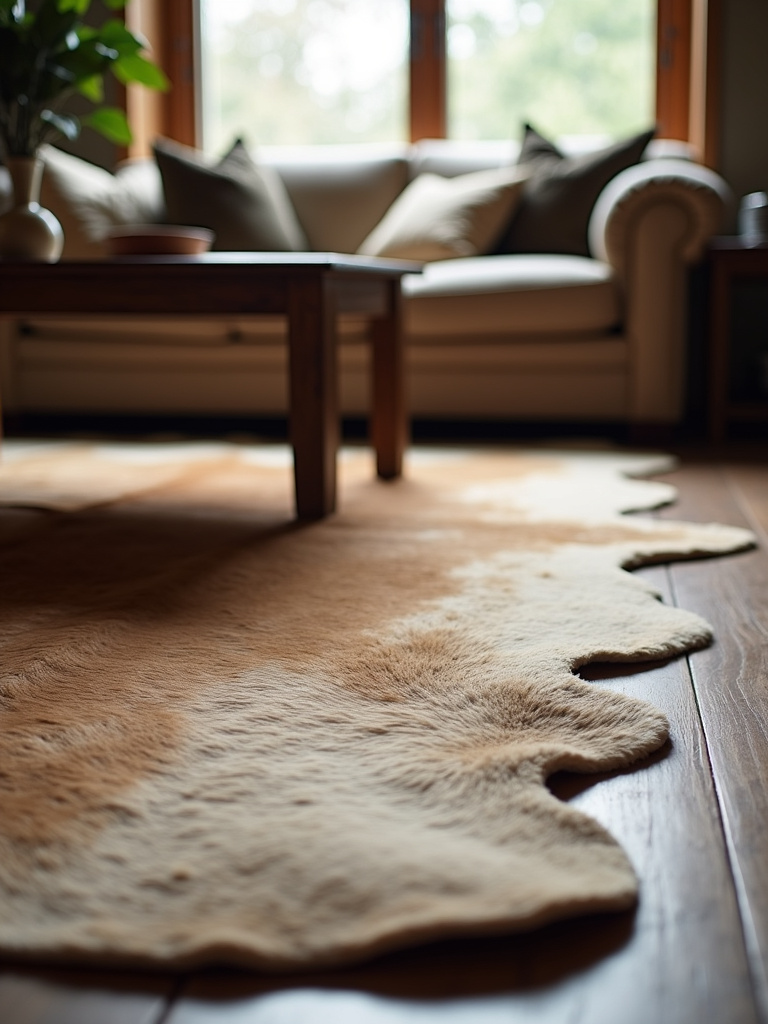
Consider:
- Faux fur made from recycled materials
- Plant-based leather alternatives
- Vintage or secondhand genuine hides
- Durable, washable synthetics
- Local textile art mimicking natural textures
These options often surpass traditional materials in durability and maintenance ease.
23. Handmade and DIY Rustic Decor: Personal and Sustainable
Crafting your own decor minimizes waste and packaging while adding unique character to your space.
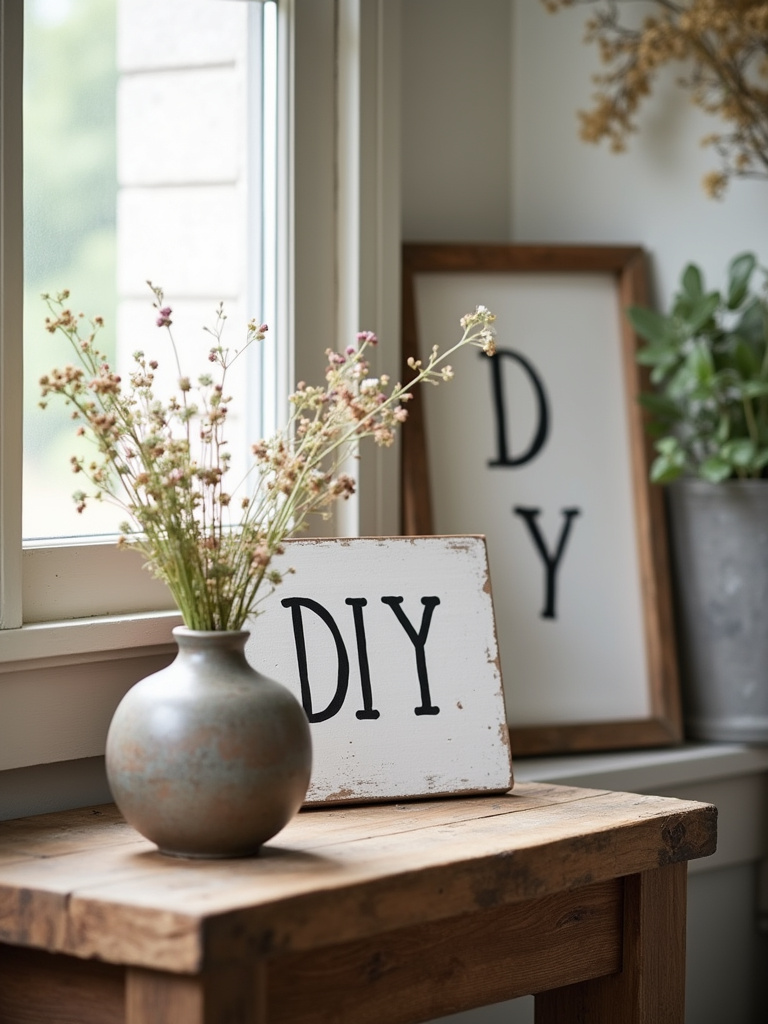
Try projects like:
- Wall art from fallen branches
- Macramé hangings using organic cotton
- Planters built from reclaimed wood
- Candles made from natural wax
- Baskets woven from local materials
Celebrate imperfections as part of the handmade charm and sustainability.
24. Maximizing Natural Light: Bright and Energy-Efficient Spaces
Harnessing sunlight reduces energy use and highlights rustic textures, fostering a healthy connection with nature.
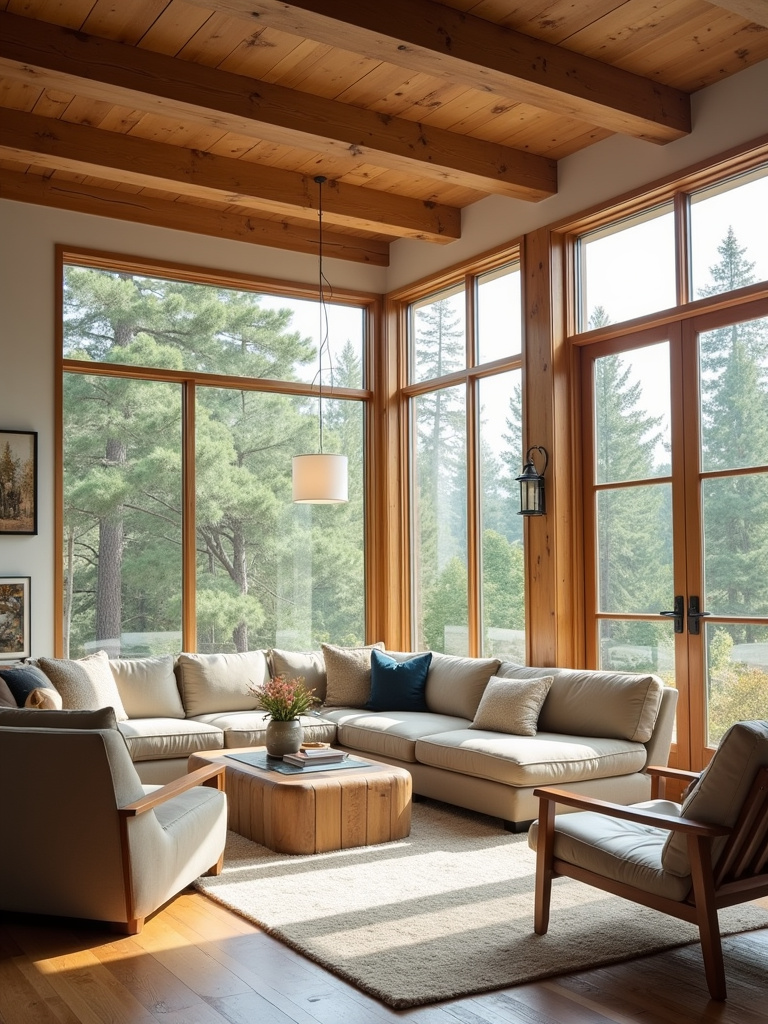
Enhance daylight with:
- Light-filtering window treatments
- Strategic mirror placement
- Clean, unobstructed windows
- Light-colored walls and ceilings
- Furniture arranged to allow light flow
Natural light not only beautifies but also supports energy efficiency and well-being.
Conclusion: Crafting Your Eco-Friendly Rustic Retreat
These 24 strategies demonstrate that rustic style and sustainability beautifully coexist. By embracing natural materials, supporting local artisans, and valuing imperfection, you can design a living room that’s both stunning and environmentally responsible. The most sustainable choices are those that endure in both durability and timeless appeal.
Your rustic living space should narrate your personal journey while respecting the environment that inspires it. Whether through reclaimed wood, energy-efficient lighting, or handcrafted decor, each decision contributes to a greener future without sacrificing warmth and charm.
Begin your transformation by focusing on elements that resonate most with you, gradually building a space that reflects your style and commitment to sustainability. After all, the most cherished rooms are those we nurture and preserve for generations.