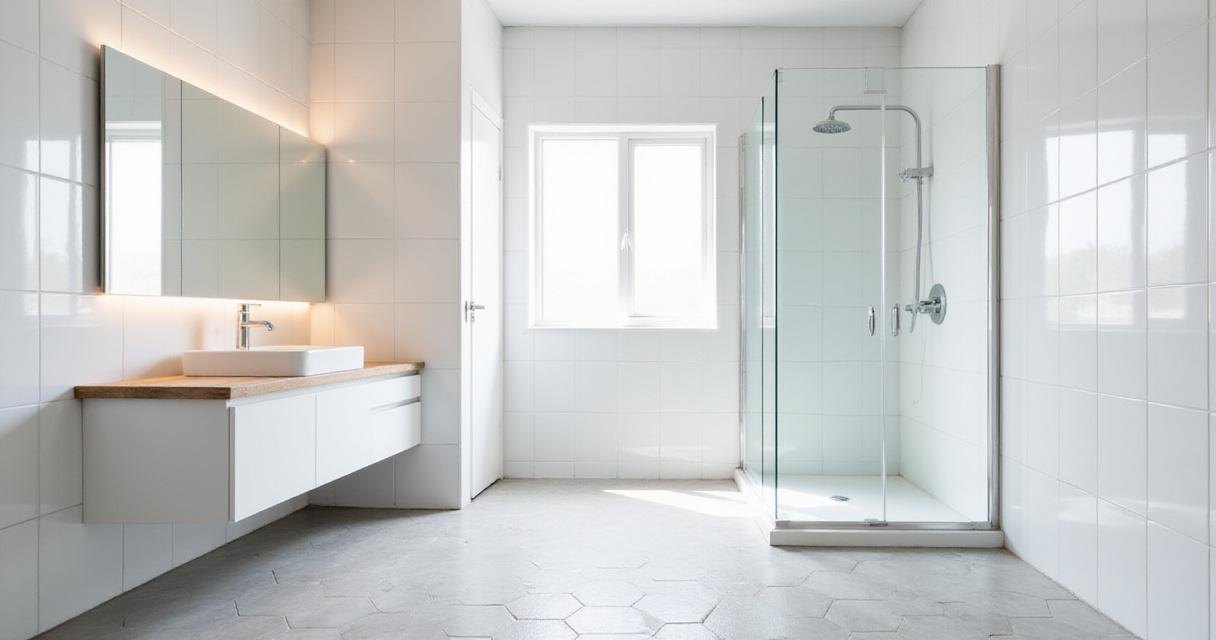
Does your bathroom feel more like a cramped storage closet than a relaxing retreat? You’re far from alone. Many homeowners face the challenge of designing small bathrooms, but expanding the space isn’t always about increasing square footage.
As a specialist in upscale interior design, I’ve helped numerous clients transform their compact bathrooms into elegant, airy sanctuaries. The key isn’t demolition or expansion-it’s about clever design strategies that optimize light, spatial perception, and usability.
Here are 20 innovative design approaches that will help you see your small bathroom as a canvas of opportunity rather than constraint. From material choices to fixture arrangements and visual tricks, these ideas will elevate even the tiniest bathroom into a stunning, functional space.
1. Illuminate with Soft Hues
Light tones are essential in small bathroom design due to their ability to reflect light and visually expand the room. Shades like crisp white, soft beige, muted grays, and pastel blues or greens disperse natural and artificial light, reducing shadows and making walls appear to recede. This color strategy instantly breathes life into compact spaces, creating an airy atmosphere.
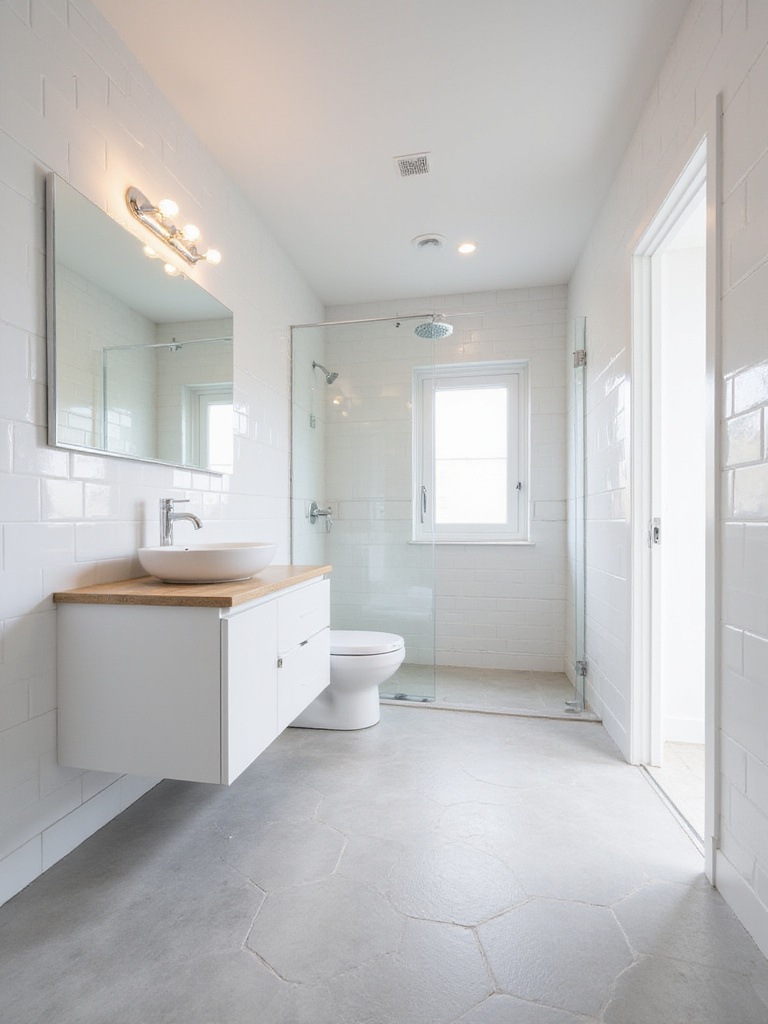
When choosing your palette, consider the mood each hue evokes: pure whites suggest freshness and simplicity, warm creams add coziness, soft grays bring a contemporary edge, and subtle pastels inject personality without overwhelming. Consistency across walls, tiles, cabinetry, and accessories, with variations in texture and tone, maintains visual interest while reinforcing openness.
This color foundation sets the stage for the next crucial element-using reflective surfaces to multiply the sense of space.
2. Expand Visually with Grand Mirrors
Mirrors do more than reflect your image-they create an optical illusion that can double the perceived size of your bathroom. By bouncing light and reflecting walls and fixtures, a large mirror adds depth and dimension, making even the smallest bathrooms feel significantly larger.
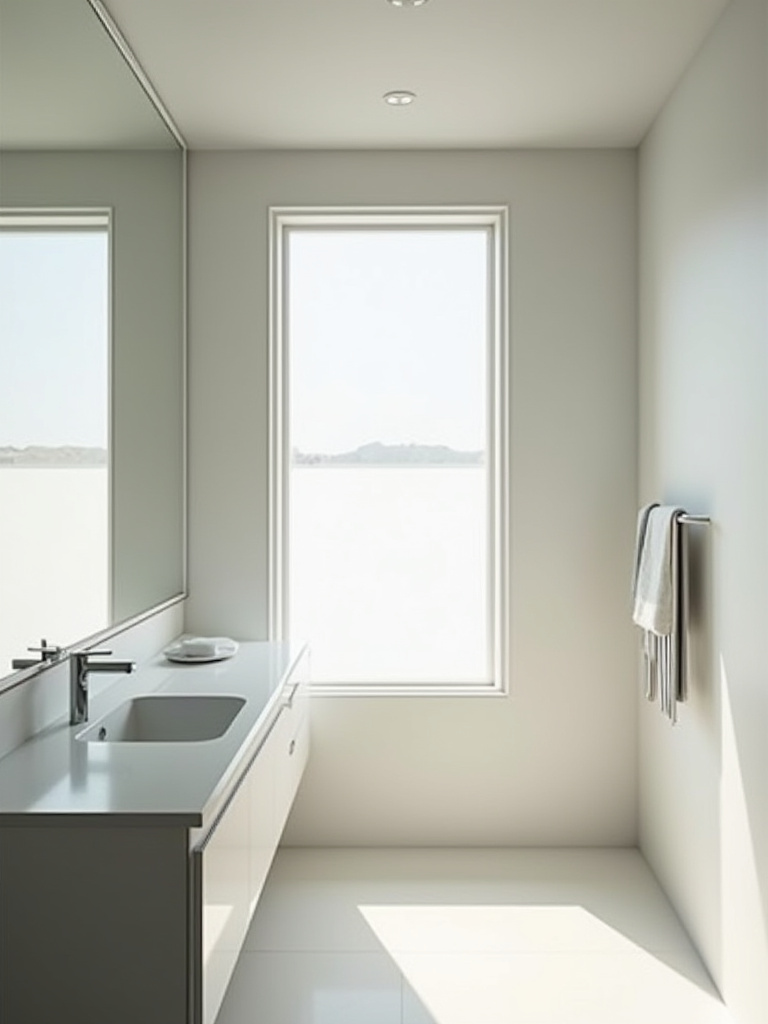
For optimal effect, opt for frameless mirrors that stretch from countertop to ceiling or span entire walls, creating a seamless reflective surface. Position mirrors opposite windows to capture natural light or across from attractive features to create visual echoes. Combined with a light color scheme, mirrors amplify brightness and openness.
This technique draws inspiration from historic grand interiors where mirrors have long been used to create illusions of spaciousness. Next, let’s explore how vertical storage can unlock hidden potential.
3. Utilize Height with Vertical Storage
In small bathrooms, floor space is precious, so turning your gaze upward is a smart move. Vertical storage solutions transform empty wall space into practical storage zones, keeping essentials organized without crowding the floor.
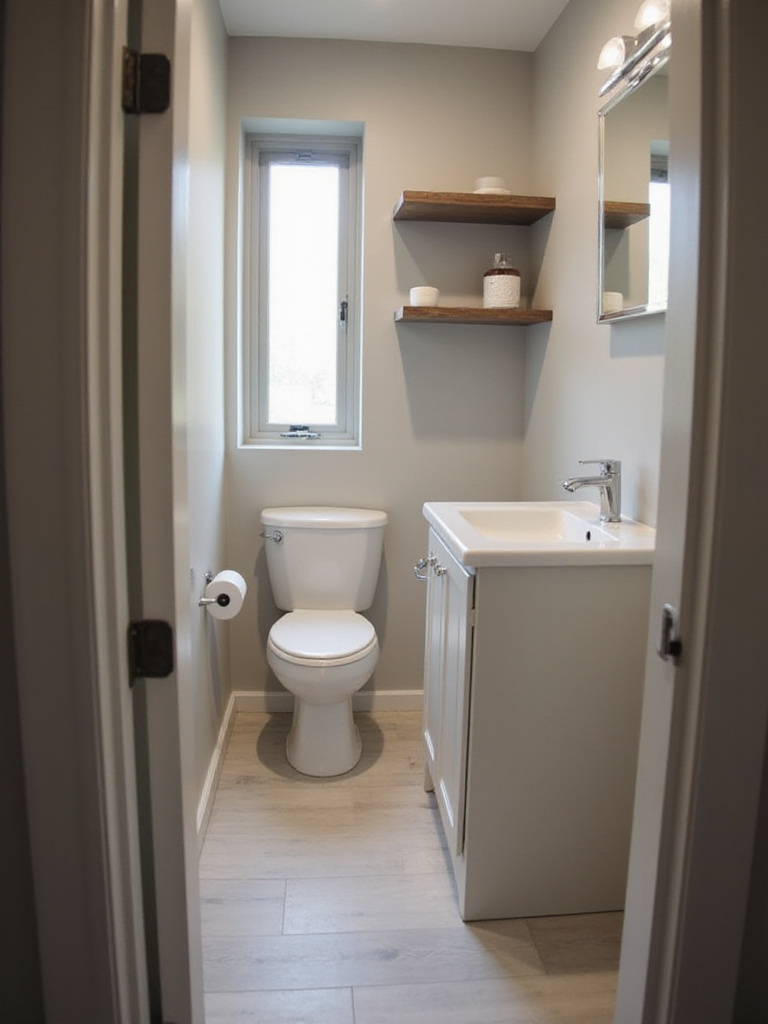
Consider sleek floor-to-ceiling cabinets that create striking vertical lines while offering ample storage. Floating shelves arranged at different heights provide accessible storage with a lighter visual footprint. The often-overlooked space above the toilet is ideal for shelving or cabinetry, drawing the eye upward and enhancing the room’s perceived height.
Besides maximizing space, this approach reduces the need for bathroom expansion, supporting sustainable design. With storage optimized, let’s examine how sink choices influence spatial perception.
4. Create Openness with Pedestal or Wall-Mounted Sinks
Traditional vanity cabinets, while useful for storage, often dominate limited floor space. Pedestal or wall-mounted sinks free up this area, allowing the floor to remain visible and creating a sense of openness that visually enlarges the bathroom.
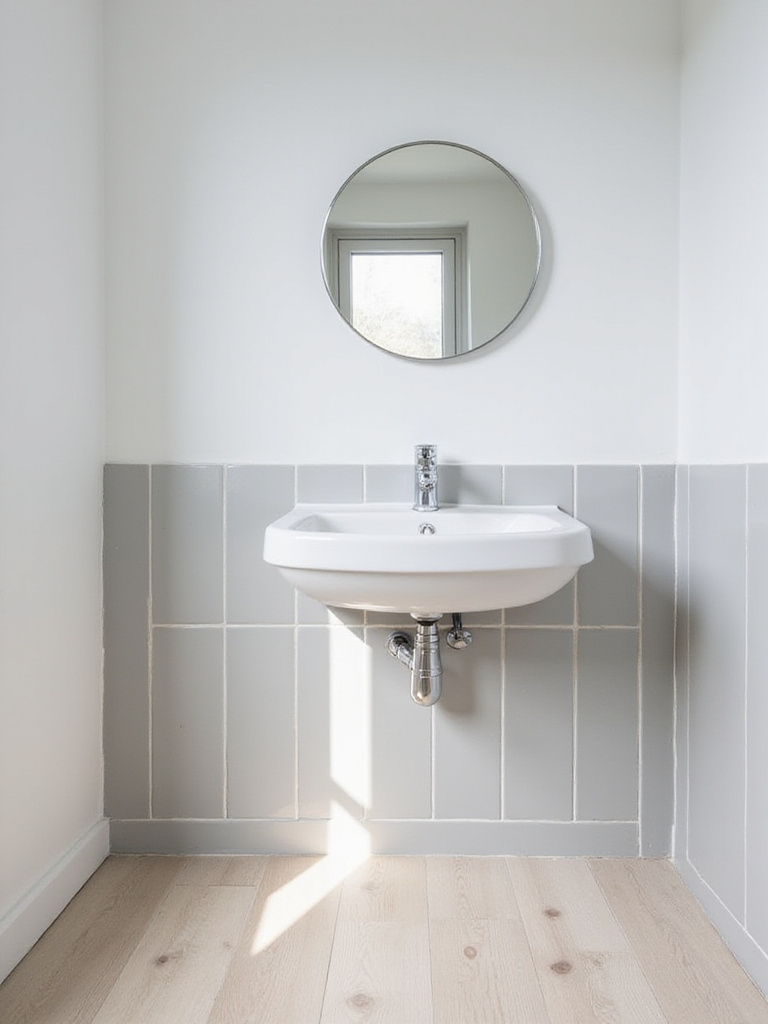
Pedestal sinks offer a timeless elegance with their slender bases concealing plumbing, while wall-mounted sinks take this further by floating entirely off the floor, enhancing the spacious feel. Though these options reduce built-in storage, pairing them with alternative storage solutions maintains functionality without sacrificing style.
Next, let’s consider how your bathroom door might be reclaiming valuable space.
5. Save Space with Pocket or Sliding Doors
Conventional hinged doors require clearance that can consume up to 10 square feet, limiting fixture placement and movement. Pocket doors, which slide into the wall, or surface-mounted sliding doors that glide along tracks, eliminate this swing space, freeing up room for other uses.
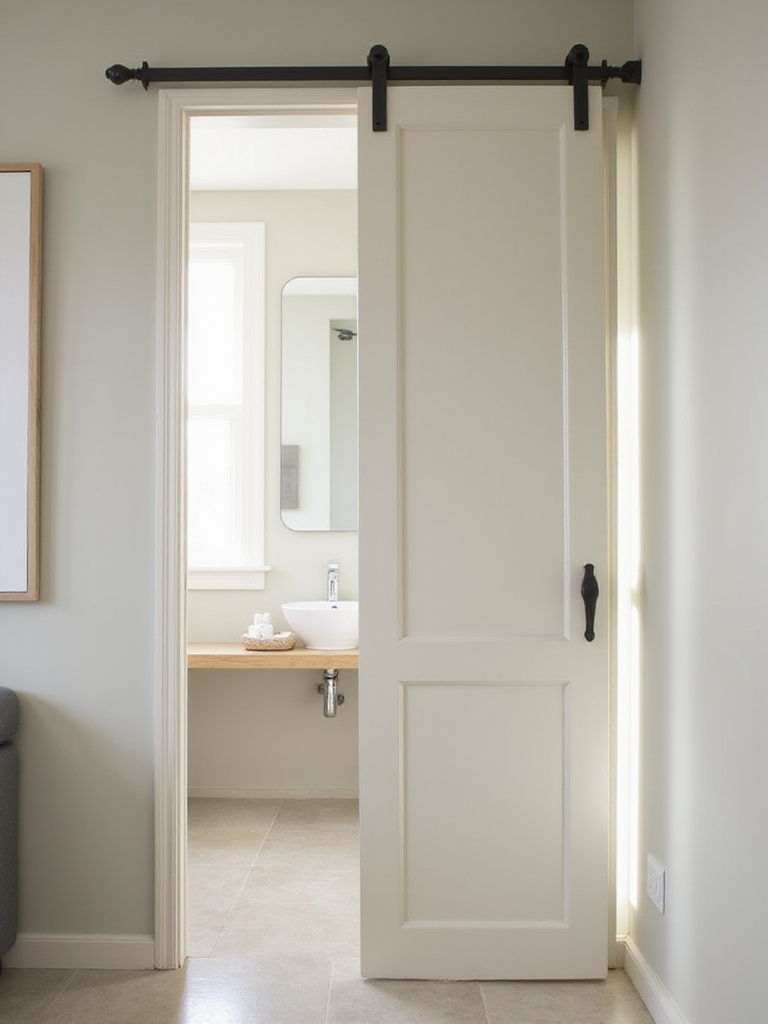
These door styles not only reclaim physical space but also improve visual flow, maintaining clear sightlines and a cohesive feel. Beyond functionality, pocket and sliding doors can become stylish design features that complement your bathroom’s aesthetic.
With door space optimized, let’s explore how wall-mounted storage can further enhance efficiency.
6. Add Airiness with Floating Shelves
Floating shelves blend practicality with minimalism, offering storage for toiletries and decor without the bulk of traditional cabinets. Their clean lines and open design contribute to an airy ambiance, crucial in tight spaces.
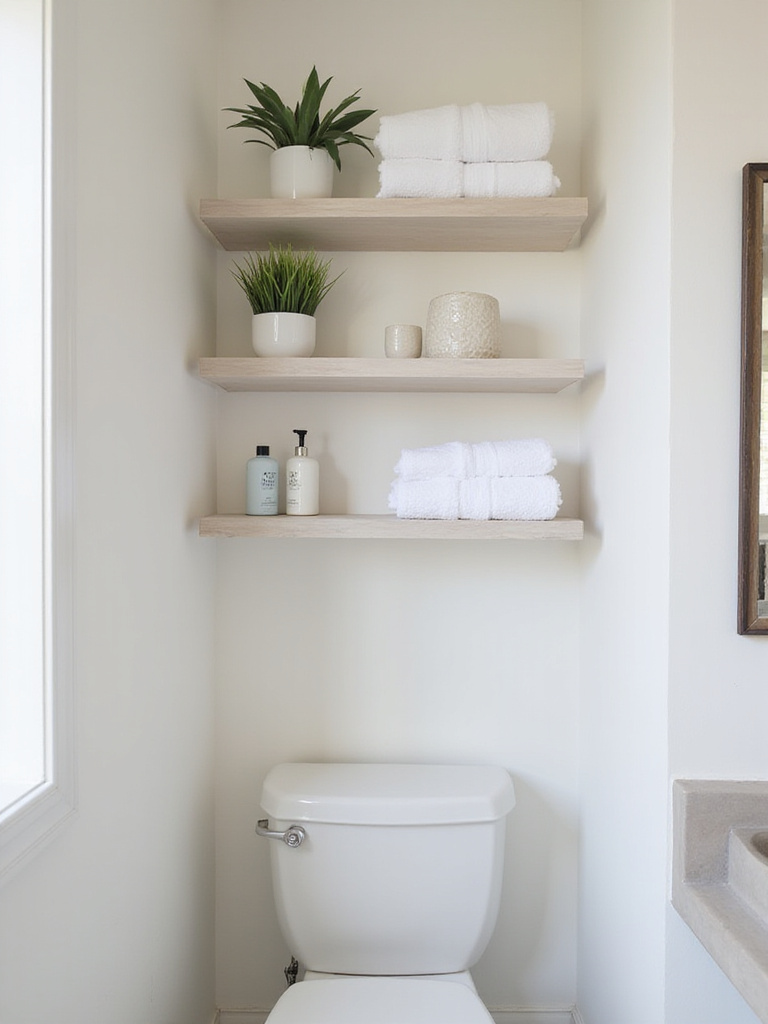
Choose moisture-resistant materials like sealed wood, tempered glass, or metal to withstand humidity. Place shelves strategically-above the toilet, beside mirrors, or in narrow wall spaces-to maximize utility without clutter. Avoid overcrowding; balance functional items with decorative accents for a curated look.
Next, let’s see how corner sinks can unlock underused space.
7. Maximize Corners with Corner Sinks
Corners often go unused in small bathrooms, but installing a corner sink can reclaim this space, freeing up main walls and improving traffic flow.
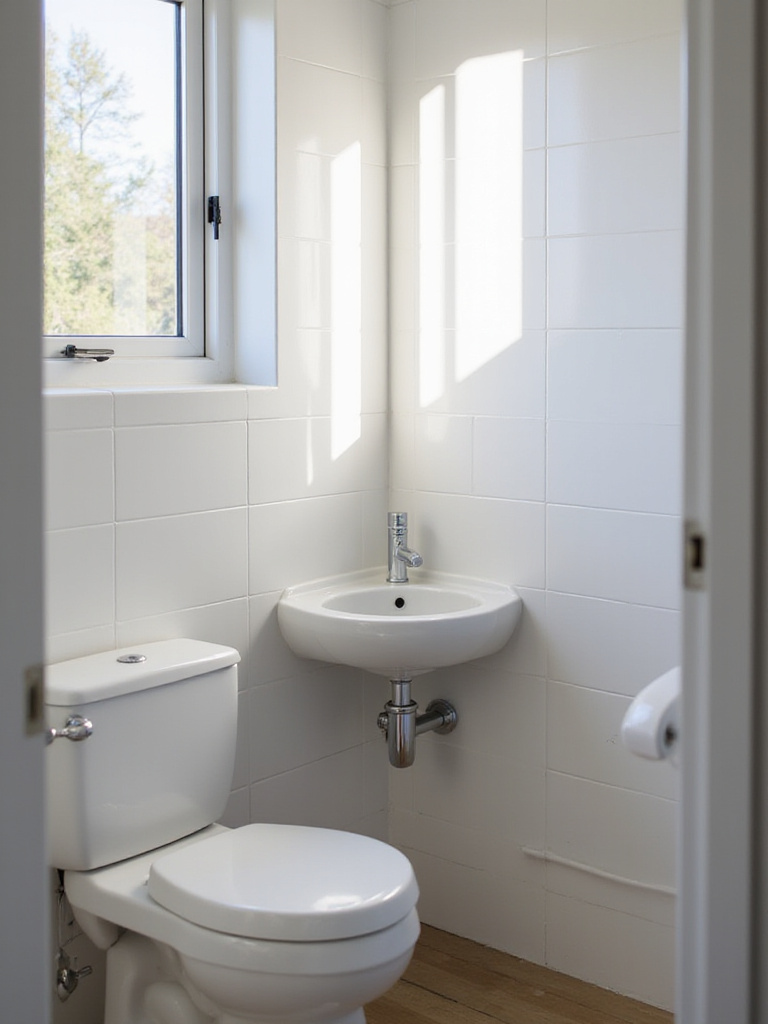
Wall-mounted corner sinks offer the greatest space savings by floating above the floor. Pedestal corner sinks provide a classic look while conserving space, and corner vanity sinks add modest storage without overwhelming the room. The diagonal placement introduces dynamic flow, making the bathroom feel larger.
Pairing a corner sink with a large mirror reflecting the room’s most open area further enhances spaciousness. Now, let’s explore a bold design concept that removes traditional shower barriers.
8. Adopt the Wet Room Design
Wet rooms eliminate shower enclosures, creating a fully waterproofed space where the shower area blends seamlessly with the rest of the bathroom. This open layout removes visual obstructions, making the entire room feel more expansive.
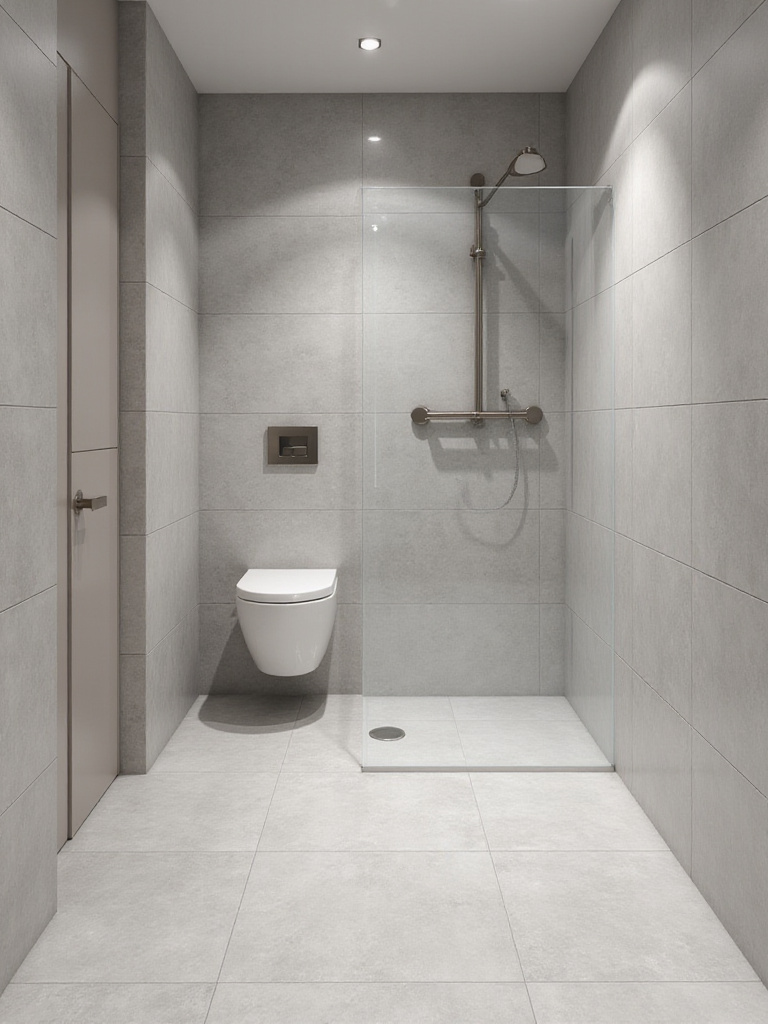
Proper waterproofing and floor slope are essential to direct water to drains. Though this requires professional installation, the spatial benefits are significant: continuous flooring extends depth perception, and the absence of shower doors or curtains reduces clutter. This European-inspired style is ideal for compact bathrooms seeking a minimalist, luxurious feel.
With the shower area open, let’s rethink the toilet for better space efficiency.
9. Opt for Compact Toilets
Standard toilets often occupy more space than necessary. Compact models, such as round-front bowls, reduce depth by several inches, while compact elongated designs maintain comfort with a smaller footprint.
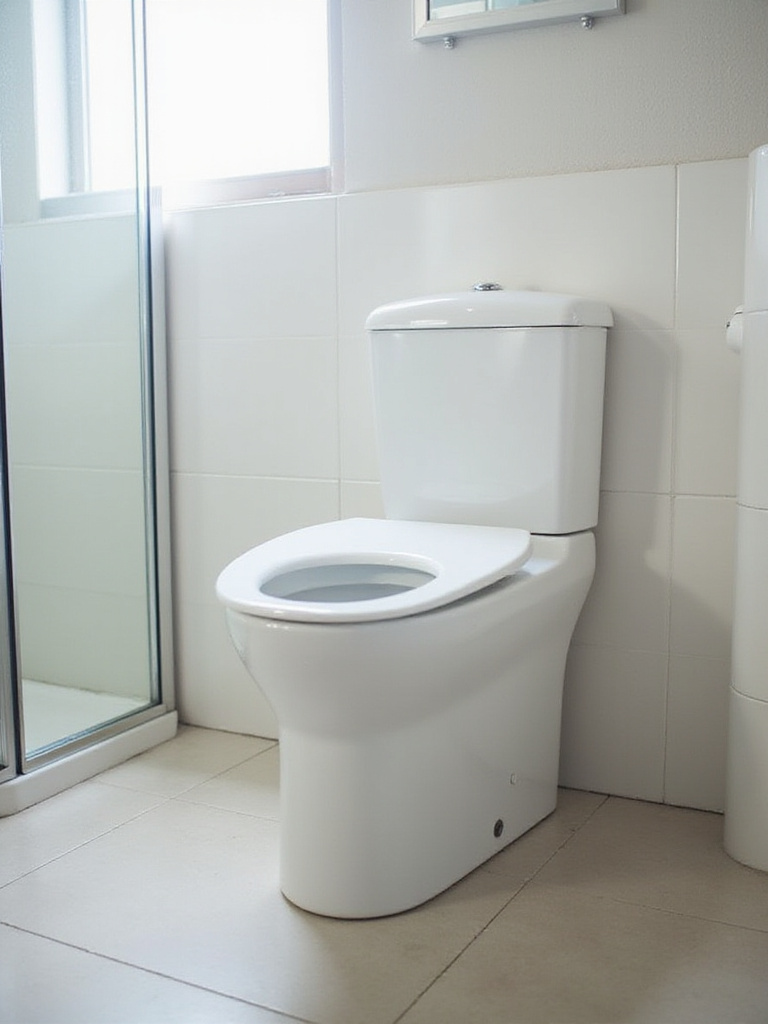
Wall-mounted toilets offer the ultimate space-saving solution by concealing tanks within walls and floating the bowl above the floor. This design frees up floor space, simplifies cleaning, and creates a sleek, modern look that visually enlarges the bathroom.
Balancing style and comfort, these toilets are a smart choice for small bathrooms. Next, let’s explore how reflective surfaces can further enhance spatial perception.
10. Enhance Brightness with Reflective Materials
Glossy surfaces amplify light and depth, making small bathrooms feel larger. Polished tiles, chrome fixtures, and glass elements act as secondary mirrors, dispersing light and softening shadows.
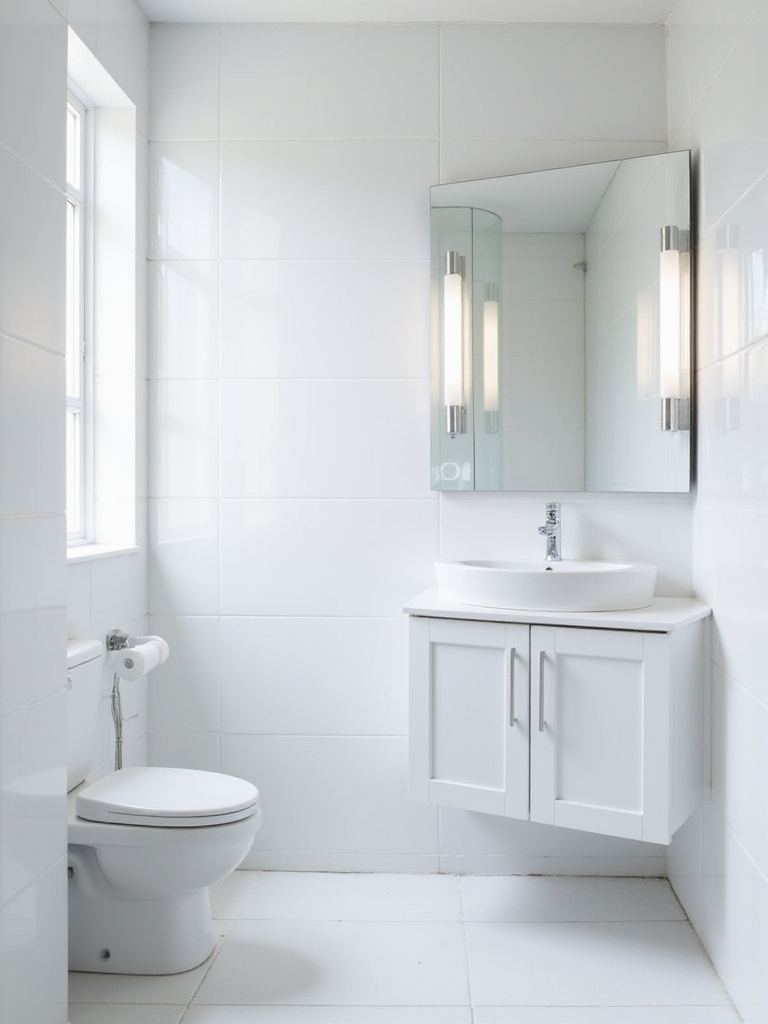
Large-format glossy tiles with minimal grout lines on walls or floors create a sleek, continuous surface. Polished metal fixtures add sparkle, while glass shower doors maintain visual flow. Even high-gloss ceiling paint can reflect light downward, enhancing brightness. These elements work synergistically with light colors and mirrors to create a luminous, open environment.
With natural light maximized, let’s consider how layered artificial lighting can further improve the ambiance.
11. Layer Lighting for Depth and Function
Relying on a single overhead light can cast unflattering shadows and emphasize spatial constraints. Layered lighting-combining ambient, task, and accent lights-eliminates shadows and adds dimensionality, making the bathroom feel larger and more inviting.
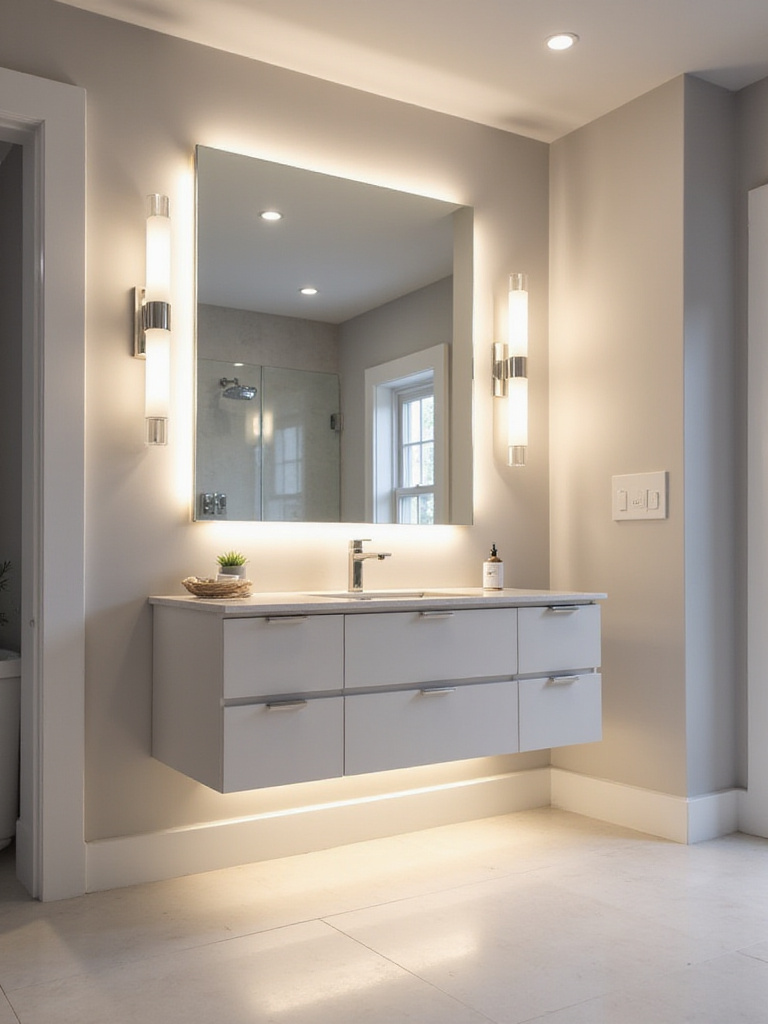
Start with recessed ceiling fixtures for general illumination, add sconces beside mirrors for shadow-free task lighting, and incorporate LED strips under floating vanities or shelves for subtle accent lighting. This multi-layered approach enhances both functionality and atmosphere.
With lighting perfected, let’s examine how shower enclosures influence spatial perception.
12. Choose Clear Glass Shower Doors
Clear glass shower doors are transformative in small bathrooms. Unlike opaque or frosted options, they maintain uninterrupted sightlines, allowing the eye to travel across the entire room and preventing visual segmentation.
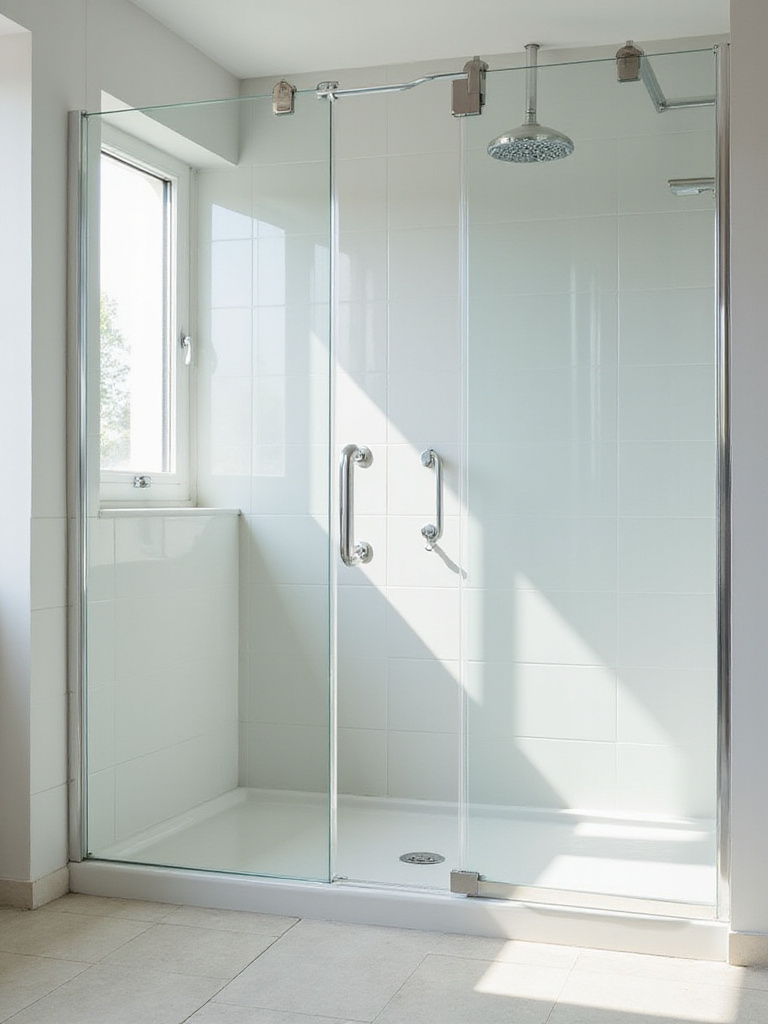
Frameless designs eliminate metal borders, creating an almost invisible division between wet and dry zones. This seamless transition preserves the room’s cohesiveness and showcases decorative tile work from every angle, crucial in compact spaces.
Next, let’s explore built-in shower storage that doesn’t encroach on space.
13. Integrate Shower Niches for Storage
External shower caddies and corner shelves intrude into limited shower space, making it feel cramped. Recessed shower niches utilize the wall cavity to provide storage without reducing elbow room.
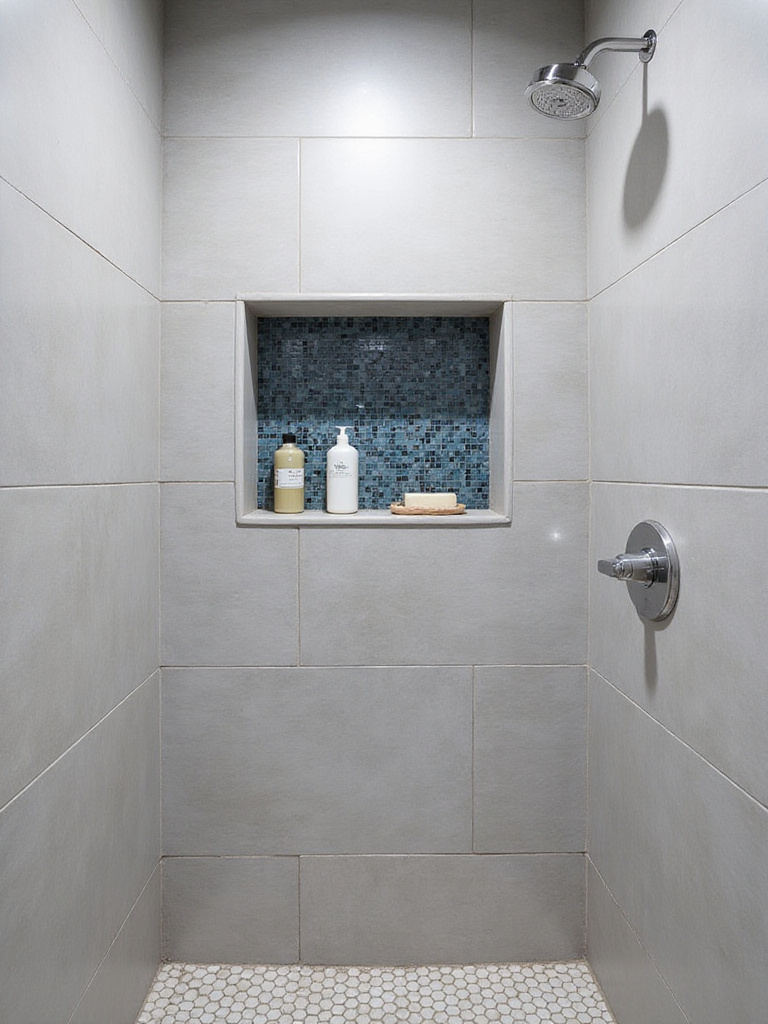
Position niches at comfortable heights (38-48 inches from the floor) and size them to fit your toiletries. Use contrasting tiles or multiple niches of varying sizes for visual interest. This detail enhances both function and design sophistication.
With shower storage addressed, let’s consider innovative curtain solutions.
14. Opt for Retractable Shower Curtains
Traditional shower curtains, even when pushed aside, create visual clutter. Retractable curtains-such as cassette roll-ups or accordion folds-disappear completely when not in use, expanding the perceived space.
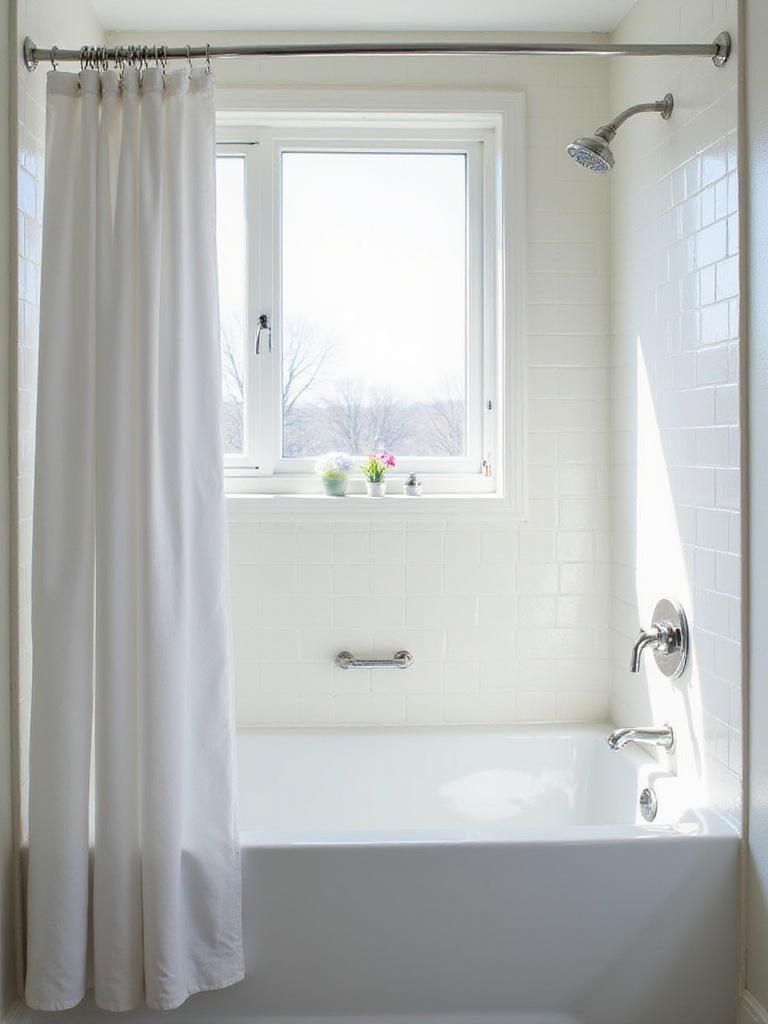
Mounted discreetly on walls or ceilings, these systems deploy only when needed, maintaining a continuous, uncluttered bathroom space. Clear or semi-transparent retractable panels are trending, preserving openness even when extended.
Next, let’s explore towel storage that saves floor space.
15. Utilize Wall-Mounted Towel Storage
Freestanding towel racks consume valuable floor area. Wall-mounted options-bars, rings, hooks, or vertical racks-use otherwise wasted wall space to keep towels accessible without clutter.
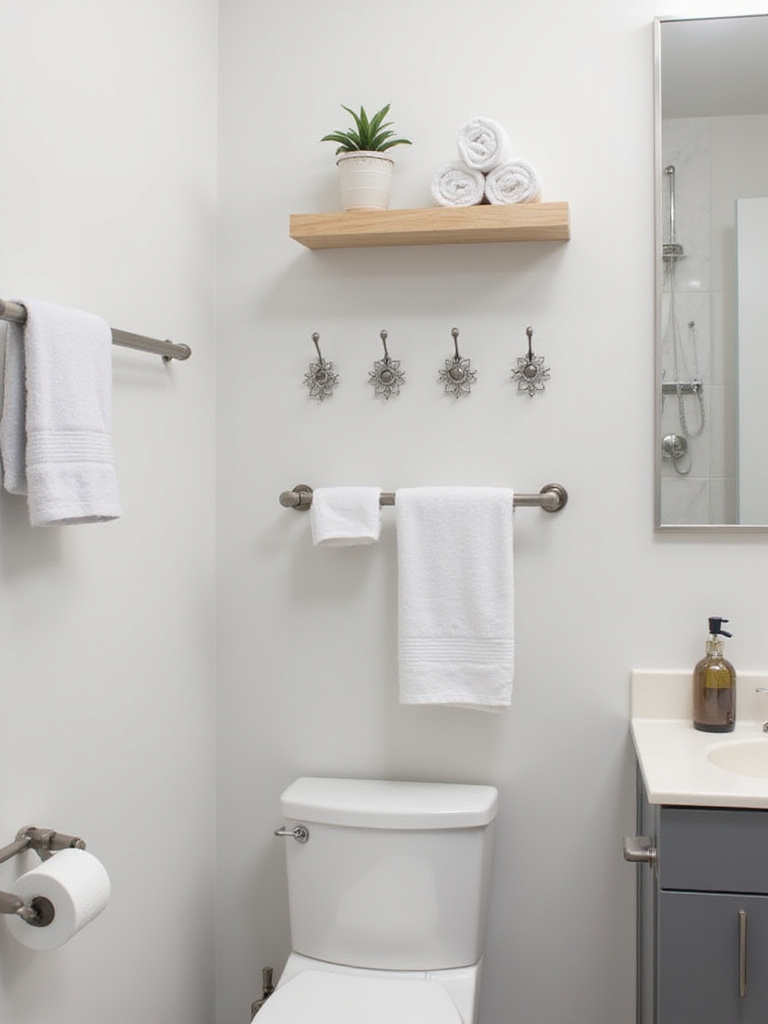
Consider placing towel storage above toilets, in narrow wall gaps, or behind doors. Heated towel rails add warmth and luxury. Installing towel bars slightly higher than usual (around 48 inches) draws the eye upward, enhancing spaciousness. Wall-mounted options also simplify floor cleaning.
Now, let’s see how hooks can further optimize organization.
16. Choose Hooks Over Bars for Flexibility
Towel bars require wide horizontal space, often scarce in small bathrooms. Hooks offer a compact, versatile alternative, accommodating towels, robes, and accessories without dominating wall space.
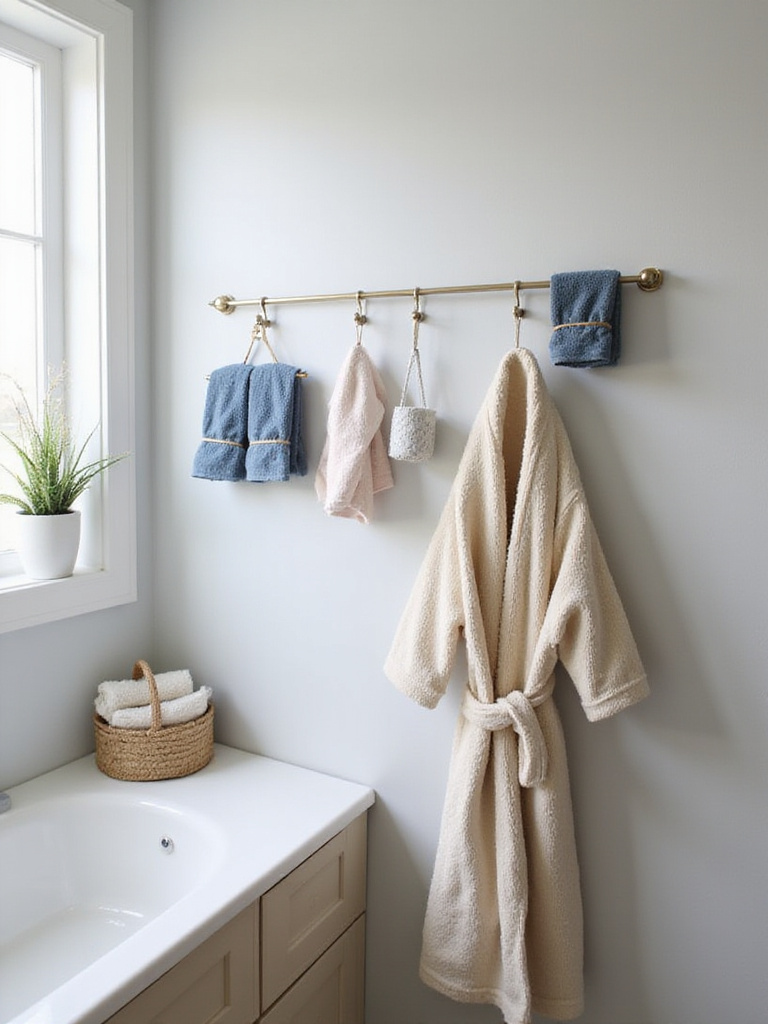
Arrange hooks vertically on narrow walls, cluster near showers for wet towels, or mount on door backs for robes. Choose designs that complement your decor, from sleek modern to vintage-inspired. Their minimal profile maintains openness while keeping essentials organized.
Next, let’s rethink the vanity for multifunctional efficiency.
17. Select Multi-Functional Vanities
In refined small bathroom design, every piece should serve multiple roles. Multi-functional vanities combine storage with features like integrated hampers, pull-out steps, specialized compartments, and built-in outlets, reducing the need for additional accessories.
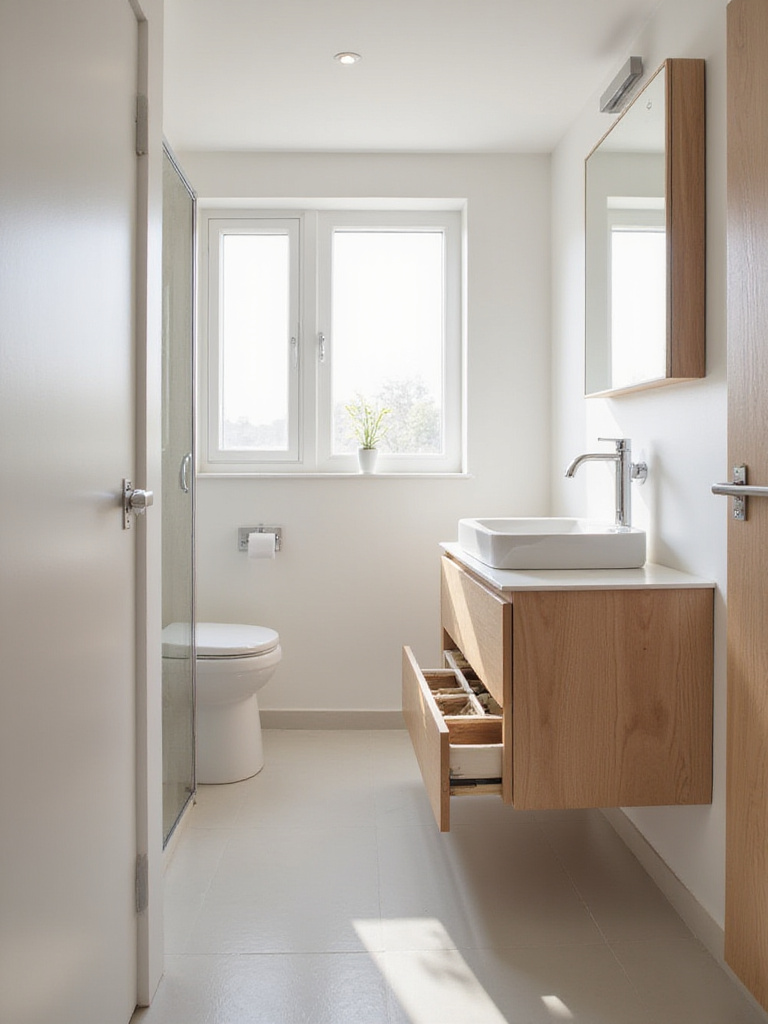
Choose vanities scaled to your space but engineered for maximum utility. Features like drawer dividers for cosmetics, pull-out shelves, and mixed drawer-door configurations keep countertops clear and the bathroom organized.
With the vanity optimized, let’s revisit toilet design innovations.
18. Conceal Tanks with In-Wall or Tankless Toilets
Traditional toilets with protruding tanks consume unnecessary space. Wall-hung toilets with concealed tanks offer a sleek, space-saving alternative, floating above the floor and hiding mechanical components within the wall.
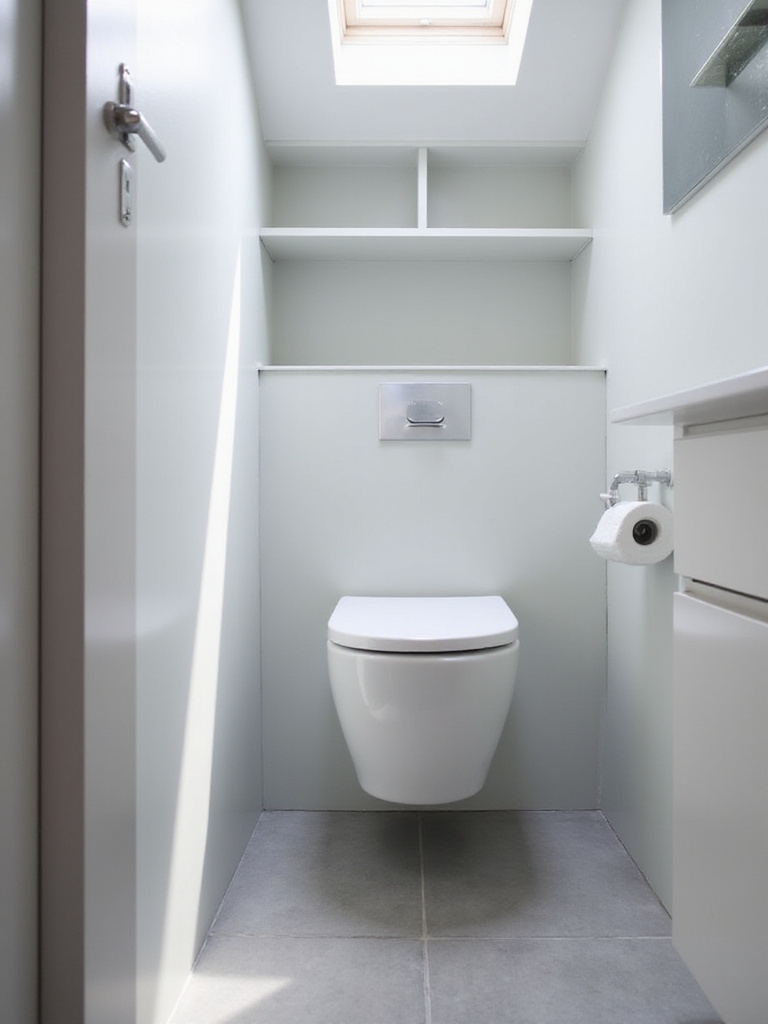
This design creates an uninterrupted floor plane, enhancing spaciousness and simplifying cleaning. While installation requires wall modifications, the aesthetic and spatial benefits are substantial. For less invasive renovations, tankless toilets eliminate the tank but remain floor-mounted.
With fixtures streamlined, let’s explore how flooring choices influence perception.
19. Use Patterned Floor Tiles to Add Interest
Contrary to popular belief, patterned floors can enhance small bathrooms by drawing attention downward and adding visual intrigue that distracts from limited dimensions.
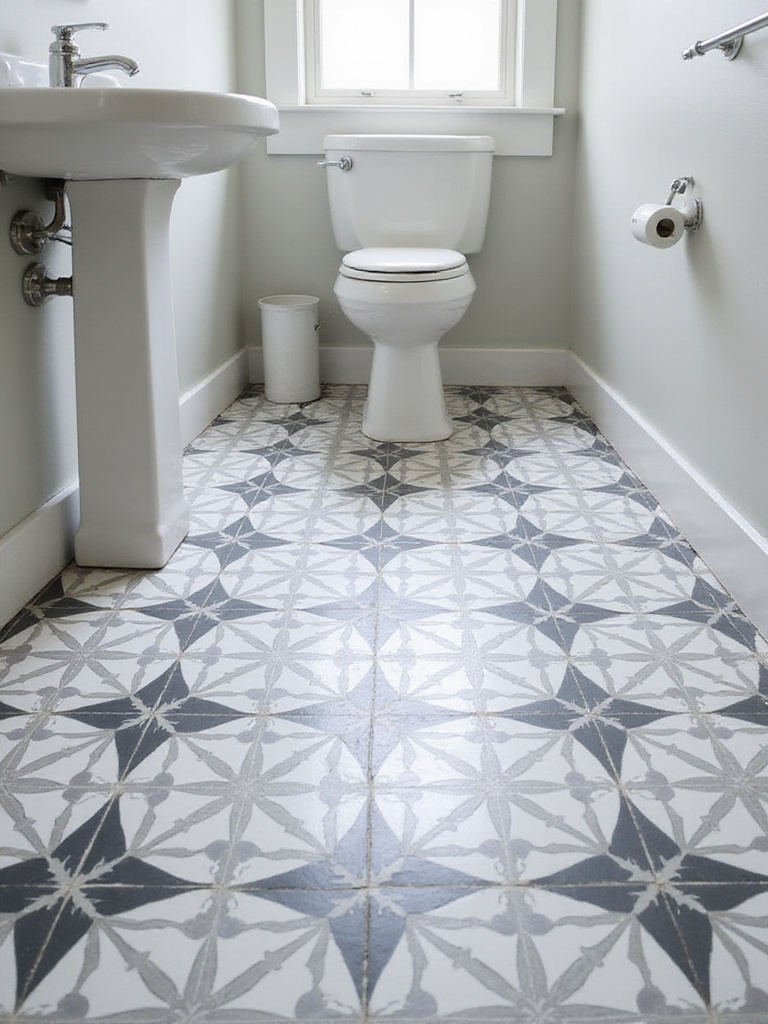
Choose patterns scaled to your space-hexagons, herringbone, or geometric shapes in restrained palettes create movement without overwhelming. Pair patterned floors with simple walls to let the floor become a focal point, turning spatial limits into design assets.
Finally, let’s discuss how decluttering can dramatically enlarge your bathroom’s feel.
20. Declutter to Enhance Space and Calm
No matter how well designed, a small bathroom feels cramped if cluttered. Systematic decluttering-discarding expired products, consolidating duplicates, and removing non-essential items-creates breathing room that instantly expands perceived space.
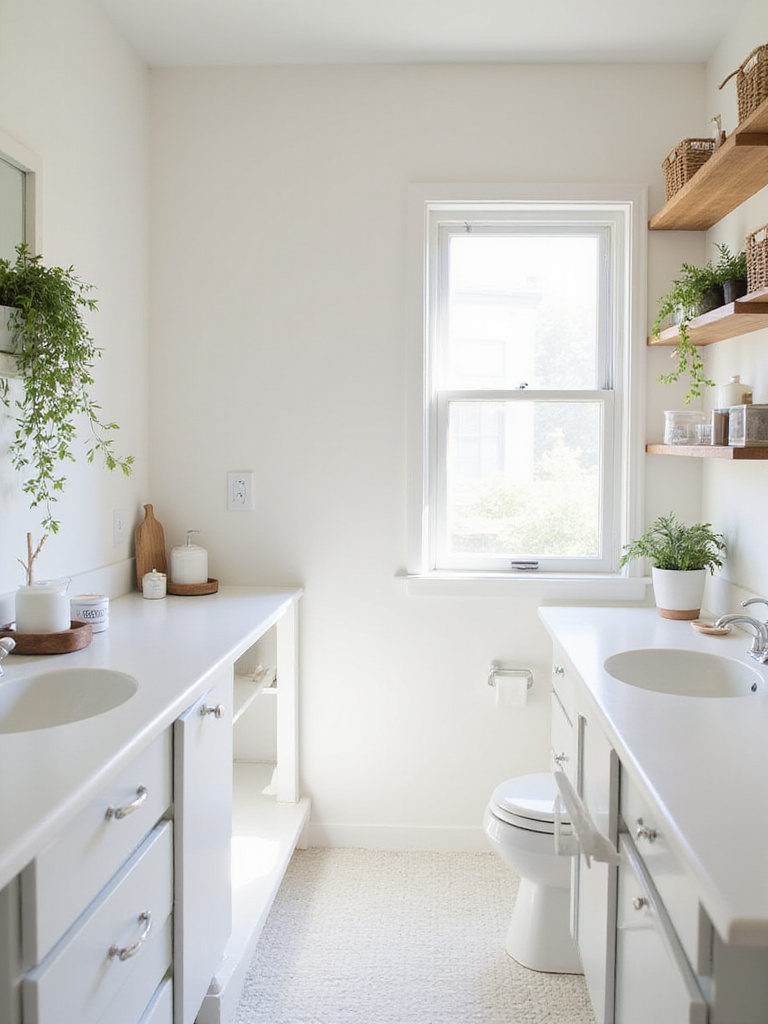
Organize items by frequency of use: keep daily essentials accessible, store occasional items elsewhere, and eliminate the rest. This disciplined approach maintains a clean, open aesthetic, allowing architectural and design details to shine rather than compete with visual noise.
The resulting calm transforms your bathroom from a cluttered utility room into a serene retreat.
Conclusion: Smart Small Bathroom Design Strategies
The essence of exceptional small bathroom design lies not in expanding square footage but in applying thoughtful strategies that manipulate light, reflection, and spatial perception. By embracing these 20 principles, even the most modest bathroom can become a sophisticated, functional space that feels far larger than its actual size.
Every detail-from reflective surfaces and efficient fixtures to organized storage-works together to redefine how the space is experienced. Whether undertaking a full renovation or incremental upgrades, these design solutions will elevate your small bathroom from a cramped necessity to a stylish sanctuary.
True luxury in small bathroom design is found not in size, but in the intelligent, intentional use of every inch.