Why do so many kitchens labeled as “traditional” miss the mark? It’s a common frustration I encounter. Often, renovations end up as a confusing blend of outdated elements-a farmhouse sink here, some elaborate molding there, and a vaguely colonial light fixture thrown in. This patchwork approach dilutes the essence of traditional design. Many assume “traditional” simply means anything that isn’t modern, but authentic traditional kitchens are rooted in history, balanced proportions, and a profound respect for materials.
In today’s world, social media bombards us with fleeting trends-the latest backsplash tile or the “color of the year”-which quickly become passé. What truly endures is the fundamental structure of the kitchen. A timeless kitchen is crafted with such thoughtful cohesion and quality that it remains elegant decades later. I once advised a client whose expensive kitchen felt disjointed because they mixed elements from multiple historical periods. Fixing this required costly cabinet modifications and hardware replacements. Avoid this pitfall by understanding the core principles upfront. Here are the essential guidelines I wish every homeowner knew before starting their kitchen project.
Foundations of a Lasting Kitchen: Strategic Planning Essentials (Part 1)
Before selecting faucets or tiles, the groundwork must be laid carefully. This planning phase is crucial-it determines whether your kitchen will be a joy or a daily source of frustration. Mastering these initial steps can save you from costly errors down the line.
1. Clarify Your Traditional Style: Farmhouse, Victorian, or Colonial?
Many ask if blending styles is acceptable. The answer is no if you want a polished, high-end look. Traditional design demands commitment to a single style. Are you drawn to the cozy, rustic charm of a Farmhouse kitchen? The intricate, elegant details of Victorian design? Or the dignified, symmetrical grace of Colonial style? Each has distinct cabinetry profiles, hardware choices, and moldings. Mixing them creates visual confusion.
Align your choice with your home’s architecture. For example, a Victorian kitchen in a minimalist modern home will feel out of place. Once you select your style, develop a mood board with about ten defining features-be it Shaker cabinetry, apron-front sinks, or aged brass hardware. This focused approach guides every decision, preventing distractions by trendy but incongruent elements.
2. Optimize Kitchen Layout for Efficiency and Flow
A beautiful kitchen that’s impractical is a design failure. While countertops and cabinet colors get attention, the layout-the spatial geometry-is what impacts daily use. The classic “kitchen triangle” between sink, stove, and refrigerator remains relevant, but modern households benefit from designated zones for prep, cooking, and cleanup.
From experience, even small oversights-like a dishwasher blocking access to drawers-can cause daily headaches. Walk through your routine in the proposed layout: unloading groceries, preparing meals, cleaning up. Identify bottlenecks and ensure ample landing space for hot dishes. Also, consider social interaction; a well-planned kitchen allows guests to engage without hindering the cook.
3. Crafting a Warm, Timeless Color Palette
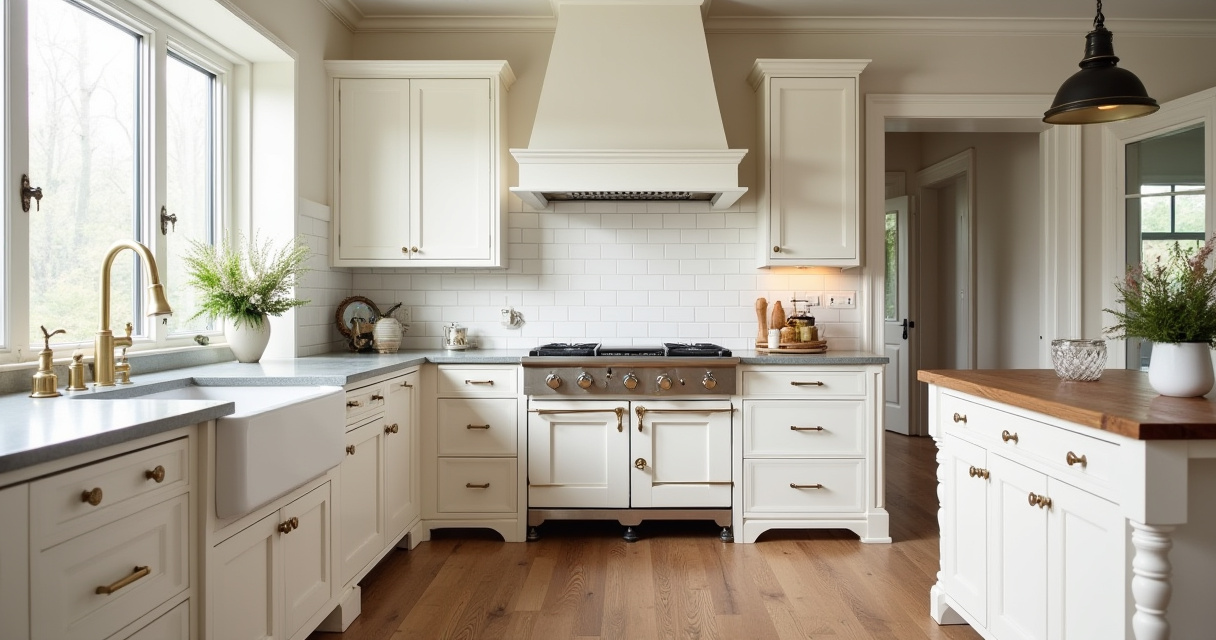
Contrary to popular belief, stark white or cool gray kitchens aren’t truly timeless-they reflect recent trends and can feel sterile in traditional settings. Instead, embrace colors inspired by nature: creamy whites, soft greiges, muted greens, and natural wood tones. These hues create a serene backdrop that highlights quality materials.
Think of your cabinet color as a luxurious cashmere sweater-elegant, versatile, and comforting. For instance, a client once feared beige due to its 90s reputation, but a layered palette of creamy walls, mushroom cabinets, and deep soapstone counters transformed her kitchen into a warm, sophisticated space. Texture and natural finishes add depth beyond mere color.
4. Prioritize Budget on Durable, Foundational Elements
Here’s crucial financial advice: invest primarily in components that are difficult to replace. While flashy appliances and trendy fixtures catch the eye, the real value lies in cabinetry and countertops-the kitchen’s backbone.
I’ve seen clients sacrifice cabinet quality to afford high-end refrigerators, only to face sagging doors and peeling finishes within a few years. Replacing cabinets is far more disruptive and costly than upgrading appliances. Opt for solid wood cabinets and premium countertop materials. Save on easily changeable items like faucets, hardware, or backsplashes.
Foundations of a Lasting Kitchen: Strategic Planning Essentials (Part 2)
With the big picture set, it’s time to focus on architectural details that elevate your kitchen from ordinary to extraordinary.
5. Integrate Period-Appropriate Architectural Details and Moldings
High-end traditional kitchens distinguish themselves through thoughtful moldings, wainscoting, and trim that add depth and permanence. However, these details must suit your home’s style and scale. Victorian crown molding in a simple farmhouse kitchen looks out of place.
Study historic homes matching your chosen style to understand how window casings, baseboards, and crown moldings relate. I once enhanced a new-build kitchen with multi-layered crown molding and beadboard backsplash, instantly imparting a custom, timeless feel without a huge budget.
6. Comply with Local Building Codes and Preservation Guidelines
Though less glamorous, adhering to building codes and historic preservation rules is essential. Ignoring these can halt your project and lead to costly rework. If your home is in a historic district, you must collaborate with preservation authorities to maintain authenticity.
Even outside historic zones, plumbing and electrical codes are mandatory for safety. Hiring professionals familiar with local regulations and who maintain good relationships with building departments ensures smooth approvals and avoids delays.
Authenticity in Materials and Features: Selecting Core Elements (Part 1)
Now comes the exciting phase of choosing the tangible elements that define your kitchen’s character and durability.
7. Selecting Cabinetry Styles: Shaker, Inset, or Raised-Panel?
Cabinetry dominates your kitchen’s visual impact. Here’s a breakdown of popular traditional styles:
- Shaker: The versatile classic with clean lines, suitable for Farmhouse, Transitional, and simple Colonial kitchens. It’s often the most budget-friendly.
- Inset: The epitome of craftsmanship, with doors flush to the frame, resembling fine furniture. It’s the priciest but exudes understated luxury.
- Raised-Panel: Traditional and formal, featuring a raised center panel that adds depth. Common in Georgian and Victorian kitchens.
For budget-conscious projects, consider Shaker cabinets around the perimeter and splurge on inset or raised-panel styles for focal points like the island. This approach balances cost and elegance.
8. Choosing Natural Stone Countertops: Marble, Granite, or Soapstone?
Natural stone countertops are a hallmark of traditional kitchens. Despite myths, marble isn’t overly high-maintenance-it simply ages with character, developing a patina much like a cherished leather bag.
- Marble: Renowned for its beauty and veining, ideal for bakers due to its cool surface. It etches with acidic spills but can be sealed against stains.
- Granite: Durable and heat-resistant, with timeless appeal if you select slabs with subtle patterns rather than dated speckles.
- Soapstone: Offers a soft, moody aesthetic, is non-porous and heat-proof. Scratches can be oiled or sanded out, and it darkens gracefully over time.
Visit stone yards to view full slabs, as small samples don’t capture the stone’s true character. Choose a slab you love and ensure your fabricator uses it exclusively.
9. Traditional Sink Styles: Farmhouse Apron vs. Undermount Basins
The sink is both functional and stylistic. The iconic farmhouse apron-front sink offers a welcoming, practical design for large pots but requires ordering before cabinetry construction due to its unique base cabinet needs.
If farmhouse isn’t your preference, a high-quality undermount sink in cast iron, stainless steel, or composite provides a sleek, timeless look and easy cleanup. For example, a client with a formal Colonial kitchen chose a white cast-iron undermount sink, blending classic style with durability without rustic overtones.
10. Selecting Period-Appropriate Faucets and Hardware Finishes
Hardware and faucets are the jewelry of your kitchen. Investing in quality here can elevate the entire space, while cheap options undermine even the most expensive renovations. My top pick for a timeless finish is unlacquered brass.
Though it tarnishes, this patina adds warmth and tells your kitchen’s story over time. If you prefer less aging, polished nickel or oil-rubbed bronze are classic alternatives. Don’t stress about matching every metal perfectly; mixing finishes within a warm, cohesive palette creates a curated, authentic feel.
Authenticity in Materials and Features: Selecting Core Elements (Part 2)
Beyond eye-level features, consider flooring, islands, and appliances that complete your kitchen’s function and style.
11. Hardwood Flooring: Classic Choices and Finishes
Hardwood floors add unmatched warmth and continuity. Concerns about water damage are valid but manageable with modern polyurethane finishes that resist moisture. Promptly cleaning spills is key.
Stick to traditional species like oak or maple, avoiding trendy or exotic woods that may date quickly. For instance, restoring century-old pine floors with a matte commercial finish can yield a character-rich, durable surface that feels timeless.
12. Designing Functional Islands with Traditional Appeal
An island must be practical, not just attractive. Define its role: prep station, secondary sink, casual dining, or homework area. This determines storage, countertop choice, and layout.
Avoid oversized islands that disrupt flow; maintain at least 42 inches clearance around all sides, ideally 48. To add charm, design the island as a freestanding piece with contrasting cabinetry or furniture-style legs. Don’t forget ample electrical outlets-more than you think you need.
13. Seamless Integration of Appliances
Nothing disrupts a traditional kitchen’s harmony like a large, shiny stainless steel fridge. The solution is integrated, panel-ready appliances that blend with cabinetry, creating a continuous millwork effect.
This investment transforms kitchens into refined living spaces rather than utilitarian rooms. For example, in a Georgian home renovation, we concealed refrigerators and freezers behind raised-panel doors, preserving the kitchen’s elegant aesthetic.
Refining and Preserving Your Traditional Kitchen (Part 1)
With your kitchen built, it’s time to infuse it with personality, light, and order.
14. Layered Lighting: Balancing Ambient, Task, and Accent
Lighting is often overlooked but essential. A single overhead fixture creates harsh shadows and a sterile feel. Instead, layer your lighting:
- Ambient: General illumination from recessed lights or chandeliers.
- Task: Focused lighting for work areas, such as under-cabinet strips and pendant lights over islands.
- Accent: Decorative lighting inside glass cabinets or over artwork to add depth and mood.
Use dimmers on all layers to shift the atmosphere from bright workspace to cozy dining area. Adjusting lighting can dramatically transform the room’s feel.
15. Personalizing with Vintage and Heirloom Decor
To avoid a showroom look, incorporate items that tell your story: antique cookbooks, heirloom pottery, vintage paintings, or flea market finds. Mixing old and new, high and low, adds soul.
Curate carefully to prevent clutter. Open shelving is ideal for displaying functional yet beautiful items like white ironstone dishes or glass jars filled with pantry staples. A well-placed piece of art can become a stunning focal point, adding unexpected charm.
16. Maximizing Storage with Classic Pantries and Open Displays
A well-organized pantry is key to a clutter-free kitchen. Whether a walk-in or pull-out cabinet, it hides everyday items and keeps counters clear.
Design pantries with varied storage: deep shelves for bulk goods, shallow racks for spices, and drawers or baskets for produce. Including a countertop with outlets inside the pantry creates a hidden station for appliances like coffee makers, maintaining the kitchen’s clean look.
17. Smart Organization for Lasting Order
Beautiful kitchens fail if drawers and cabinets are chaotic. Luxury lies in effortless function, achieved through thoughtful organization from the start.
Deep drawers for pots and pans, custom dividers for utensils and spices, and zone-based storage (baking supplies near prep areas, dishes near the dishwasher) streamline cooking. Reorganizing based on these principles can feel like a brand-new kitchen without buying anything new.
Refining and Preserving Your Traditional Kitchen (Part 2)
Your kitchen is a living space that needs care and adaptability to modern life.
18. Caring for Natural Surfaces to Prolong Their Beauty
Maintaining natural materials is straightforward with the right approach. Use pH-neutral cleaners for stone surfaces-avoid vinegar and abrasives. Seal stone countertops annually to prevent stains. For wood, clean spills promptly with gentle soap. Let unlacquered brass age naturally, embracing its evolving patina.
Keep a simple cleaning kit under the sink: one cleaner for stone, one for wood, and soft microfiber cloths. Using appropriate products consistently preserves your investment and makes upkeep easy.
19. Integrating Modern Technology Without Compromising Style
Modern conveniences are welcome but should remain discreet. Avoid large smart screens or visible cables that clash with traditional aesthetics.
Solutions include charging drawers with built-in USB ports, pop-up outlets that vanish into countertops, and smart home controls designed to resemble classic switches. Appliance garages with pocket doors conceal gadgets when not in use, maintaining a clean, timeless look.
Conclusion
Designing a timeless traditional kitchen transcends following strict historical rules. It embodies a philosophy valuing quality, craftsmanship, and personal connection. By focusing on these 19 essential elements-from foundational architecture to thoughtful details-you create more than a cooking space. You build the heart of your home, a sanctuary that welcomes family and friends, and grows more beautiful with each passing year.
This approach is an investment in enduring comfort, character, and elegance. Embrace these principles, trust your vision, and embark on crafting a kitchen that is authentically and beautifully yours.